







Every winter, as Greece moves toward Lent, one city in the country’s northeast shifts into full celebration mode. Music carries through narrow streets, costumed groups rehearse late into the night, and entire neighborhoods prepare floats. Xanthi, a vibrant city in northeastern Greece near the borders with Bulgaria and Turkey, has been home to the reknown carnival since 1966.
Xanthi lies in the region of Thrace, between the Rhodope Mountains and the Aegean coast. Its Old Town preserves Ottoman-era mansions, neoclassical houses, and tobacco warehouses from the late nineteenth century, reflecting a history shaped by trade and cultural exchange across the Balkans. During Carnival season, this architectural setting becomes the stage for one of the largest pre-Lenten celebrations in southeastern Europe. Here, we guide you through all the steps of the Carnival period in this visit-worthy destination.
01
A Balkan Setting with Layers of History


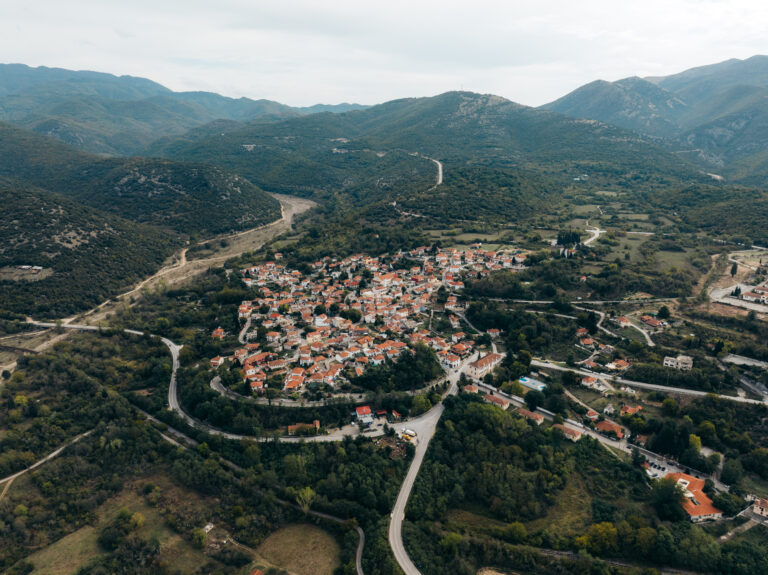
Xanthi lies in Thrace, in northeastern Greece, between the Rhodope Mountains and the Aegean coast. Its Old Town preserves Ottoman-era mansions, neoclassical residences, and late nineteenth-century tobacco warehouses. The city’s architecture reflects a history shaped by trade routes and cross-border exchange across the Balkans. During Carnival, its streets become the physical stage for the celebrations.
02
Three Weeks of Pre-Lenten Festivities

Carnival in Greece unfolds during the weeks preceding Lent in the Orthodox calendar, beginning with the opening of the Triodion, the liturgical book that governs the pre-Lenten period. In Xanthi, the program extends for roughly three weeks and follows a structured schedule published by the municipality and local cultural associations. Concerts by Greek artists, performances of Thracian and Pontic dances, children’s events, exhibitions, and themed gatherings take place in public squares, cultural centers, and along the main commercial streets. The scale of participation has made the Xanthi Carnival one of the largest in northern Greece, combining liturgical timing with an urban festival calendar.
03
A Saturday Night Street Parade

On the final Saturday before Lent, a major nighttime parade advances through central Xanthi toward Democracy Square. Carnival groups in coordinated costumes move in sequence behind illuminated floats, while DJs positioned along the route provide continuous music. The crowd gathers hours in advance, filling balconies and sidewalks, and the procession culminates in the square with fireworks and amplified performances. The event functions as the last large-scale public celebration before the shift in tone that follows on Clean Monday.
04
The Grand Carnival on Sunday


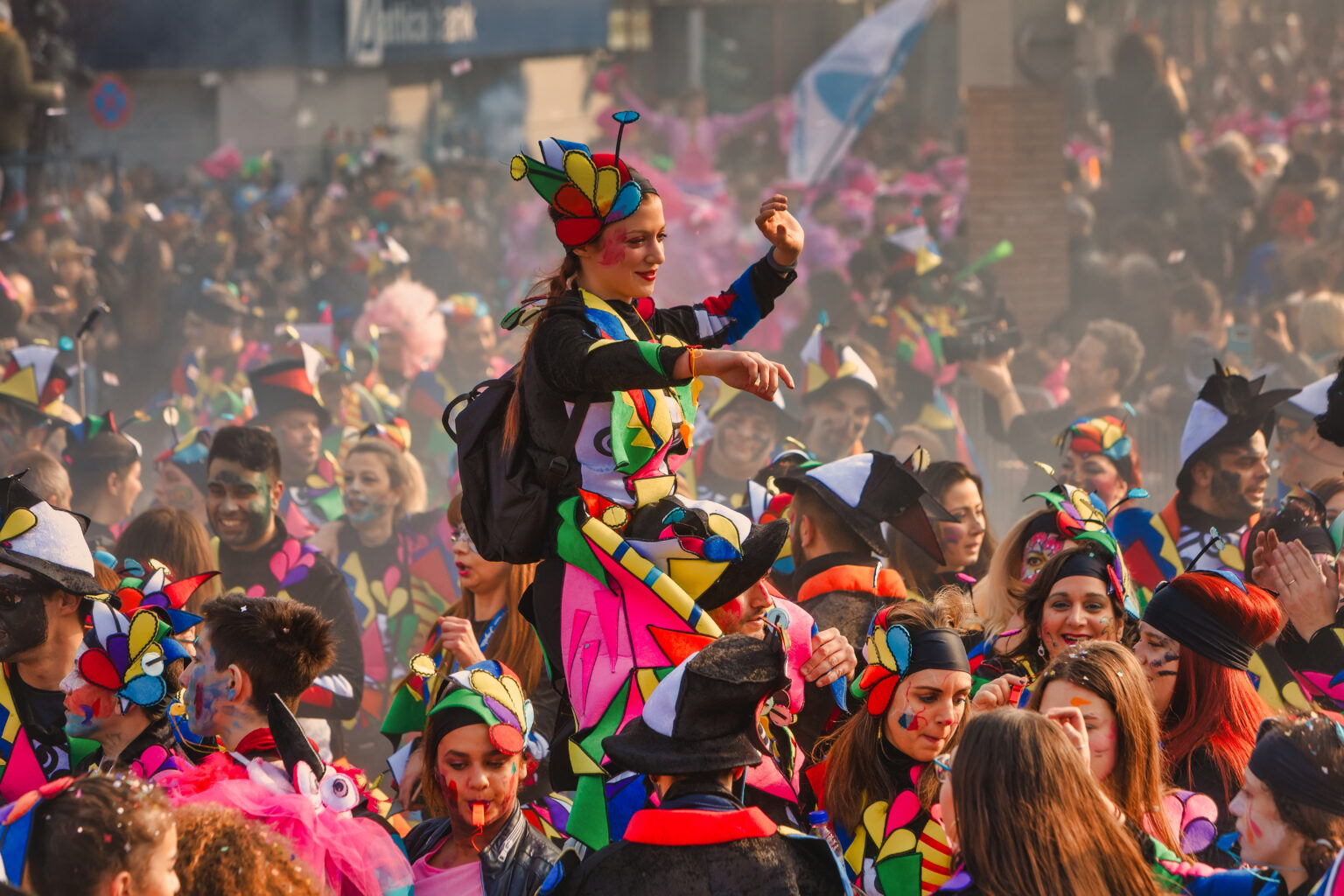


On Sunday, Xanthi hosts the largest and most elaborate parade of the season, a procession that draws thousands of participants and visitors from across northern Greece and beyond. Carnival groups assemble at the western entrance of the city, each representing local cultural associations, student clubs, or neighborhood teams that have prepared costumes and thematic floats over several months. At the head of the parade stands the towering Carnival King, a monumental figure constructed on a float and often conceived as a satirical commentary on current political events, public figures, or social trends. This element of satire links the celebration to older European Carnival traditions in which humor and exaggeration offered temporary license for public critique.
From there, the procession advances along the city’s main avenues in a carefully organized sequence, accompanied by marching bands, amplified music, and choreographed performances. Spectators line balconies and sidewalks, and confetti, streamers, and colored smoke mark the route. The parade concludes near the municipal stadium, where formal judging of groups typically takes place and the celebration continues with live music and open-air dancing. As night falls, the atmosphere shifts from spectacle to collective festivity, closing the final full day of Carnival before the transition into Lent.
05
The Burning of Tzaros


Along the banks of the Kosynthos River in Xanthi, the Burning of Tzaros concludes the city’s Carnival with a ritual that carries both historical memory and seasonal symbolism. The custom was introduced in the early twentieth century by Greek refugees from Eastern Thrace, who resettled in the region after the population exchanges that followed the collapse of the Ottoman Empire. They brought with them a winter-ending fire rite centered on the burning of an effigy known as “Tzaros,” often understood as a representation of disease, misfortune, or the excesses of Carnival.
The ritual belongs to a wider Balkan and Eastern Mediterranean tradition of fire ceremonies marking the transition from winter to spring. In Xanthi, the effigy is paraded and then set alight on the final evening of festivities, just before Clean Monday inaugurates Lent in the Orthodox calendar. The ritual therefore operates on two levels: it formally closes a period of public revelry and signals entry into the more austere rhythm of the Lenten season, preserving a refugee community’s inherited practice within the civic identity of the modern festival.
06
Clean Monday in Stavroupoli
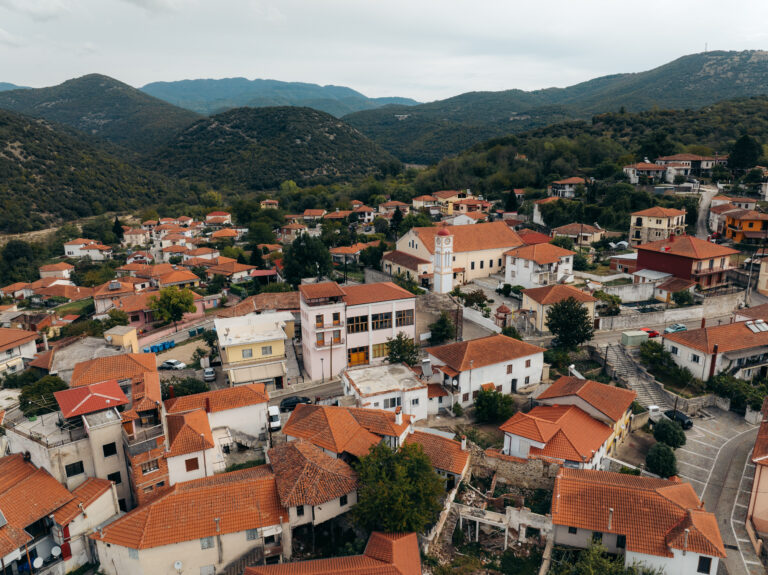

On Clean Monday, the first day of Lent in the Orthodox calendar, celebrations move from Xanthi to nearby Stavroupoli, a small town set at the foothills of the Rhodope Mountains and known as a gateway to the Nestos valley. Clean Monday, or Kathara Deftera, marks the formal beginning of the 40-day Lenten fast before Easter, and in Stavroupoli the day combines religious observance with open-air festivity. Local cultural associations organize gatherings in central squares and surrounding green spaces, where traditional Thracian music is performed live and circle dances unfold for hours, drawing residents and visitors into the same line.
Long communal tables are laid out with fasting foods that reflect Orthodox dietary rules: lagana, the unleavened flatbread baked specifically for the day; olives and pickled vegetables; taramasalata made from fish roe; bean soup simmered in large pots; and halva prepared with tahini and sugar. Wine is typically replaced with non-alcoholic drinks in keeping with the spirit of the fast. The setting, with mountain air and early signs of spring, reinforces the symbolism of renewal and cleansing that defines Clean Monday.
07
Beyond Carnival: The Old Town and Museums


Between events, visitors can explore the Old Town of Xanthi, a preserved district of narrow cobblestone streets and late 19th-century houses built during the city’s tobacco boom. Projecting wooden balconies, enclosed upper floors, and painted façades reflect Ottoman and neoclassical influences, recalling a period when Greek Orthodox, Muslim, Jewish, and Armenian communities lived and traded here.
Between events, visitors can explore Xanthi’s Old Town with its cobblestone lanes and projecting wooden balconies. The Folklore and Historical Museum, set in a former merchant’s mansion, presents documents, furnishings, and costumes that trace the city’s commercial and social history. Nearby, the Municipal Gallery hosts rotating exhibitions of modern Greek art, linking Xanthi’s past prosperity to its present cultural life, and offers insight into the city’s tobacco-trading era and multicultural past.
08
How to Get There
From Athens by Air
Fly from Athens to Kavala International Airport (Alexander the Great). The flight takes about one hour. From Kavala, Xanthi is approximately forty minutes by car or taxi.
From Athens by Car
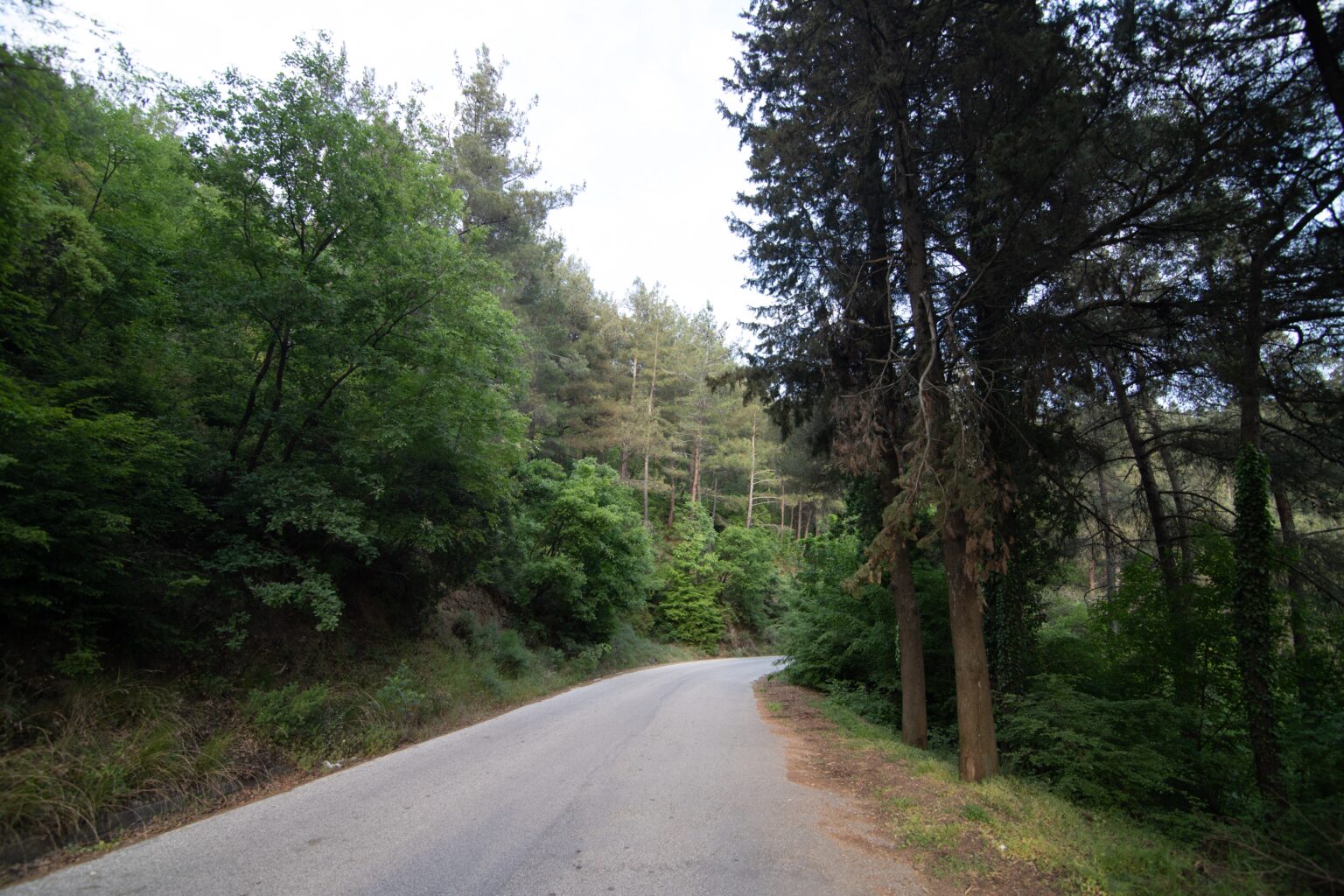
The drive takes about seven hours via the A1 highway north toward Thessaloniki and then east along the Egnatia Odos motorway across northern Greece. The route is straightforward and entirely on modern highways.
From Athens by Train
Direct train services connect Athens with Xanthi, with a travel time of roughly eight to nine hours depending on the service. Overnight options may be available seasonally.
From Thessaloniki
Thessaloniki is about two hours away by car via the Egnatia Odos. Trains and intercity buses also operate regularly between the two cities.
Note: During the final Carnival weekend, advance booking for flights, trains, and accommodation is strongly recommended, as visitor numbers increase substantially.


