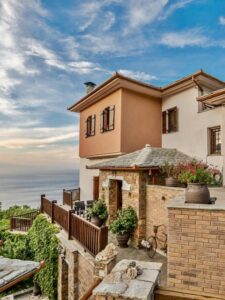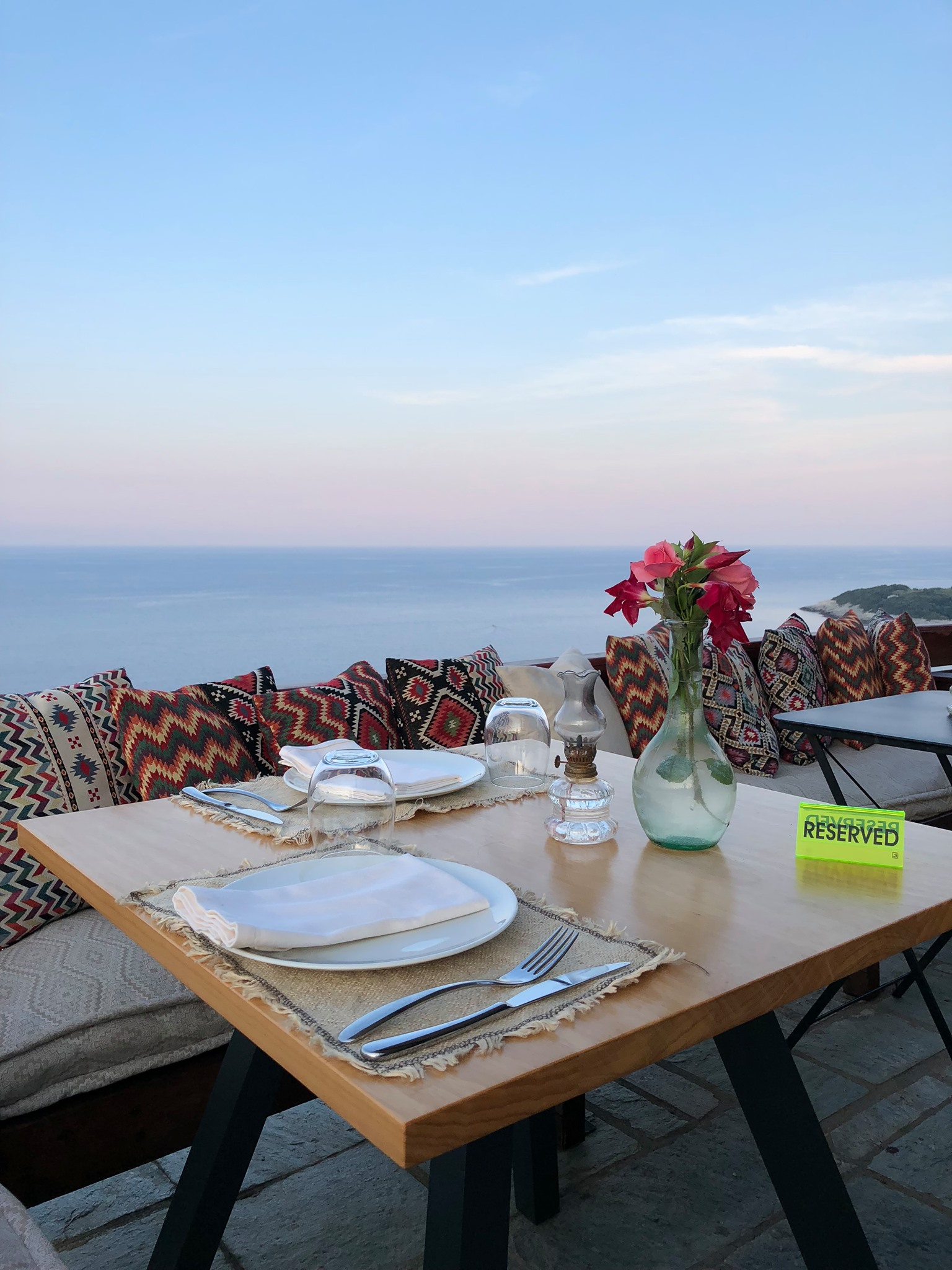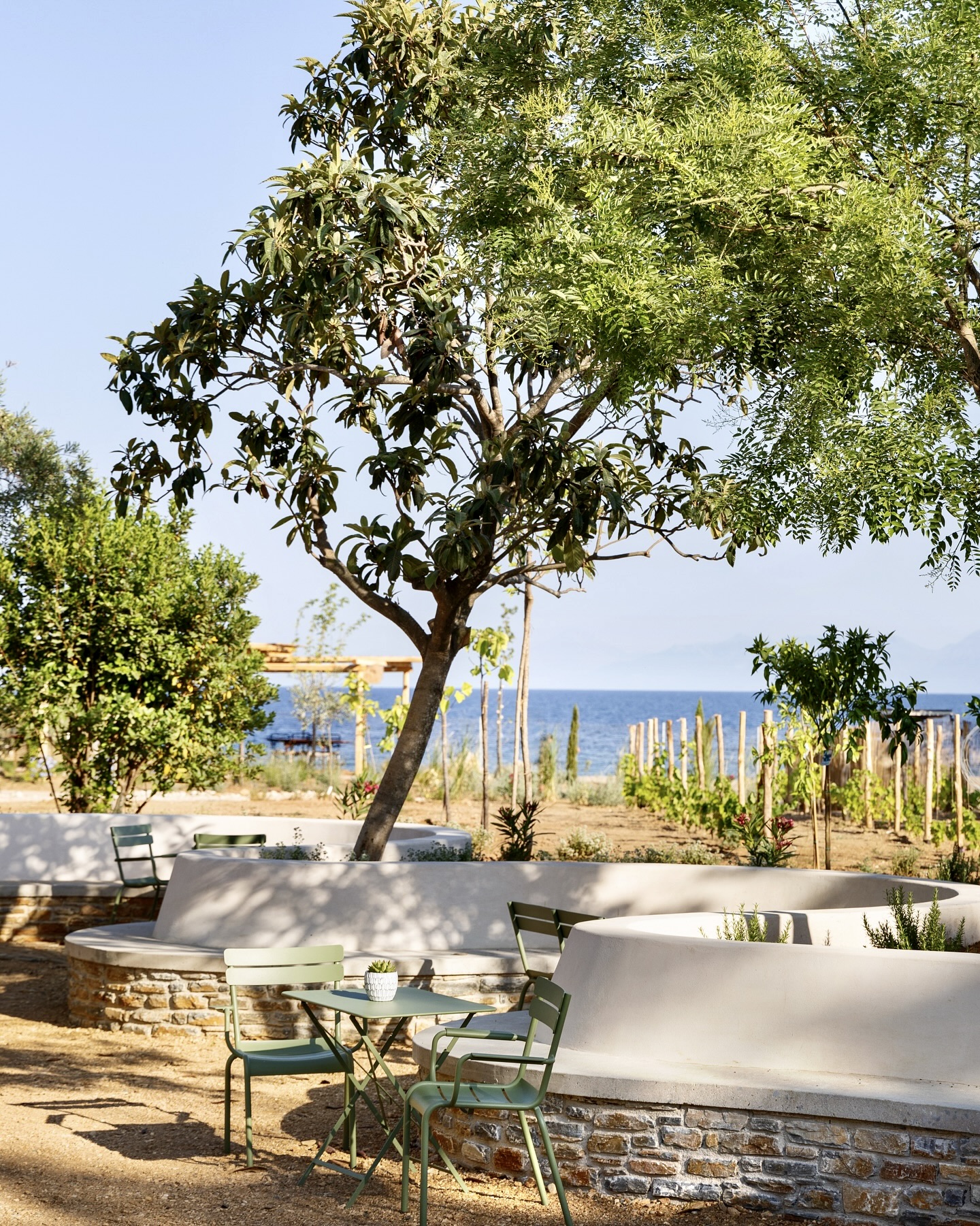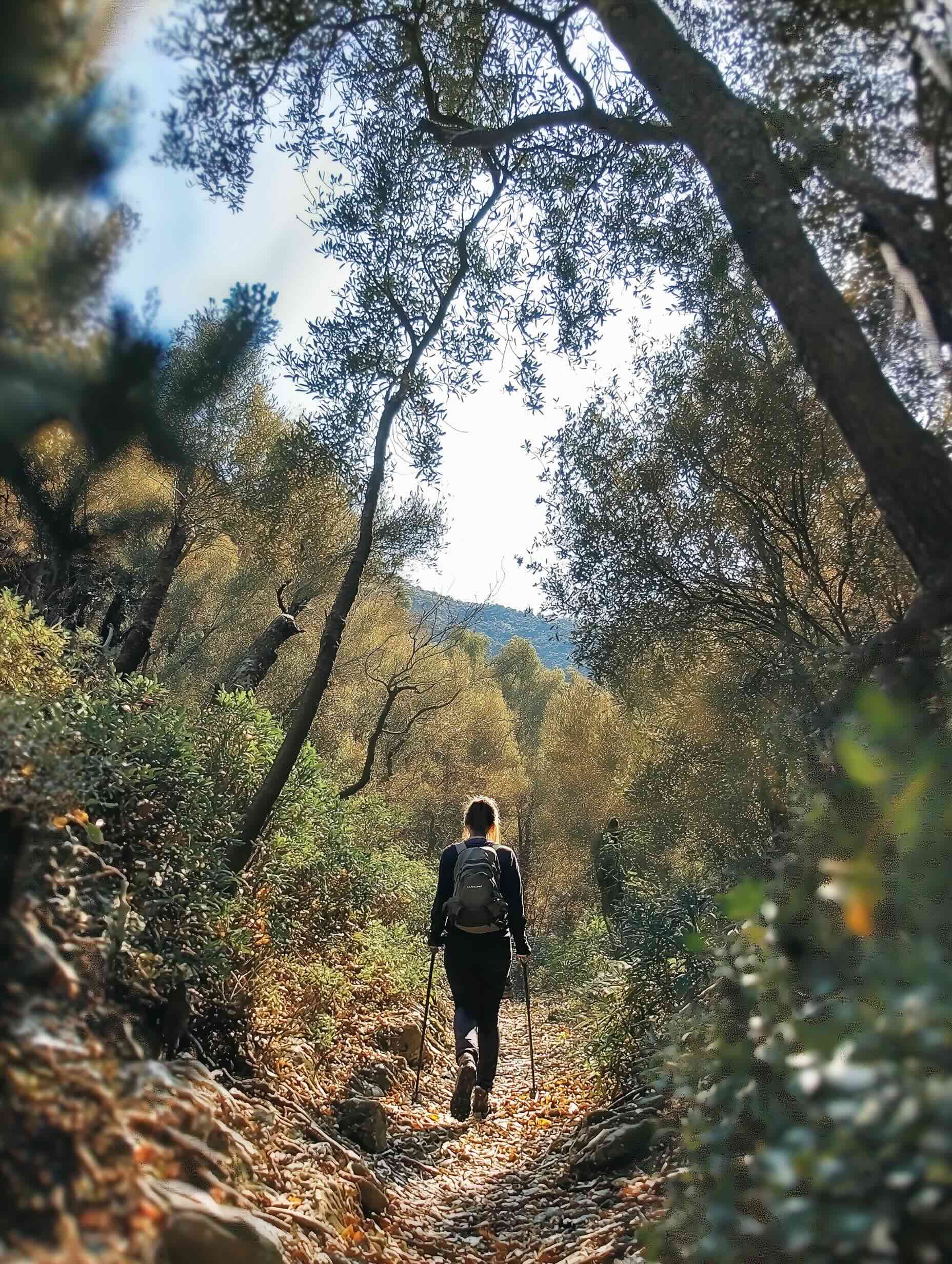



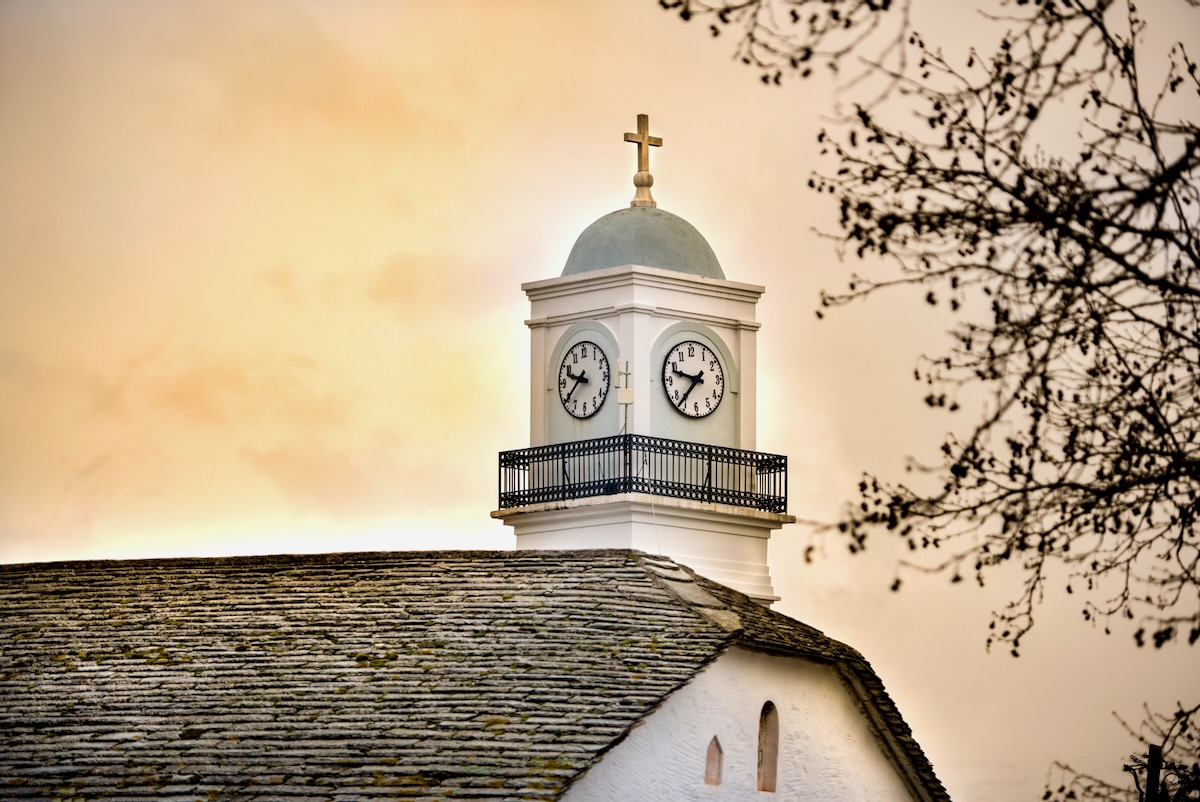
Pelion (read Pilio) has long held its quiet reputation as the Tuscany of Greece, but in winter it becomes something rarer still: a mountain world where the season settles softly over stone-built villages, cobbled footpaths, and forests dense enough to feel almost painted. It is, in many ways, the winter Santorini of Greece, an unexpected and luminous escape shaped by woodsmoke, mist, and the kind of Old World charm that survives in only a handful of places.
For American and British travelers seeking a holiday tableau untouched by excess, Pelion offers both intimacy and grandeur. Chestnut, beech, fir, and plane trees drape the slopes, while apple orchards pop like small bright notes against the earth. Ravines and hidden springs lend the landscape a quiet, cinematic shimmer, komorebi made Greek, shards of winter light slipping through branches.
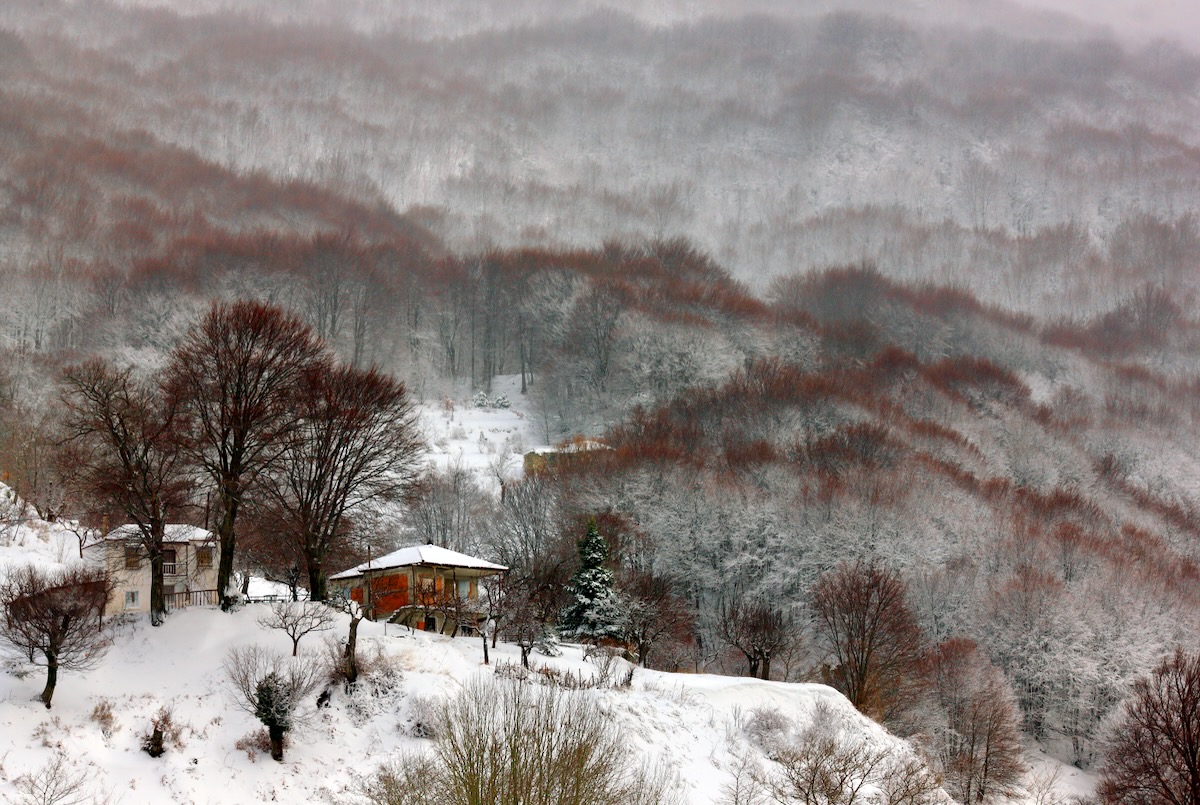

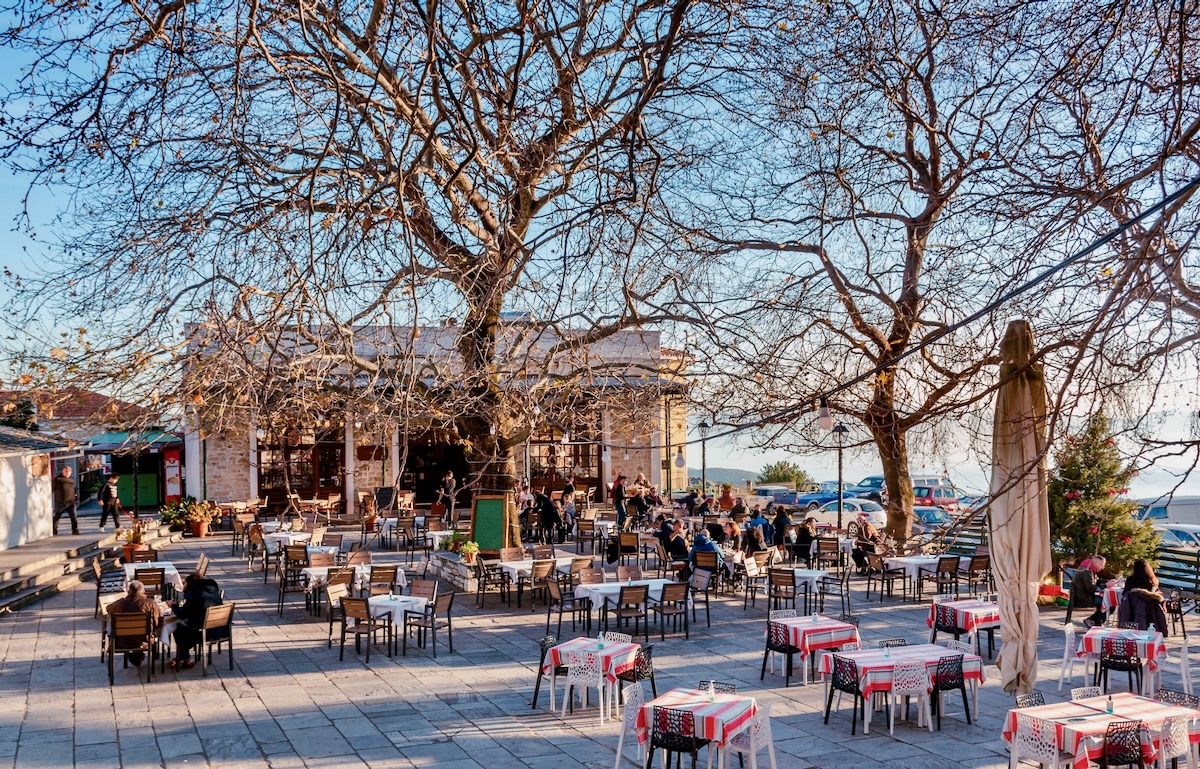
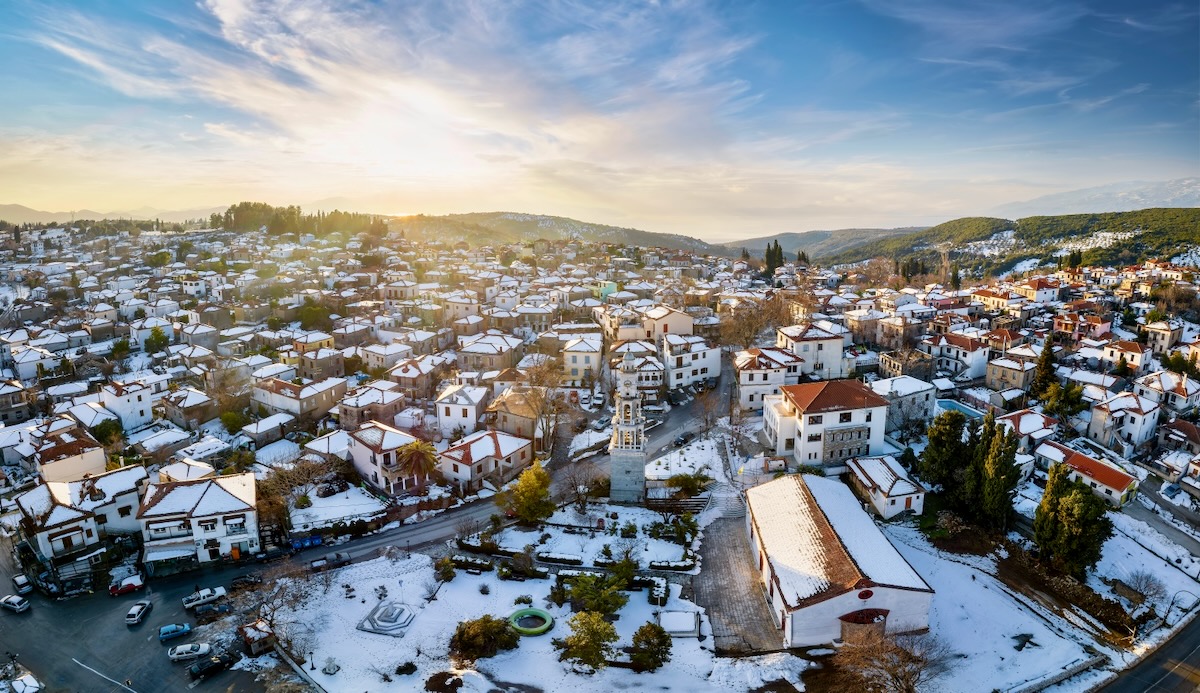
To round out the journey, we have included photographs from nearby villages and attractions that elevate the experience even further, each one adding its own layer of splendor. It is a trip worth making, an invitation to step into a landscape that feels both timeless and wholly new.
01
Portaria
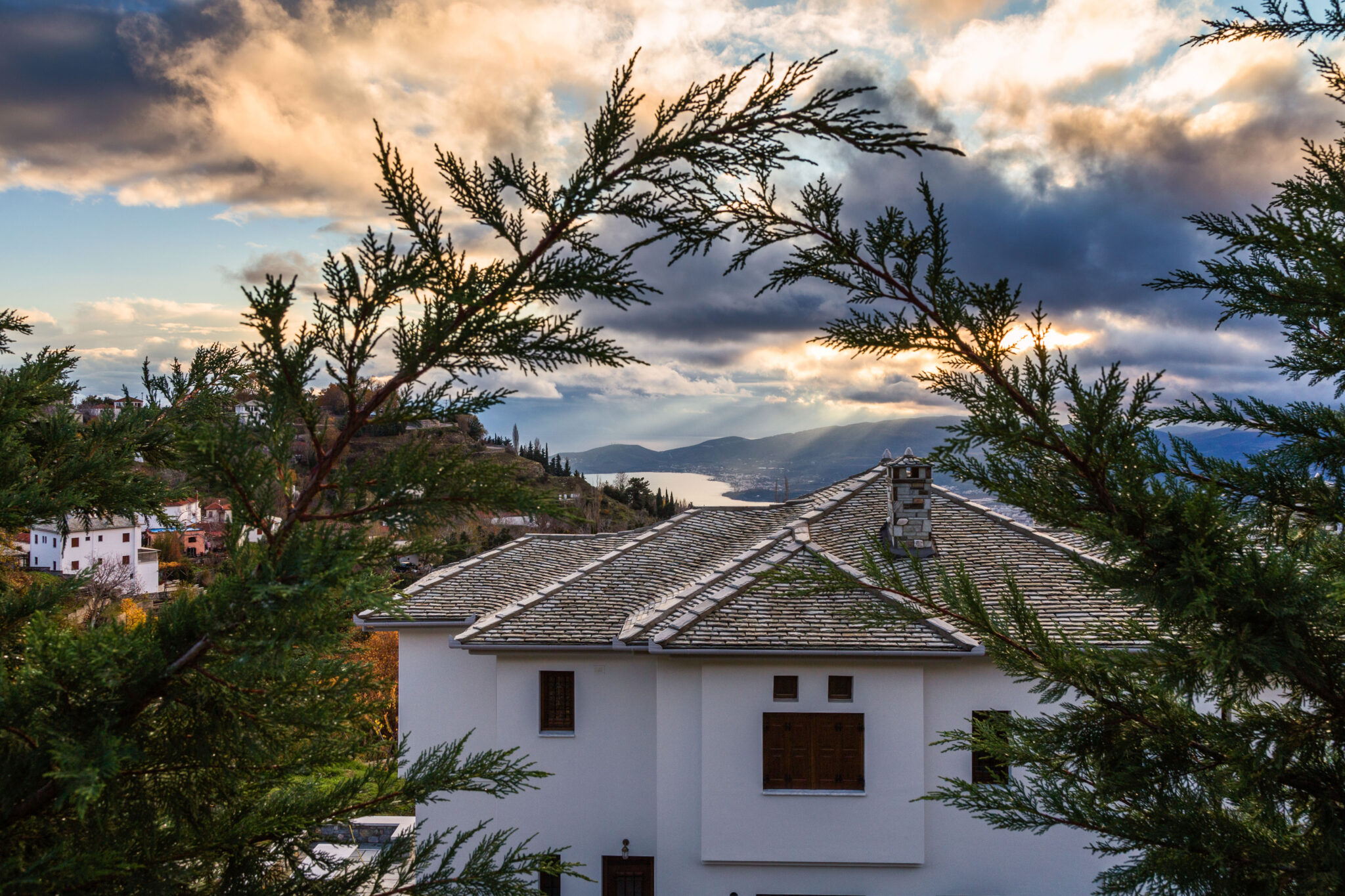
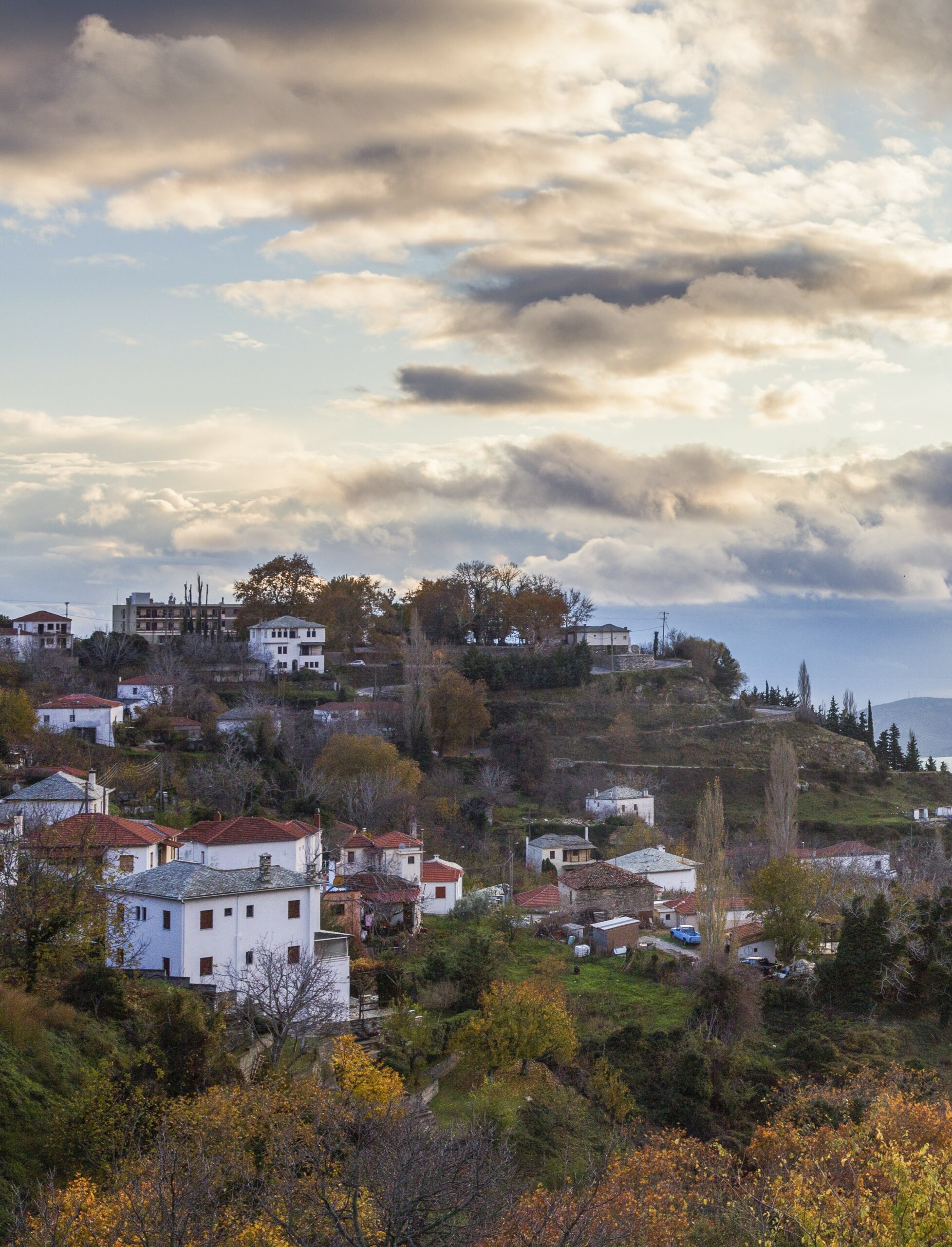
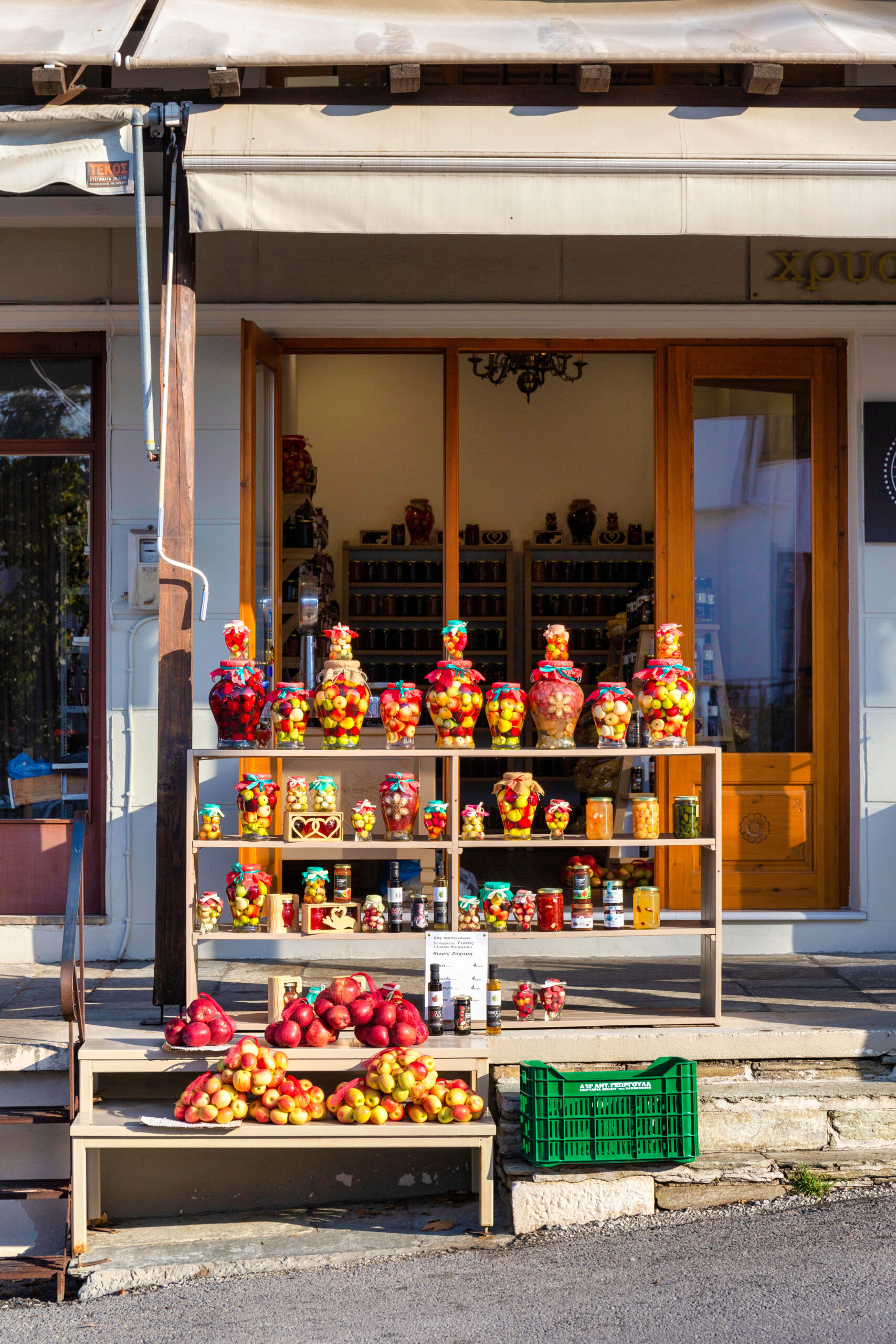
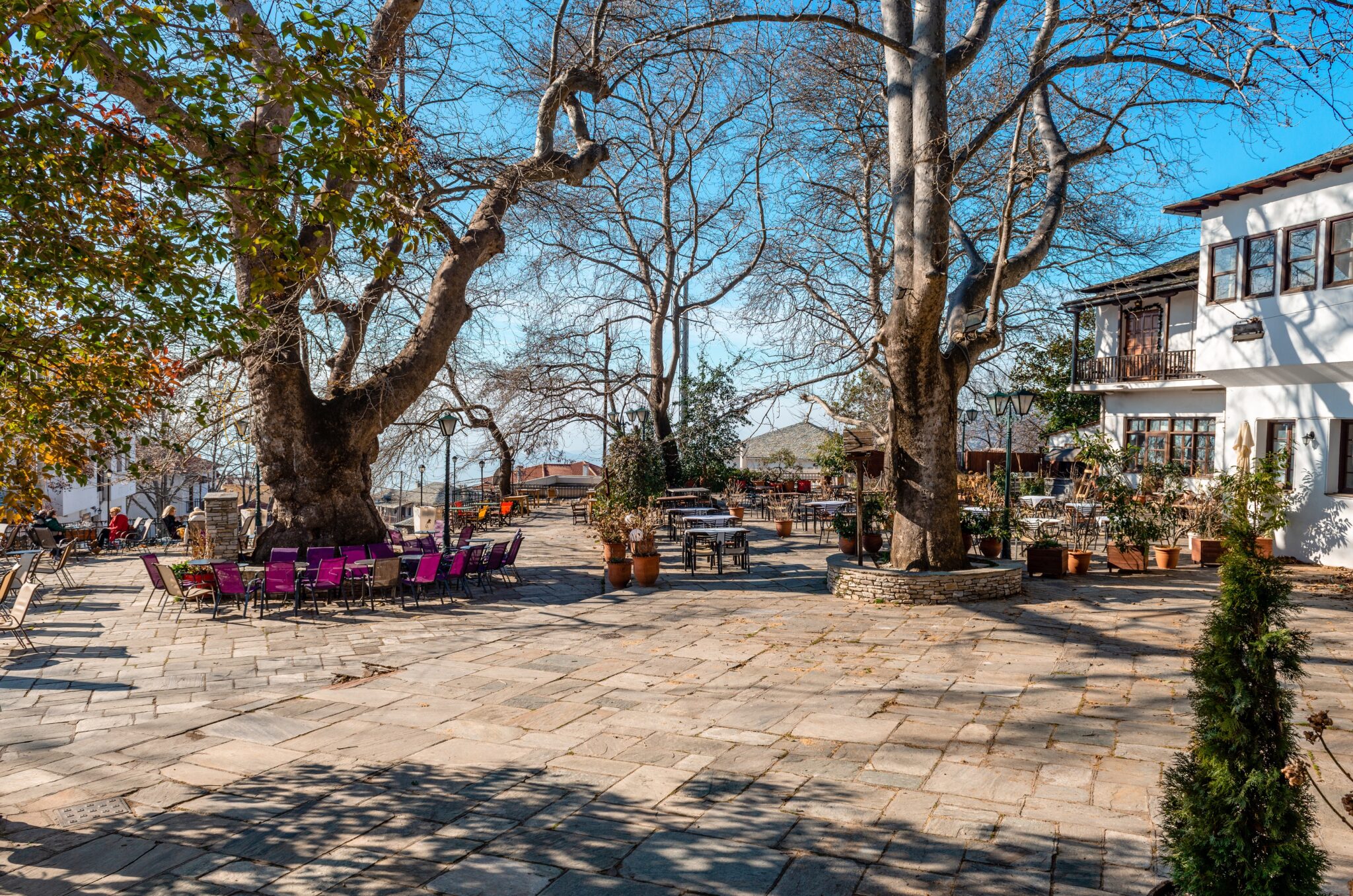
One of Pelion’s largest and best-organized villages, Portaria sits at 600 meters on the western side of the mountain, overlooking the calm waters of the Pagasetic Gulf and the city of Volos. Its uphill lanes reveal stone fountains, boutique hotels, cozy guesthouses, traditional tavernas, and cafés, as well as mansions that showcase the region’s layered history — from classic Pelion architecture to the elegant residences built by Greek expatriates from Egypt, recognizable by their twin staircases and elevated entrances.
Highlights include the nineteenth-century Church of Agios Nikolaos, the tiny thirteenth-century chapel of Panagia Portarea, and the Folklore Museum housed in an 1864 mansion. Before leaving, pick up chestnuts, apples, jams, and local honey. On a clear day, settle into the village square for a coffee under enormous plane trees. If you’re keen to learn how to make spanakopita from scratch, head to the Karaiskos farm just outside the village on the road toward Chania.
02
Makrinitsa
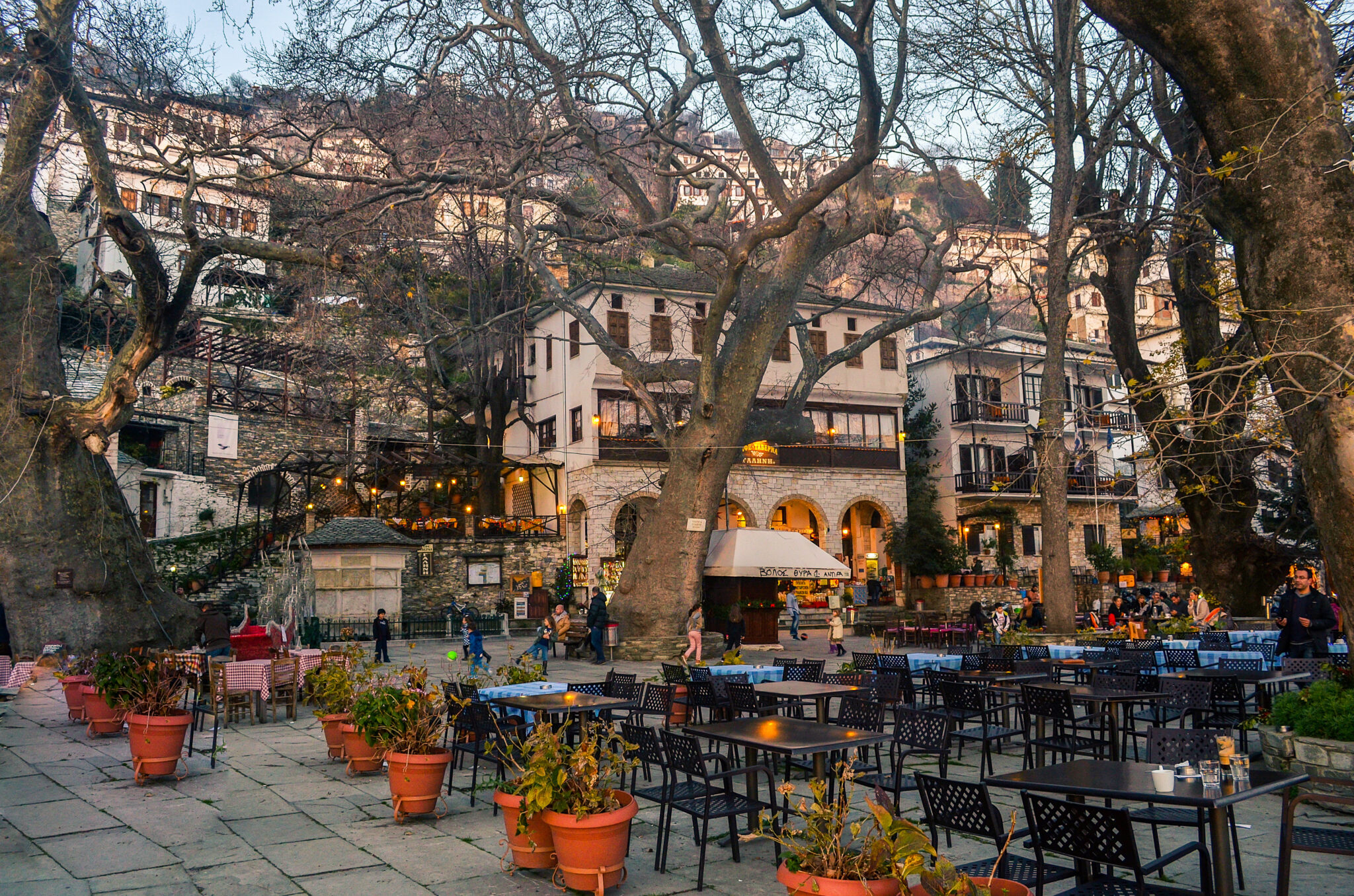
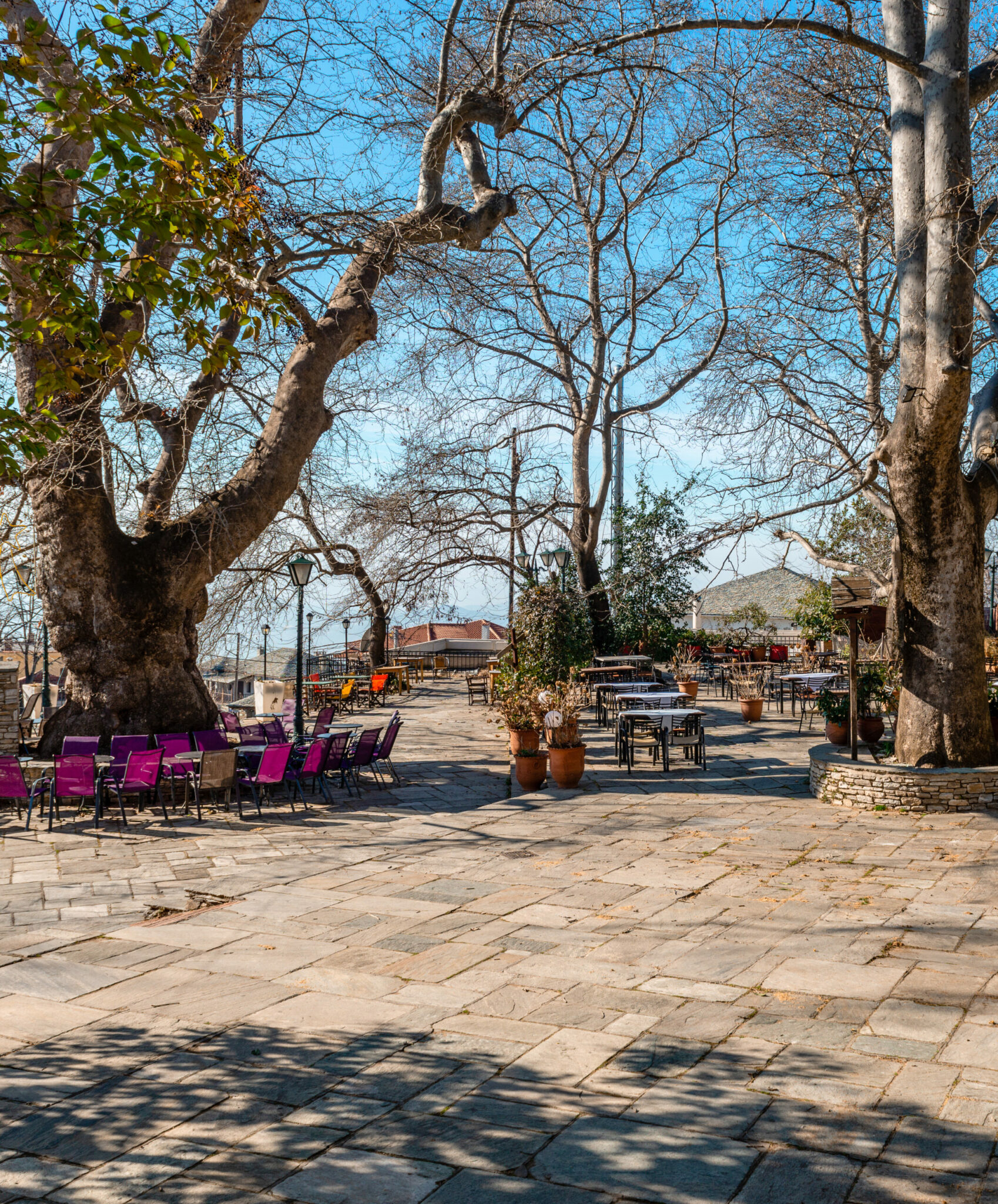
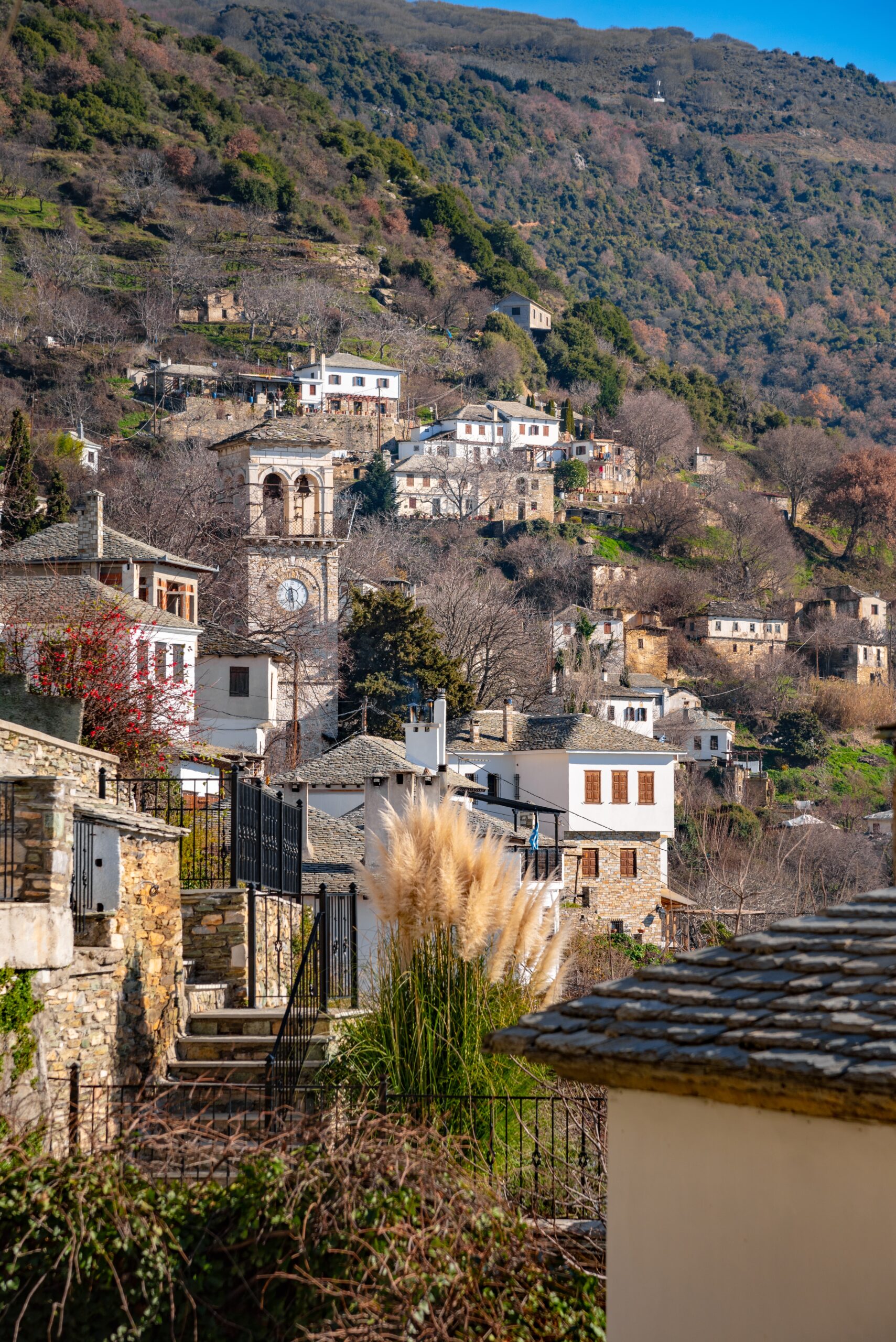
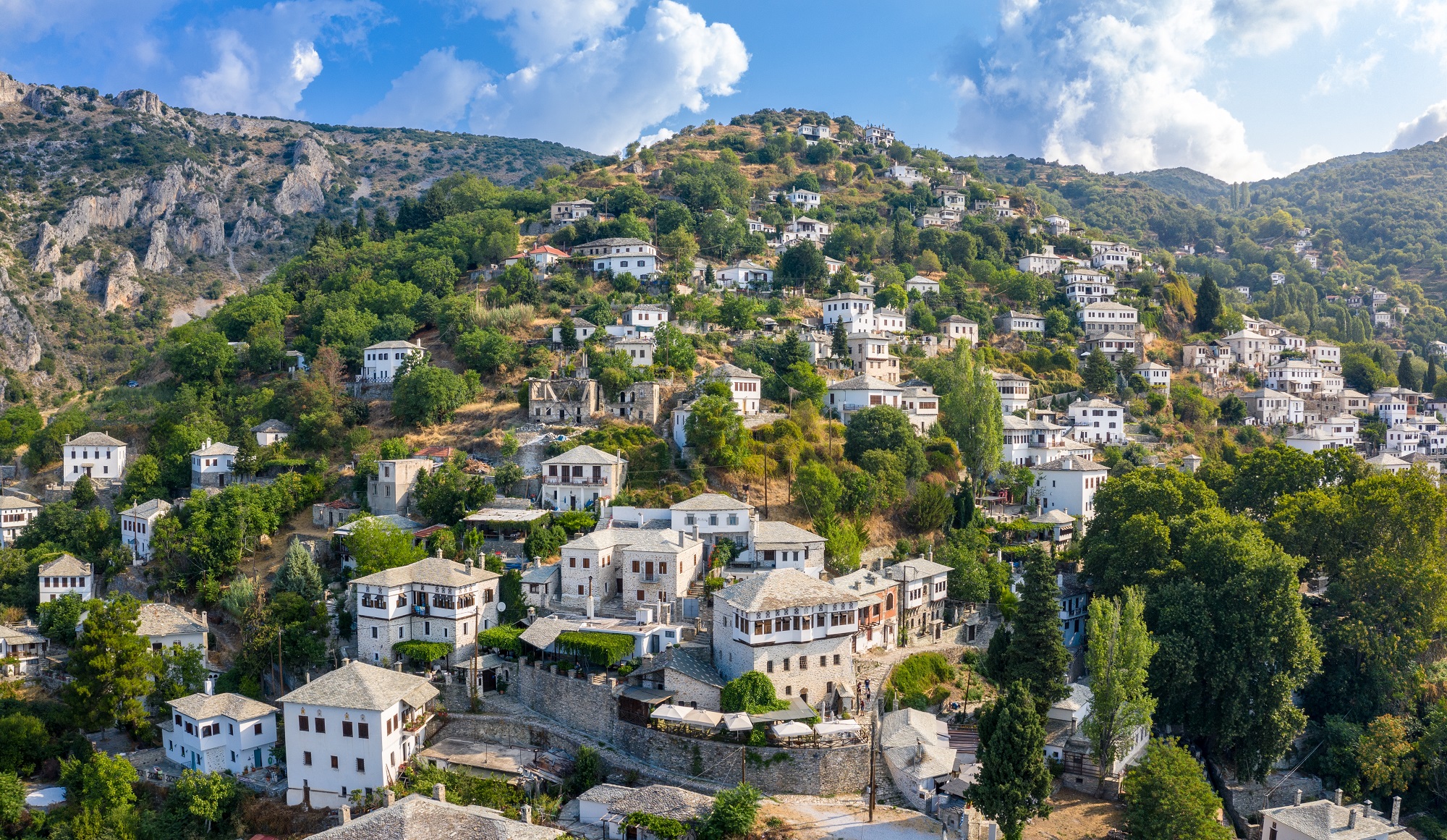
One of Pelion’s most atmospheric villages — and the one with the best views over Volos and the Pagasetic. Narrow cobbled paths, small waterfalls, traditional guesthouses, and a central square filled with running water define this Protected Traditional Settlement. Park your car under the shade of plane trees and walk up the main cobbled lane, where shops selling local products, sweets, honey, jewelry, and souvenirs line the way.
At the square, the massive plane tree and the marble Fountain of “Athanas Water” (1809) instantly draw the eye, along with the Church of Agios Ioannis (1806) and its nineteenth-century carved wooden iconostasis. The panorama here is extraordinary; for an even more serene moment, take the path to the Environmental Education Center — a magical nighttime lookout with sea views illuminated only by the city’s distant lights.
Just above the square, the Byzantine Museum displays ecclesiastical treasures from the thirteenth to the twentieth century. Nearby, you’ll find the historic café featuring a wall painting by the folk artist Theophilos, created in 1910–11.
03
Tsangarada
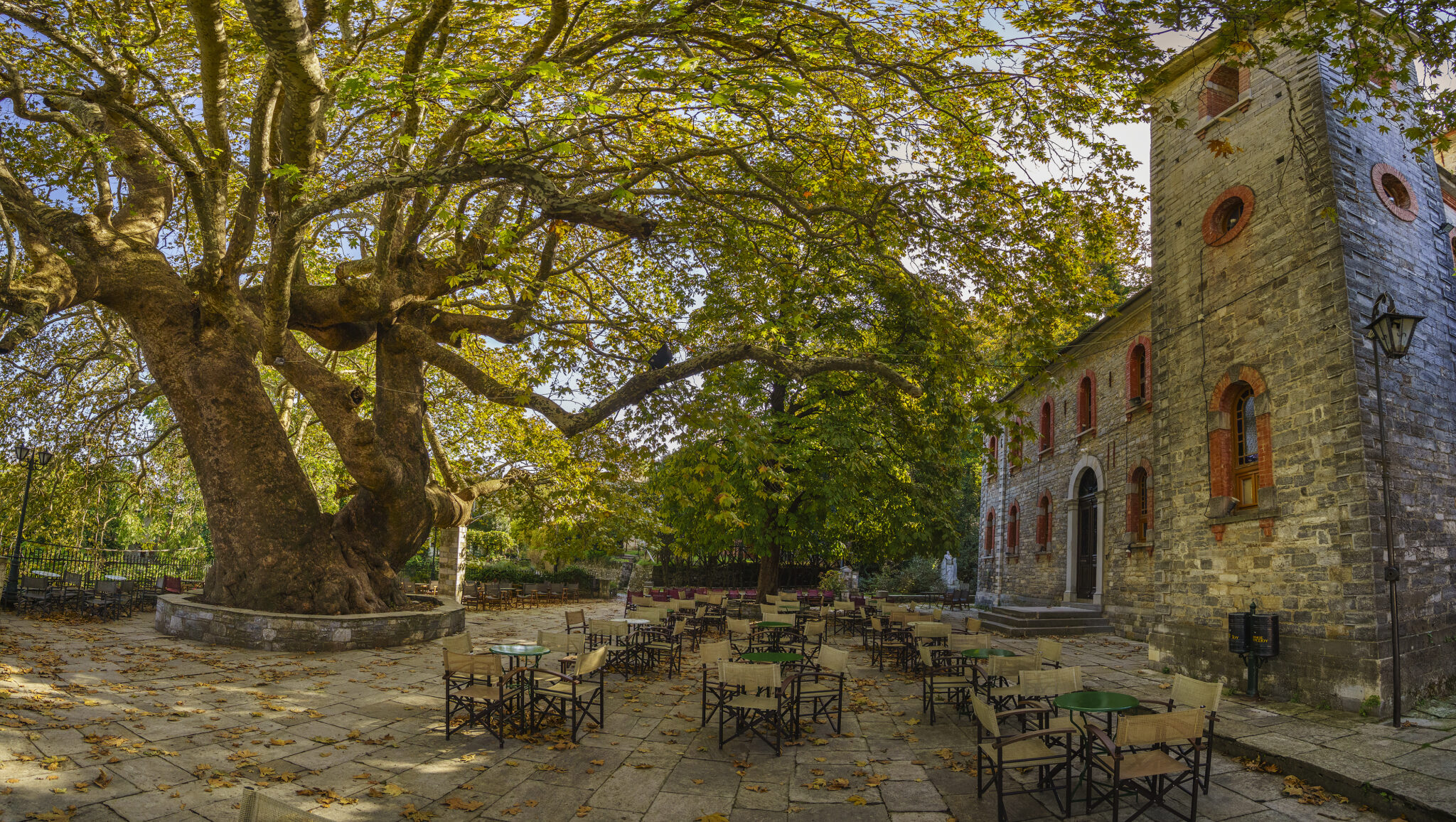
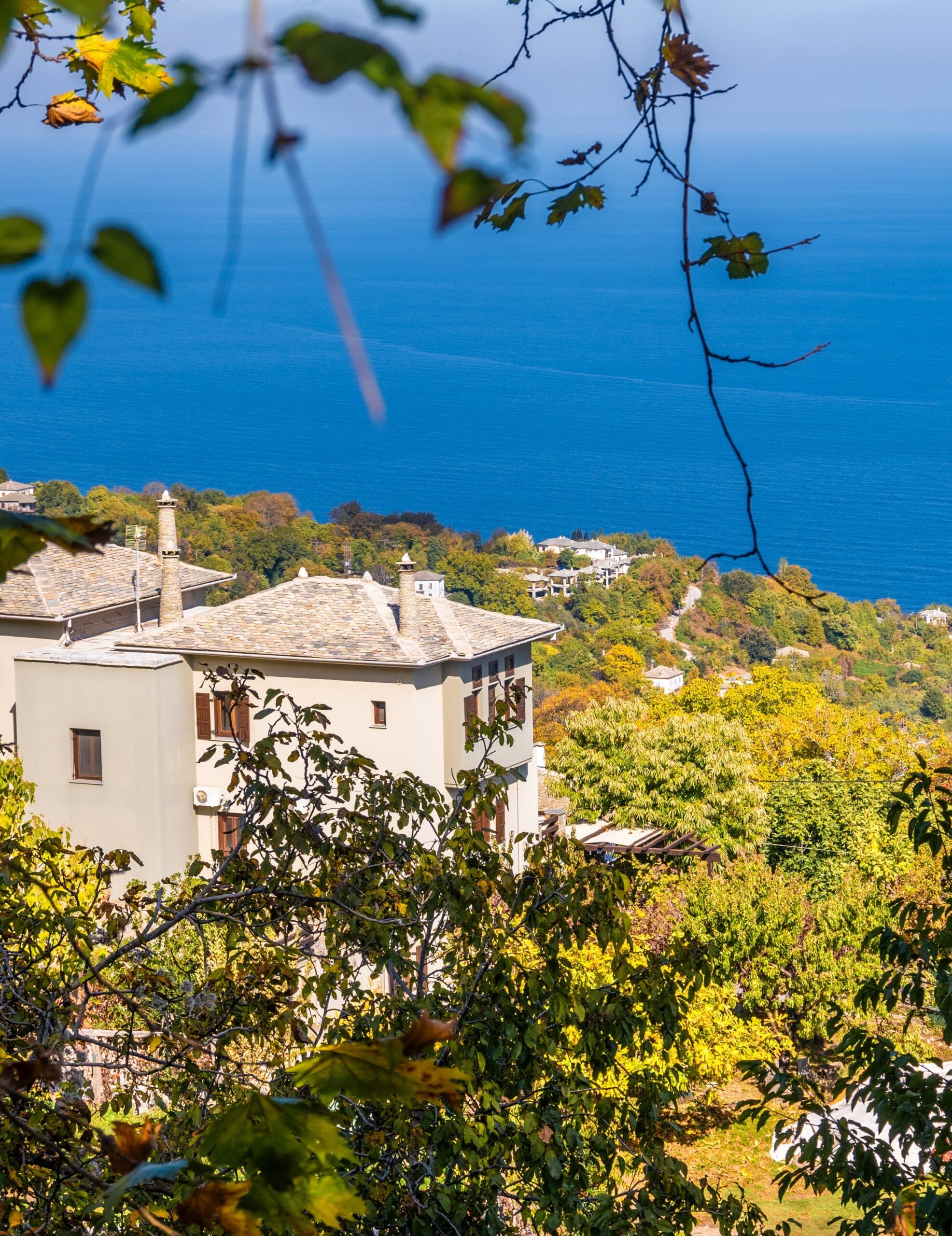
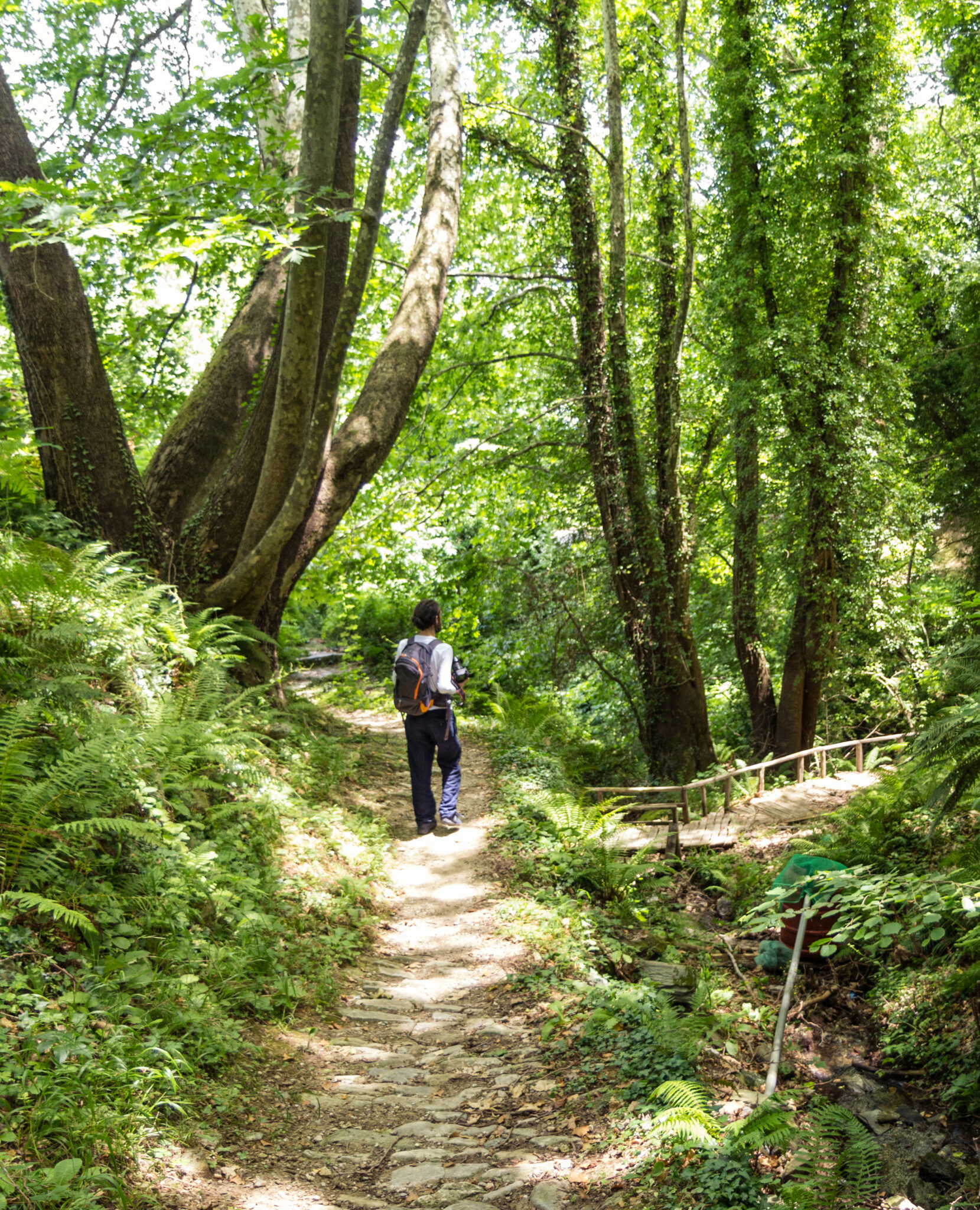
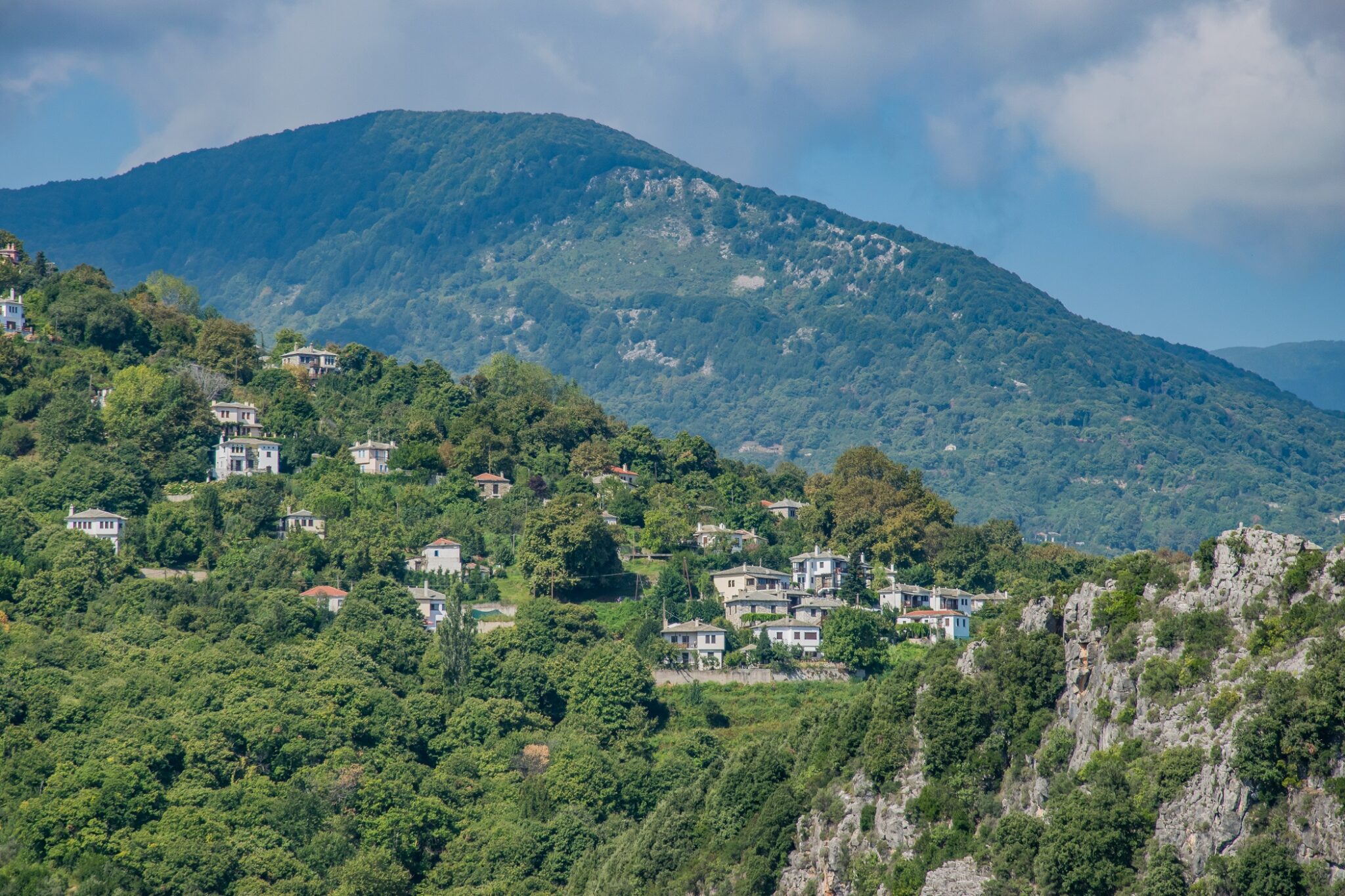
On the mountain’s eastern side, facing the Aegean, Tsagarada is lush and scattered across four distinct quarters — Agia Paraskevi, Agia Kyriaki, Taxiarchis, and Agios Stefanos — each with its own square and church. Stone paths wind through chestnut, walnut, beech, and plane trees, with old fountains still marking the rhythm of village life.
Below the square of Agia Paraskevi, the marble fountains are among the most photographed in the region. From here, a wonderful trail leads toward Damouchari, passing three historic fountains placed so that travelers were never far from fresh water. The village’s legendary plane tree, said to be a thousand years old with a trunk circumference of about fifteen meters, is a natural monument in itself.
Don’t miss the Achillopouleios Commercial School (1864), the Nanopouleios School (1909), the humble chapel of the Holy Cross hidden in the woods, or the larger Church of Agios Ioannis Prodromos. In the square of Taxiarchis, the Venetian-style carved wooden iconostasis from 1786 is a true masterpiece.
04
Ag. Georgios Nilias
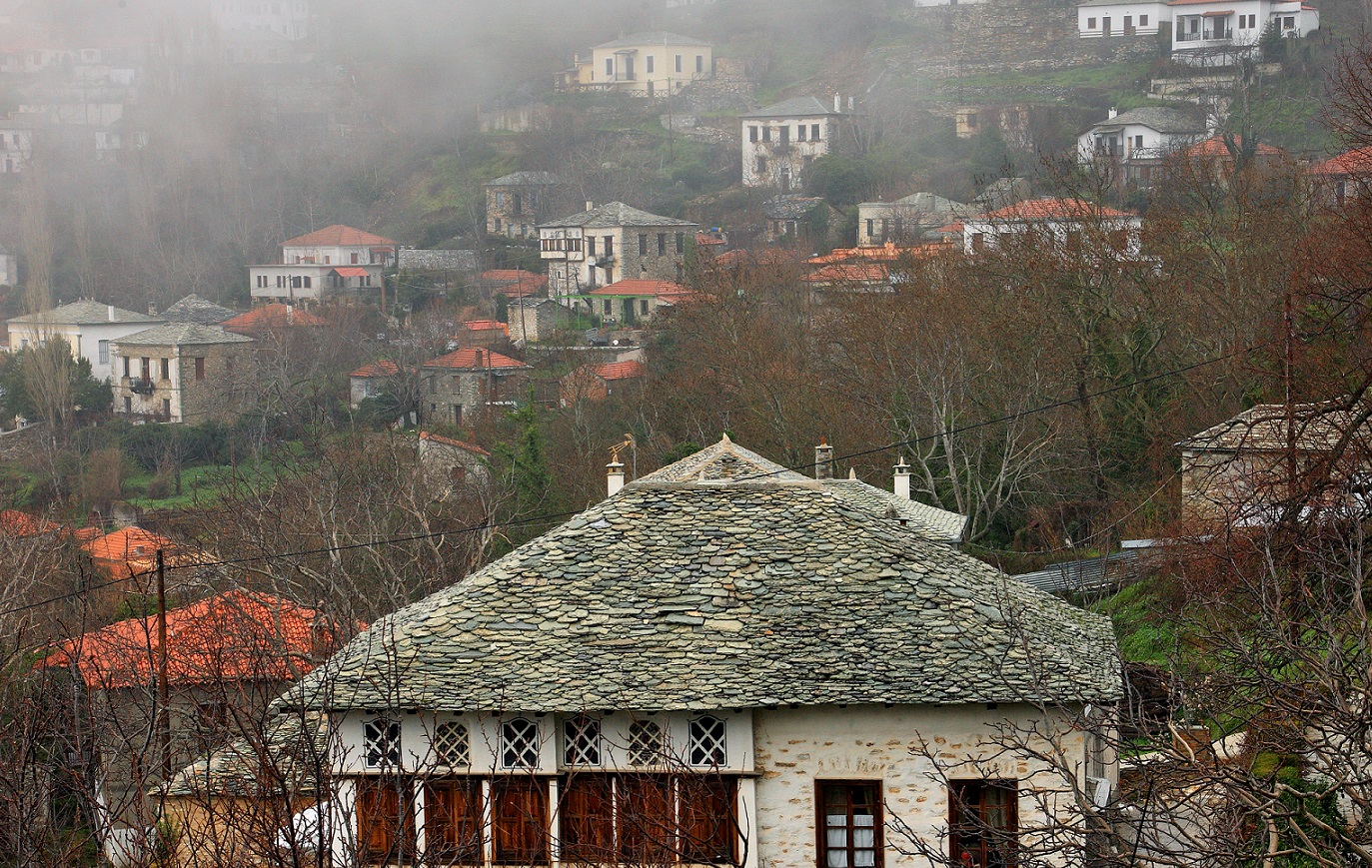
Set around 600 meters above sea level with views sweeping over the Pagasetic Gulf, Agios Georgios Nilias offers a quieter holiday atmosphere than the more visited Pelion villages. Wrapped in deep greenery — chestnut, apple, walnut, cherry, pear, olive, and beech trees — it’s an ideal setting for a Christmas break focused on warmth and rest rather than crowds.
The cobbled lanes reveal glimpses of the sea along with elegant nineteenth-century neoclassical homes, classic Pelion mansions with projecting “sachnisi” windows, and stone fountains adorned with lion heads. In the main square, tavernas set out tables beneath the plane trees whenever the weather allows. At the edge of the village, the fourteenth-century Monastery of the Archangels rises like a small fortress, offering panoramic views over the gulf.