







Something significantly shifts on Naxos when the colder months seep in. Ferry routes thin out, beaches empty, and a different world surfaces. It feels as if the island steps out of its summer persona and settles into being its good old self again. Beneath that alluring facade lies another reality: a community moving at its own pace, a landscape stripped down to essentials, and a way of life that has lasted for generations.
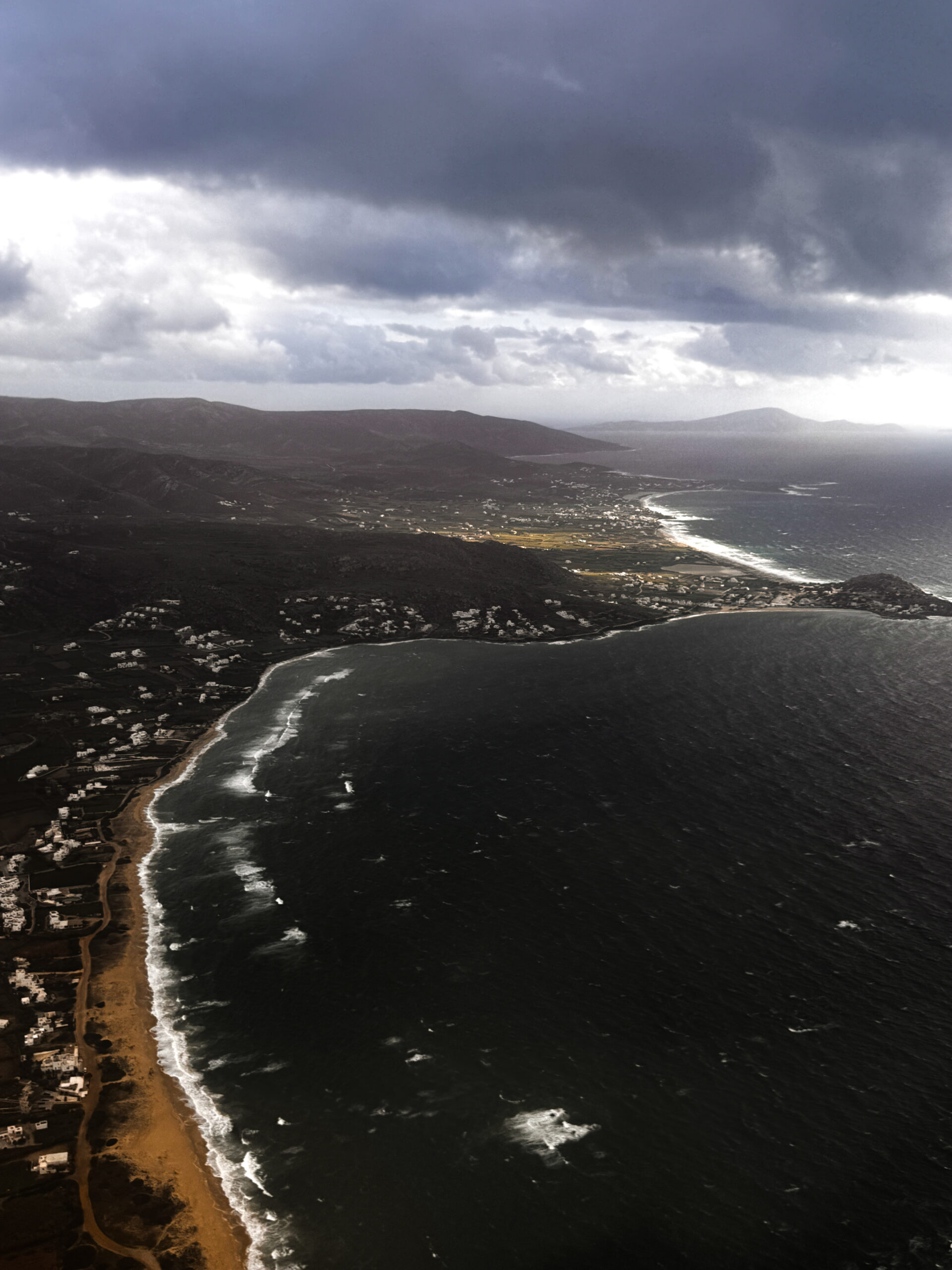
Winter gives the island a sharper, deeper sense of authenticity. The Aegean, so glittery in shades of turquoise and blue in summer, turns slate and charcoal, its waves striking the rocky edges with unbridled force.
The Monument Facing the Elements

The ancient marble threshold of the unfinished temple of Apollo, the Portara – the island’s defining landmark – stands stark without an audience. Without the seasonal crowds that surround it, it reclaims its original role, at a point where earth meets sky and as a quiet reminder of the metaphysical atmosphere that permeates the harbor.
Villages Returning to Themselves

High in the hills, the villages find their rhythm again. Apeiranthos, Koronos, Filoti. These stone settlements framed by the slopes of the tallest Cycladic peak, Mount Zas, fall back into their winter habits. Locals reclaim the cafés, conversations stretch deep into the evening, and rain-washed cobblestones shine with the imprint of earlier generations. Here you encounter an island with no performance to maintain, no multifacted expectations to satisfy.
At the Heights of the Island


Mount Zas, rising above one thousand meters, commands its own weather. Clouds roll over its crest, reshaping the light throughout the day and offering a sequence of shifting scenes. The hiking paths that fill with visitors in summer now fall silent, aside from the wind threading through the trees and the soft crunch of footsteps. In these green heights, you can walk for hours without meeting another person, accompanied only by distant goat bells or the faint call of a hunting dog.
The Agricultural Heritage


The season’s most revealing moments lie not in the scenery but in the island’s working rhythms. Across the fields, farmers tend their land with techniques passed through families. Copper stills fire up to produce the strong spirit that warms winter nights. In small dairy workshops, artisans craft the cheeses that define the island’s pantry. Planting, ripening, and storing follow timelines that feel older than memory.
An Independent Island Presence
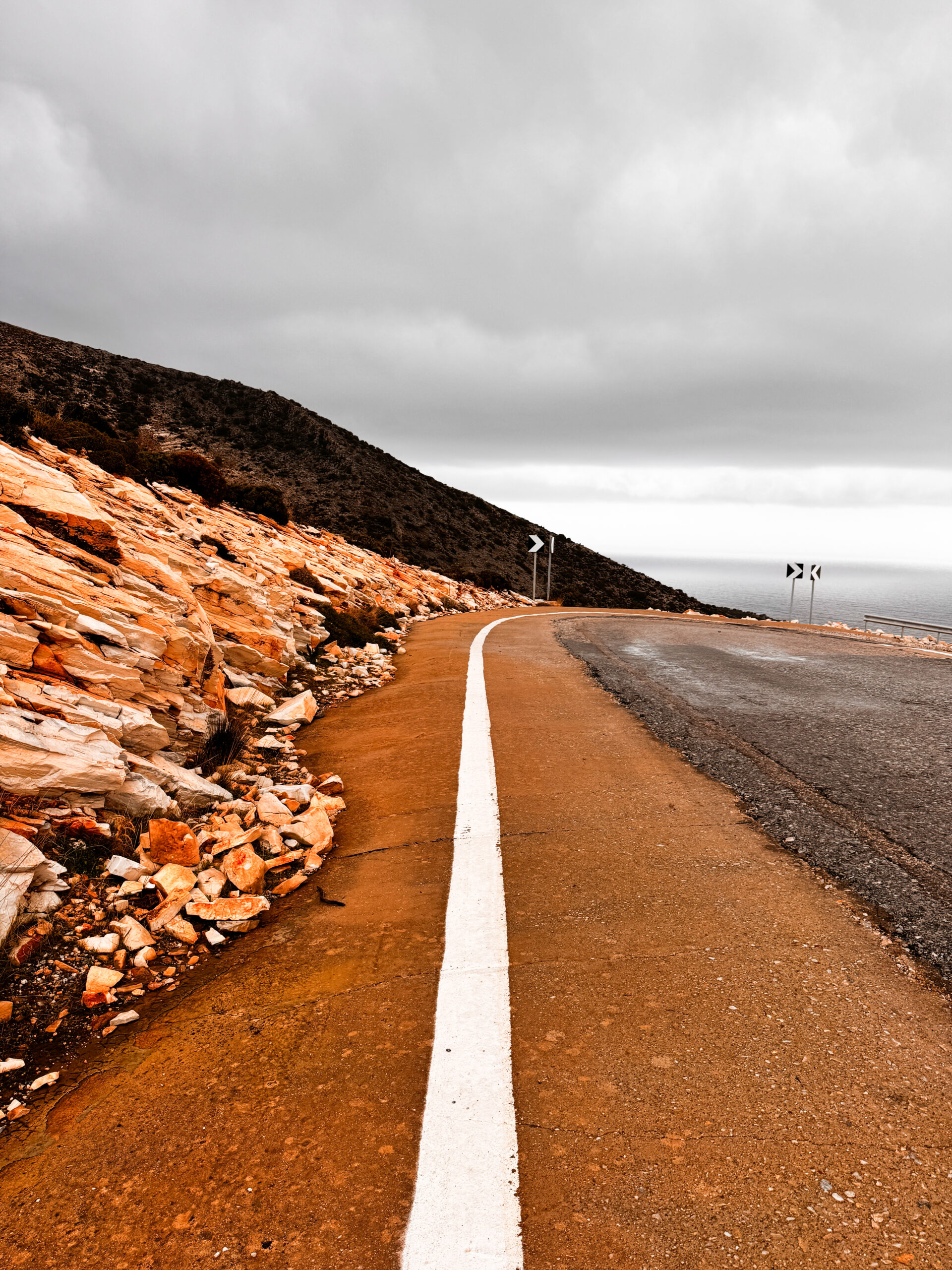
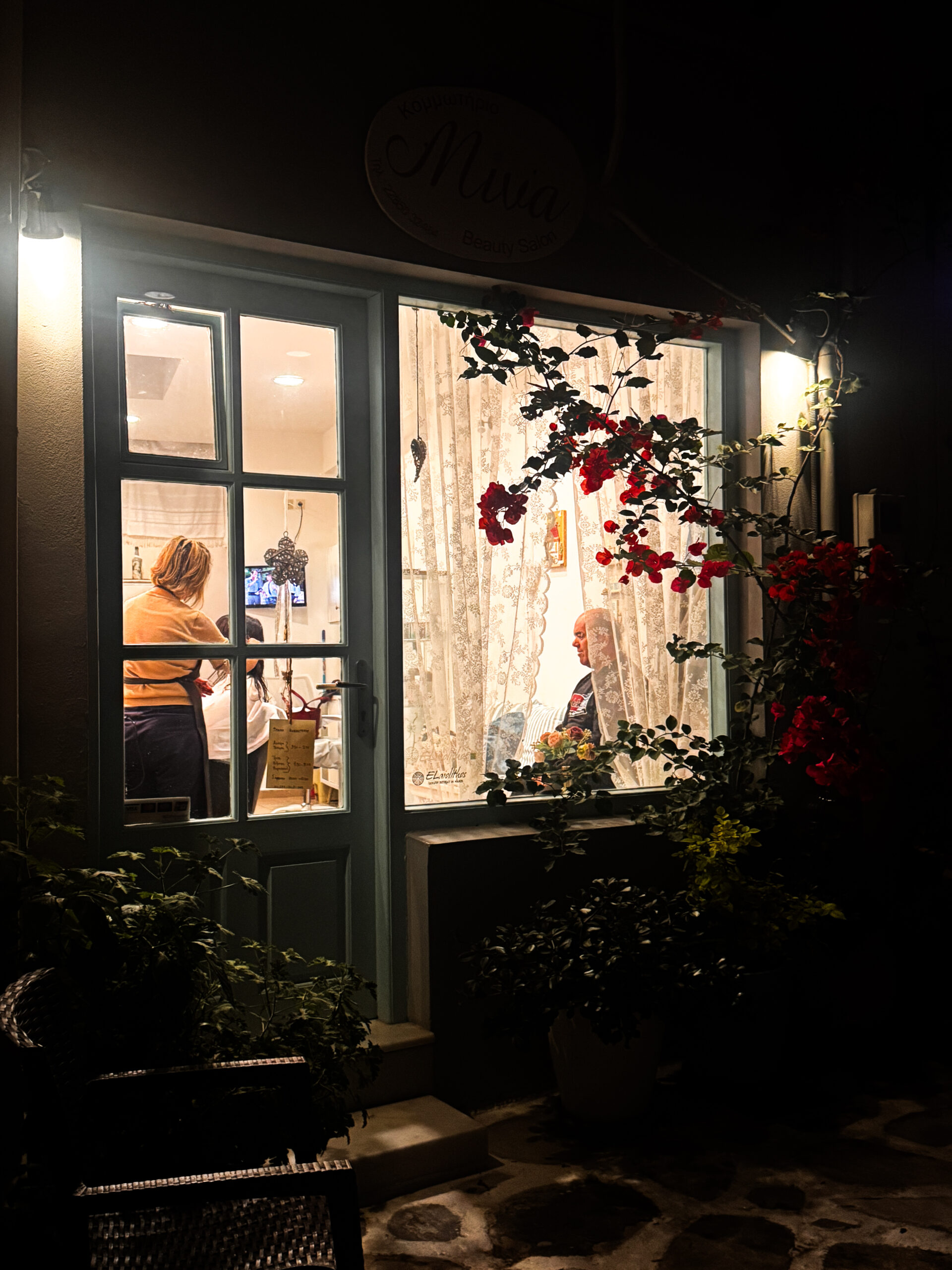
Naxos regains a more mainstream economic footing in winter, functioning in its own steady way at the heart of the Cycladic waters. The summer image of beaches and brochures gives way to a far more intricate landscape: an agricultural and pastoral region with its own food networks, community structures, and seasonal customs. This is the period when famed Naxian potatoes are cultivated, when olive trees yield their fruit, and when the relationship between people and land holds firm.
Finding the Island’s Winter Pulse
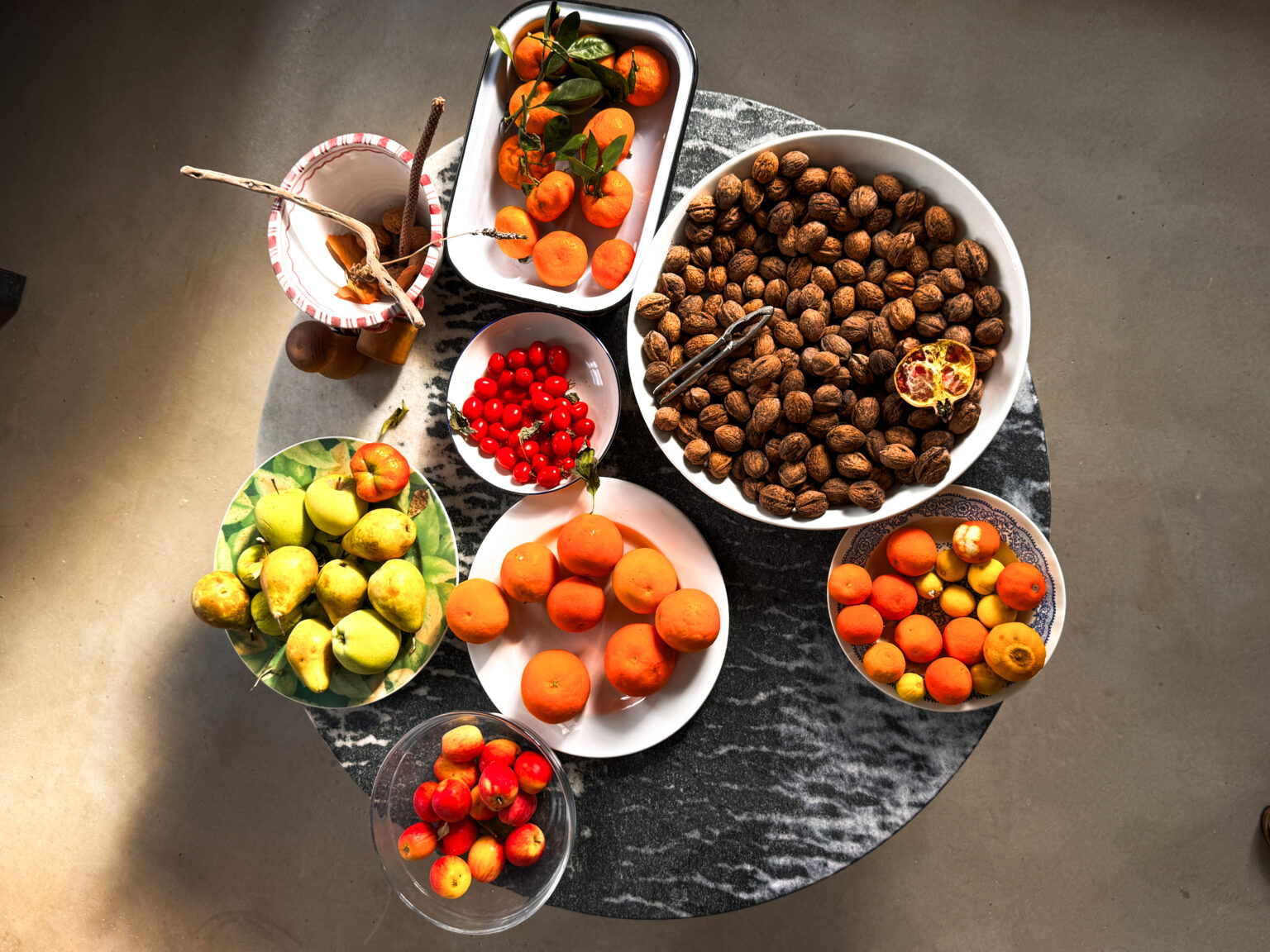
Visitors who choose this quieter season discover rewards that outlast any summer experience. Time stretches. Conversations with owners unfold without rush. Meals are cooked for nourishment rather than display. And the island operates at its natural speed rather than a hotel timetable. The eateries that remain open serve whatever the season truly offers: wild greens, slow-cooked dishes, the last figs of the harvest.
Winter Naxos Is not a Summer Substitute
It is a different encounter altogether, more personal, more revealing, more grounded. If there is a moment when the island uncovers its hidden grandeur, it is now, when the light dims and only the fundamentals remain: wind, altitude, sea, stories, marble, and craft.
This is the season to meet Naxos in its most authentic, time‑carried form. A destination unbothered by silence, because within that silence lies its most genuine beauty.
Photography by Dimitris Stathopoulos


