






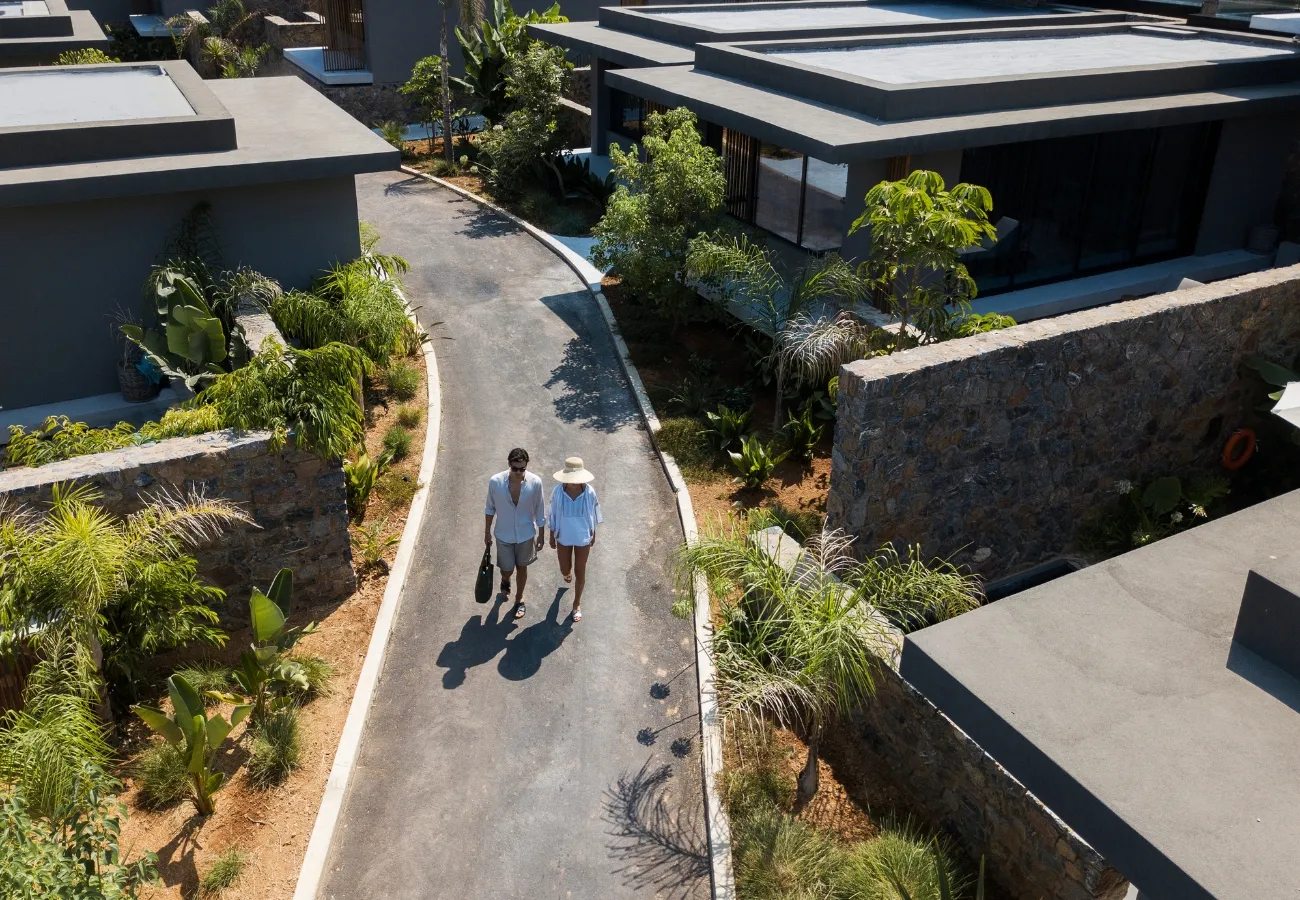
By early summer, the light in Athens turns the color of honey, glazing the Acropolis, slipping down neoclassical facades and dissolving into the Aegean. This year, it is falling on a subtly different crowd.
A downturn in Gulf tourism tied to escalating regional tensions is reshaping global travel plans. According to industry research cited by Reuters, the Middle East could see between 23 million and 38 million fewer international visitors in 2026, an 11% to 27% drop from previous forecasts. Analysts warn the region stands to lose $34 billion to $56 billion in visitor spending this year alone.
The shift is already visible. Vacation rental cancellations in the United Arab Emirates reportedly more than doubled in a single day after tensions escalated. Budget carrier Ryanair said bookings to Middle Eastern destinations have fallen sharply, with many travelers redirecting to southern Europe instead.
Among the biggest beneficiaries is Greece.
A Mediterranean Pivot
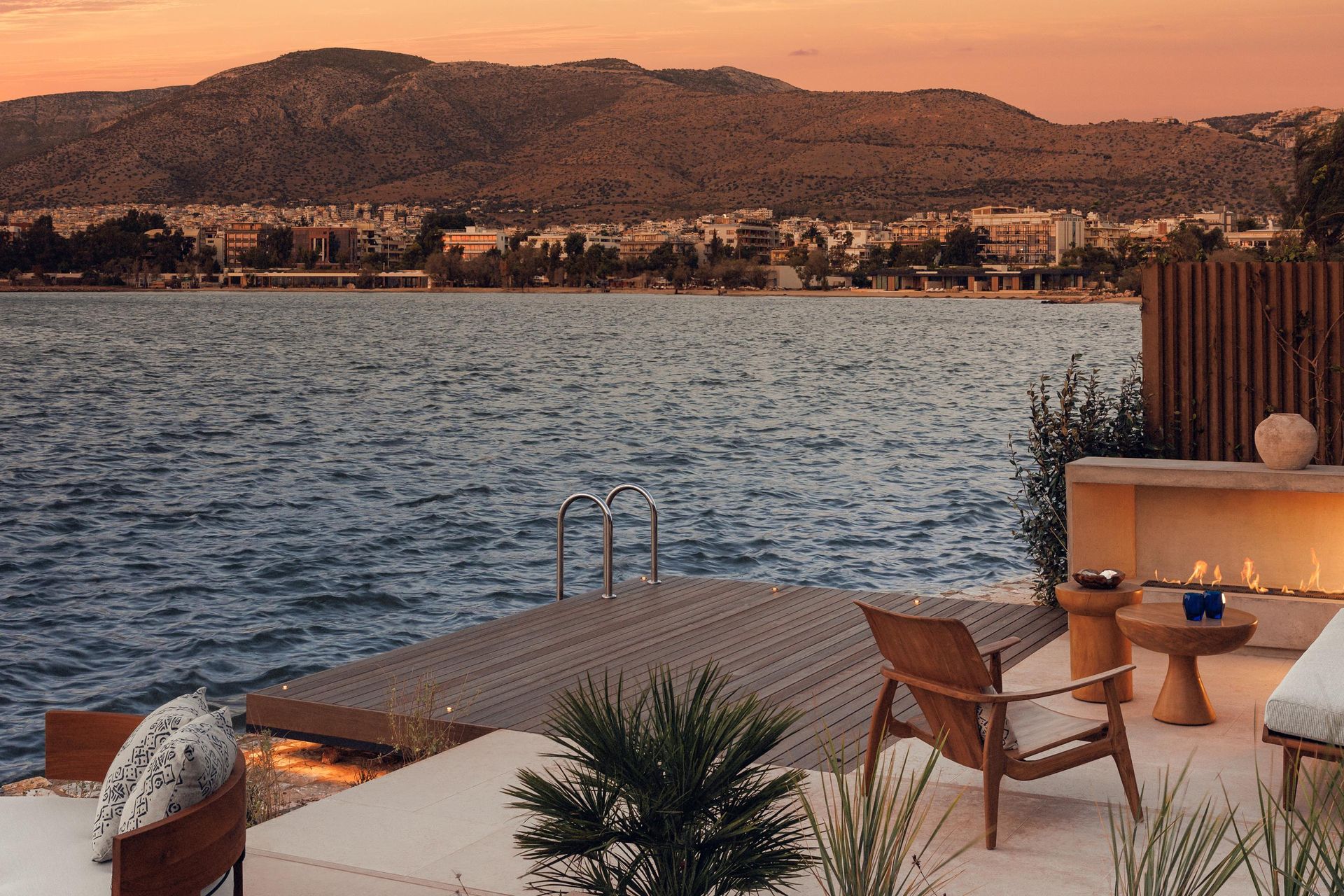
Short-haul leisure travelers, including couples, families and spring holidaymakers, appear to be the first to reroute. With flexible dates and a desire for predictability, many are swapping Dubai, Abu Dhabi or Doha for Athens, Crete and the Cyclades. Stopover travelers are also trimming Gulf layovers from long-haul itineraries, choosing simpler European routes instead.
Travel companies report that Greece and Portugal are seeing some of the strongest gains as tourists exchange Gulf city breaks for Mediterranean coastlines.
For Greece, where tourism accounts for roughly a quarter of GDP when direct and indirect activity is included, the timing is significant. The country has spent the past decade upgrading regional airports, expanding marina infrastructure, investing in luxury hospitality and extending its shoulder seasons. Athens has repositioned itself as a cultural capital rather than simply a gateway to the islands.
Redirected demand is now strengthening bookings in Athens, Santorini, Mykonos and Crete, particularly for late spring and early summer. Travel advisers say clients who had planned multi-city Gulf itineraries are instead lengthening their stays in Greece.
Luxury, Reframed
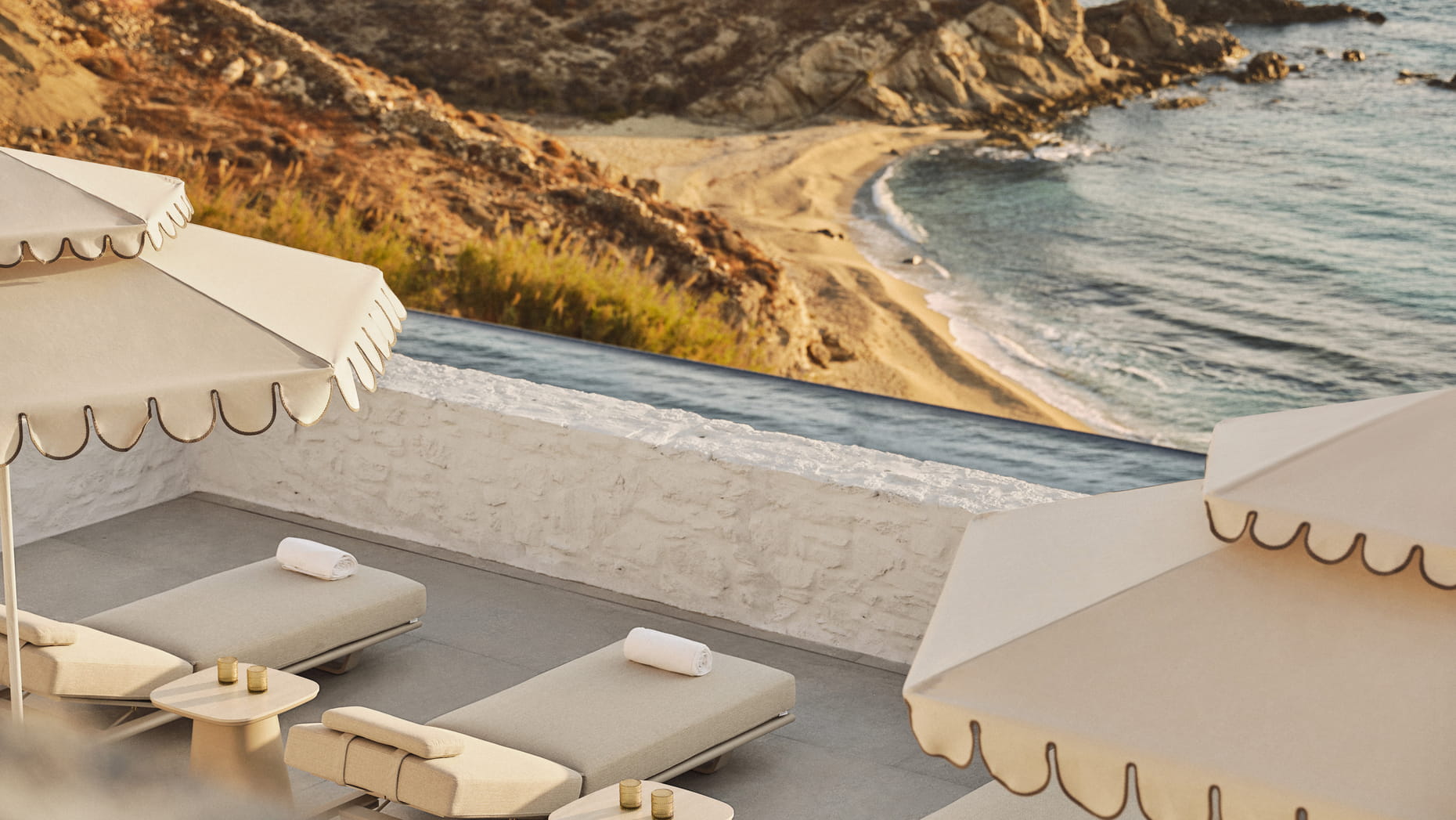
The Gulf’s tourism model has long centered on spectacle, from skyline-defining towers to vast retail complexes and meticulously engineered beach resorts. Greece offers a different proposition. Five-star refinement exists in abundance, from cliffside suites in Santorini to design-led retreats in Mykonos and large-scale resort expansions in Costa Navarino. Yet it is framed by olive groves, archaeological ruins and pine-fringed coves.
For travelers unsettled by geopolitical headlines, the appeal is as much psychological as aesthetic. Greece feels anchored and familiar. As a member of the European Union with dense ferry connections and short-haul flight networks, it offers a sense of logistical reassurance at a moment when flexibility matters.
A Confidence-Driven Market
Industry experts caution that the Gulf’s slowdown represents a confidence shock rather than a structural collapse. Recovery will depend on declining cancellation rates, stabilized airline bookings and stronger forward demand from tour operators.
In the meantime, southern Europe could feel the pressure. Analysts warn that redirected demand may tighten hotel availability and push peak-season prices higher across Mediterranean destinations in 2026.
In Greece, the response is pragmatic. Tourism here has always moved in cycles, shaped by global economics and geopolitics. After years of crisis and recovery, the country has built a more resilient and diversified travel economy.
The light still returns each season.
And in 2026, more travelers appear to be following it west, choosing Greece for its history, its sea and its sense of steadiness in an uncertain world.


