






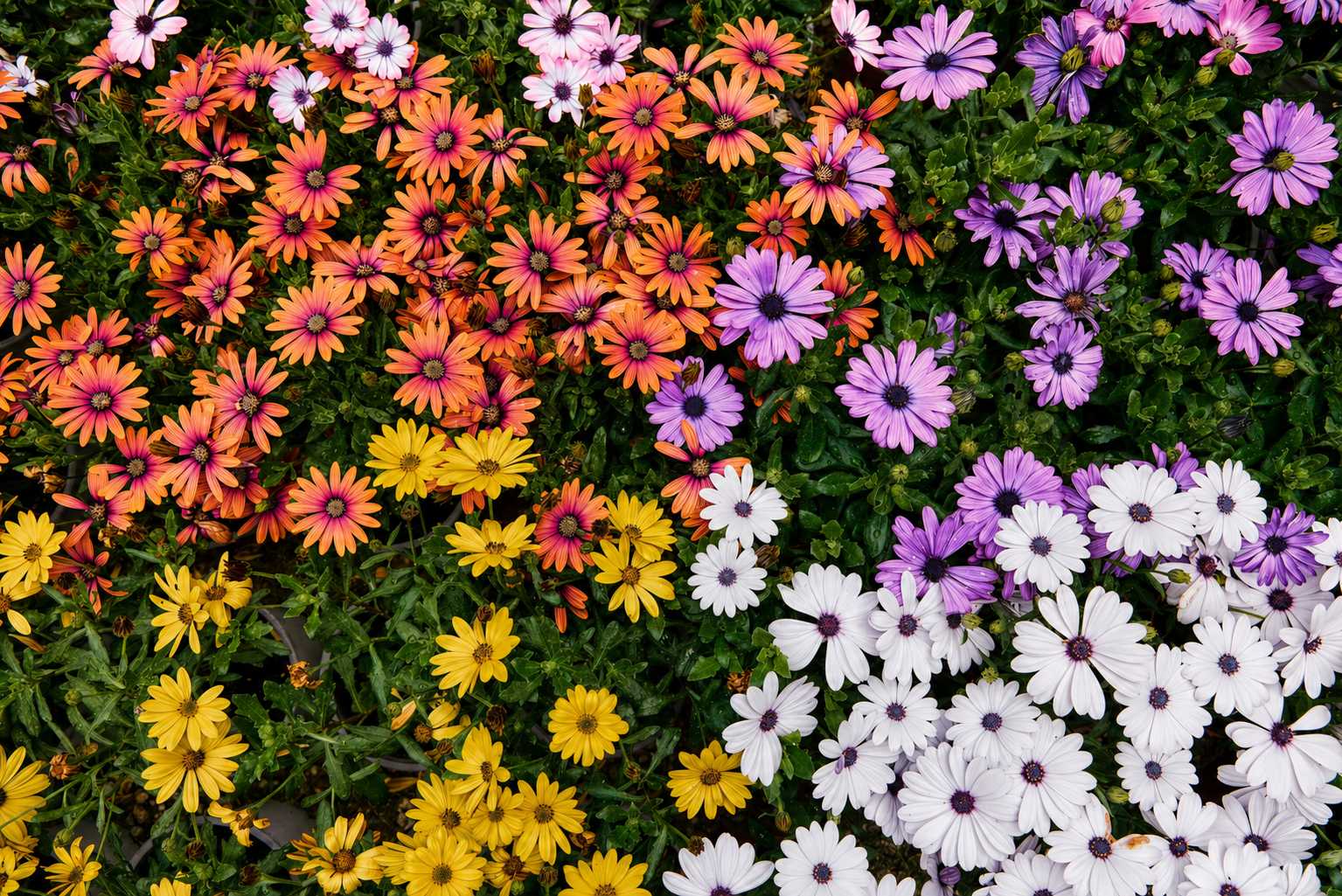
Every 1 May, Greece marks Protomagia – the country’s oldest and most instinctive celebration of spring. Doorways are hung with hand-twisted wreaths of wildflowers, city dwellers leave for the countryside with picnic baskets and blankets, and the air carries that particular late-April warmth that tells you the season has properly turned. The tradition reaches back to the Anthesteria, the ancient Athenian festival of flowers, but it has never felt like a museum piece.
May Day in Greece is still physical, still communal, still about getting outside. Its modern layer – International Workers’ Day (basically, the ‘Labor Day’ for Americans) – provides the public holiday that sends the entire country into parks, meadows, and seaside clearings. Families spread out, friends claim tables under plane trees, and everywhere people gather flowers, eat slowly, and stay longer than planned.
History


The name May is thought to derive from the Roman deity Maia (from the Greek maia, meaning nurse or mother), one of the Pleiades and mother of the god Hermes. The Romans dedicated the month to her as a figure of growth and maternal care – a fitting patron for the season when the earth is at its most generous.
In ancient Greece, the month was known as Thargelion, and its central celebration was the Anthophoria (flower-bearing), a festival dedicated to the goddess Demeter and her daughter Persephone. According to myth, Persephone returns from the underworld each spring, and her emergence signals the renewal of all growing things. The Anthophoria marked that moment with garlands, processions, and offerings of first fruits – a collective acknowledgment that the land had come back to life.
In Rome, May brought the Rosalia (festival of roses), a celebration of flowers and remembrance that survived well into the Byzantine period, when emperors continued to observe it in modified form. Roses were laid on graves, woven into crowns, and scattered in public spaces – a gesture that blurred the line between honoring the dead and celebrating the living. This duality has always defined the month.
May holds rebirth and ending in the same hand: Persephone returns, but she will leave again; the roses bloom, but they are also placed on tombs. Growth and dormancy, light and its eventual withdrawal, all converging on the first day – which is perhaps why cultures across the Mediterranean have treated the 1st of May not simply as a date on the calendar, but as a threshold.
Traditions


The most widespread custom is the gathering of wildflowers. Across the country, people collect daisies, poppies, and whatever else is in bloom to weave into a stefani (wreath). Traditionally, the wreaths also included thorns, nettles, and garlic – believed to ward off evil. Once finished, they are hung on front doors as symbols of regeneration and remain there until midsummer, when they are burned in the Klidonas (midsummer divination) bonfires of late June. Each region brings its own rituals and variations:
Corfu
The island marks the day with the Mayoxilo (May log), a procession in which young men in traditional dress carry a festively decorated log through the streets, singing kantades (serenades) as they go. The log is eventually set alight, and the celebration continues with music and dancing into the evening.
Serifos
On this Cycladic island, wreaths take a rougher, more protective form – wildflowers woven together with nettles, barley, and garlic. The emphasis here is less decorative than apotropaic (preventive): the wreath is meant to guard the household, not just ornament it.
Lesvos
In the village of Ayiassos, wreaths include a wide-leafed wild herb with yellow flowers known locally as demonaria (demon plants), intended – with characteristic humor – to frighten off prospective grooms and keep unwanted suitors from the door.
Crete
In Heraklion, Protomagia is anchored by a large anthokomiki ekthesi (flower exhibition) that draws both residents and visitors, celebrating the region’s rich floral diversity. Families from across the prefecture gather to display arrangements, exchange seedlings, and mark the season together.
Rhodes
The day blends flower-picking with communal feasting, live lyra music, and dancing. Villagers head out early to collect blossoms, then return to shared tables set outdoors, where the food, the music, and the flowers all belong to the same celebration.
Western Macedonia
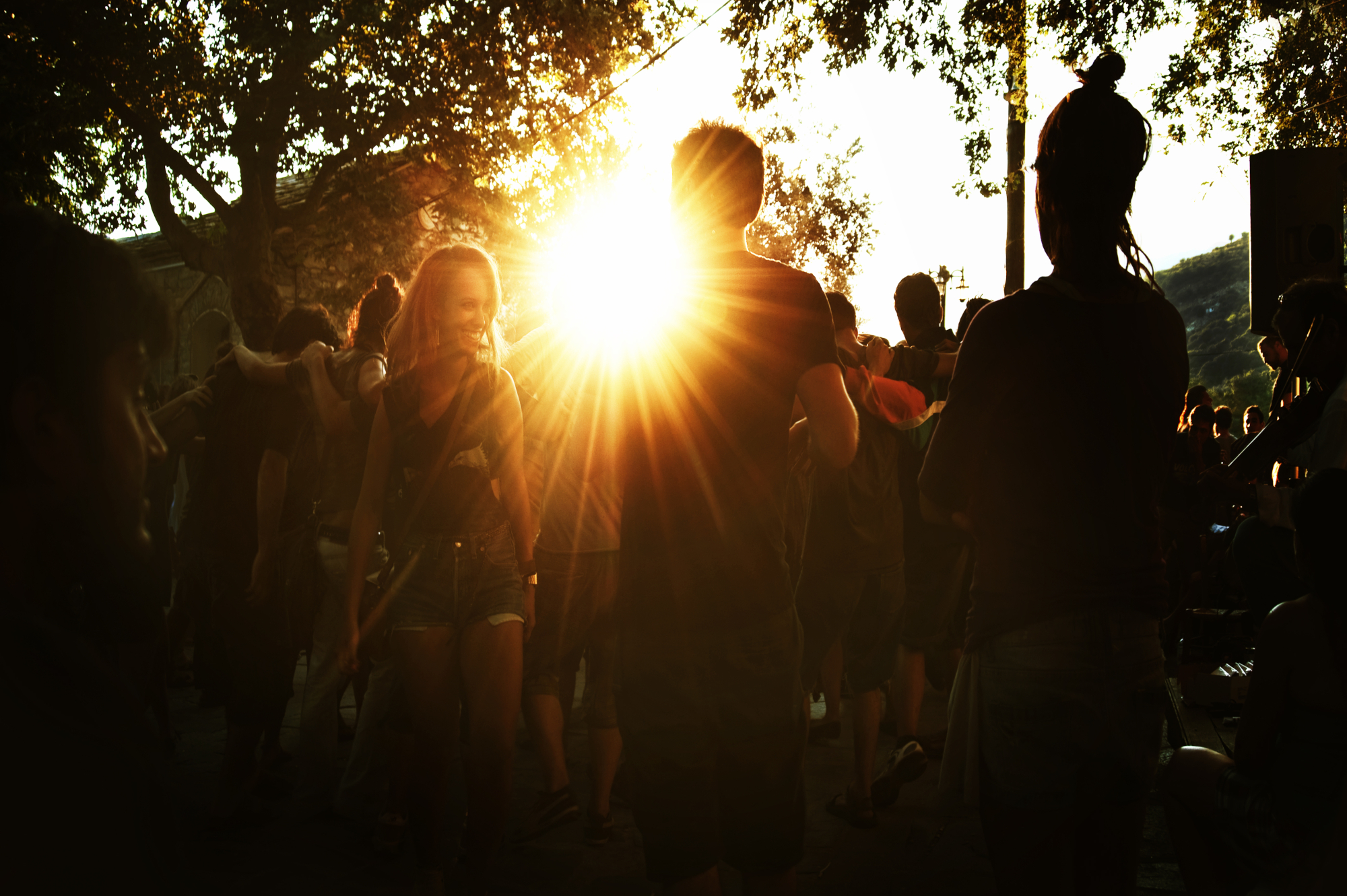
In parts of Western Macedonia, May Day is marked by fertility rituals and songs that reach back well before Christianity. In the village of Vlasti, near Kozani, residents begin the day by emptying all water containers and fetching fresh agiasma (blessed water) from nearby springs. Children carry oak branches to the surrounding hills, while girls gather to perform the ritual of pianoun ton Mai (catching May) – a circle dance believed to welcome the season and ensure a good harvest.
Fotia (Fire Jumping)
In some rural areas, the night before May Day brings the practice of jumping over fire. Villagers build a bonfire and take turns running and leaping over the flames – a ritual understood as purification, a way to leave winter’s darkness behind and cross into spring cleansed. The custom is also believed to offer protection from illness and harm throughout the coming year.
May Day in Athens
In the city, Protomagia empties the apartments and fills everything green. Athenians head to Pedio tou Areos, Filopappou Hill, the National Garden, the pine forests of Kaisariani, and the slopes of Hymettus with blankets, baskets, and the unspoken agreement that no one is doing anything productive today. Some drive further – to Parnitha, to Schinias beach, to the olive groves of the Mesogeia plain – turning a single public holiday into a long weekend whenever the calendar allows it.
Parks become improvised festivals: families set up camp under the trees, children run with kites, portable speakers compete with birdsong, and the smell of grilled souvlaki drifts from every second clearing. In the center, the labor movement adds its own energy. Unions and political parties march from Syntagma to Omonia or along Panepistimiou, and the rallies – loud, colorful, occasionally theatrical – are as much a part of the day as the flowers. Because 1 May is also Ergatiki Protomagia (Labor Day), public transport often runs on a reduced schedule or stops entirely: buses, trams, and metro lines may not operate fully, so check schedules before planning to cross town.
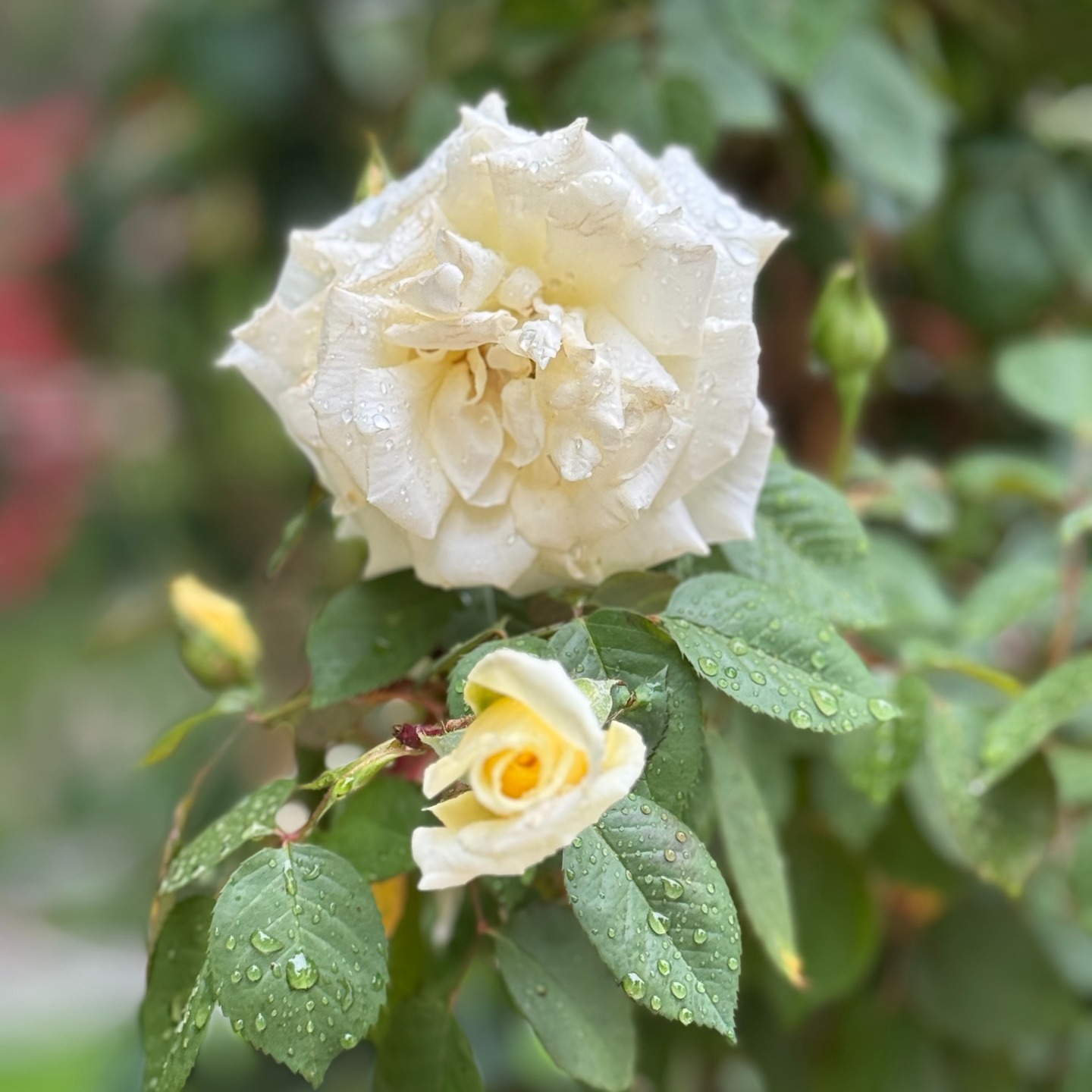
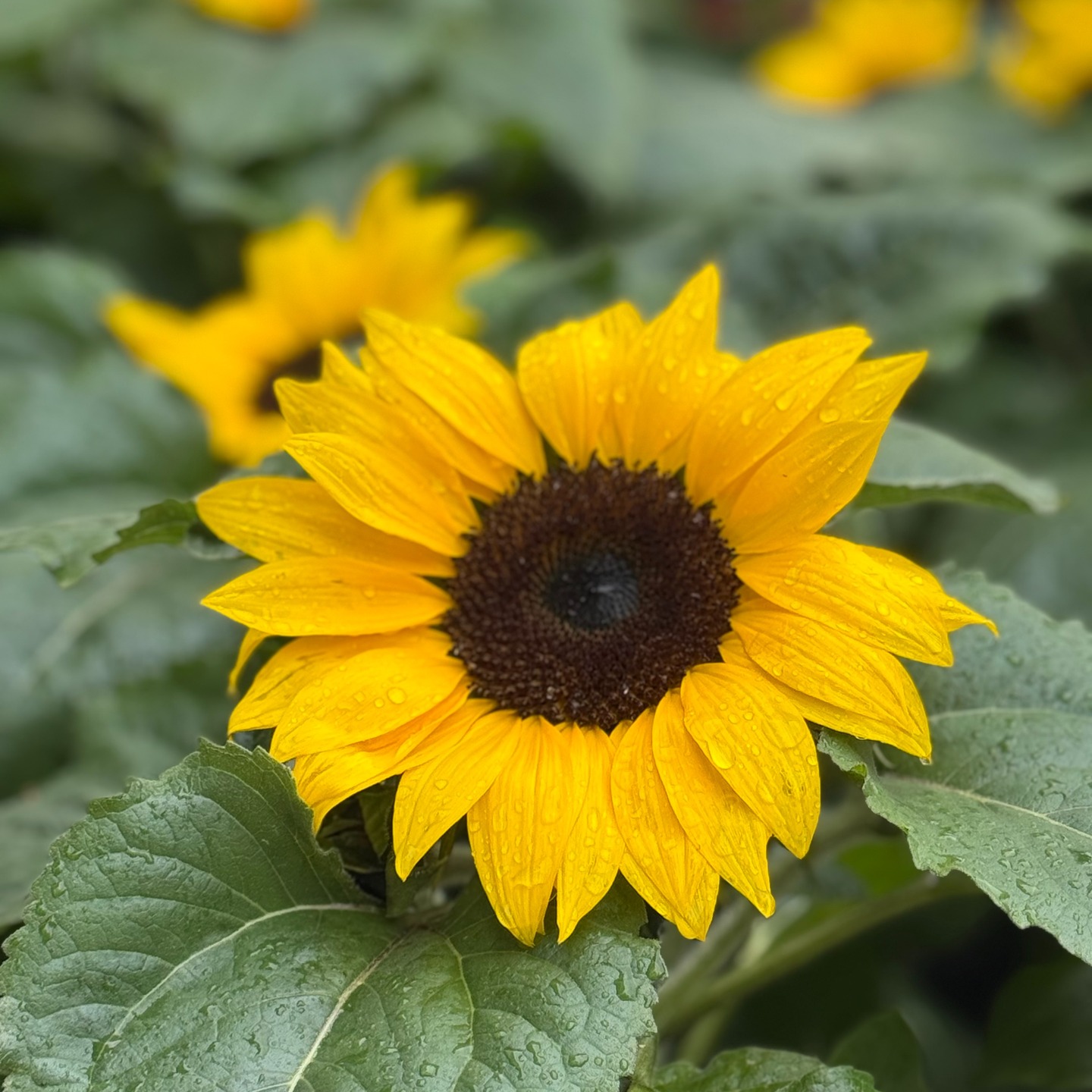
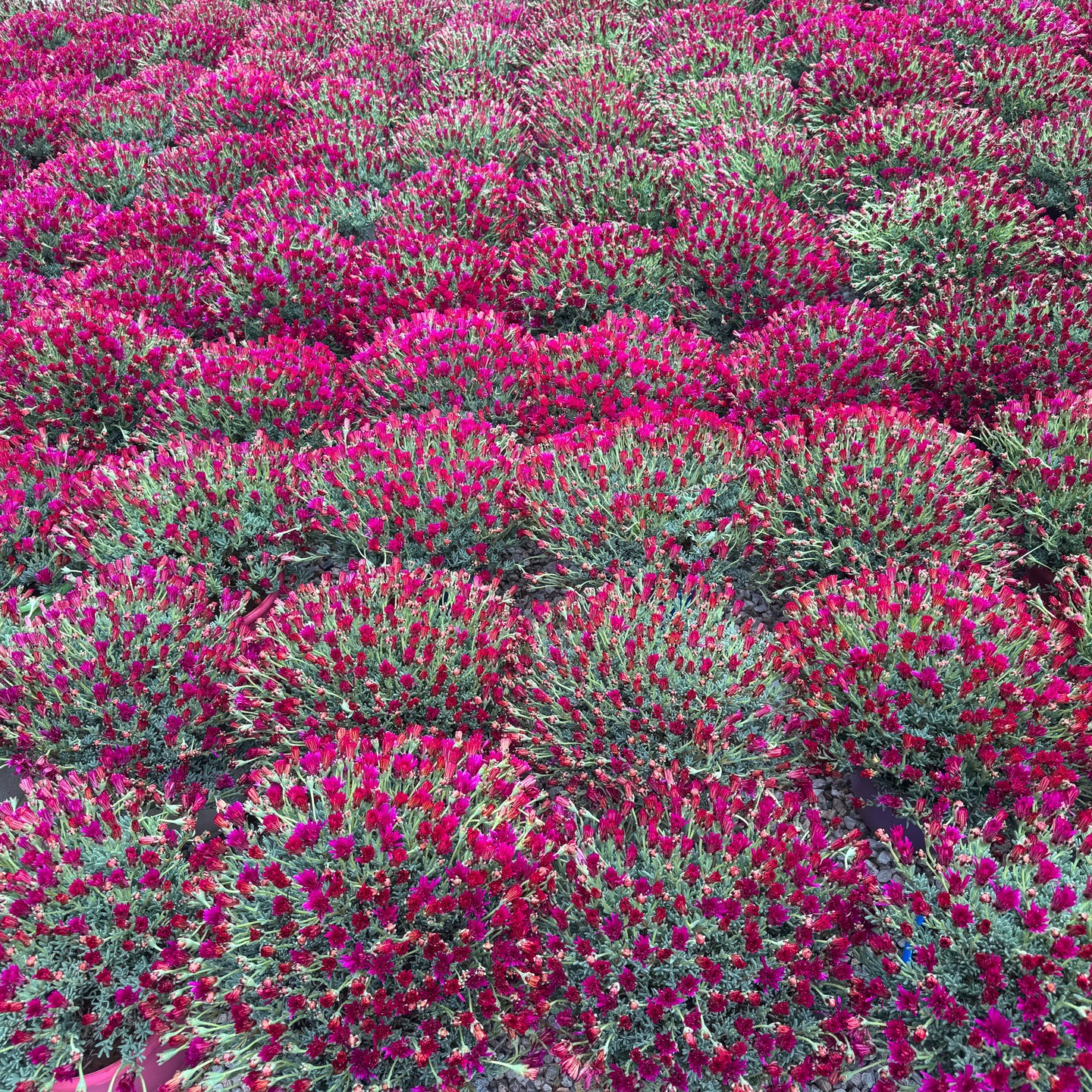
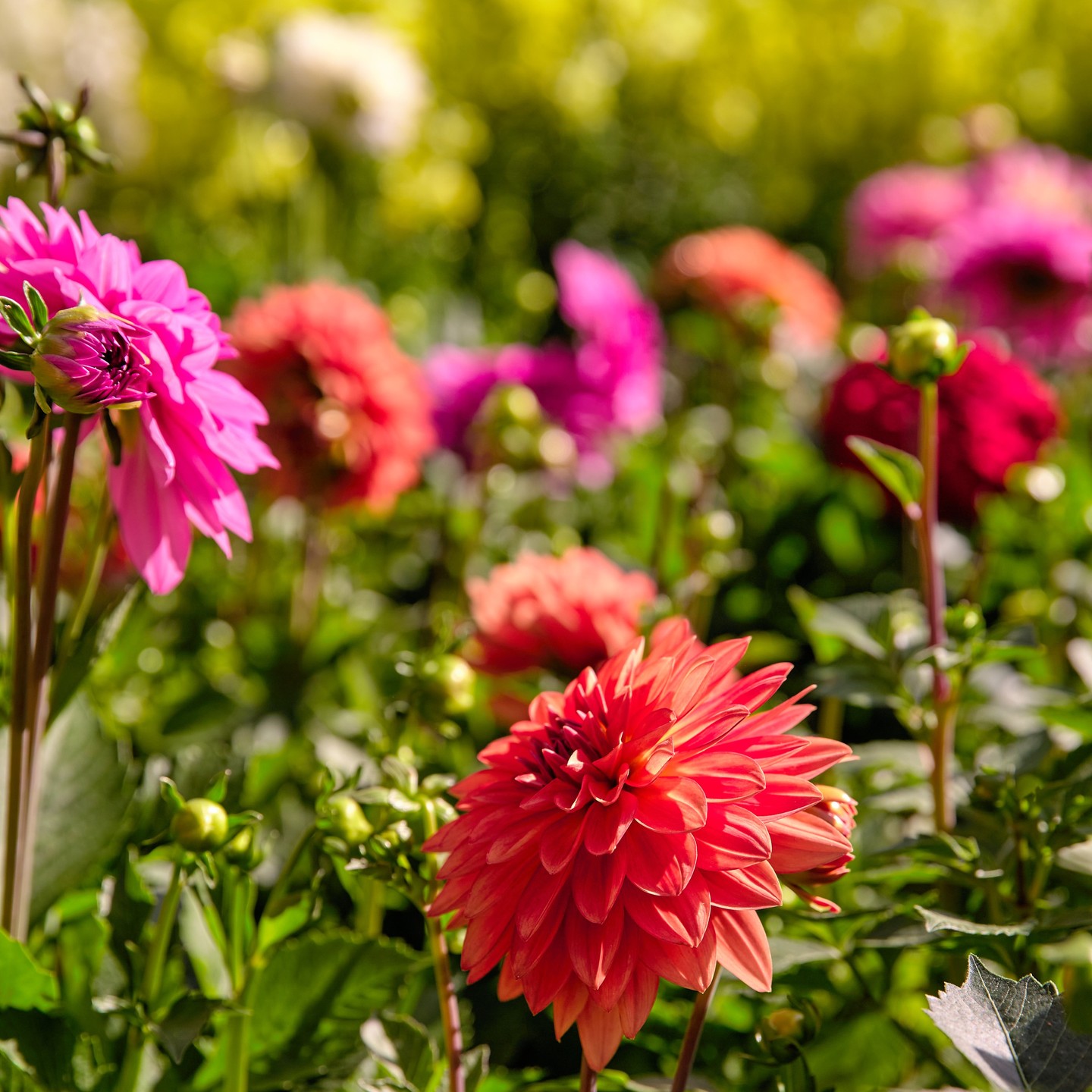
Having said that, one of the season’s great highlights is the Kifissia Flower Show, now in its 72nd edition – 130 years in. Held in the historic Alsos Dimitris Zomopoulos park, it transforms the verdant northern suburb into a sprawling landscape of blooms, rare botanical collections, and garden designs that balance horticultural tradition with a more contemporary, sustainability-minded sensibility.
Beyond the flower stalls, the program includes concerts, cultural events, children’s activities, and workshops. It is the kind of May 1st outing where you go for a quick look and stay until after sunset, drinking coffee under the plane trees as the gardens light up and the city feels suddenly greener, softer, and a little more hopeful.


