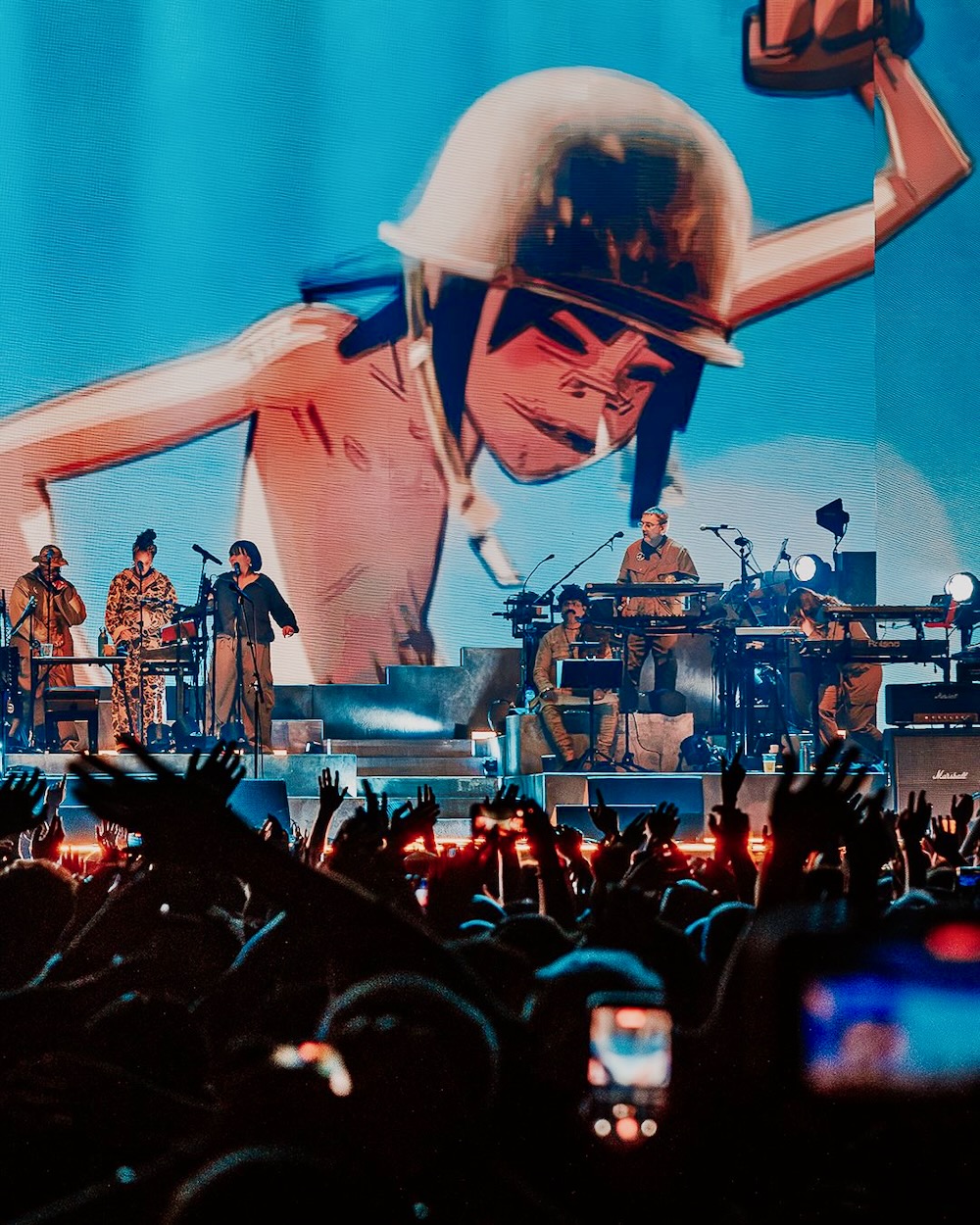



The Athens Epidaurus Festival returns in 2026 with a new and exciting artistic chapter, a wide-ranging program across Athens and Epidaurus, and one of its most symbolically charged summers in recent memory.
After the 70th anniversary edition of 2025, the Festival now enters the first season under artistic director Michail Marmarinos, the Greek theatre director known for his deep engagement with ancient texts, collective memory, and the physical life of performance.

This year’s program is shaped by transition. Peiraios 260, the industrial cultural complex that has become one of the Athens Epidaurus Festival’s most important contemporary stages, celebrates 20 years of continuous artistic life. The Odeon of Herodes Atticus, one of Athens’ defining summer venues, is presented through a concentrated series of farewell events before its period of restoration. In Epidaurus, the ancient theater program opens with opera, continues through Aeschylus, Euripides, Sophocles, and Aristophanes, and brings together Greek directors, international co-productions, live music, dance, and new approaches to the ancient canon.
The result is a season with several different temperatures. There are major nights for music lovers under the Acropolis, rare international appearances at Peiraios 260, an unusually strong Epidaurus program, and smaller works at the Little Theater of Ancient Epidaurus and the Ancient Stadium that make the journey to the Argolid feel fuller and more adventurous.
Jump to section ↓
Odeon of Herod Atticus
Peiraios 260
Ancient Agora of Athens
Ancient Theatre of Epidaurus
Little Theatre of Ancient Epidaurus
Planning Note
Odeon of Herod Atticus

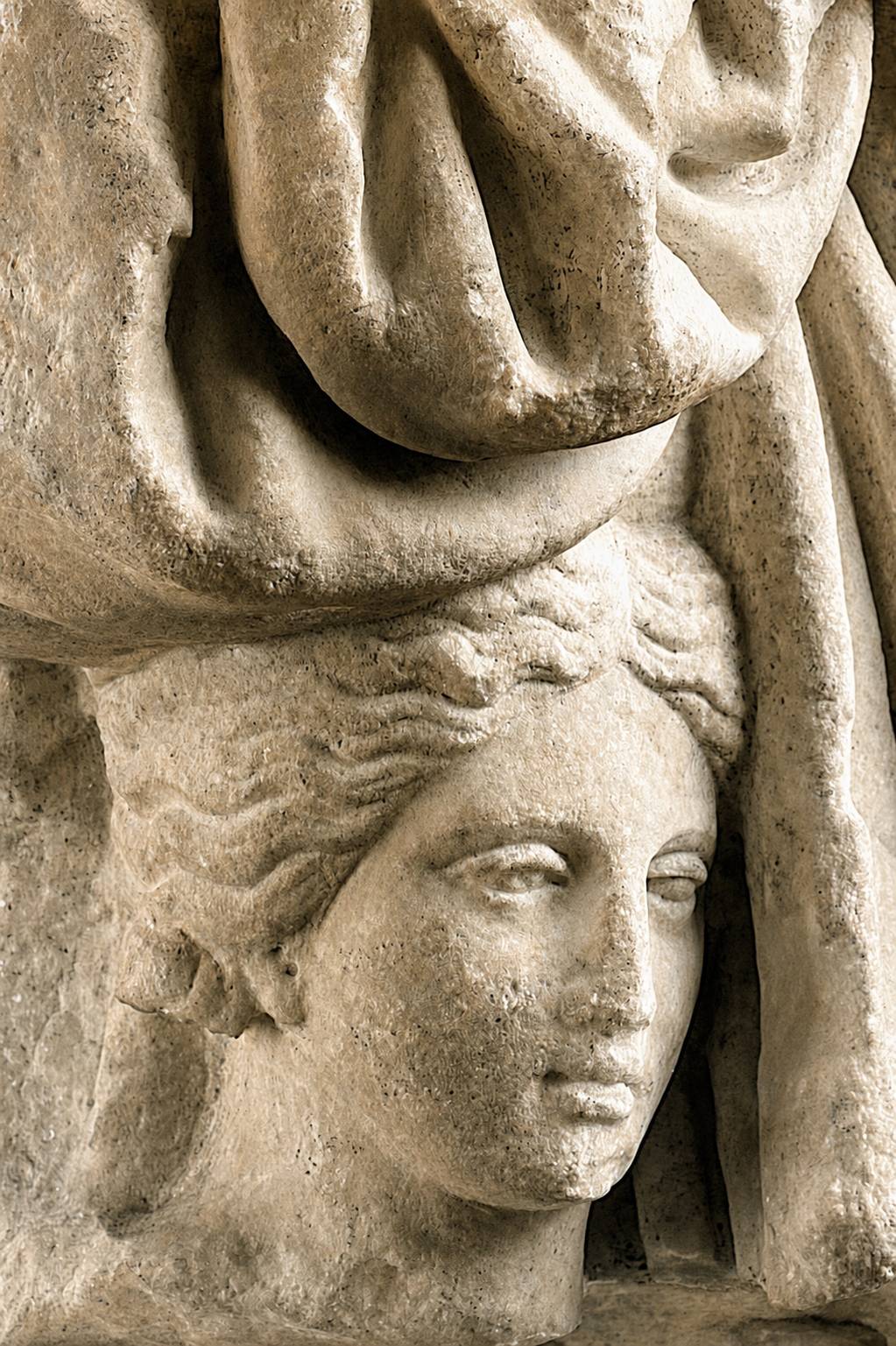
Built in 161 CE by Herodes Atticus in memory of his wife, Aspasia Annia Regilla, the Odeon of Herodes Atticus remains one of the most famous open-air performance venues in the world. Set on the southwest slope of the Acropolis, it has long been associated with the grand musical nights of the Athens summer. In 2026, its Festival programme carries added weight, as the season has been framed as a farewell celebration before restoration works.
01
Stavros Xarchakos, Here and Now
#greekmusic #orchestral #concert
5 and 6 June
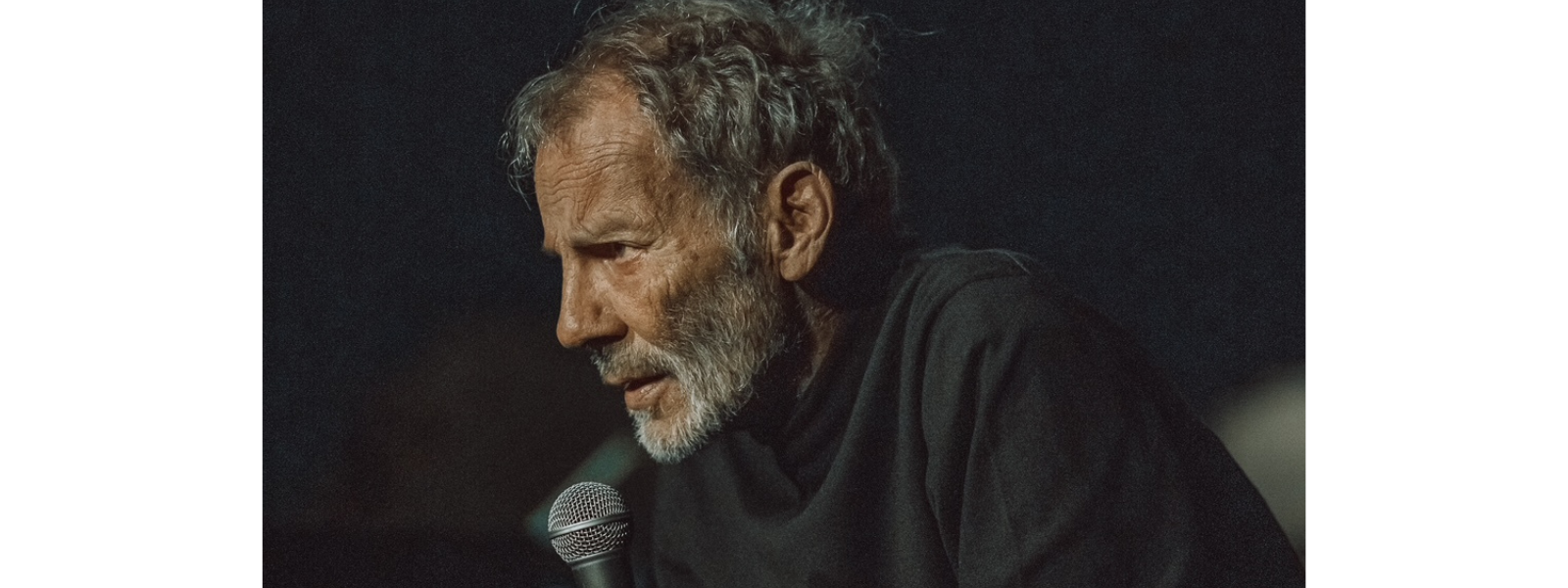
Stavros Xarchakos belongs to the core memory of modern Greek music, and his return to the Odeon has the character of a civic gathering as much as a concert. The program, titled Here and Now, places one of Greece’s most important living composers in the Festival’s most public Athens venue, with the audience seated under the Acropolis for a night rooted in song, orchestration, and the shared musical vocabulary of postwar Greece.
02
Stamatis Kraounakis, Lysistrata: A Hilarious Opera
#opera #musicaltheatre #comedy
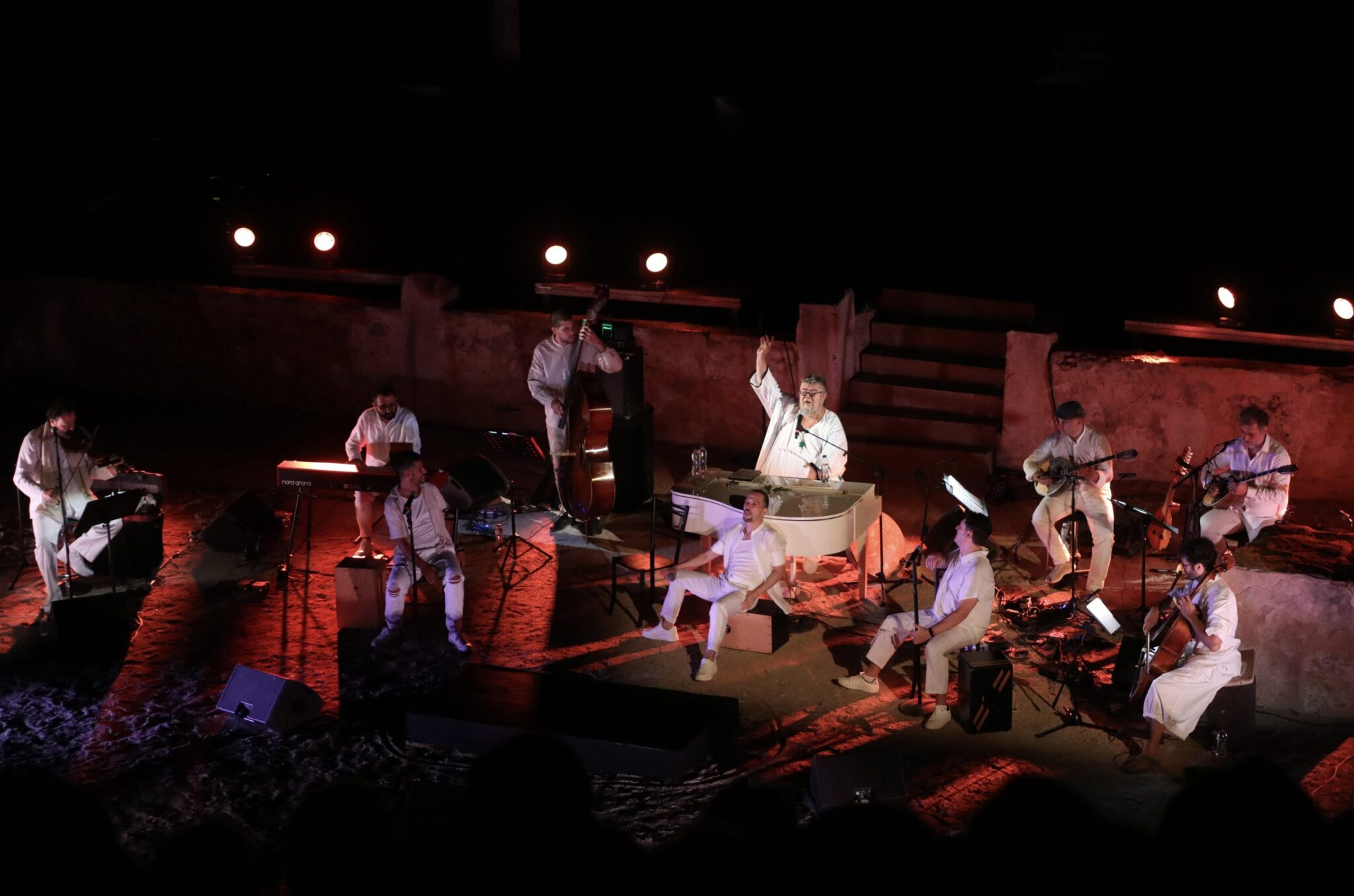
12 and 13 June
Stamatis Kraounakis takes Aristophanes to the Odeon with Lysistrata: A Hilarious Opera, a musical-theatrical reading of the famous comedy of sex, war, civic absurdity, and female strategy. It is one of the most obviously Athenian propositions of the month: ancient comedy, a living Greek composer, a large summer audience, and the acoustics of the Herodeion.
03
Estonian Philharmonic Chamber Choir, Works by Arvo Pärt
#choral #sacredminimalism #classicalmusic
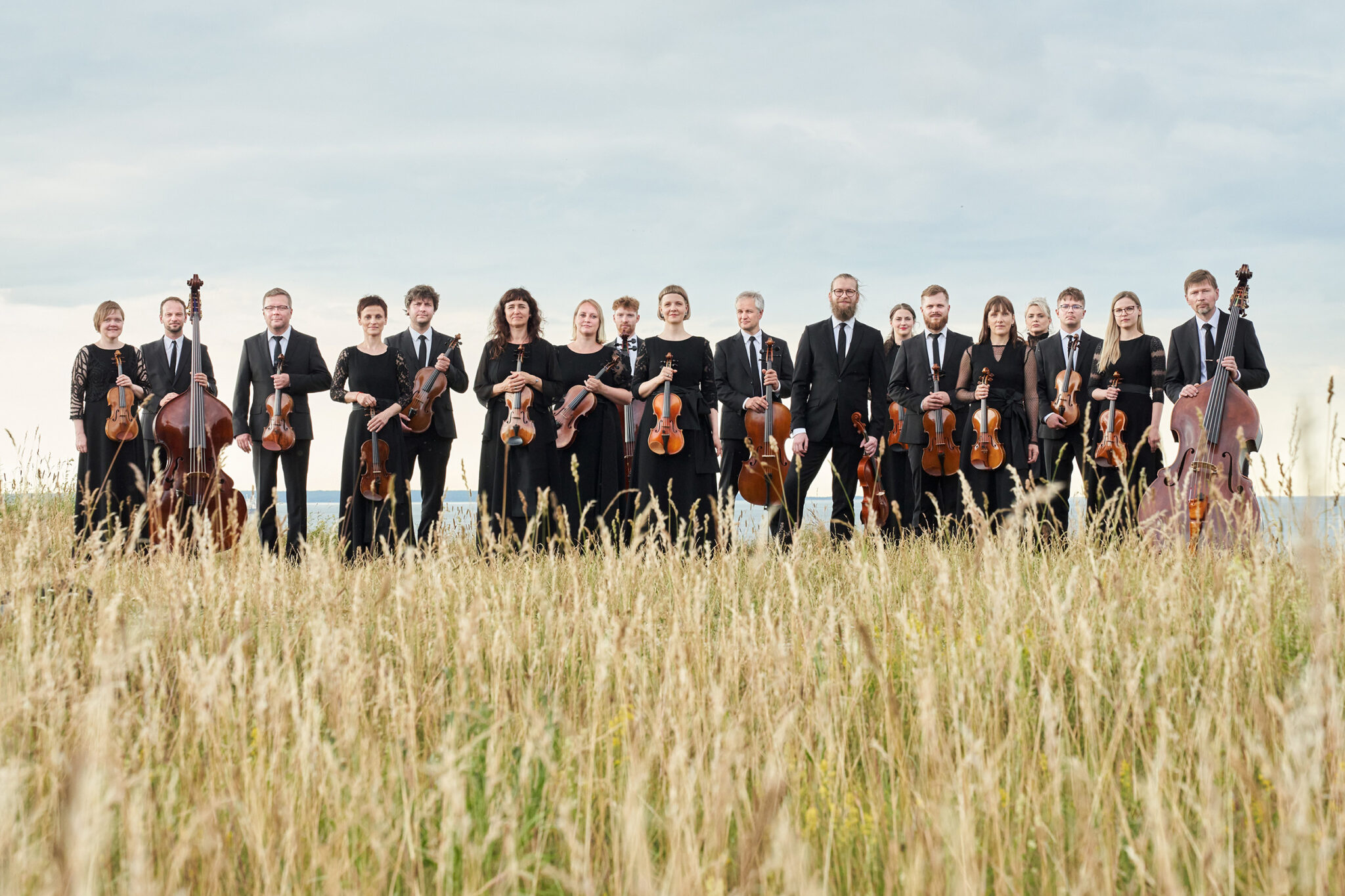
15 June
Arvo Pärt’s music asks for silence, concentration, and space. At the Odeon, performed by the Estonian Philharmonic Chamber Choir and the Tallinn Chamber Orchestra under Tõnu Kaljuste, it should become one of the season’s most intense listening experiences. This is a concert for those drawn to sacred minimalism, vocal purity, and the kind of music that changes the scale of a venue without raising its voice.
04
Einstürzende Neubauten, Ode to Avant Garde
#industrial #experimental #avantgarde
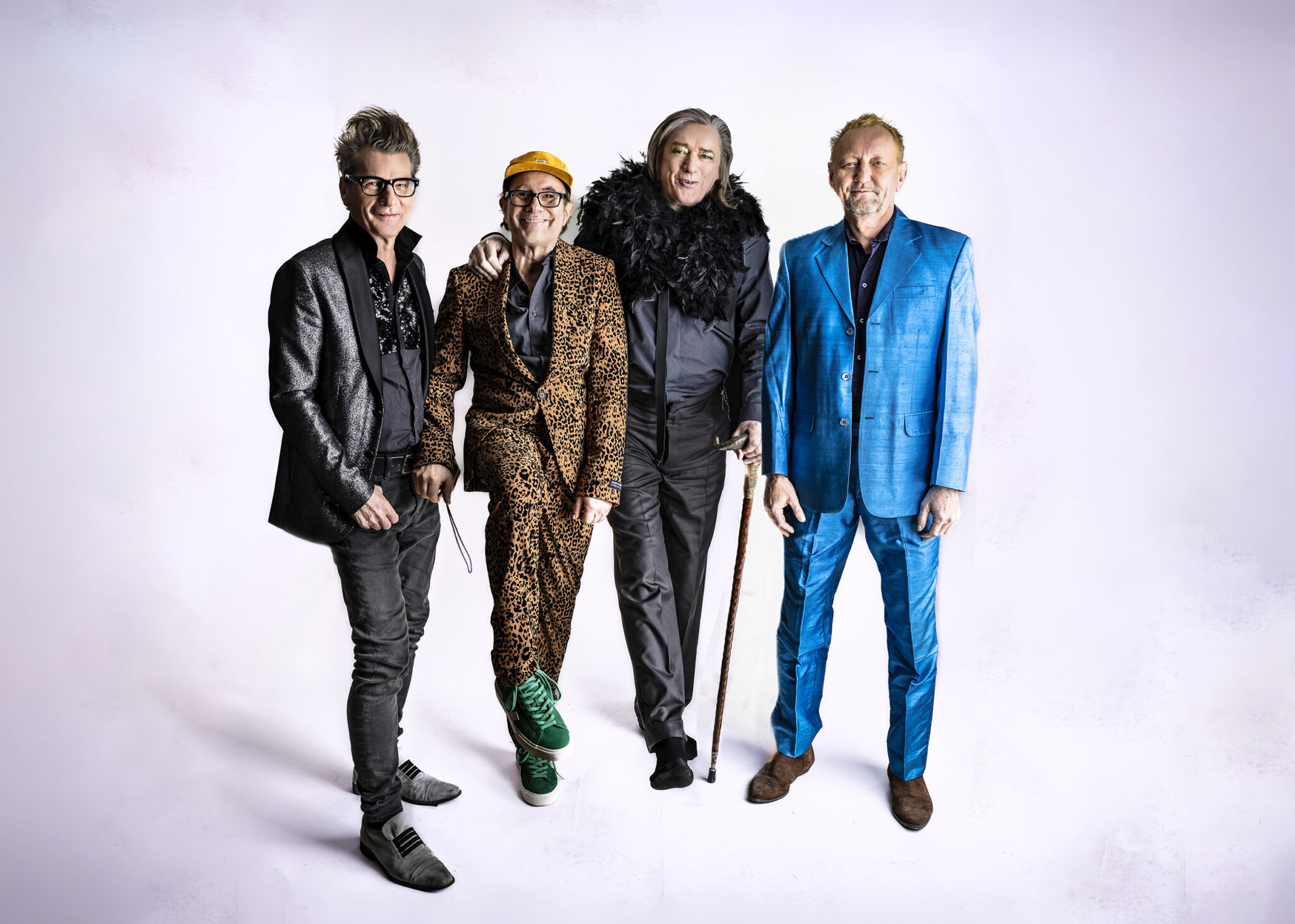
18 June
One of the boldest bookings of the Odeon program, Einstürzende Neubauten bring industrial sound, experimental structure, and European avant-garde history to Athens. The German group’s presence at the Herodeion gives the farewell season a more abrasive, contemporary edge, and makes this one of the most unusual nights of the month.
05
Lena Platonos and Maria Farantouri, Fortunes
#electronicmusic #poetry #greekmusic

19 June
Two major Greek artists meet at the Odeon in a concert that brings together electronic composition, poetry, political memory, and one of the most recognizable voices in Greek music. Lena Platonos and Maria Farantouri occupy very different places in the country’s cultural history, which makes Fortunes one of the most intriguing Greek-language music events of the season.
06
Lykke Li
#indiepop #concert #melancholic

22 June
The Swedish singer and songwriter makes her Greek debut at the Odeon, bringing her spare, melancholic pop into a venue that changes the scale of every performance placed inside it. This is one of the Festival’s more accessible international music nights, and likely to draw an audience beyond the usual classical and theater public.
07
Hecuba, directed by Stathis Livathinos
#ancienttragedy #greektheatre #politicaldrama
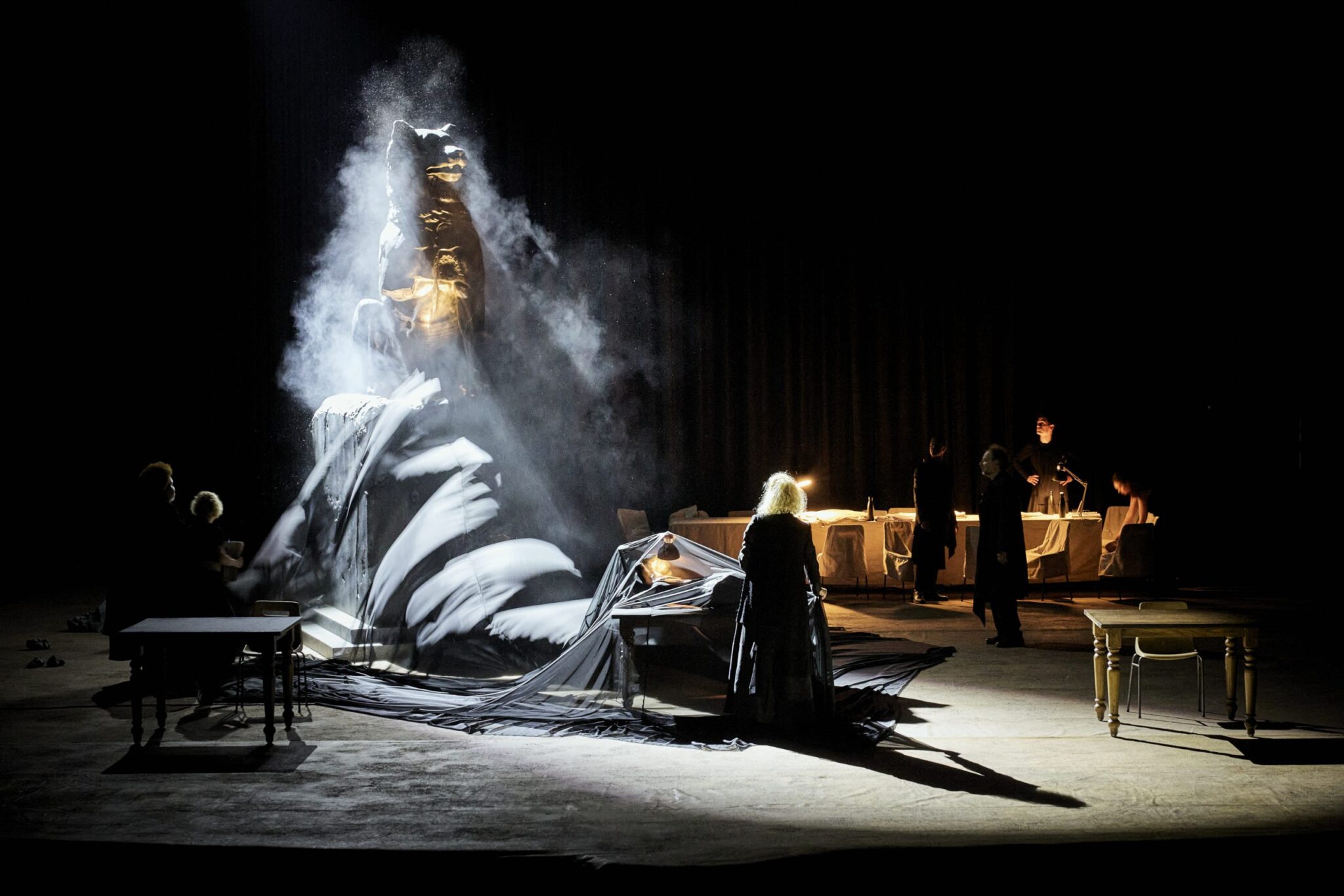
25 and 26 June
Euripides enters the Odeon through Hecuba, directed by Stathis Livathinos and presented in connection with the 100th anniversary of the Academy of Athens. The subtitle, In the Shade of Plato’s Republic, suggests a production that reads tragedy through questions of political order, grief, defeat, and the collapse of civic ideals.
08
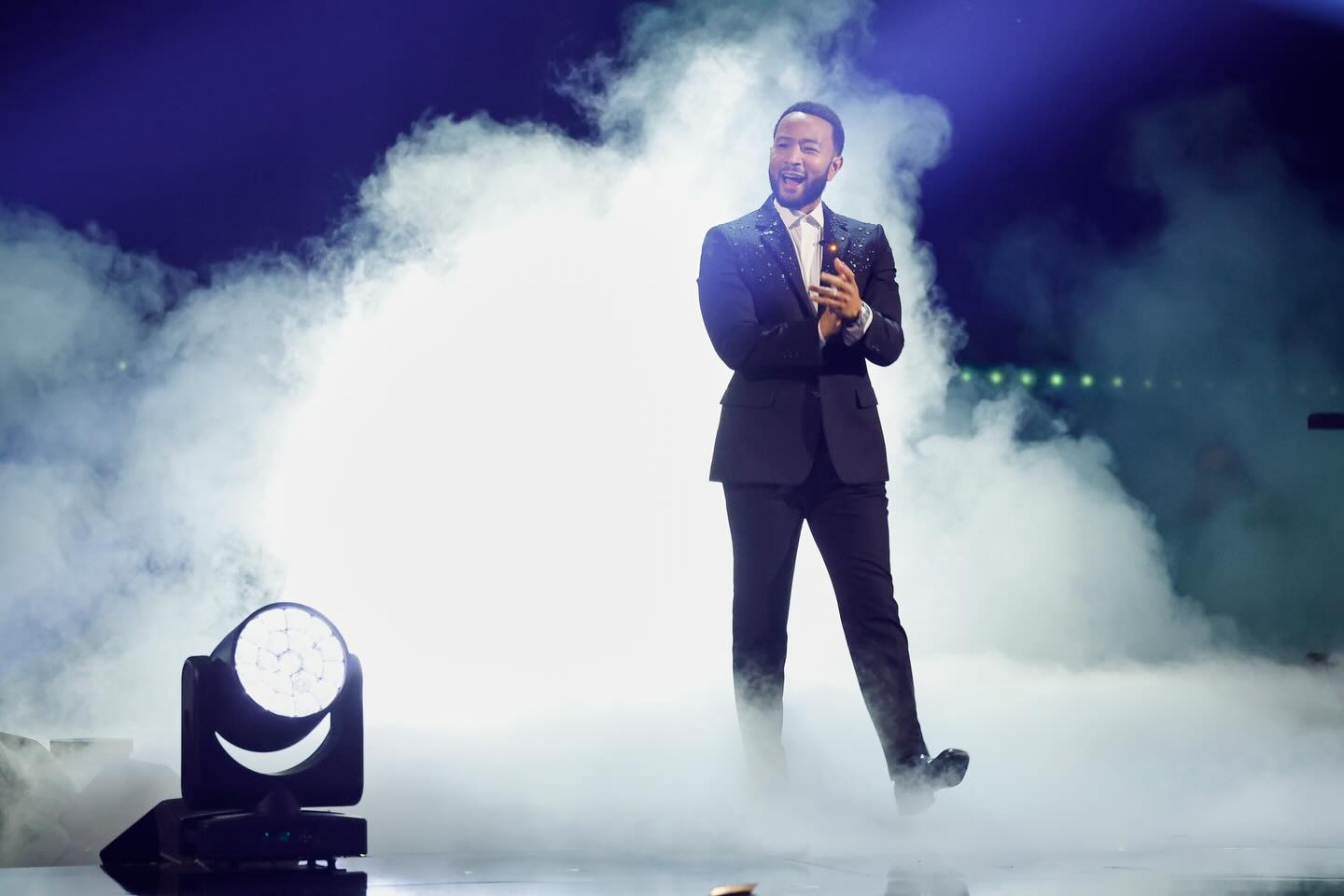
John Legend, Evening of Songs and Stories
#rnb #soul #concert
30 June
John Legend closes the Odeon’s June program with Evening of Songs and Stories, one of the most high-profile popular music appearances of the Festival. His presence turns the Herodeion into an intimate concert setting for a major international artist, with the added appeal of a set built around voice, piano, and storytelling.
Peiraios 260
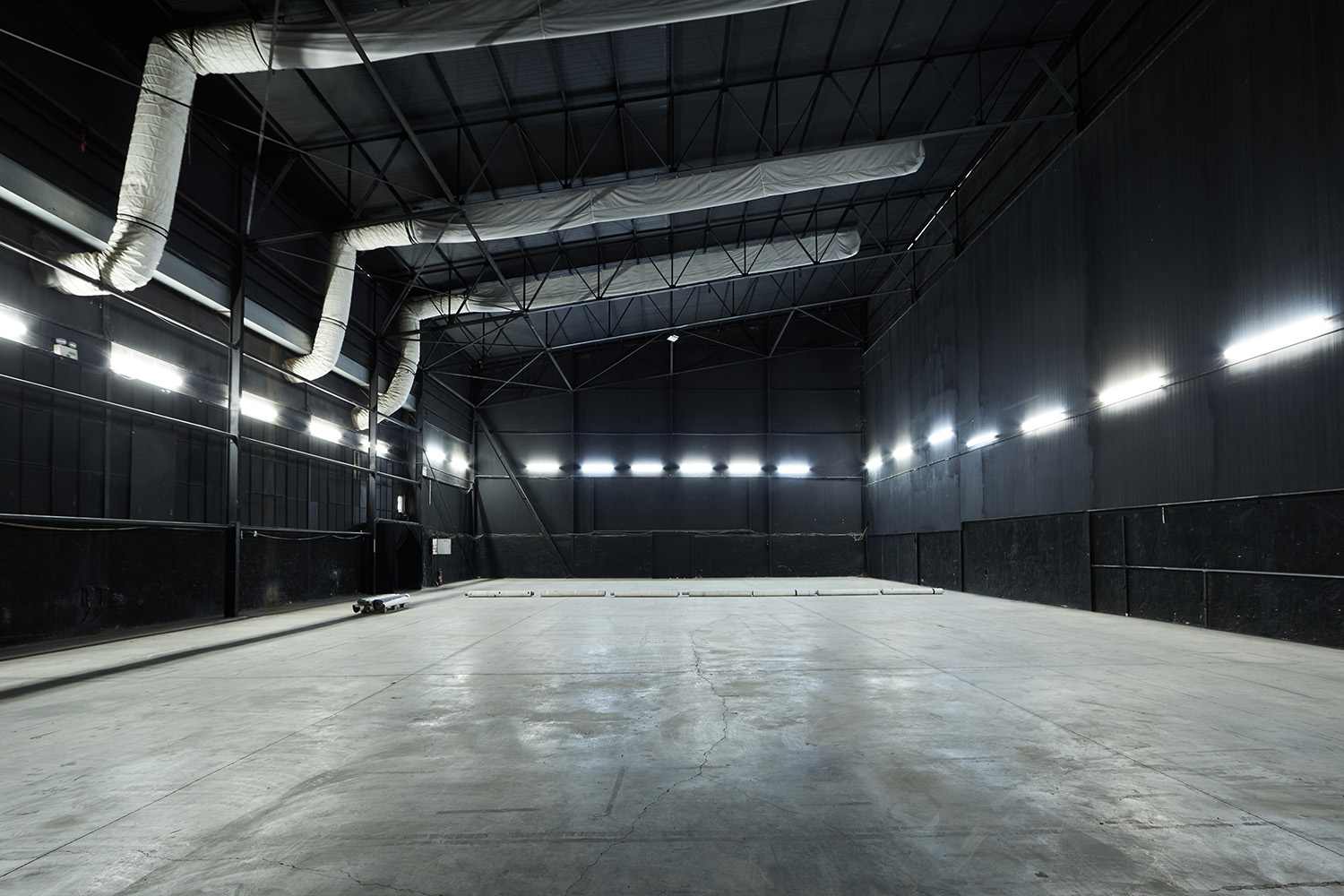
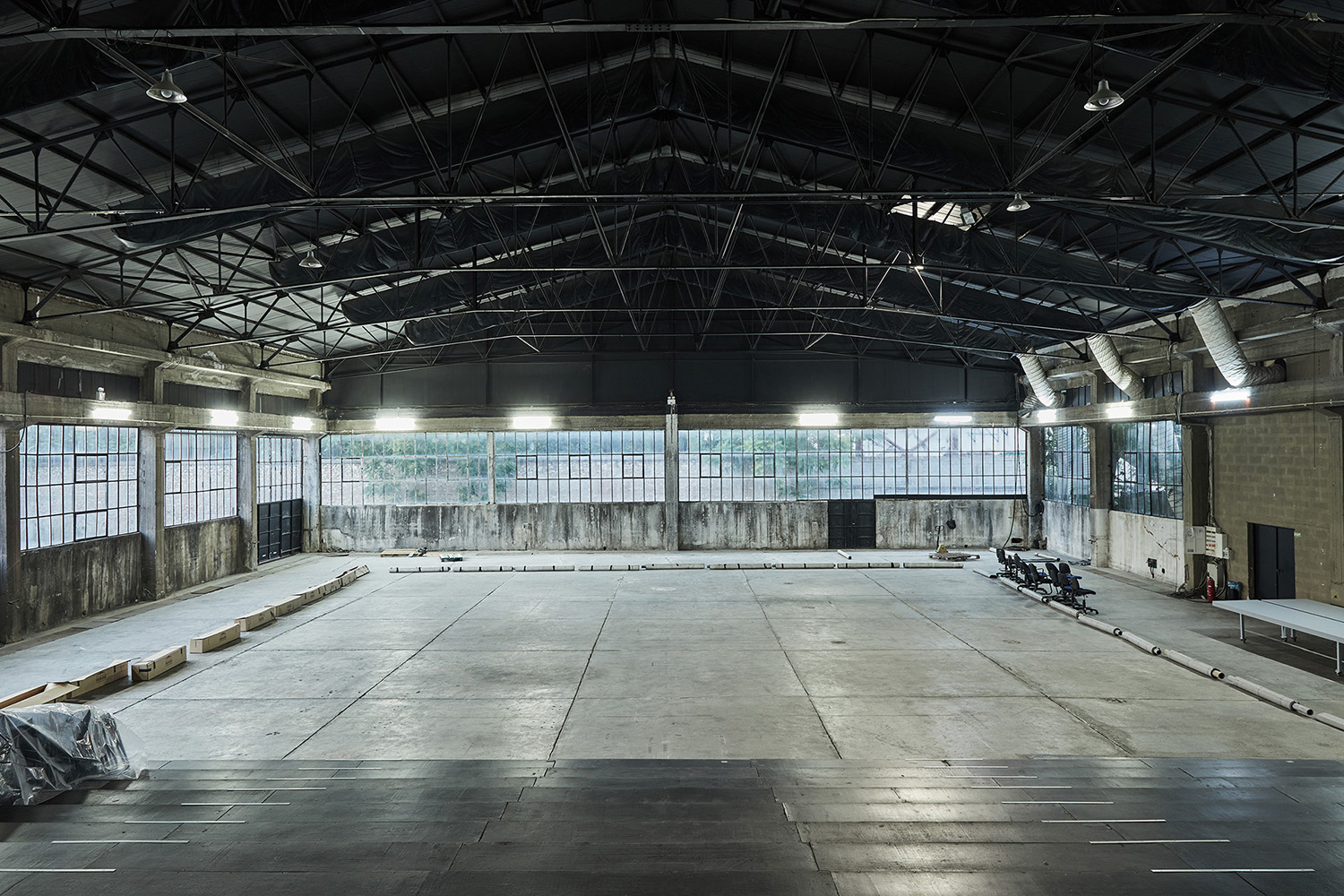
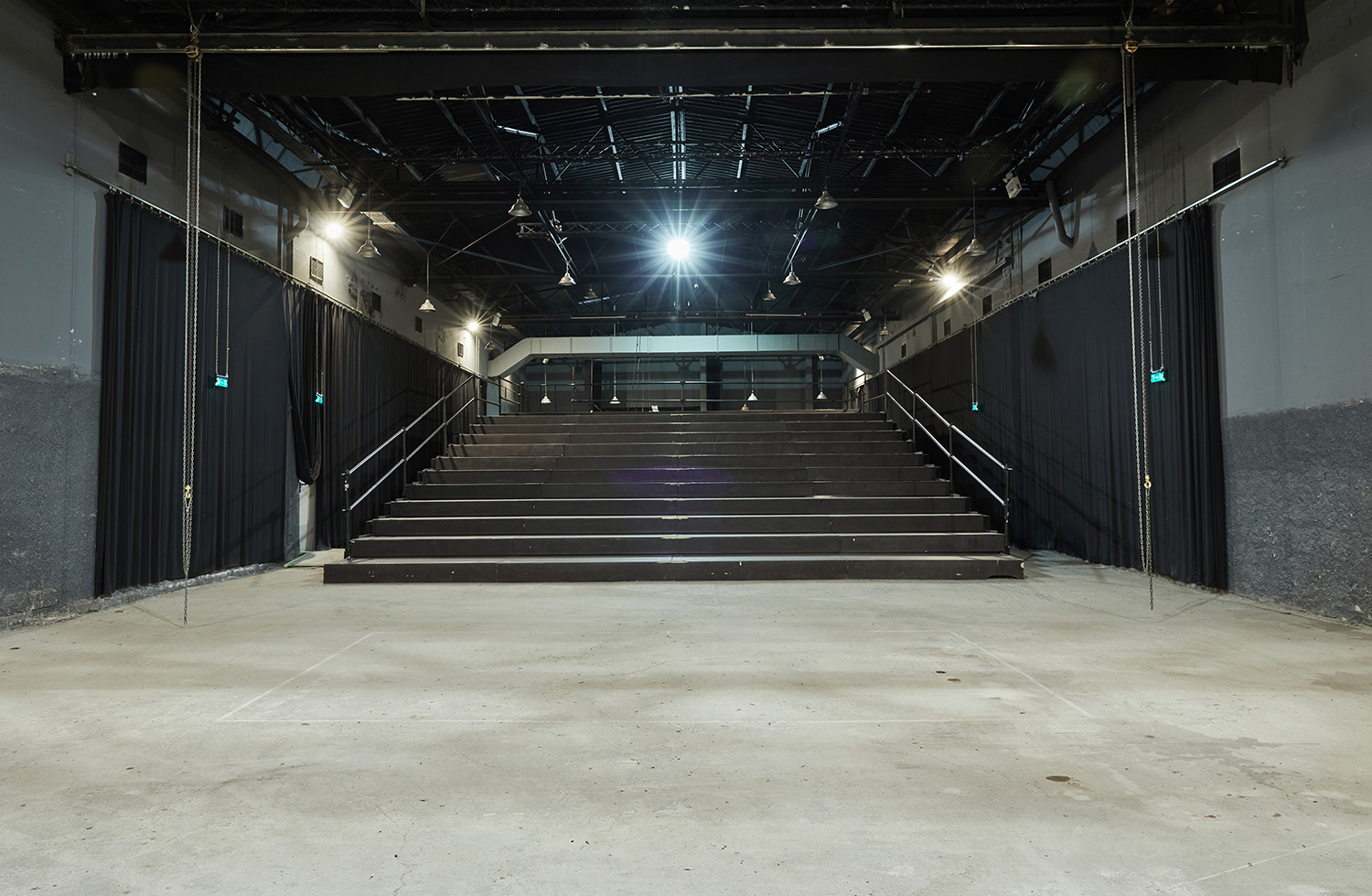
Peiraios 260 has become the Festival’s great laboratory: industrial, adaptable, urban, and essential to the contemporary identity of the Athens programme. In 2026, it marks 20 years of continuous operation, and the anniversary has clearly shaped the season. The programme moves across theatre, dance, music, performance, film, installations, late-night events, and international work from Europe, the Middle East, Asia, and the United States.
01
MÁM, Teaċ Daṁsa and Michael Keegan-Dolan
#contemporarydance #livemusic #ritual
10 and 11 June
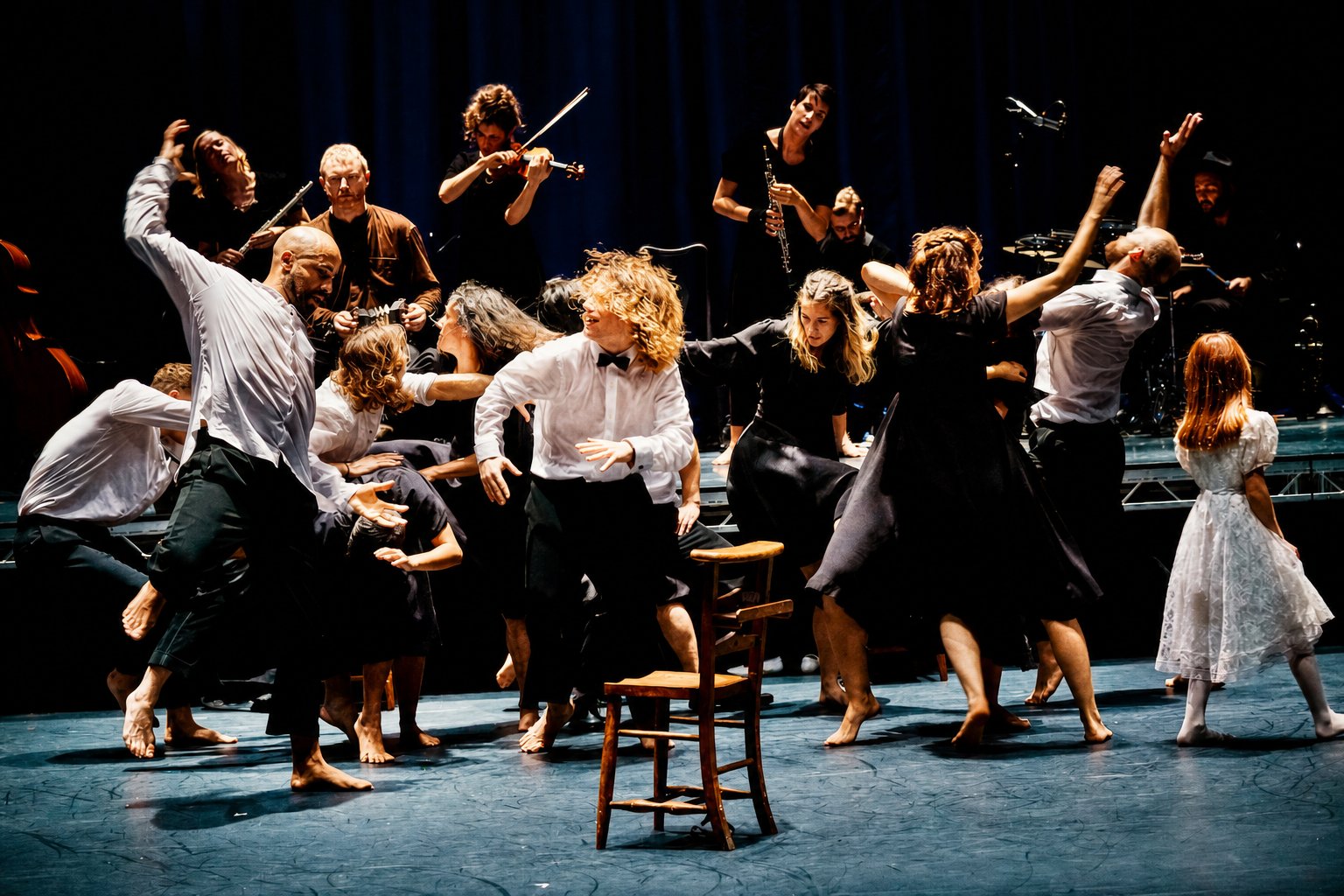
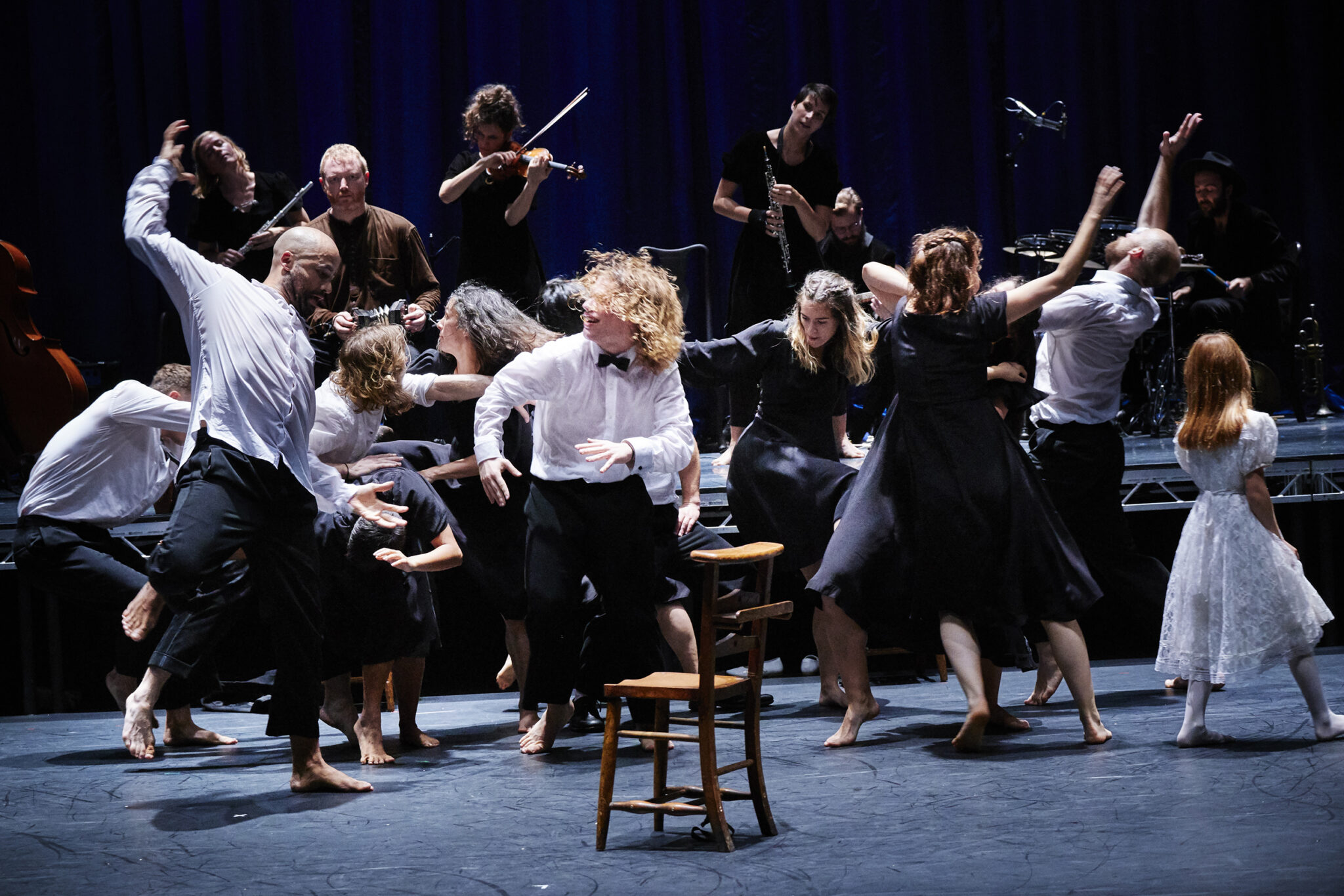
Michael Keegan-Dolan’s MÁM arrives in Athens after extensive international acclaim. Combining dance, live music, ritual energy, and the physical charge of a rural gathering, it has become one of the Irish choreographer’s signature works. At Peiraios 260, it stands out as one of the early June highlights for audiences interested in dance that feels communal, musical, and bodily rather than decorative.
02
Haribo Kimchi, Jaha Koo
#performanceart #documentarytheatre #multimedia
16 and 17 June
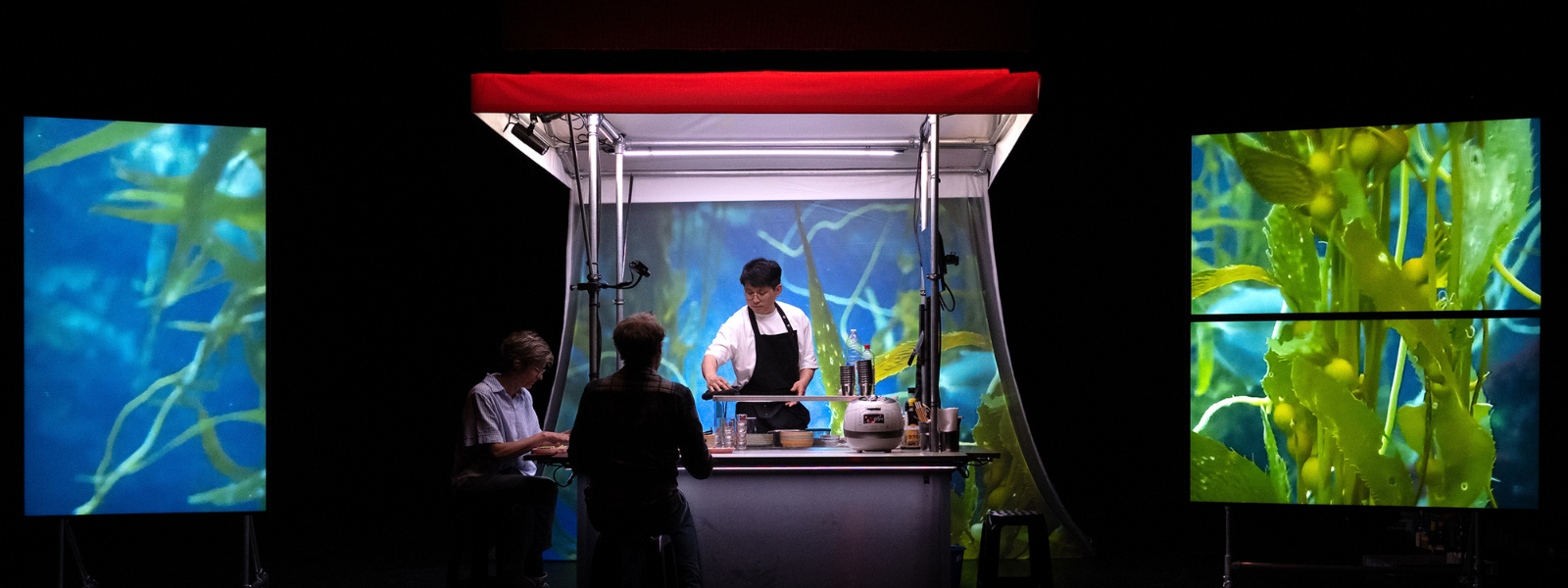
South Korean artist Jaha Koo brings Haribo Kimchi to Peiraios 260, a performance that uses food, migration, language, and memory as theatrical material. Koo’s work often moves through personal history and geopolitical tension without losing humor or strangeness, and this piece belongs to the part of the Festival program that looks closely at identity, displacement, and the everyday objects through which culture travels.
03
Badke(remix), Amir Sabra and Ata Khatab
#contemporarydance #dabke #palestinianculture

20 and 21 June
Badke(remix) brings Palestinian dance, popular movement, and collective energy to Peiraios 260. Its title refers to dabke, the Levantine line dance associated with weddings, village gatherings, protest, and shared celebration. In the context of the 2026 program, which includes several artists from the Arab world and Iran, this is one of the works that gives the Festival its urgent contemporary frame.
04
Seppuku: The Funeral of Mishima or the Pleasure of Dying, Angélica Liddell
#experimentaltheatre #avantgarde #provocative
28, 29 and 30 June
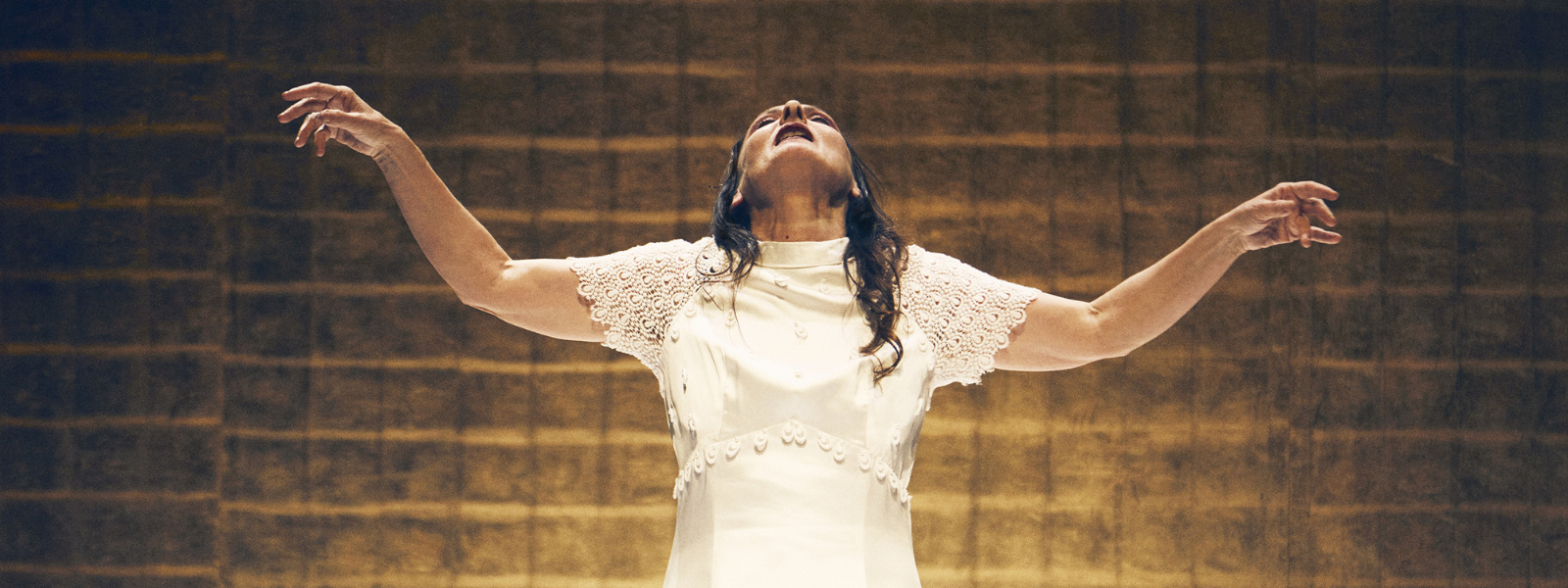
Spanish theatre-maker Angélica Liddell is one of Europe’s most provocative stage artists, and Seppuku brings her severe, confrontational theatre language into the Peiraios 260 program. The piece takes Yukio Mishima as a point of departure and enters a territory of death, beauty, performance, violence, and self-exposure. It is not a safe or easy recommendation, but it is one of the season’s most important international theater events.
05
Medea’s Children, Milo Rau and NTGent
#documentarytheatre #tragedy #politicaltheatre
4 and 5 July
Milo Rau, one of the defining European theater-makers of recent decades, appears with NTGent in Medea’s Children. Rau’s work often joins documentary material, political violence, and classical reference, and his presence in the 2026 Festival is a major statement. For audiences following the contemporary European stage, this is not to be missed.
06
Lee Miller in Hitler’s Bathtub, Needcompany, Jan Lauwers and Maarten Seghers
#cantata #experimentaltheatre #warhistory
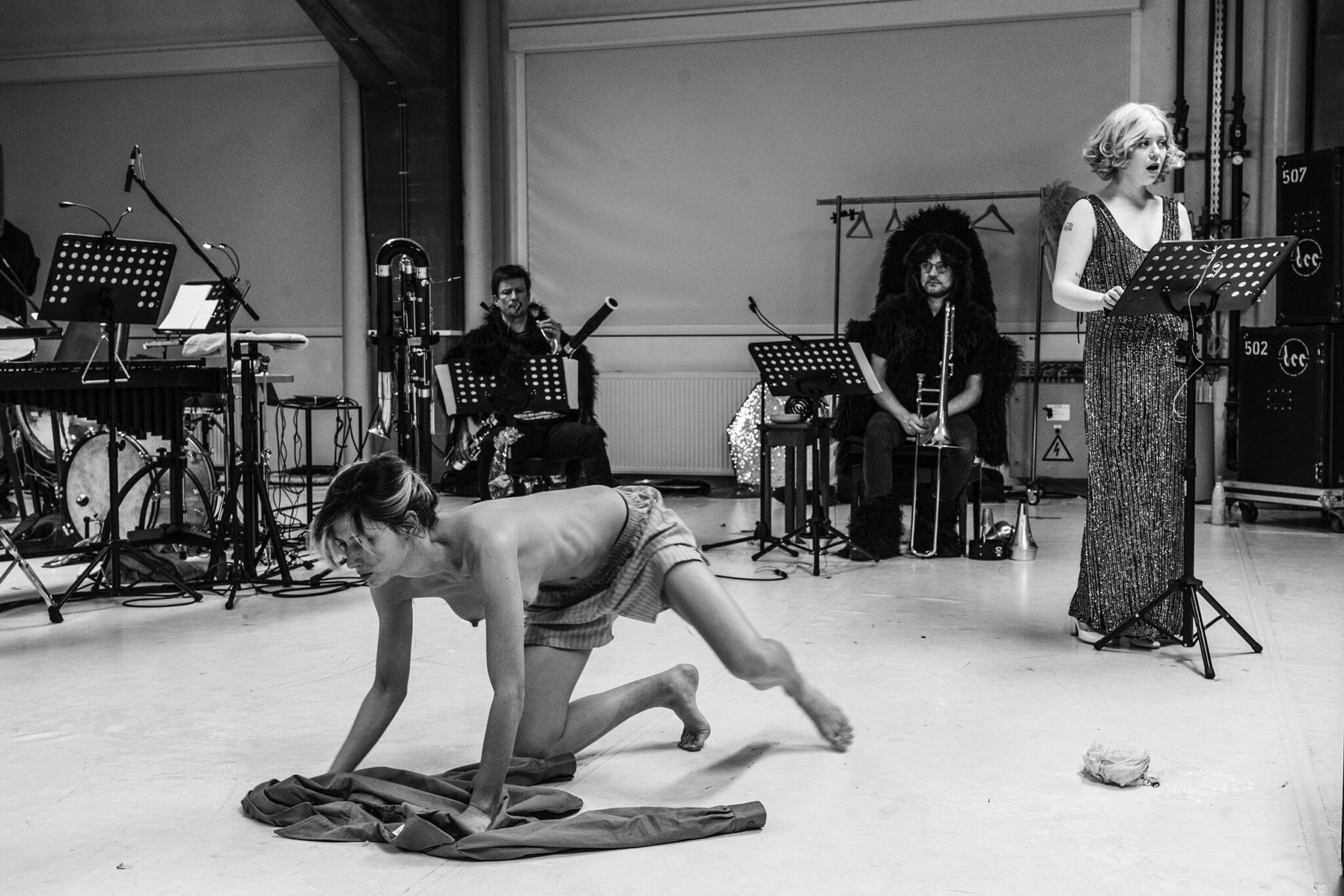
7 and 8 July
Lee Miller, the American photographer, war correspondent, and former Surrealist muse, becomes the subject of a tragic cantata by Needcompany. The title refers to the famous photograph taken in Hitler’s Munich apartment in 1945, after Miller had witnessed and documented the liberation of Dachau. This is one of the Festival’s most striking propositions: a work about image, war, evidence, and the moral burden of looking.
07
Four Walls and a Roof, Lina Majdalanie and Rabih Mroué
#performanceart #politicaltheatre #lebanesetheatre
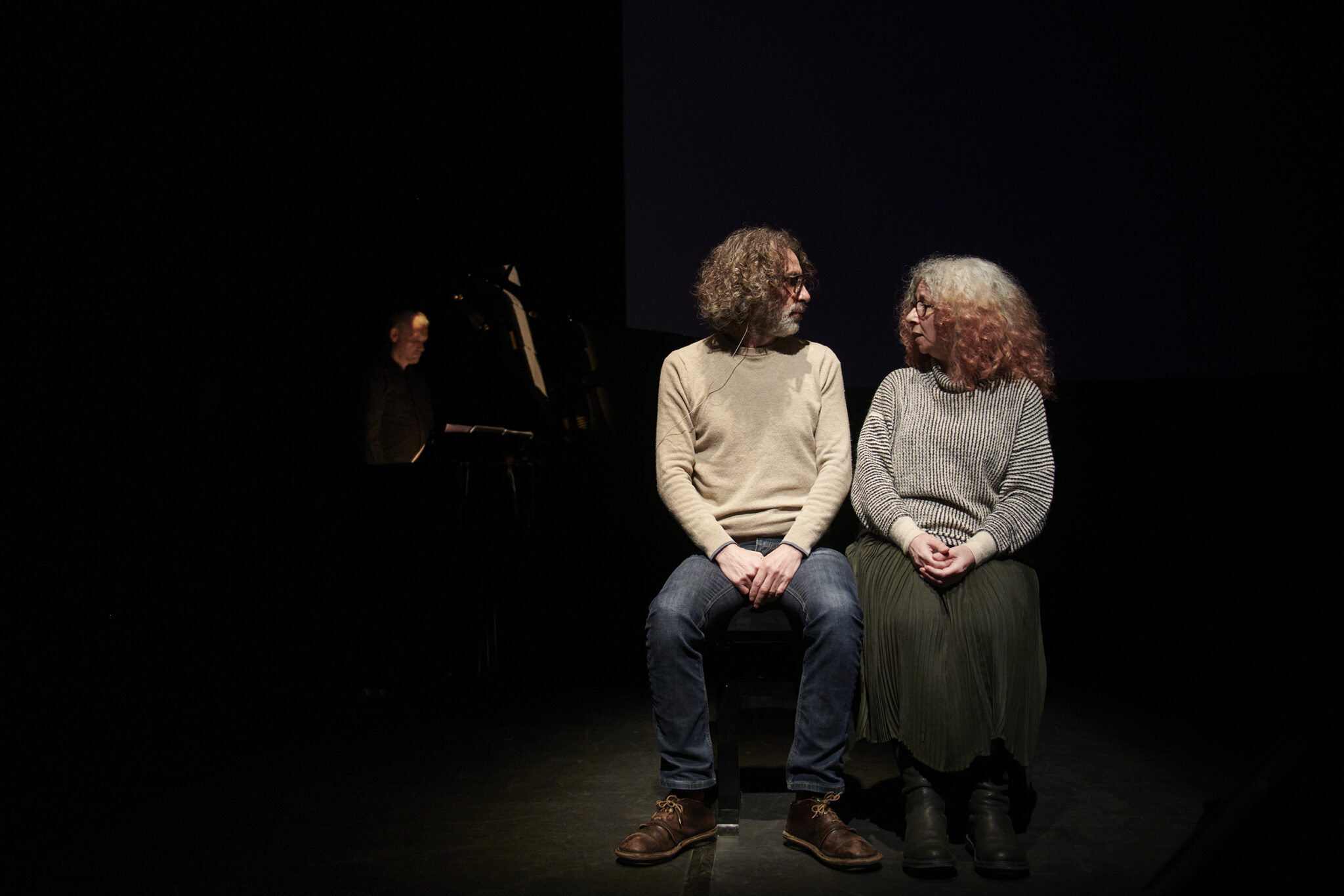
12 and 13 July
Lebanese artists Lina Majdalanie and Rabih Mroué bring one of the important Arab-world presences in the 2026 programme. Their work has long examined theater, testimony, politics, and media through spare, intelligent stage forms. Four Walls and a Roof should appeal to audiences interested in performance that thinks through the instability of public language and private experience.
08
16 and 17, TAO Dance Theater
#contemporarydance #minimalism #repetition
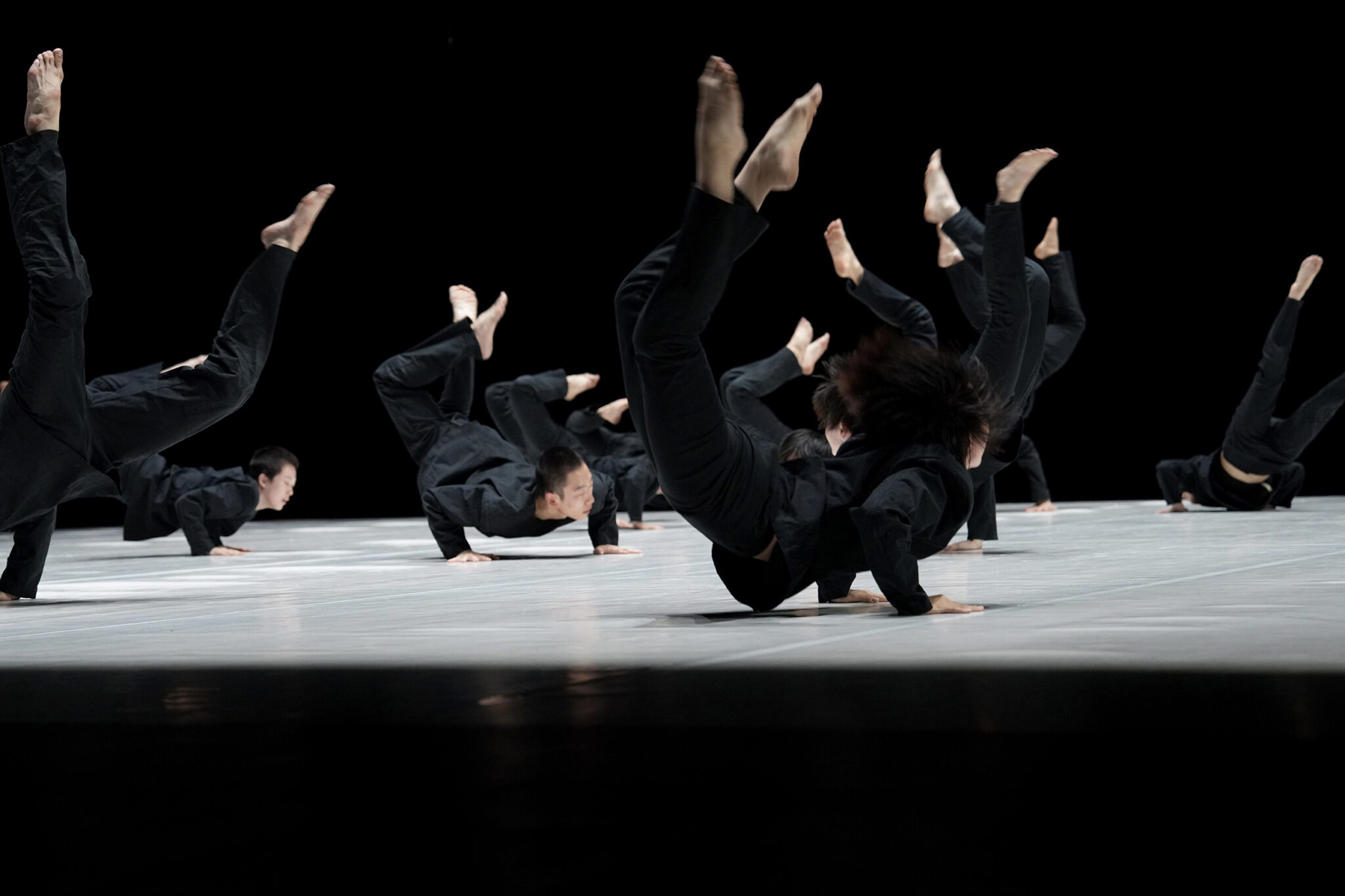
13 and 14 July
TAO Dance Theater is one of China’s most internationally visible contemporary dance companies, known for rigorously structured movement works built around repetition, accumulation, and formal discipline. In 16 and 17, the company continues its numbered series, making this one of the strongest dance events in the July Peiraios 260 appearances.
09
Deborah Hay, No Time to Fly / As Holy Sites Go
#postmoderndance #choreography #conceptualart
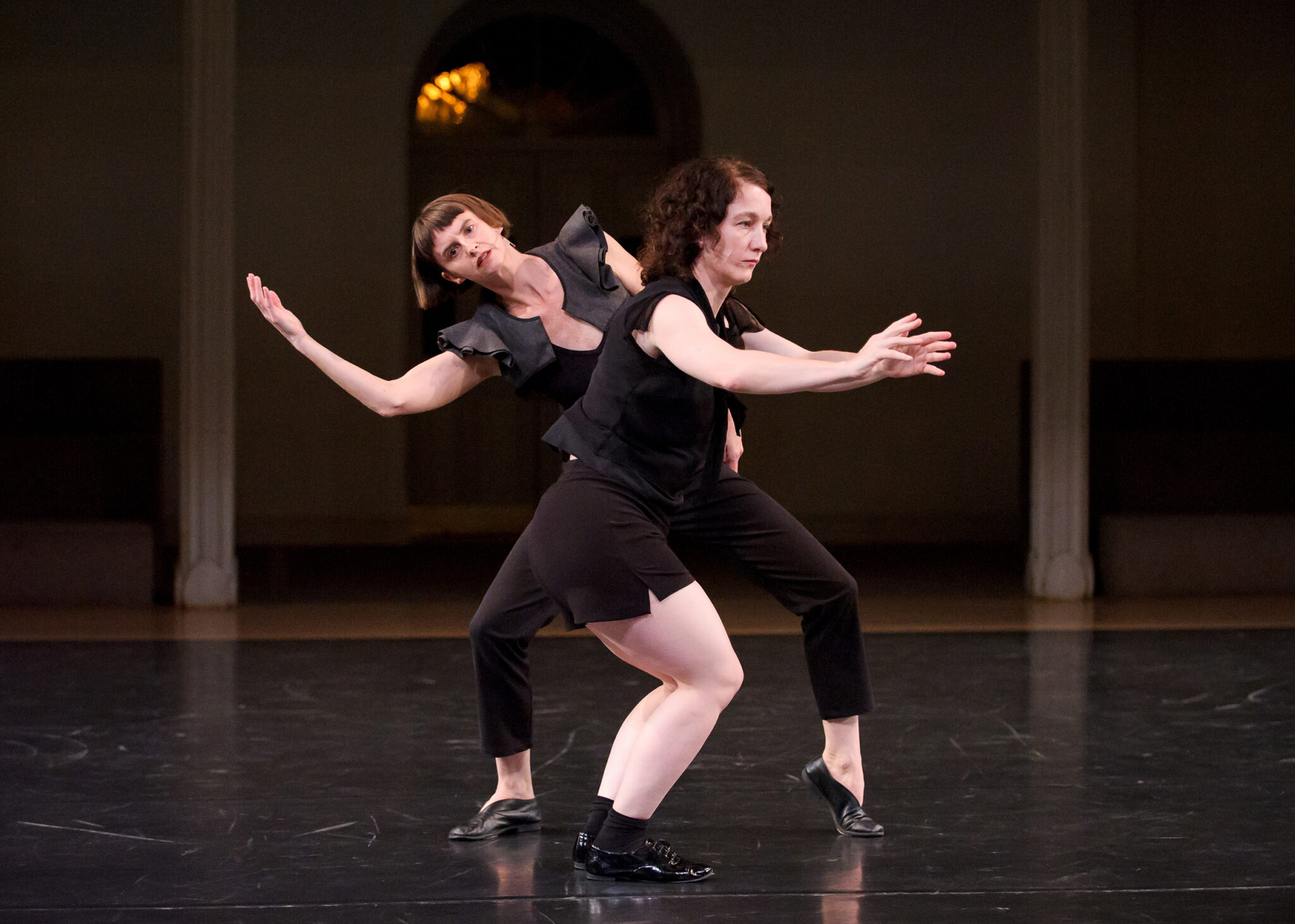
17 and 18 July
The Festival pays homage to Deborah Hay, one of the major figures of postmodern dance. Her work has influenced generations of choreographers through its open scores, attention to perception, and refusal of spectacle. This event is for dance audiences who want to see the intellectual and physical lineage of contemporary choreography placed directly inside the Festival’s summer performances.
10
A TRIAL, Christiane Jatahy
#cinematheatre #experimentaltheatre #politicaldrama
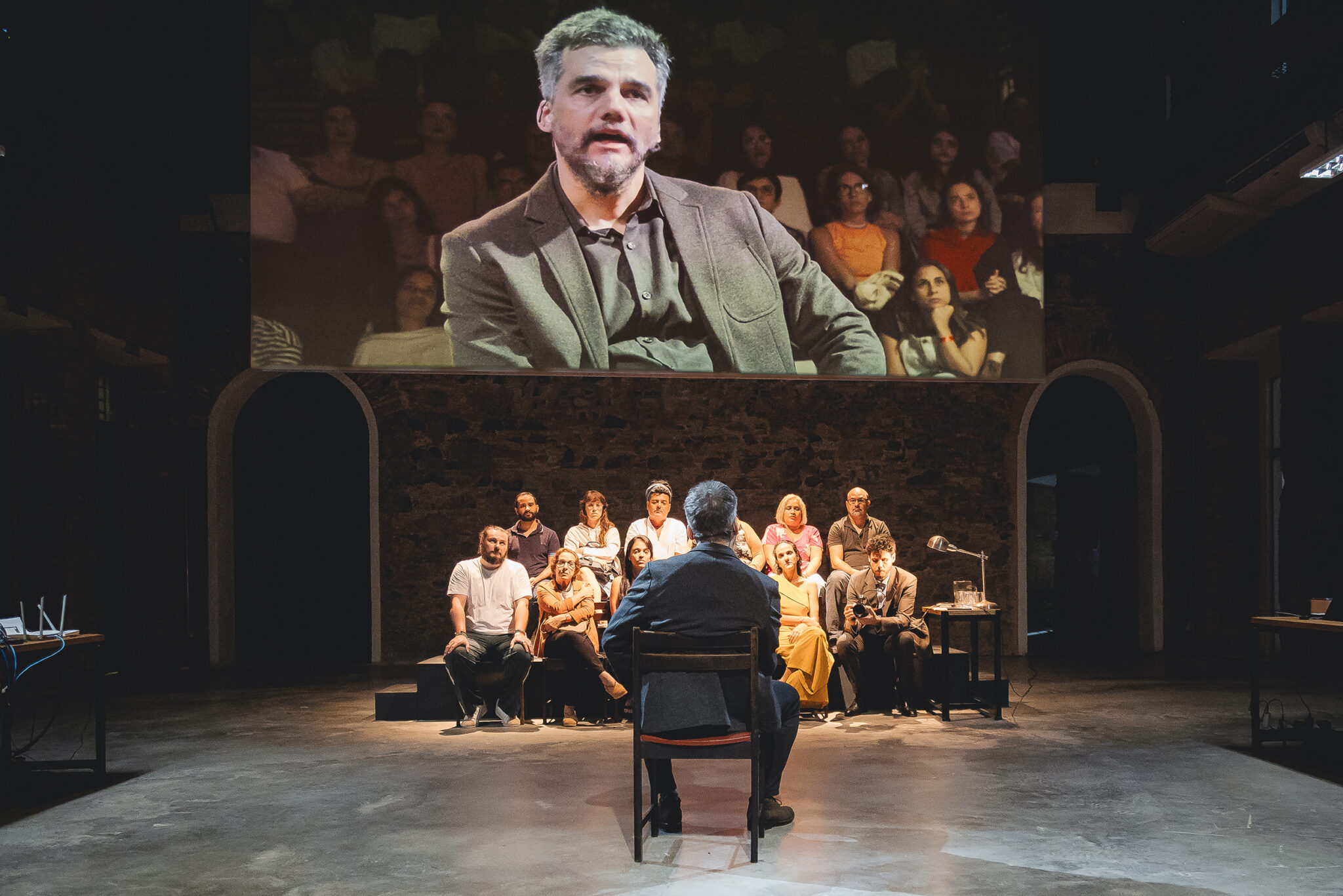
26 and 27 July
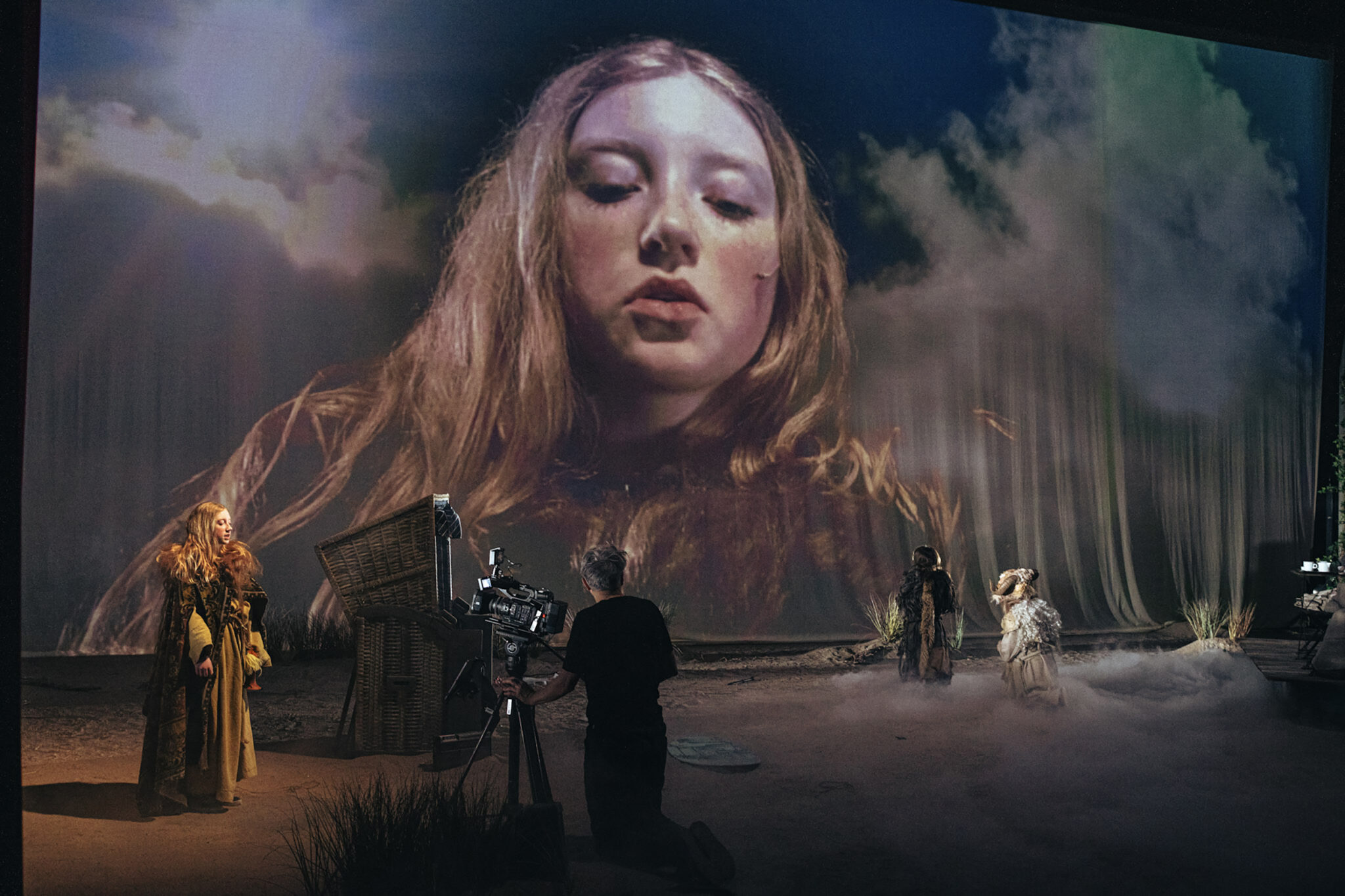
Brazilian director Christiane Jatahy brings A TRIAL, based on Henrik Ibsen’s An Enemy of the People, to Peiraios 260. Jatahy’s theatre often crosses live performance, cinema, politics, and the mechanics of spectatorship. In a summer program filled with works on collective pressure, truth, public speech, and institutional failure, this production has clear contemporary force.
Ancient Agora of Athens

The Ancient Agora adds a different kind of experience to the 2026 Festival. This was the civic, political, commercial, and philosophical center of ancient Athens, and its inclusion allows the programme to move outside conventional theatre architecture and into the city’s archaeological fabric.
George Drivas, In Conversation with Software
17 to 21 June
George Drivas creates a walking performance through the Ancient Agora built around artificial intelligence, philosophical dialogue, and the historical weight of the site. The premise is immediately compelling: a technological conversation placed in the landscape where public speech, argument, law, commerce, and philosophy once formed part of everyday civic life. It is one of the season’s most distinctive site-specific events.
Ancient Theatre of Epidaurus

The Ancient Theater of Epidaurus remains the symbolic heart of the Festival. Built in the late fourth century BCE and associated with the sanctuary of Asclepius, it is famous for its symmetry, acoustics, and the experience of watching ancient drama in a landscape where theatre, healing, and ritual were historically connected. The 2026 program here is unusually rich, beginning with opera and continuing through tragedy, comedy, dance-theatre, and major Greek and international directors.
01
The Persians, directed by Christos Theodoridis
#ancienttragedy #greektheatre #antiwar
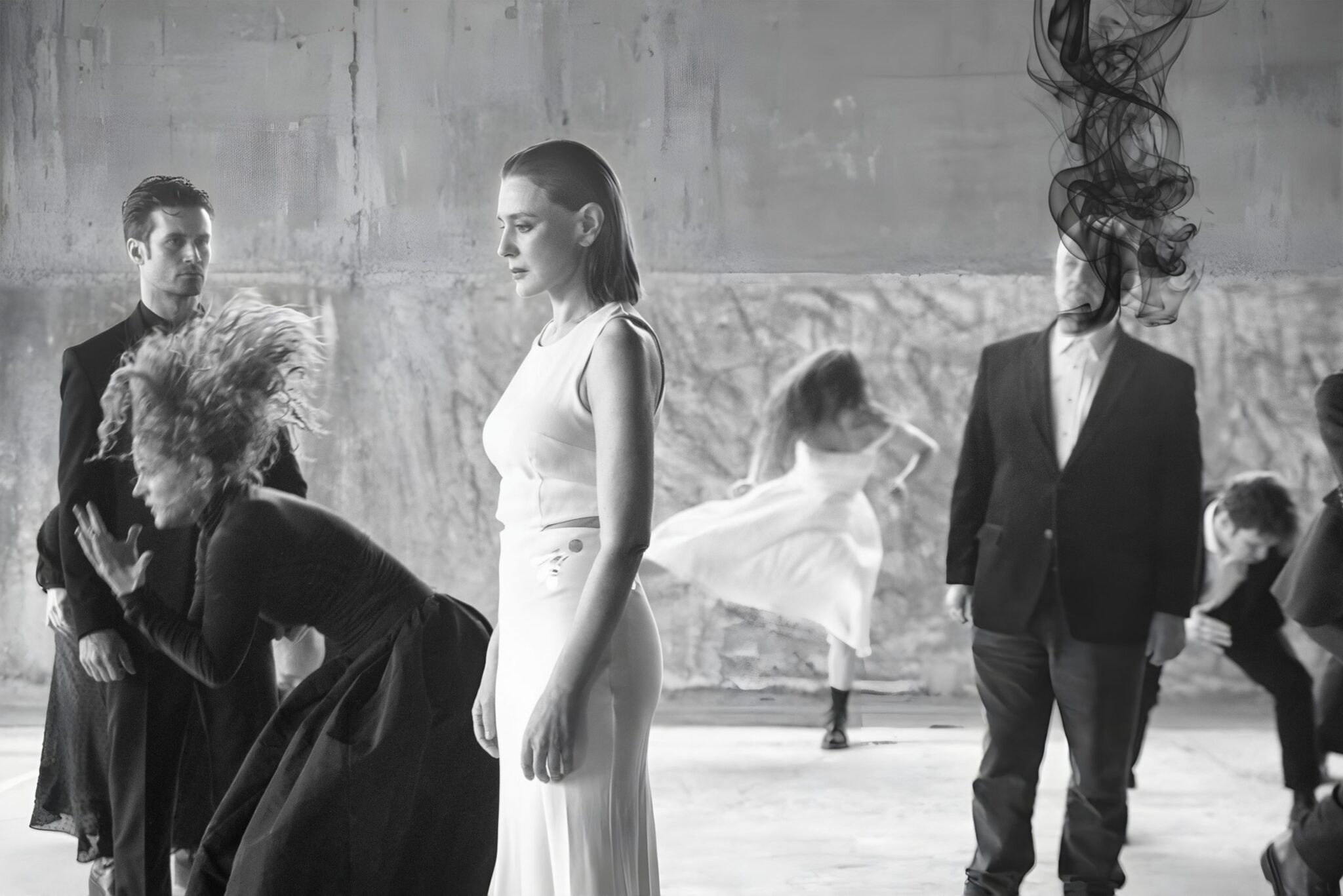
3 and 4 July
Aeschylus’ The Persians is the oldest surviving complete work of ancient Greek drama and one of the most unusual: a tragedy about recent history rather than myth, written only eight years after the Battle of Salamis. Christos Theodoridis makes his first appearance at the Argolic theatre with a production centered on mourning, defeat, collective trauma, and the human cost of war. With a large chorus continuously present on stage, this is likely to be one of the most urgent tragedy productions of the season.
02
The Bacchae, directed by Javor Gardev, with The Tiger Lillies
#ancienttragedy #livemusic #internationalcoproduction
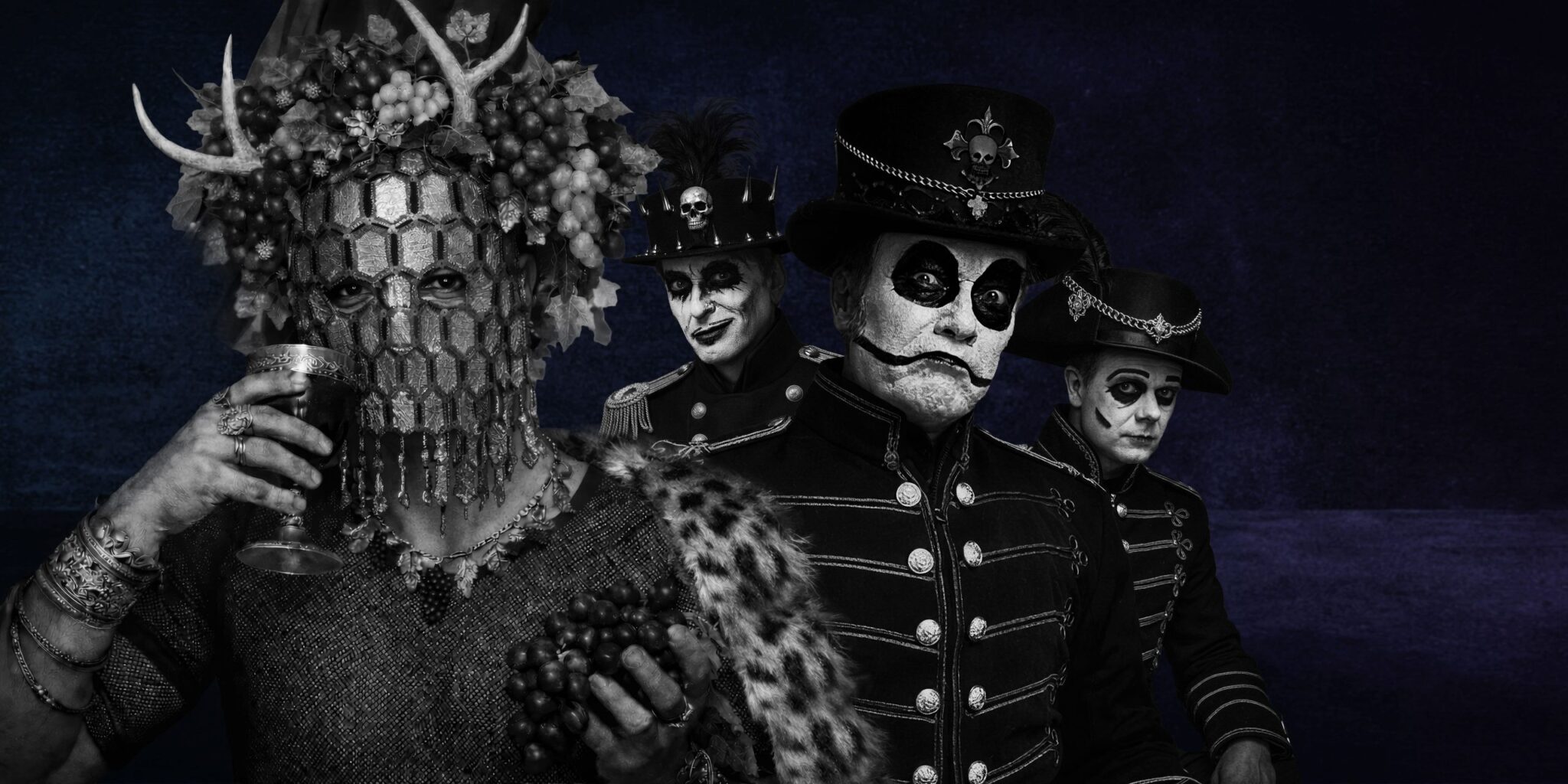
10 and 11 July
One of the most talked-about Epidaurus events of 2026 brings the Ivan Vazov National Theater, Bulgarian director Javor Gardev, Greek and Bulgarian actors, and live music by The Tiger Lillies into Euripides’ The Bacchae. The production is performed in English with Greek surtitles, and its central interest lies in the collision between Dionysian force, social order, fear, and collective breakdown. With live music on stage, this is one of the most distinctive international co-productions of the Epidaurus summer.
03
Alcestis, National Theatre of Greece
#ancienttragedy #greektheatre #existential
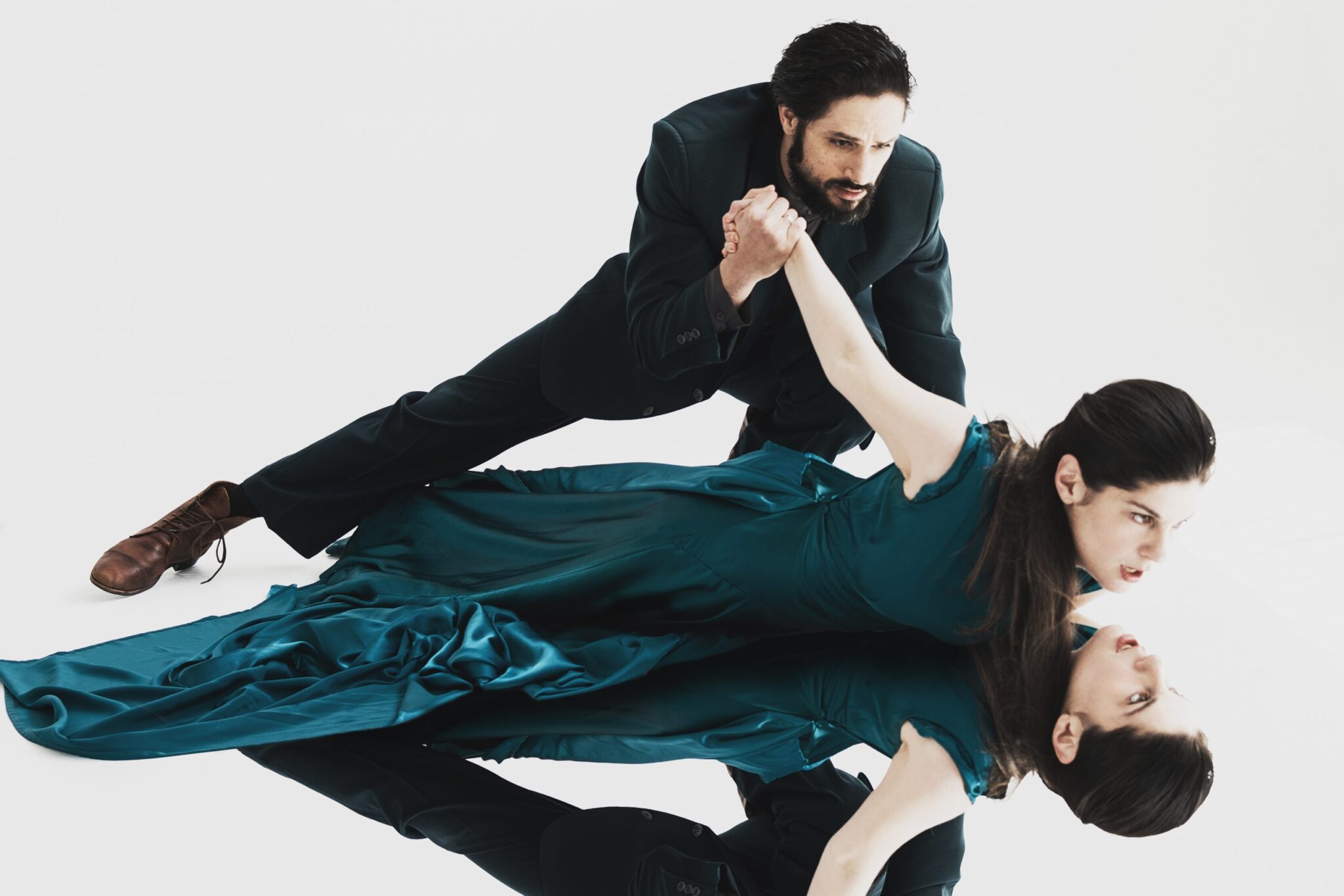
17 and 18 July
Dimitris Karantzas directs Euripides’ Alcestis for the National Theatre of Greece, bringing one of the playwright’s strangest works to Epidaurus. The play sits between tragedy, myth, domestic grief, and unsettling restoration: a woman dies in her husband’s place, Heracles intervenes, and the ending refuses simple emotional closure. Karantzas’ work often places pressure on voice, silence, and the unstable emotional life of an ensemble, which makes this a major Greek entry in the season.
04
Eirene, directed by Nikos Karathanos
#ancientcomedy #greektheatre #musiccomedy
24 and 25 July
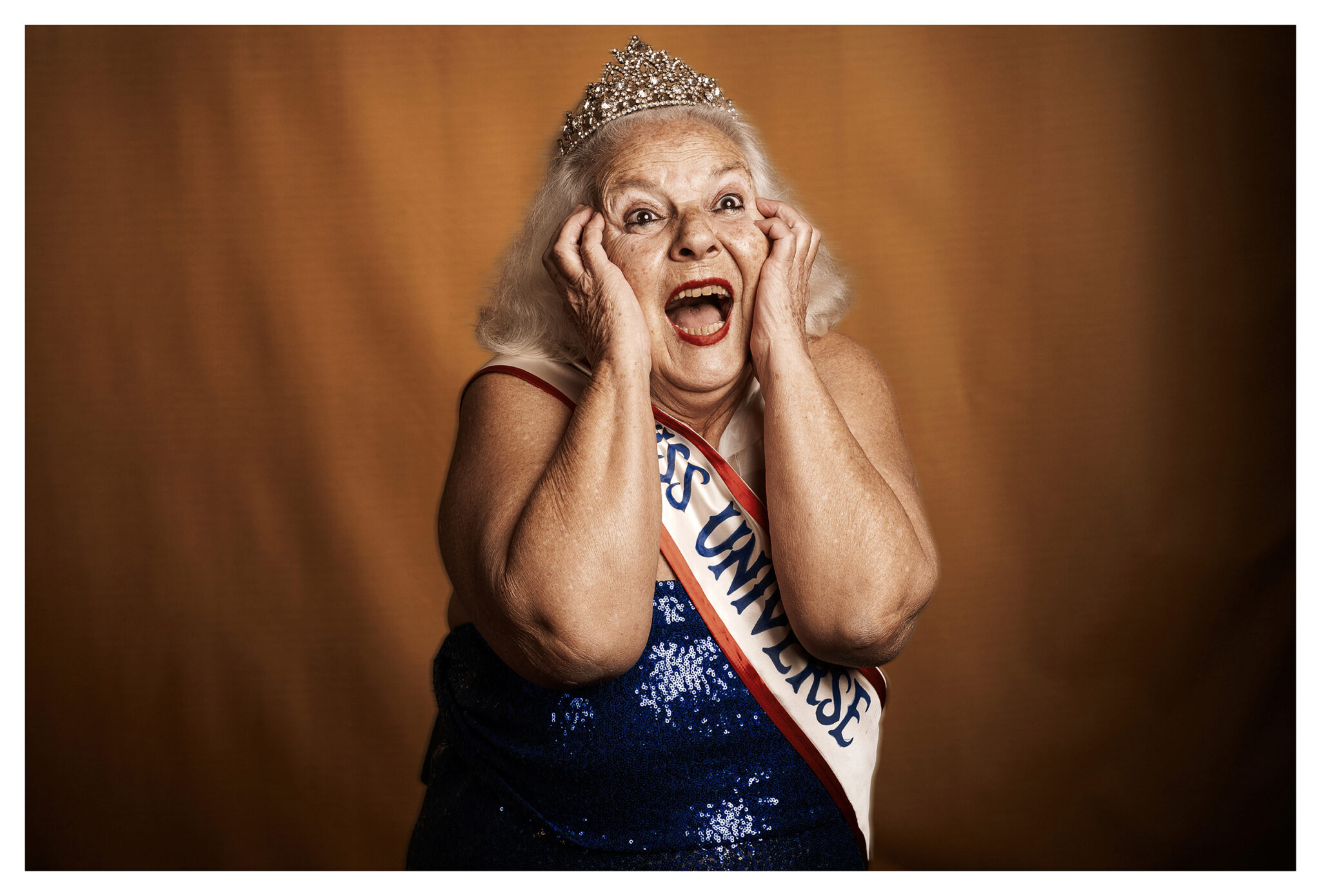
Nikos Karathanos returns to Aristophanes with Eirene, a revisit to Peace. Karathanos has a gift for theatrical abundance, music, humor, and strange tenderness, and Aristophanes gives him a text where public exhaustion, fantasy, appetite, and political desire can all share the stage. This should be one of the warmer and more accessible Epidaurus nights, with enough complexity beneath the comic surface to make it more than a summer crowd-pleaser.
05
The Trojan Women, National Theatre of Greece
#ancienttragedy #greektheatre #antiwar
31 July and 1 August
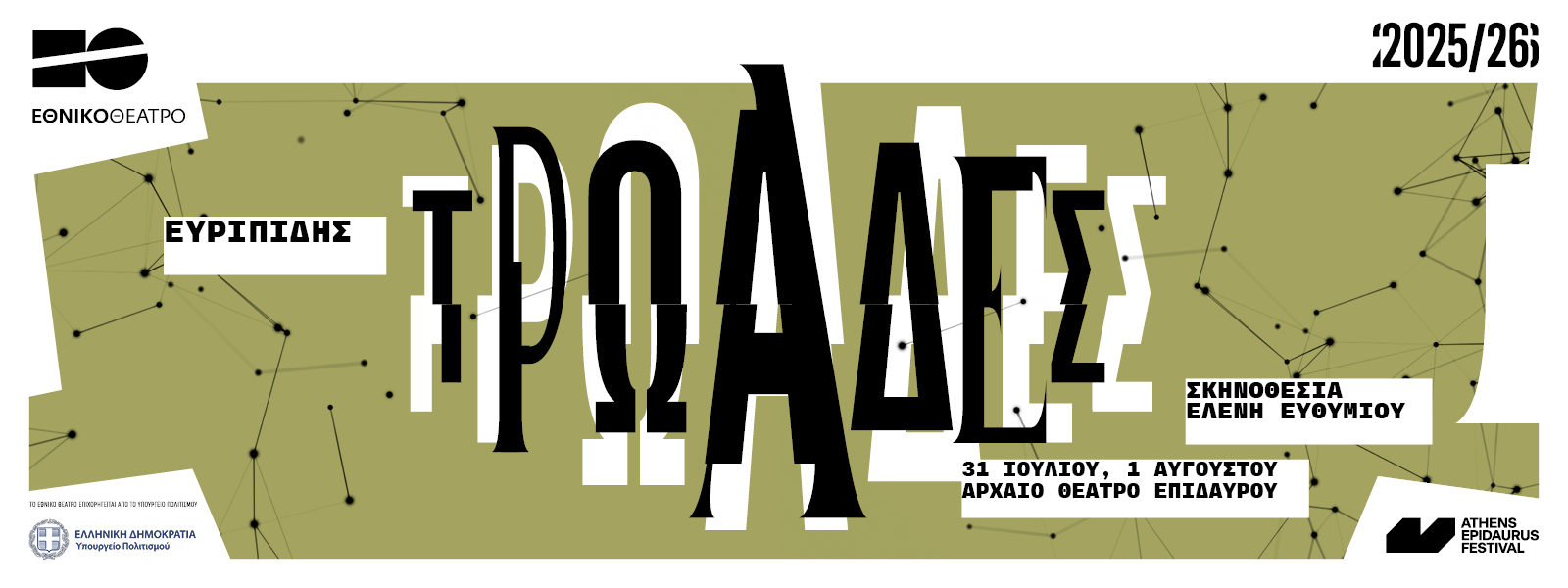
Eleni Efthymiou directs Euripides’ The Trojan Women for the National Theatre of Greece, bringing one of the most devastating anti-war plays in the ancient repertoire to Epidaurus. The play begins after the fall of Troy and remains with the women who must live through the aftermath: Hecuba, Cassandra, Andromache, Helen, and the anonymous captives of a destroyed city. In a 2026 programme strongly marked by war, displacement, and grief, this production belongs at the center of the Festival’s moral landscape.
06
Antigone, Alan Lucien Øyen
#tanztheater #ancienttragedy #contemporarydance
7 and 8 August
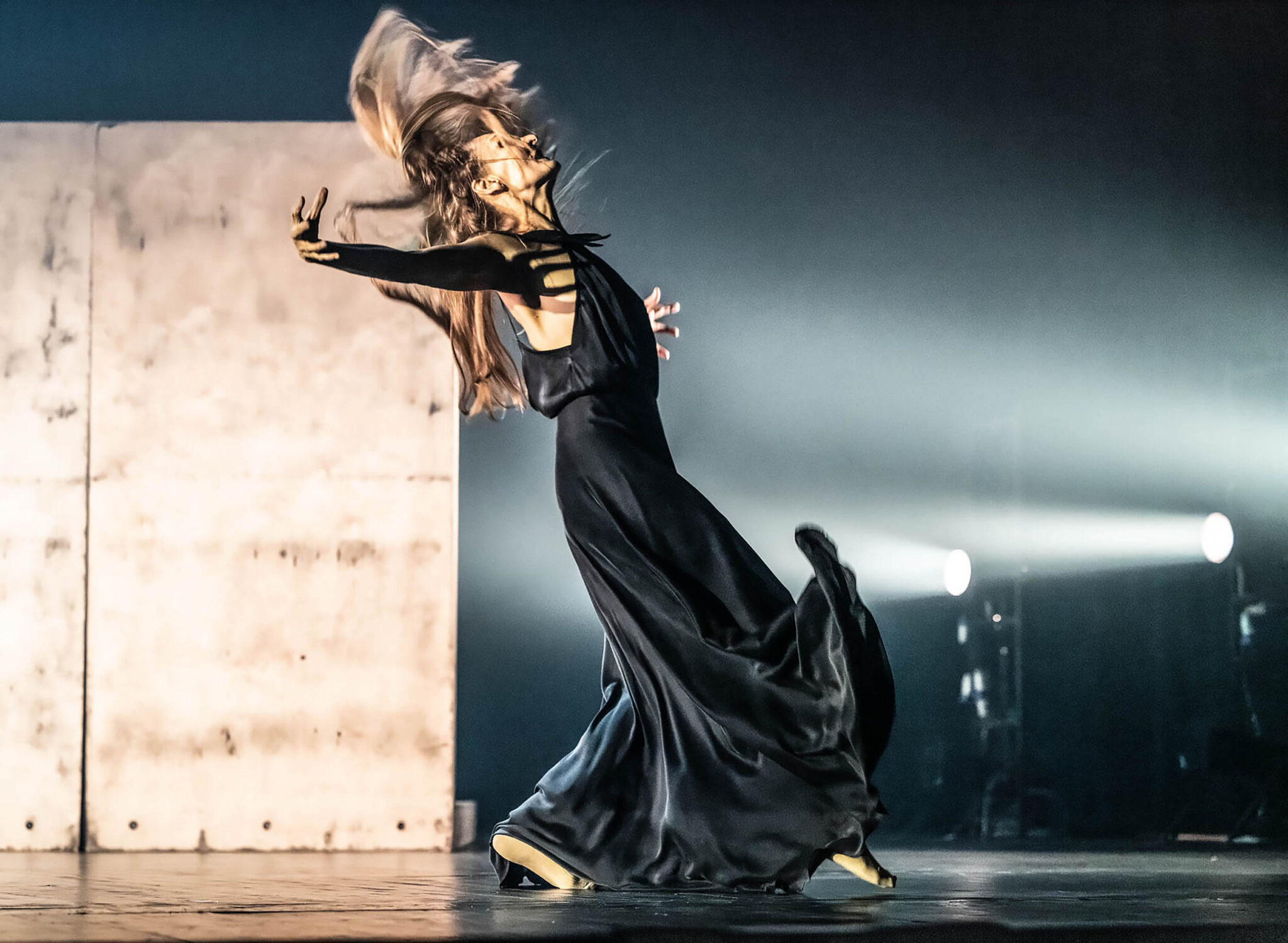
Norwegian choreographer and director Alan Lucien Øyen brings a Greek-debut production inspired by Sophocles’ Antigone. His work often combines theater, dance, narrative fragments, and emotional detail, making this one of the more formally adventurous Epidaurus offerings. Antigone’s conflict between state power, kinship, burial, and conscience remains one of the ancient theatre’s most inexhaustible subjects.
07
Lysistrata, National Theatre of Northern Greece
#ancientcomedy #greektheatre #politicalsatire

21 and 22 August
The National Theatre of Northern Greece presents Aristophanes’ Lysistrata under the direction of Asterios Peltekis. The comedy’s premise remains direct and theatrically effective: women withhold sex to force men to end war. At Epidaurus, its mixture of bodily comedy, political argument, and public spectacle usually finds a natural scale.
08
Ion, Cyprus Theatre Organisation
#ancienttragedy #greektheatre #identity
28 and 29 August
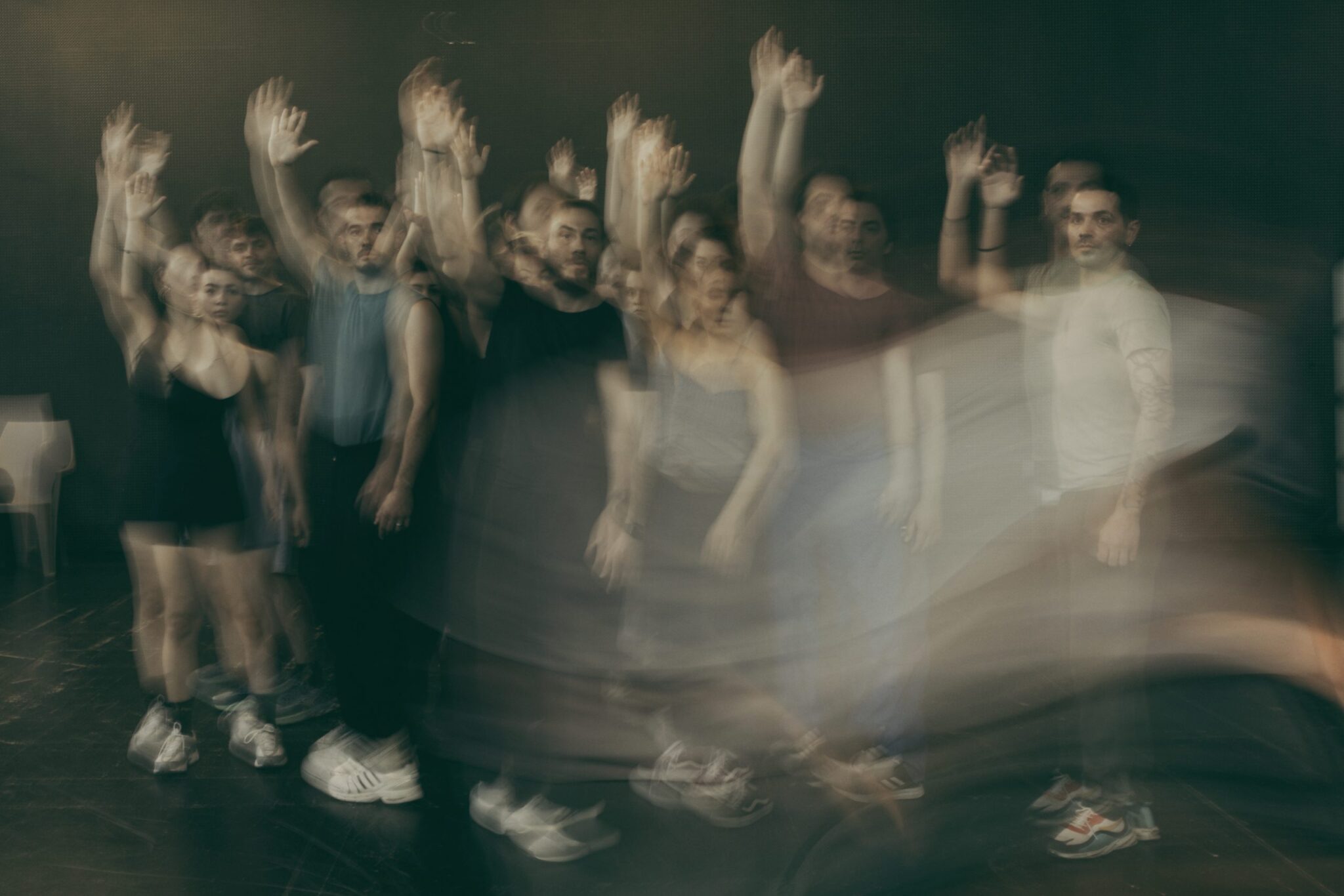
The Ancient Theatre lineup closes with Euripides’ Ion, presented by the Cyprus Theater Organization and directed by Thomas Moschopoulos. A play of identity, divine violence, birth, recognition, and Athenian myth, Ion is less frequently staged than the better-known Euripidean tragedies, which makes this closing production especially interesting for audiences who want to go beyond the familiar titles.
Little Theatre of Ancient Epidaurus

The Little Theatre of Ancient Epidaurus offers a more intimate counterpoint to the grandeur of the main ancient theatre. Set near Palaia Epidaurus, it is smaller, closer to the sea, and ideal for music-theater, chamber forms, and works that benefit from a tighter relationship between performers and audience. The 2026 program carries the title “From Little Epidaurus to the whole world,” and several of its events extend the Festival’s ancient themes in more experimental formats.
01
TOURNÉE, Euripides Laskaridis
#performanceart #grotesque #slapstick
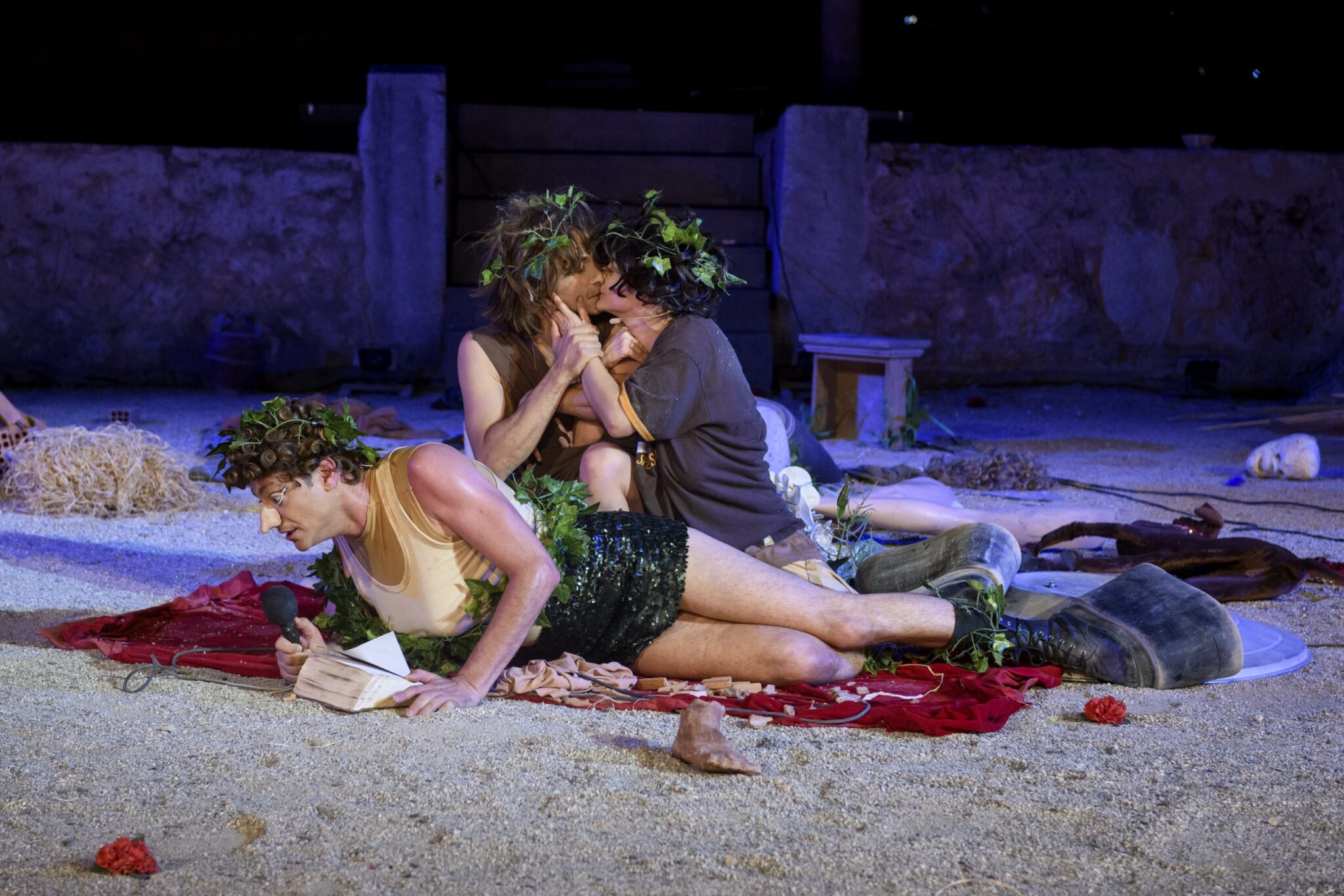
26 and 27 June
Euripides Laskaridis brings TOURNÉE to the Little Theatre, opening the venue’s season with his distinctive mixture of performance, dance, visual strangeness, humor, and grotesque transformation. His work has travelled widely abroad, and his presence here gives Little Epidaurus a sharp contemporary start.
02
Mothers: A Song for Wartime, Marta Górnicka
#choral #antiwar #vocalperformance
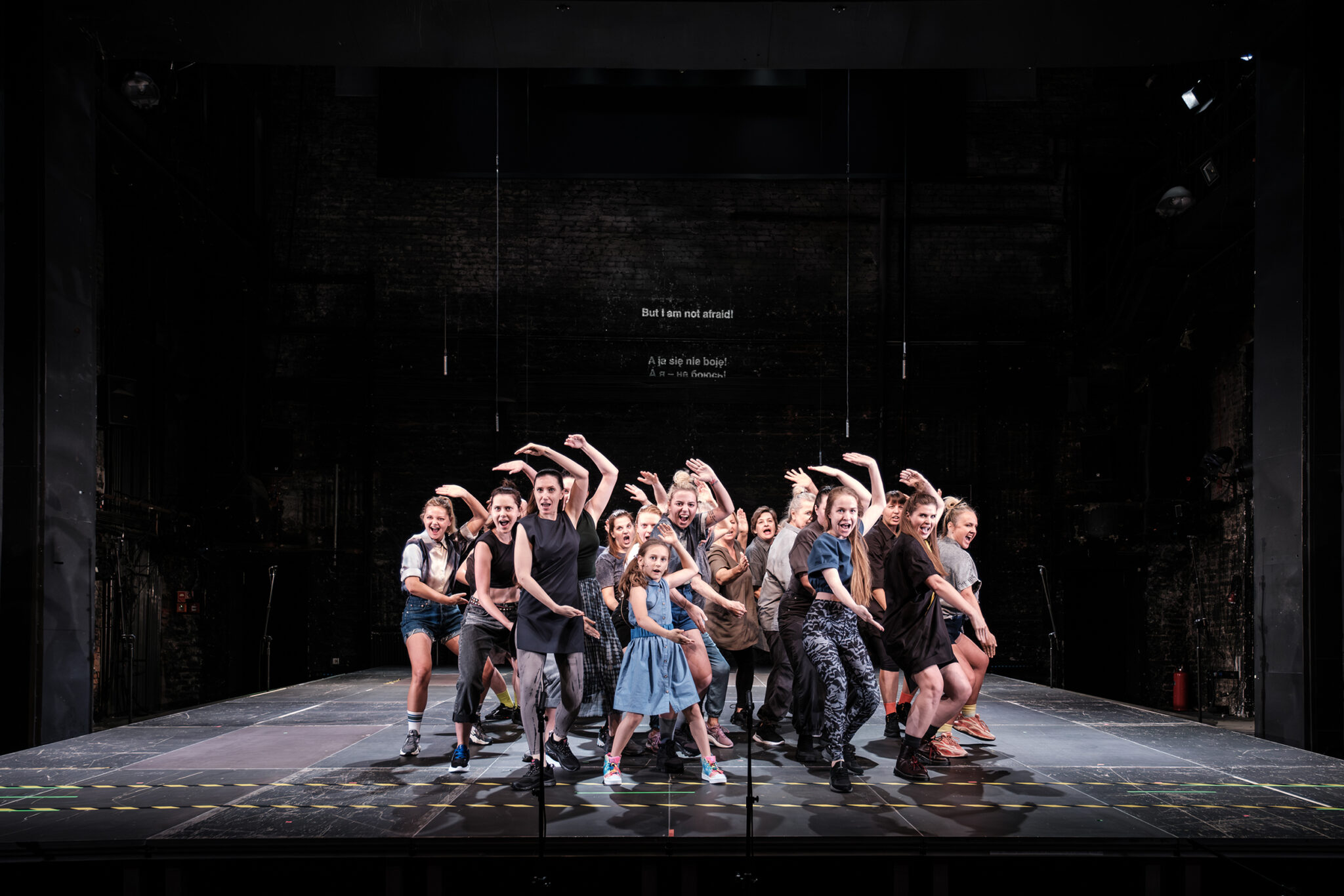
4 July
Polish director Marta Górnicka presents Mothers: A Song for Wartime, a choral work that brings together voice, women’s testimony, and the public sound of grief and survival. In a Festival where war and its aftermath appear repeatedly, this event adds another register: collective vocal force, stripped of decorative comfort.
02
Nine Water Lilies from the Dead Shore, K.Bhta
#electronicmusic #poetry #liveconcert

10 and 11 July
Konstantinos Vita (K.Bhta), one of Greece’s most prominent electronic music composers, appears at Little Epidaurus with Nine Water Lilies from the Dead Shore. The setting alone gives the event interest: electronic composition and poetic atmosphere inside a small ancient theatre near the sea. For audiences drawn to the Festival’s music program way beyond the Odeon, this is one of the essential July nights.
03
The Oranges of Palaia Epidaurus, Thodoris Gkonis
#sitespecific #narrativetheatre #localhistory

17 and 18 July
Thodoris Gkonis creates a work rooted in the landscape and memory of Palaia Epidaurus. The title alone places the piece close to the local world of the venue, with its citrus groves, small harbor, summer houses, and ancient remains. It should be one of the events most closely tied to place, and a good reason to turn an Epidaurus performance into a full weekend.
04
1961, Kornilios Selamsis and Haris Fragoulis
#musicmusic #chamberopera #vocalperformance

24 and 25 July
1961 is described as a sonic excursion to the ruins of the present, with one actress, two voices, and six instruments. The date inevitably echoes the historic Maria Callas Medea at Epidaurus, which also returns as a major reference point in this year’s opening opera. This smaller work may become one of the more curious and rewarding links between archival memory and contemporary composition.
05
CHOREKA, Kharálampos Goyós
#choral #theatremusic #vocalperformance
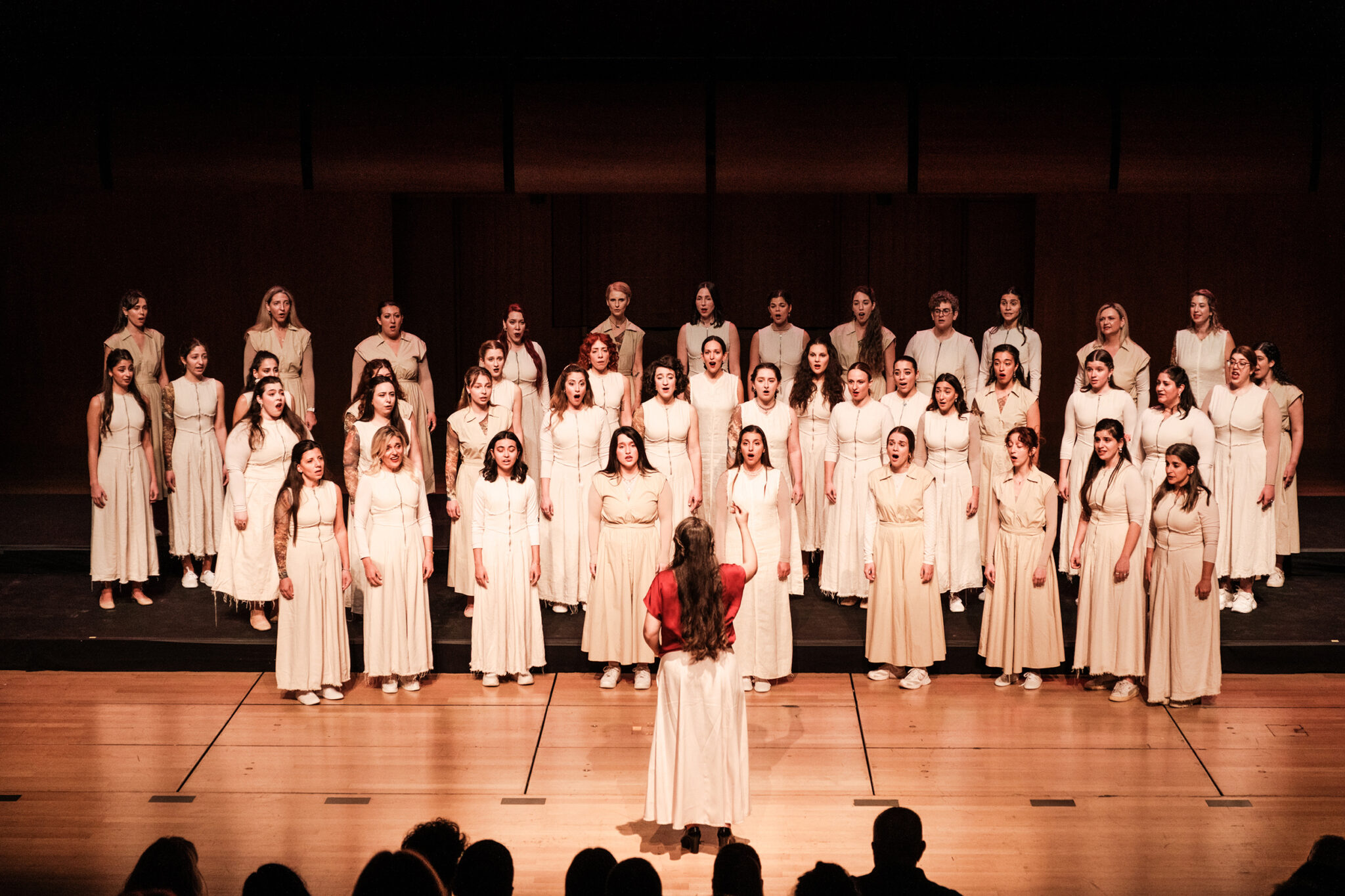
31 July and 1 August
Kharálampos Goyós’ CHOREKA, subtitled Voices for the Speaking Silences, adds another music-theatre proposition to the Little Theatre programme. Its placement alongside the main-stage Trojan Women weekend gives visitors a way to build a richer Epidaurus itinerary around voice, silence, grief, and ancient material.
06
I-ONE, Galin Stoev, by Ivan Vyrypaev
#contemporarytheatre #worldpremiere #technologicaldrama
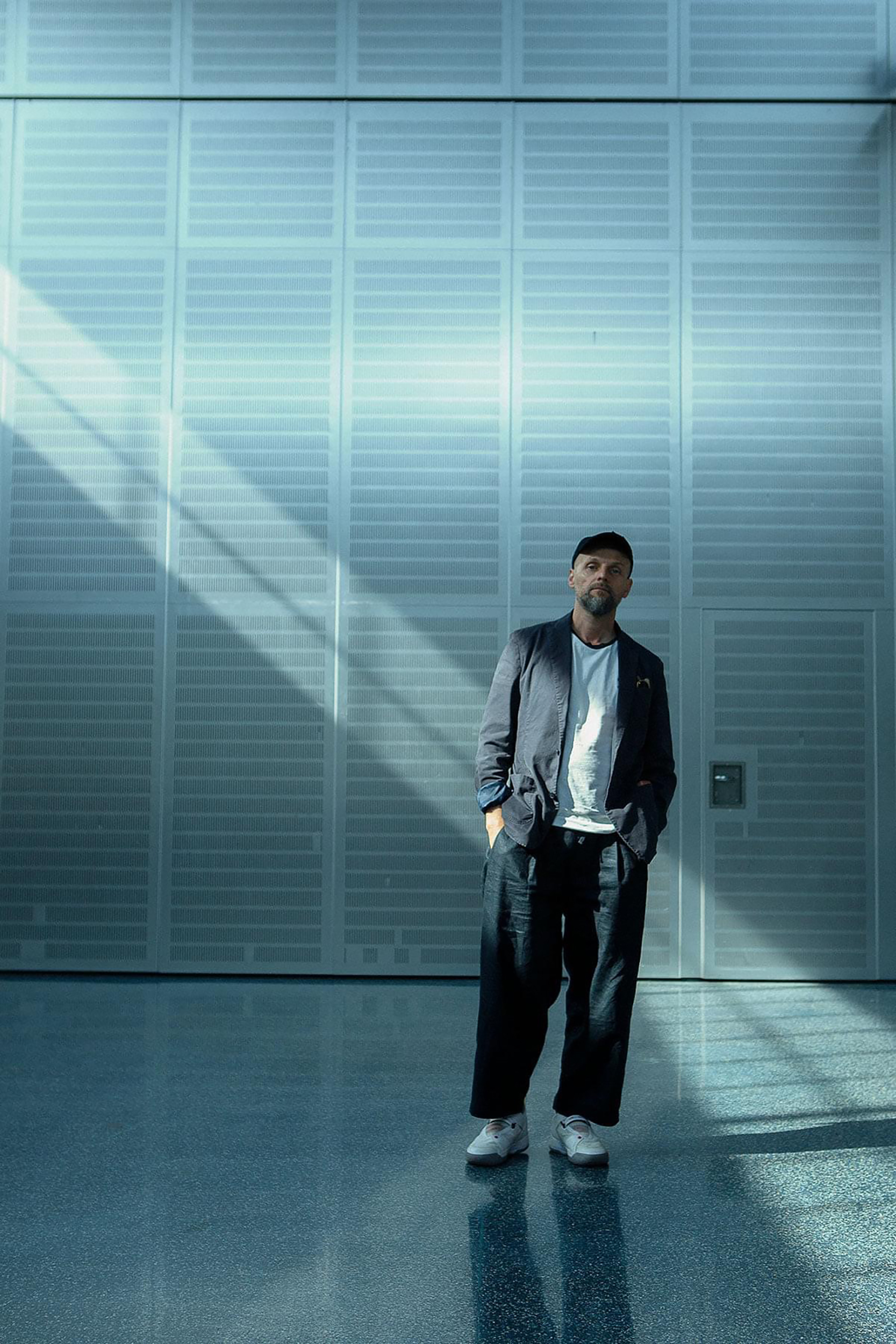
7 and 8 August
The Little Theatre programme closes with the world premiere of I-ONE, directed by Galin Stoev and written by Ivan Vyrypaev. Stoev, a Bulgarian director with a major European career, gives the small theatre an international closing note and adds to the 2026 season’s emphasis on cross-border stage languages.
Planning Notes 📓🖋️
For Athens events, the most concentrated June route is between the Odeon of Herodes Atticus and Peiraios 260. The Odeon programme is especially strong from 3 to 30 June, while Peiraios 260 carries the contemporary theatre and dance weight of the season through late July.
For Epidaurus, the most powerful weekends are 20 June for the Greek National Opera’s Medea, 10 and 11 July for The Bacchae with The Tiger Lillies, 17 and 18 July for Alcestis, 31 July and 1 August for The Trojan Women, and 7 and 8 August for Antigone. For visitors who want a fuller trip, pair the main Ancient Theatre performance with a Little Theatre or Ancient Stadium event on the same weekend.
Tickets for major Odeon nights, the opening Medea at Epidaurus, and the international productions should be booked early and can be found here. The festival’s email for ticket info is: tickets@aefestival.gr. For Epidaurus, arrive with enough time for the archaeological site, the museum, and a slow evening meal before the performance.