









Adrenaline-driven travel in Greece goes far beyond postcard beaches. This is a country shaped by wind corridors, fractured limestone, deep gorges, thermal updrafts, and rivers that carve their way through remote mountain ranges.
For travelers who seek physical engagement with the landscape — speed, height, exposure, resistance — Greece offers a surprisingly wide and high-quality playground.
Below, we list the country’s most compelling extreme sports, where to practice them, when to go, and who they are best suited for.
01
Windsurfing & Surfing


Best season: Late May to September
Skill level: Intermediate to expert (select beginner-friendly bays)
The Cyclades and eastern Aegean form one of Europe’s most dependable wind corridors. During summer, the meltemiaccelerates between islands, creating steady, high-quality wind conditions prized by experienced riders.
Paros remains a benchmark destination. Pounda Bay delivers strong, side-onshore winds and flat-water speed runs, while Naoussa and Kolymbithres introduce choppier conditions suited to advanced control and wave technique.
Naxos adds nuance and scale. Mikri Vigla offers two opposing bays, allowing riders to choose conditions based on wind direction, while Agios Georgios provides a more forgiving setup for progression. Thermal winds typically build from midday onward, making mornings useful for skill development.
Tinos is increasingly recognized among serious windsurfers for its raw, exposed conditions. Beaches such as Kionia, Kolymbithra, and Livada experience powerful, accelerated meltemi winds, often stronger than neighboring islands. The terrain favors confident riders comfortable with gusts, chop, and open-water sailing rather than controlled flat-water cruising.
Rhodes (Prasonisi) remains unique for its dual-water environment, offering wave sailing on one side of the sandbar and flat water on the other — a rare combination that allows riders to cross-train within the same session.
02
Mountain Biking & Trail Riding


Best season: March–June and September–November
Skill level: Beginner to expert (route-dependent)
Mountain biking in Greece is defined by steep gradients, geological drama, and a trail network that often predates modern roads. Ancient mule paths, forest tracks, and limestone ridgelines form routes that demand both endurance and technical control.
The Peloponnese offers some of the country’s most varied riding. In Arcadia and Mani, long ascents lead to fast, exposed descents with open views across olive groves and mountain basins. Trails frequently link remote villages, allowing for multi-hour or multi-day rides with cultural stops built in.
Crete, particularly the White Mountains (Lefka Ori), is a serious test for experienced riders. Loose stone, sustained climbs, and extended downhill sections toward the Libyan Sea favor enduro and advanced cross-country riders. Shuttle-supported routes are common and recommended.
Closer to Athens, Mount Parnitha surprises with dense pine forest, technical singletrack, and rapid elevation changes — ideal for half-day rides with a high training payoff.
Operators such as Athens Extreme Sports and regional MTB guides offer route planning by skill level, E-MTB support, and logistics for longer itineraries.
03
Scuba Diving & Advanced Free Diving


Best season: May–October
Skill level: Beginner (training dives) to advanced technical and free divers
Greece’s underwater environment rewards patience and precision rather than spectacle alone. Clear waters, limited boat traffic in many areas, and complex seabed formations create ideal conditions for both scuba and free diving.
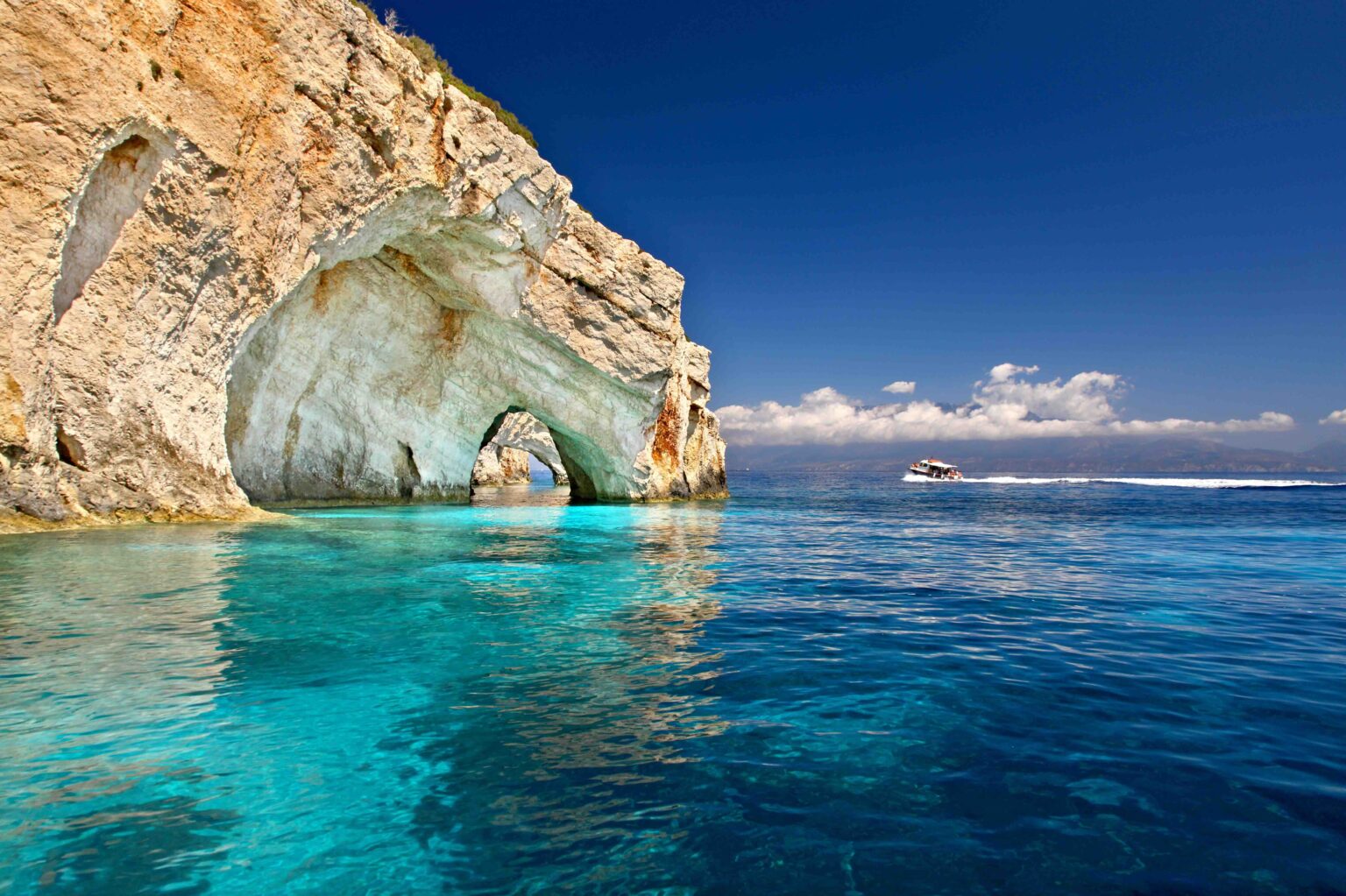
Zakynthos, particularly around Keri and Marathonisi, features underwater caves, arches, and historic wreck sites with excellent visibility. Water temperatures remain comfortable through early autumn, allowing for long dive windows.
Southern Crete offers a more dramatic profile. Vertical walls, caverns, and reef systems shaped by seismic activity suit experienced divers, while calm conditions and clarity make the region attractive for depth-oriented free diving.
Certified operators provide full PADI training, night dives, and increasingly, structured free-diving programs focused on breath control, technique, and safety protocols.
04
Rock Climbing & Vertical Routes


Best season: March–June and September–November
Skill level: Intermediate to expert (select beginner crags available)
Greece’s climbing reputation rests on limestone of exceptional quality and density, combined with a climate that allows climbing across much of the year.
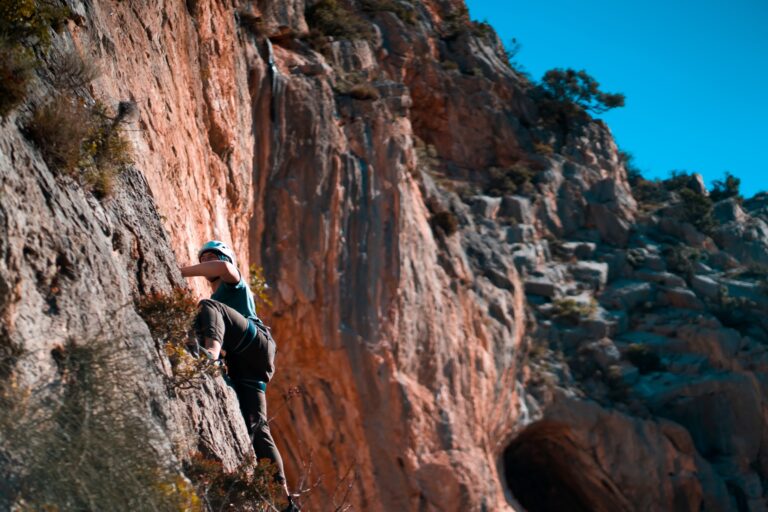
Leonidio (Peloponnese) has emerged as one of Europe’s premier sport-climbing destinations. Hundreds of bolted routes span technical slabs, overhangs, and endurance lines on distinctive orange limestone. The area supports sustained progression for intermediate climbers and serious challenges for advanced ones.
Meteora presents a fundamentally different experience. Long, exposed multi-pitch climbs on towering conglomerate pillars demand strong route-finding skills, composure at height, and experience with traditional protection. This is not an entry-level environment.
Kalymnos complements both with steep sea-cliff climbing and pocketed limestone routes, drawing an international climbing community year-round.
Local guides offer instruction, equipment, and access to less-traveled routes.
05
Paragliding


Best season: April–October
Skill level: Beginner (tandem flights) to experienced pilots
Paragliding in Greece benefits from consistent thermals, reliable sea breezes, and launch sites with immediate altitude gain.
Mount Olympus combines mountain lift with coastal proximity, allowing for long flights that transition from alpine terrain to open sea views. Thermal conditions are strongest in late spring and early autumn, when air stability supports extended airtime.
Santorini offers striking visuals but requires careful wind assessment due to exposure and limited landing zones. Tandem flights here are tightly managed and weather-dependent, making them suitable primarily for first-time flyers under professional supervision.
Operators plan flights around narrow weather windows, prioritizing safety and flight quality over spectacle alone.
06
Bunjee Jumping


Best season: April–October
Skill level: Beginner-friendly (guided only)
Bungee jumping in Greece is about precision rather than volume. Each site is carefully engineered and heavily regulated.
The Corinth Canal remains the country’s most iconic jump, with a clean vertical drop between sheer limestone walls. Controlled conditions, professional rigging, and easy access make it suitable for first-time jumpers.
Aradena Bridge (Crete) adds environmental intensity. The narrow bridge spans a deep gorge in a remote landscape, where wind conditions and isolation heighten the psychological challenge. Jumps here are carefully scheduled based on weather stability.
07
Skydiving

Best season: March–October
Skill level: Beginner (tandem) to advanced AFF students
Skydiving in Greece is concentrated around established drop zones near Athens, where airspace control and meteorological conditions support consistent operations.
Tandem jumps typically launch from eight to fourteen thousand feet, offering extended freefall followed by a long canopy descent over countryside and coastal plains. Visibility is often exceptional, particularly outside midsummer haze.
Certified schools such as Skydive Athens offer both tandem experiences and AFF (Accelerated Freefall) programs for those pursuing solo skydiving certification, with strict safety and training standards.
08
4×4 Off-Road & Overland Routes


Best season: Year-round (weather-dependent)
Skill level: Beginner (guided tours) to advanced drivers
4×4 travel opens access to Greece’s interior landscapes — mountain passes, abandoned settlements, dry riverbeds, and high plateaus rarely reached by paved roads.
The Peloponnese, particularly Mani and Mount Taygetos, offers rocky ascents, exposed ridgelines, and panoramic viewpoints. Epirus and Zagori provide forest tracks, stone bridges, and high-altitude routes shaped by centuries of transhumance.
Professional operators combine technical driving with cultural context, often integrating short hikes, photography stops, and regional food experiences.
09
White Water Rafting & Canyoning


Best season: May–September
Skill level: Beginner to advanced (route-specific)
Northern Greece is the country’s canyoning and rafting stronghold, with water systems fed by mountain snowmelt and spring rainfall.
Epirus, particularly the Voidomatis and Arachthos rivers, offers cold, clear water and controlled rapids. Spring delivers higher flow and more technical rafting, while summer conditions are calmer and suitable for beginners.
Canyoning routes in Zagori and Tzoumerka combine rappels, natural slides, and jumps through narrow limestone gorges, with routes selected based on participant experience and water levels.
Operators such as Via Natura and Trekking Hellas maintain high safety standards and adjust itineraries to conditions.
10
Kitesurfing


Best season: June to September
Skill level: Beginner to expert (location-specific)
Kitesurfing thrives in Greece thanks to wide beaches, reliable summer winds, and water temperatures that stay comfortable well into early autumn. What sets Greece apart is the clarity of wind patterns and the availability of large, uncrowded launch areas — especially outside the Cyclades hotspots.
Keros Beach, Lemnos is widely regarded as one of the finest kitesurfing spots in the eastern Mediterranean. The bay’s shallow, waist-deep waters extend far from shore, creating ideal learning conditions, while consistent meltemi winds provide reliable lift without excessive gusting. The surrounding wetlands and open landscape keep the area free from turbulence, making it equally appealing for freestyle progression and controlled cruising.
Paros (Pounda) also functions as a crossover destination for windsurfing and kitesurfing, with strong side-onshore winds and a well-established infrastructure. The water here is choppier than Keros, favoring riders with solid board control.
Naxos, particularly Lagouna and Mikri Vigla, offers steady wind and space for longer tacks, with conditions that suit intermediate riders building confidence in stronger wind ranges.
What to Know Before You Go, Go, Go!
As everywhere in the world, extreme sports involve a brush with danger. It’s crucial to approach your well-planned activity with care and self-respect. Train well, equip yourself appropriately, learn all the essentials and never forget– your safety is paramount. Greece waits to share its exhilarating secrets; are you ready to discover them?
From the wind-whipped waters of Rhodes to the imposing cliffs of Meteora, Greece’s diverse landscapes offer countless opportunities for thrill-seekers. This year could be your most adventurous yet! So, strap on your gear, feel the adrenaline surge, and dive into the heart of a Greek adventure.


