


In Greece, Easter is not merely observed – it is felt. The incense, the midnight flames, the slow processions through cobblestone streets: Holy Week here carries a weight and beauty that no other season quite matches. It is also, for those who know where to look, an invitation to travel differently – to trade the noise of the everyday for landscapes that seem to breathe at a slower, older pace.
The destinations that follow – mountain villages wrapped in mist, coastal towns just beginning to warm – each possess a character all their own. What unites them is a certain quality of stillness, threaded with ritual, where the first light of spring meets centuries of tradition. Consider this a guide to spending the most luminous week on the Greek calendar in the places that do it best.
When is Easter this year?
In 2026, Western Easter is on Sunday 5 April and Greek Orthodox Easter is on Sunday 12 April.
01
Rethymno
#culturetrip #foodandwine #beachescape
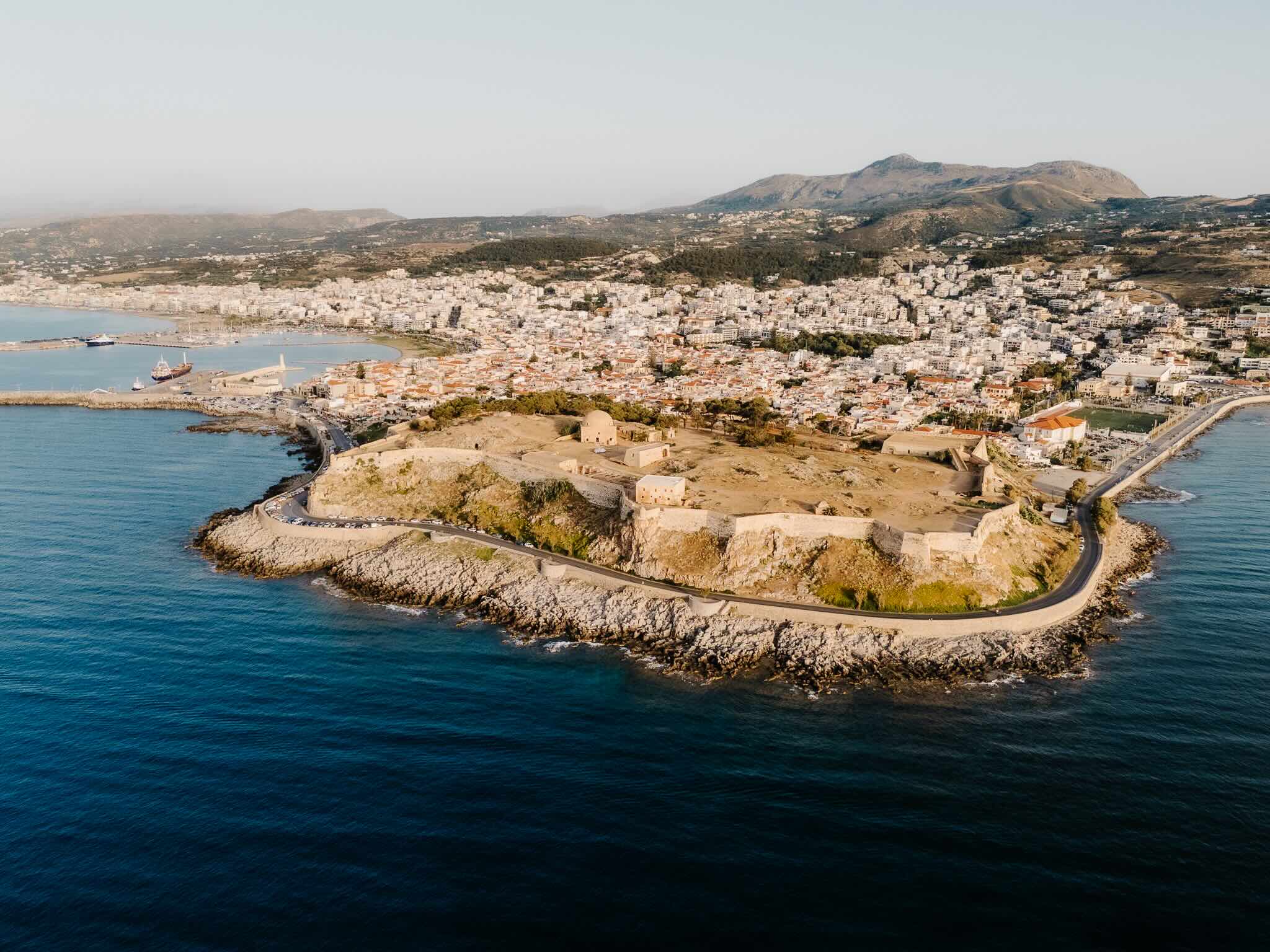
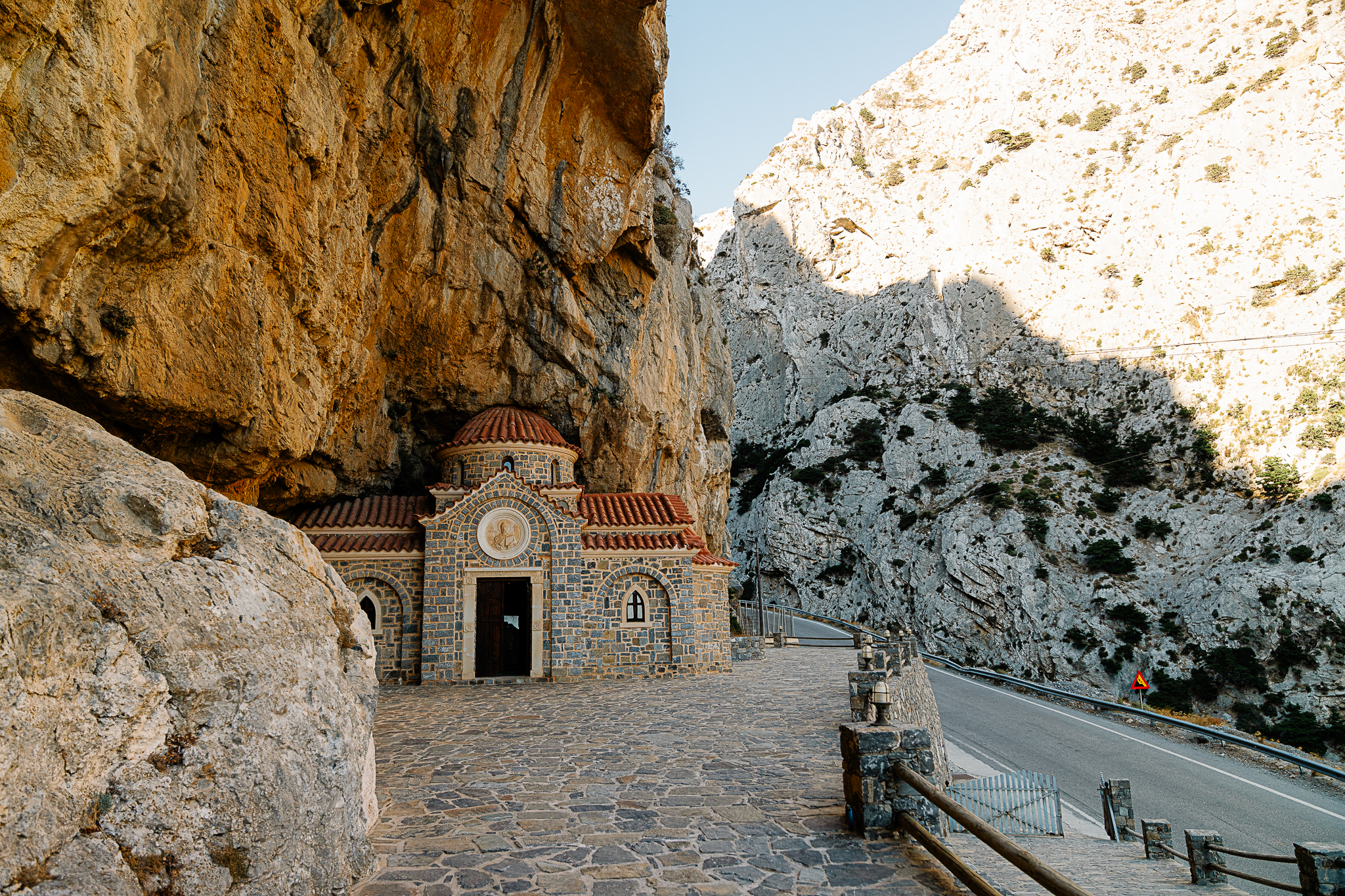
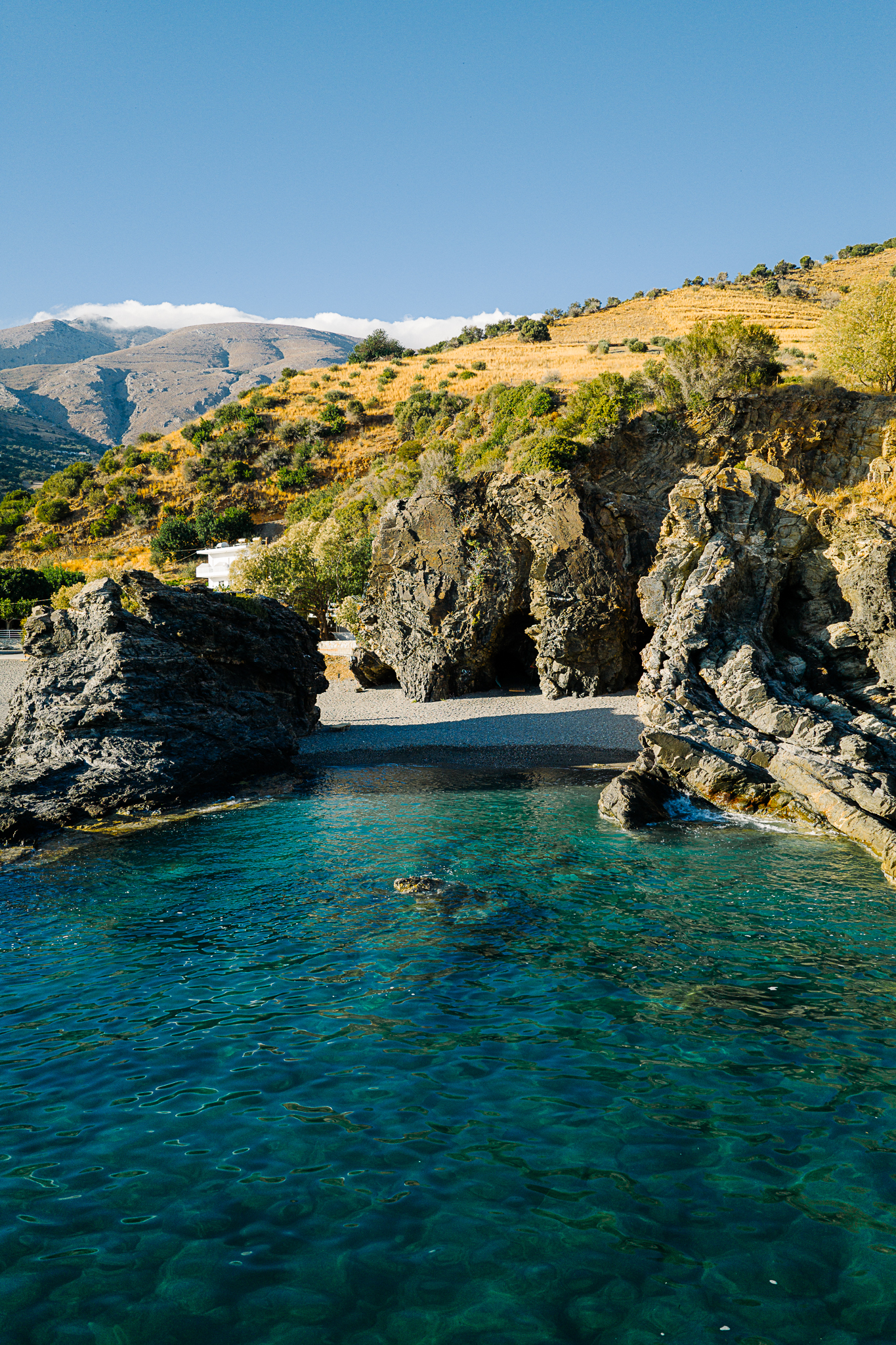
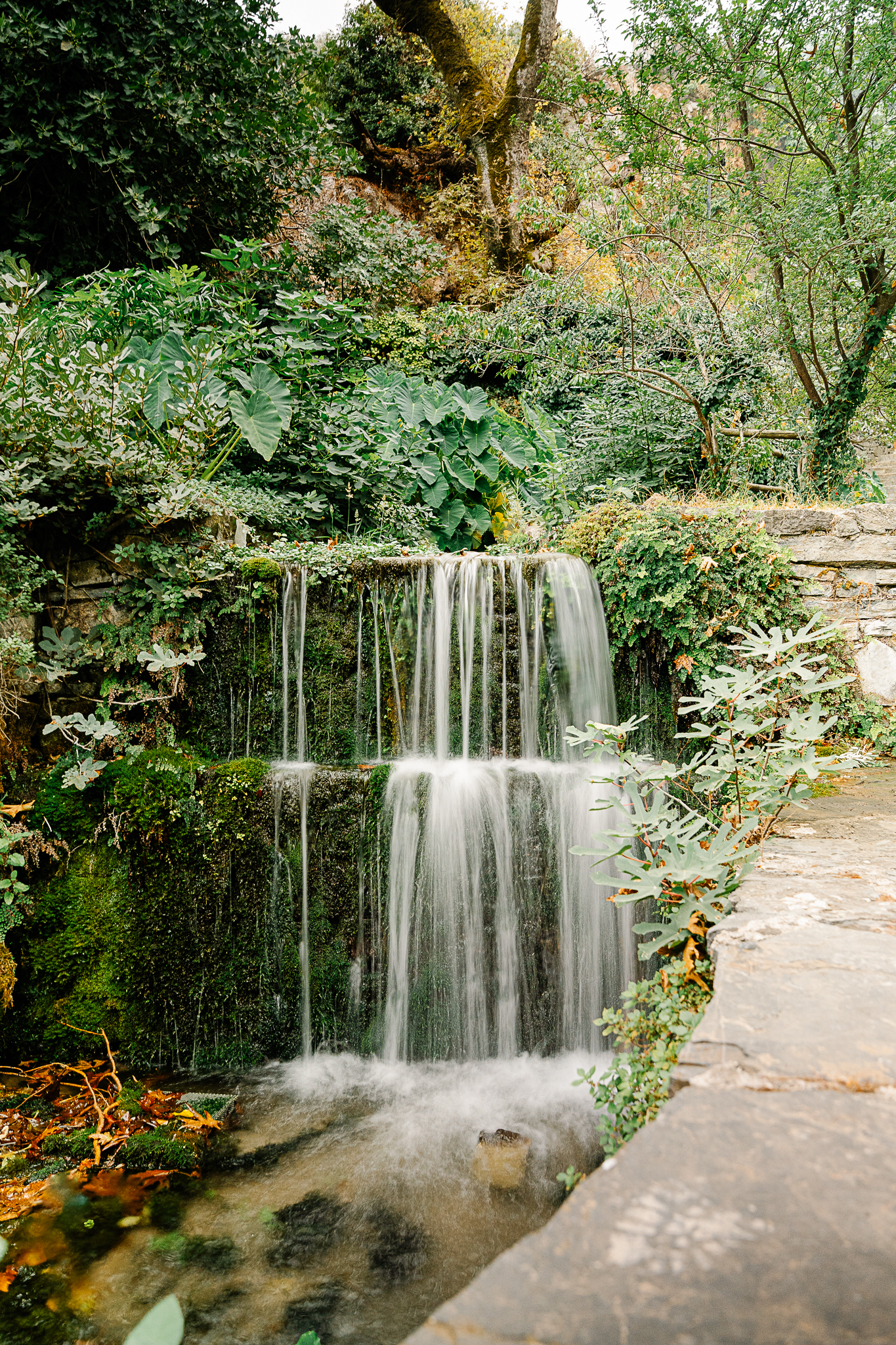
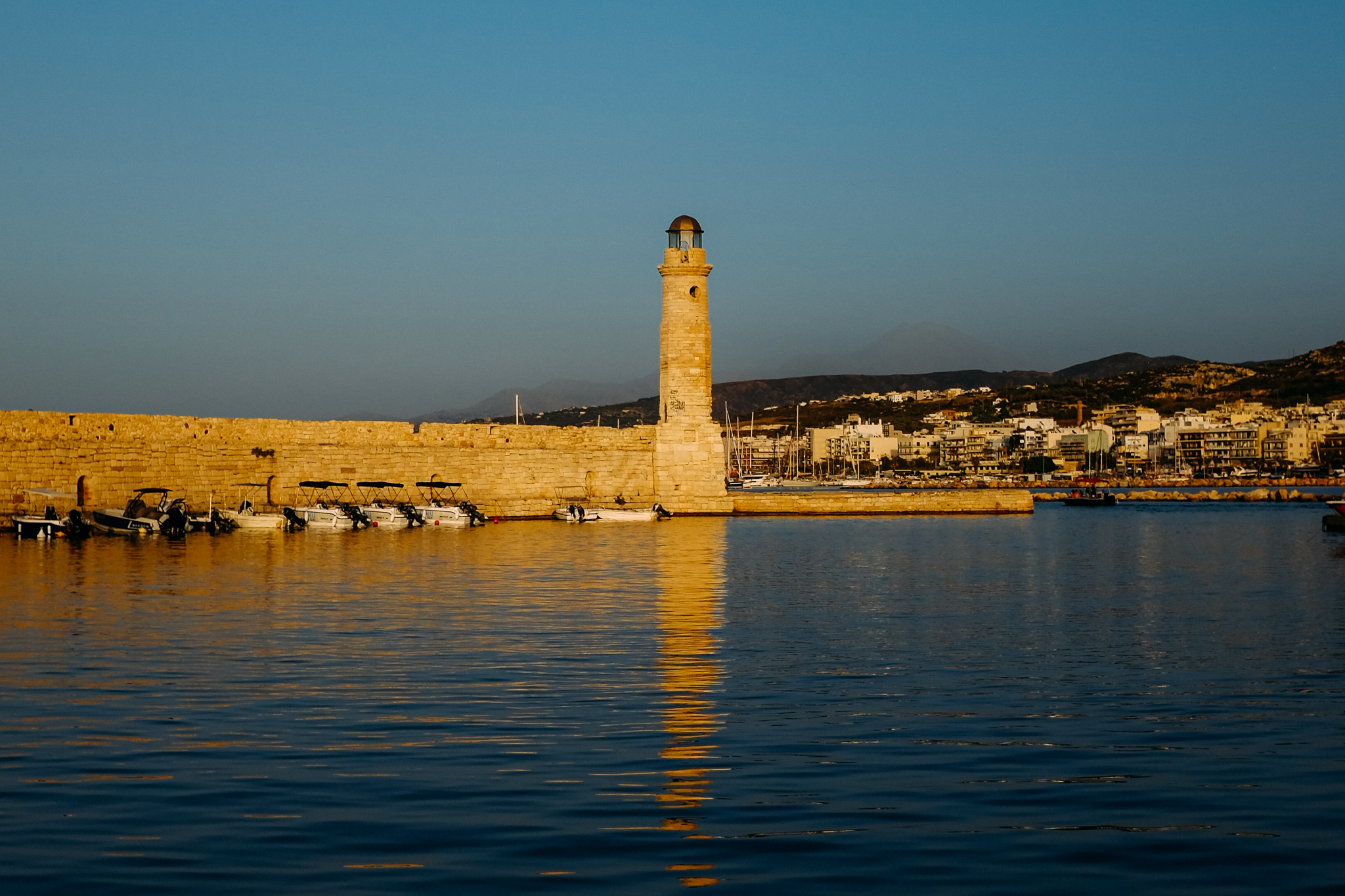
Rethymno, the third-largest city on the island of Crete, is a vibrant, multifaceted city blending lively modernity with a deep historical legacy. Its streets tell the story of centuries and multiple cultures layered over time. The Old Town, dominated by the Venetian Fortezza Castle, invites visitors to discover the local expression of Cretan spirit. Likewise, the nearby Arkadi Monastery leaves a strong impression with its long and meaningful history.
While in Rethymno, take the chance to explore the region’s wine heritage. The unique microclimate shaped by the presence of Mount Psiloritis creates a significant difference between daytime and nighttime temperatures, helping grapes mature slowly and develop rich aromas and a distinctive quality profile. And naturally, Rethymno offers opportunity for swimming on some truly stunning beaches blending turquoise waters, dense vegetation, and white or golden sands, such as Preveli, Souda, Damno, and Ammoudi.
How to Get There
From Athens, the most practical route is by air or ferry via Heraklion or Chania. Direct flights from Athens International Airport to Chania or Heraklion take about 50 minutes. From Chania, Rethymno lies about 70 km away and the drive takes roughly 1 hour along the northern coastal highway; from Heraklion it is about 80 km and takes around 1 hour 15 minutes. Regular KTEL buses also connect both airports with Rethymno. Ferries from the port of Piraeus to Heraklion or Chania take about 8 to 9 hours overnight; once on Crete, continue by car or bus.
→ Read about ideal Eastertime stays in Crete
→ Read more about the top experiences in Rethymno
02
Kalamata
#familyfriendly #coastalliving #historylovers
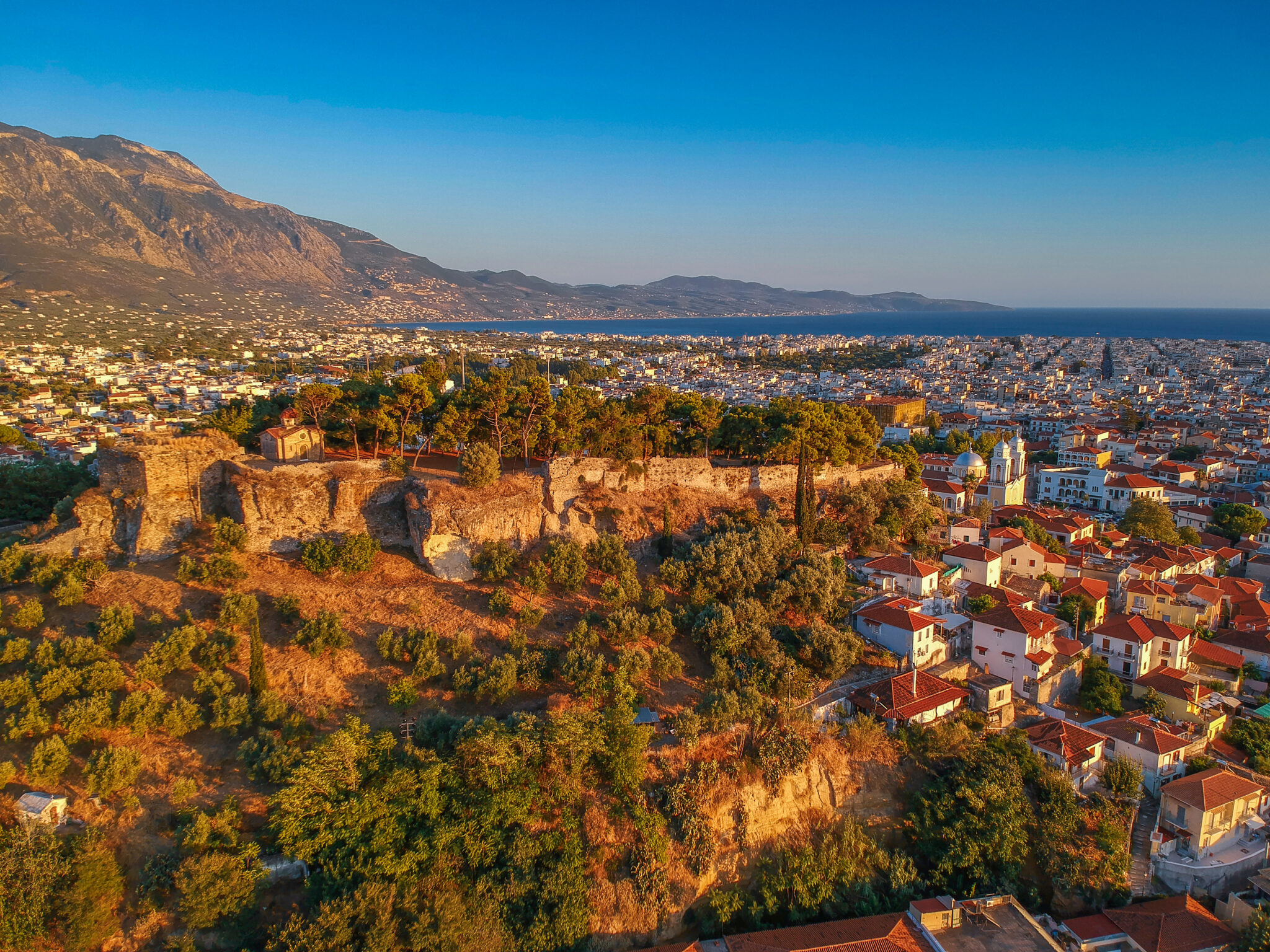
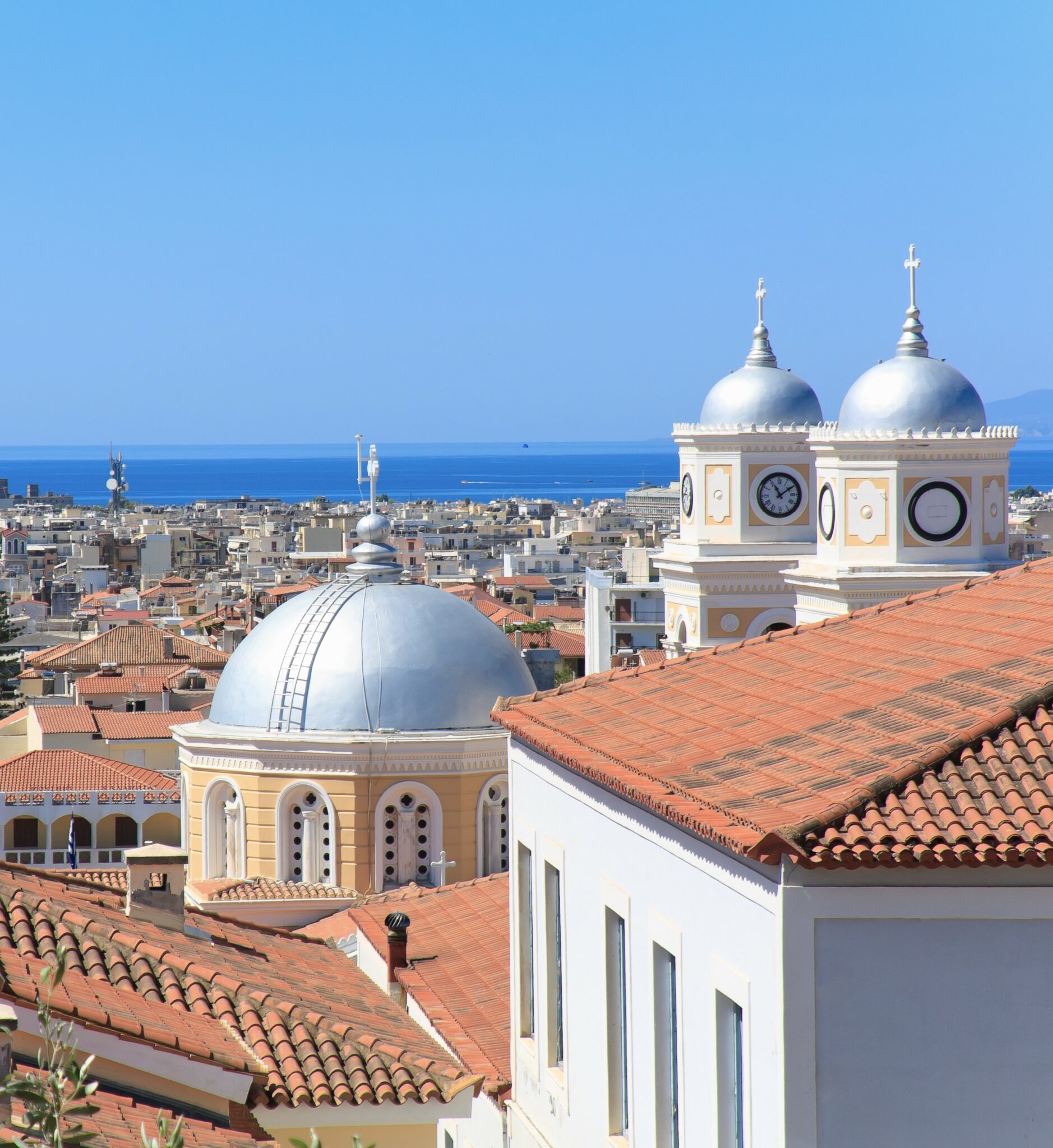
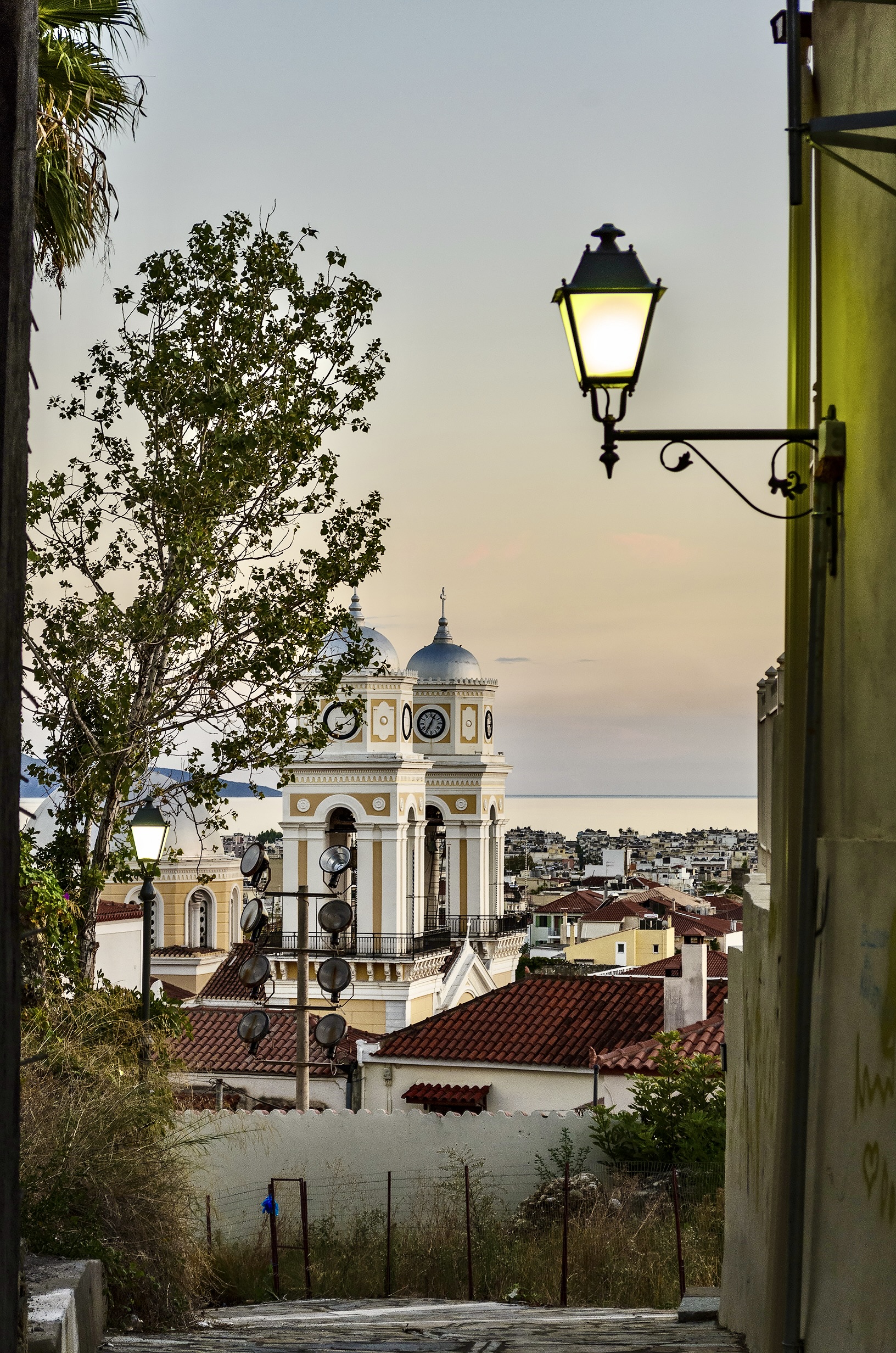
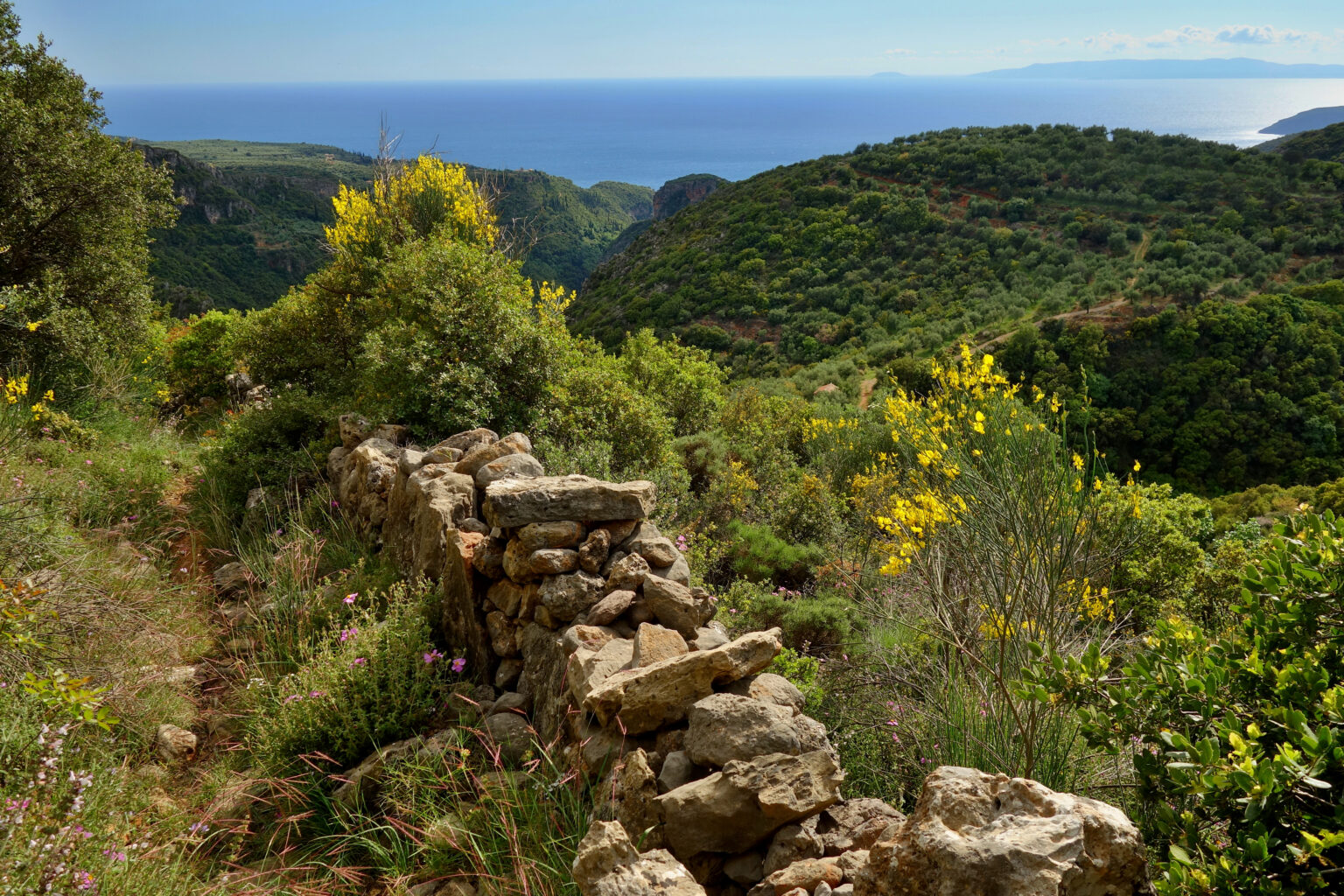
Kalamata, the capital of Messinia in the Peloponnese, is ideal for a short getaway combining beach relaxation with archaeological and nature excursions. Upon arrival, a stop at the harbor for coffee overlooking the sea is well worth it. Now that spring is fully underway, a swim on one of the beautiful pebble shores of Verga, Mikri Mantineia, or Almyros makes for a perfect next step. For those with a car and willingness to drive about an hour, smaller bays like Avia and Peroulia offer unique landscapes where banana trees and cypresses coexist.
The Kalamata Castle, perched on a hill in the city’s northern neighborhood, deserves a visit. It embodies the broader history of the region, spanning the Frankish period to liberation from Ottoman rule. For a deeper historical experience, the Archaeological Museum in the historic city center and the ancient city site of Messene, approximately 33 km away, are recommended. When it comes to dining and nightlife, Kalamata offers numerous bars and restaurants in its center, especially around the marina.
How to Get There
Kalamata lies about 240 km southwest of Athens and is easily reached by car in about 2 hours 30 minutes via the modern A7 motorway through Corinth and Tripoli. Regular intercity KTEL buses depart from Athens and take around 3 hours. Domestic flights from Athens to Kalamata Airport operate seasonally and take about 45 minutes, followed by a 15-minute drive into the city. Driving offers the advantage of exploring nearby beaches and archaeological sites around Messinia.
→ Read about the top activities in Kalamata
03
Corfu
#eastertraditions #islandvibes #citybreak
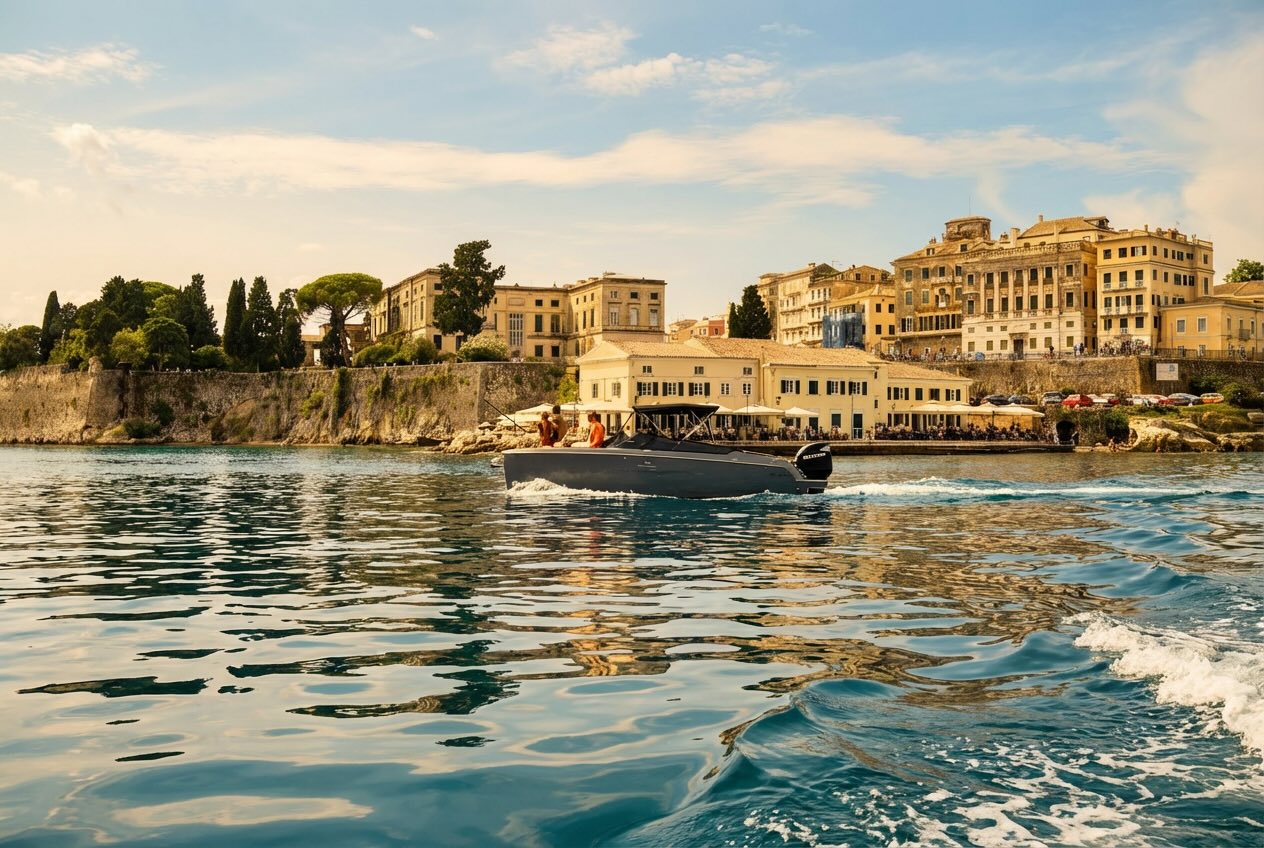
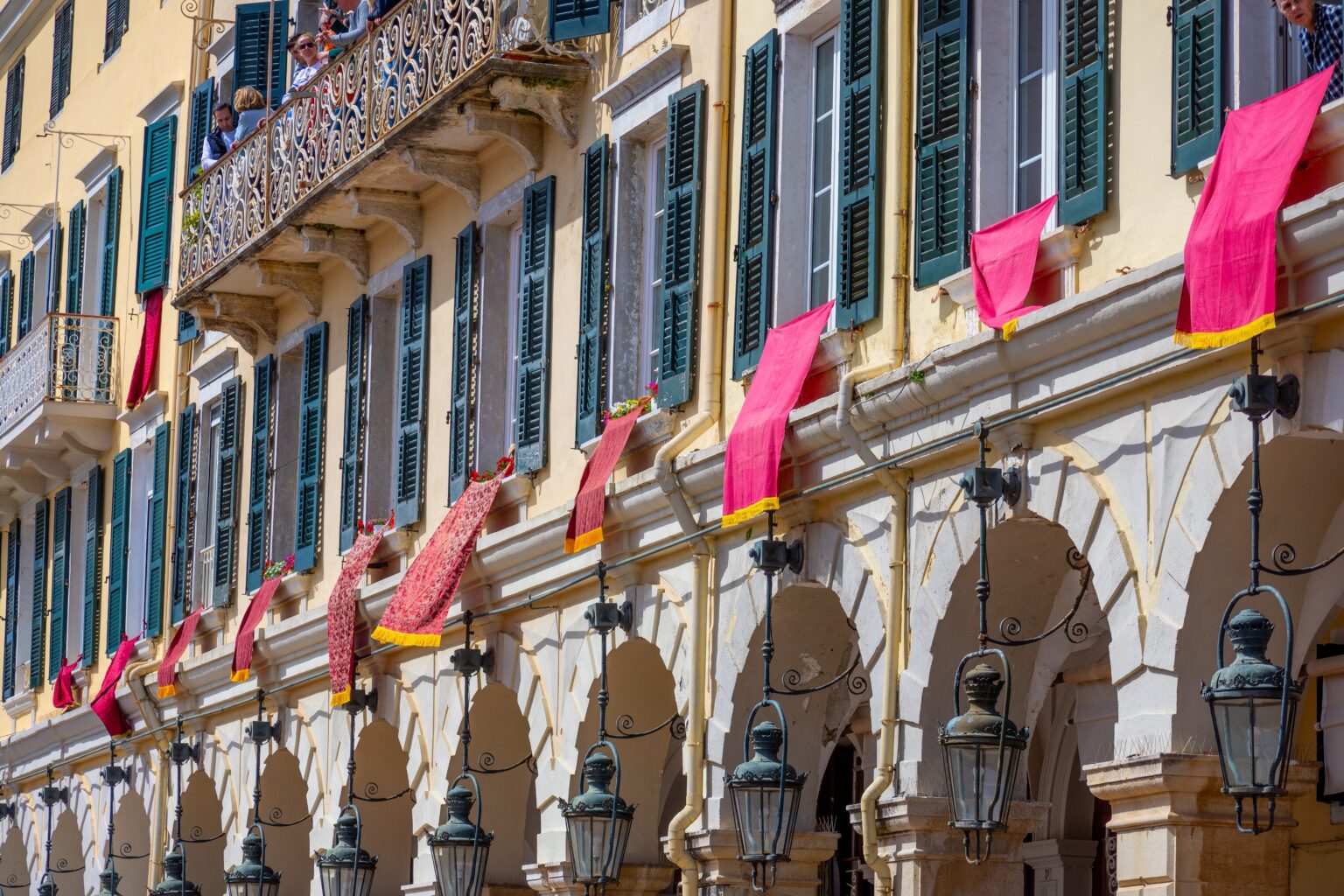
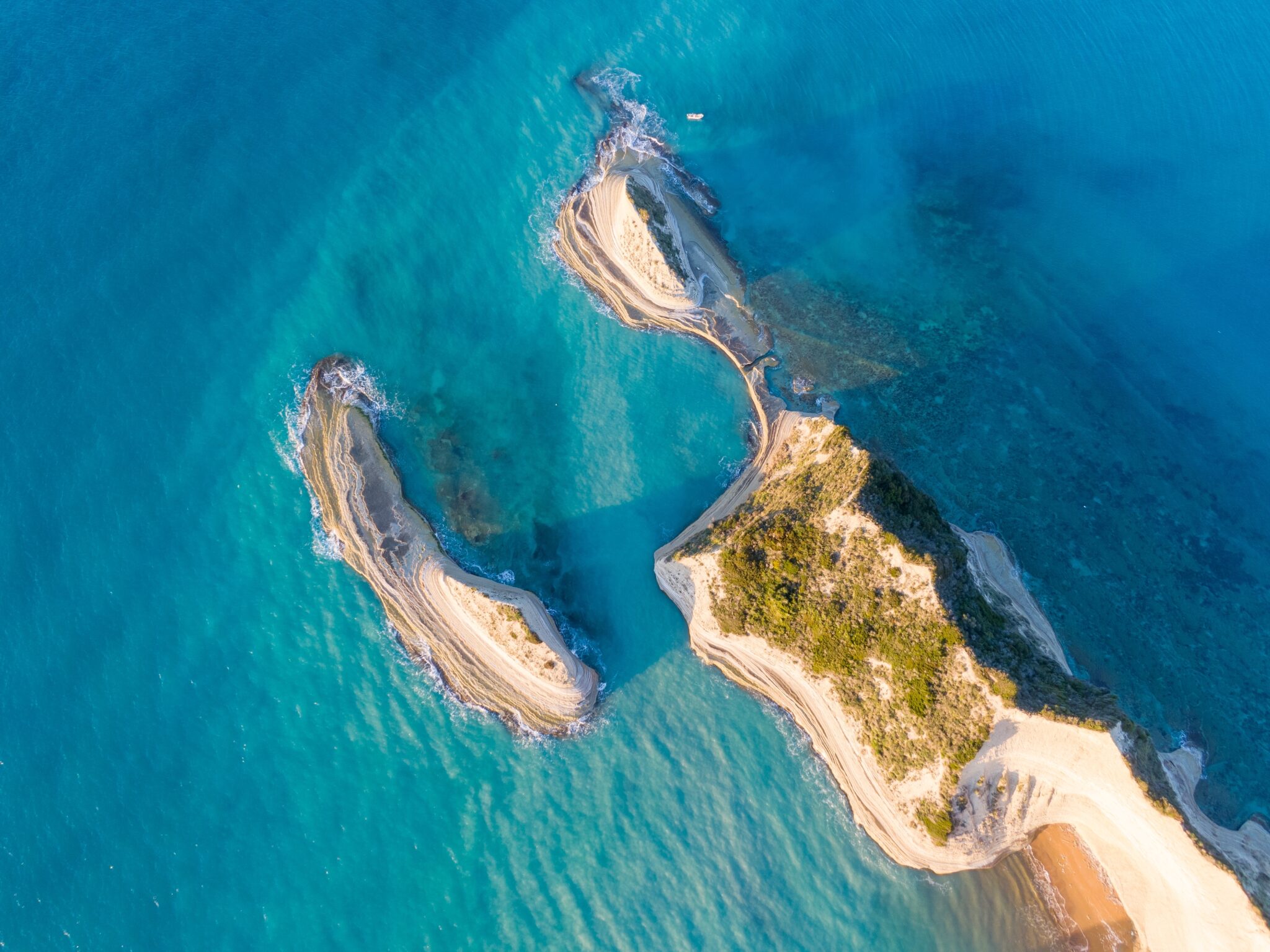
No place in Greece is more closely associated with Easter celebrations than Corfu, where traditions like the “Botides” (clay pots) being thrown from windows onto the cobblestone streets crack through the solemnity of Good Friday. However, Easter in Corfu is about much more than this famous custom. Celebrating Easter here means experiencing the Resurrection at the city’s Upper Square, where windows of surrounding homes open wide and are adorned with dozens of lit candles. It also means a vibrant Easter Sunday filled with marching bands, schools, scouts, and choirs.
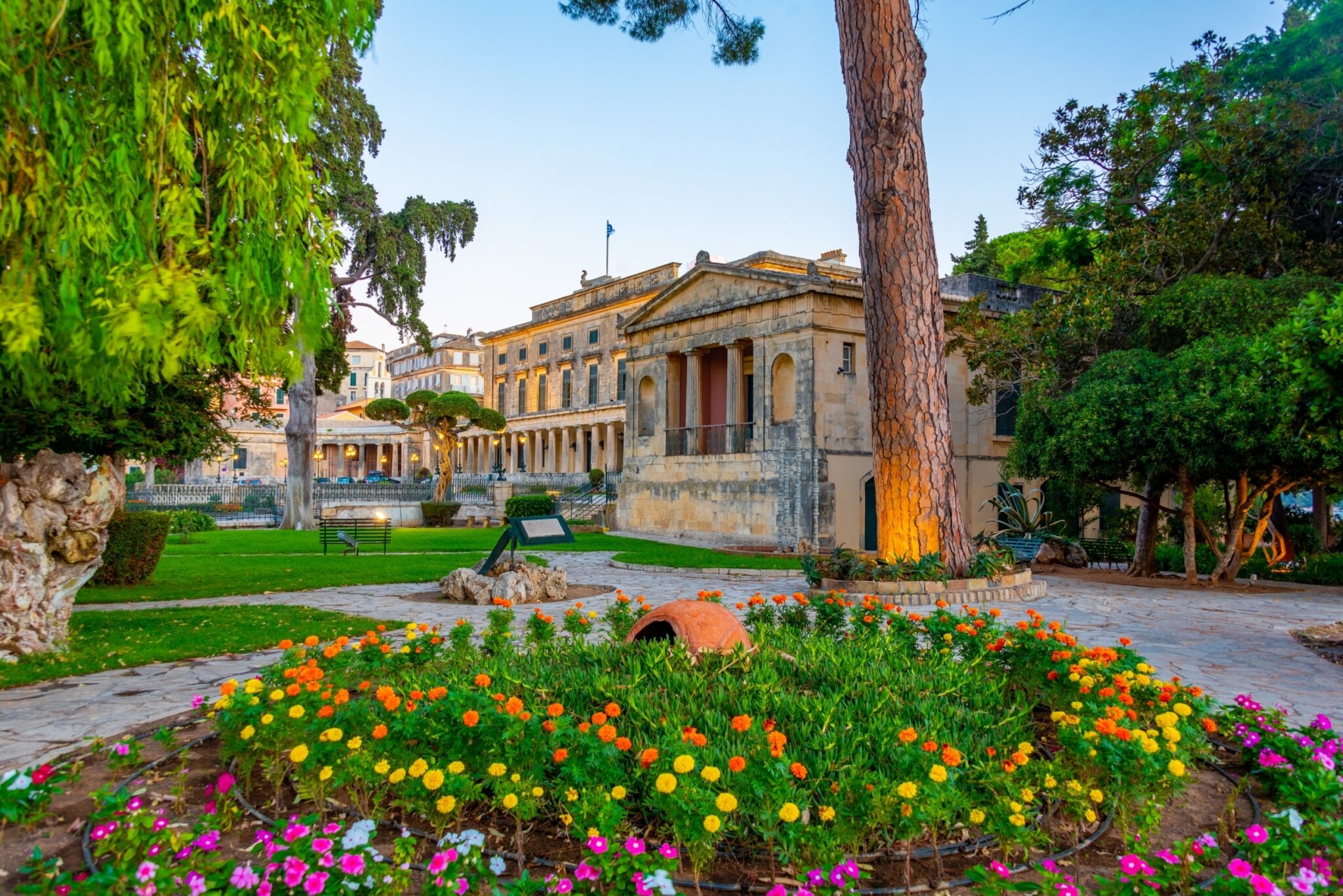
Beyond the Easter festivities, Corfu offers a timeless charm blending Greek and European influences. The Old Town’s captivating atmosphere, with the enchanting Kampielo neighborhood, one of the city’s oldest quarters featuring strong Venetian influences—is the perfect starting point for your visit. Wander the narrow alleys, where scattered churches and bell towers transport visitors to past eras, revealing an aristocratic history. Yet, Corfu is not only about nostalgia and tradition but also a thoroughly contemporary destination.
Cafés, art studios, and shops provide ample opportunities to enjoy coffee or shopping, breaking pleasantly from the overall peaceful mood of Easter celebrations. To enjoy your first spring swims, less than half an hour from the city center, you can reach breathtaking beaches like Paleokastritsa with its blue-green waters or Glyfada with its golden sand.
How to Get There
From Athens, Corfu can be reached by plane, ferry, or a combination of road and sea. Direct flights from Athens to Corfu take about 1 hour. By land and ferry, drive roughly 470 km from Athens to the port of Igoumenitsa (about 5 hours), then take a ferry to Corfu Town, which takes between 1 hour and 1 hour 30 minutes depending on the vessel. KTEL buses from Athens also run to Igoumenitsa with coordinated ferry connections.
→ Read more about Easter in Corfu
→Discover the best restaurants in Corfu
04
Pelion
#mountainescape #outdoorlife #slowtravel
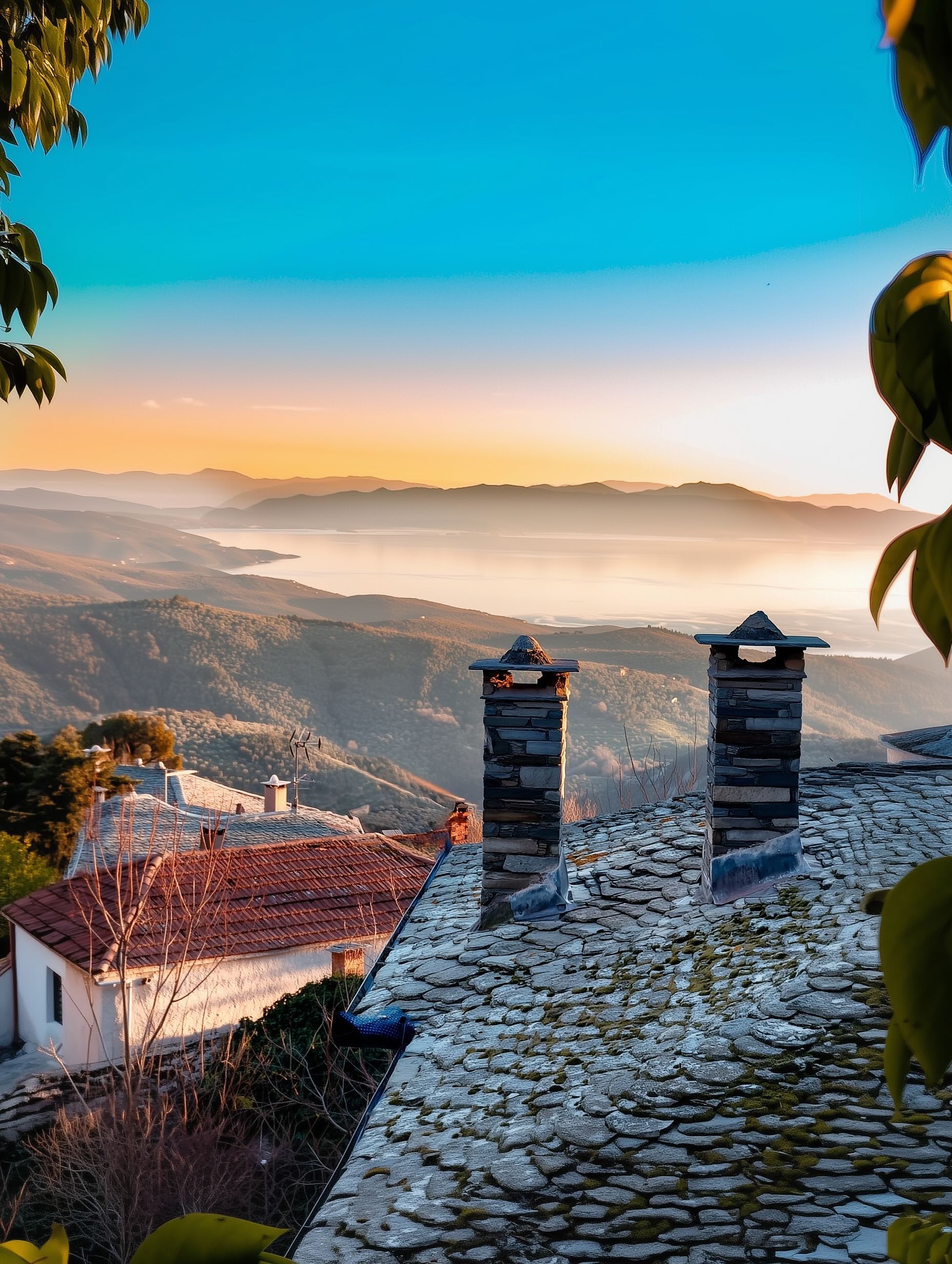
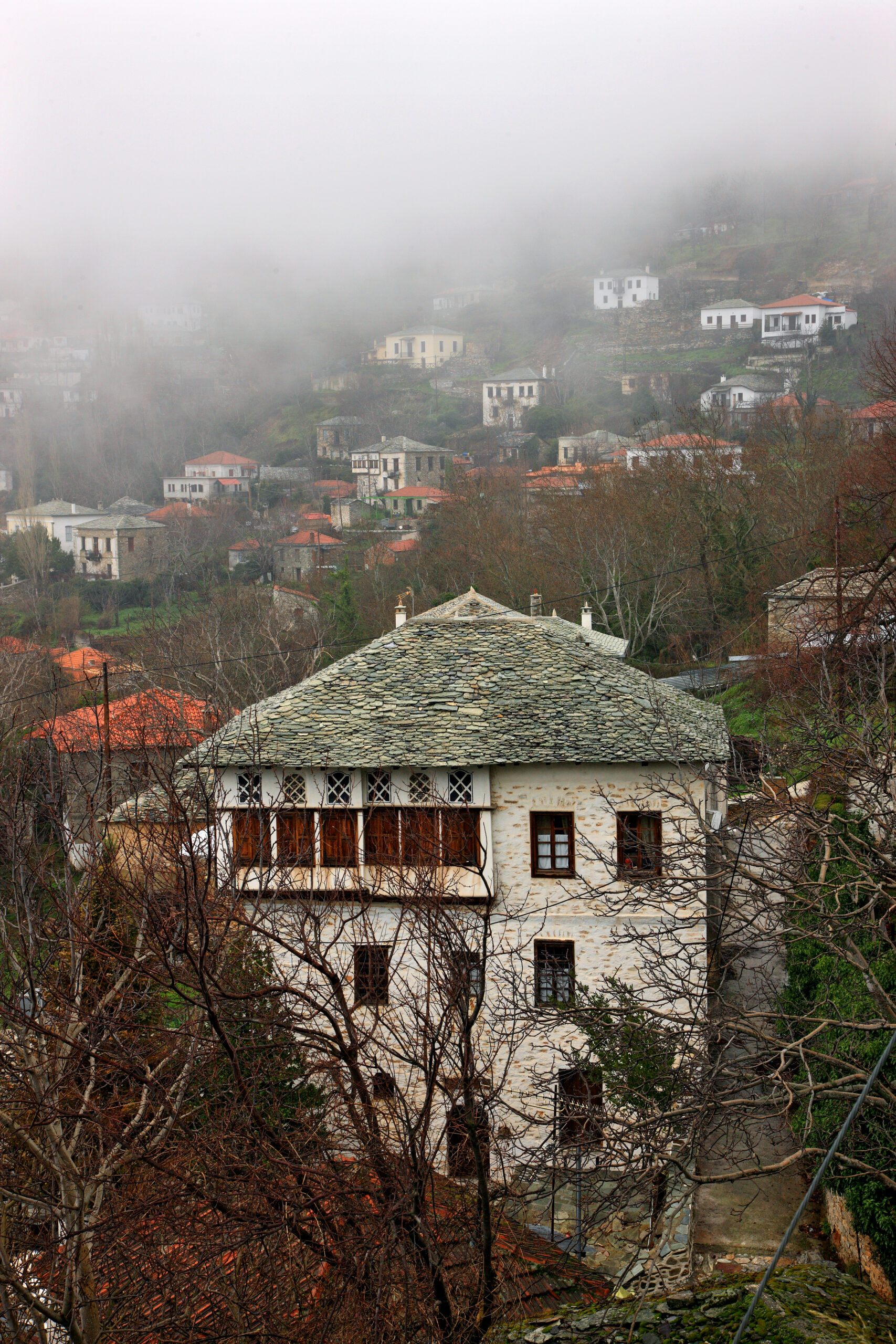
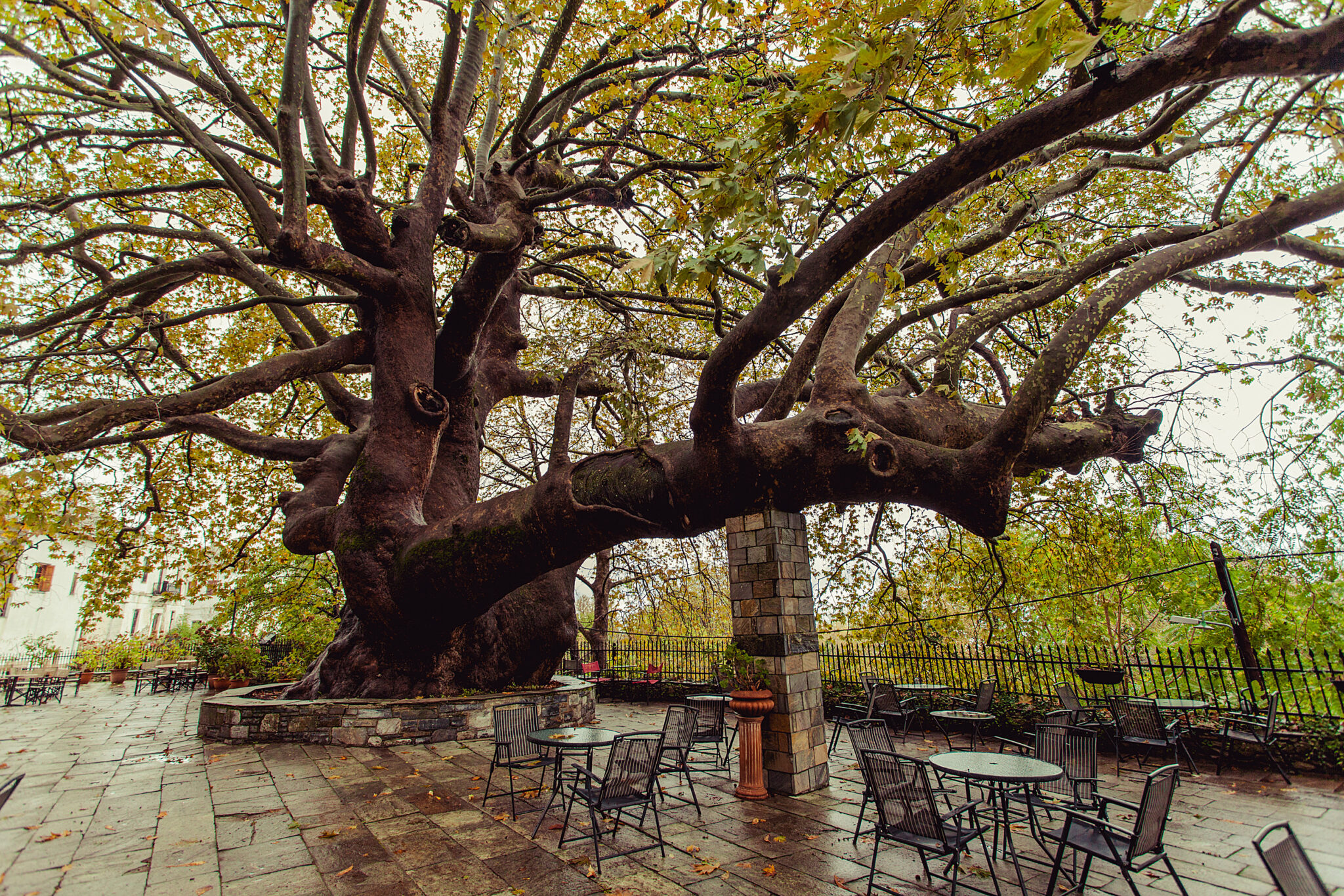
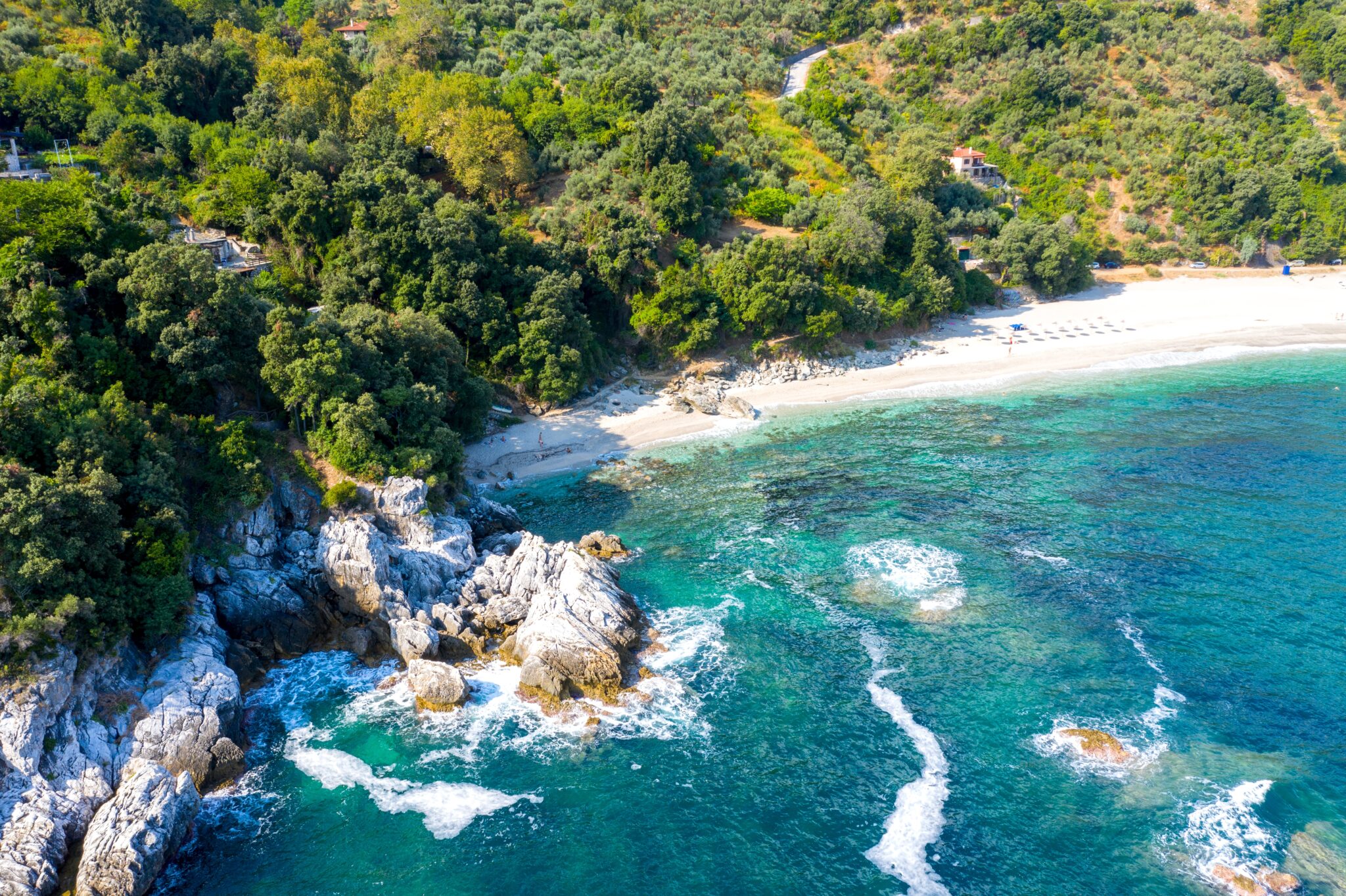
Pelion creates a world of its own, always ready to move visitors with its many faces of mountain charm. There are plenty of stops to make here, each sure to impress.
From Portaria, the most famous village in the Pelion range, beloved by hikers for the Centaurs’ Path, to Zagora with its rich history, picturesque stone-paved streets, and distinctive Municipal Library, to Tsagarada with enchanting cobblestone alleys and remarkable architecture, all villages – large or small, boast unique beauties. Moreover, they’re all close to some of Pelion’s most stunning Aegean beaches, like Mylopotamos, Papa Nero, Agios Ioannis, and Fakistra.
Activities in Pelion don’t stop at sightseeing. You can hike beautiful trails connecting villages such as Kissos, Mouresi, and Agios Ioannis, or try canyoning in moderately challenging gorges with the help of expert guides, especially in the greater Fakistra area, suitable even for beginners.
How to Get There
Pelion lies about 330 km north of Athens and the main gateway is the city of Volos. Driving from Athens takes about 3 hours 30 minutes via the A1 motorway toward Thessaloniki, exiting near Volos. Intercity KTEL buses run regularly from Athens to Volos and take around 4 hours. From Volos, villages such as Portaria, Tsagarada, and Zagora are reached by car in 30 to 90 minutes depending on location. Having a car is recommended for exploring the mountain villages and nearby beaches.
→ Discover the magic of South Pilion
05
Leonidio
#adventureseekers #authenticgreece #seasidecalm
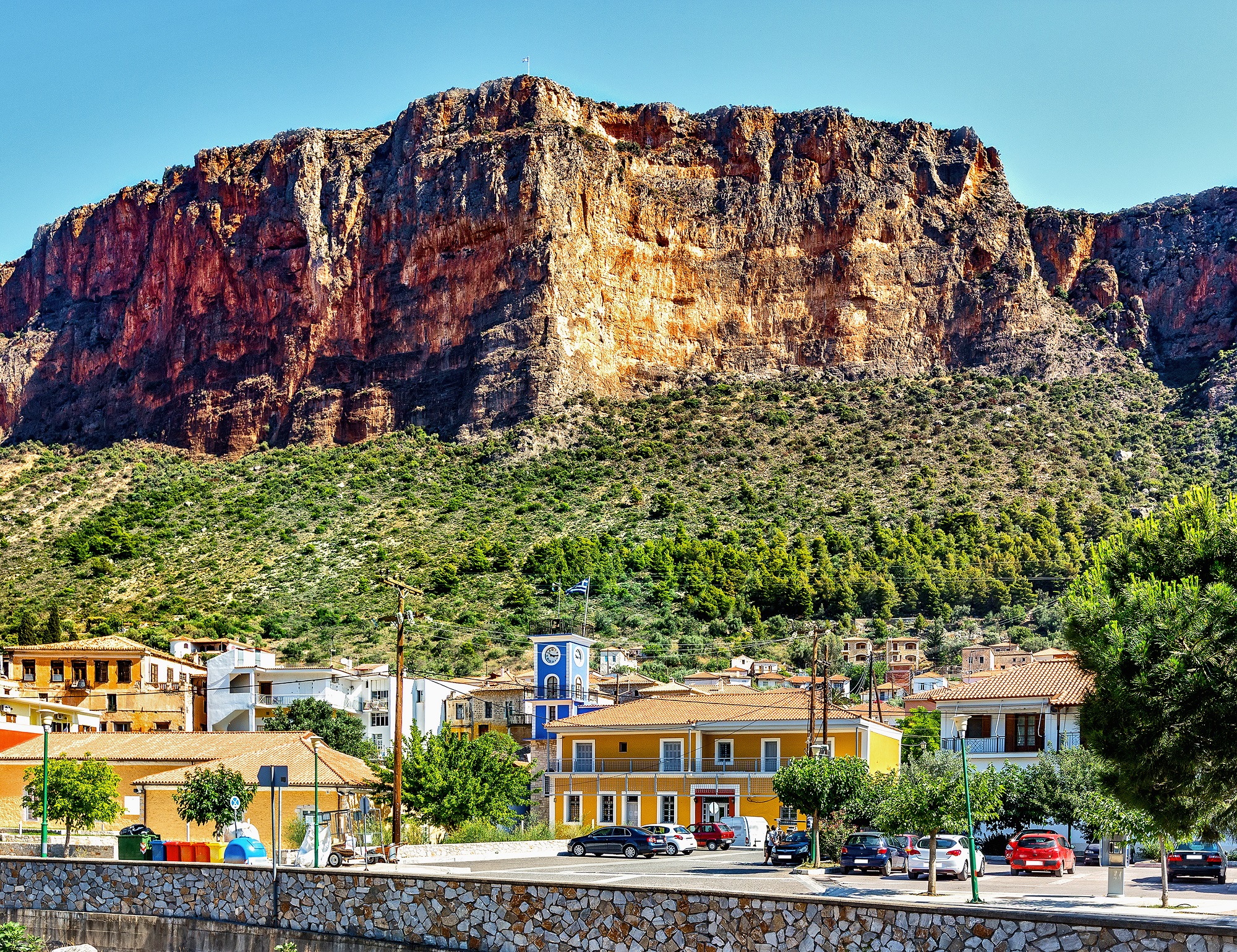
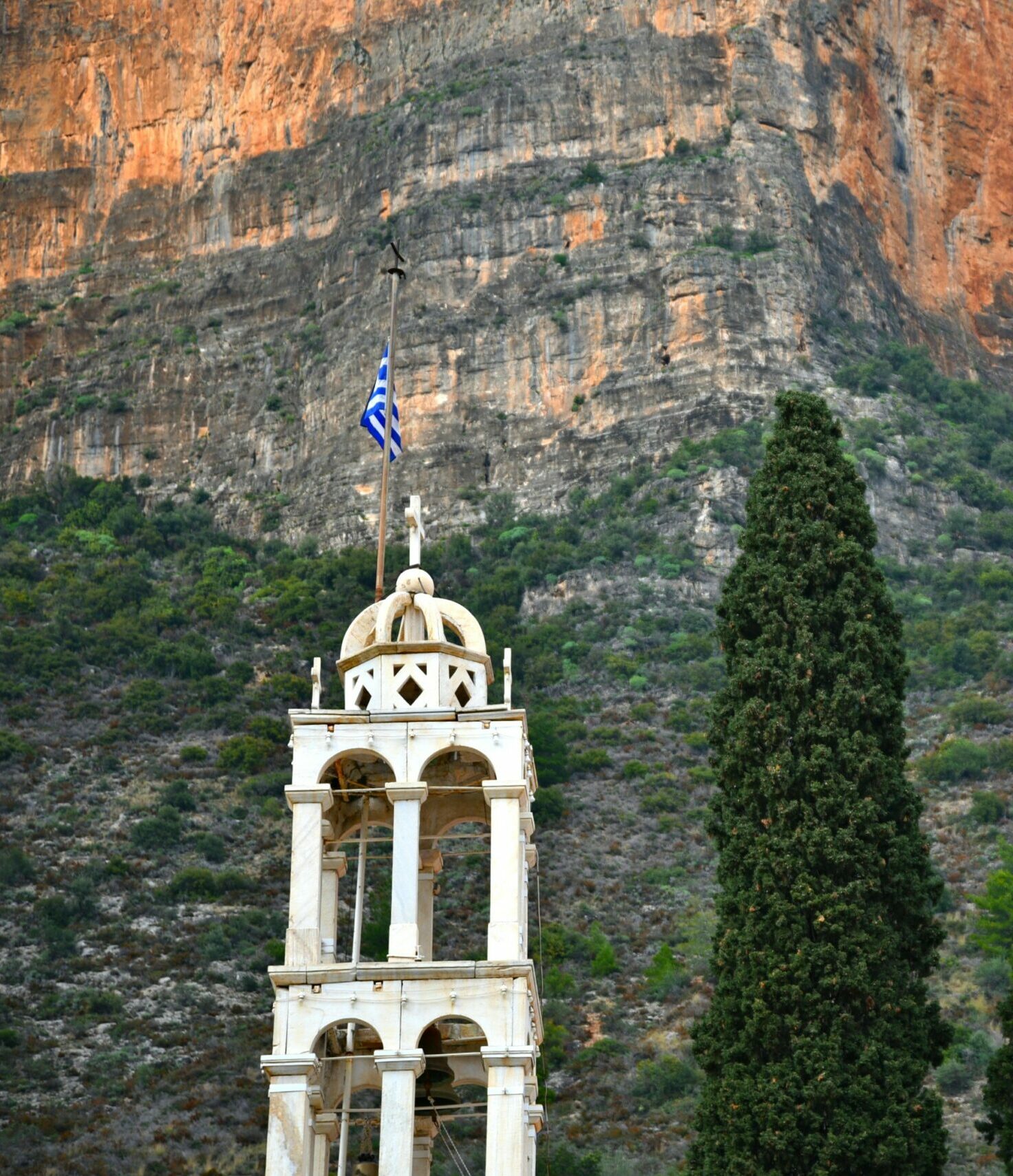
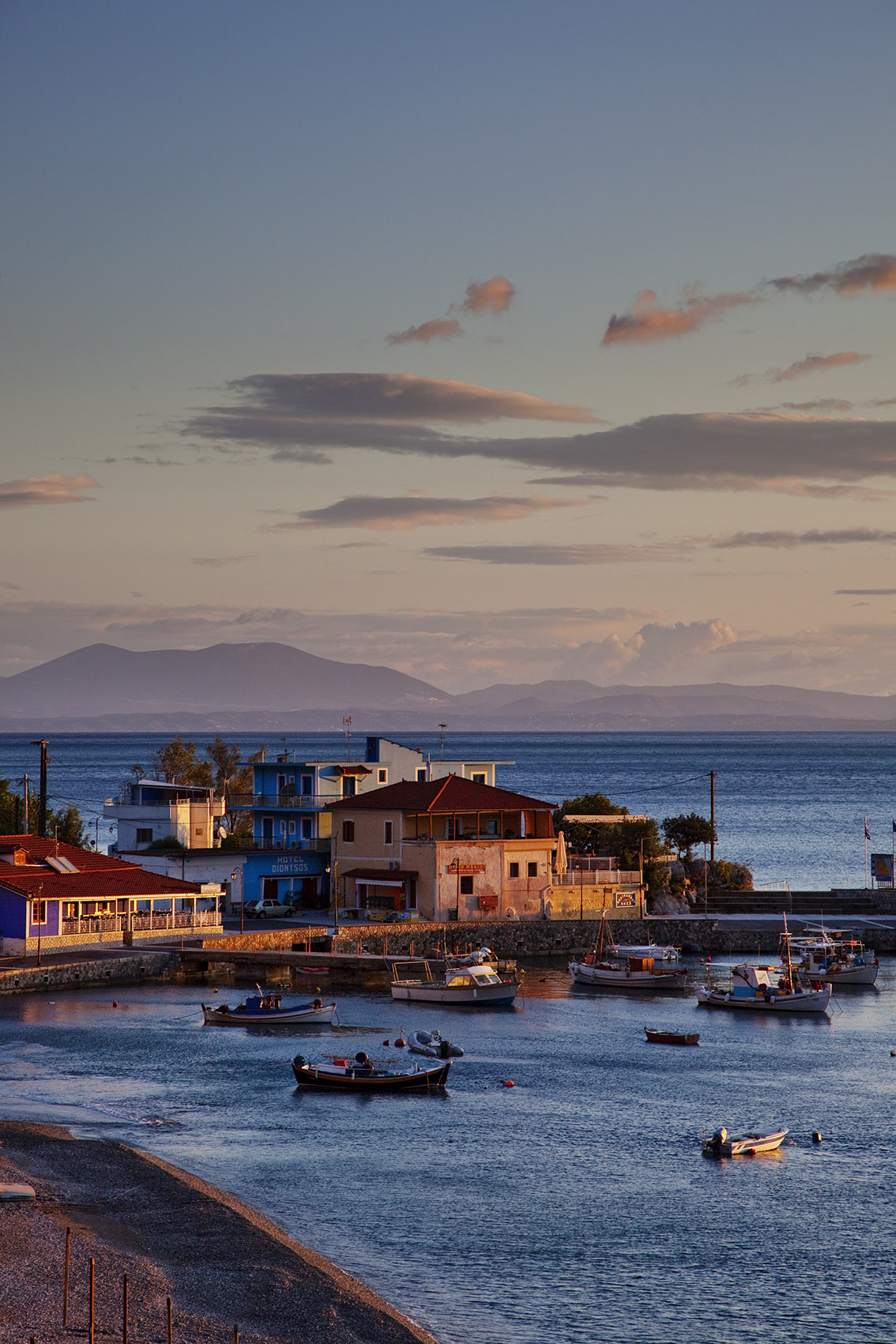
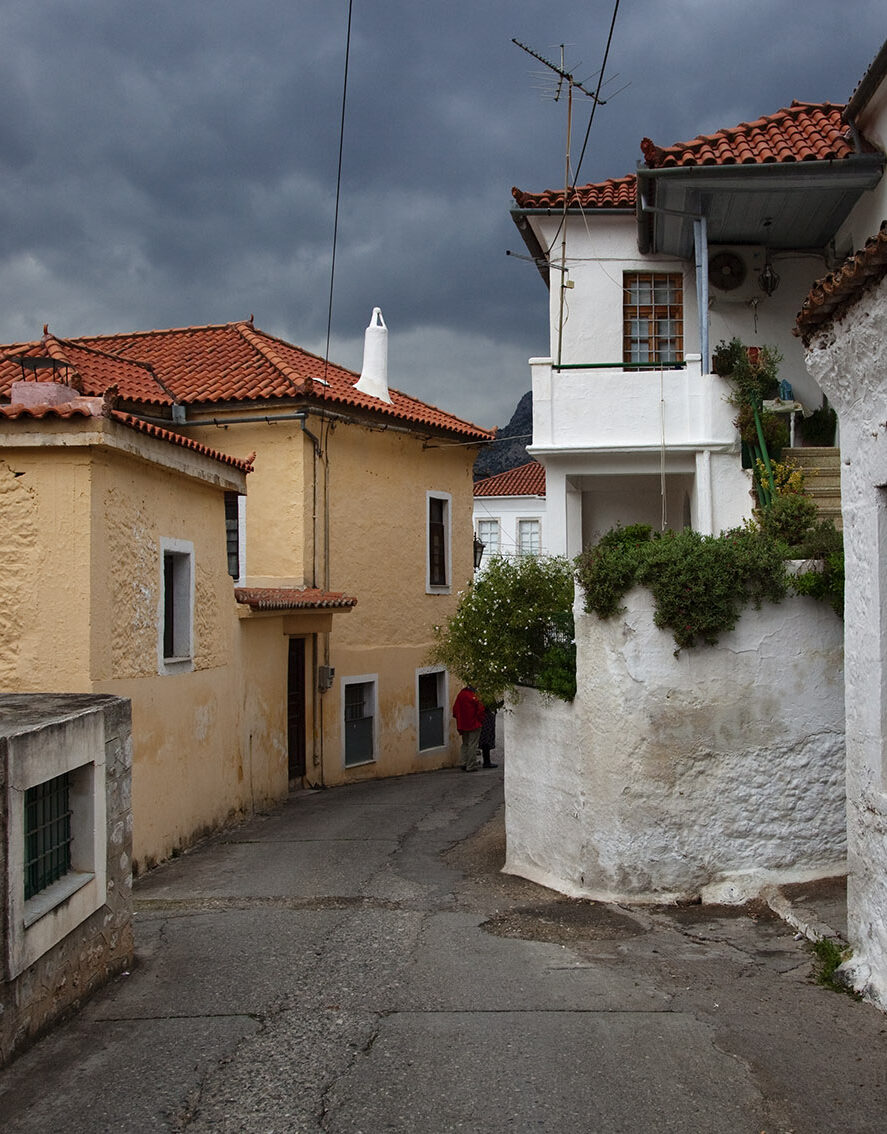
Leonidio, the charming seaside town in Arcadia on the shores of the Myrtoan Sea and beneath the Parnon mountains, is an excellent choice especially for this season. Neither isolated nor overly touristy, Leonidio is dominated by the imposing Red Rock, which has made it popular among climbing enthusiasts.
The town is also famous for its beautiful two- and three-story mansions with stone-paved courtyards and fountains, some of which are open to visitors thanks to initiatives by the heirs. Notable examples include the Tsikaliotis Tower, the Polytimos Mansion, and the Katsikogiannis Mansion, all typical examples of the traditional Tsakonian architecture.
Nearby beaches with crystal-clear waters are perfect for a swim. Just minutes outside Leonidio, the beach of Plaka resembles a small Aegean fishing village with several options for dining and entertainment. There is also the pebble beach of Lakkos and the clear blue waters of Sabatikos.
How to Get There
Leonidio is located about 220 km from Athens on the eastern coast of the Peloponnese. The drive takes about 3 hours, usually via the Corinth Canal and then through Argos and Astros before following a scenic coastal road along the Argolic Gulf. KTEL buses from Athens to Leonidio operate regularly and take approximately 3 hours 30 minutes. Driving is the most convenient option, especially for visiting nearby beaches and villages in the Parnon mountain region.
→ Discover the hiking capital of Greece
06
Aegina
#quickgetaway #spiritualescape #islandvibes
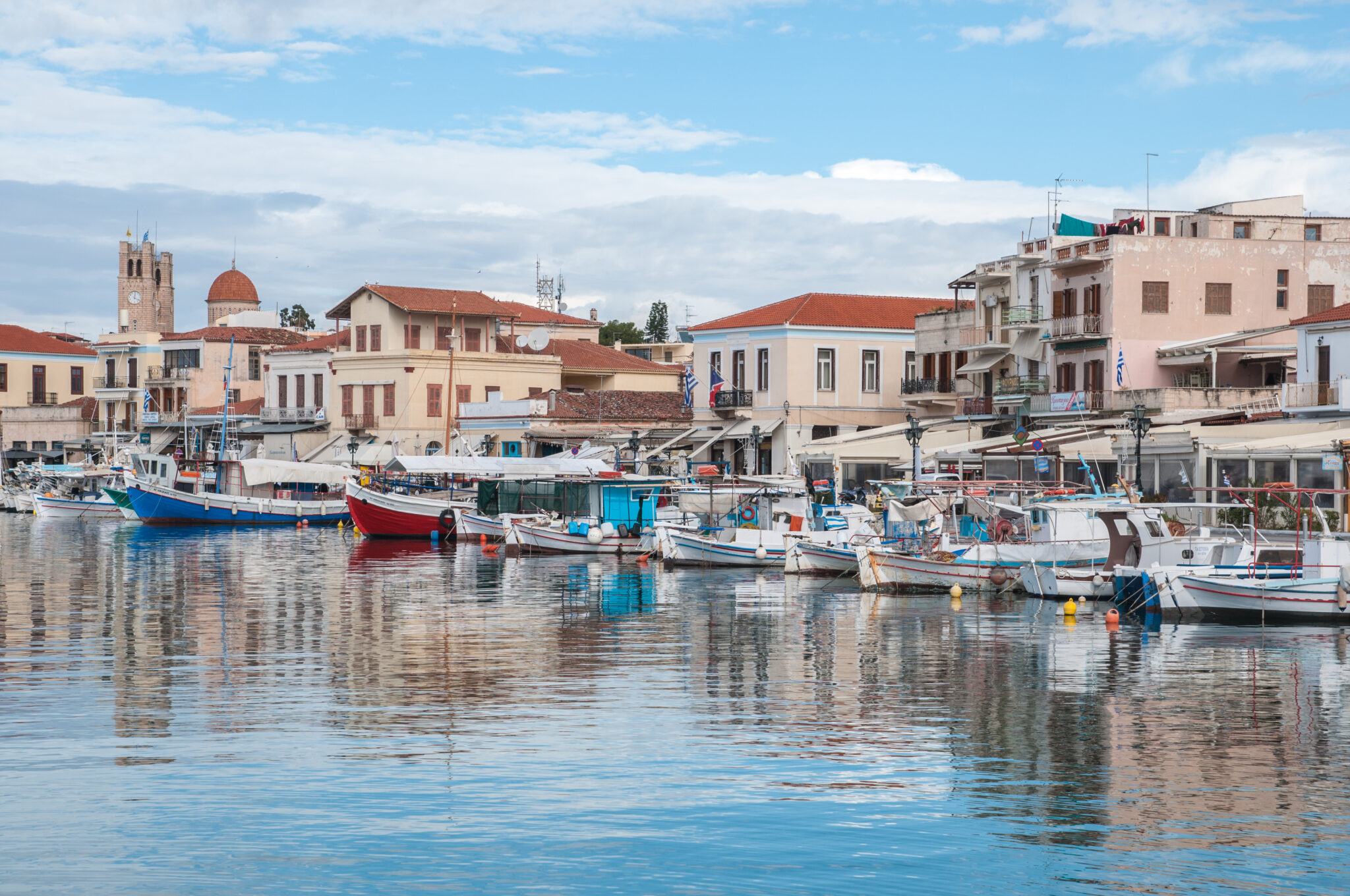
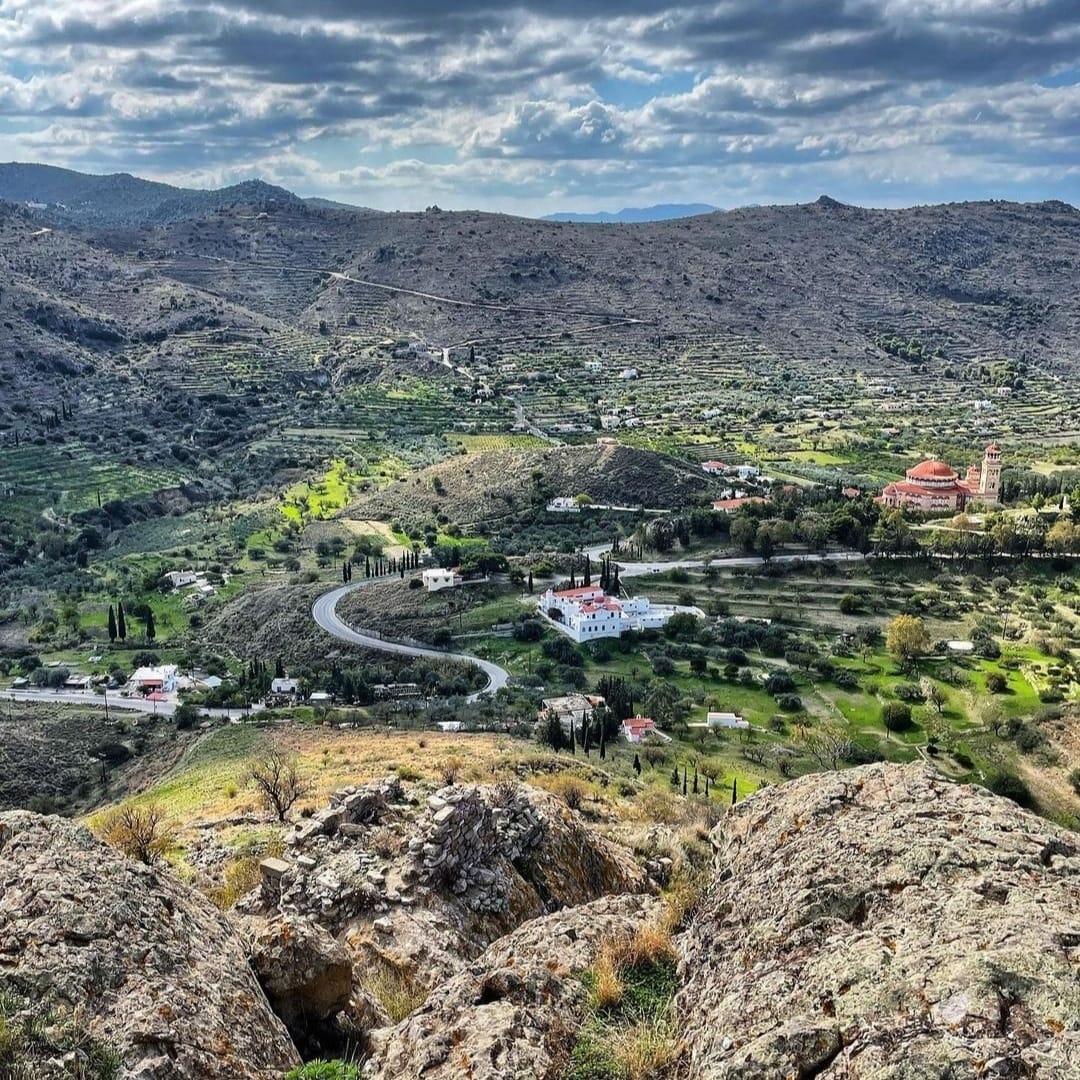
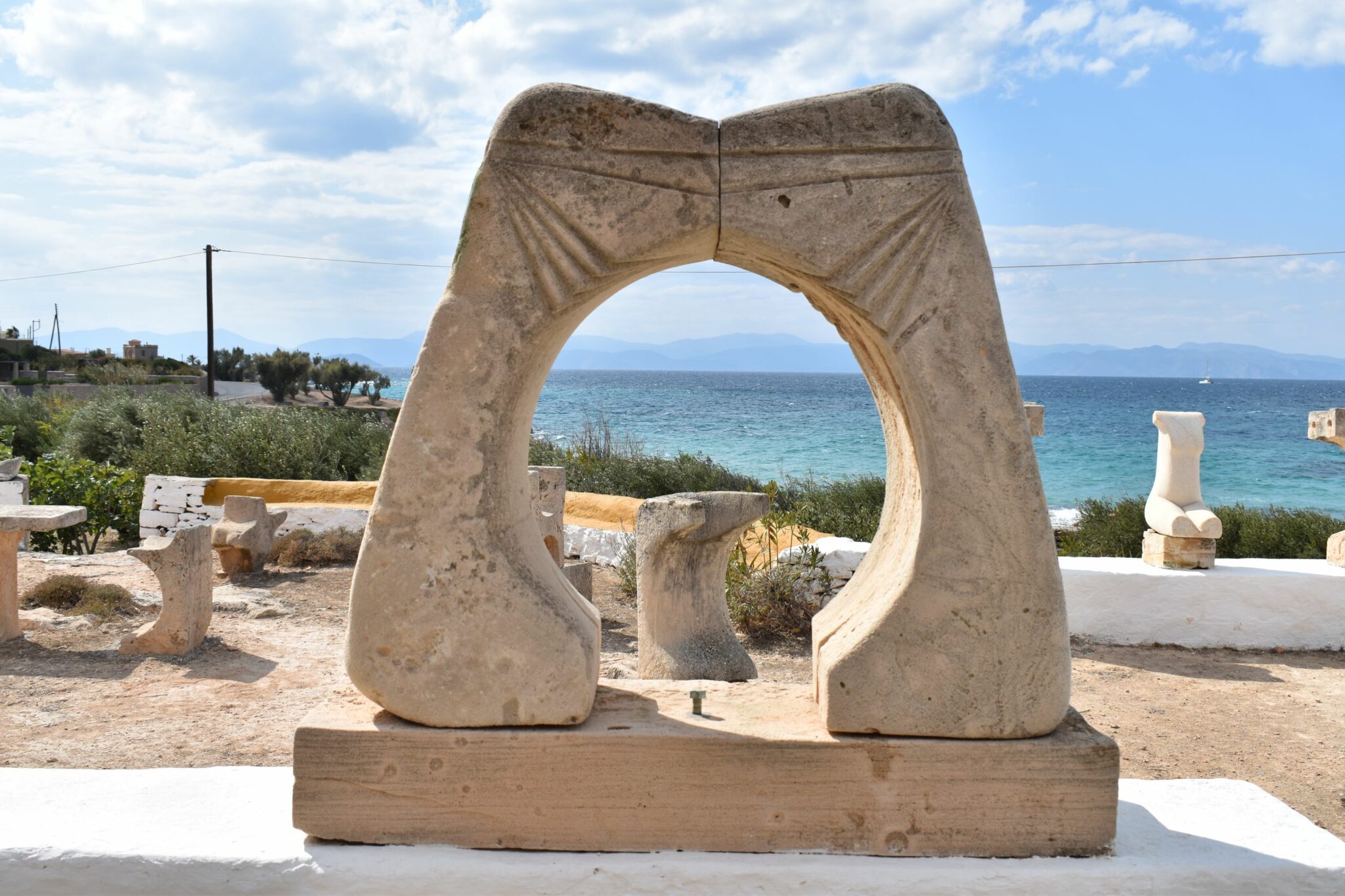
Just off the coast of Athens, the small island of Aegina boasts a surprising number of charms. Here, religious visitors will find the Saint Nektarios Monastery, while a walk among the pine trees on the hill of Paliochora with its ruined chapels is highly recommended. Upon arrival, you can also admire the neoclassical buildings that line the waterfront, alongside shops.
Next to the landmark Town Hall building from 1886, you can enjoy coffee at two of the city’s oldest cafés. Opposite, floating markets open all day add to the island’s maritime ambiance alongside the various boats anchored at the port. Close to the docking point, visit the Kolona Archaeological Site, reflecting the long history of the ancient Aegina acropolis. The Temple of Aphaia, a key example of archaic architecture, along with buildings from the Kapodistrian era like the Metropolis and the Eynardios School, contribute to the island’s rich and diverse heritage.
Of course, a visit to Aegina wouldn’t be complete without tasting the famed Aegina pistachios, plentiful across the island. For swimming, the Moni Aegina beach, named after the small islet beside the larger Saronic Gulf island, is distinguished by its blue waters and pine trees descending to the shore. The Klimataria beach is also well-equipped and more accessible, offering facilities for a long, relaxing day in the cool waters.
How to Get There
Aegina is one of the closest islands to Athens and is reached by ferry from the port of Piraeus. High-speed ferries take about 40 minutes, while conventional ferries take about 1 hour 15 minutes. Ferries run frequently throughout the day. From central Athens, reaching Piraeus takes about 20 to 30 minutes by metro, taxi, or car. Once on the island, local buses and taxis connect the port with beaches and villages, though renting a scooter or car offers greater flexibility.
→ Discover Aegina’s most interesting restaurants
07
Porto Heli
#springescape #sailinglife #relaxedluxury
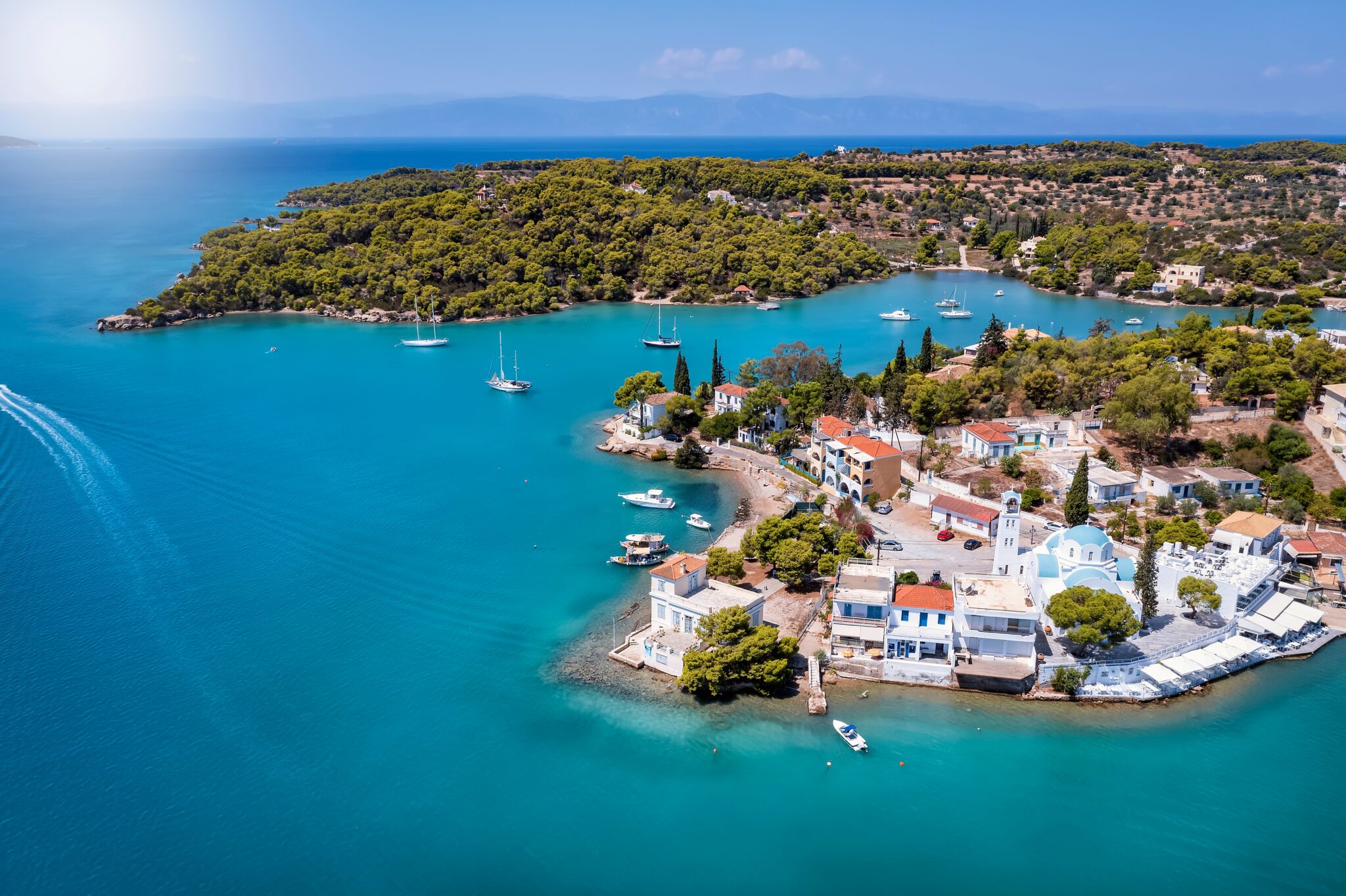
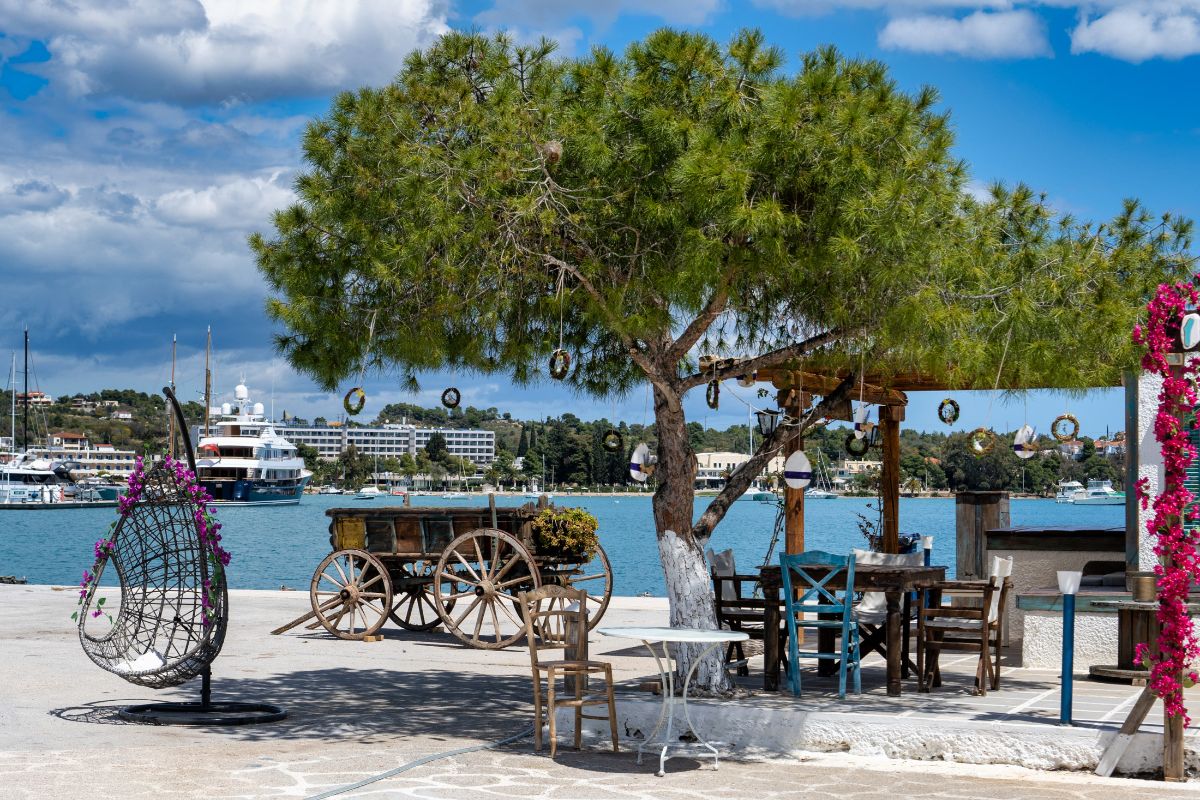
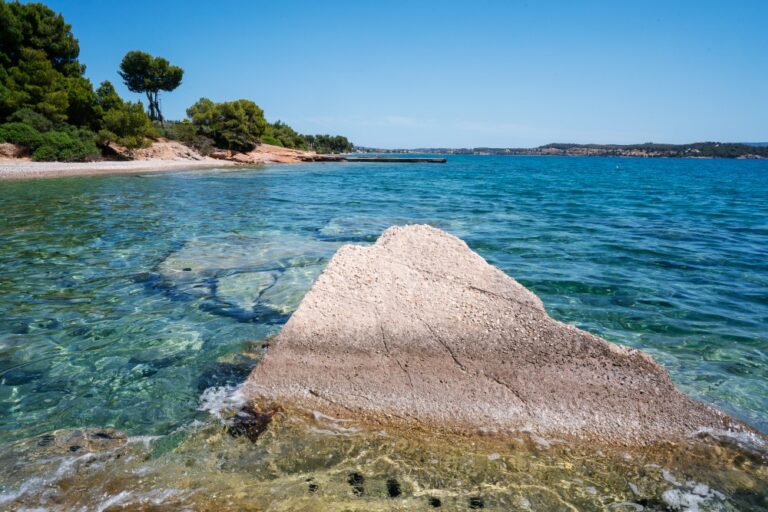
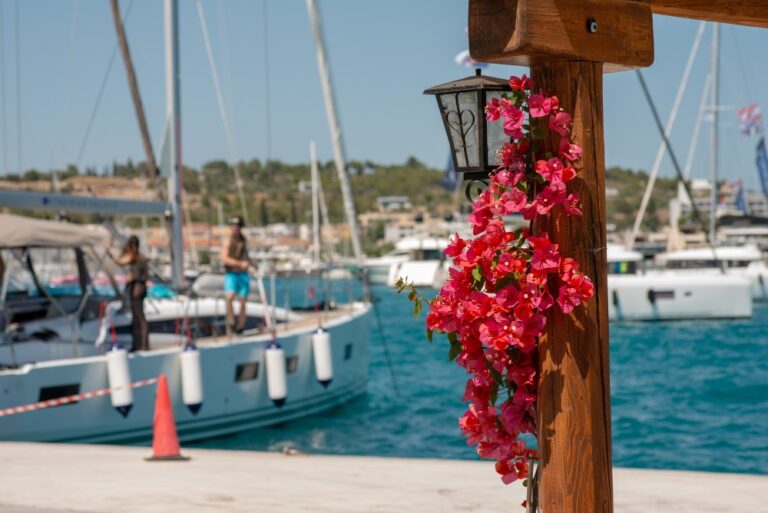
Porto Heli holds a rare charm during the springtime. Before the streets fill with summer visitors, the calm seas reveal their most peaceful side. The waters stay quiet, sailboats look like white brushstrokes against the blue, and the small church of Evangelistria, painted white and blue, perfectly complements the coastal scene.
At night, when the lights come on, the harbor reflects almost perfectly on the surface of the bay, creating a serene and atmospheric image.
In the first weeks of spring, the cosmopolitan resort of Argolis moves at a relaxed pace. A walk along the pedestrian street, coffee with a view, few people around, and the sense that everything is preparing for the new season. Its organized marina and floating piers make it a regular meeting point for sailboats and yachts, which increase in number year after year. Within this setting, the solemnity of the Easter season takes on a particularly special meaning.
The area also has its glamorous side, with large estates and luxury villas in prime locations of the peninsula. However, Porto Heli is not just for a select group of visitors. It offers options for those who want to explore the coastline, seek accessible beaches, or rent a small boat to view the surrounding shoreline from a different perspective, including the small island of Hinitsa, which adds a discreet island charm to the landscape.
And if you love history, you will surely find something to captivate you here. In the greater Porto Heli area, the ancient city of Alies once thrived. Hills, walls, remains of old homes, and parts of the ancient city now submerged underwater due to changing sea levels create an intriguing puzzle that will make your Easter escape even more fascinating.
How to Get There
Porto Heli lies about 175 km from Athens in the Argolis region. Driving takes around 2 hours 30 minutes via Corinth, Epidaurus, and Kranidi. Regular KTEL buses also connect Athens with Porto Heli, with a journey time of about 3 hours 30 minutes. During the warmer months, high-speed ferries and hydrofoils depart from Piraeus and stop at Porto Heli after about 2 to 2 hours 30 minutes, often continuing toward nearby islands such as Spetses and Hydra.
08
Parga
#romanticescape #seaviews #islandfeel
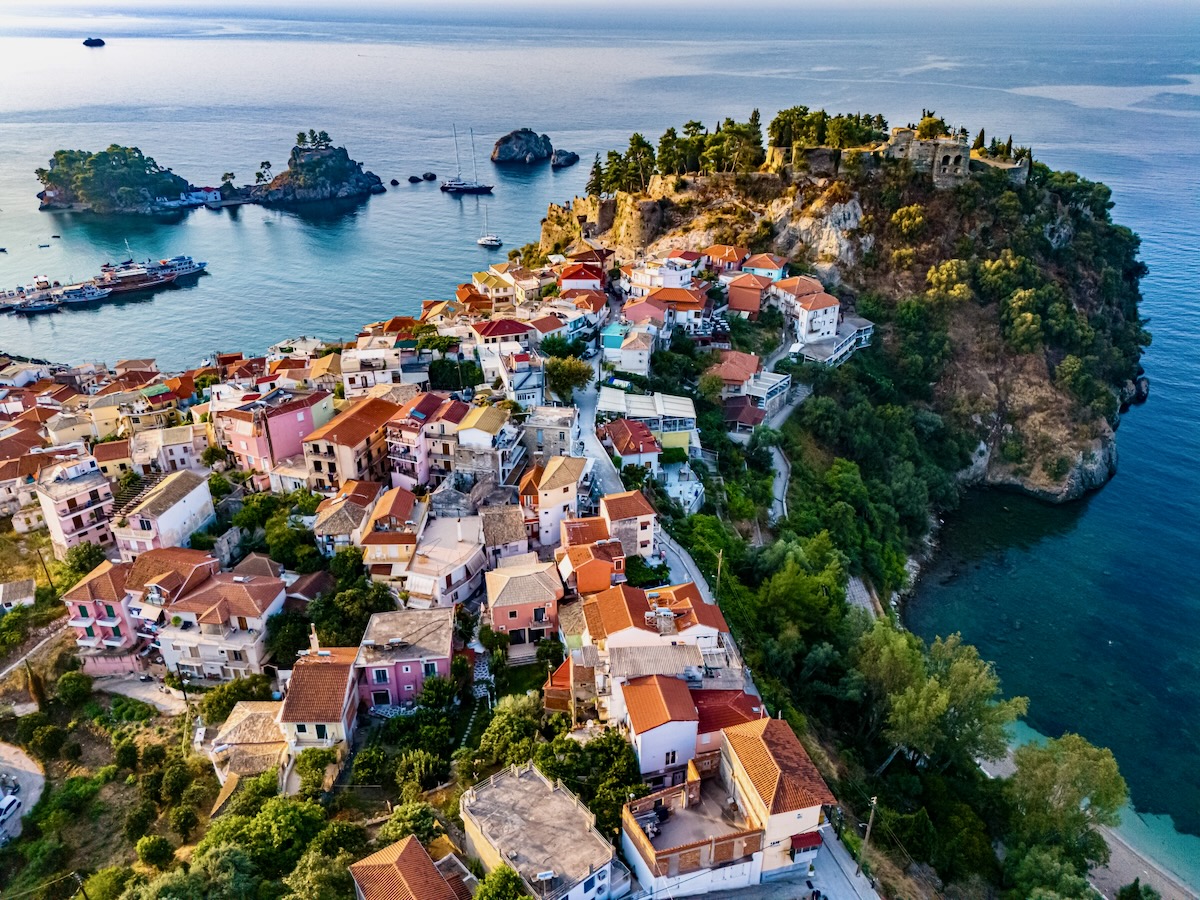
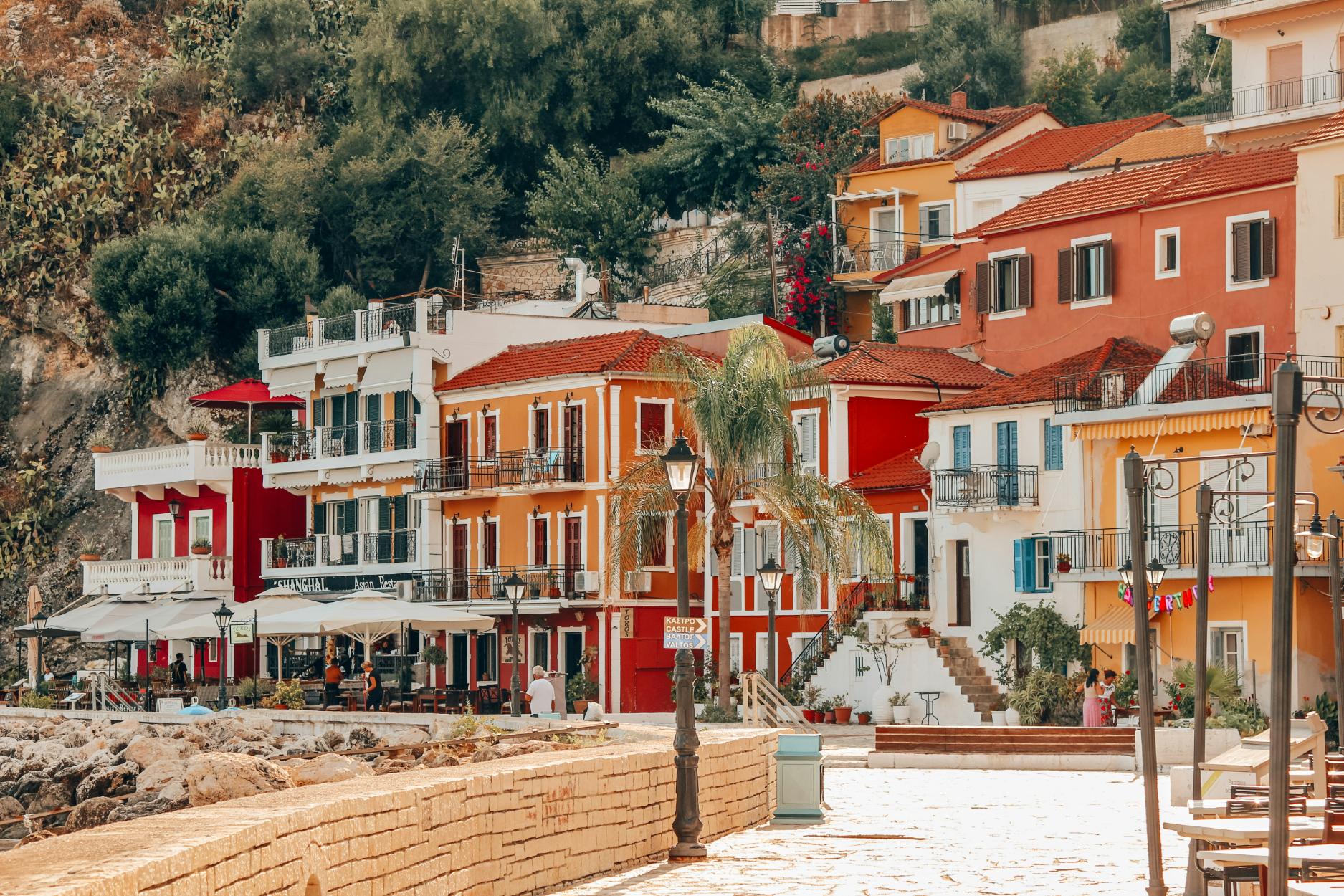
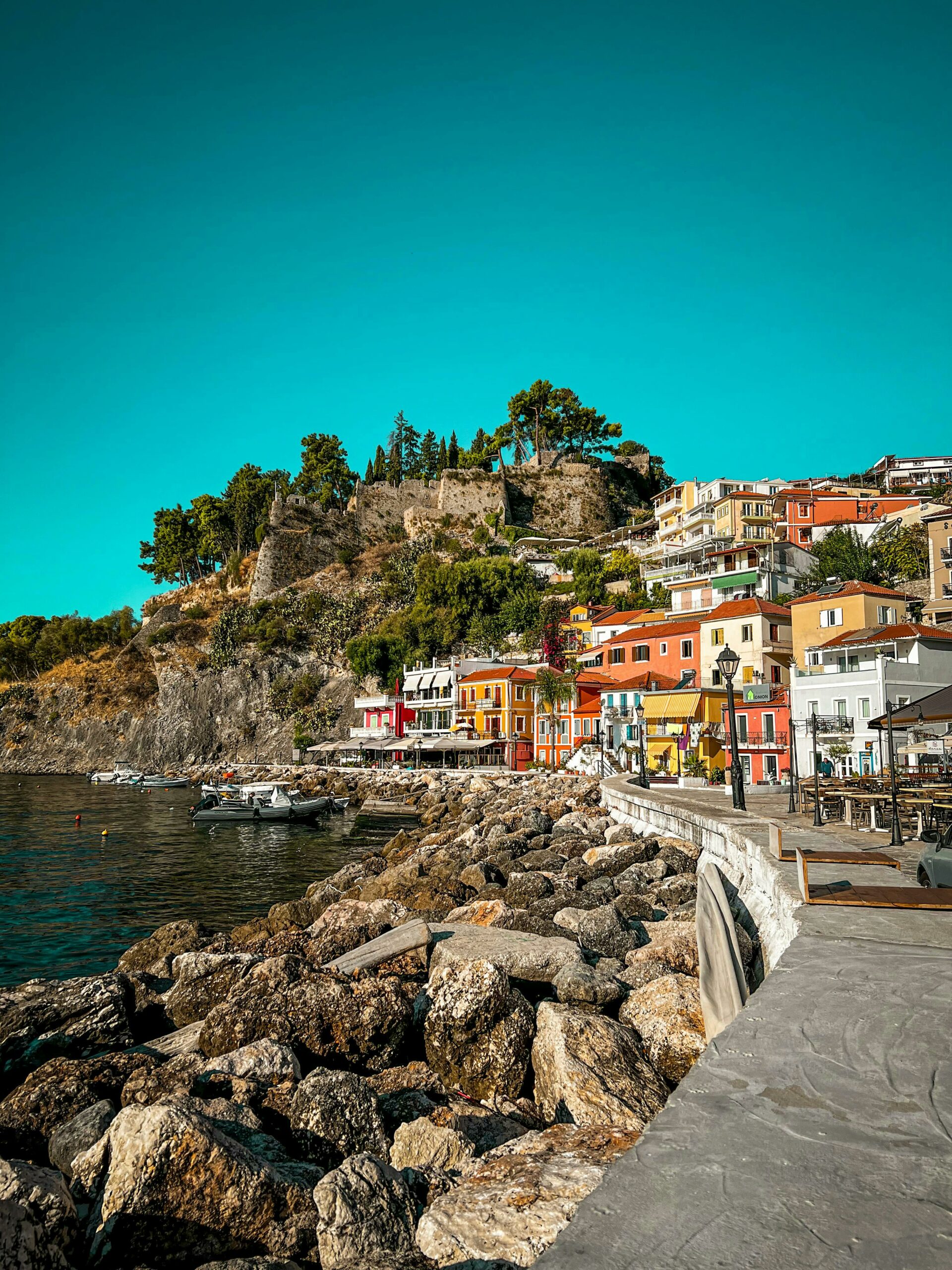
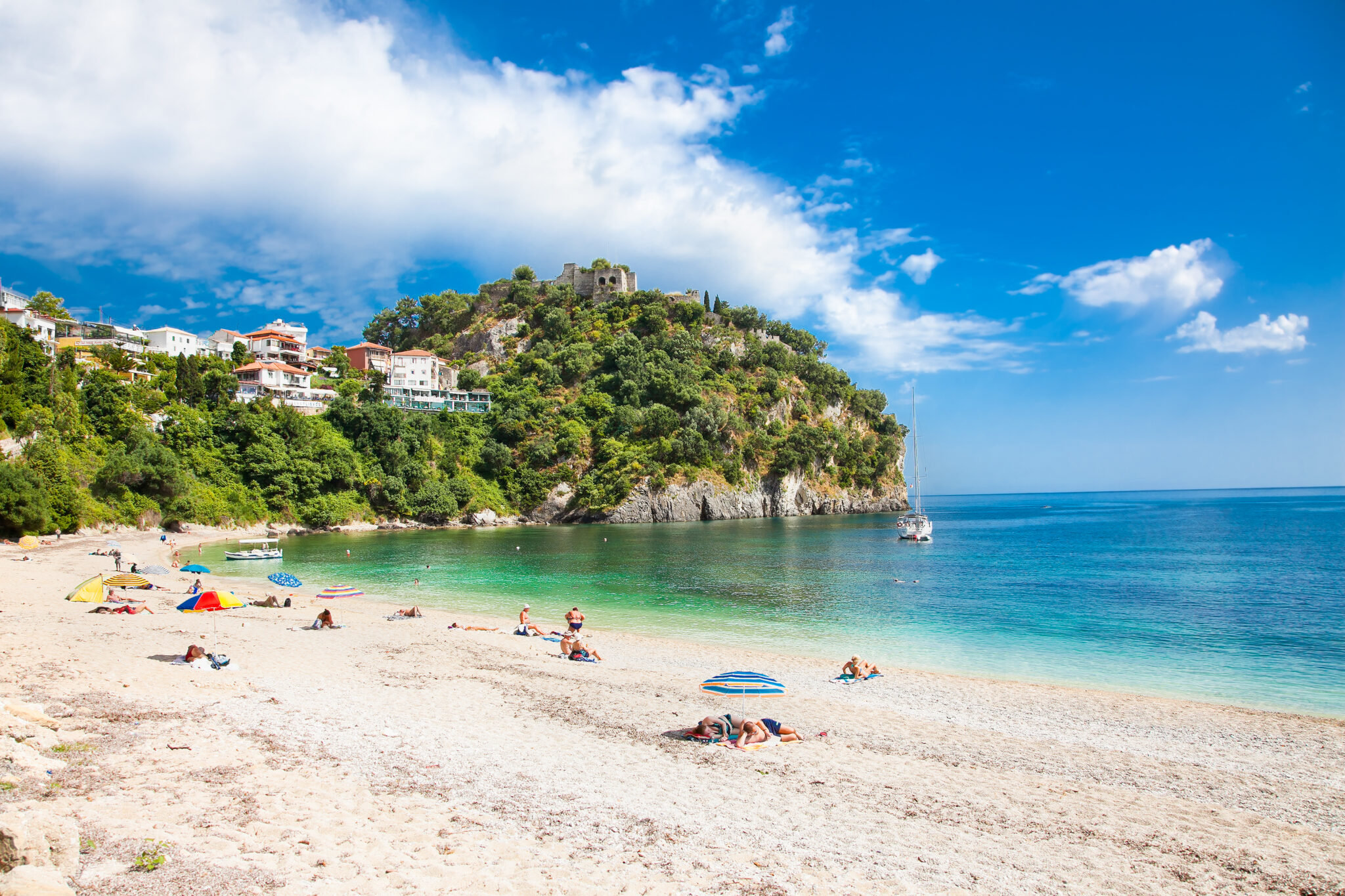
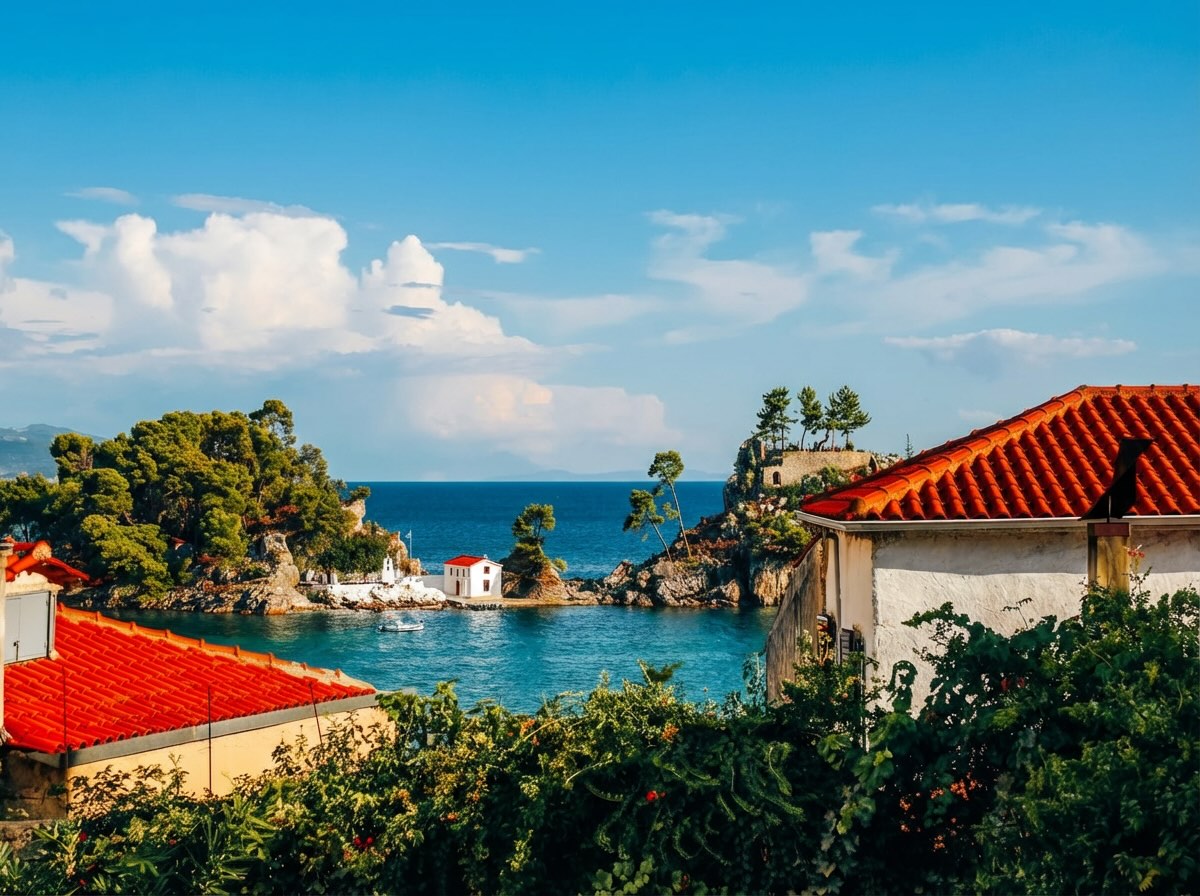
Parga is one of those places that are hard to express in words, no matter how exaggerated that sounds. Yet when you first see it, you immediately realize it truly exceeds description. Built amphitheatrically on a lush green hillside, it overlooks the Ionian Sea like a natural balcony. Its Venetian heritage remains evident, with the Castle dominating the hilltop, a reminder of the times when the area played a key role in the history of western Greece and the maritime routes of the Ionian Sea.
Though located on the mainland, Parga has a distinctly island-like vibe: narrow cobbled streets, countless steps, shops and houses that seem to hang over the water. The scene calls to mind Mediterranean resorts like Positano and Amalfi, while its historical and commercial connections to the Ionian Islands reinforce this nautical identity even further. At the same time, Parga serves as an ideal base for spring excursions to nearby Syvota, especially when the weather turns warm.
For lovers of mythology and the mysteries of the region, about 25 kilometers away lies the Necromanteion of Acheron. The route passes through Ammoudia, from where you can continue to the river estuaries, anciently connected with the underworld.
As for Parga’s summer face, its beaches alone are reason enough to visit: from the large, well-organized Valtos Beach to quieter spots like Ai Giannakis and the impressive Sarakiniko, the experience strongly resembles that of an island.
How to Get There
Parga is located about 420 km northwest of Athens on the Epirus coast. Driving takes around 5 hours via the A1 and then the Ionian Odos (A5) motorway toward Preveza before continuing along the coastal road. KTEL buses connect Athens with Parga, typically with a transfer in Preveza or Igoumenitsa, and the trip takes about 6 to 7 hours. The nearest airport is Aktion Airport near Preveza, about 65 km away, which is roughly a 1 hour drive to Parga.