






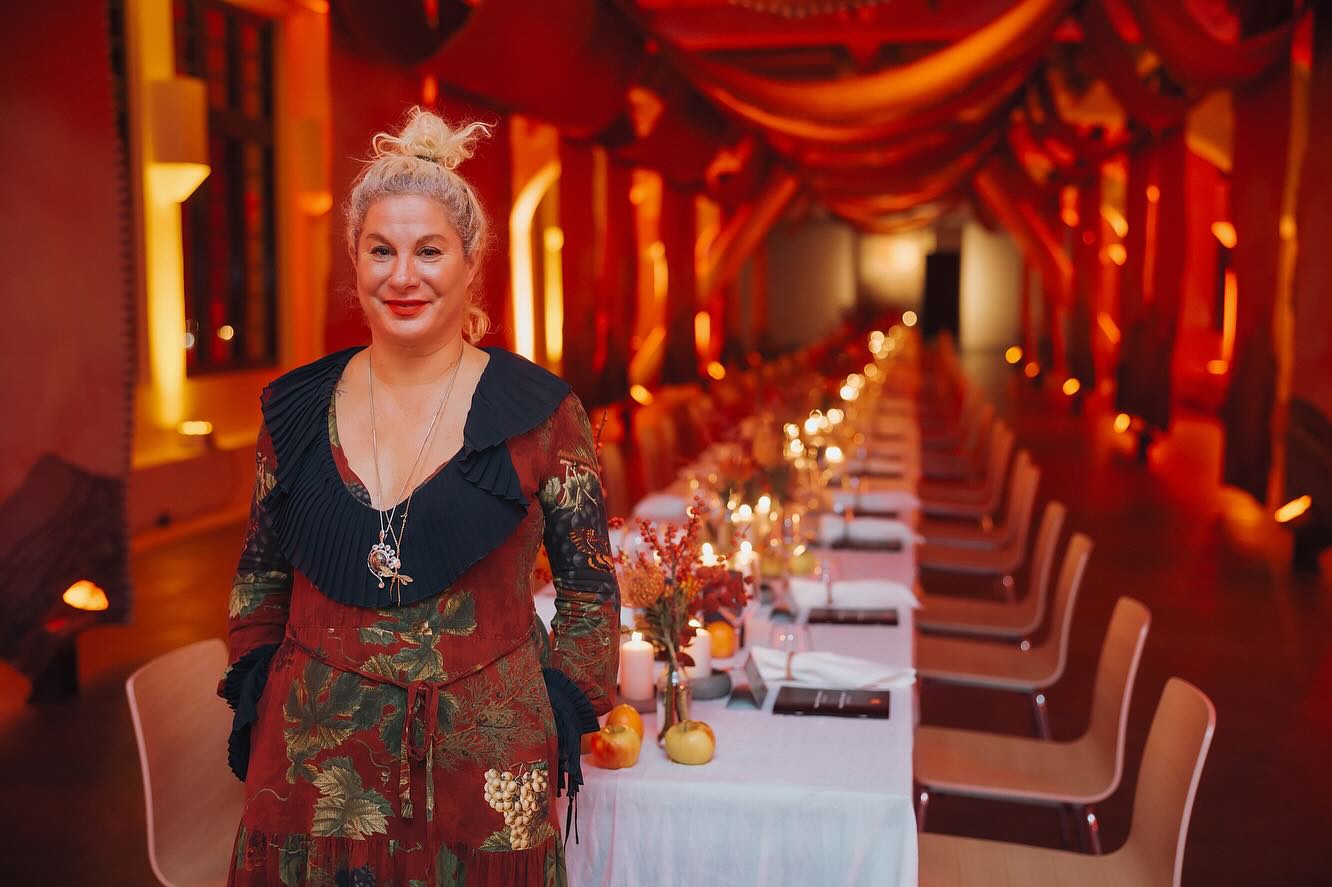
I traveled to Slovenia to meet the legendary chef Ana Roš. In an in-depth conversation, I got to know the self-taught chef, who traded a promising career in diplomacy for a personal culinary revolution.
Ana Roš is much more than a self-taught chef, she is a force of nature with a deeply human touch. She is the woman who redefined gastronomy on a global scale by refusing to follow formal gastronomic rules. In the stunning Soca Valley, where the Alps meet Slovenia, I met a woman who dared to abandon a secure path in diplomacy to find her true self in the kitchen of Hisa Franko.
Headstrong and profoundly real, she explains how she transformed Hisa Franko into a world class destination by cooking with only two guides: instinct and the local terroir. In a conversation that excludes cliches, she speaks about her career, motherhood, the liberation of ignoring boundaries, and the internal drive that led her to the summit of the culinary world.
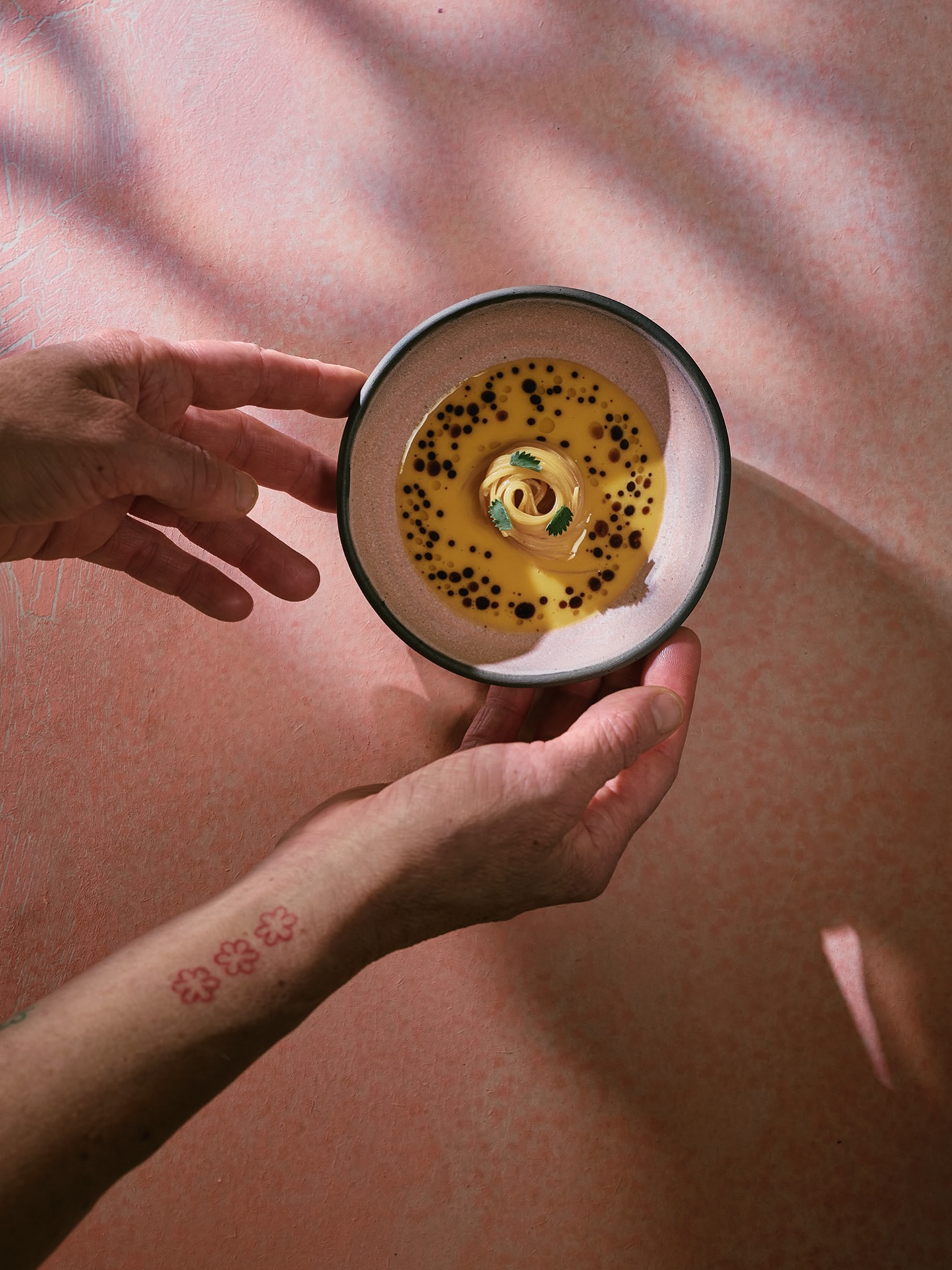
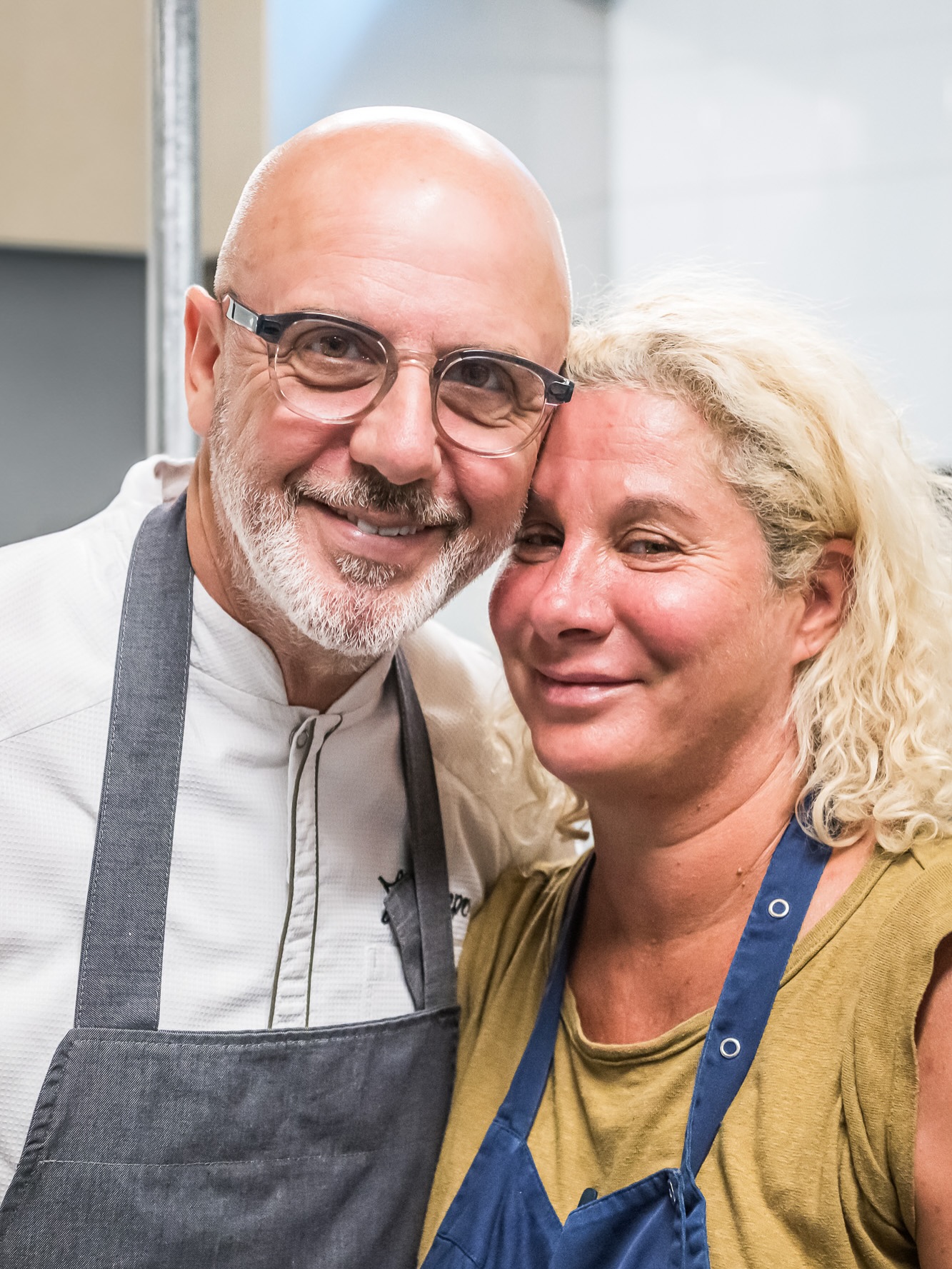
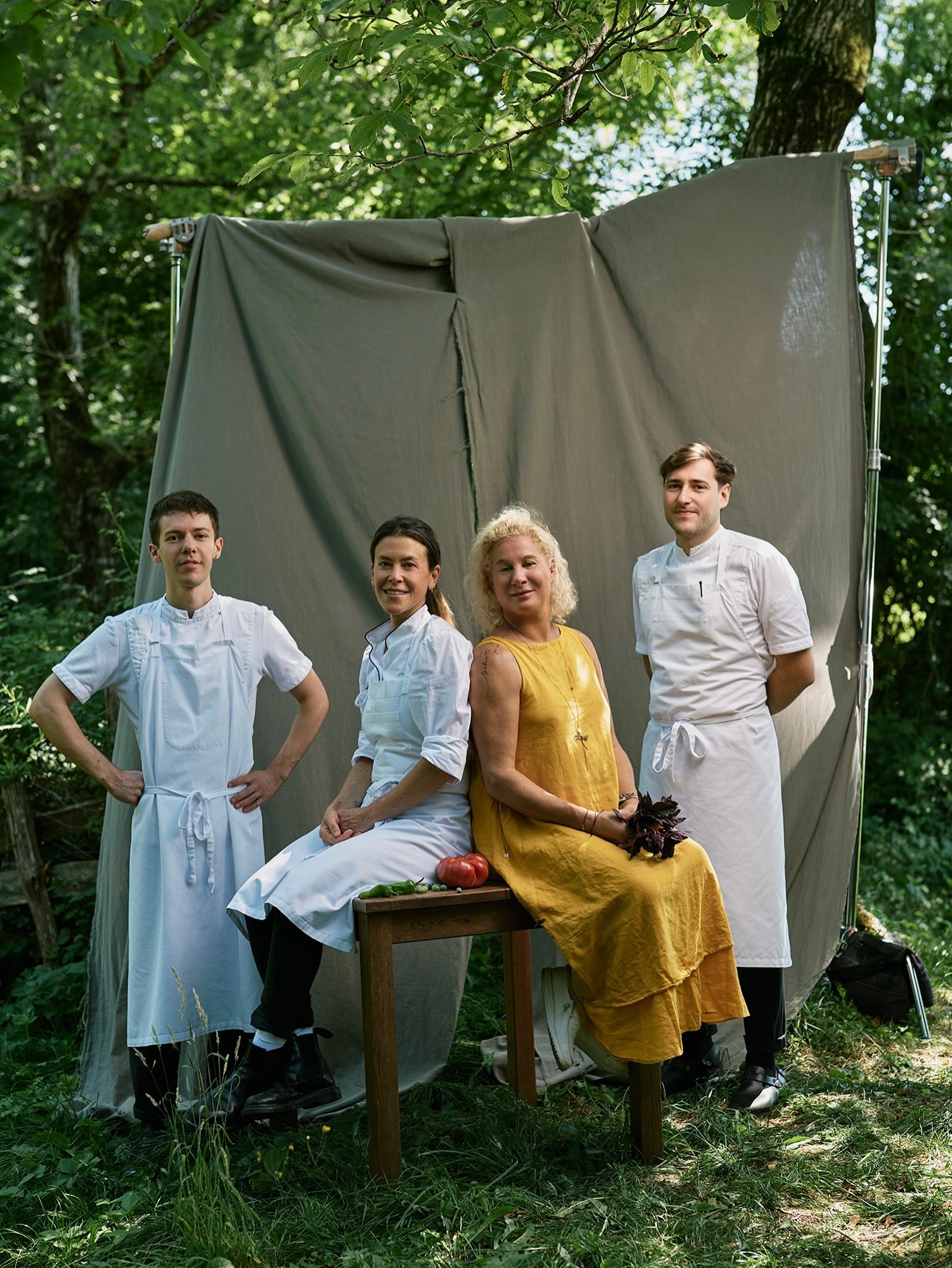
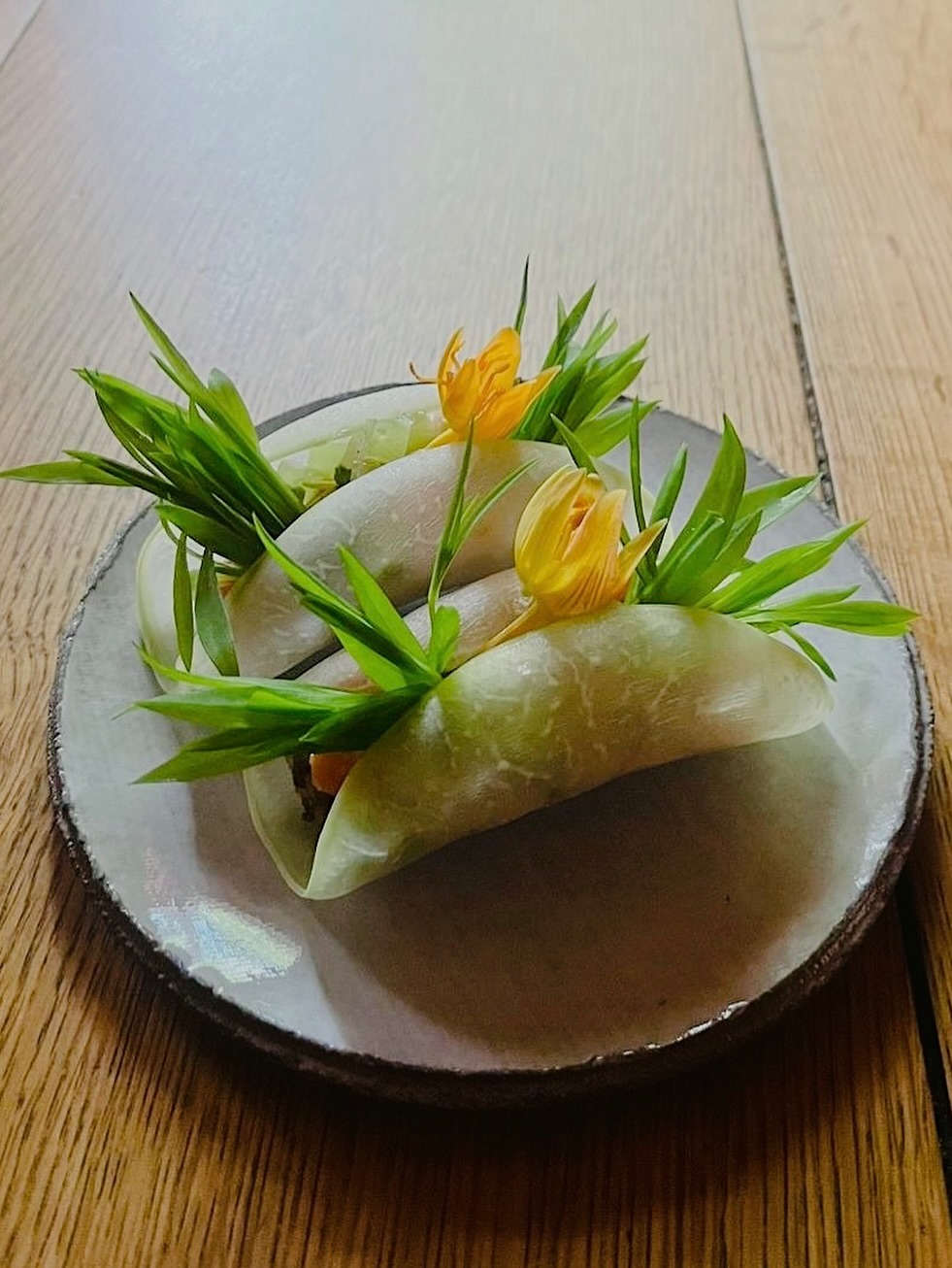
You received no formal culinary training, pivoting from a career in diplomacy straight into the kitchen. Looking back, what is the one traditional culinary rule you are grateful you never learned or followed, and how did this lack of formal education allow you to find your own specific culinary voice?
Yes, I never attended a culinary school. But at the end of the day, everything is “me.” Everything is Ana. JAZ means “I”, which is also the name of my new restaurant project. I deeply believe there is a massive gap between formally trained chefs and self-taught ones. The positive side of my journey is, of course, the freedom of expression.
Look at the structure of the European gastronomic scene today, most chefs belong to a specific “influential culinary group” (Spain, Northern Europe, etc.). I never liked belonging anywhere. I always wanted to design my own creative path. The downside, of course, is that in the beginning, you remain local or regional, and you experience a constant alternation of “hot and cold water.” Every day you face a new discovery, especially at the start of your career when your means and resources are poor.
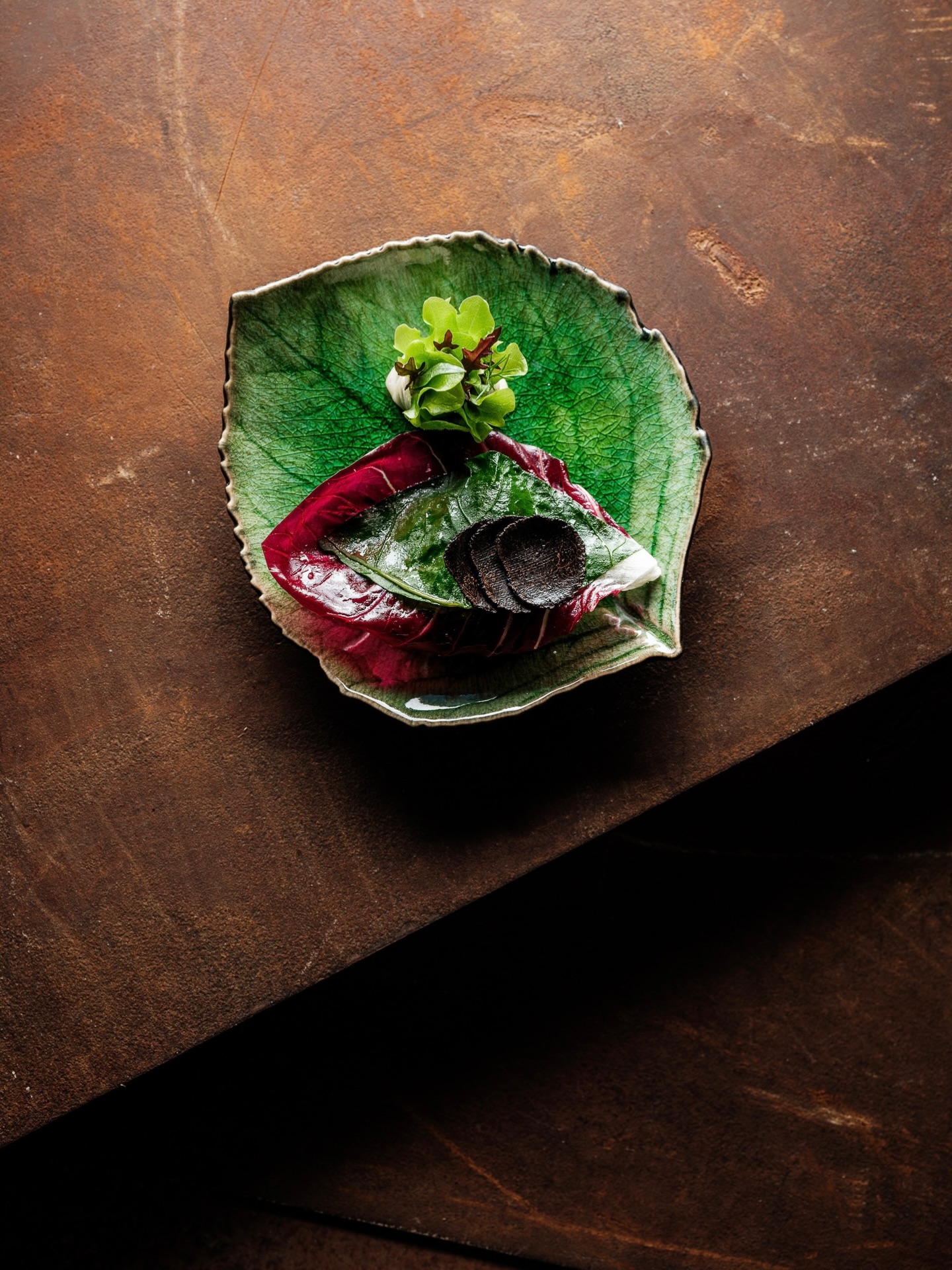
Slovenian cuisine has deep roots in preservation and fermentation, born largely out of necessity. Where do you draw the line between honoring and maintain these ancient methods and pushing them into the territory of avant-garde gastronomy?
Slovenia is one of the smallest countries in Europe, yet it is surrounded by many different culinary cultures and Nations. Italy, Austria, Hungary, and the Balkans have influenced Slovenian cuisine over time, which is why there isn’t one unified national cuisine. Fermentation, for example, is a characteristic of Northern Slovenia, but not of the west or the Mediterranean parts, thus is very hard to define Slovenian. I grew up near the Italian border, in an environment with less fermentation and more fresh products year-round. At Hiša Franko, we ferment less because it isn’t part of my specific culture, we preserve some things from our garden for Winter, but winters in Kobarid are mild, we have a kind of Mediterranean climate.
I never adopted a traditional “recipe book.” I studied International and Diplomatic Sciences before I meet my ex-husband and moved to Kobarid and ran the family run restaurant. At Hiša Franko i discovered my passion for cooking. My academic background influenced my cooking culture in a spontaneous, creative way, far from tradition. I grew up as a contemporary dancer, and professional skier, a field where improvisation is essential, and I adopted that in my culinary philosophy, always guided by the heritage of my region’s tradition. This close relationship with Mother Earth and original ingredients led some to mistakenly label me a “traditional” chef. In reality, I have always been a creative chef, and creation requires technique and evolution.
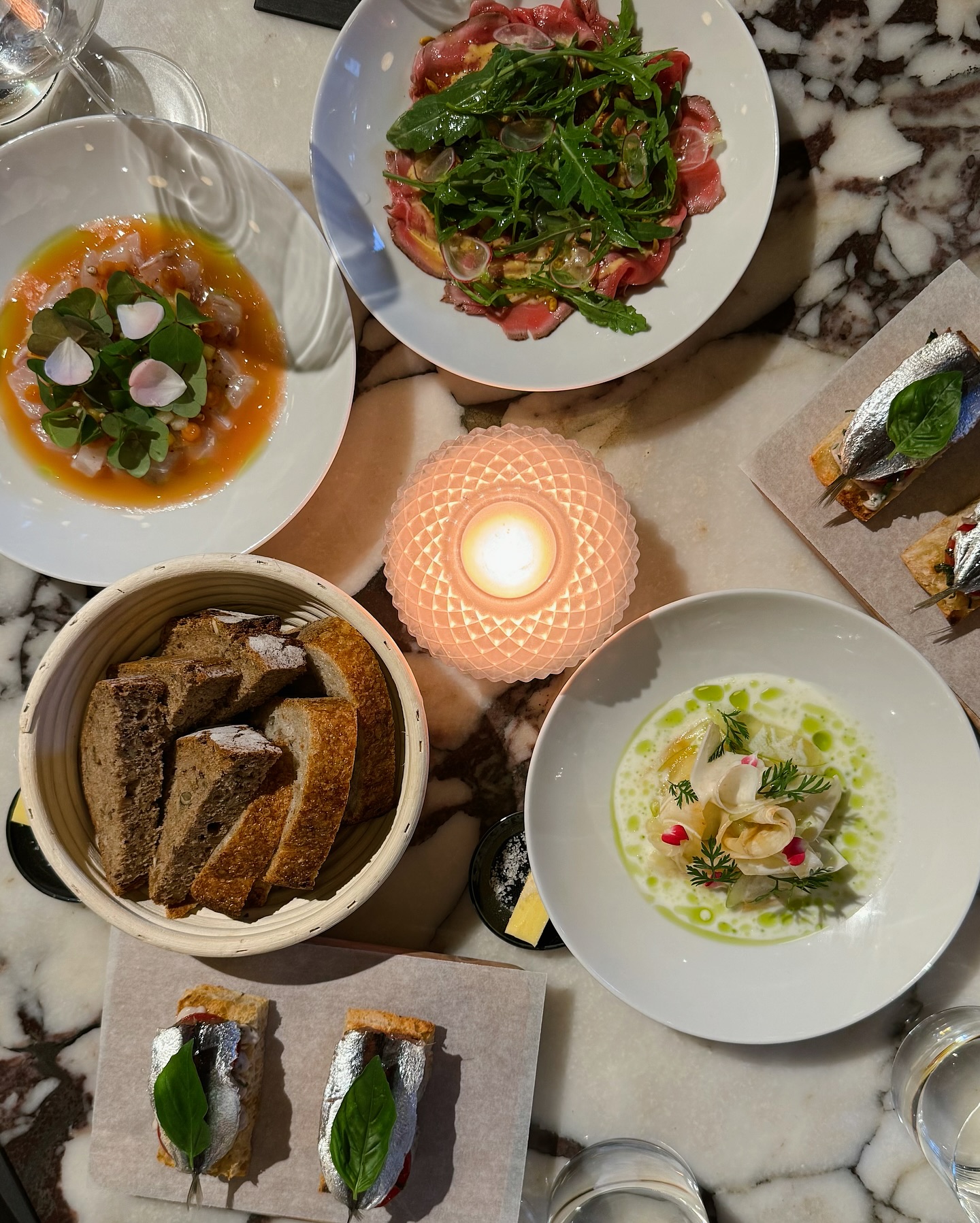
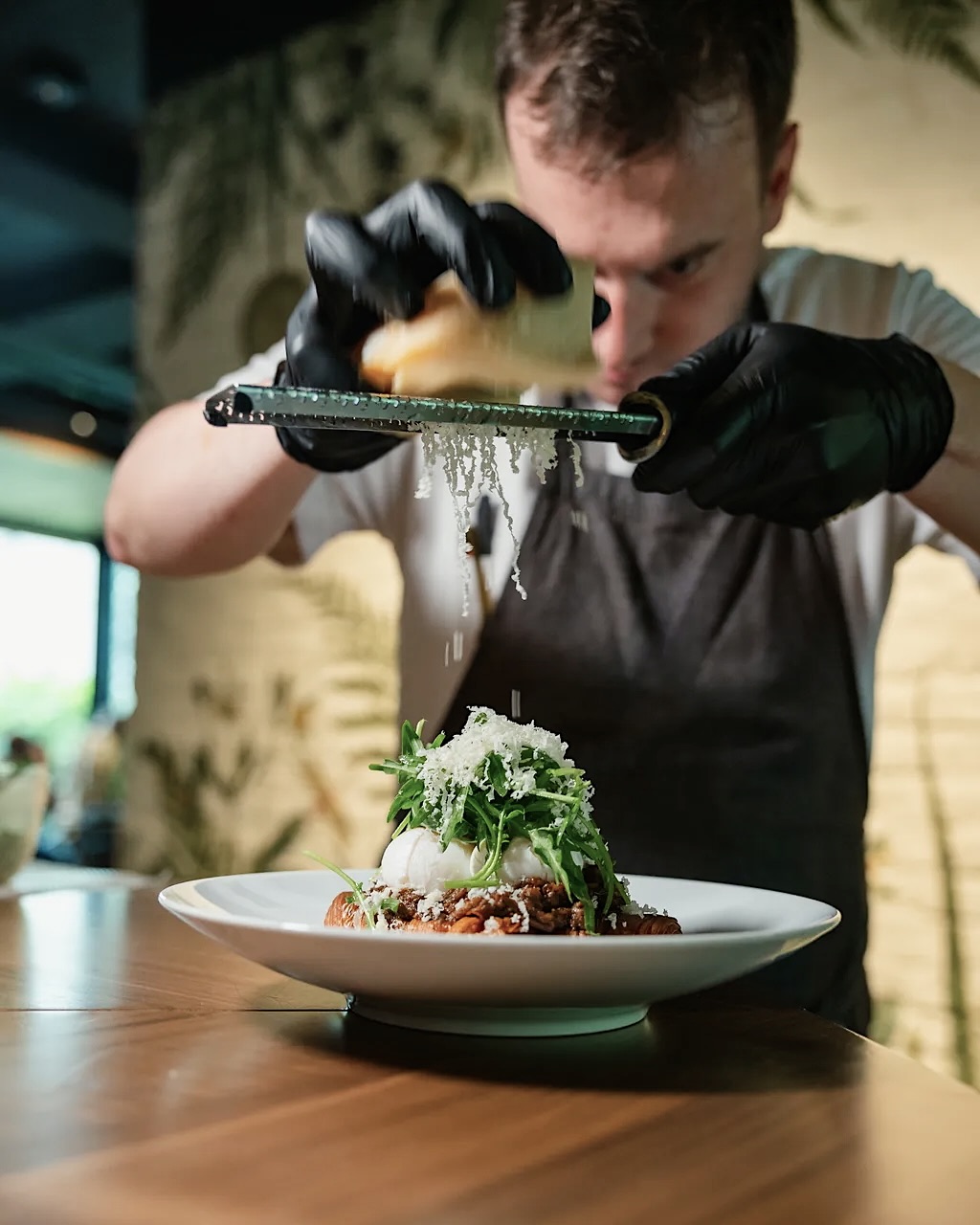
At the beginning, years ago, with less knowledge and less people in my team, I tried to shock customers with contrasts. One of my signature dishes was squid stuffed with lamb sweetbreads and fermented cheese sauce. Today, after 25 years, my approach is different, more mature. And that is something that requires very hard work.
Techniques evolve with hard work and hard work only. I went through two pregnancies in the kitchen, where I was breast feeding while preparing food, cutting, peeling making stocks, cleaning, and working both the hot and cold stations at the same time. The structure nowadays in the kitchen is also settled. We have head chefs, sous chefs, junior chou chef etc. Twenty-five years ago I was doing so many different things by myself and still managed to be ready on time every day. Today more and more young people want to work in fine dining places only.
Hiša Franko is often described as a reflection of its environment. However, nature is unpredictable. How do you handle the moments when the Soča Valley doesn’t provide with what you expected? Does a failed harvest or a sudden change of season force a shift in your plans?
Nature has become extremely unpredictable over the last 10 years. For this reason, we began changing our operational pattern, harmonizing our needs with rapid environmental shifts. Summers are now very hot and winters very rainy. We must constantly listen to our gardeners and foragers and adapt, even if it’s necessary just few hours before service. Adaptation means creativity. When you adapt you have to be creative in the right way.
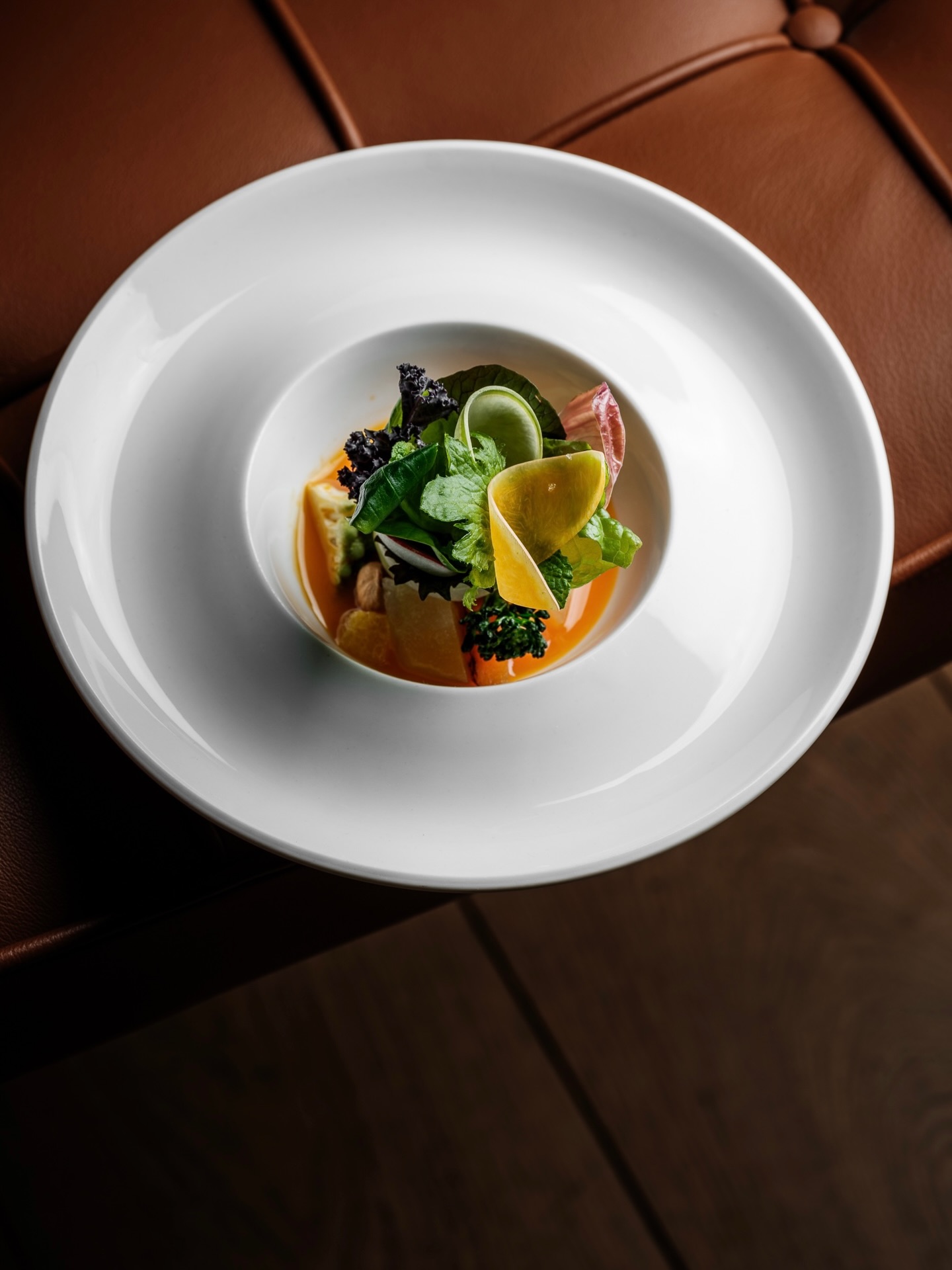
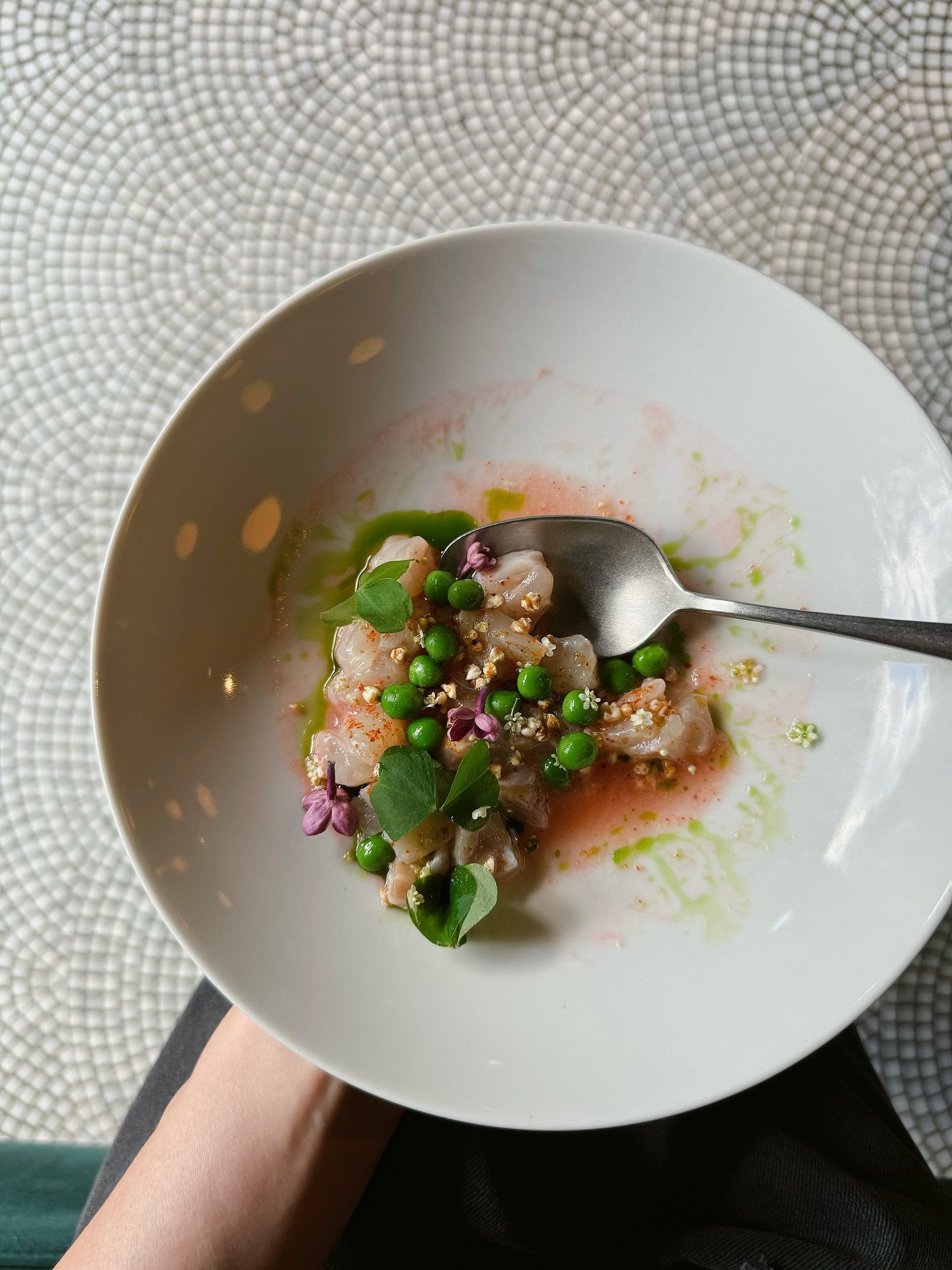
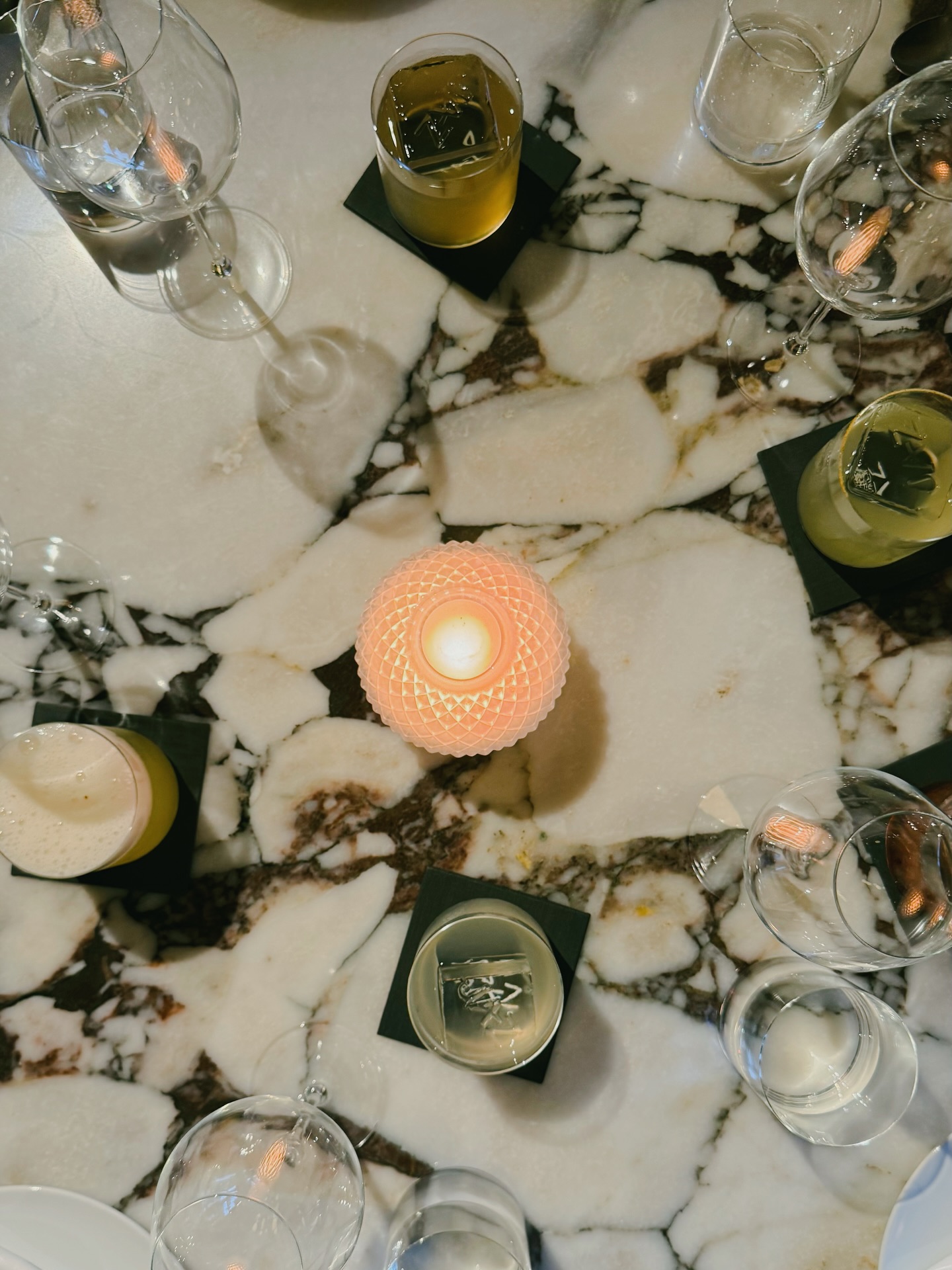
You often speak about the “invisible” factors in the restaurant: the foragers, shepherds, and cheesemakers. In an era of global supply chain crises, how do you evolve the business model of Hiša Franko to ensure these local micro-economies remain resilient?
Through constant and open dialogue, a channel of communication and mutual support. You met Miha, my forager. He has been our exclusive supplier from the valley for 20 years. Yesterday, he explained he couldn’t find the quantity of elderflower I needed for our drinks collection, because the rains made the blossoms too damp and if he cut them, they would rot quickly. Quick adaptation is part of our program. Even at the last minute. If I can’t find the quantities I need, I will change the menu. Sometimes it is much easier to work in a city with large markets than in the isolated corners of the province.
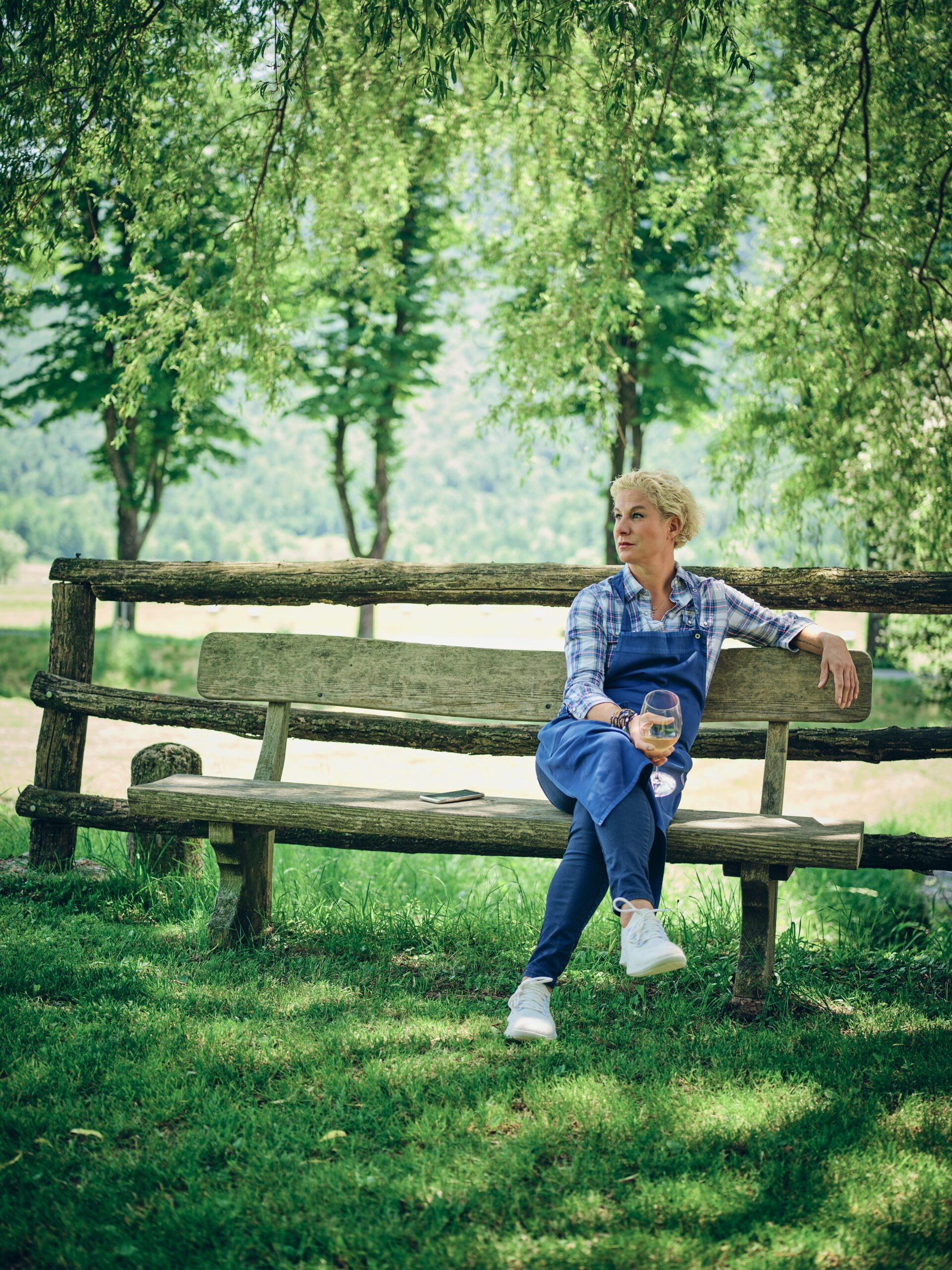
You have essentially put Slovenia on the global gastronomic map. Does that ever feel like a heavy burden? When developing a new dish, do you feel a duty to represent Slovenian identity, or do you consciously detach yourself from the role of “Ambassador” to remain a purely creative chef
I don’t feel a burden of representation because I am very humble, and even today, I work very hard to achieve what I must. I do what I have to do. Alongside my professional career, I am a mother of two wonderful children.
This isn’t a matter of being popular or famous or an ambassador. It is all about the ability to survive, as strange as that sounds. Kobarid is a small, unknown spot on the map. We want our guests to have a good time. We open our house for everyone. I don’t care about reviews or critics, which is why I don’t feel the weight of the word “Ambassador.” My team and I represent the micro-locality of our region, a background that extends to the borders and beyond. When you live so close to the border, it’s hard to define what is “local” and what isn’t. Local is what grows around you. We define as “local” the area the eye can see from the mountaintop although our borders are more artificial, and our culture is mixed up in a culinary manner
You’ve described the Soča Valley as your greatest inspiration. As Hiša Franko has become a global destination, how do you prevent the beauty and “wildness” of the valley’s resources from being tamed to suit a more conservative international audience?
The Soča Valley is one of the most beautiful regions in Europe, a national park that must be protected from the scourge of over-tourism, whether gastronomically, environmentally, or culturally. This is something I speak loudly about in my lectures. Ten years ago, the valley had a positive evolution with visitors who respected its identity. Today, the number of tourists, especially in summer, is excessive. The quality is declining, and our valley is starting to lose its character. I think the ideal environment now for Hiša Franko to continue its current path would be towards the Istrian countryside in Croatia, an environment better suited to support the sustainability, marketing strategy and long-term growth of the restaurant.
With your more recent project, JAZ by Ana Roš, you have moved toward an “urban comfort” style of dining. Is this shift a way to communicate with a broader audience who might never make the trip to Kobarid?
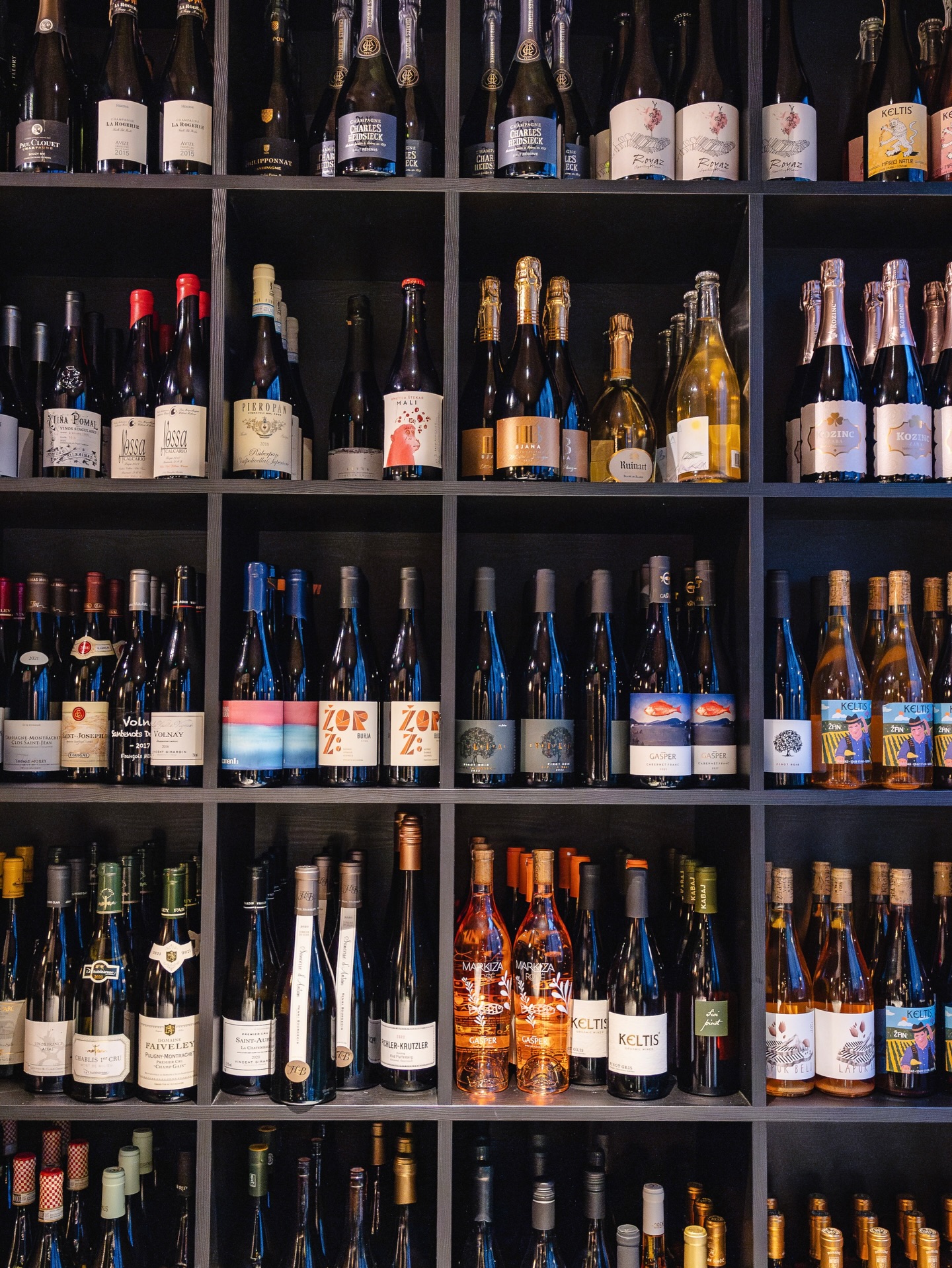
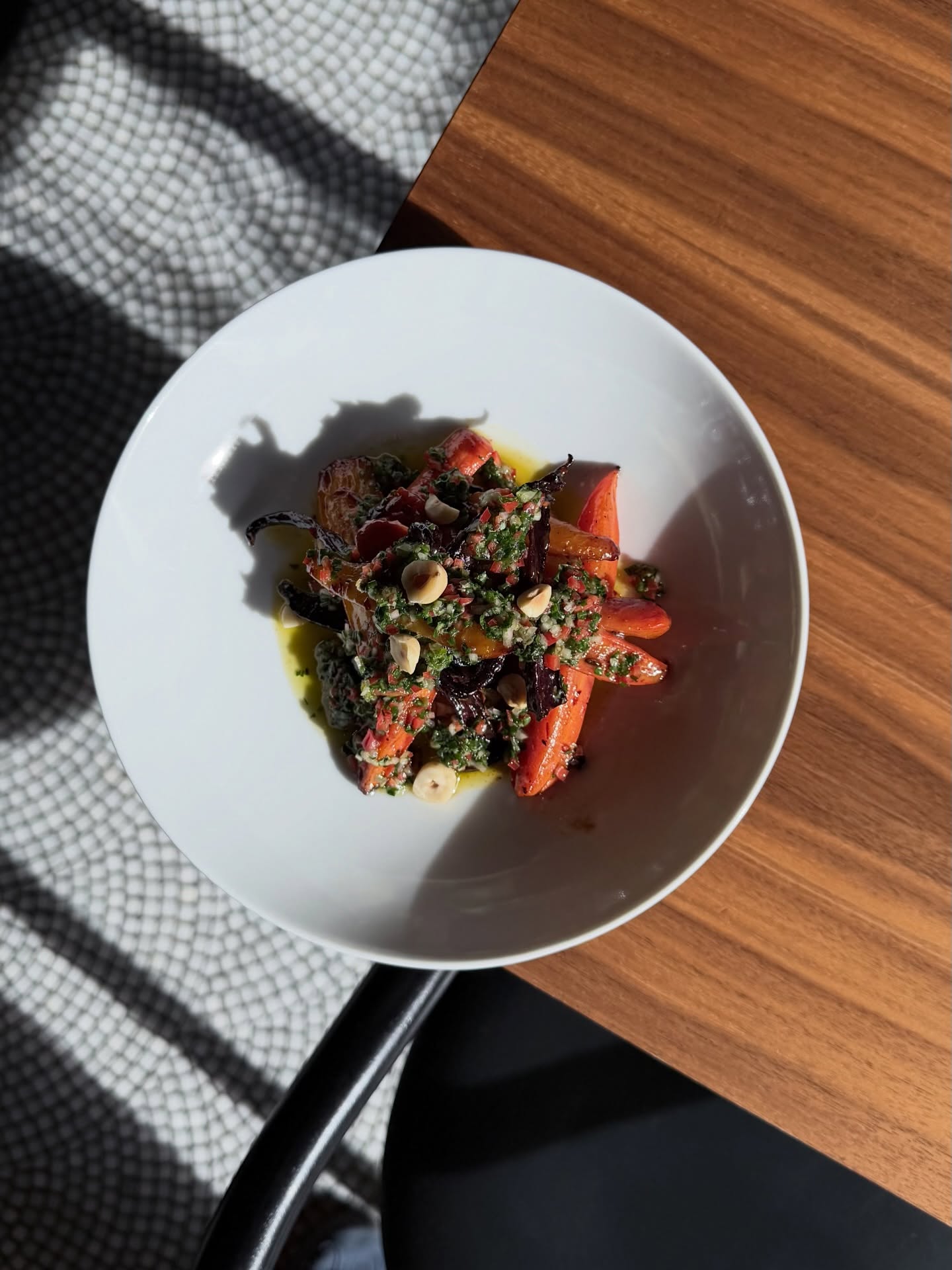
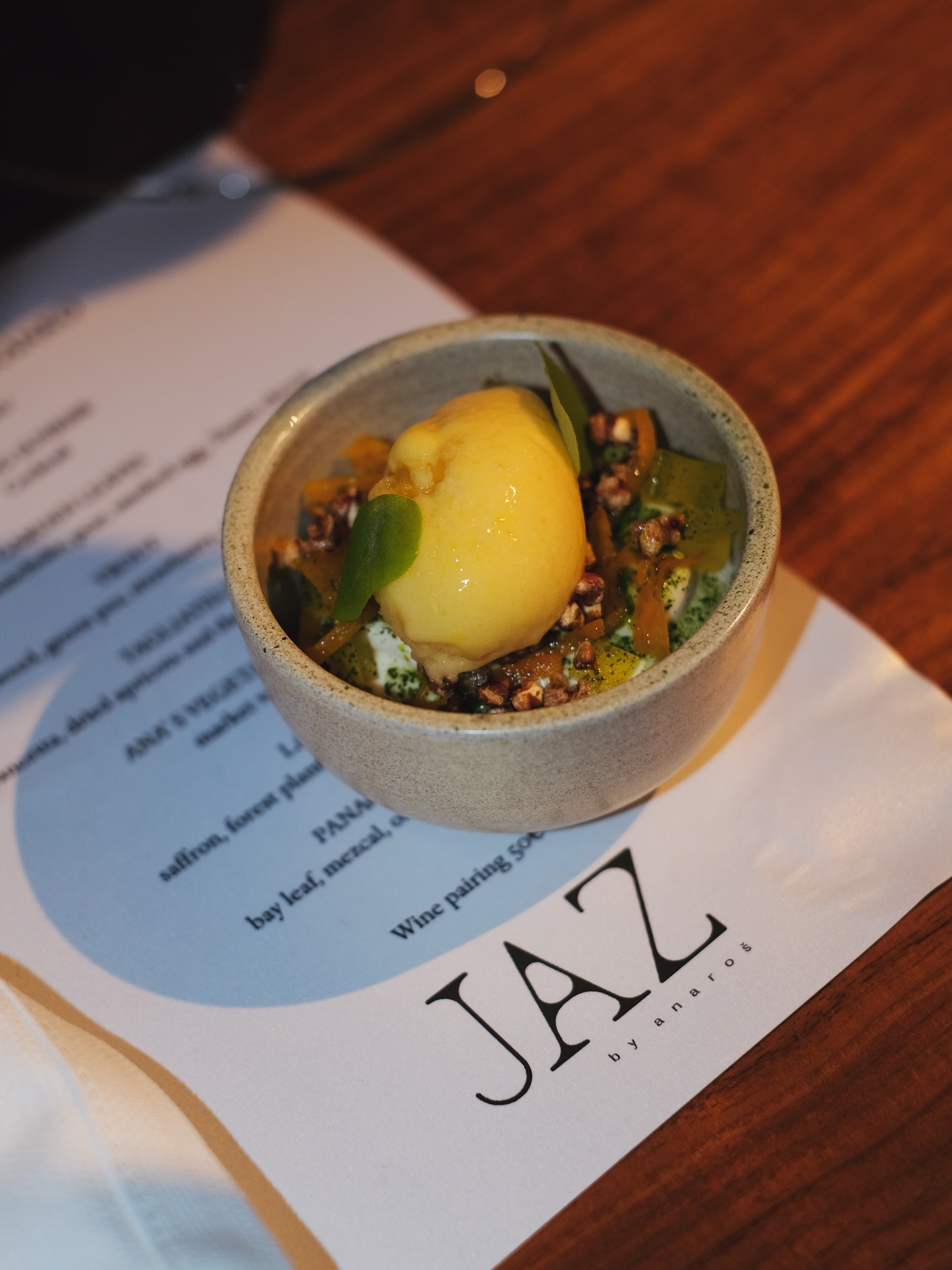
The idea was born from the need for something more accessible to the many people who cannot visit Hiša Franko but would love to taste our cuisine. So, I decided to offer them exactly what I would want to eat every day. Super delicious food with top-quality ingredients based exclusively on local producers. Seasonal dishes at reasonable prices. Great cocktails and superb wines from Slovenian wine producers.
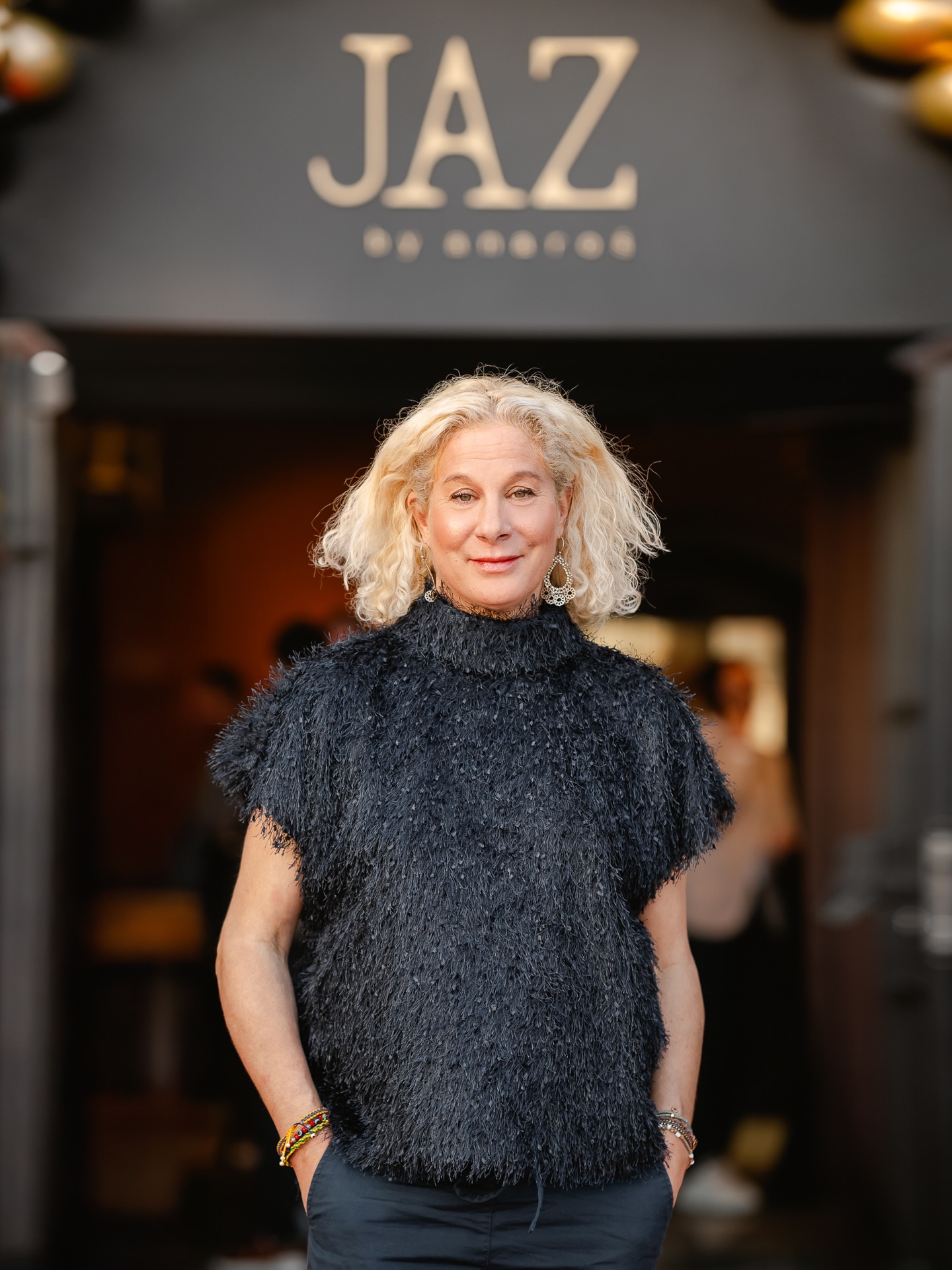
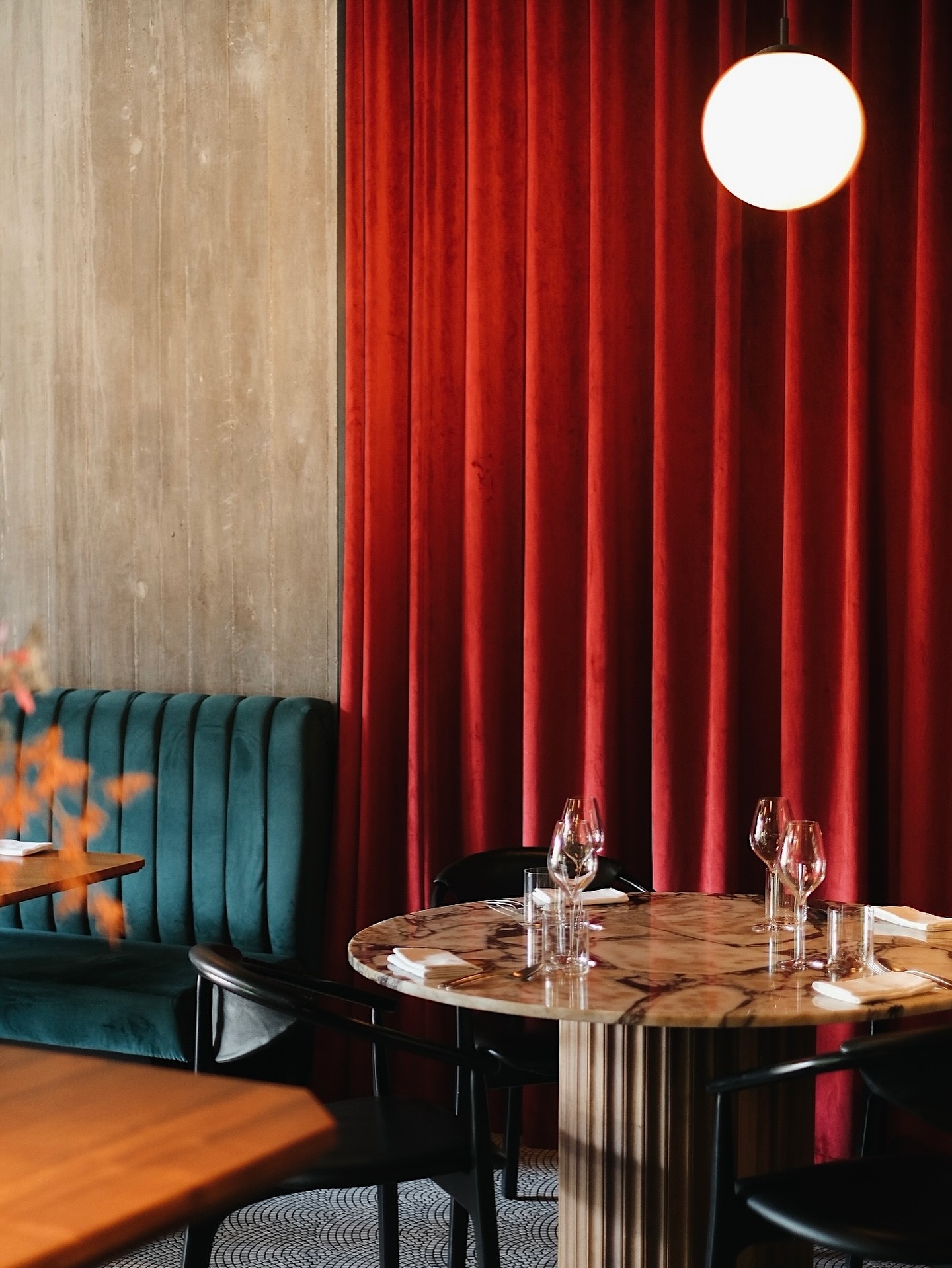
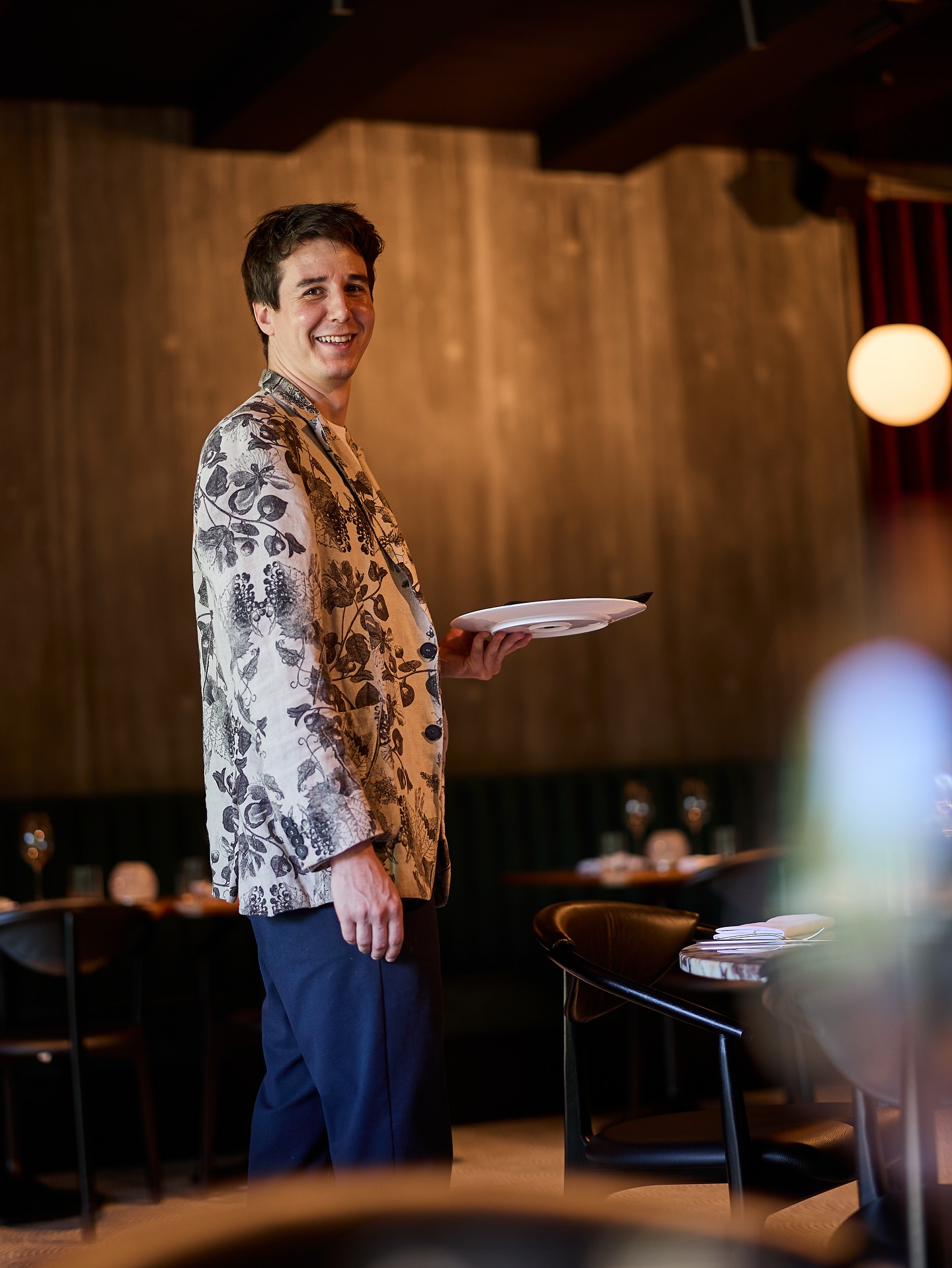
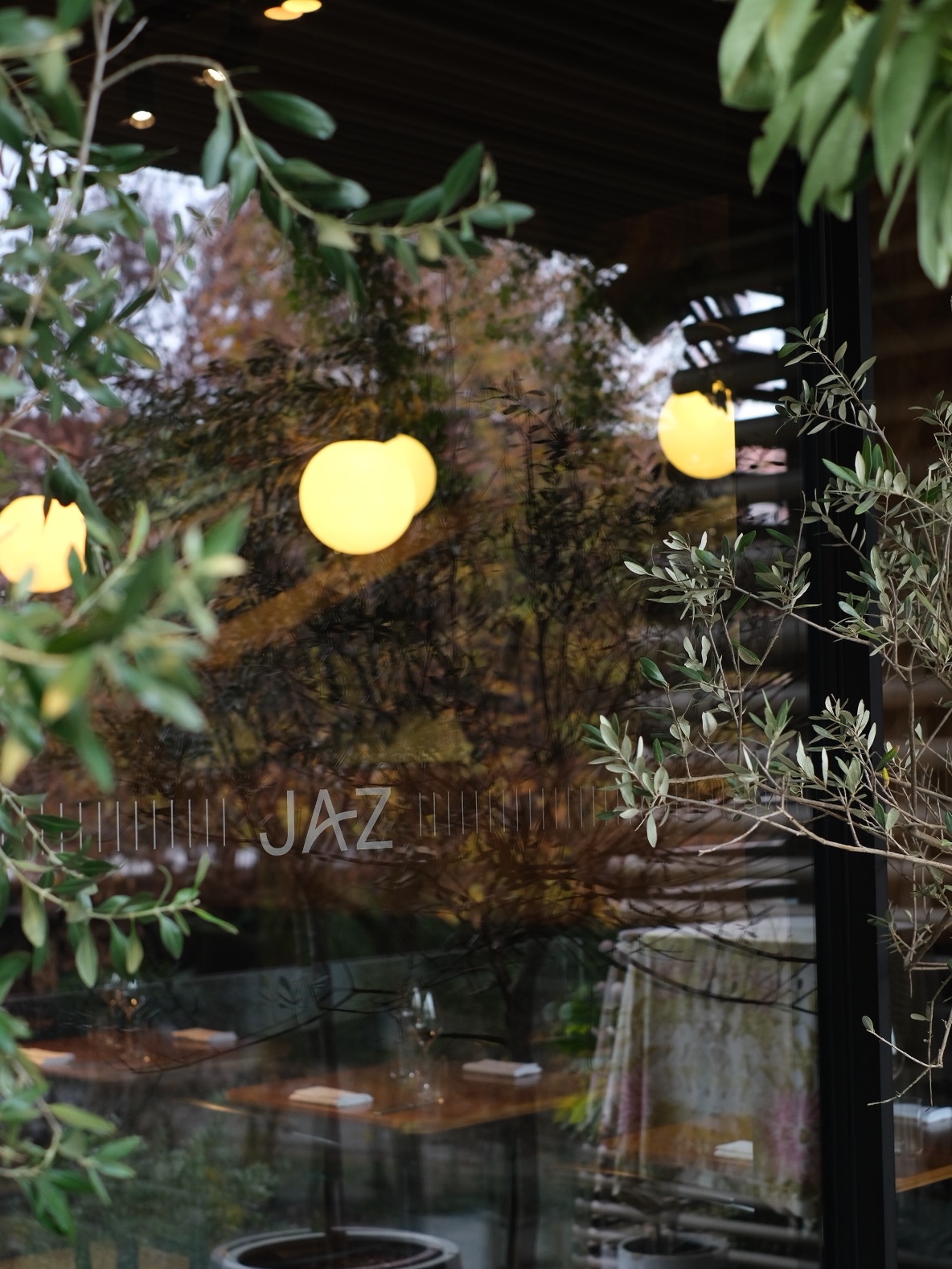
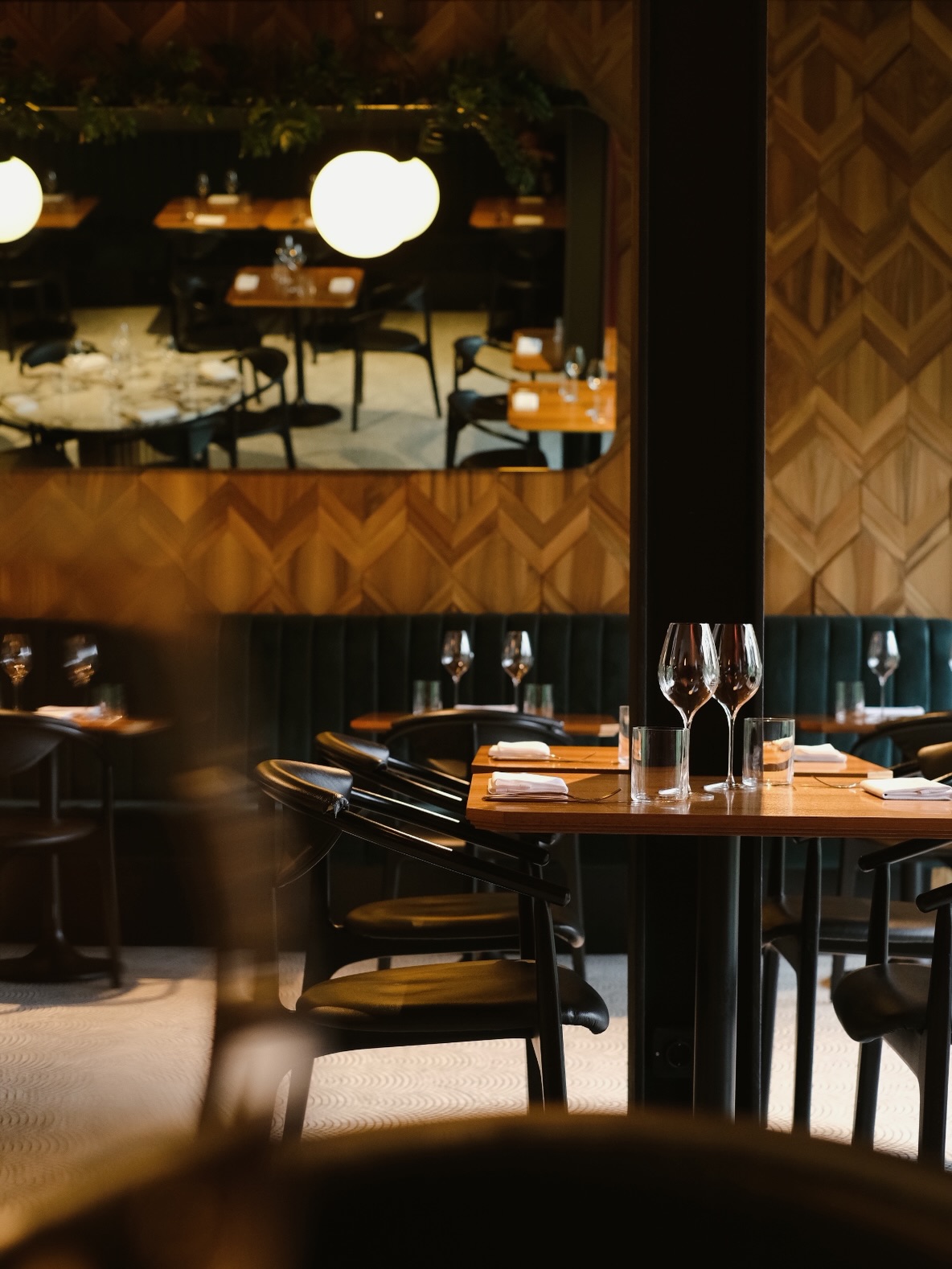
Entering JAZ in Ljubljana or Istria is like walking into my living room. It’s relaxed, unpretentious, with beautiful service, live music, and warm evocative lighting. No worrying about set menus or fine dining, just sharing and enjoying with your friends, your partner or simply in your own company. I don’t like the term “bistro” I find it confusing. It often hides too many secrets. That’s why I call JAZ a Young Dining Concept. By young I don’t mean age. I mean a state of mind, a vibrant atmosphere built entirely on having a good time.
Having reached the pinnacle of three Michelin stars recognition, how do you balance the intense discipline required for this level with the feminine energy and empathy you advocate for in your leadership?
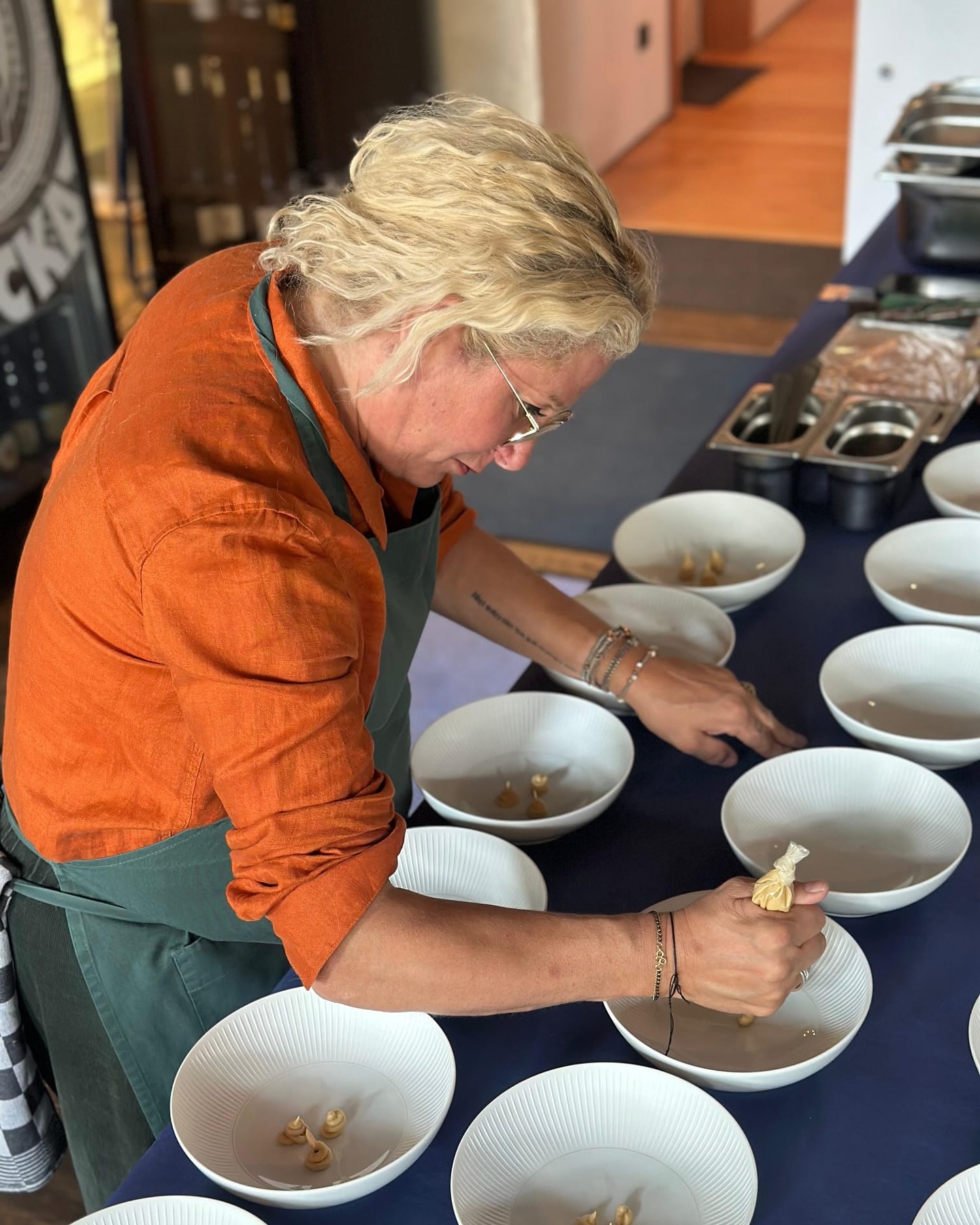
Ι’m a mother by definition. My two children work here at JAZ. My son has finished the ‘’Slow Food University’’ officially known as the University of Gastronomic Sciences in Pollenzo. For me, handling people is synonymous with handling my children. Sometimes you need to use words to explain that things are not ok, but normally peace and quiet is my primary concern along with the phrase “we follow the rules.” Often, I sit here in the lounge and talk with my staff. I give people many opportunities, but over the years I’ve also learned how to fire. I ve learned the right way to tell someone, “That’s enough. Thank you for everything.” But before I reach that point i will have given many chances. The head chef of Hiša Franko once received her last chance from me, and with that chance, we gained the three stars.
Ana Roš is now a global personality thanks to Netflix Chef’s Table and the Michelin Guide. However, what is the one thing about Slovenian gastronomy that you feel international media still gets wrong or doesn’t fully understand?
Slovenia lacks a cohesive communication plan. There is huge potential in the country but a small footprint in terms of PR and strategy. A few years ago, we had only one-star restaurants, then Hiša Franko got two, then Milka appeared with two, and we received our three stars. Two million inhabitants with this number of stars are a fantastic achievement. However, our traditional taverns need improvement, and the country needs to strengthen its communication. Who we are, what we produce, what our heritage is. Chef’s Table provided the spark and the importance of showing our gastronomy to the world but now we need a national line of communication for gastronomy. At an event in Germany, a journalist once asked me, “Are you from Slovakia?” Abroad, everyone knows everything about Hisa Franko, about me, my studies, and my family, but they still can’t quite place which country I come from.
Finally, is there a specific taste from your childhood, perhaps something your grandmother made that you are still trying to decode or perfect for your menu today? Is there a flavor you are still chasing?
The two strongest memories come from our home and my childhood era. My father, a doctor and a hunter, used to take us to the mountains with him. We stay there for long time along with shepherds, milking cows together, and make cottage cheese in a wooden barrel, eating it fresh right from the barrel. I think you tried our cottage cheese at Hiša Franko.
The second memory which is as strong as the first, takes me back to our stone house in Istria, Croatia. I remember my sister and me collecting shells with a net by hand. We’d return home to find my father pulling out “treasures” from his bag, goodies the locals gave him in exchange for his medical services. Those treats are a powerful memory. I can still taste the salted melon my mother used to give us.
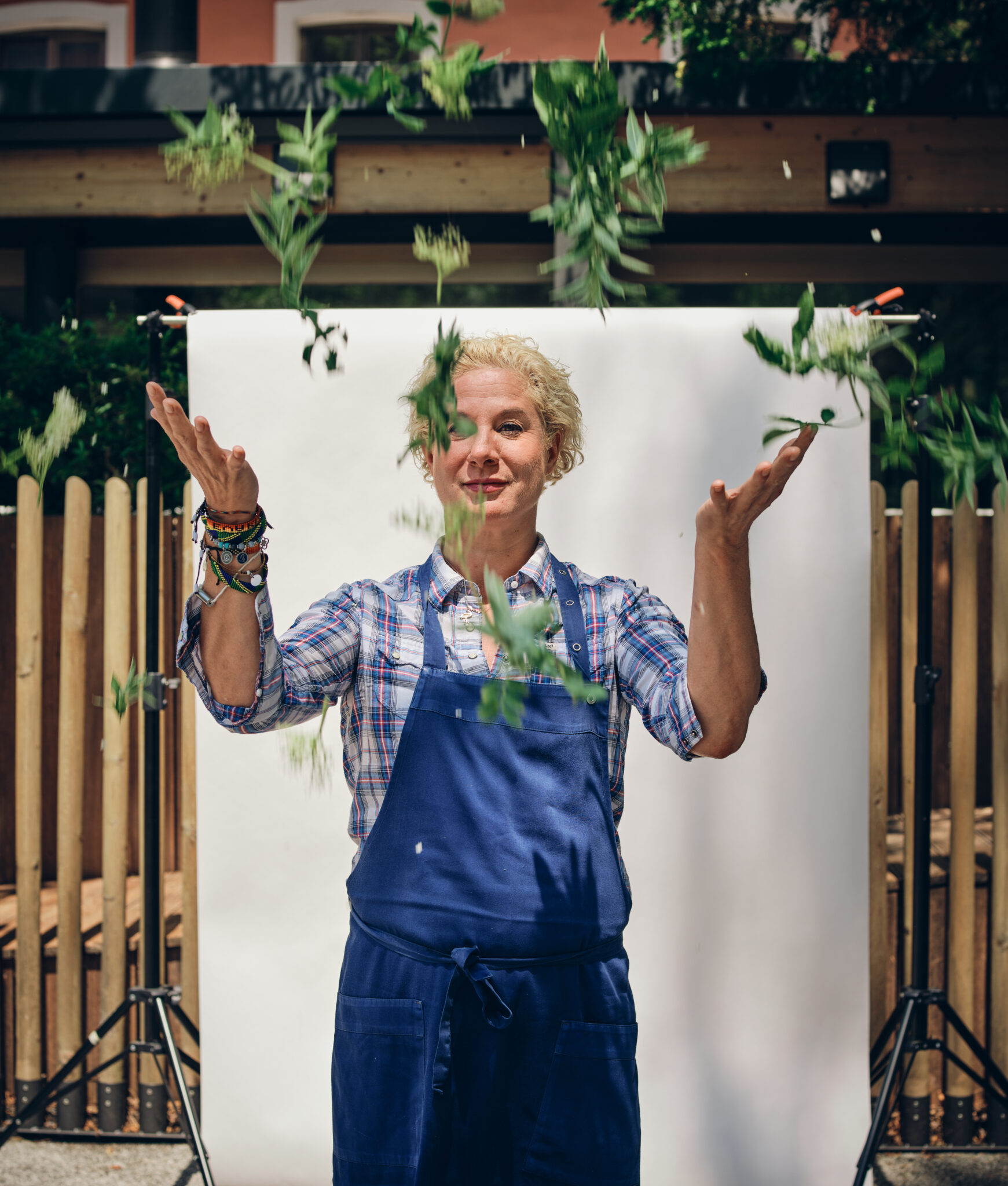
Thus concluded my interview with chef Ana Roš. Having already experienced the magic of Hiša Franko, I realized that few kitchens on the planet reflect the personality and soul of their creator as profoundly as hers.


