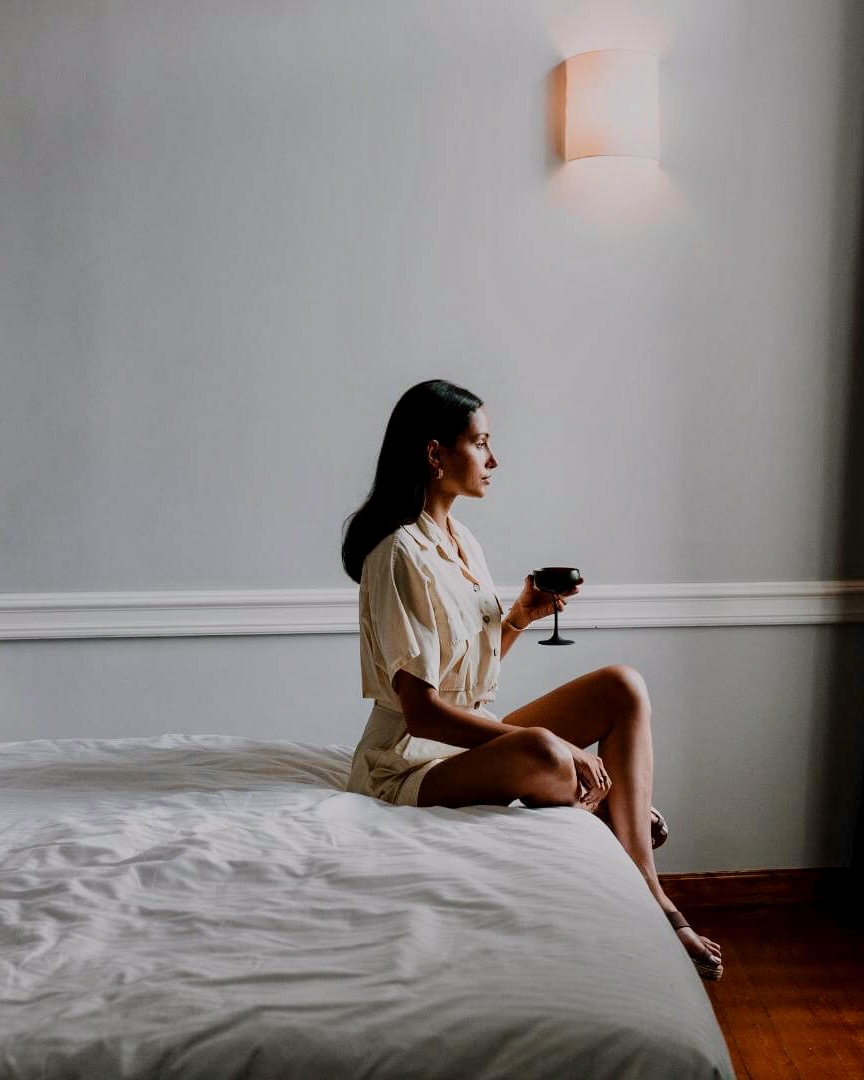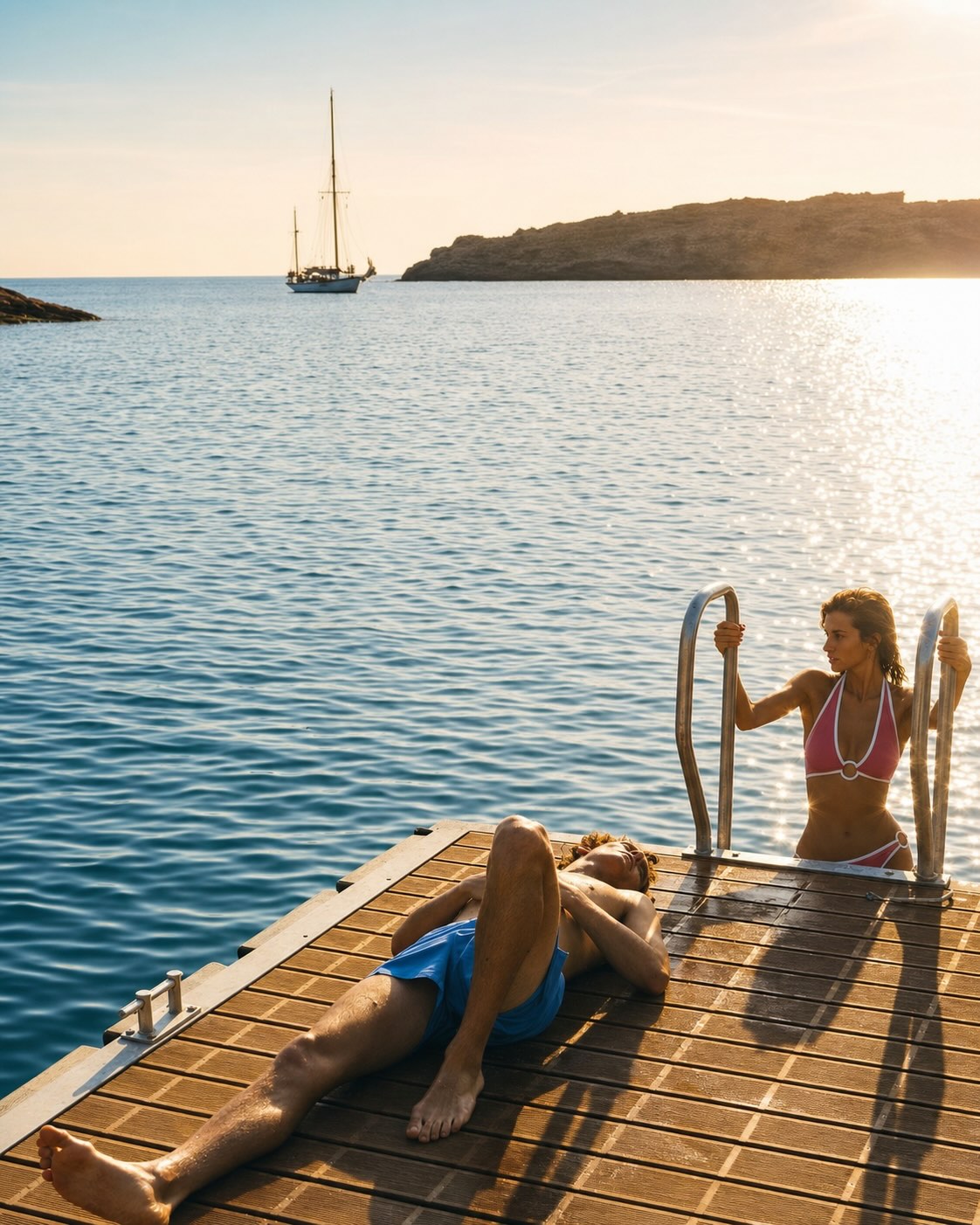



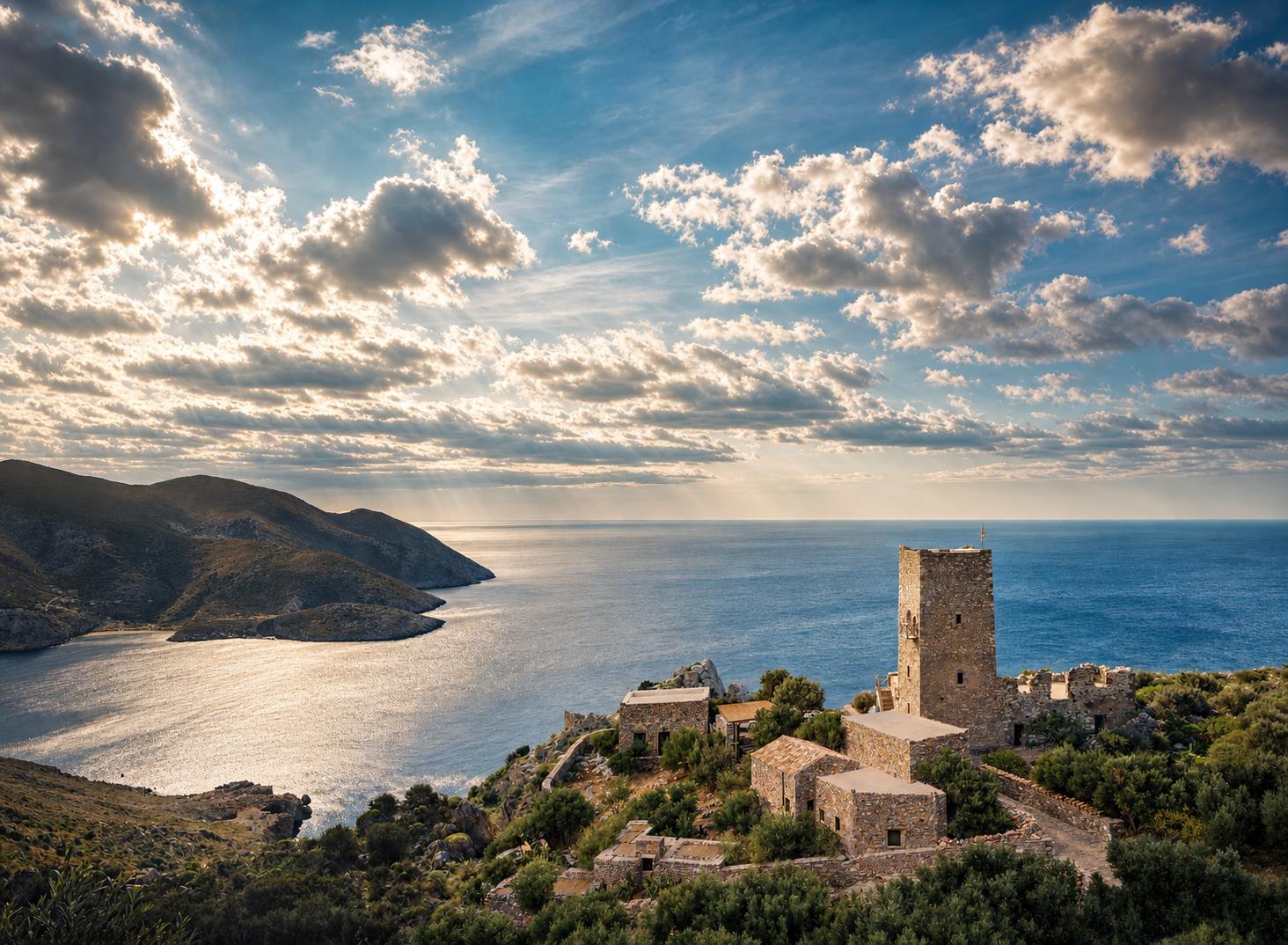
There is a kind of Greek hotel that does not announce itself with scale. It may be a restored tower above the Mani sea, a neoclassical mansion in Syros, a windmill on Kimolos, or a small stone settlement in the Cretan mountains.
Its luxury is not in spectacle, but in proportion: the right linen against old stone, a terrace placed exactly where the light falls, a breakfast that tastes of the surrounding land, a path that leads from the room to the sea, the village square or the wilderness beyond.
These are not resorts in miniature. They are small, atmospheric places with character, design intelligence and a strong relationship with their setting. Some are barefoot and salt-edged; others are urban, mountainous or quietly aristocratic. What they share is intimacy: a sense that someone with taste, patience and affection has thought carefully about how a guest should arrive, sleep, wake and remember.
👉🏻 What is barefoot luxury?
Barefoot luxury is comfort without stiffness. It usually means beautiful design, privacy, natural materials, thoughtful service and a strong connection to the landscape, without the formality of a grand resort. In Greece, it often looks like stone, linen, sea air, outdoor showers, long breakfasts, quiet paths to the water and places that feel luxurious because they are simple, personal and deeply rooted in where they are.
01
Shila, Athens
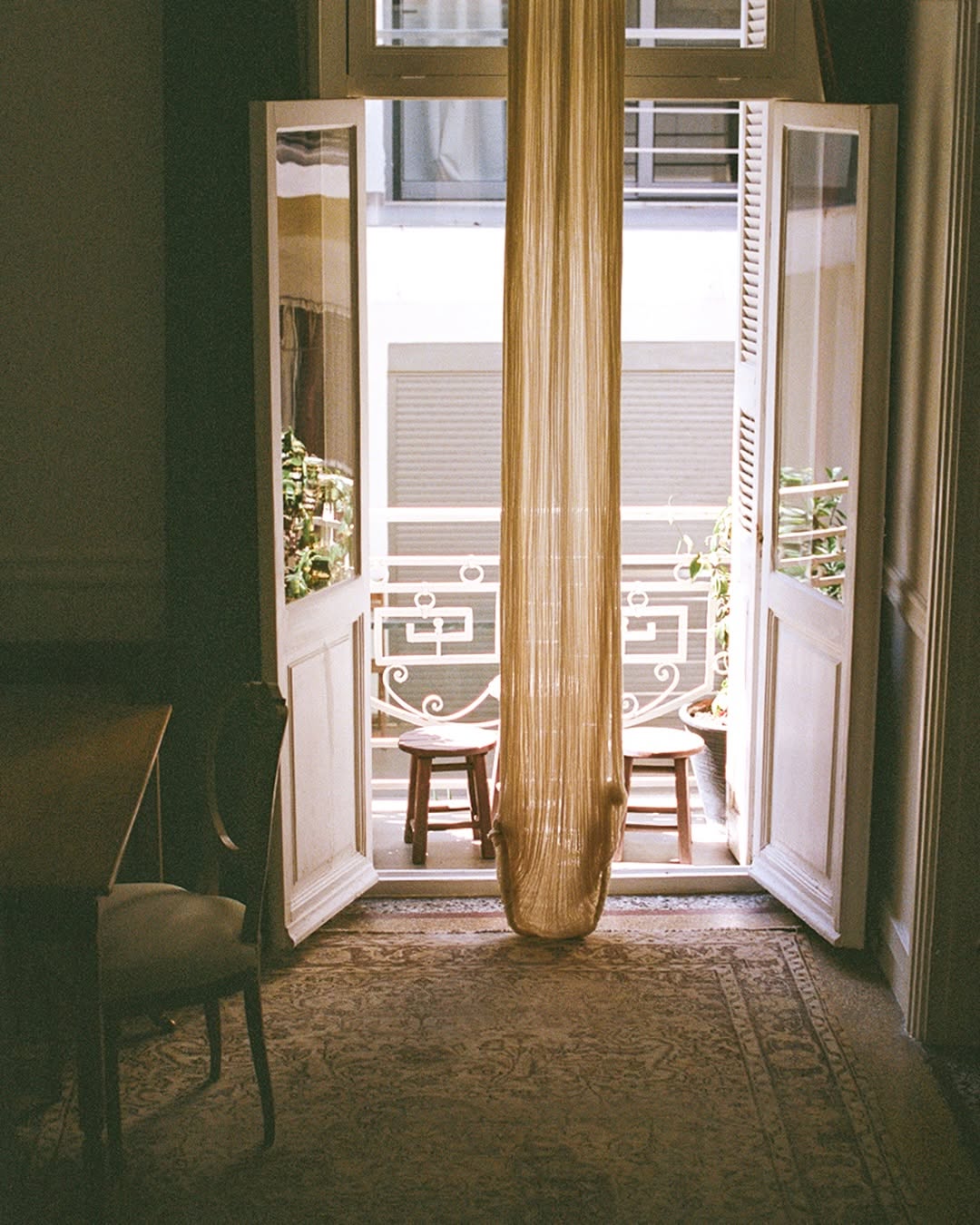
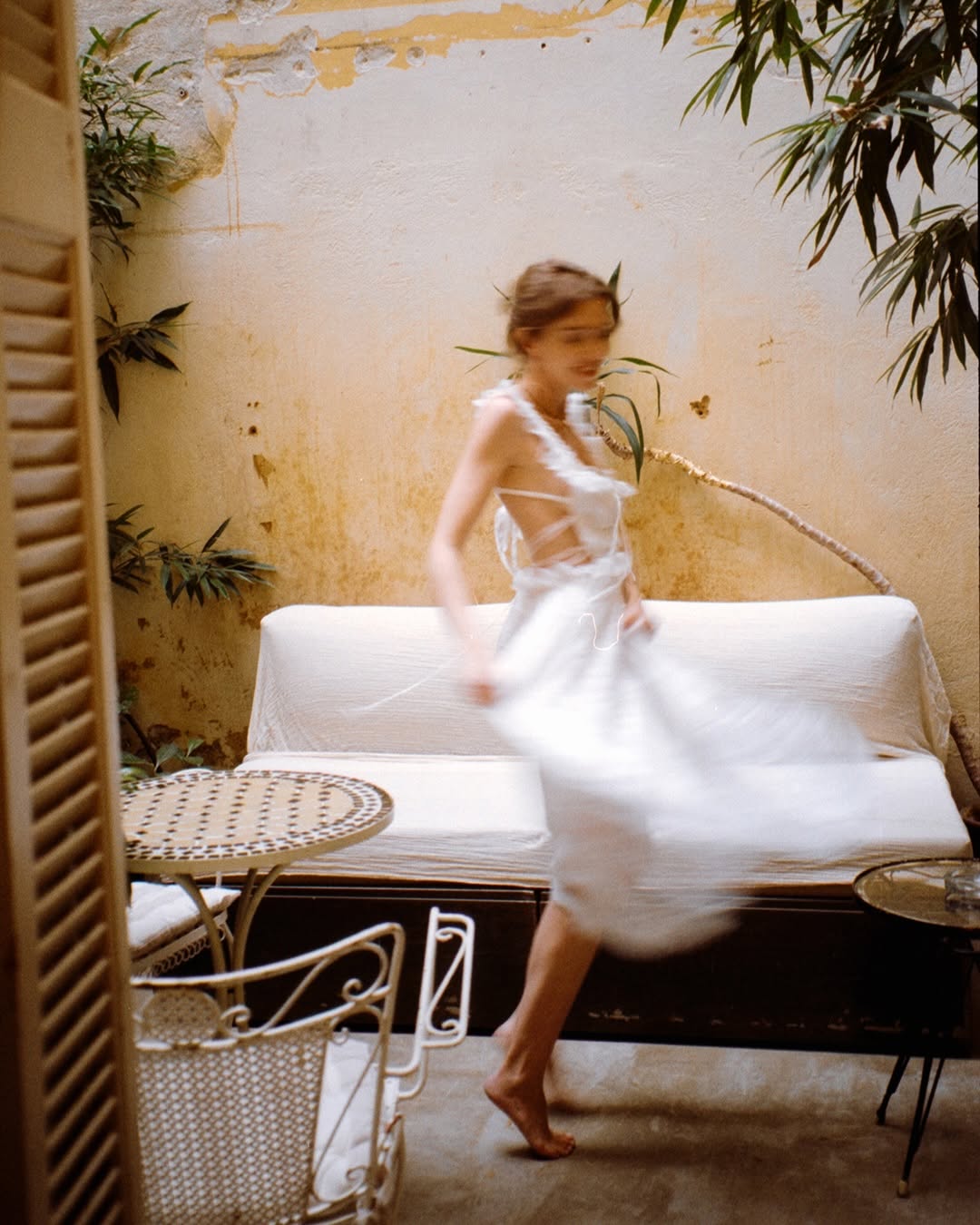
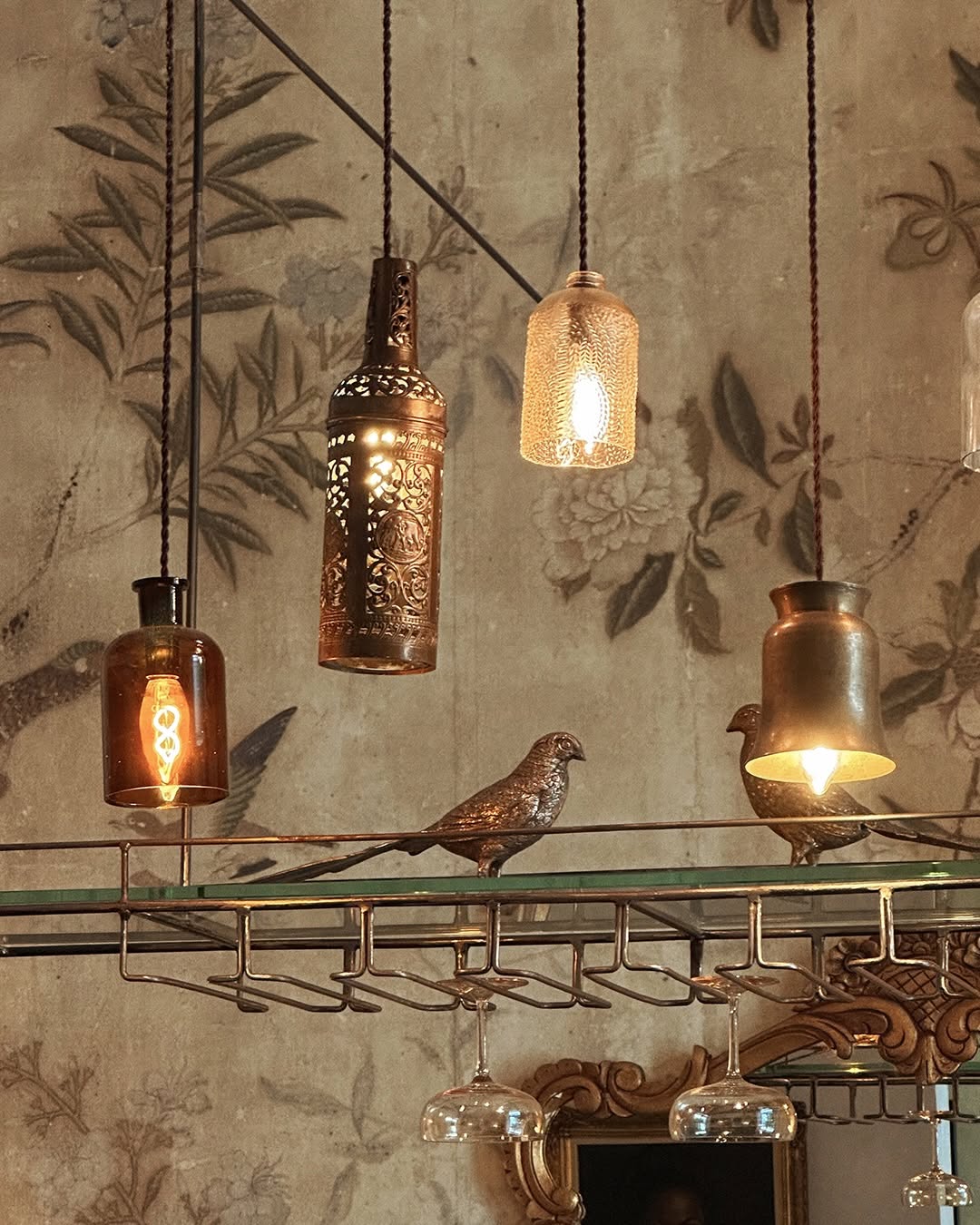
Behind a discreet Kolonaki door, this boutique hotel feels less like a hotel than the Athens apartment of a fascinating friend who collects art, old mirrors, tactile fabrics and stories. The late-1920s residence sits on Mantzarou Street, close enough to the capital’s museums, galleries and restaurants to make the city feel immediately available, yet quiet enough to retreat from it. Its suites are individual in mood, with garden-facing rooms, rooftop spaces and an atmosphere that favors sensuality over polish. The pleasure here is in the in-between hours: coffee taken slowly before the day’s first museum, a pause beneath the plants, returning in the evening to a house that seems to soften the pace of Athens around you.
Kolonaki, Athens (Attica)
02
Tainaron Blue Retreat, Mani
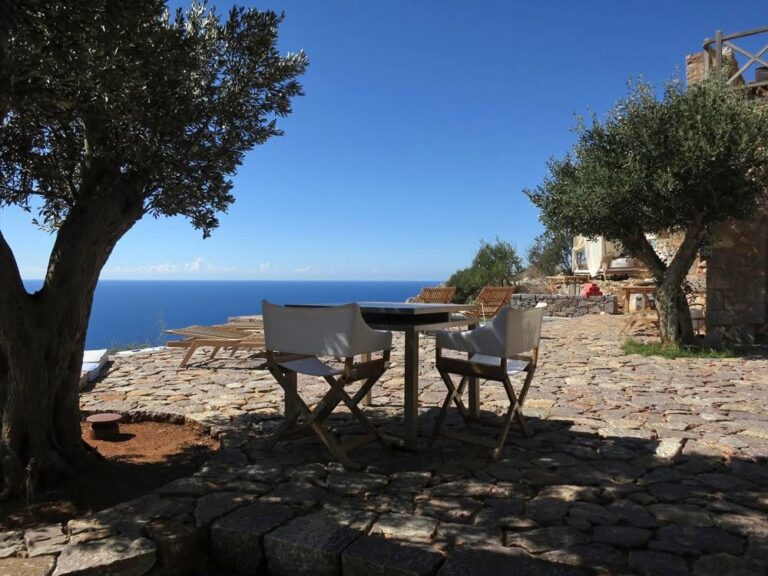
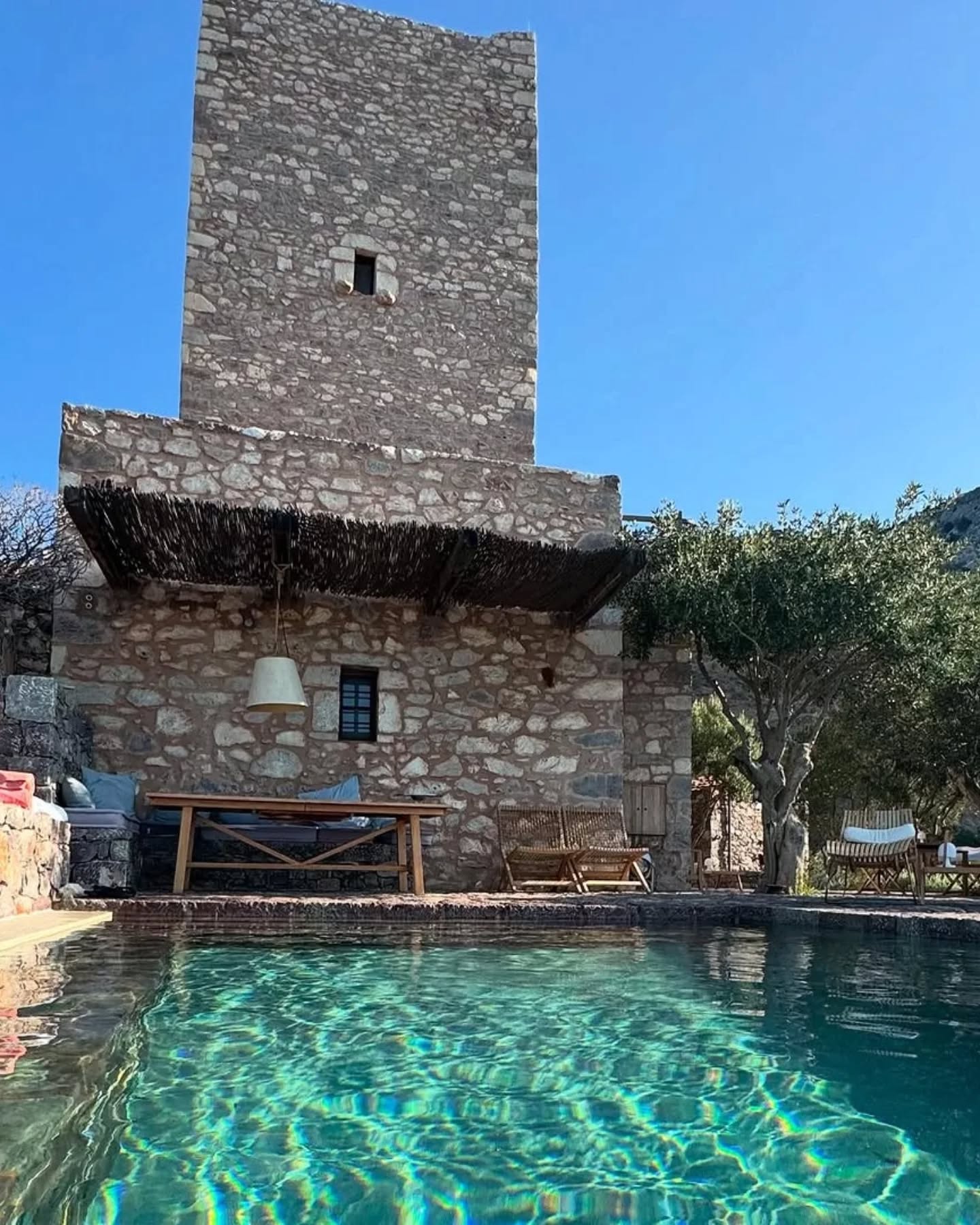
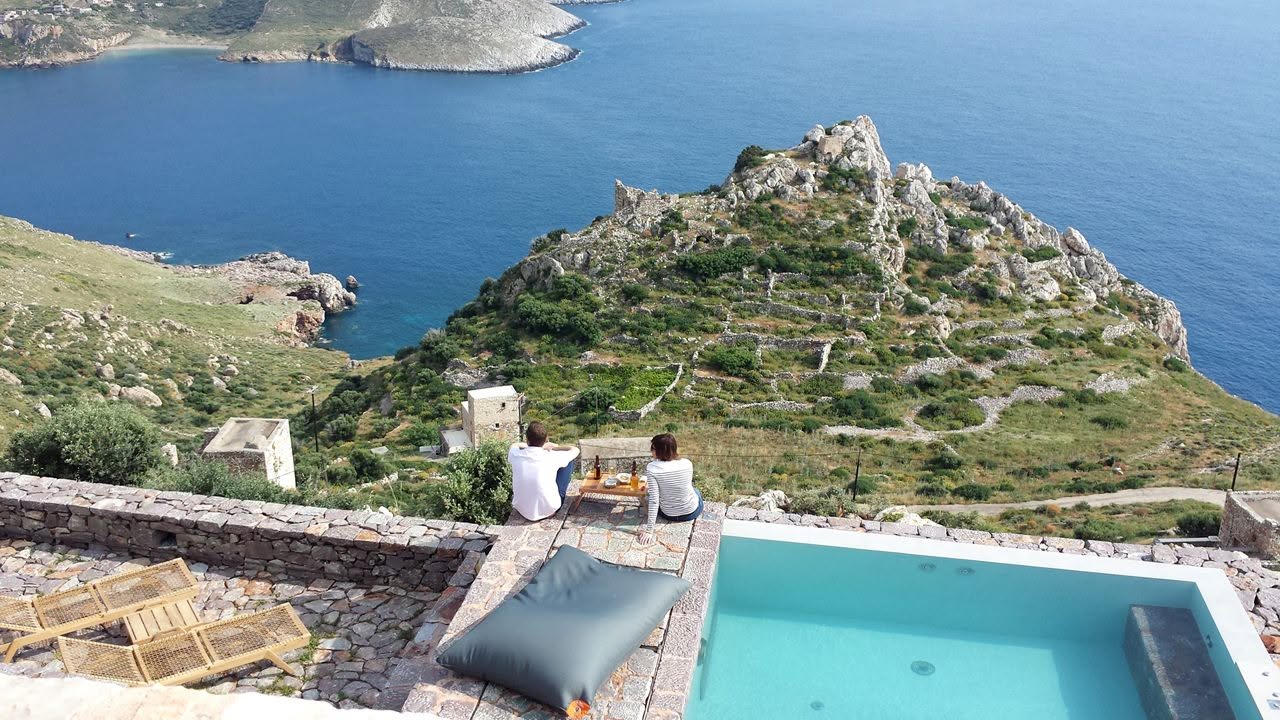
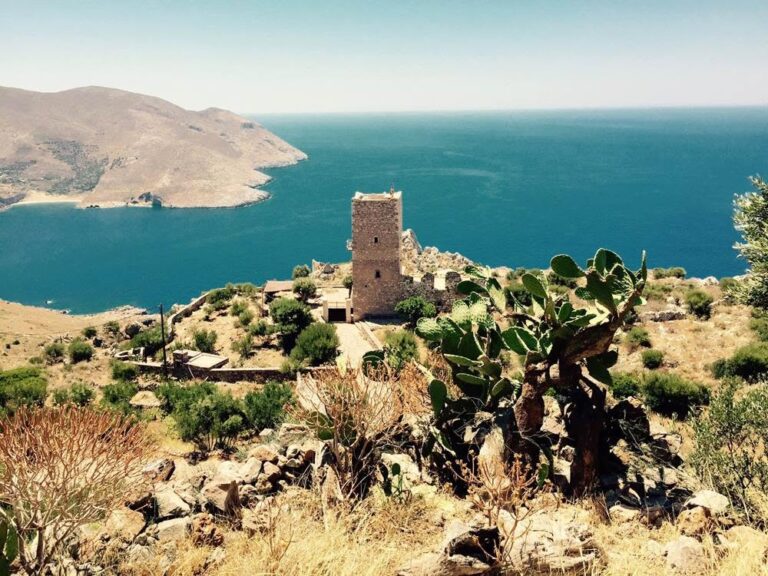
At the southern edge of the Peloponnese, where Mani becomes almost mythic in its austerity, the hotel occupies an early 19th-century stone tower with views over the slopes of Taygetos and the sea. The building has the vertical gravity of the region’s old fortified architecture, but inside the mood is softened by light, texture and silence. Days here begin with the kind of horizon that makes small talk unnecessary. The pool is small, the scale intimate, the landscape immense: dry stone, thorny shrubs, wind, sky and the blue line of the water below. It is not a hotel for those who need distraction. It is for travelers who understand the luxury of remoteness, of sleeping inside history, and of feeling the Greek mainland reach its last dramatic point before the open sea.
Vathia (near Cape Tainaron), Laconian Mani (Mésa Máni / “Inner Mani”)
03
Pirgos Mavromichali, Mani
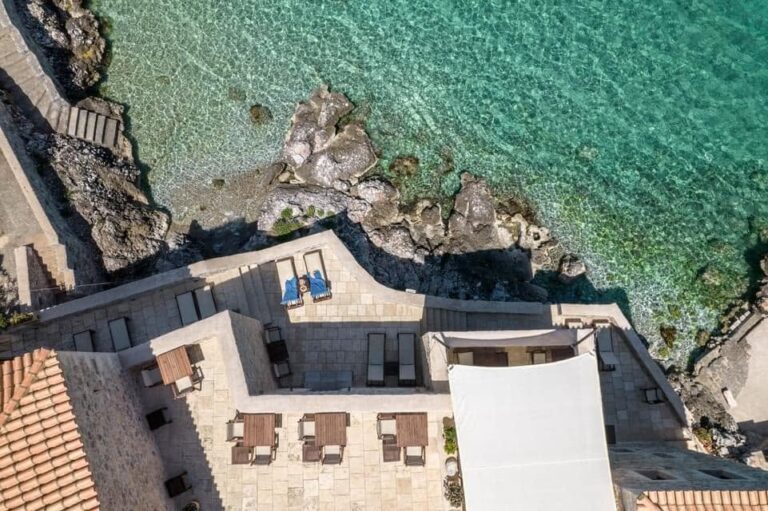
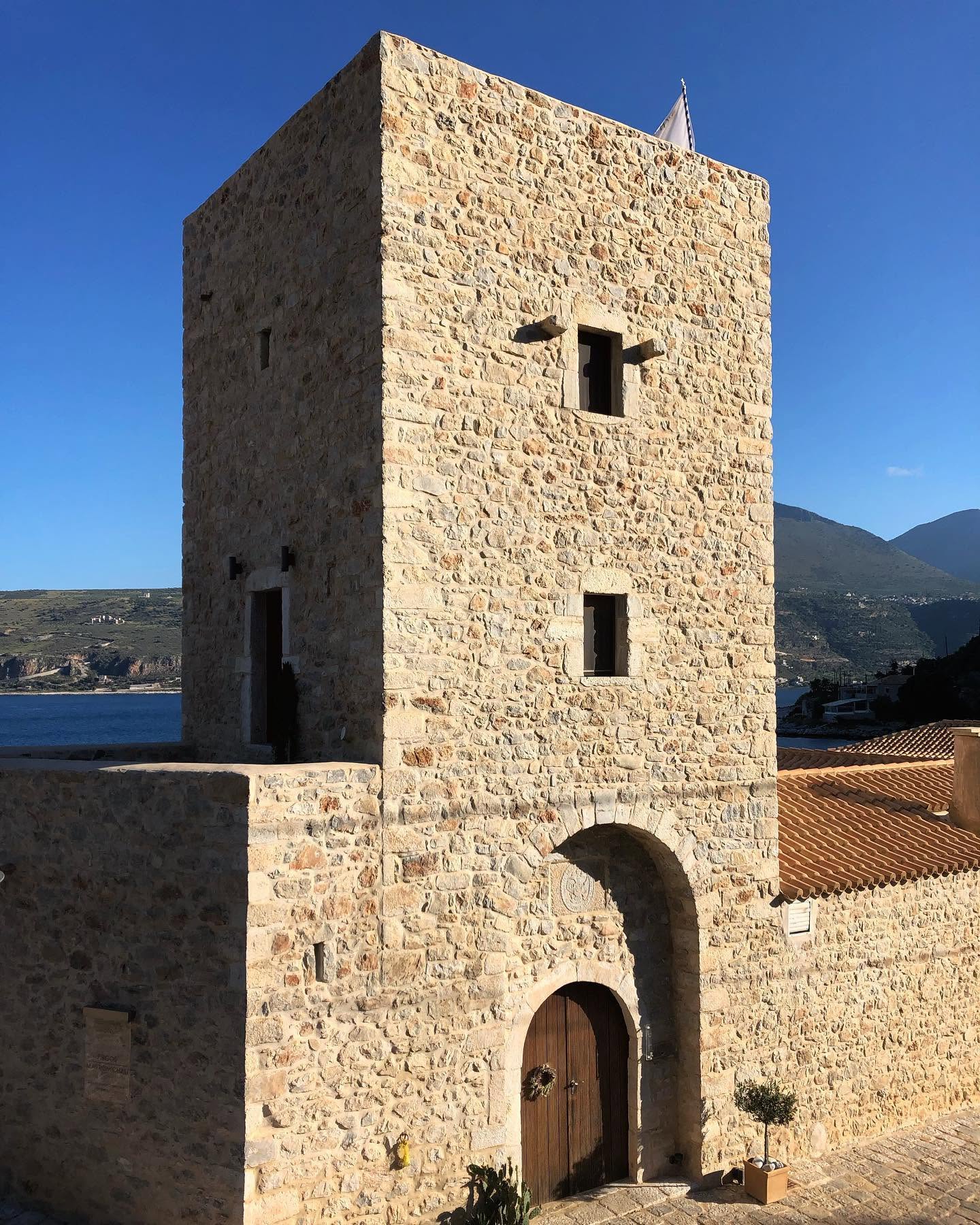
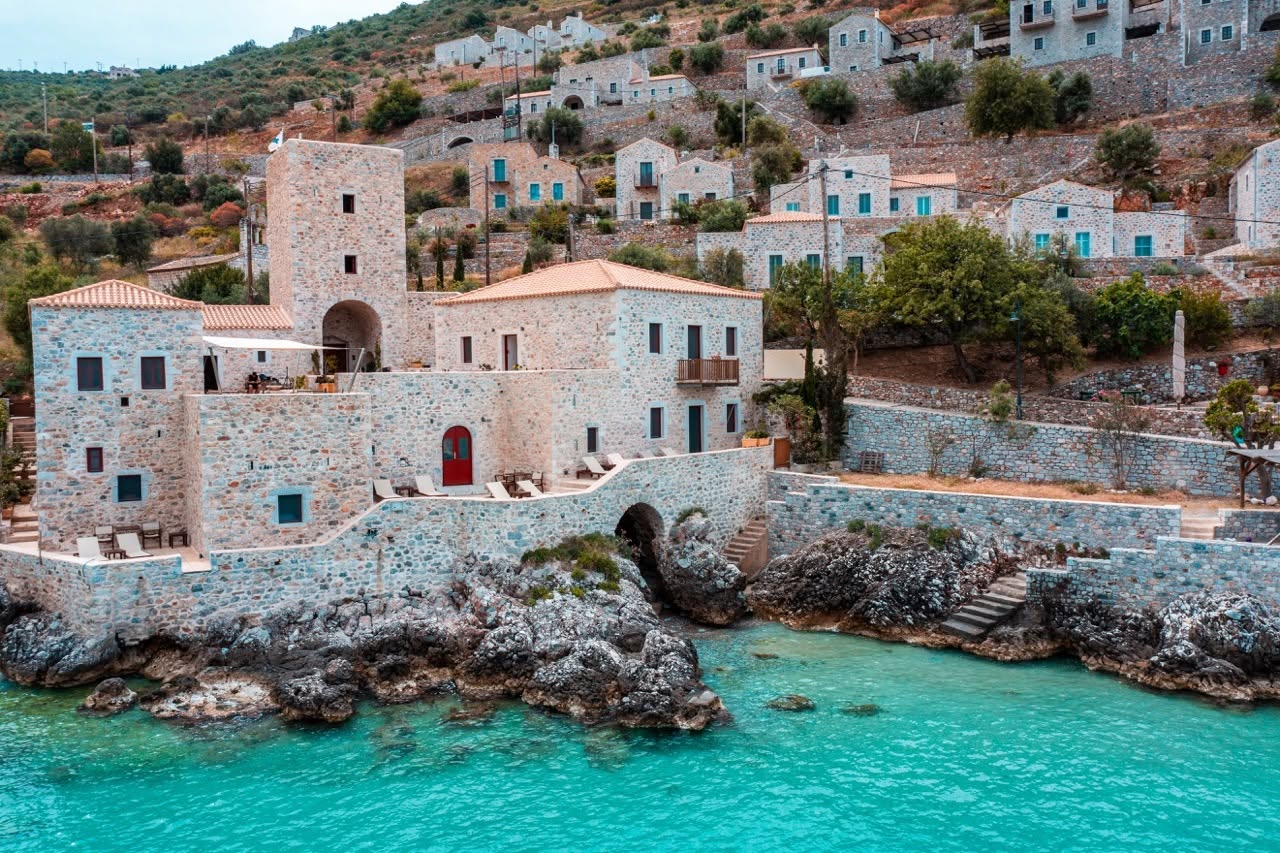
Limeni is all clear water and hard Mani stone, and Pirgos Mavromichali belongs to it completely. Set on the historic harbor, the restored 18th-century tower looks across the bay with the composure of a house that has seen generations pass. There is nothing showy here, which is precisely the appeal. The rooms are shaped by the building’s bones; the mood is restrained, local, almost private. Step outside and the sea is there immediately, bright and glassy in the morning, darker and more theatrical by dusk. The wider Mani is within easy reach – Areopoli, Gerolimenas, the tower villages, the road south – but the hotel’s strongest argument is Limeni itself: a place where a swim before breakfast or a late drink by the water feels less like an activity than a small rite.
Limeni (near Areopoli), Laconian Mani (Mésa Máni / “Inner Mani”)
04
Kea Retreat, Kea
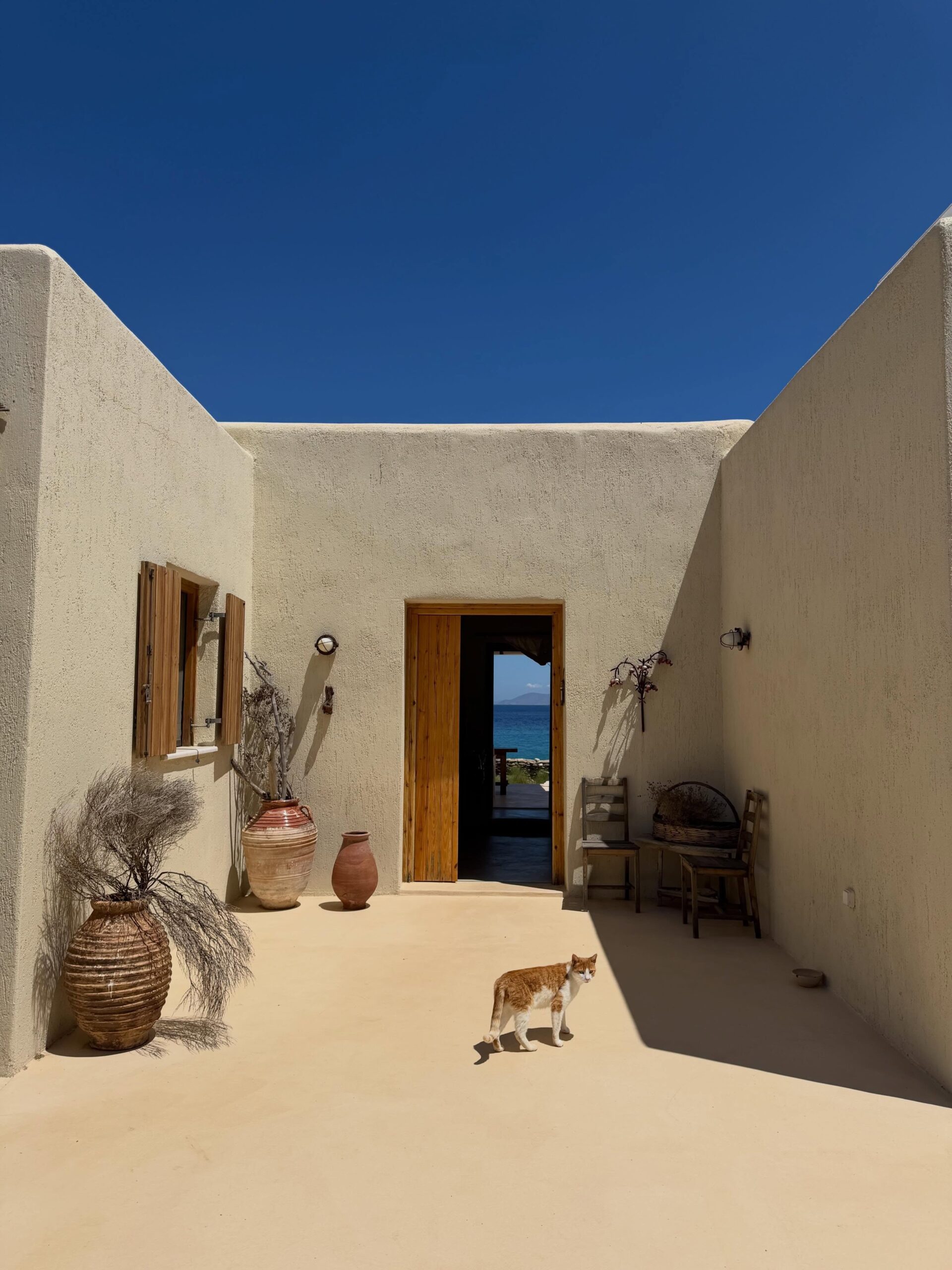
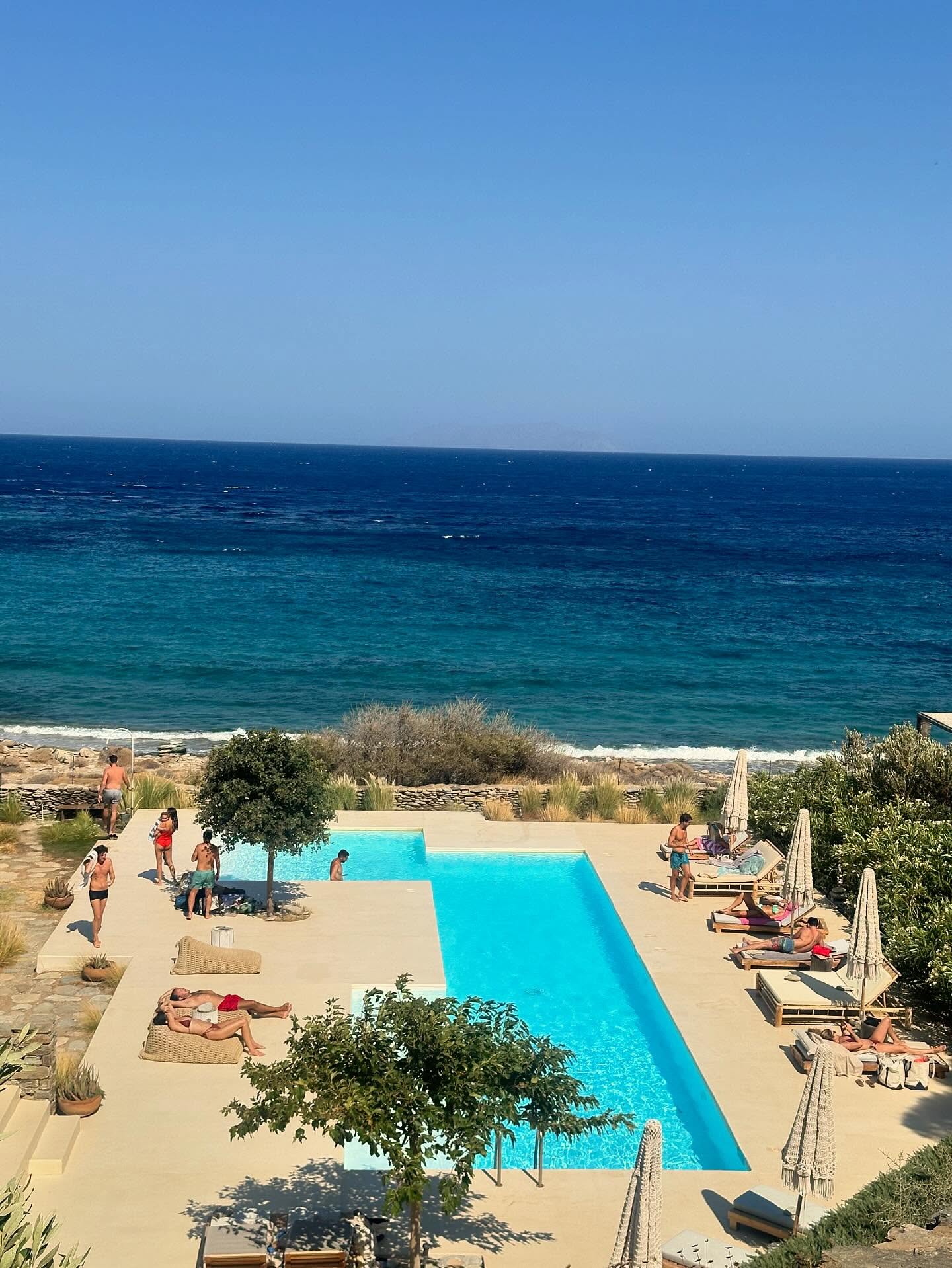
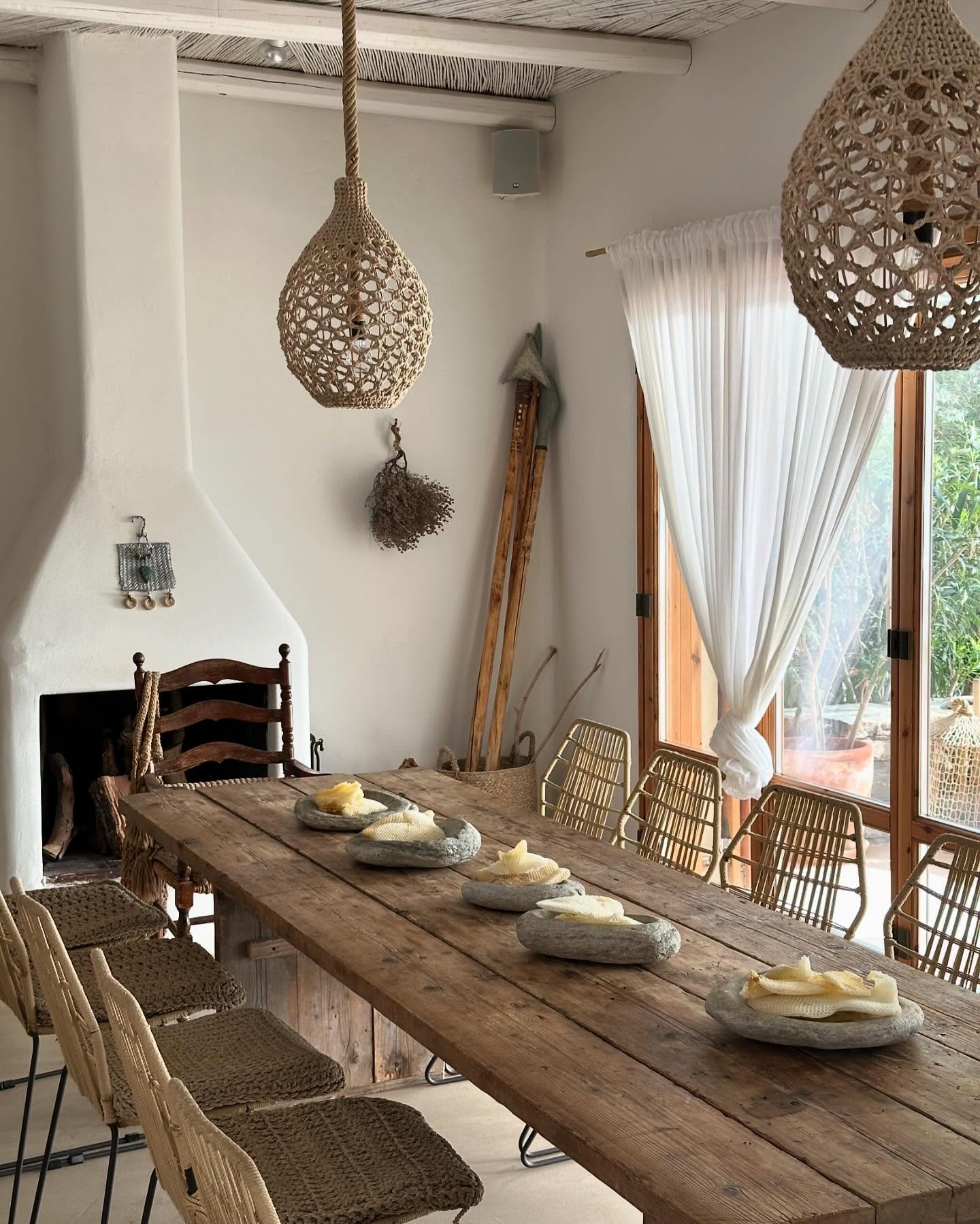
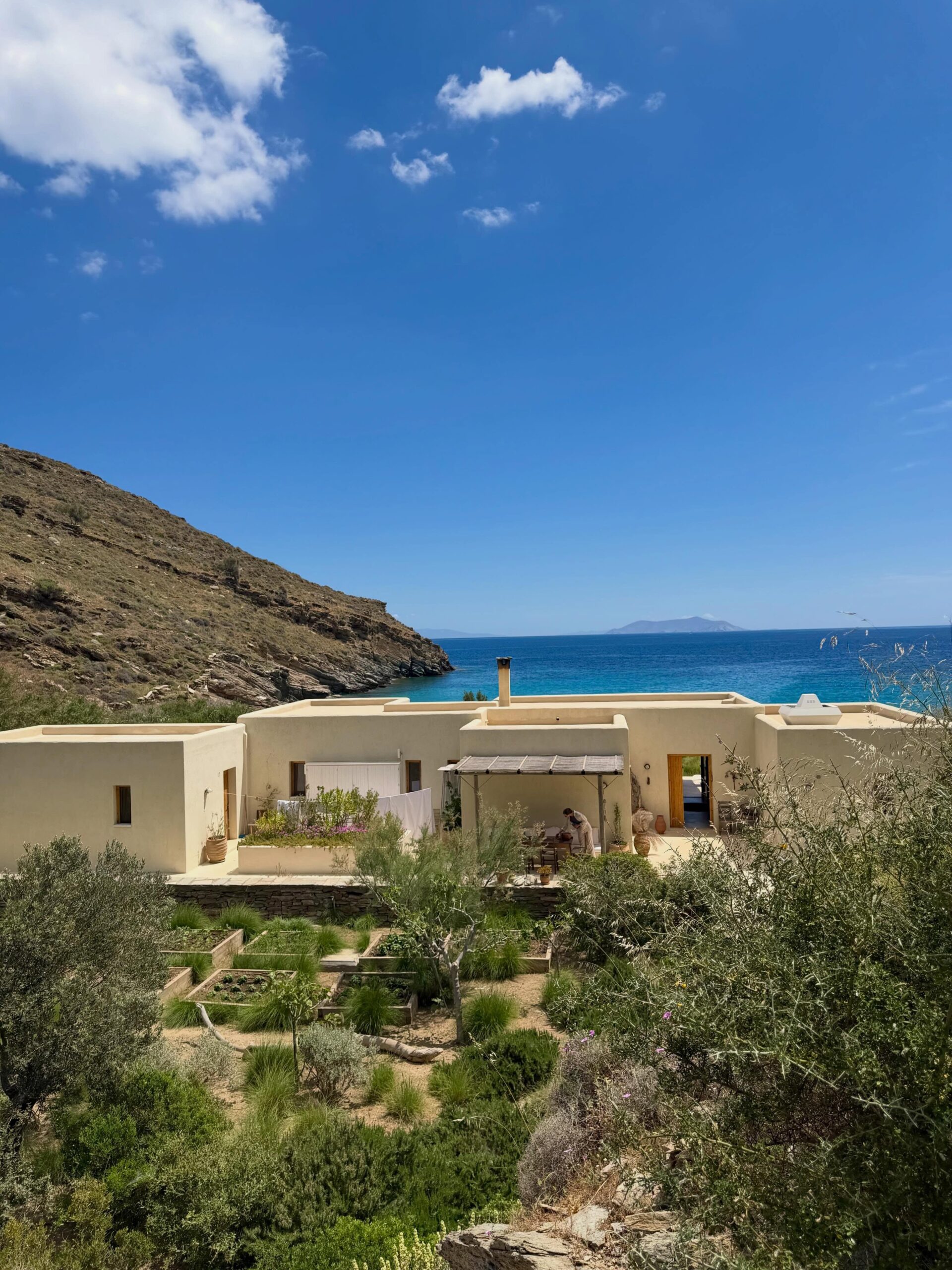
This getaway leans into stone, earth, food, quiet and the island’s more grounded character. Set within a natural reserve, the retreat is shaped around rest, yoga, meditation and reconnection with the land, but its charm is not only wellness-led. It is in the feeling of waking among dry hills and herbs, of moving through the day without the performance that now weighs on some Cycladic islands. Kea’s proximity to Athens makes it practical, yet the atmosphere here is far from metropolitan: slow breakfasts, open air, simple materials, and that particular softness the island takes on when the sun drops behind the hills. It is a good choice for readers who want to be near the Aegean without entering the theater of high-season island life.
Psathi Bay, Kea (Cyclades)
05
Melisses, Andros
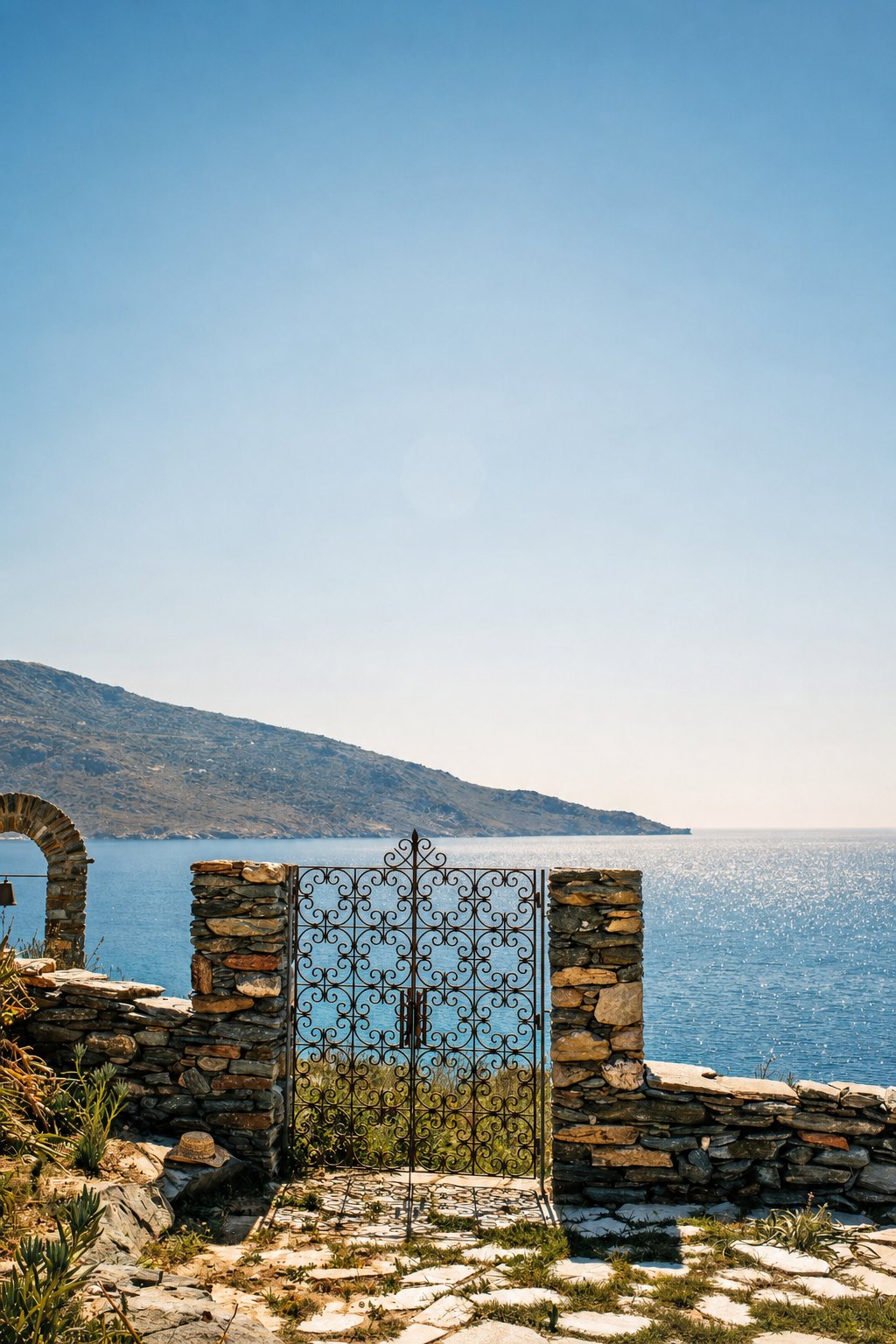
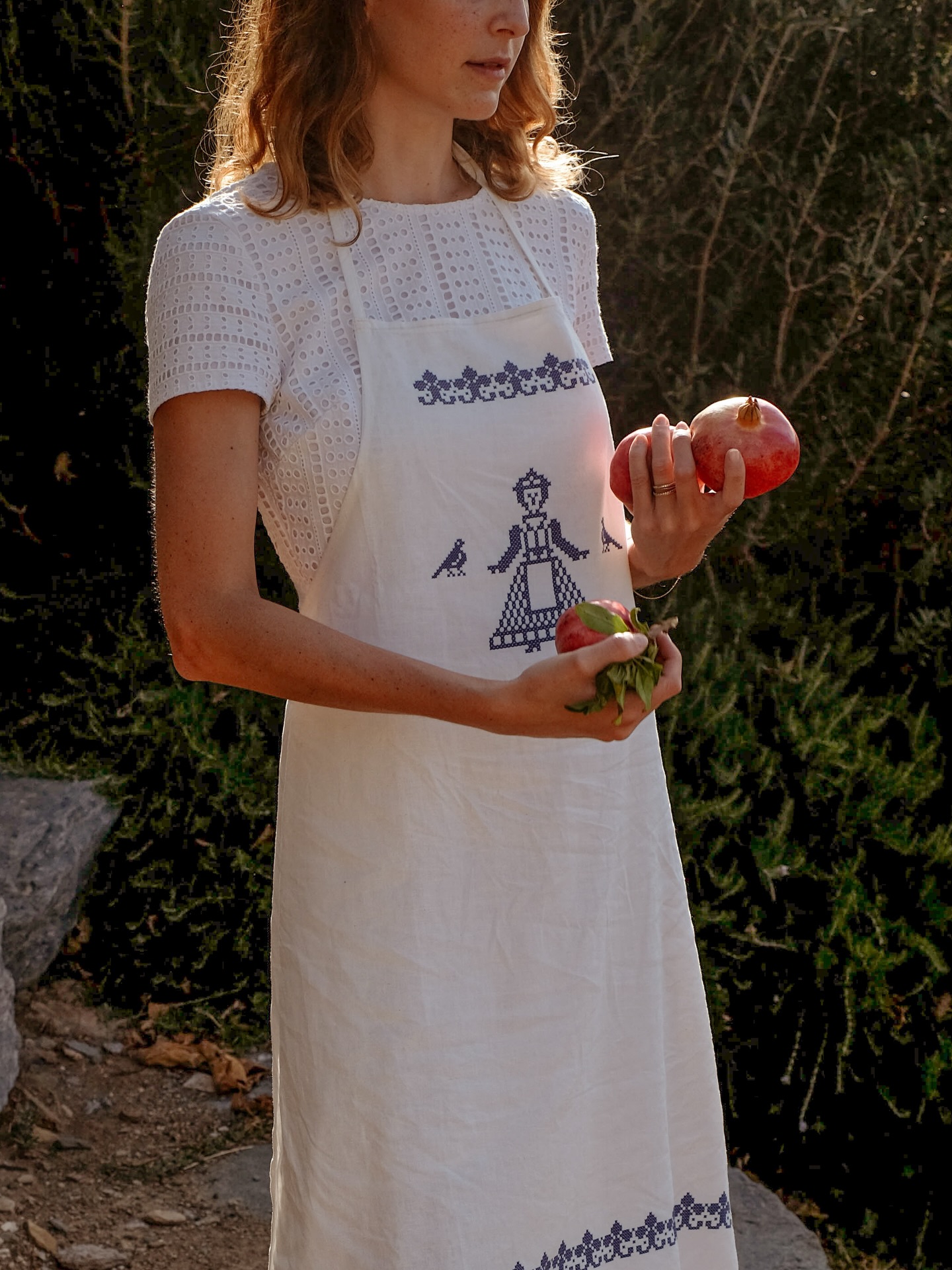
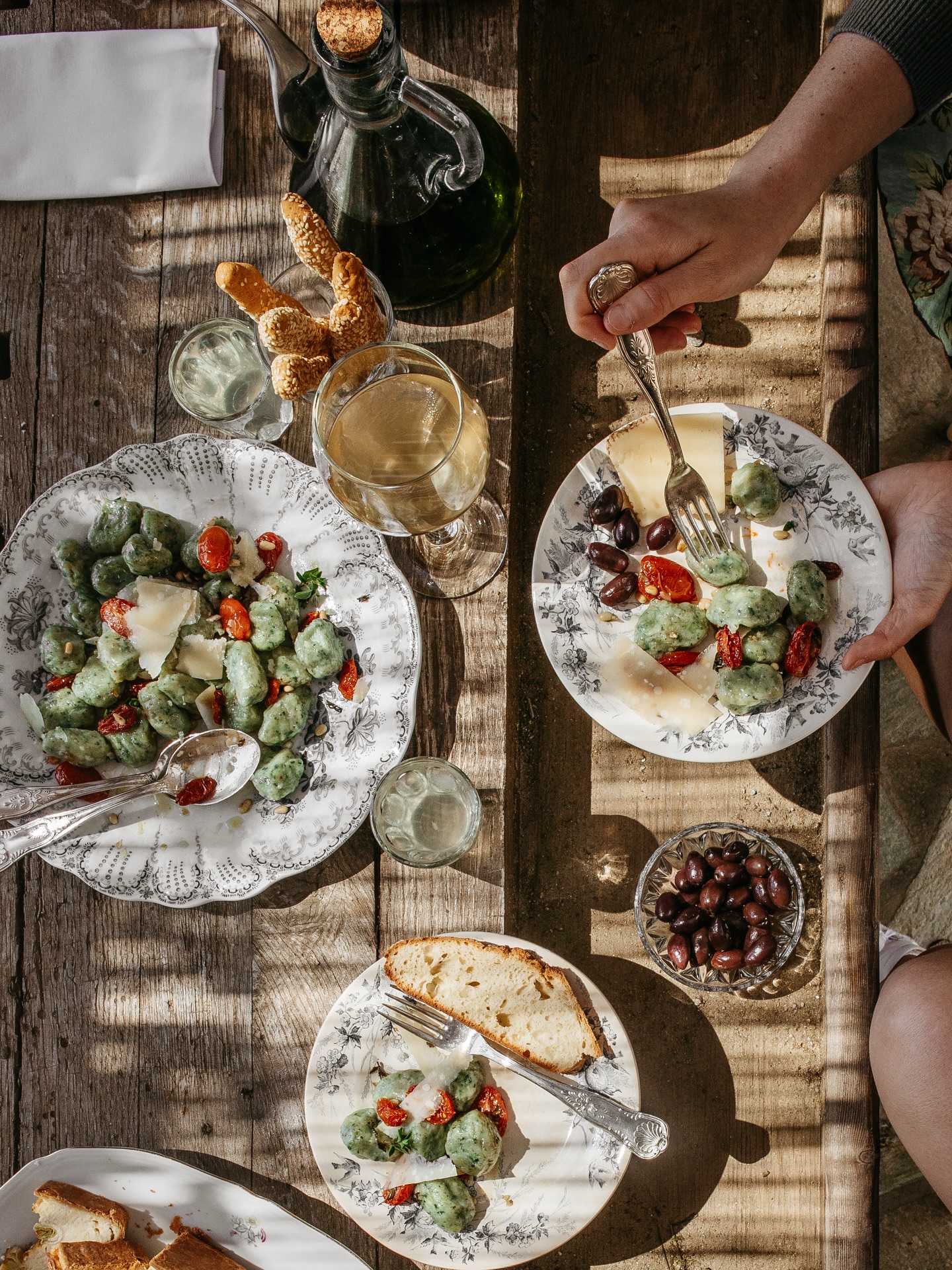
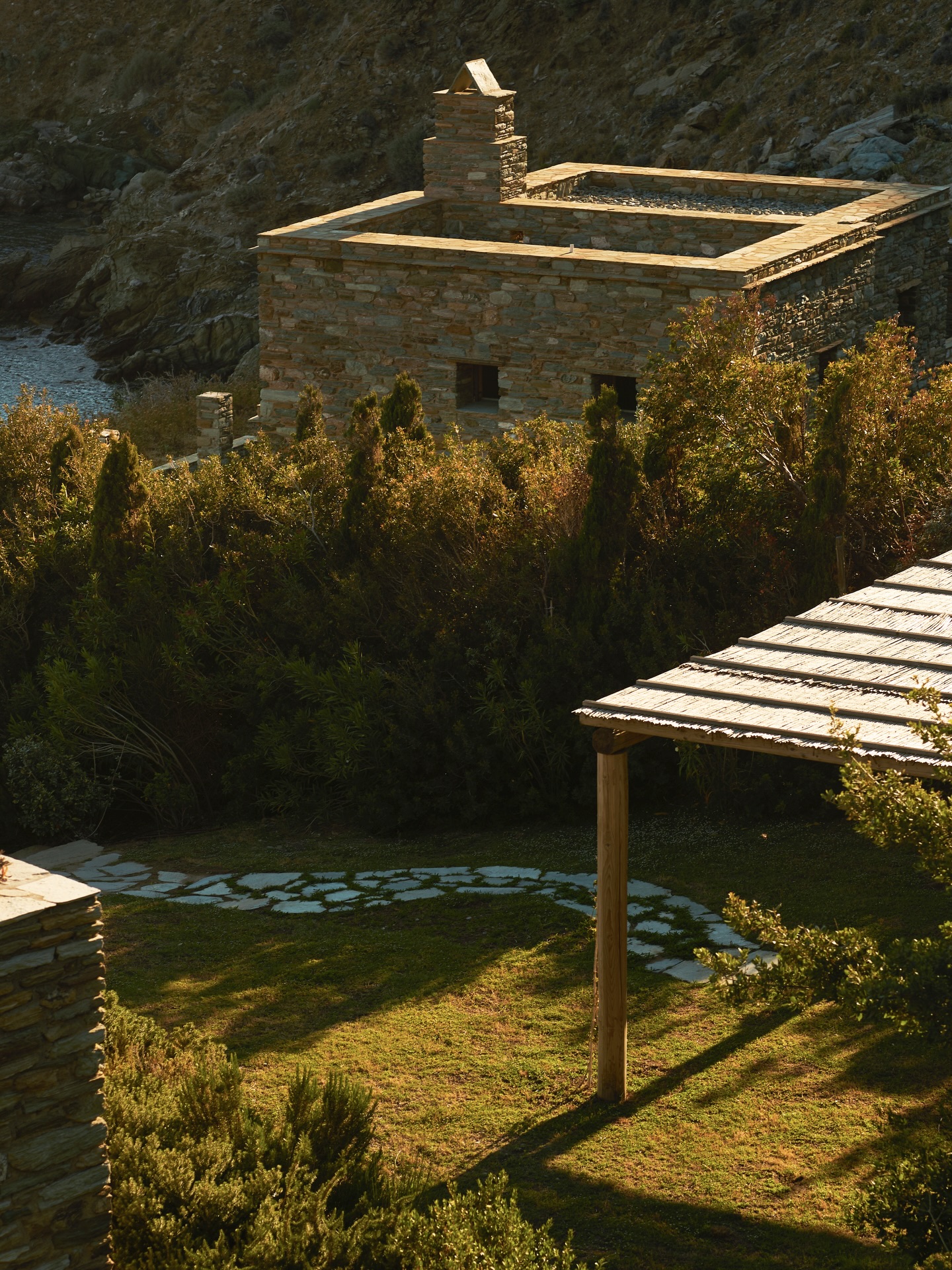
This place has the feeling of a house that has gathered its beauty over time. Perched above the sea in Andros, it looks out toward Gyaros, with all rooms facing the water and a saltwater infinity pool set into the property. The world here is made of lunches that stretch, vintage pieces with patina, vegetables from the garden, wild herbs, private access to the sea and Allegra Pomilio’s instinctive Mediterranean hospitality. It is barefoot, but not careless; rustic, but never accidental. The colors are sun-washed, the mood convivial, the details personal. Andros itself adds depth: neoclassical Chora, mountain villages, walking paths, Achla’s extraordinary beach, and a landscape greener and more varied than many first-time visitors expect from the Cyclades. Melisses is not just somewhere to sleep; it is a way of entering the island’s slower rhythm.
Aprovato, Andros (Cyclades)
06
Aristide, Syros
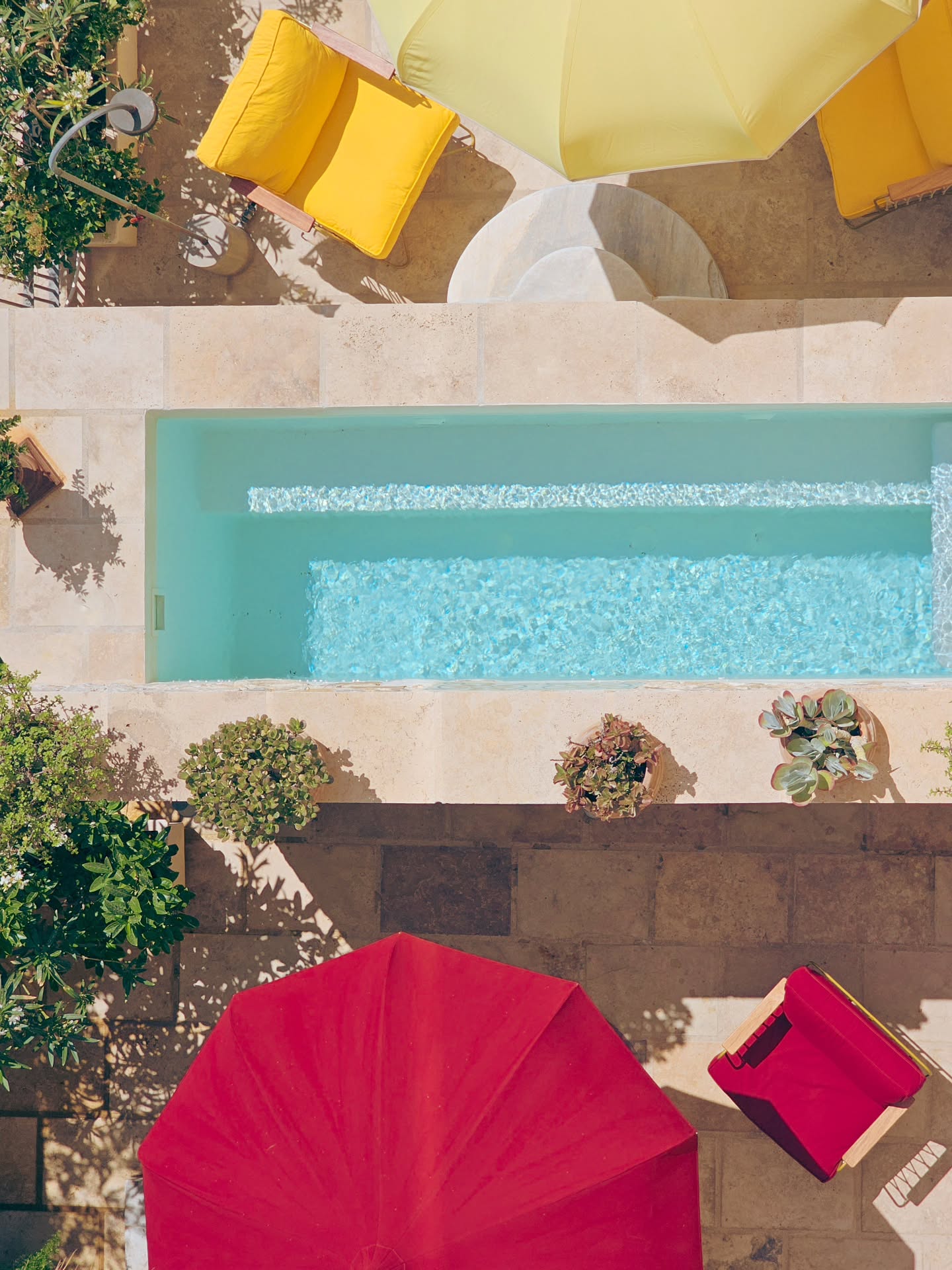
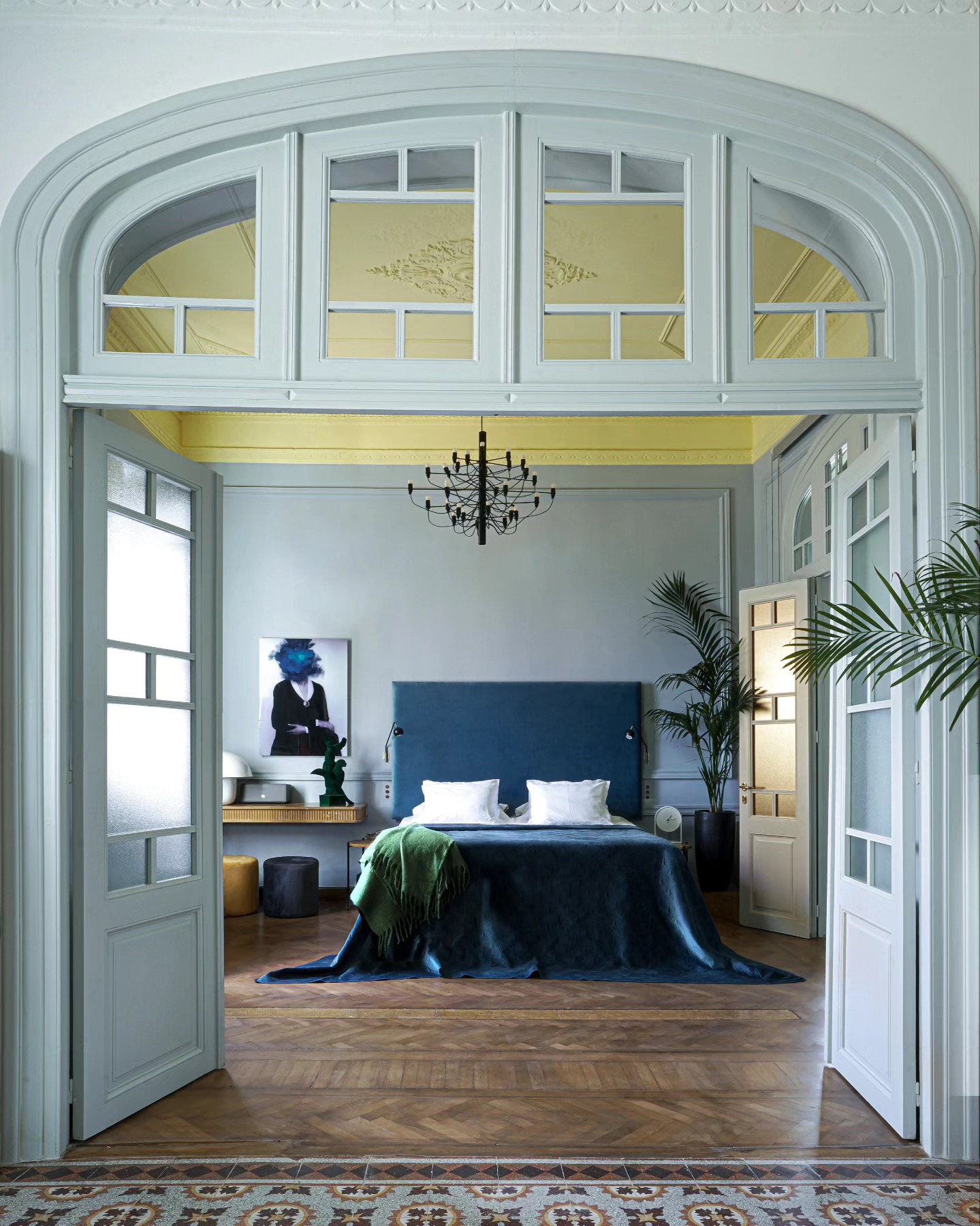
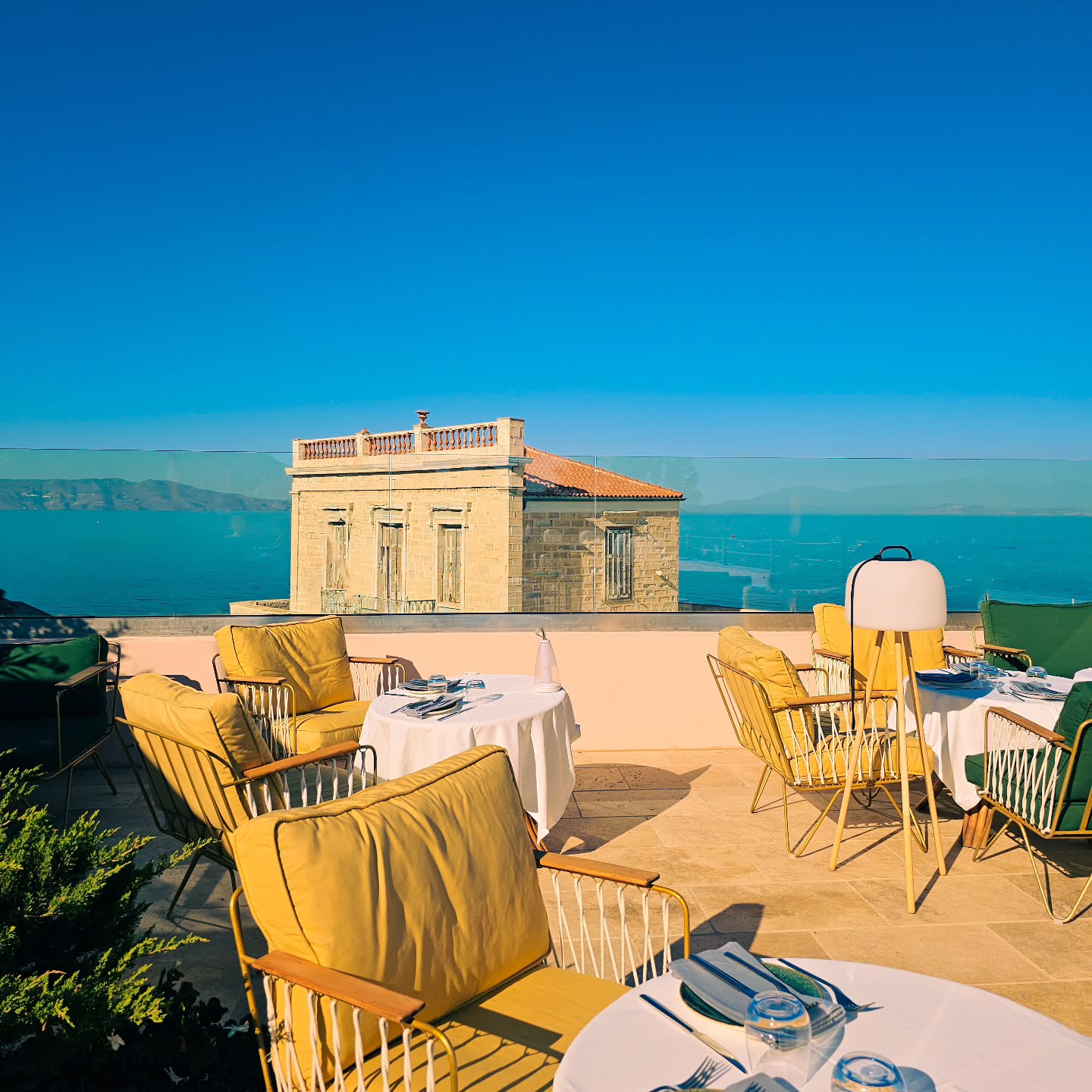
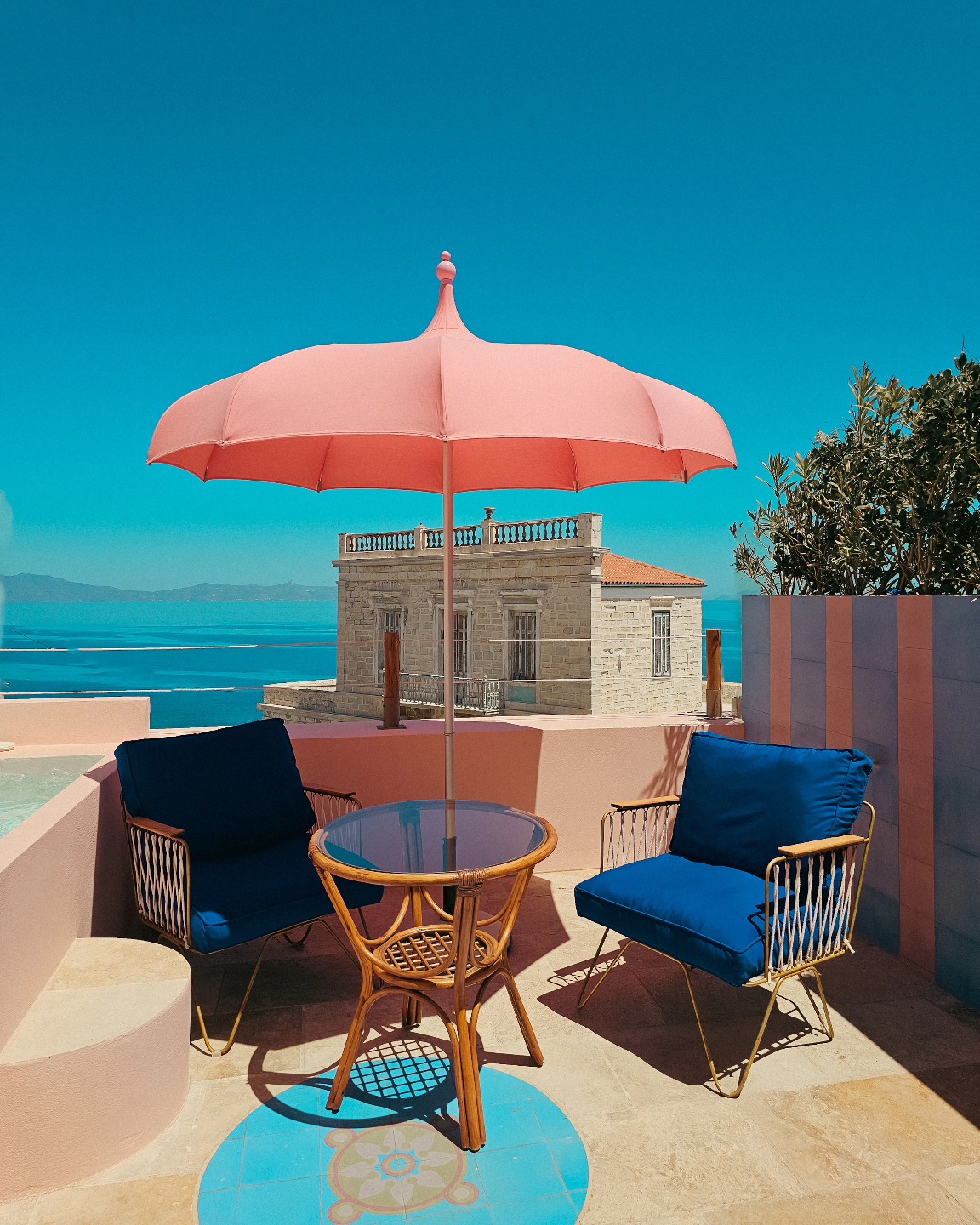
Syros is a different Cycladic proposition: more marble than whitewash, more culture than postcard-style cliché. Aristide understands this beautifully. In Vaporia, Ermoupolis’ old aristocratic quarter, the restored neoclassical mansion has nine suites, an art gallery, an artists’ residence and workshop, a garden bar and a rooftop bar with sea views. Inside, the experience is layered rather than minimal: contemporary art, design objects, high ceilings, old-world bones and the slightly theatrical elegance that suits Syros. Asteria swimming spot and the town center are both within walking distance, which means the day can move easily from a morning swim to the Apollo Theatre, from the marble square to a rooftop drink above the Aegean. Aristide is not a beach hideaway; it is something rarer in Greece – a small, cultured hotel with a strong urban-island identity.
Vaporia, Syros (Cyclades)
07
Skinopi Lodge, Milos
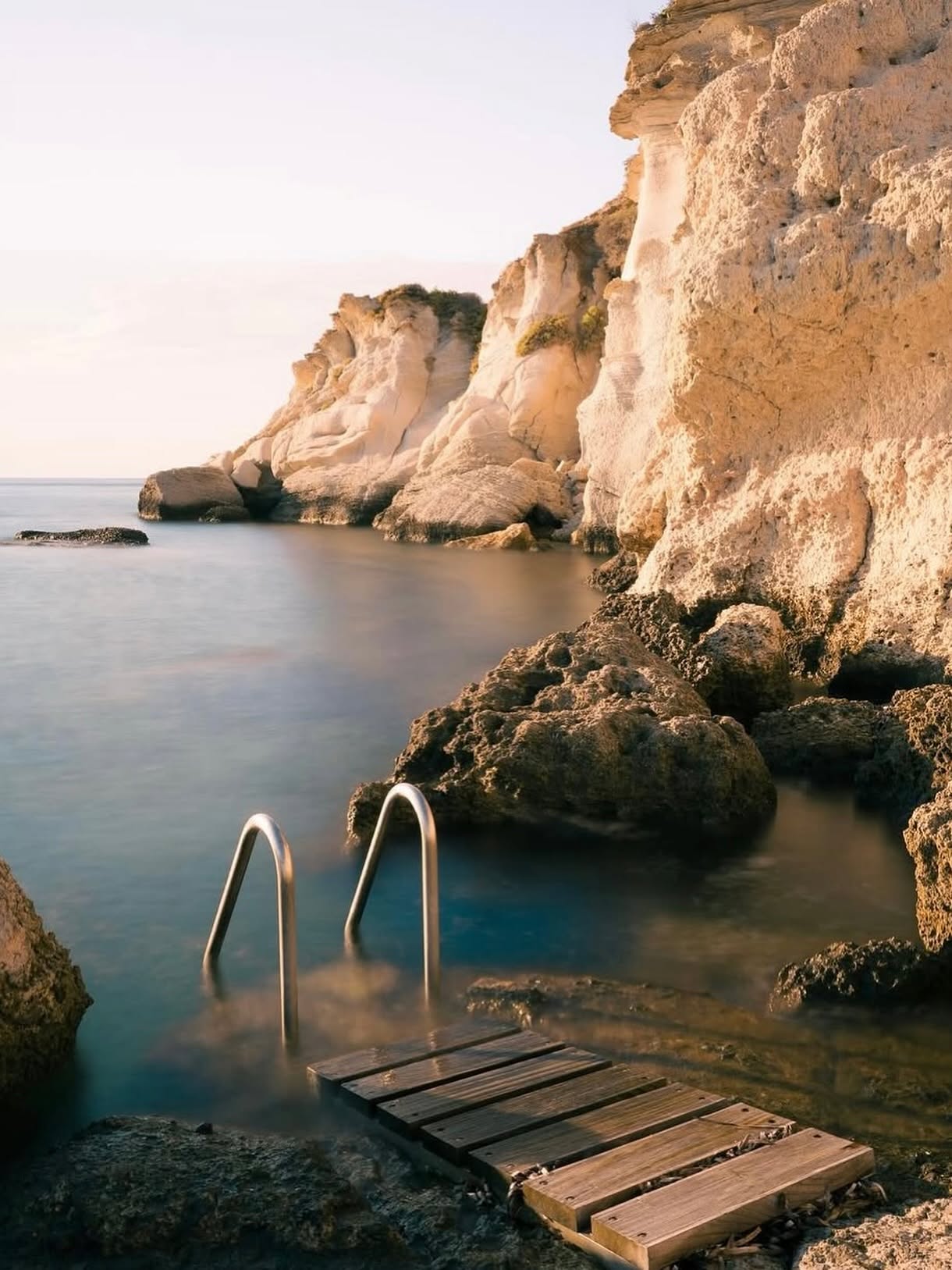
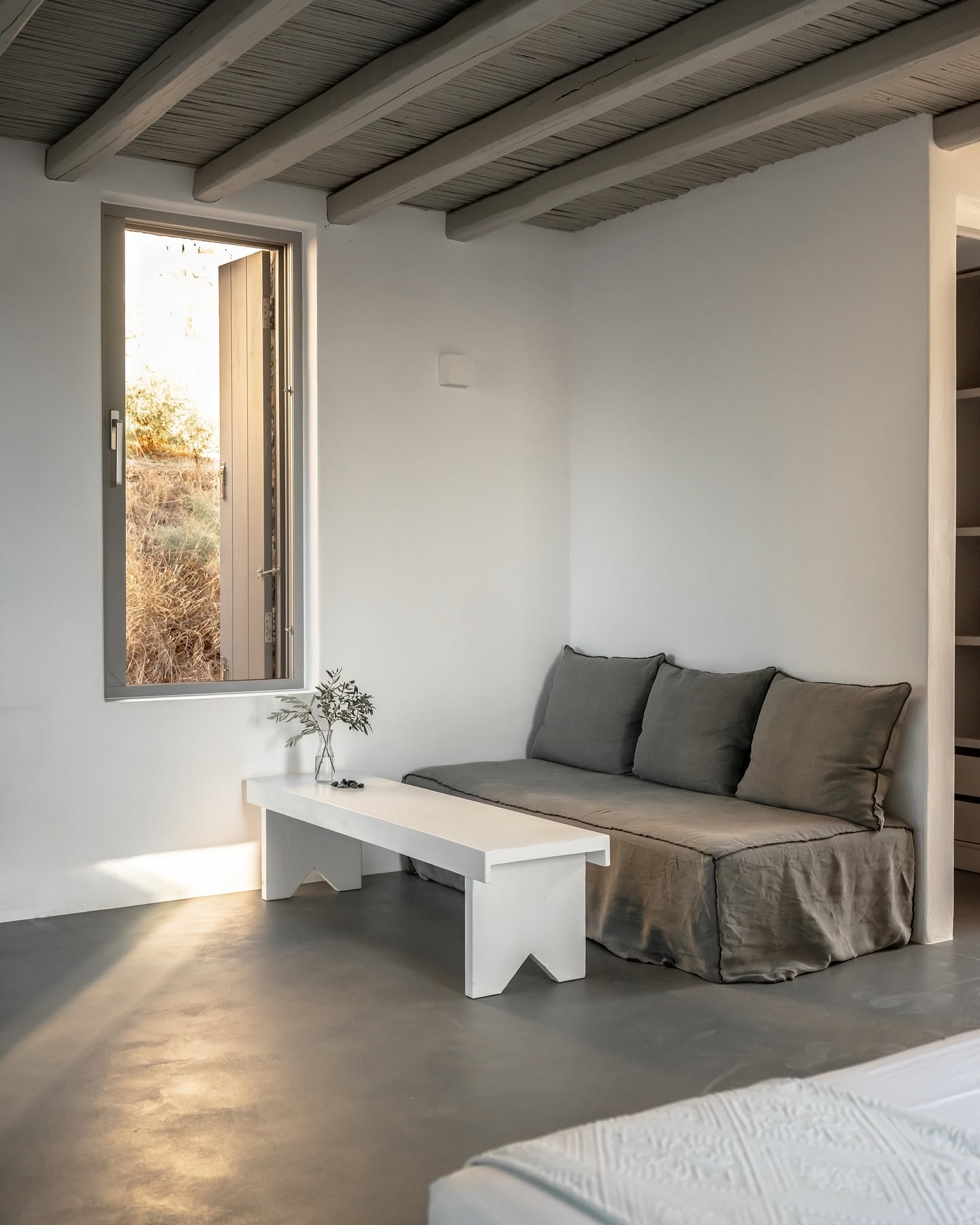
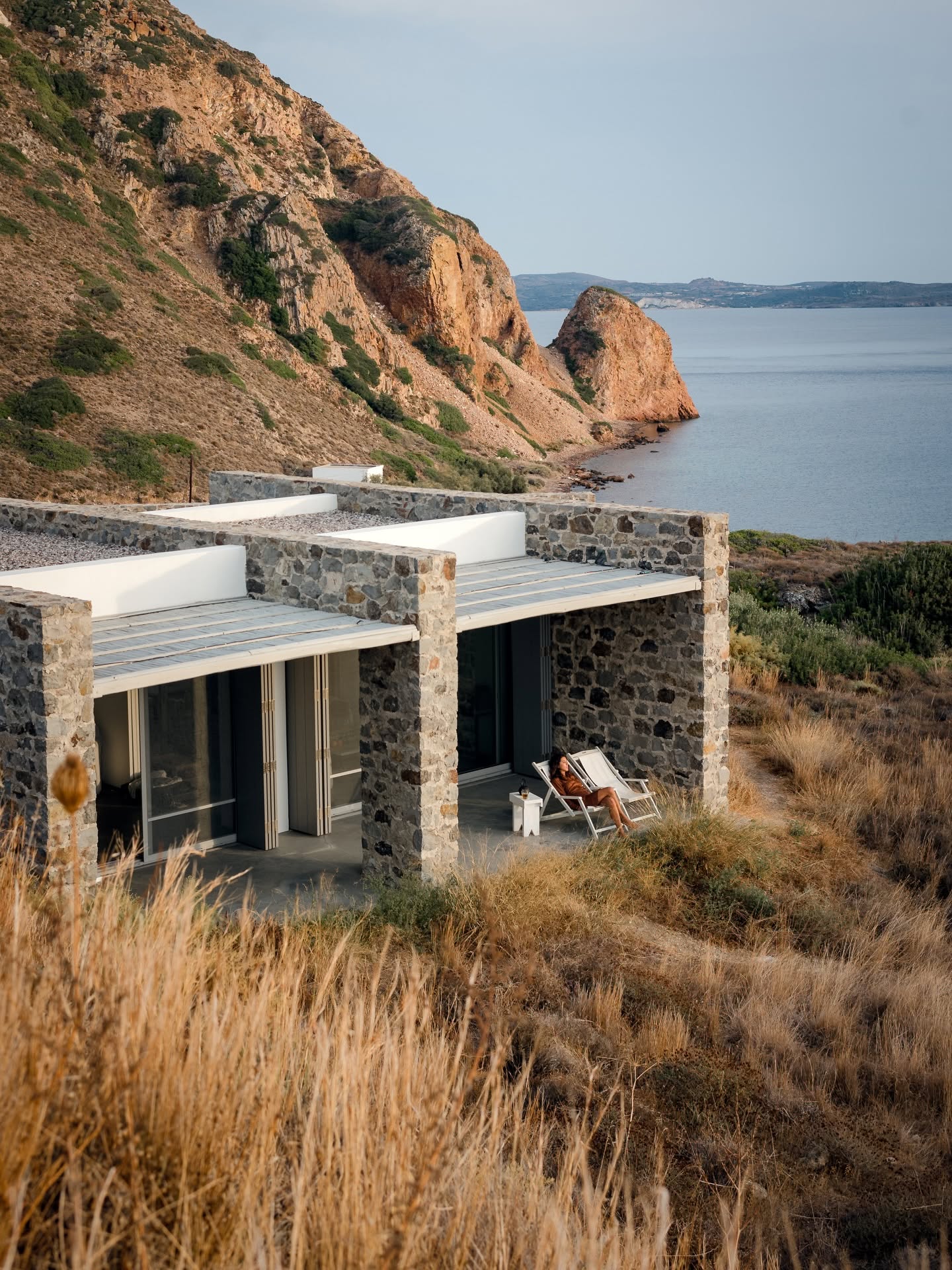
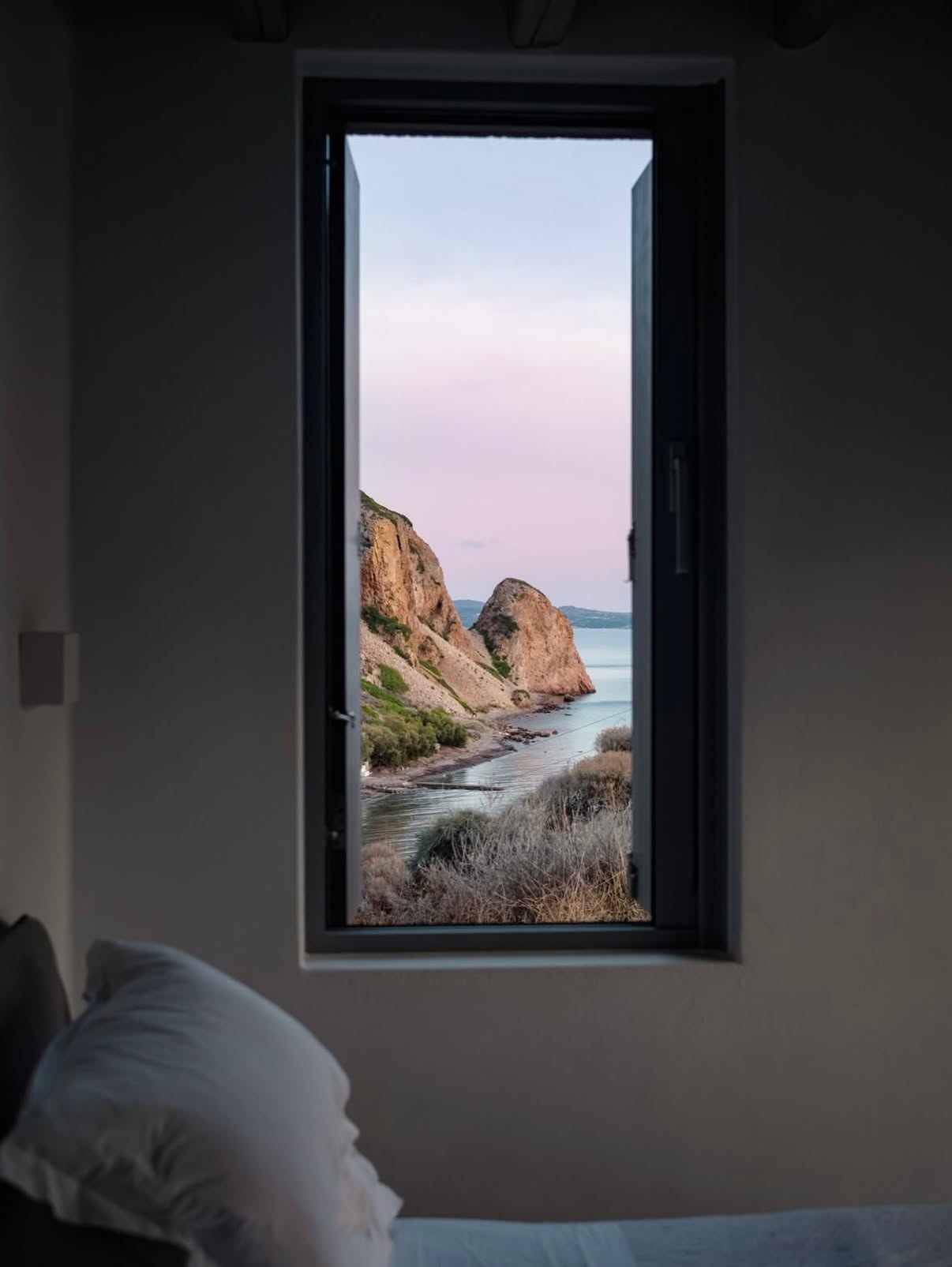
On Milos, Skinopi Lodge is for travelers who prefer wind, water and privacy to the rituals of a conventional hotel. Several stone villas sit across a private 9-acre property above the Bay of Milos, surrounded by olive trees, lavender and thyme. The low architecture takes its cues from the island’s fishermen’s houses, with generous indoor-outdoor living and wide views over the water. There is a private sea deck, sunset-facing views and enough space between villas for the stay to feel genuinely secluded. Milos can be busy in summer, but Skinopi keeps close to the island’s rougher beauty: volcanic rock, mineral color, boat days and evenings when the bay turns silver before it darkens. Few Greek island stays express barefoot luxury with such restraint.
Skinopi, Milos (Cyclades)
08
Under the Sun Cycladic Village, Tinos
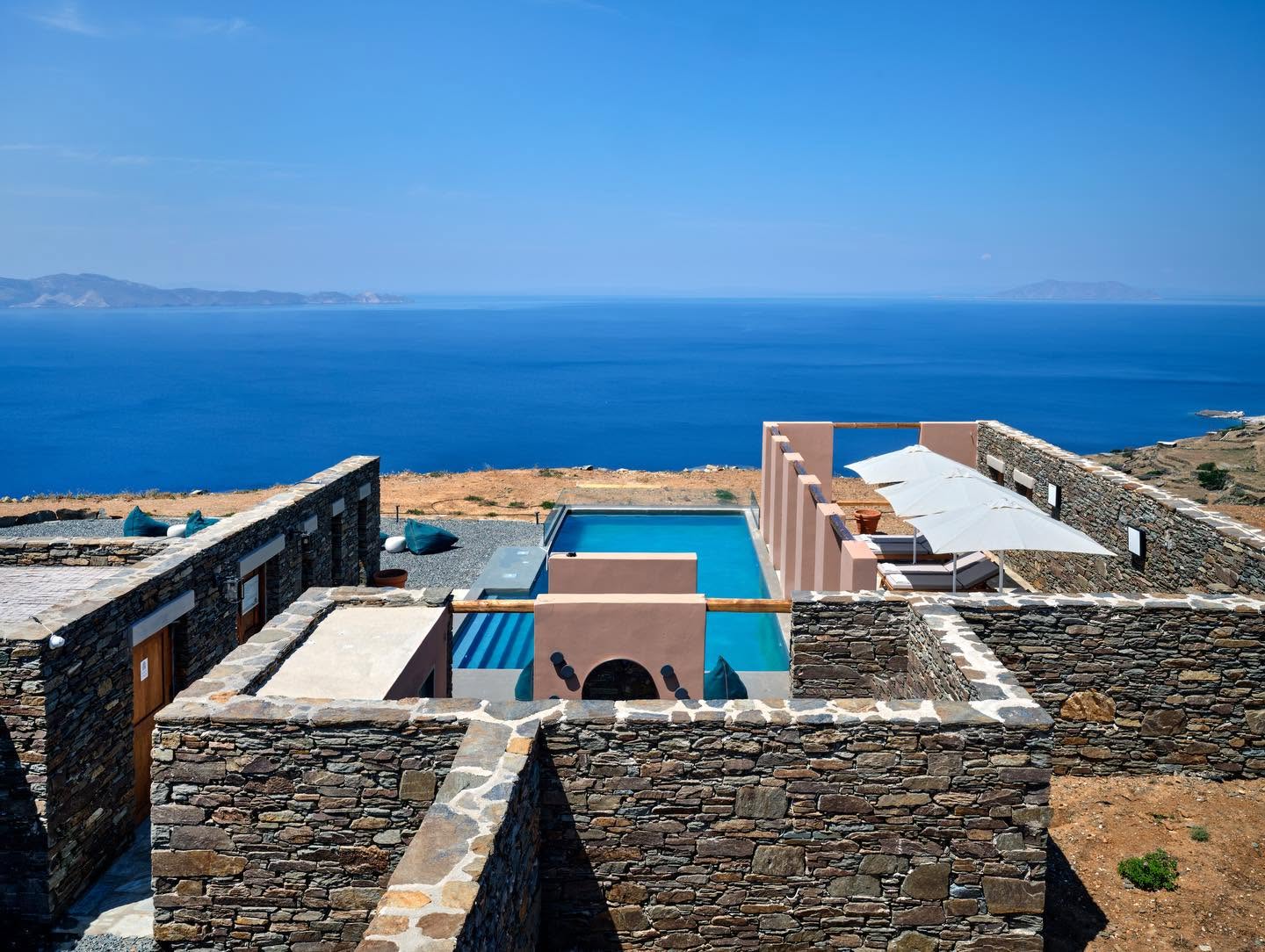
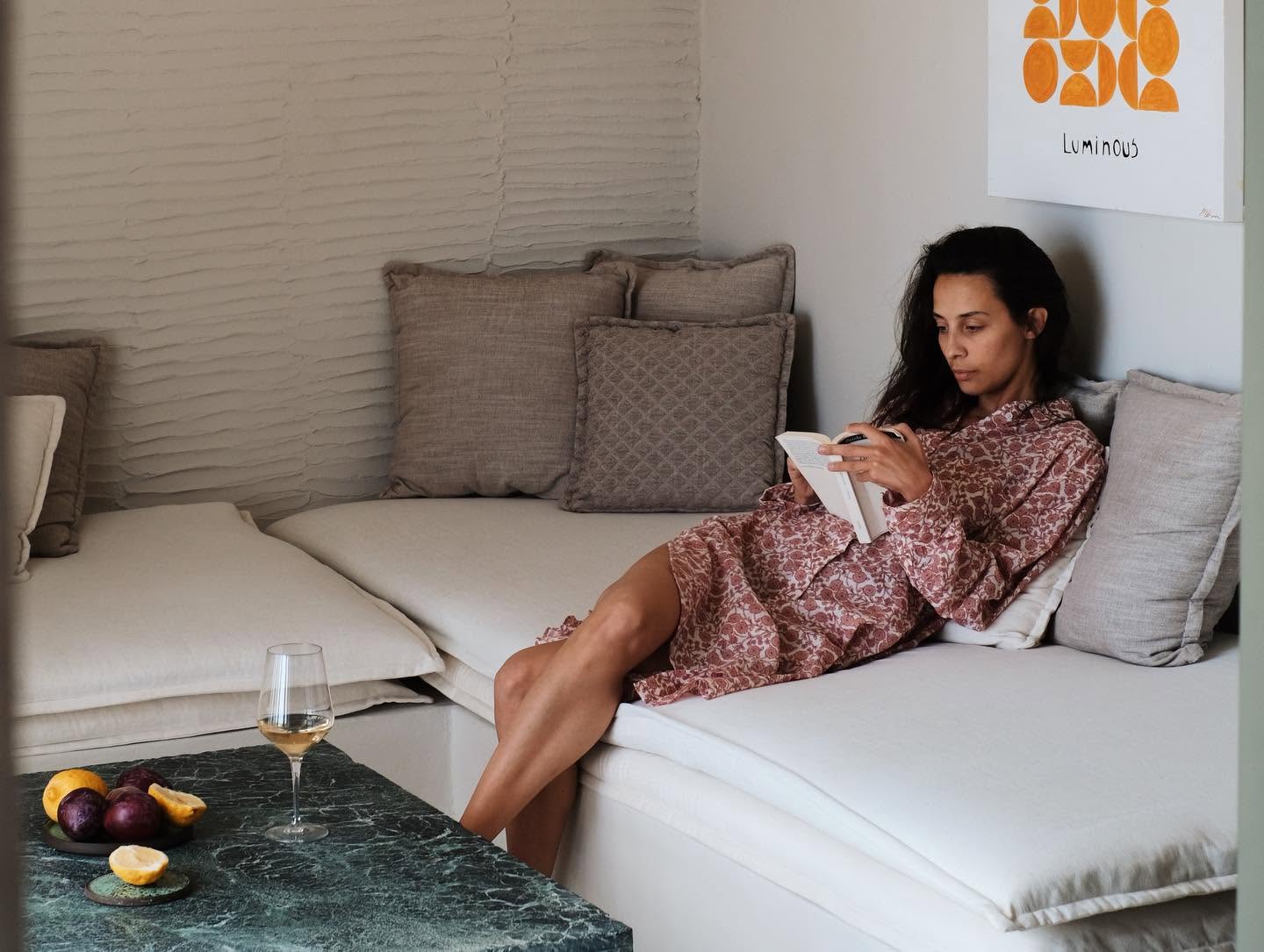
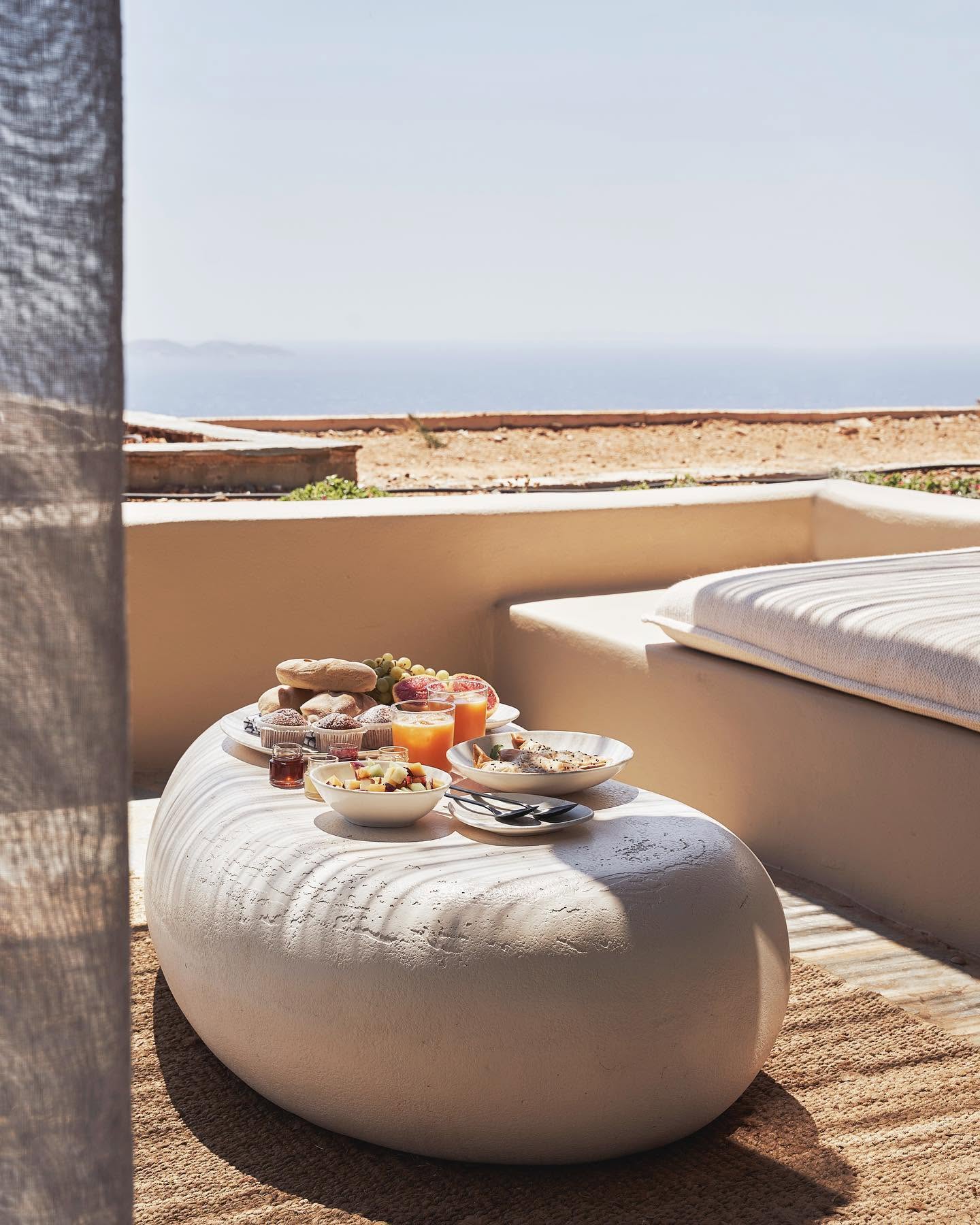
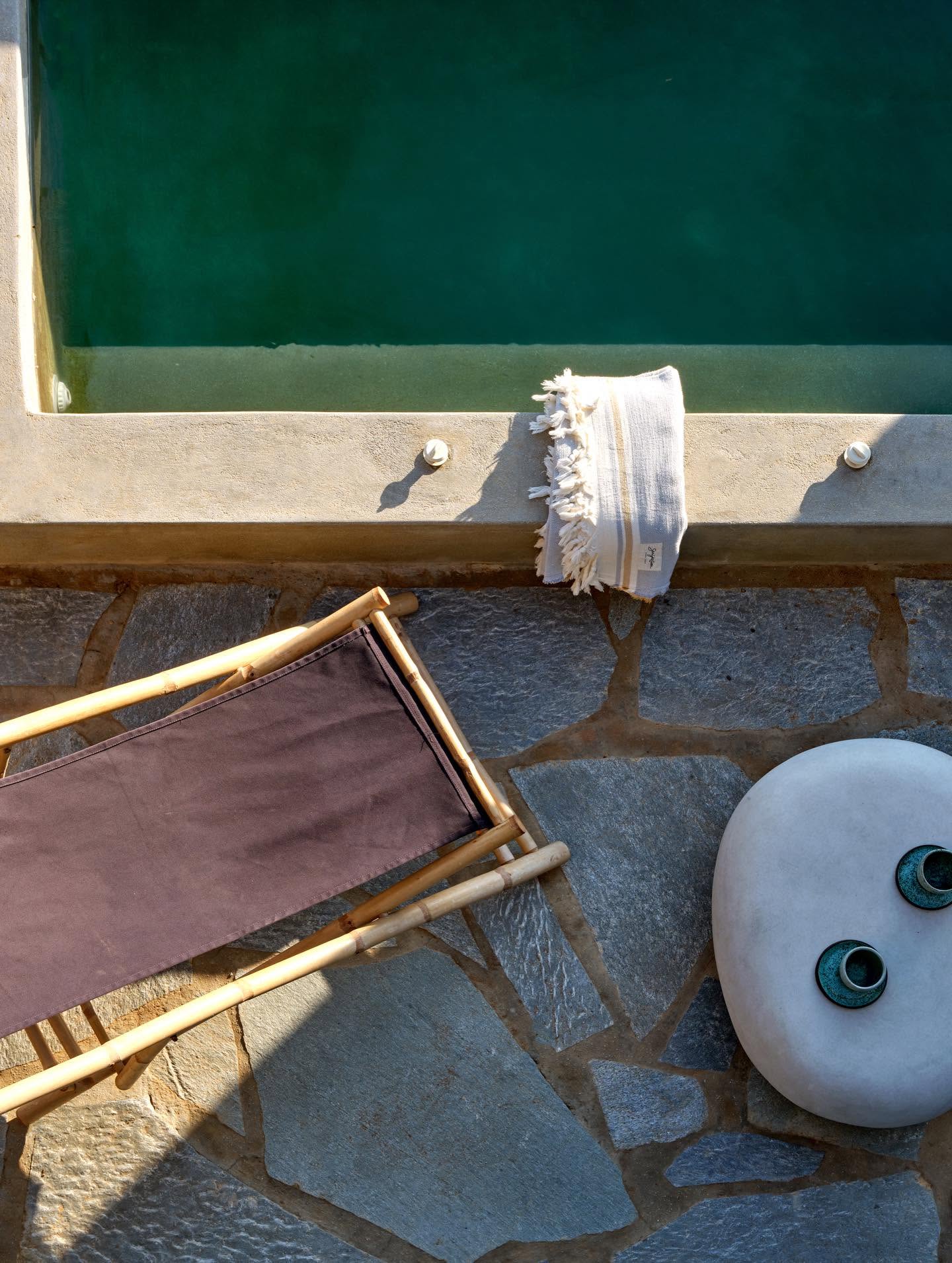
Set in Exo Meria, between Kardiani and Isternia, the 8-suite retreat is carved into the island’s northwestern landscape with local Tinian stone and a deliberate effort to sit low in the arid terrain. The result is not the glossy Cycladic fantasy of white walls and blue shutters, but something more elemental: rounded stonework, open sky, sea views, wind, and the feeling of being held by the hillside. This part of Tinos remains one of the island’s most beautiful regions, close to marble villages, dovecotes, walking routes and sunsets that seem to lengthen the day. The suites bring comfort, but the landscape remains the main event. It is a place for people who find beauty in roughness, quiet and proportion.
Exo Meria, Tinos (Cyclades)
09
Verina Astra, Sifnos
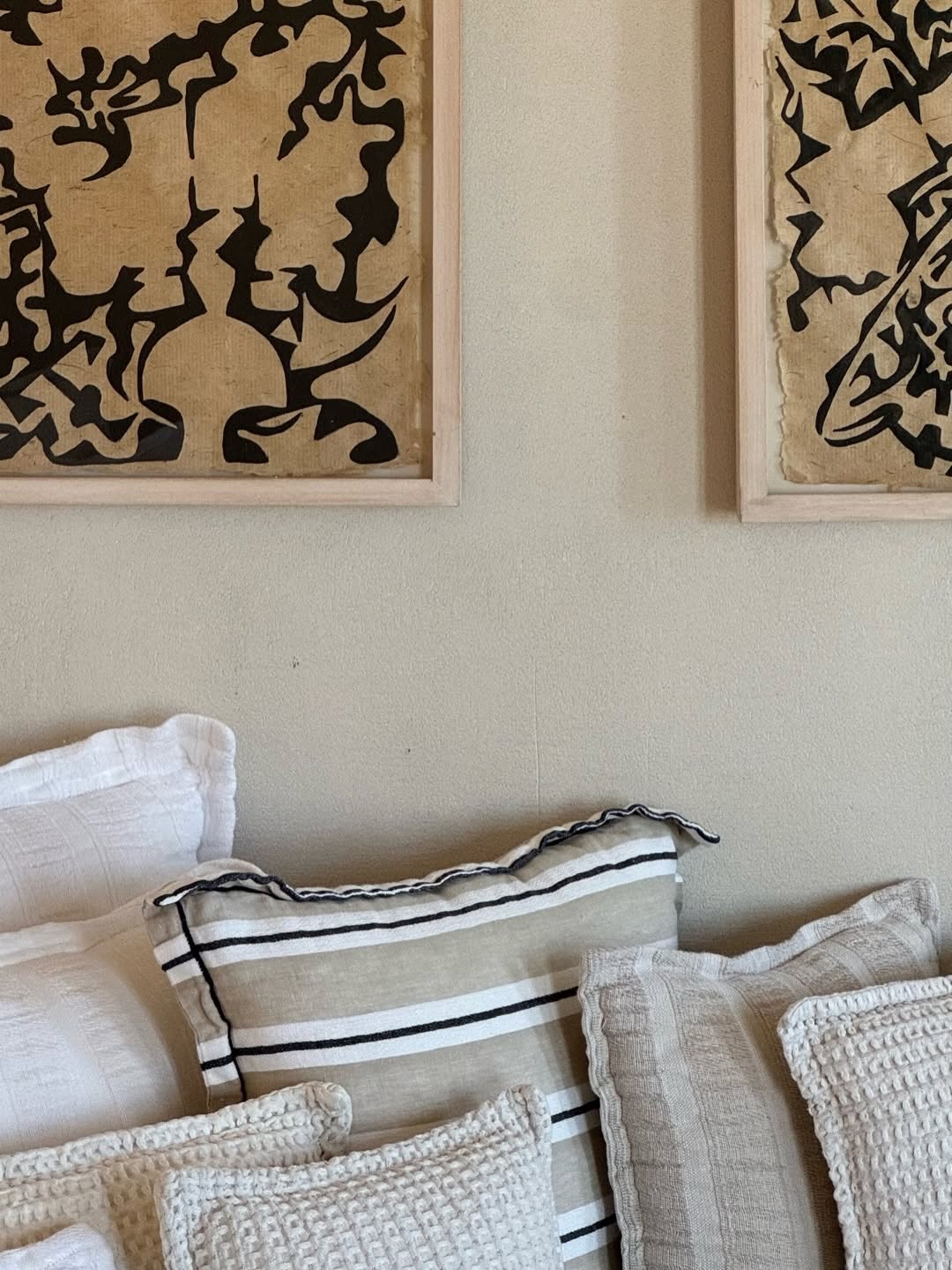
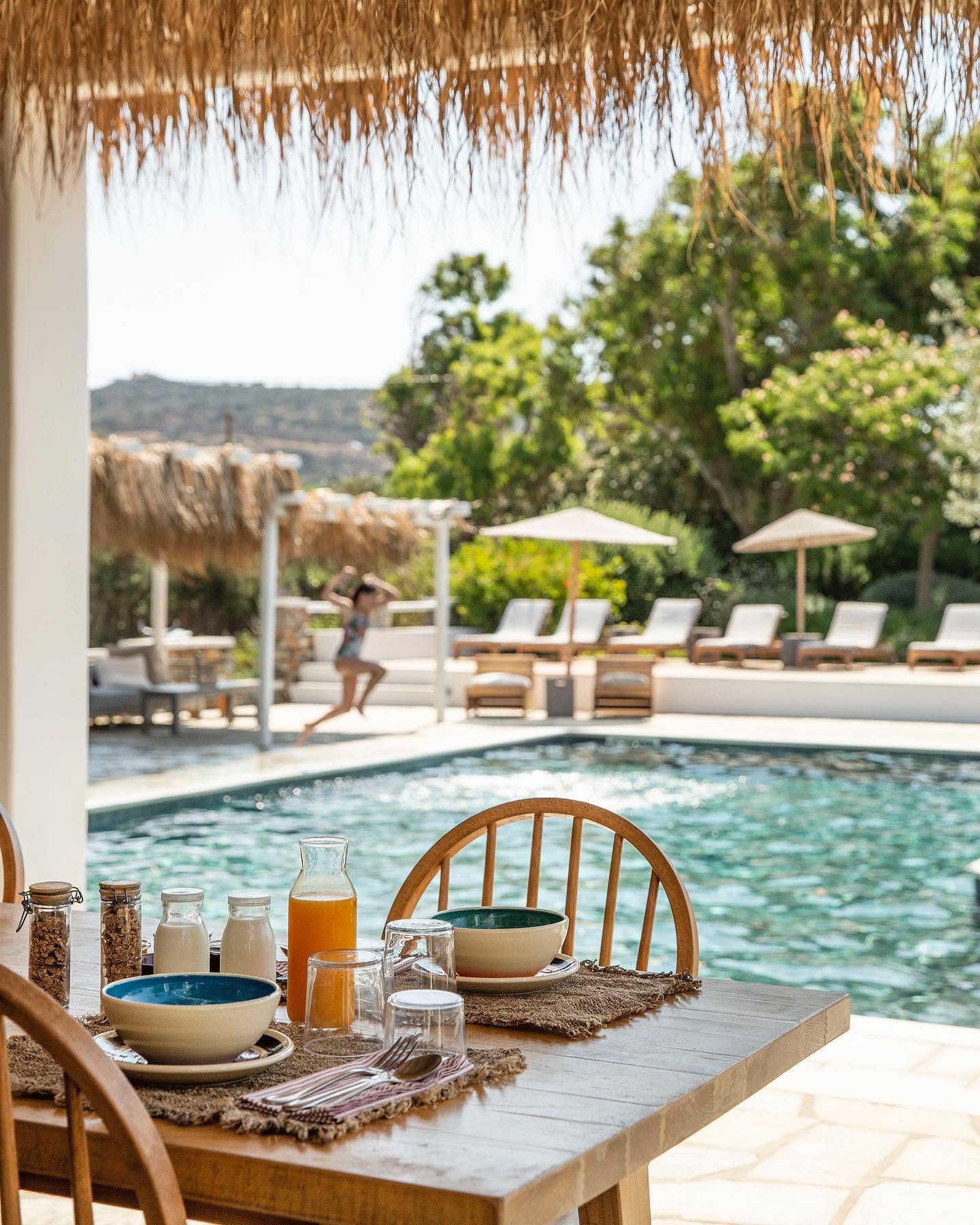
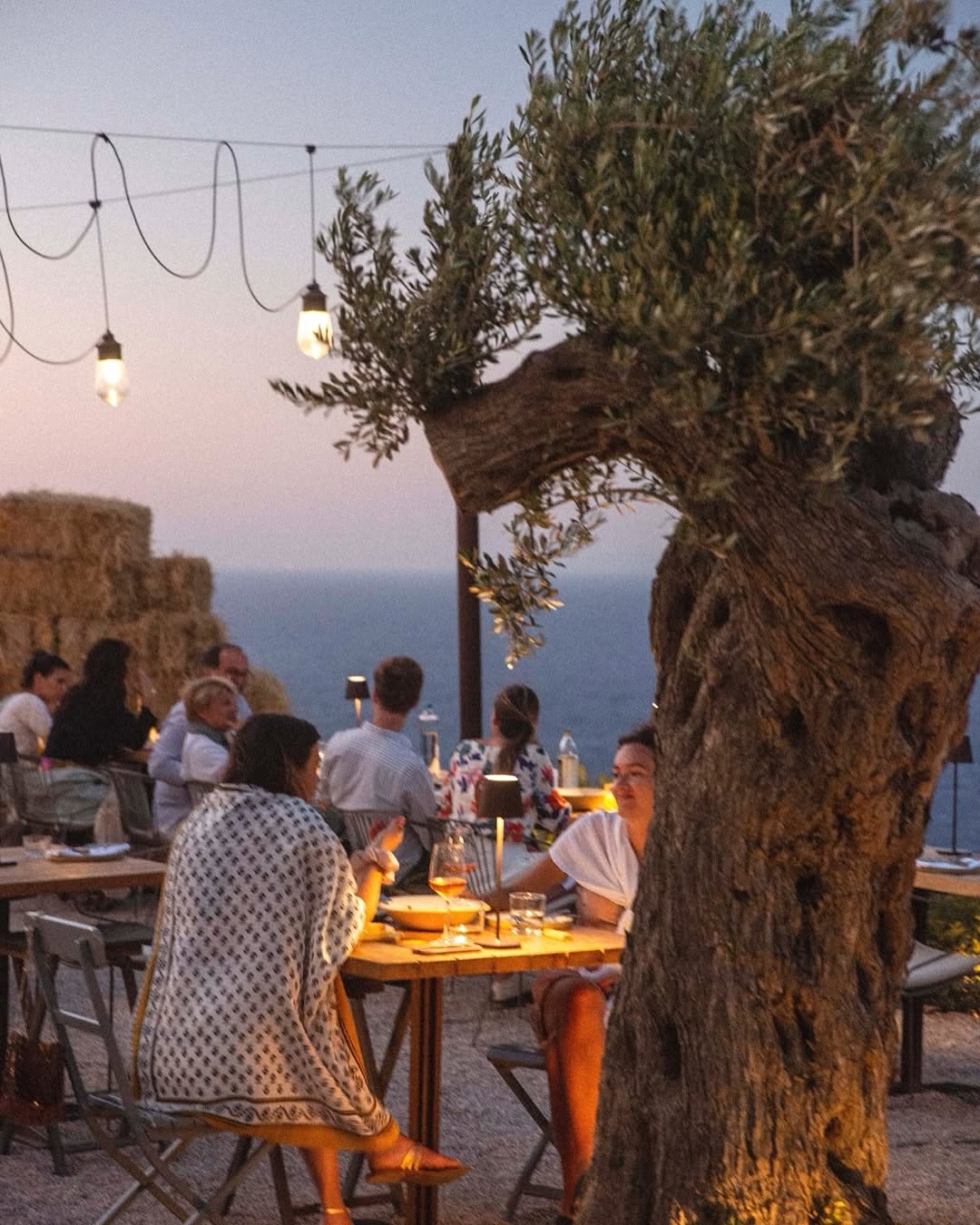
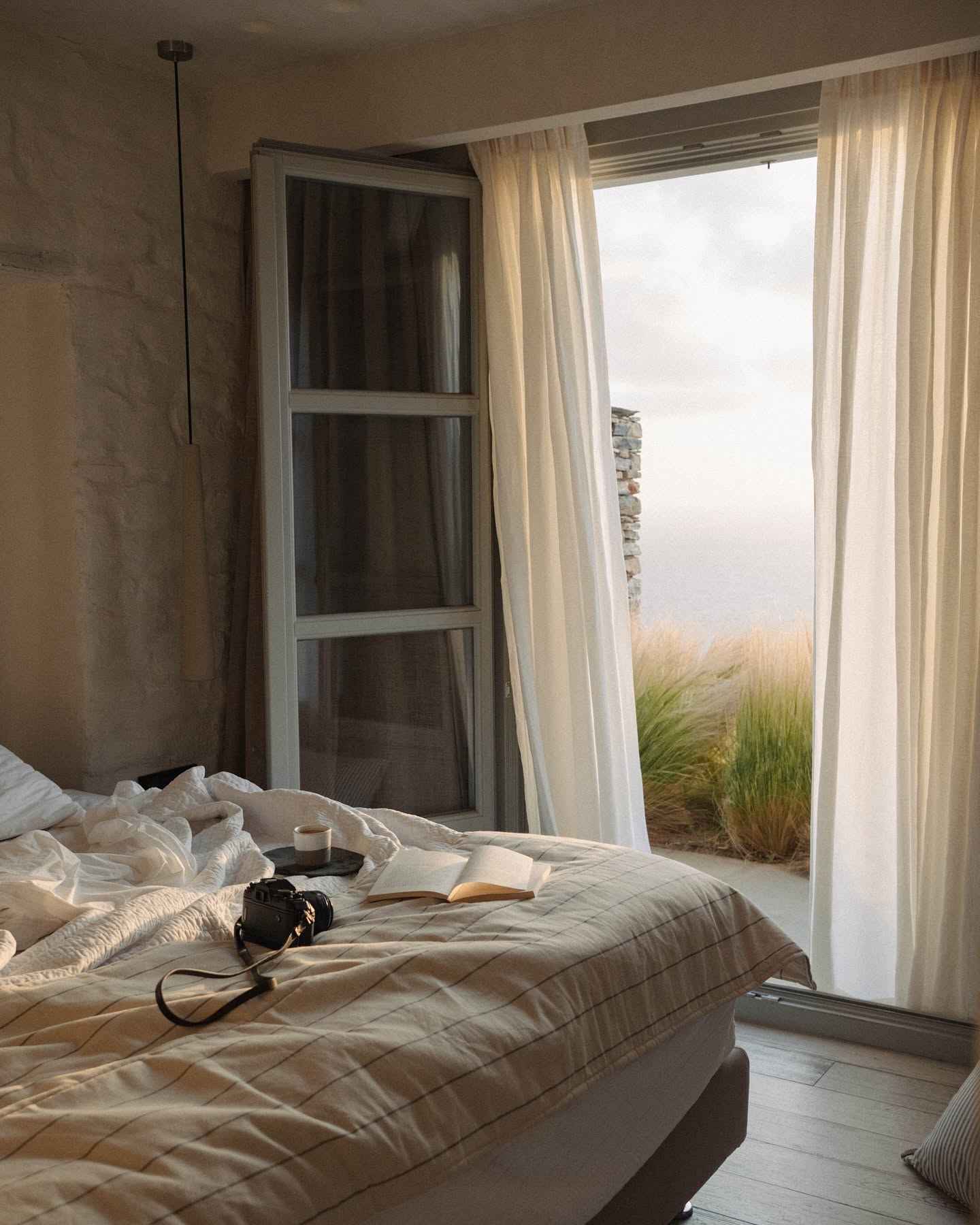
In Poulati, above the eastern coast of Sifnos, the hotel opens towards the Aegean with the calm assurance of a place that knows its view is enough. Spacious suites and private terraces face the sea; below, paths lead towards Poulati beach and Kastro, while Artemonas is close enough for coffee, almond sweets or a slow evening walk through its handsome lanes.
The setting gives the stay an easy rhythm: mornings with the horizon full of light, afternoons drifting between villages and swimming spots, evenings returning to the quiet of the hillside. What makes Verina Astra work is the combination of openness and warmth. It has the polish of a sophisticated small hotel, but the soul of Sifnos remains present: ceramics, dry-stone terraces, churches, food, wind, and that particular Cycladic brightness softened by good taste. It is romantic without being sweet, luxurious without being loud, and especially beautiful for early risers.
Poulati, Sifnos (Cyclades)
10
Vorina Ktismata, Amorgos
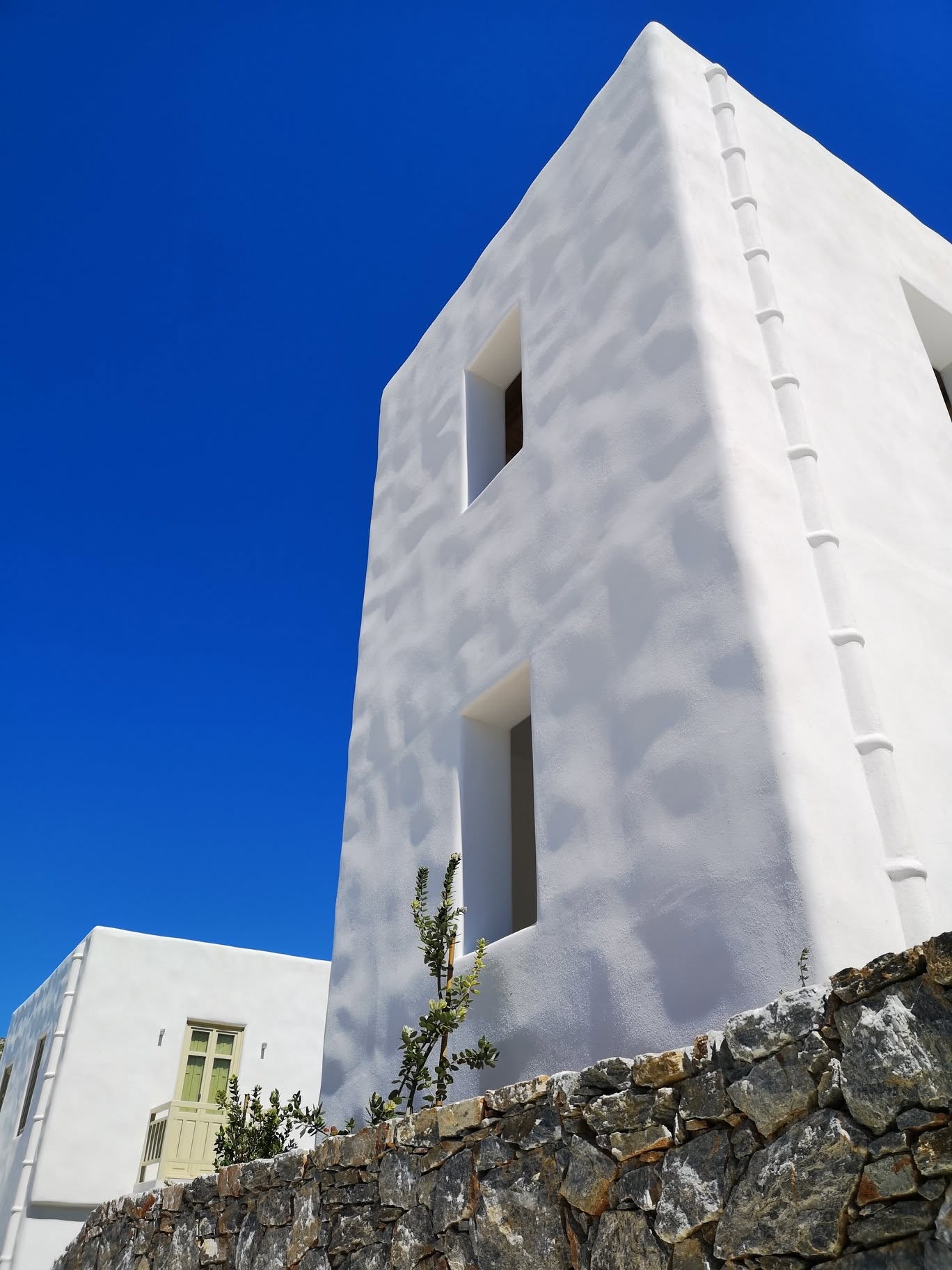
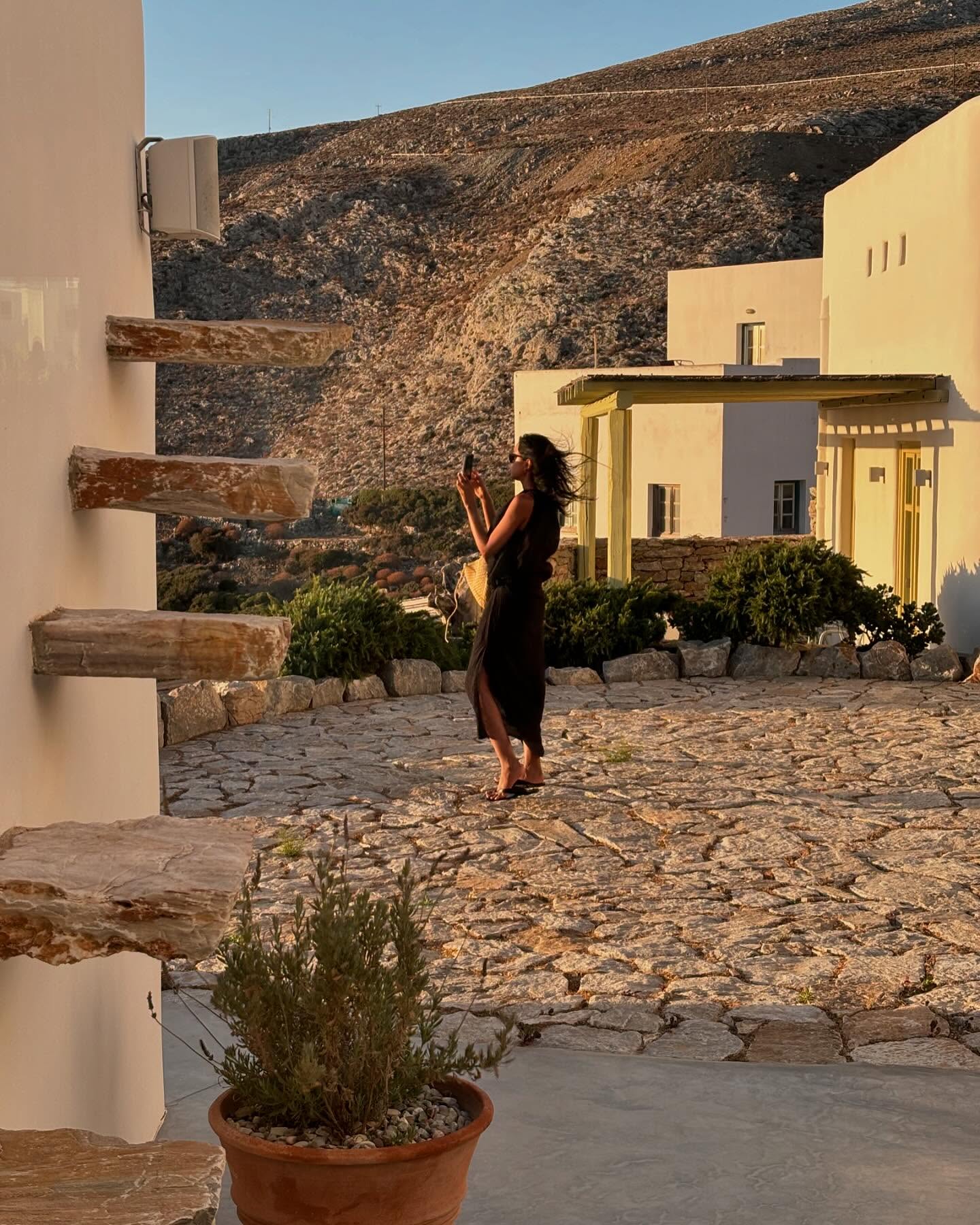
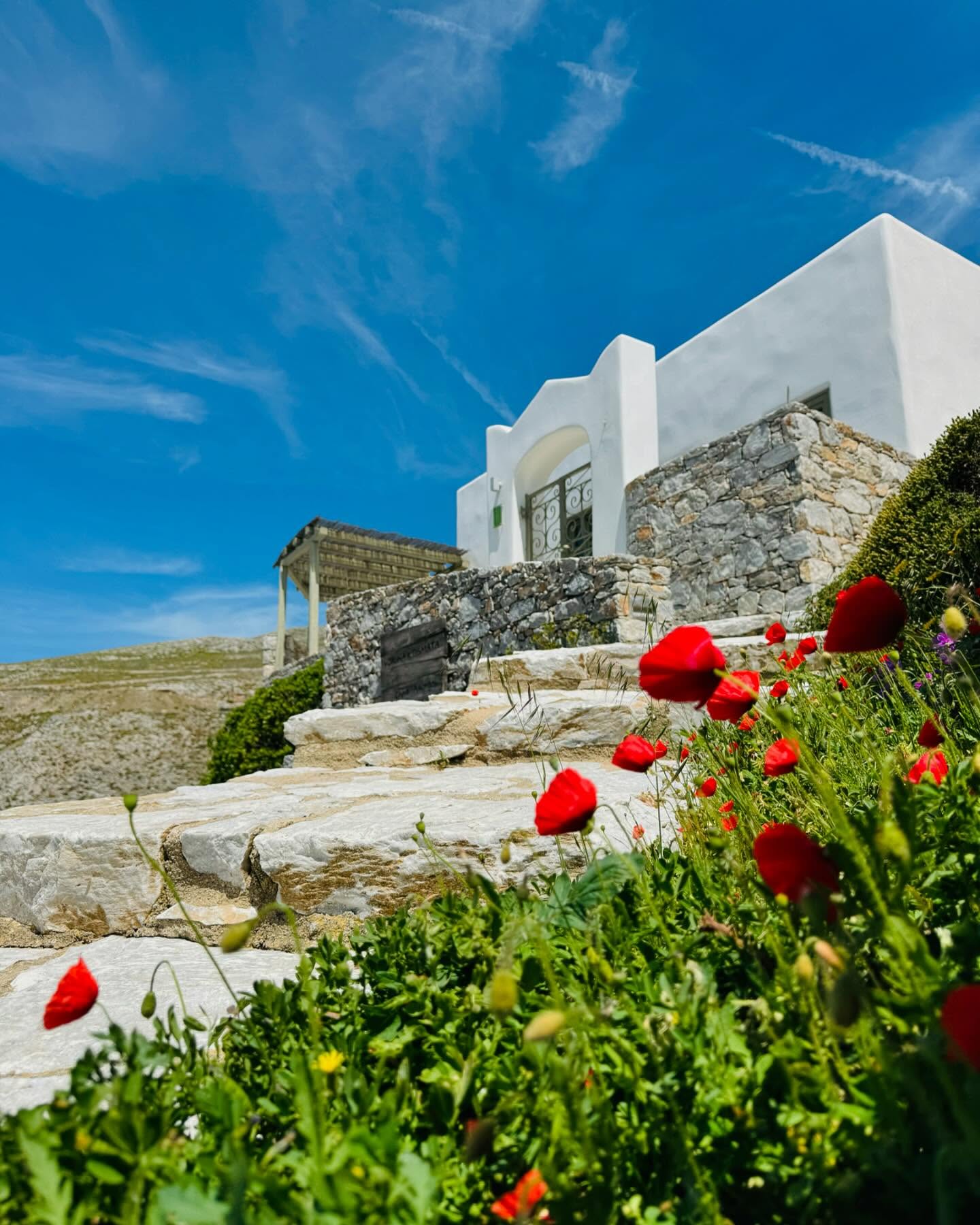
Amorgos has always rewarded travelers willing to go a little further. Vorina Ktismata sits in Chora, with 7 apartments and suites spread across 4 detached buildings, built according to bioclimatic principles and the Cycladic idea of simplicity. The views take in the Aegean, the surrounding mountains and the white geometry of the island’s main village. There is no need for excess here; Amorgos supplies drama in abundance. From the hotel, the day can unfold towards the monastery of Hozoviotissa, the paths above Chora, or the island’s deep blue swimming spots. Back on the terrace, the mood is quieter: stone, shade, the sound of bells or voices carrying through the village, and the sense of being close to island life without losing privacy. It is one of the list’s most intelligent small stays.
Chora, Amorgos (Cyclades)
11
The Windmill, Kimolos
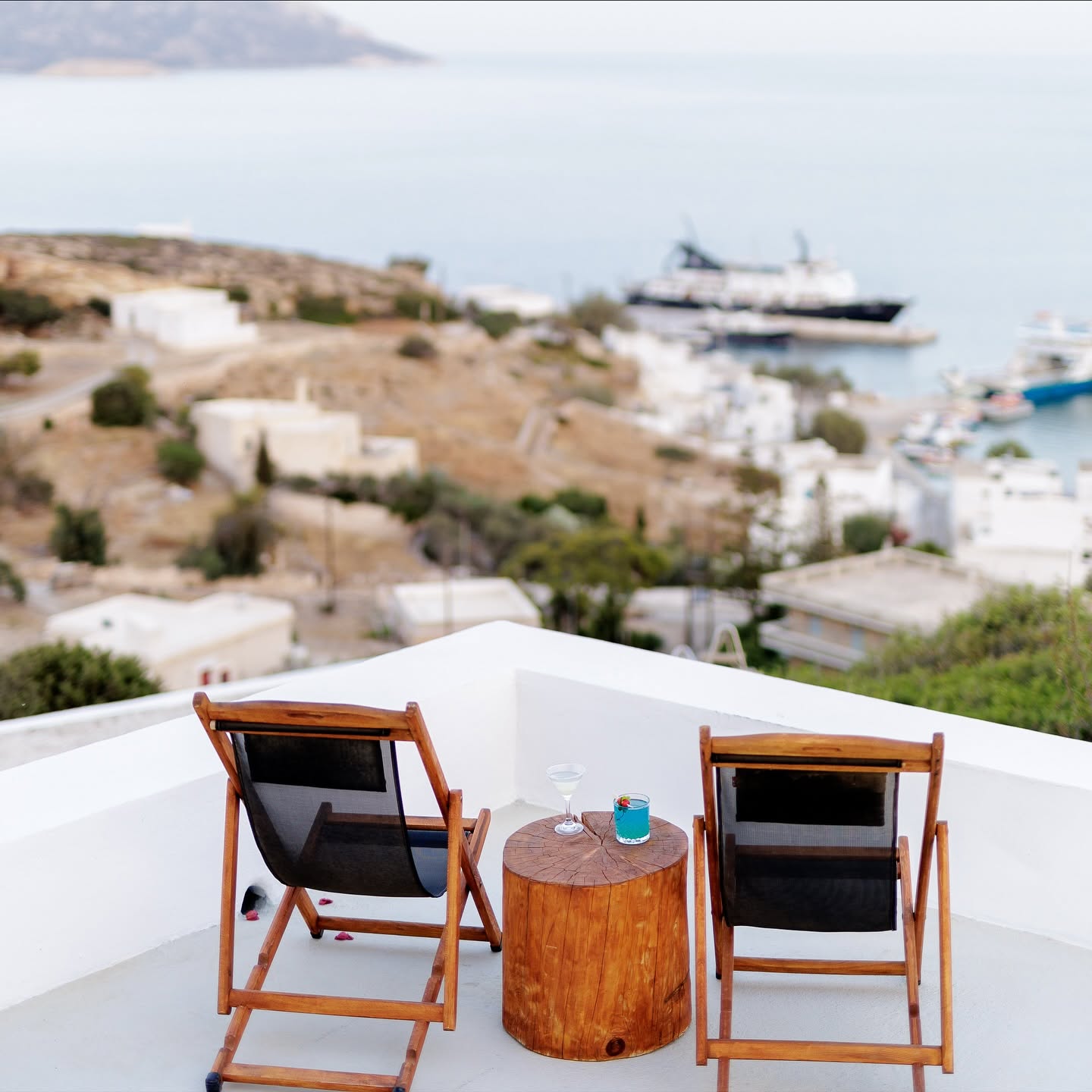
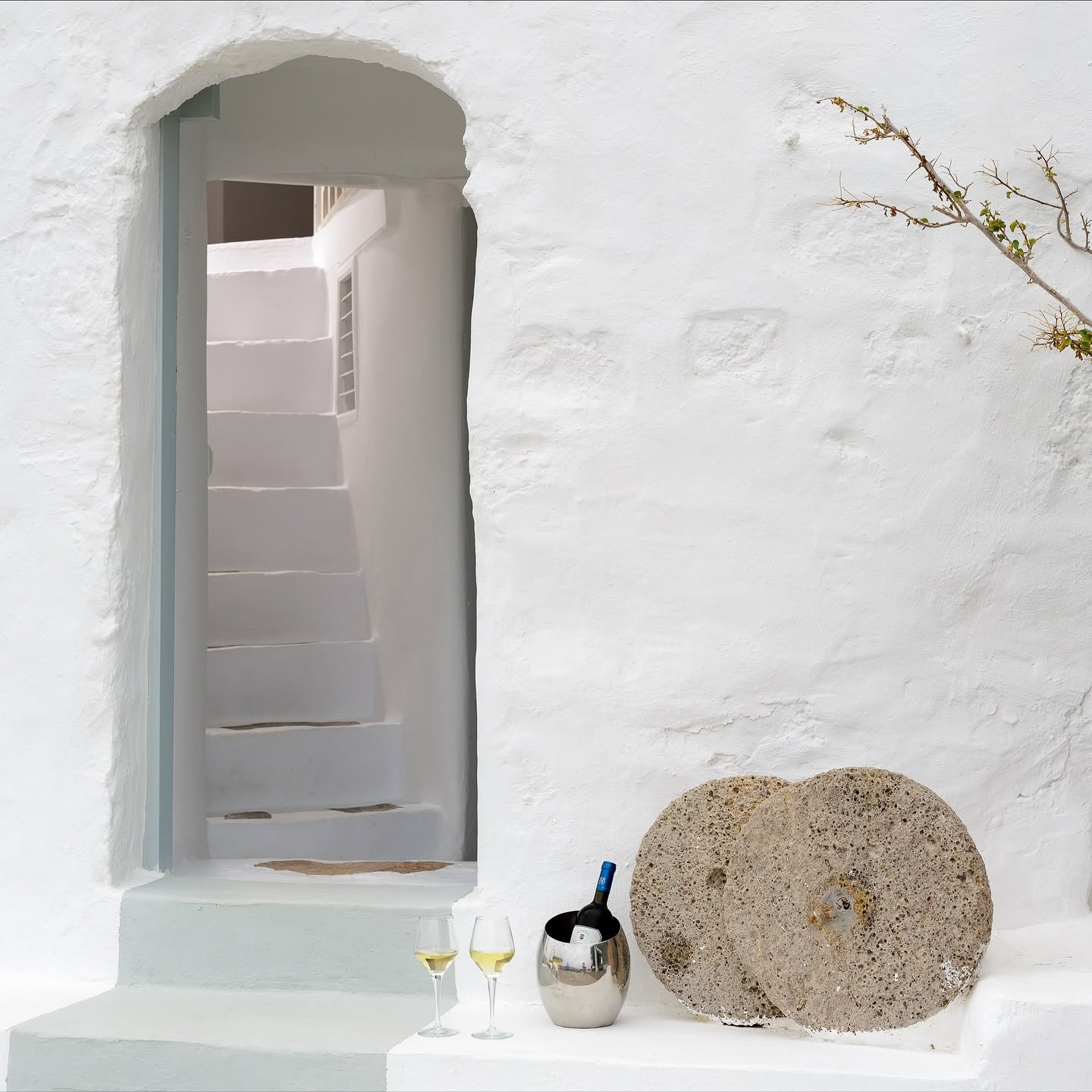
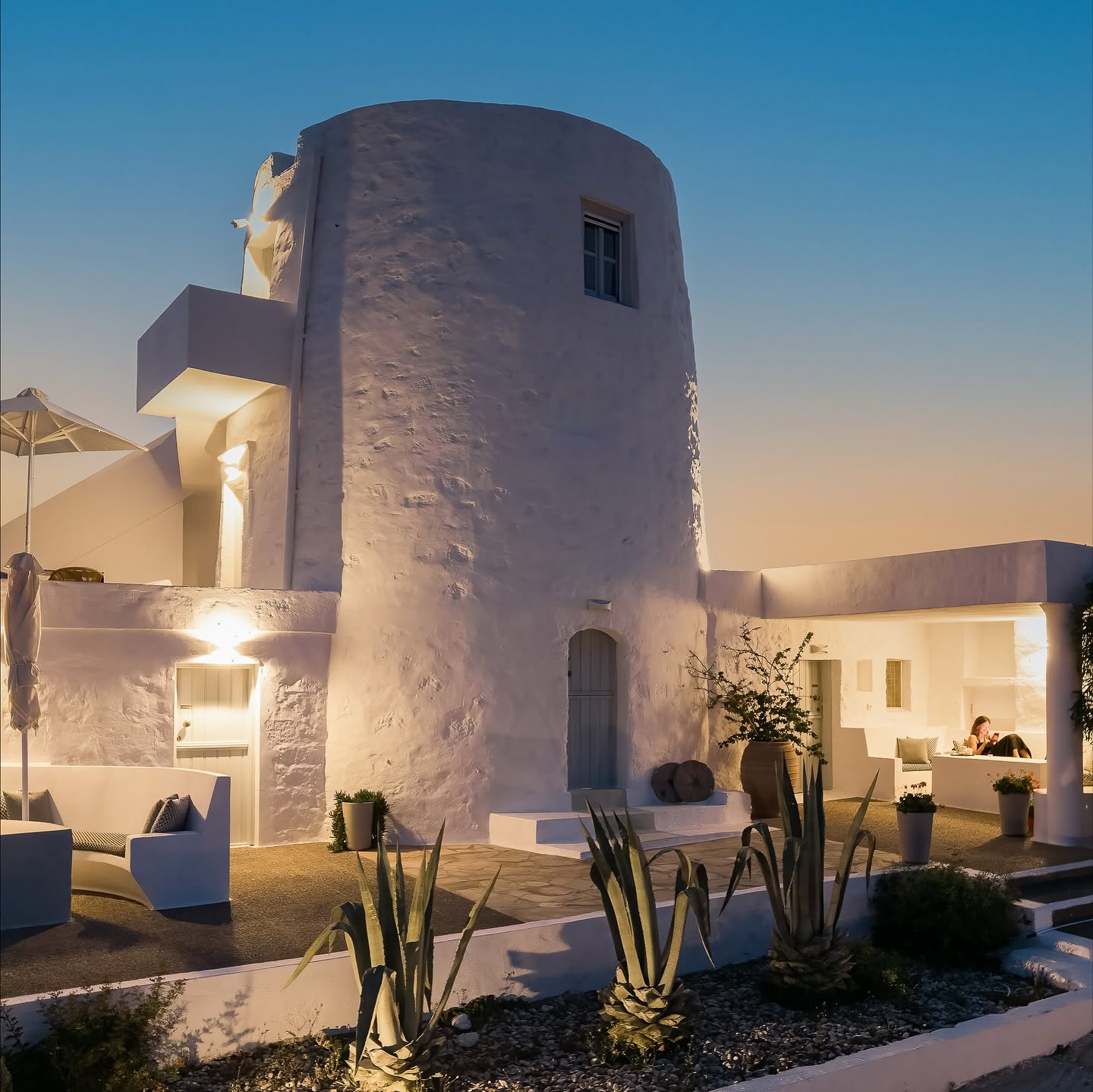
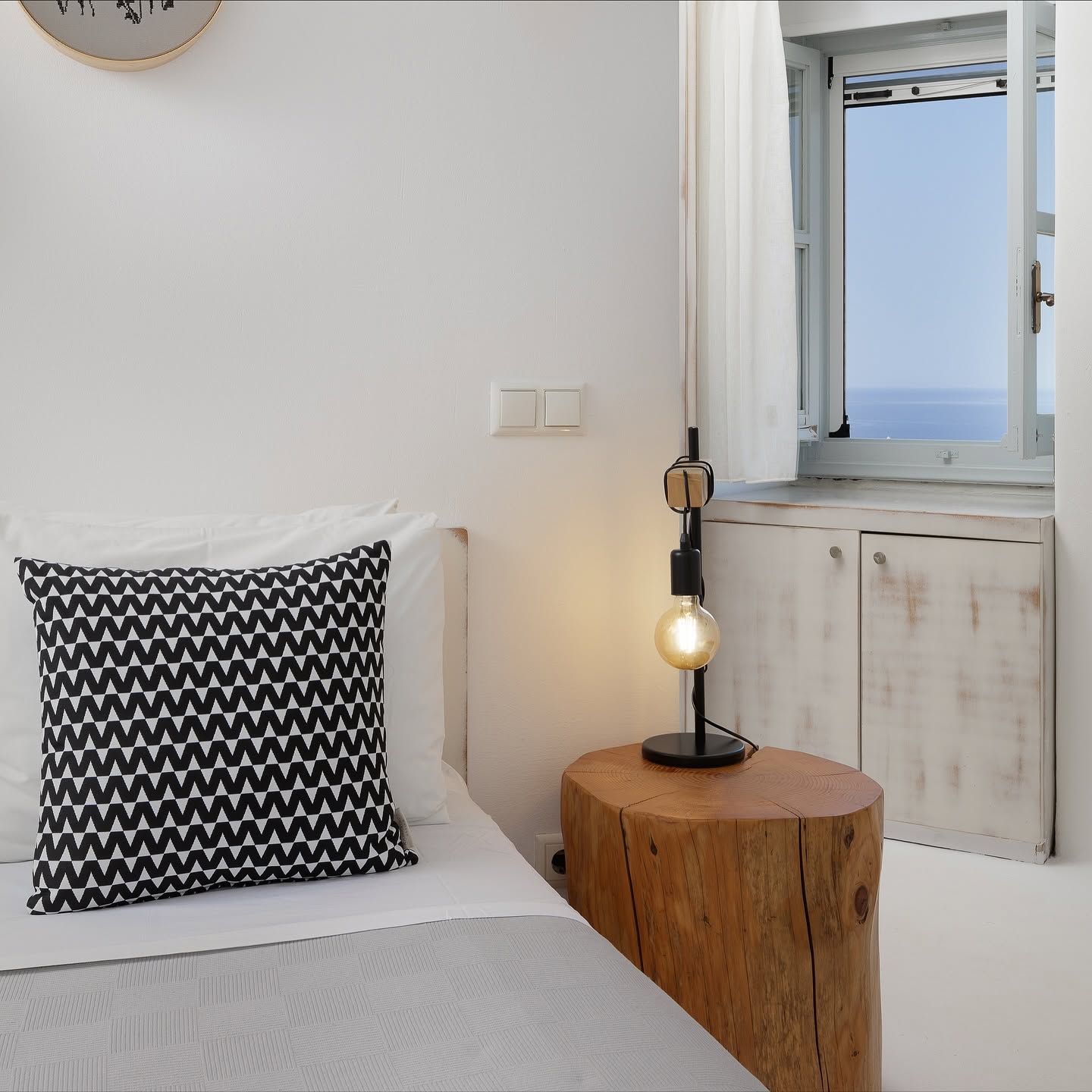
This hotel asks very little of the traveler beyond a willingness to slow down. On tiny Kimolos, this restored 1852 windmill has just 5 rooms, making it one of the most intimate addresses in the Cyclades. It sits above the island with the simplicity of a landmark that has been gently adapted rather than over-designed. Kimolos itself does the rest: pale rock, quiet beaches, small tavernas, chalky lanes, and a pace that still feels human in high summer. The pleasure of staying here is partly the novelty of the building, but more than that, it is the scale. 5 rooms mean no grand hotel rhythm, no resort machinery, no separation from the island. You wake, open the shutters, look towards the sea, and the day begins without ceremony.
Psathi, Kimolos (Cyclades)
12
Melenos Art Boutique Hotel, Rhodes
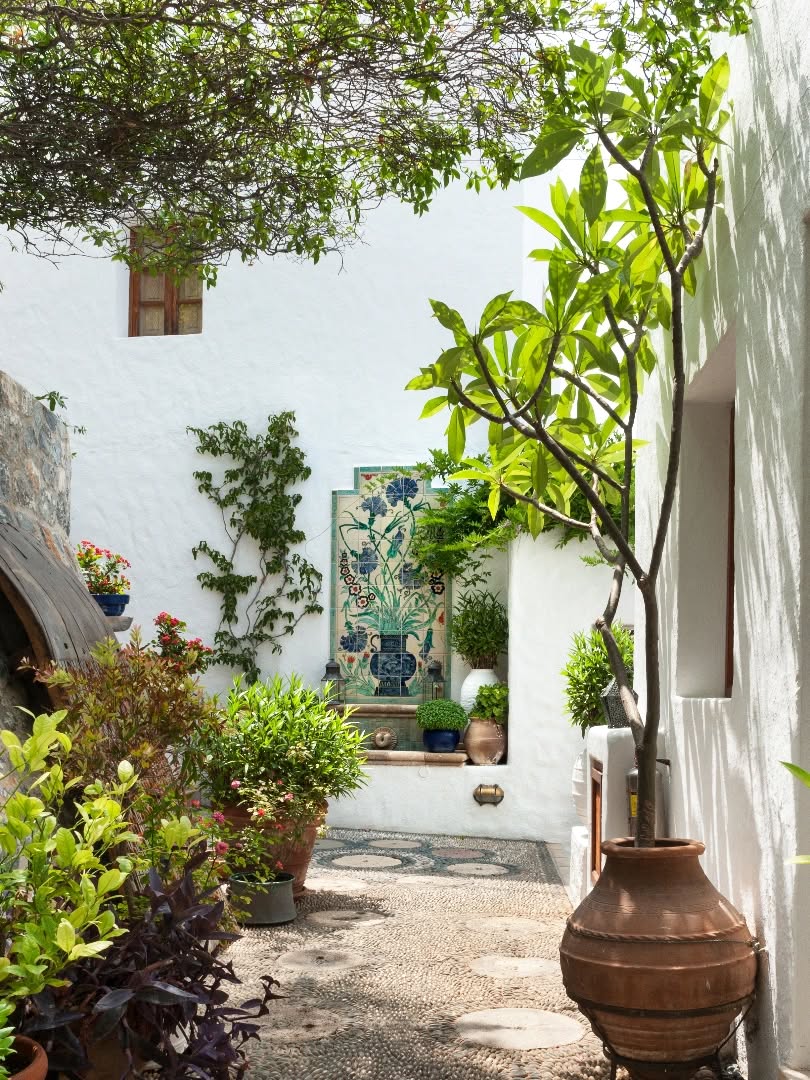
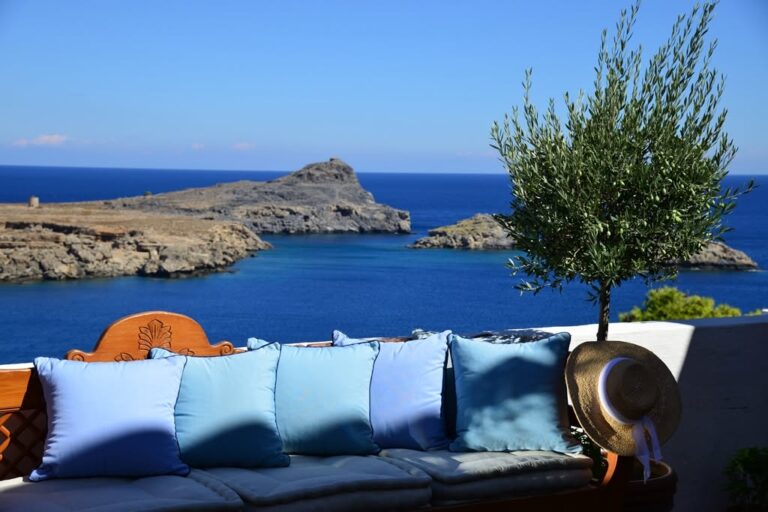

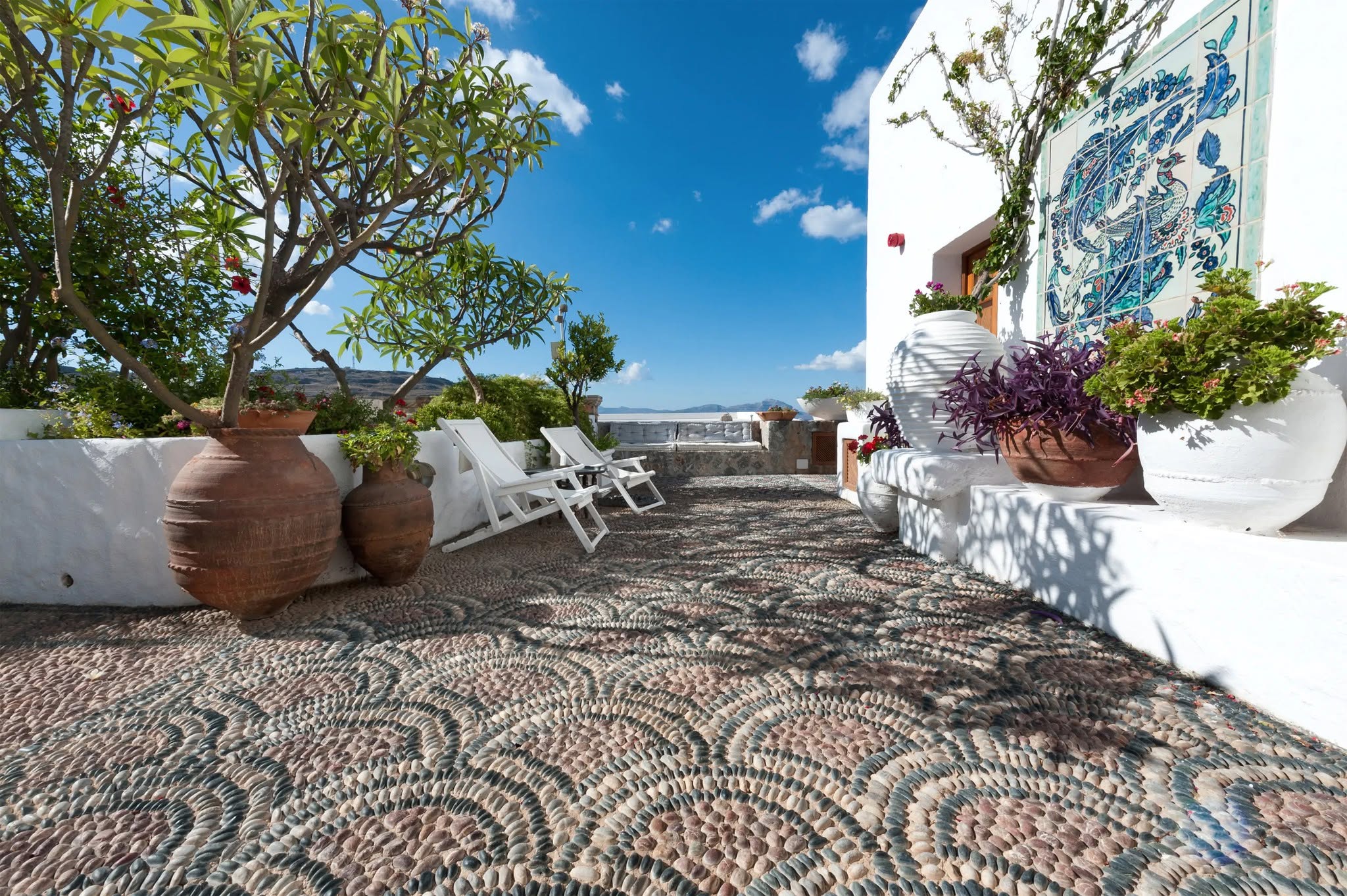
For all Rhodes’ grand hotel history, one of its most distinctive stays is tucked into Lindos like a private village within the village. This boutique hotel has 12 suites and draws on early 17th-century Lindian architecture, with carved stone, painted ceilings, pebble mosaics, hand-painted ceramics and private terraces. Below the Acropolis and above the sea, it offers a more crafted, atmospheric kind of luxury than the island’s larger coastal resorts. The detailing matters here: woodwork, courtyards, textiles, the old vocabulary of Lindos reinterpreted with confidence. Days can begin with a walk through the village before the heat arrives, continue with a swim below, and end on the roof terrace as the Acropolis takes on its evening glow. It is decorative, but never shallow; rooted, but not museum-like.
Lindos, Rhodes (Dodecanese)
13
The Merchant’s House, Corfu
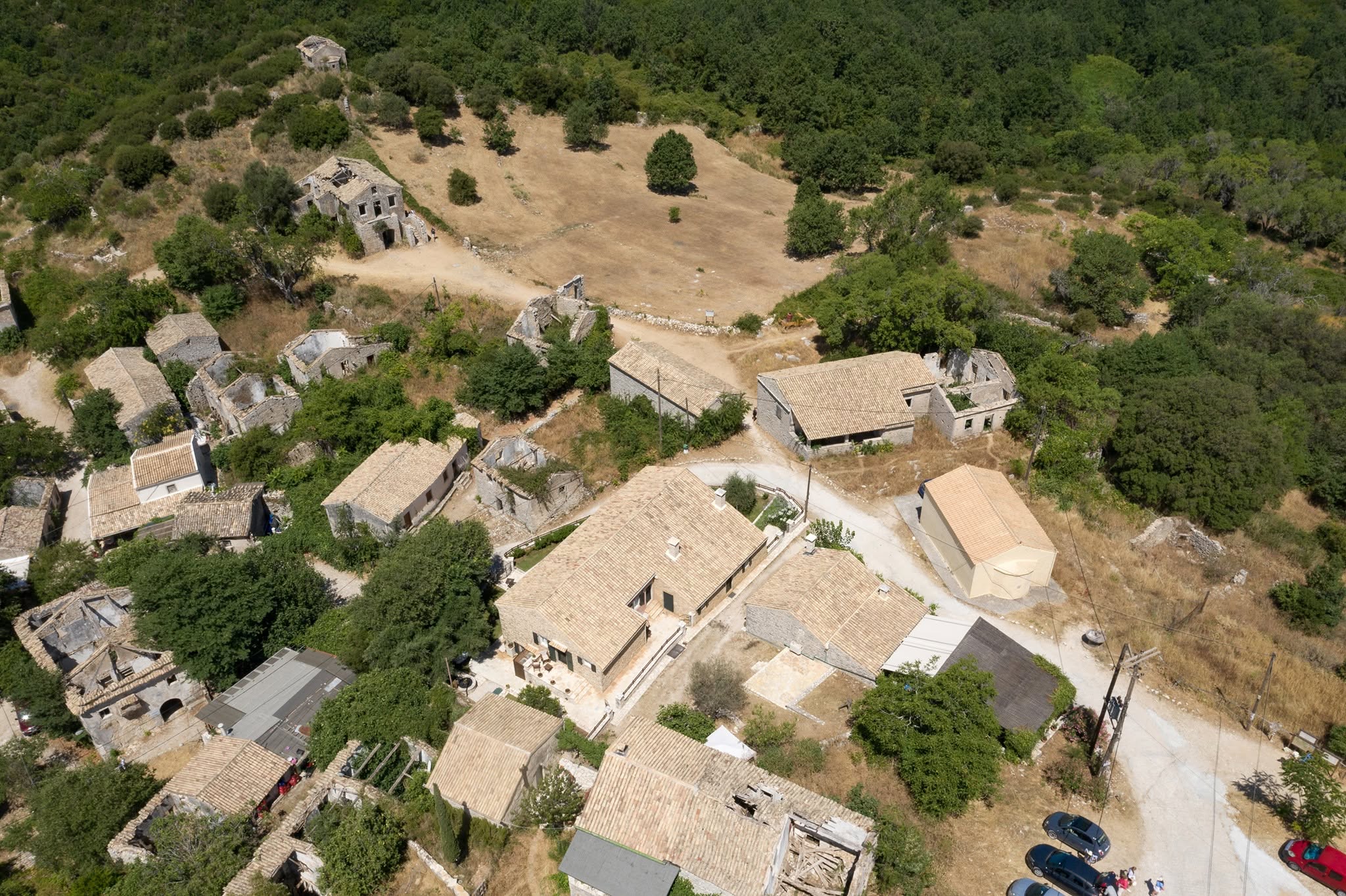
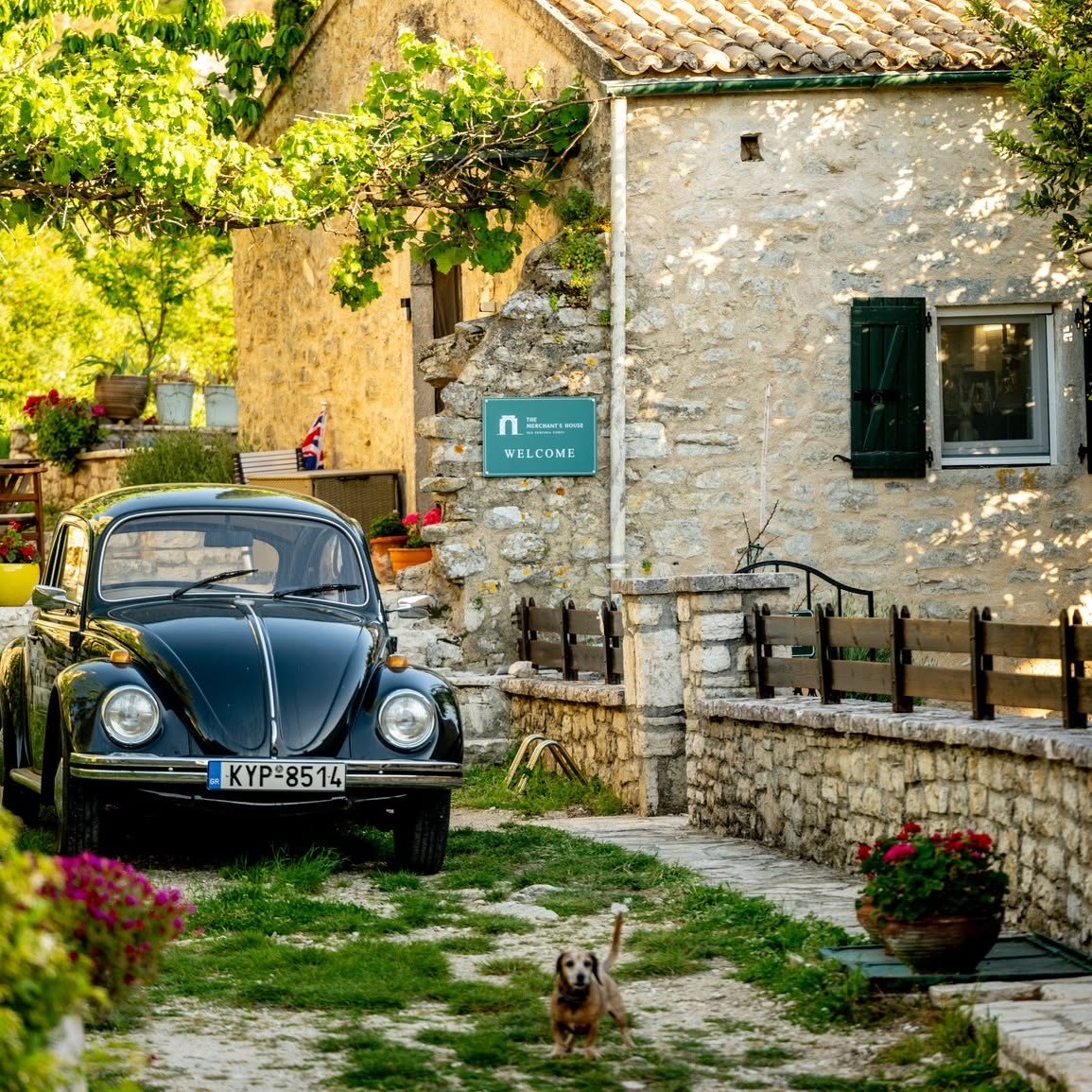
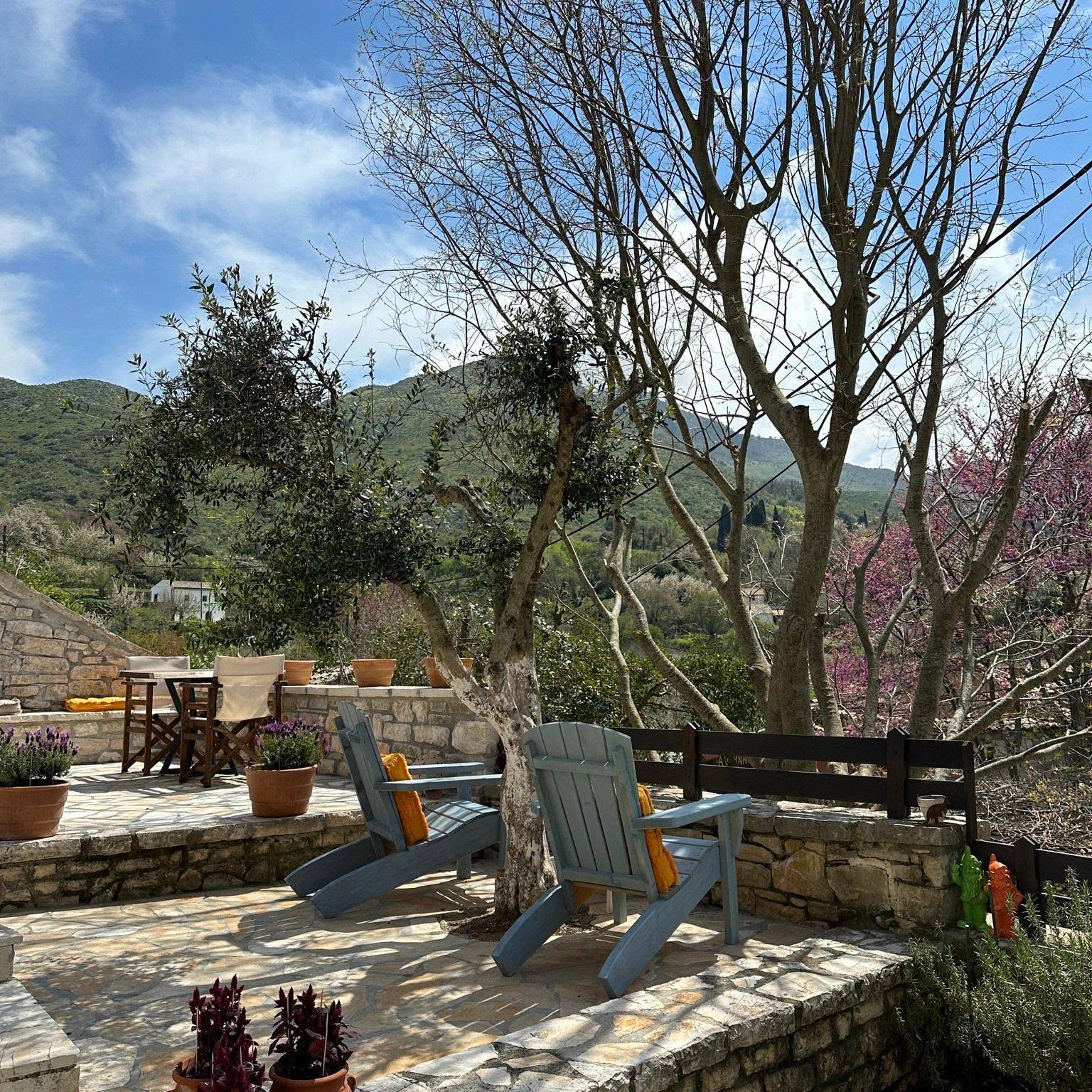
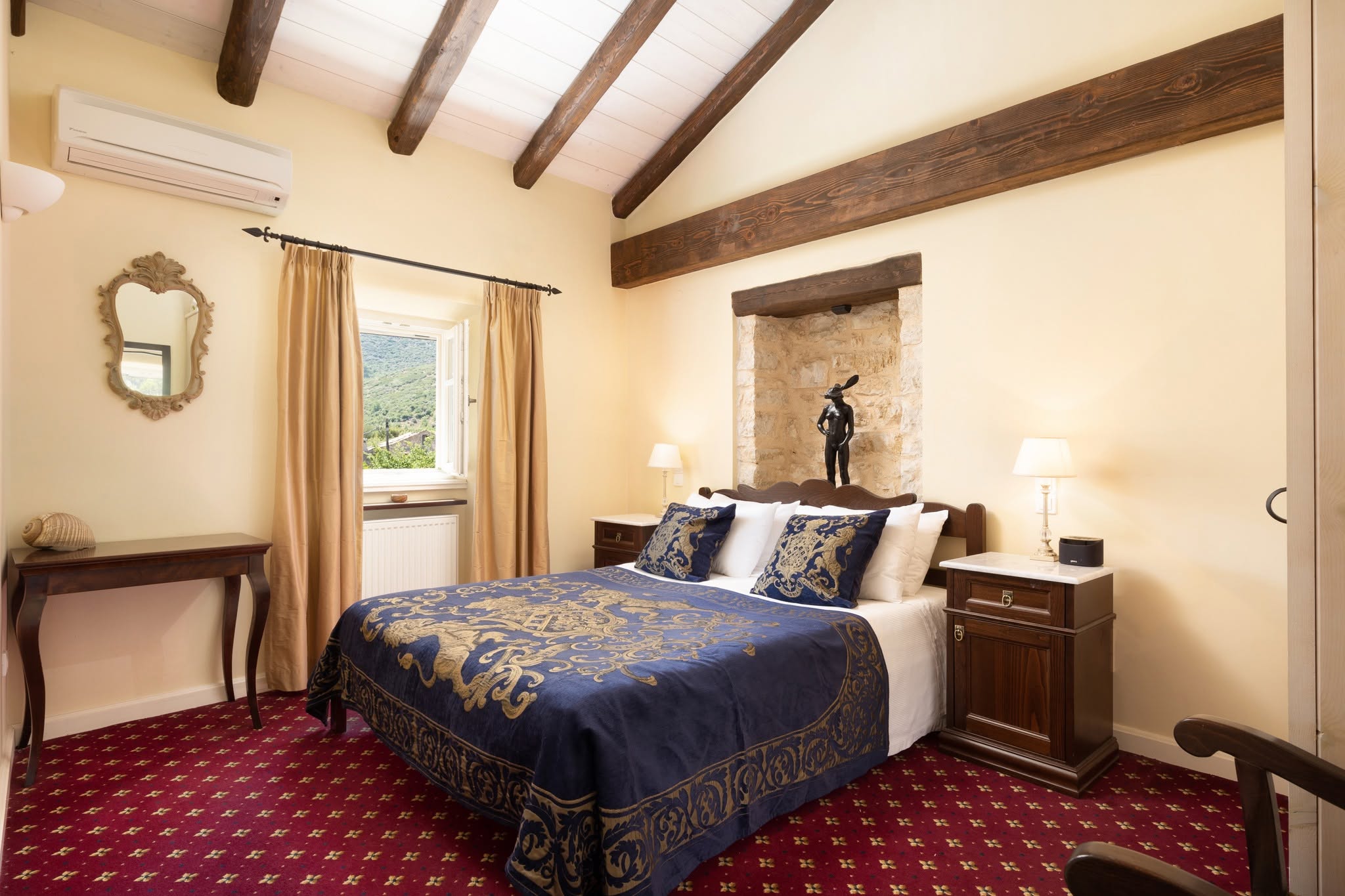
Corfu’s loveliest small stays are not always by the water. In Old Perithia, a 14th-century Venetian village beneath Mount Pantokrator, The Merchant’s House occupies a 300-year-old restored heritage guesthouse with immediate access to hiking and cycling trails and sandy beaches around 15 minutes away by car. Its appeal is atmospheric rather than coastal: cool stone, mountain air, village tavernas, old Venetian traces and the feeling of stepping behind the island’s more familiar Ionian glamour. The rooms are few, the mood personal, and the surrounding landscape opens towards both forested slopes and the sea below. It is a particularly good inclusion because it shows another Corfu, older, quieter, more textured, where the luxury lies in restoration, stillness and the pleasure of sleeping in a village that seems to have kept its secrets.
Old Perithia, Corfu (Ionian Islands)
14
Milia Mountain Retreat, Crete
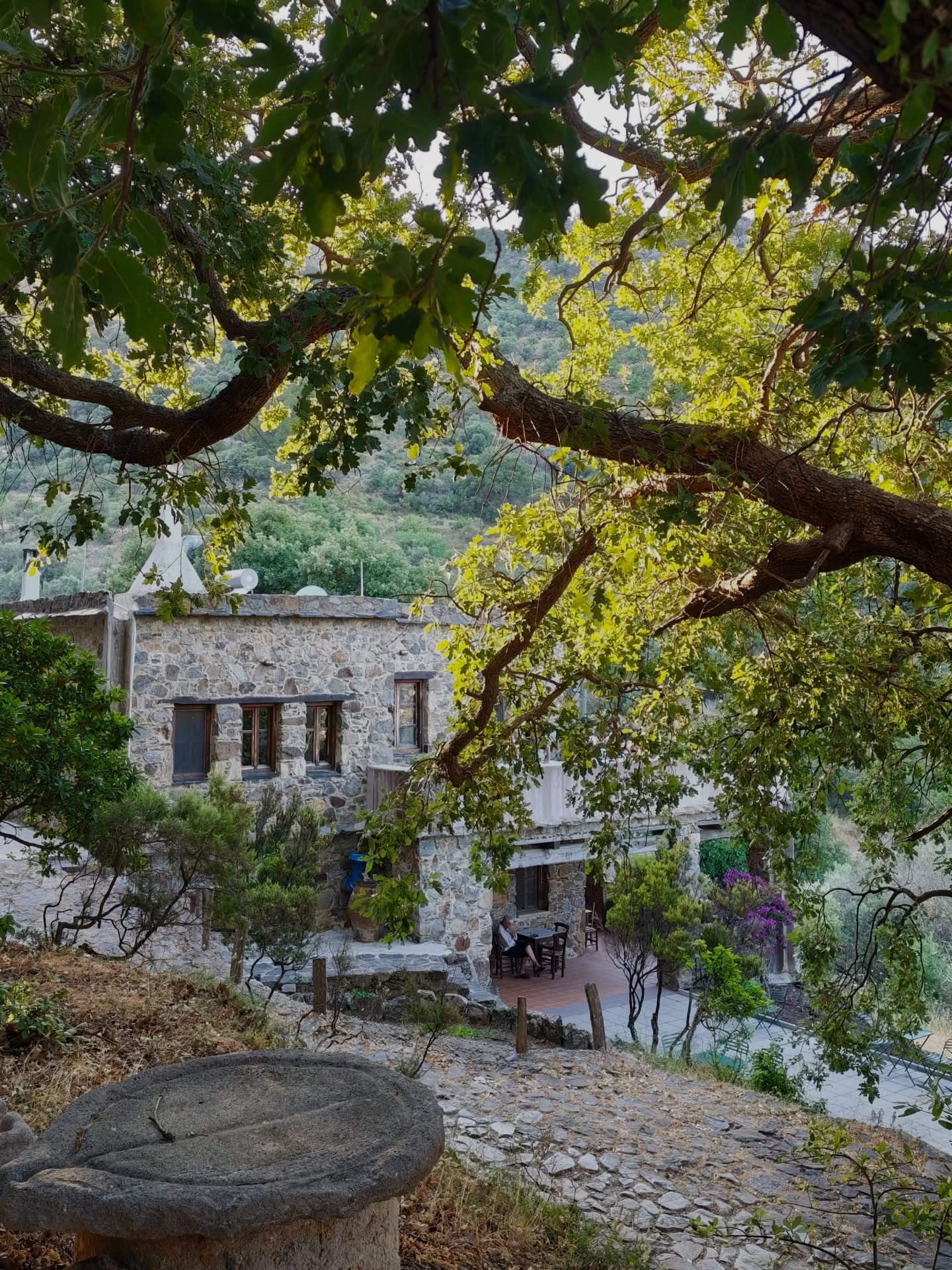
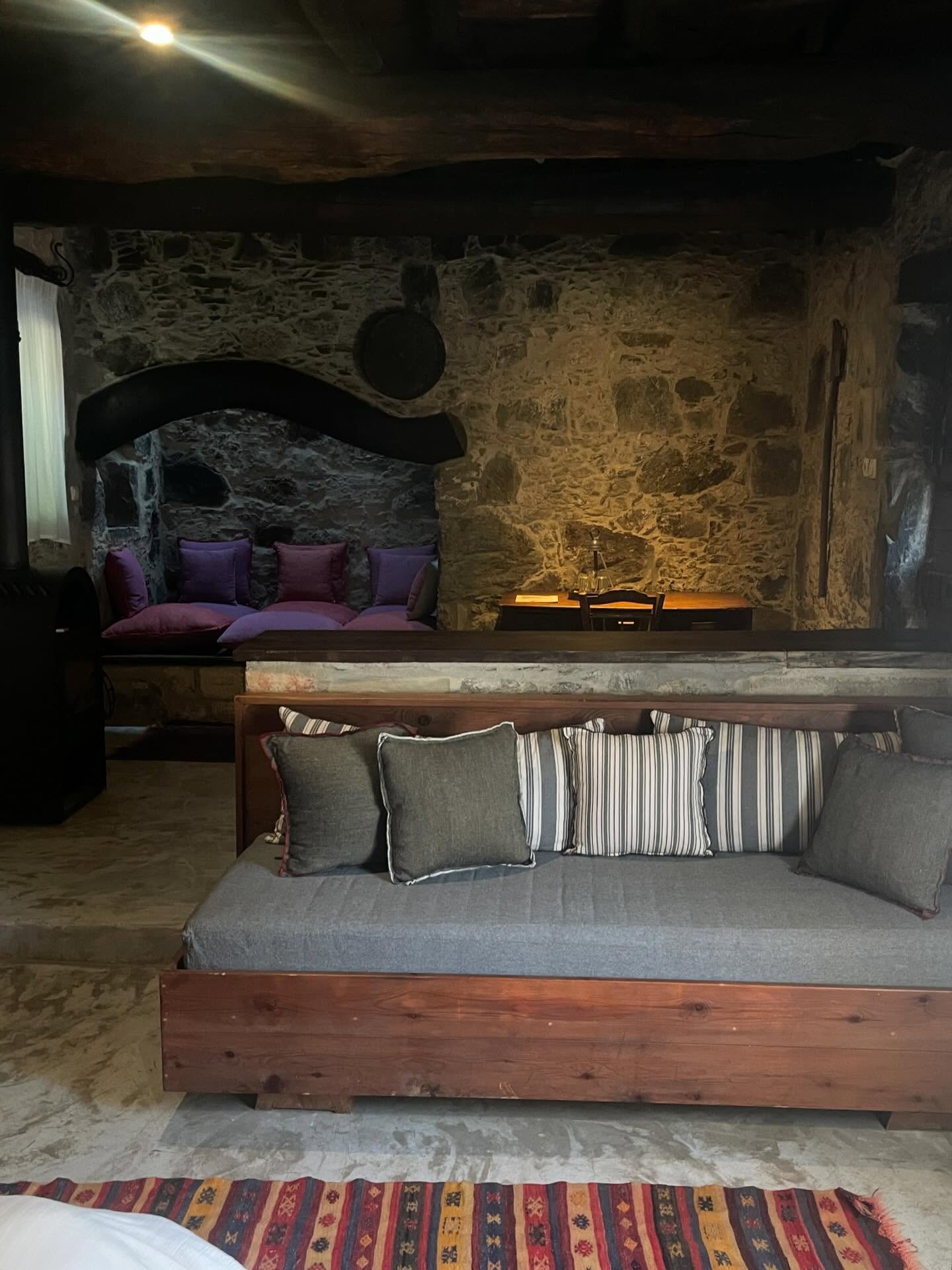
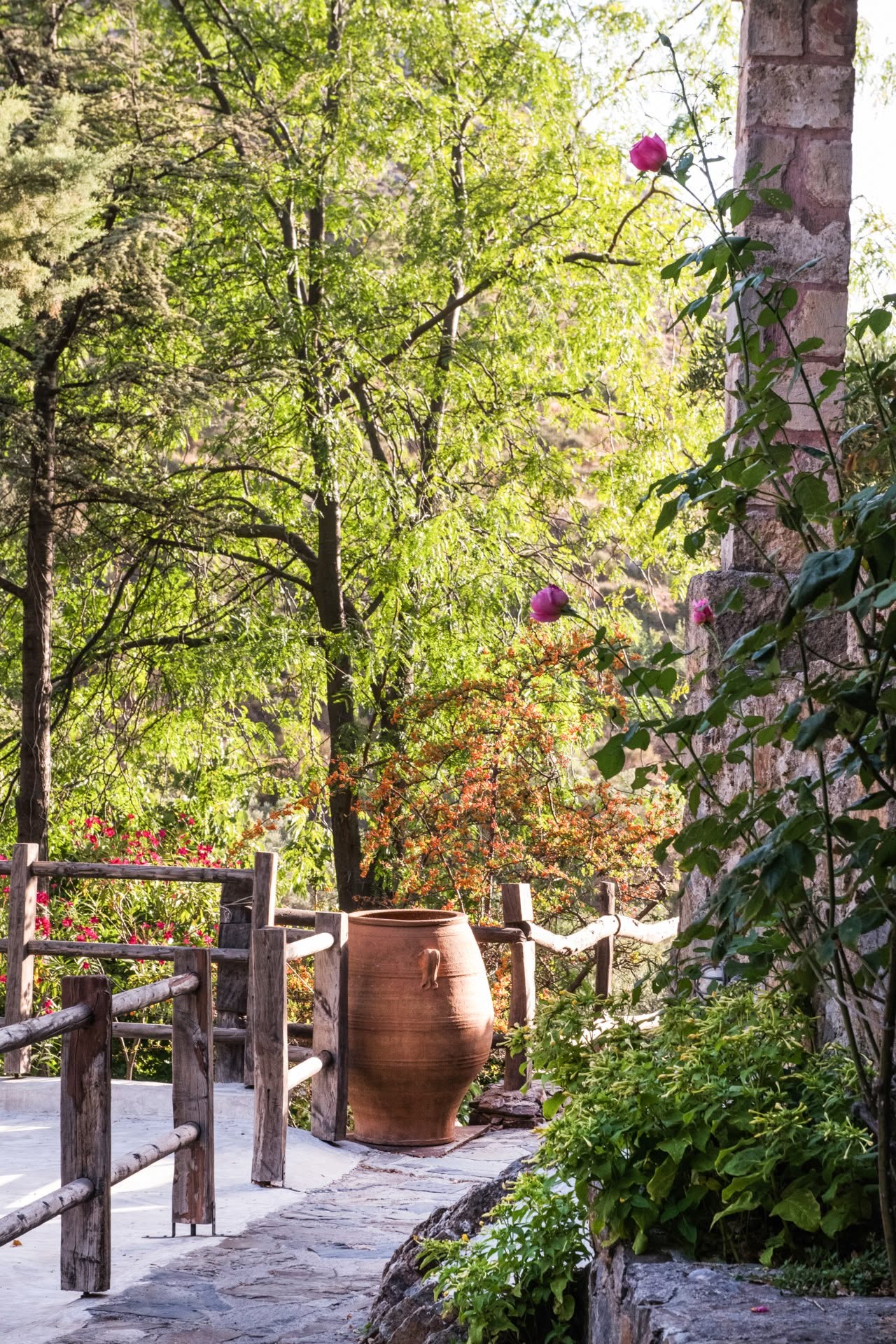
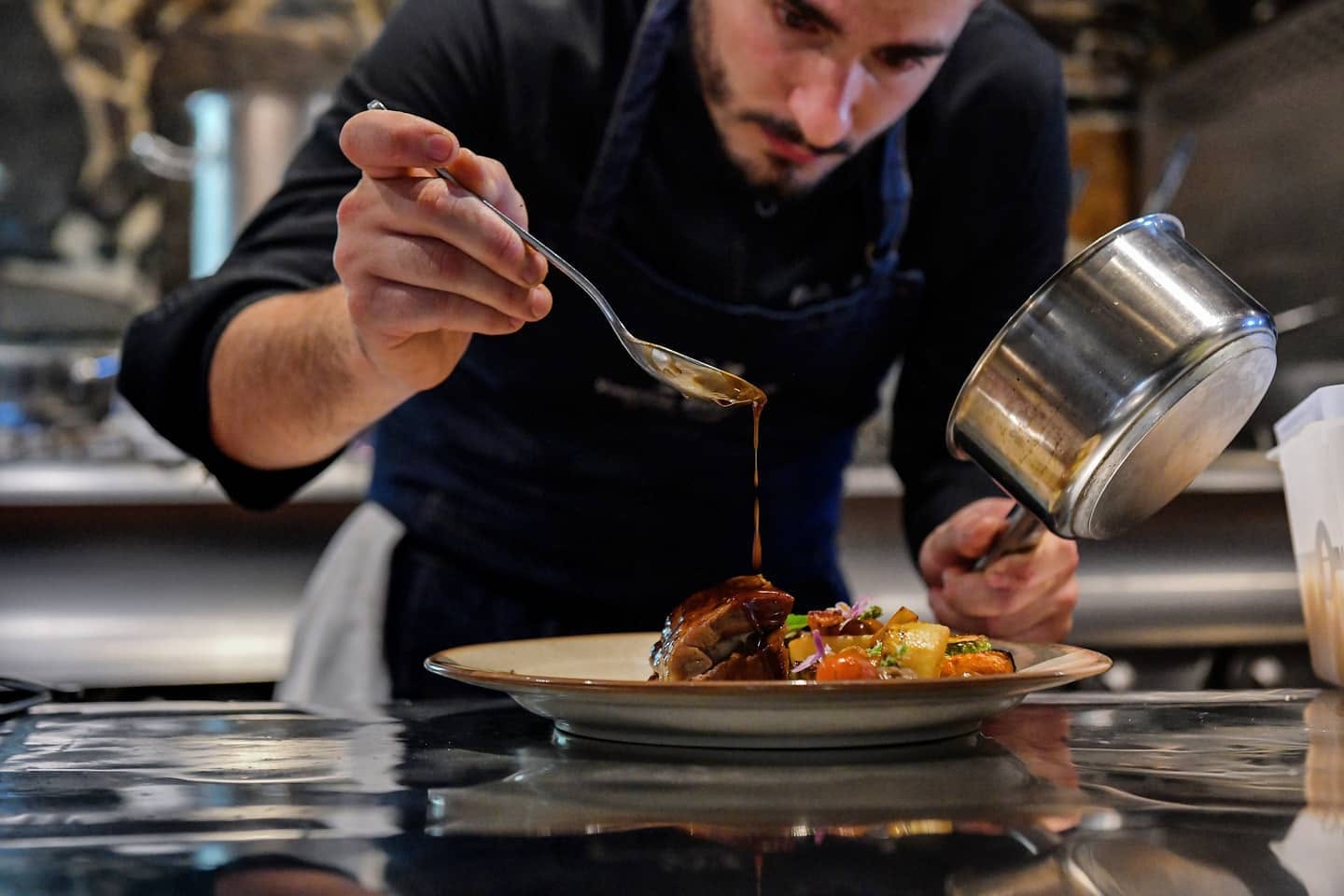
Crete deserves at least one stay away from the beach, and Milia Mountain Retreat is that place. In western Crete, a restored 16th-century mountain settlement has been brought back to life with rooms that preserve the architecture and atmosphere of the region: stone walls, timber, fireplaces, simple objects and the feeling of shelter. The surrounding landscape is forested, green and deeply Cretan, a reminder that the island’s soul is found as much inland as by the sea. Meals here matter, not as hotel dining but as an extension of place: produce, seasonality, mountain appetite. The day’s rhythm is elemental – walking, reading, eating, listening to birds, watching light move across stone. After the Cycladic entries, Milia offers a necessary counterpoint: no barefoot beach fantasy, but something earthier, older and perhaps even more restorative.
Vlatos, Chania (Crete)