


At the southern tip of the Peloponnese, on the middle of the three peninsulas that reach into the Mediterranean like fingers, lies the Mani, one of Greece’s most storied and least tamed regions. This is not the Greece of whitewashed island postcards. It is a land of fierce clans who built stone towers instead of houses, of villages that repelled invaders for centuries, and of a coastline where sheer cliffs drop into water of an almost implausible darkest blue. Its beauty reveals itself gradually. It takes a second glance to notice how the stone that abounds here has been shaped into tower houses, roads, charming little cottages, sturdy walls and grand mansions. In other words, how this seemingly “barren” material has, in fact, created wealth.
That second glance is exactly what this route is designed for. What follows is a drive through the stone villages of the Mani, from the tiny seaside cove of Limeni to Areopoli, a town that feels lifted from the medieval era, on to the hauntingly abandoned towers of Vathia at the peninsula’s wild southern edge, and finally to Gytheio, a graceful neoclassical harbour town on the Laconian Gulf. And because a landscape this demanding rewards those who linger, each stop comes with the places worth staying the night: restored tower houses, family-run hideaways and polished seaside retreats, all built from the same stone that defines everything here.
Locations on this route
(click to get there)
01
Limeni

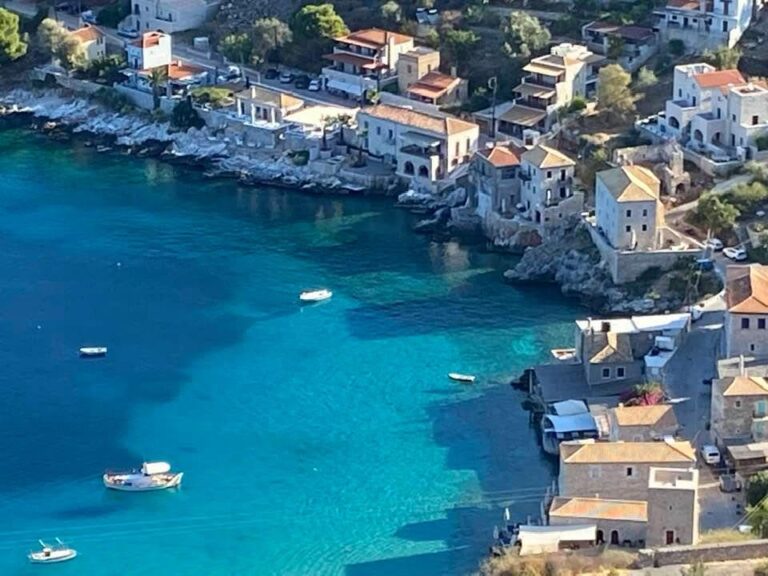
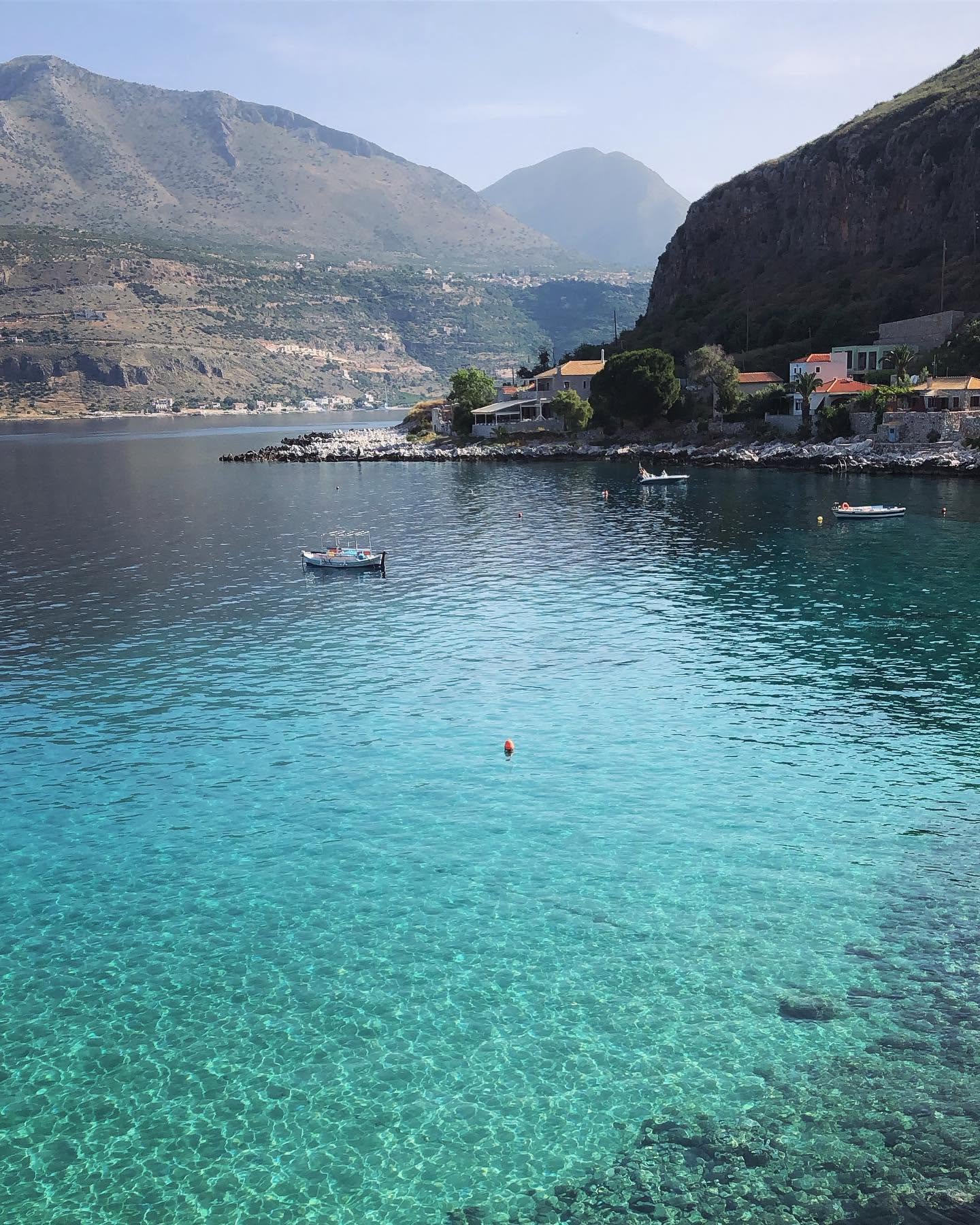
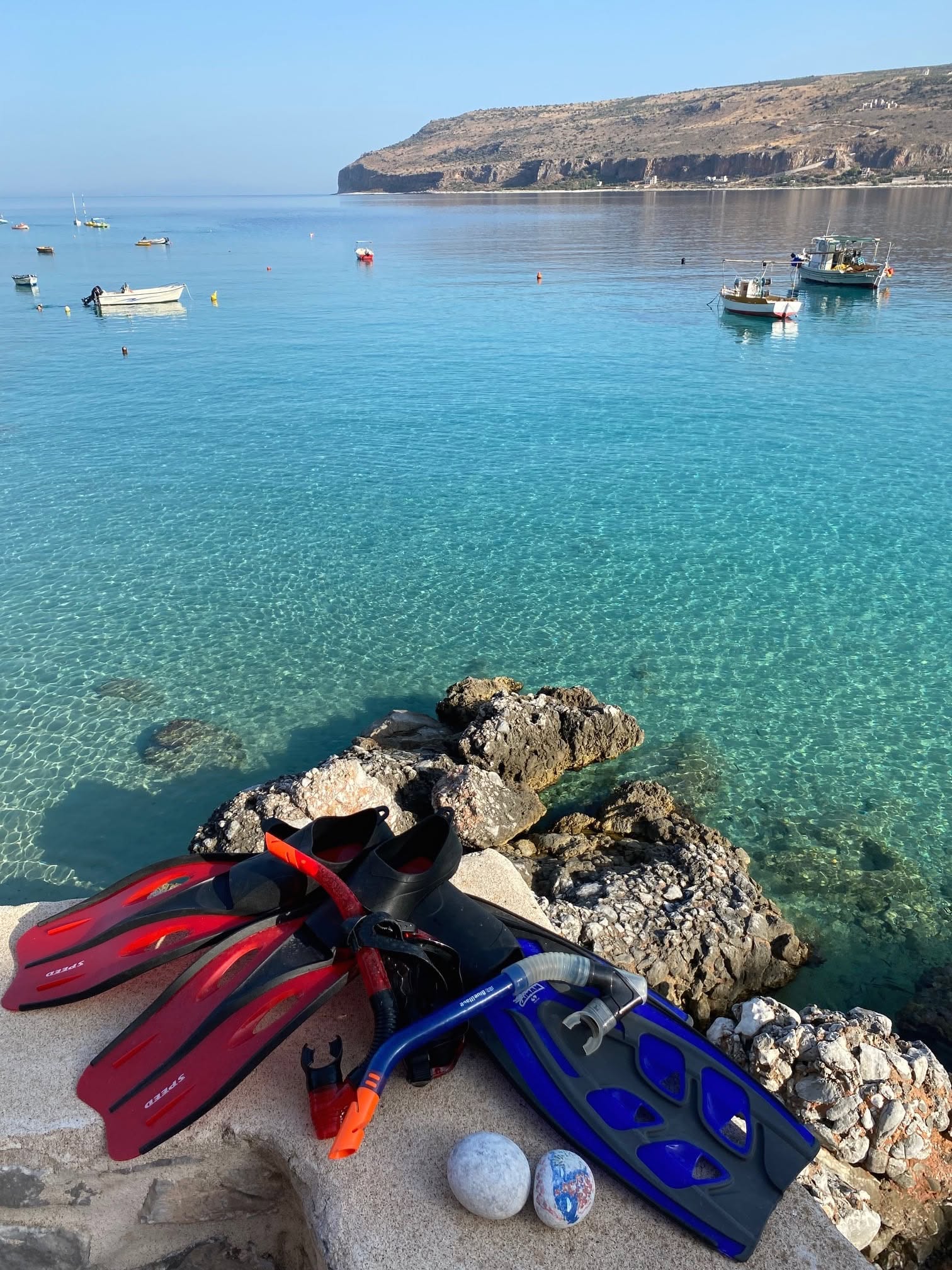
If it’s your first time in the Mani, your journey will begin in the tiny village of Limeni. Here, a handful of stone houses lean right up against water in perhaps the most flawless shade of turquoise you’ve ever seen, inviting you to dive straight in.
The scene is completed by octopus tentacles drying on lines outside the tavernas, along with colourful bougainvillea, jasmine and prickly pears. There’s little to do here but laze on the rocks after a swim, or settle into one of the sea-view tavernas with a glass of tsipouro for company.
Where to stay
Pyrgos Mavromichali
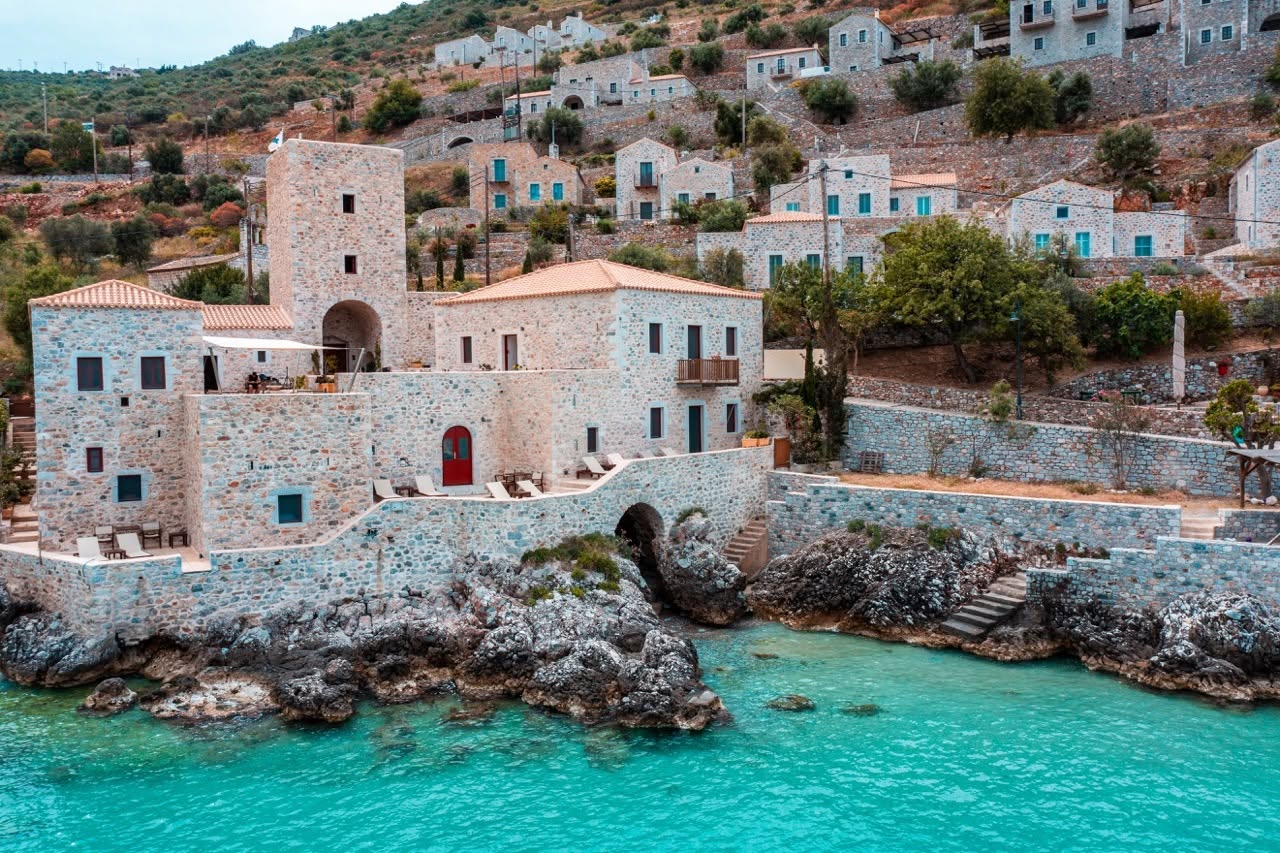
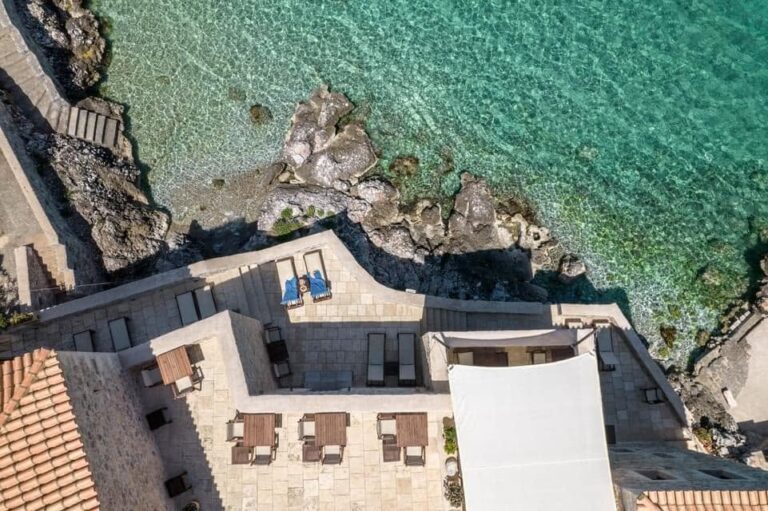
The fortress-like tower house dominating Limeni’s lane was raised in stages by the family of Petrobey Mavromichalis, the first section in the late seventeenth century and a second in 1820, and reopened as a boutique hotel in 2011 under his descendant Theodosis. Stone steps run straight from the terrace into the sea. Chef Dimitris Dimitriadis works with fish and meat from local producers and makes the pasta, known as macarounes, by hand, alongside a well-chosen list of Greek wines.
Limeni Village
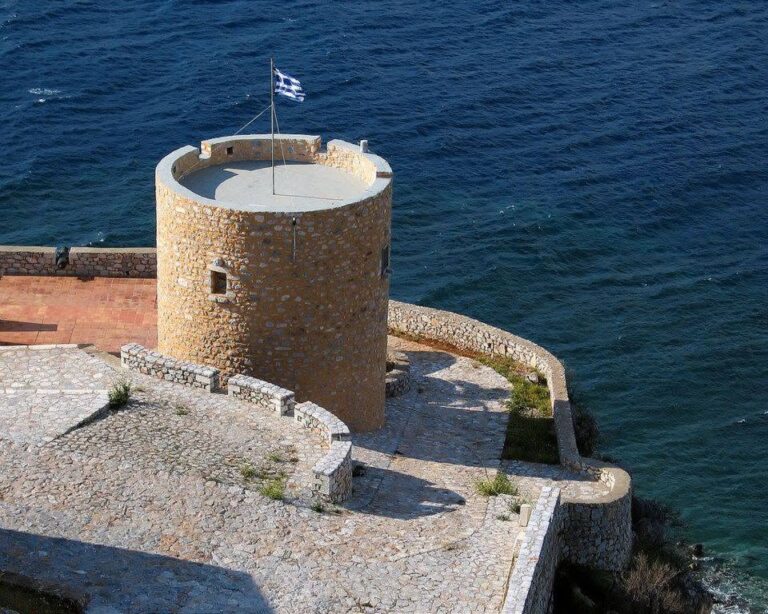
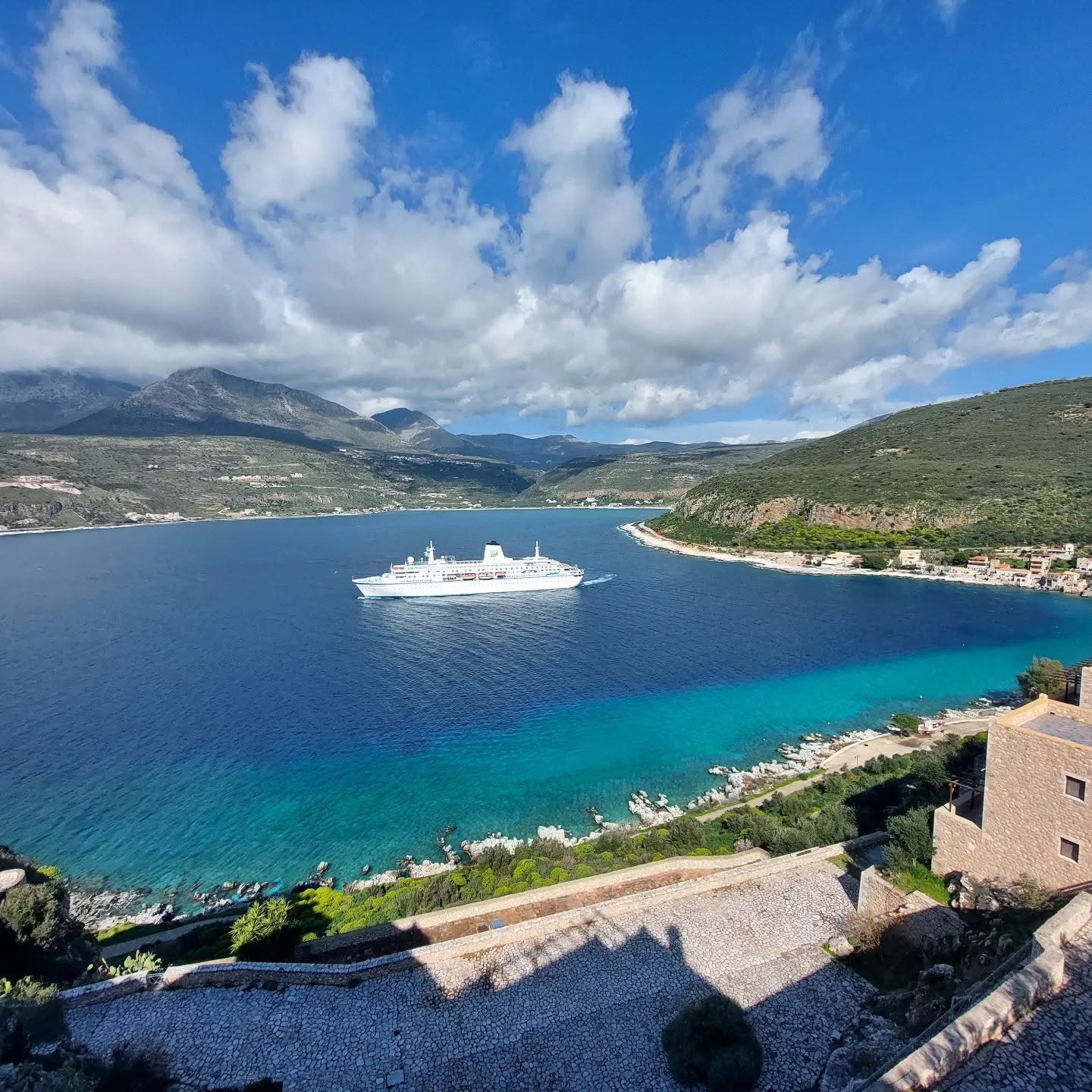
Sixteen individual stone tower houses, terraced above the small port, have been converted into rooms and suites, most looking straight down over the water. The interiors keep to a spare Maniot register of stone or wrought-iron beds and marble or tiled floors, with little further ornament. A restaurant and pool bar serve guests through the day, and the position, a few minutes on foot from the sea, makes it an easy base for exploring Areopoli and the caves at Diros.
Trapela Limeni Luxury Suites
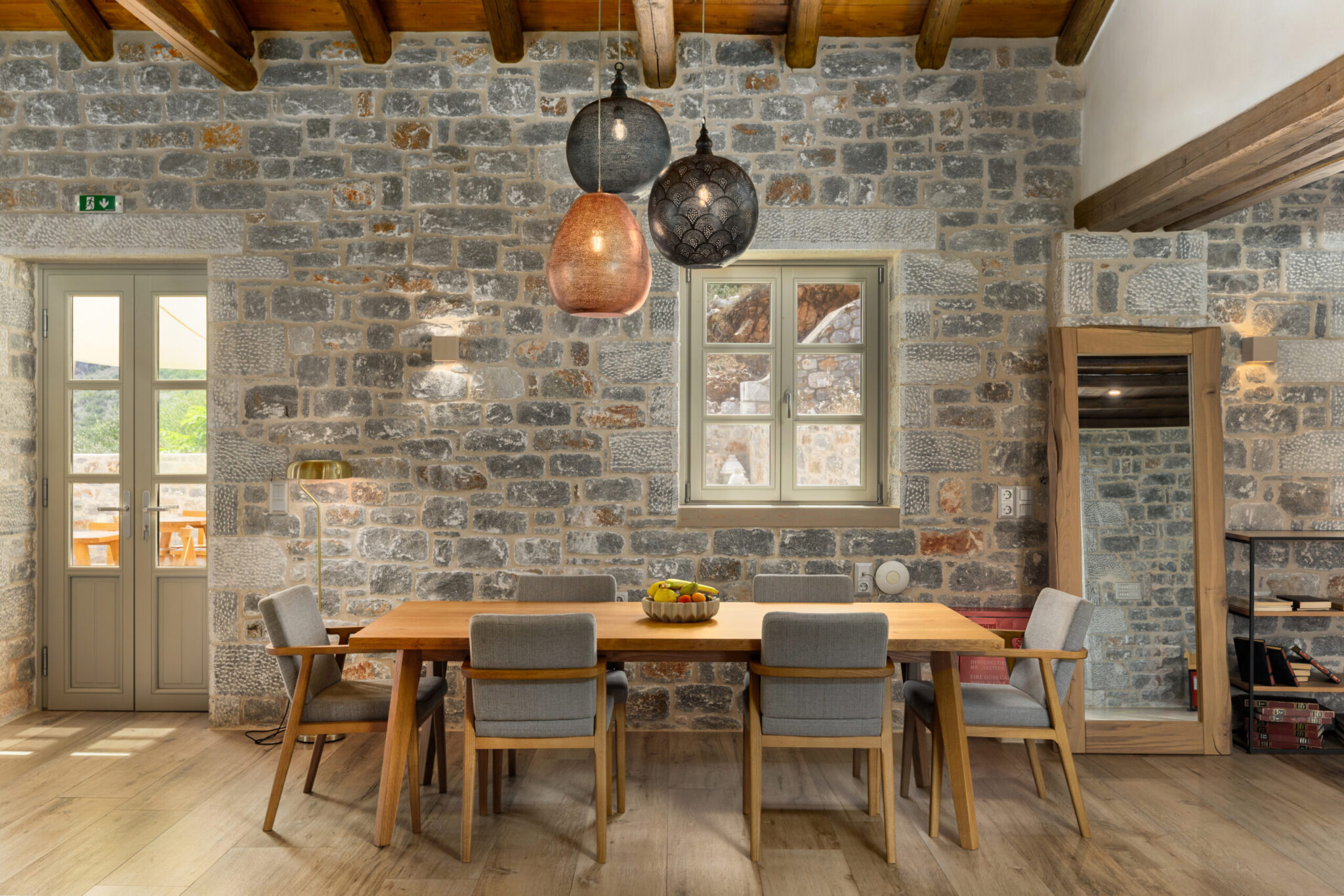
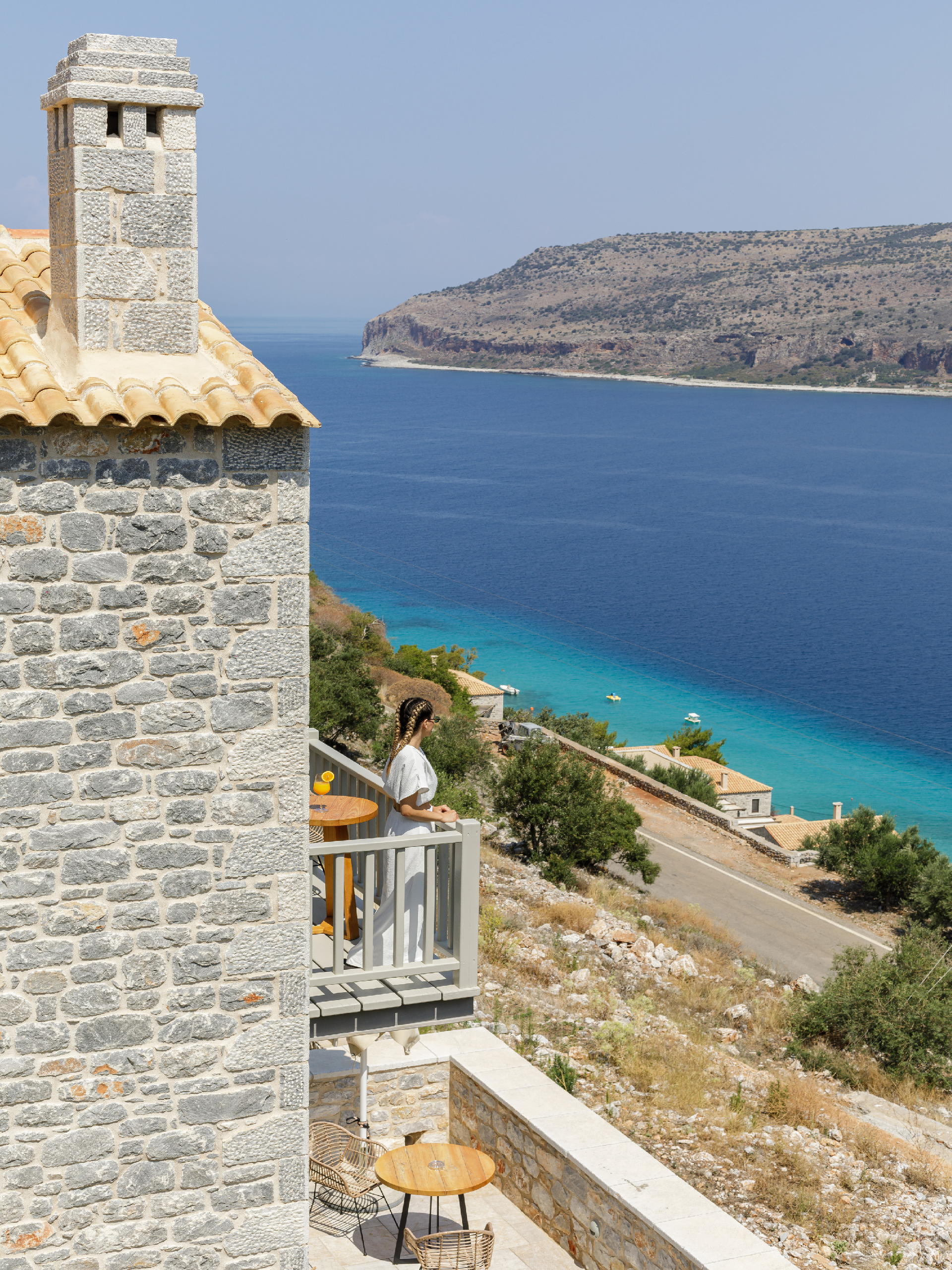
Spacious suites climb the hillside directly above Limeni’s harbour, most opening onto views over the water or the cluster of stone houses below, finished in pale stone, timber and linen rather than ornament. It works as well for a short stopover as for several nights, within easy reach of Areopoli, the caves at Diros and the long drive south toward Gerolimenas. Staff are known for steering guests toward the right cove or sunset spot along this stretch of coast.
02
Areopoli


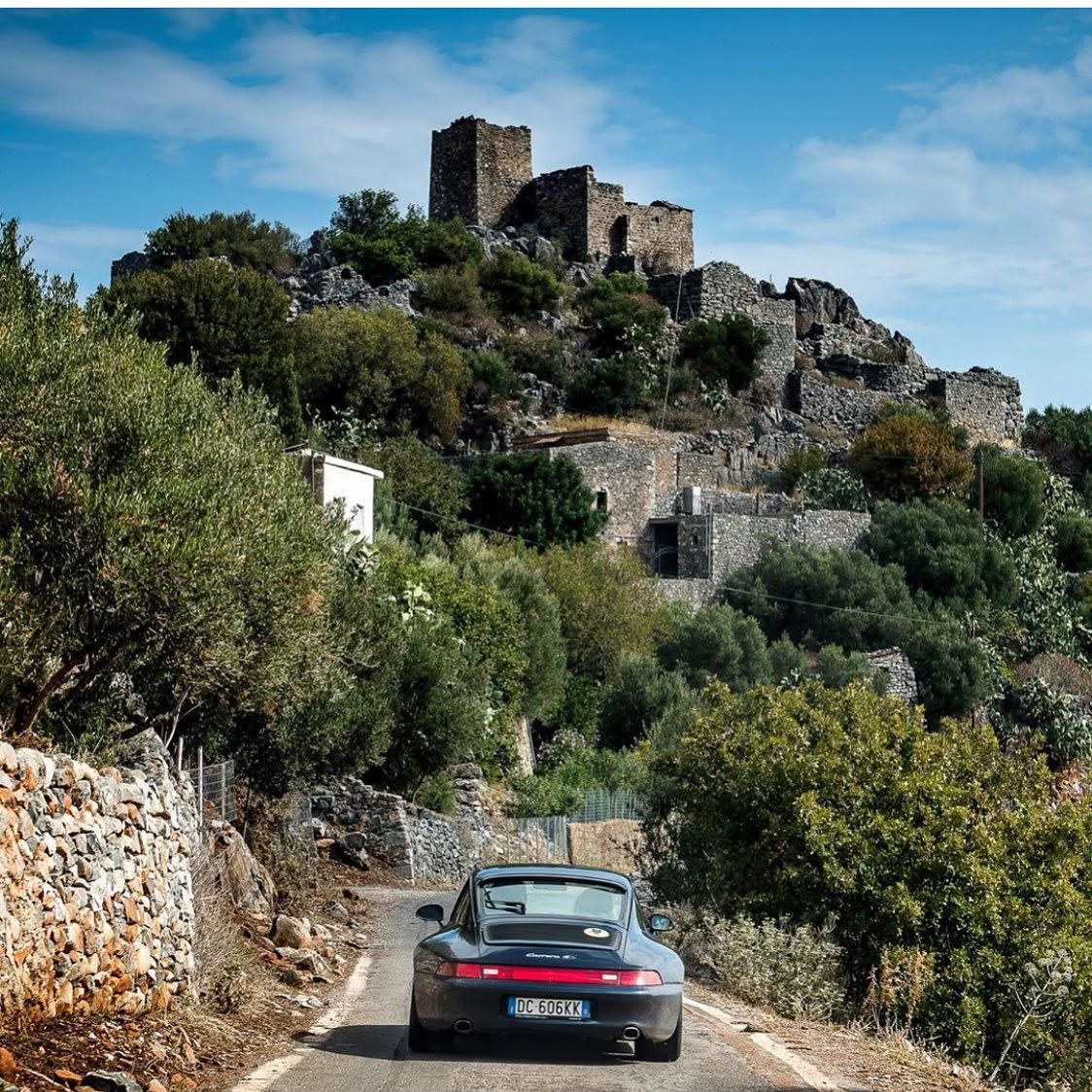

Your next stop should be Areopoli, just five kilometres from Limeni. And “should” is the right word, because this is a remarkable settlement that transports you back centuries with your very first step.
Narrow cobbled streets and tall, austere tower houses stand side by side, their restrained architecture shaped by a history of defence and clan rivalries.
Today, the atmosphere has mellowed somewhat, as many of these buildings now house well-appointed guesthouses, cafés, restaurants and bars. Wander the narrow lanes of this small town, stopping at the twin church of Agios Charalambos and Panagitsa, with its 1869 frescoes at the entrance to Areopoli, and at Pikoulakis Tower, a fortified Maniot residence whose tower now houses the Byzantine Museum of Mani.
Where to stay
Ktima Karageorgou
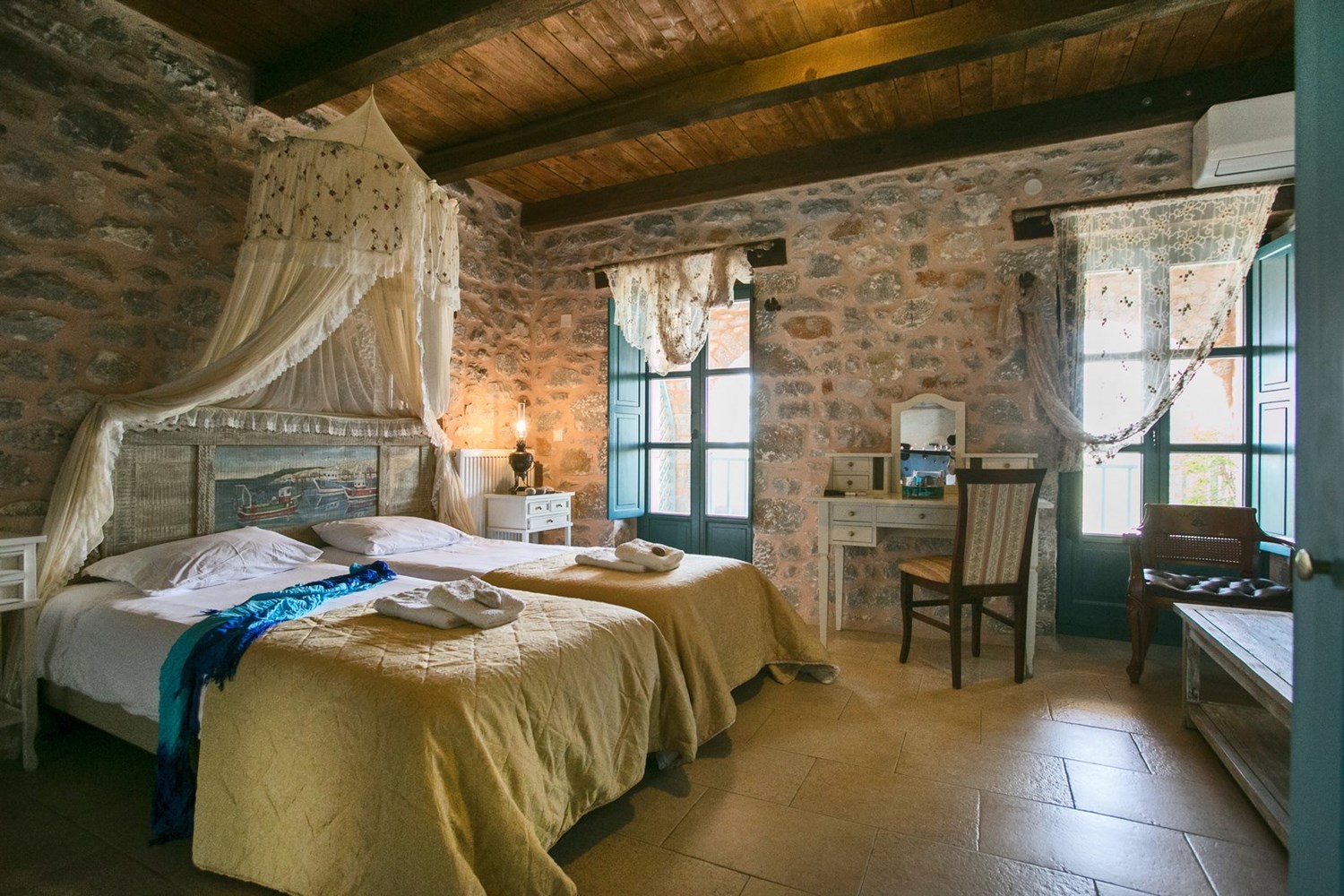
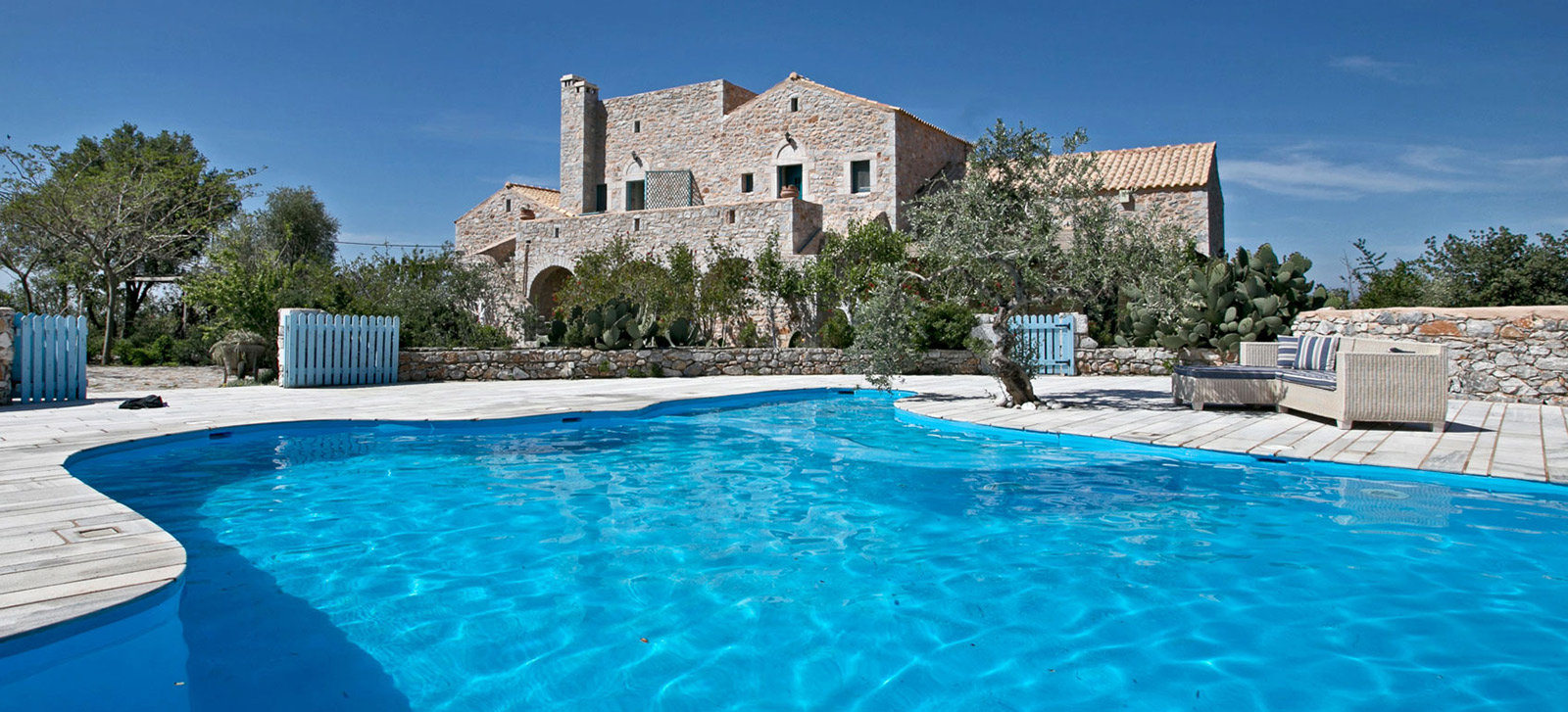
Just outside the centre of town, a stone complex set within a cultivated green estate offers a quieter alternative to staying in Areopoli itself, arranged around a swimming pool and gardens. Rooms are finished with careful, romantic touches down to the last detail, aimed at couples after calm rather than nightlife. It works well as a base for day trips to Limeni, Diros and the villages further south.
Ariá Estate Suites & Spa
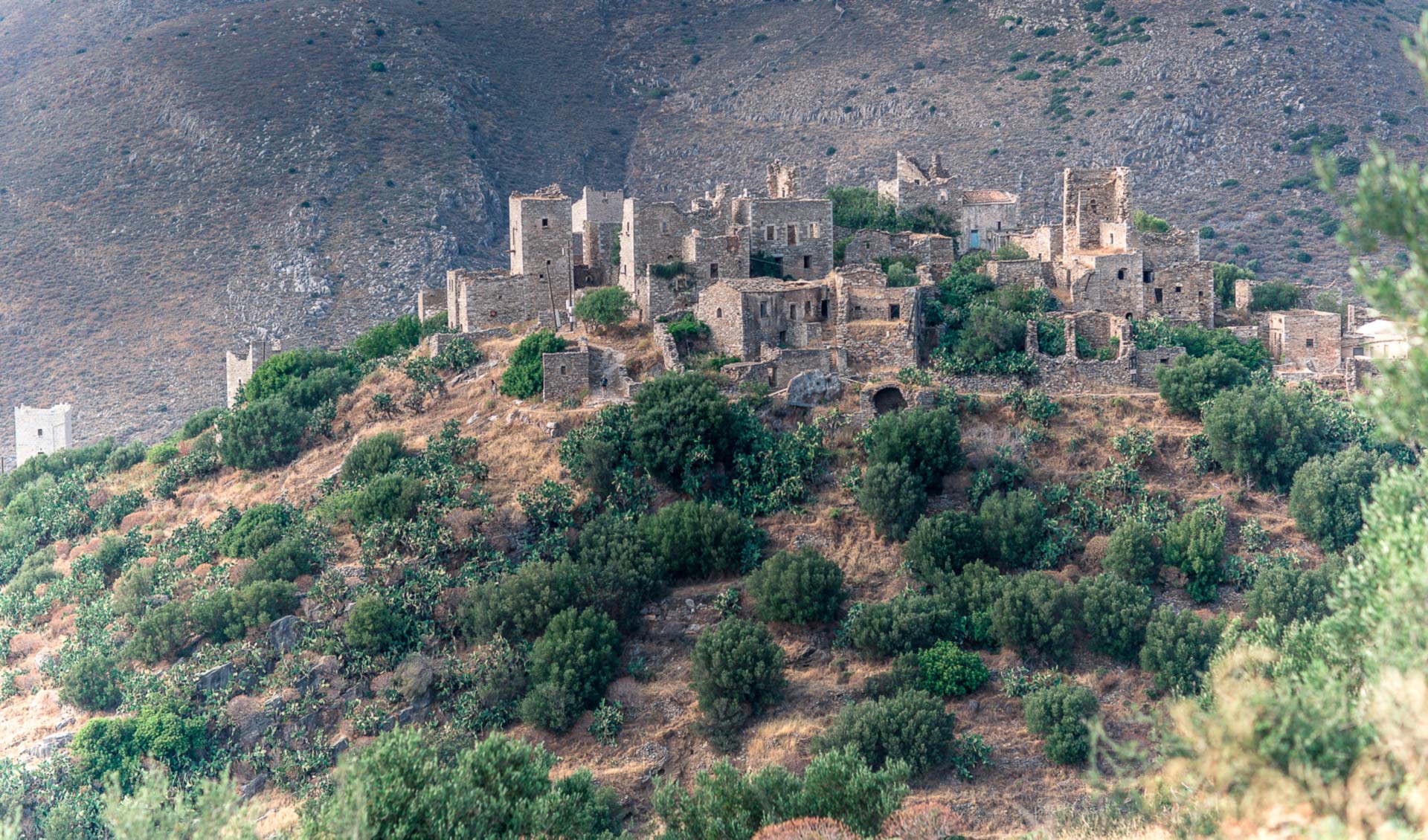
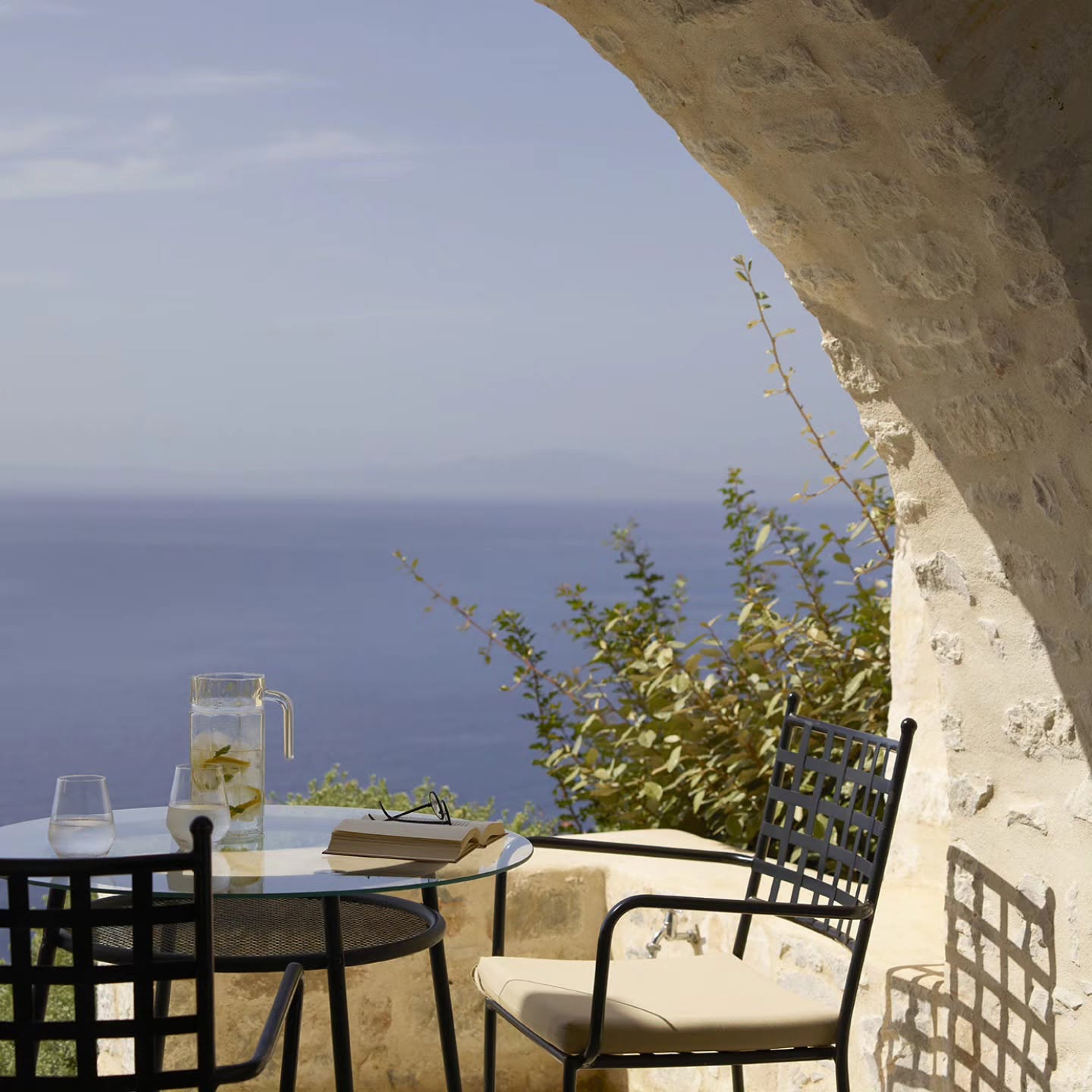
Fourteen apartment-style suites built in 2018 on the road between Areopoli and Limeni, in a mindful reworking of Maniot stone architecture toward something closer to a private resort. Exposed stone, fireplaces and private terraces look out over Messinian Bay from an infinity pool and spa that would not feel out of place on a much larger property. Breakfast runs on produce from the estate’s own garden. It is the polished, high-end choice on this stretch of coast.
Areos Polis Boutique Hotel
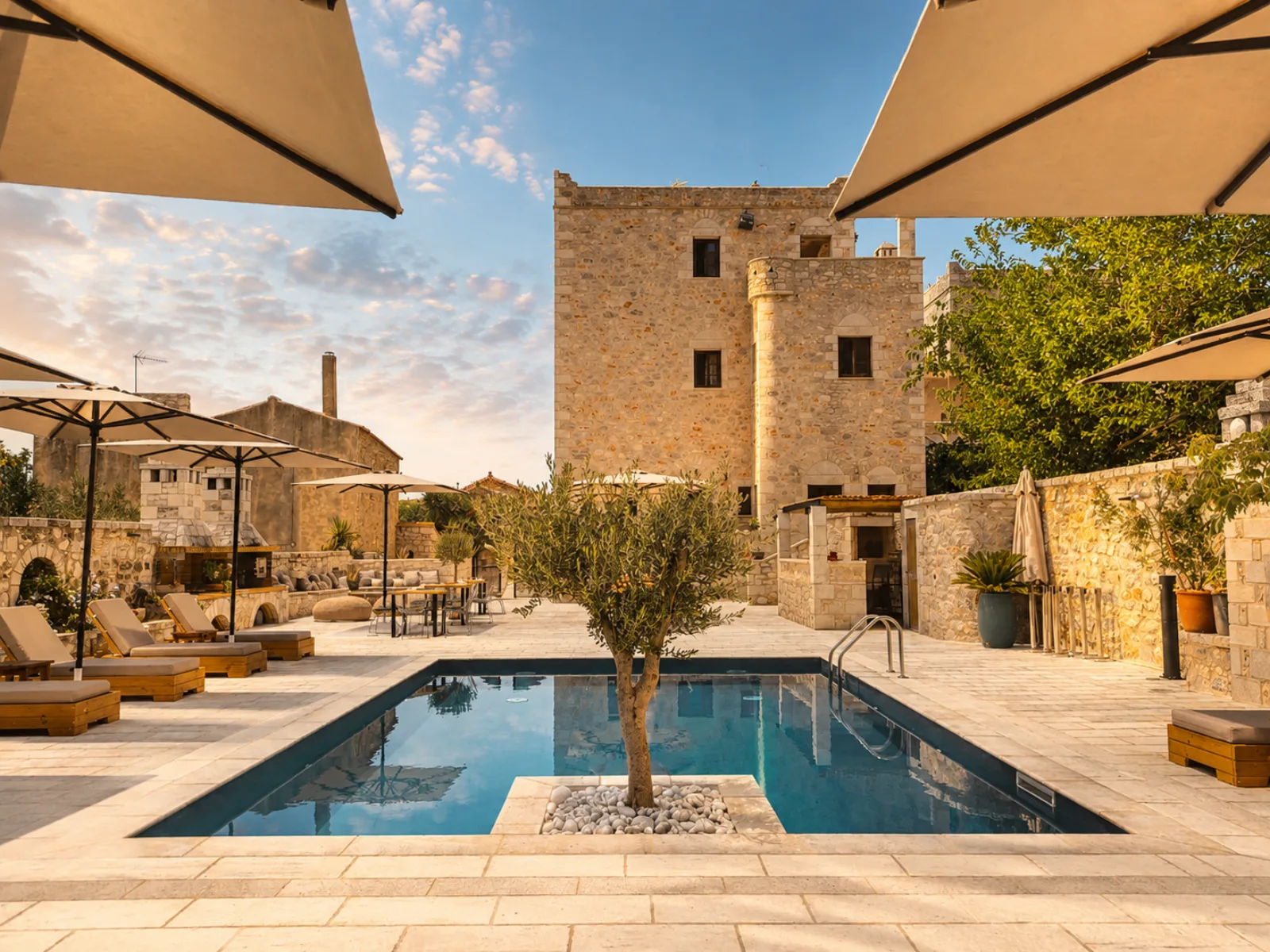
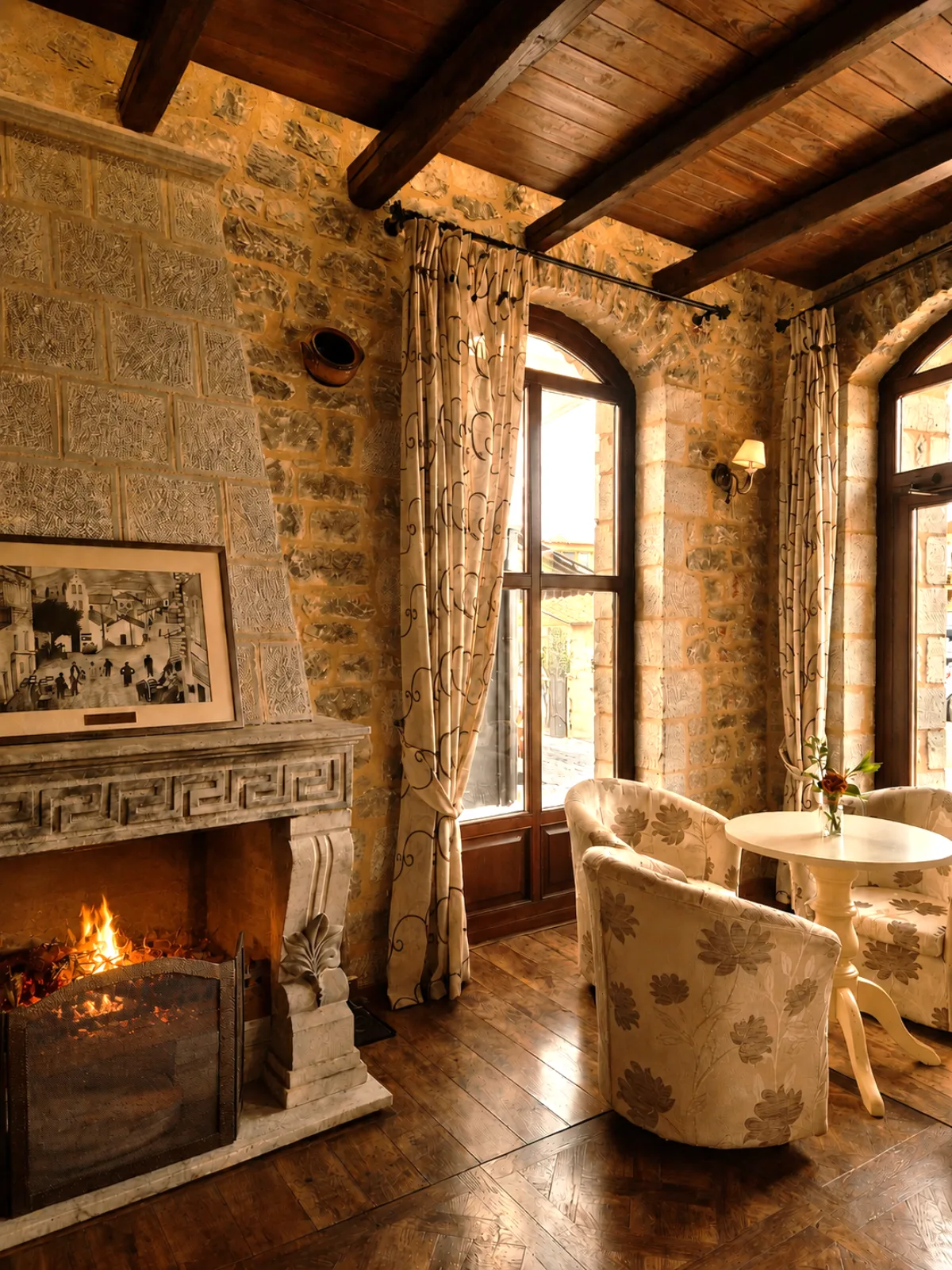
An imposing stone building right in the town centre, where classic Maniot decor meets a softer, more romantic finish than the tower hotels nearby tend to offer. Rooms favour warm lighting, heavy fabrics and antique-style furniture over the stripped-back stone-and-timber look found elsewhere in Areopoli. It sits close enough to the main square to walk everywhere, and works as a base for a night out among the lanes without needing a car.
03
Vathia and Gerolimenas


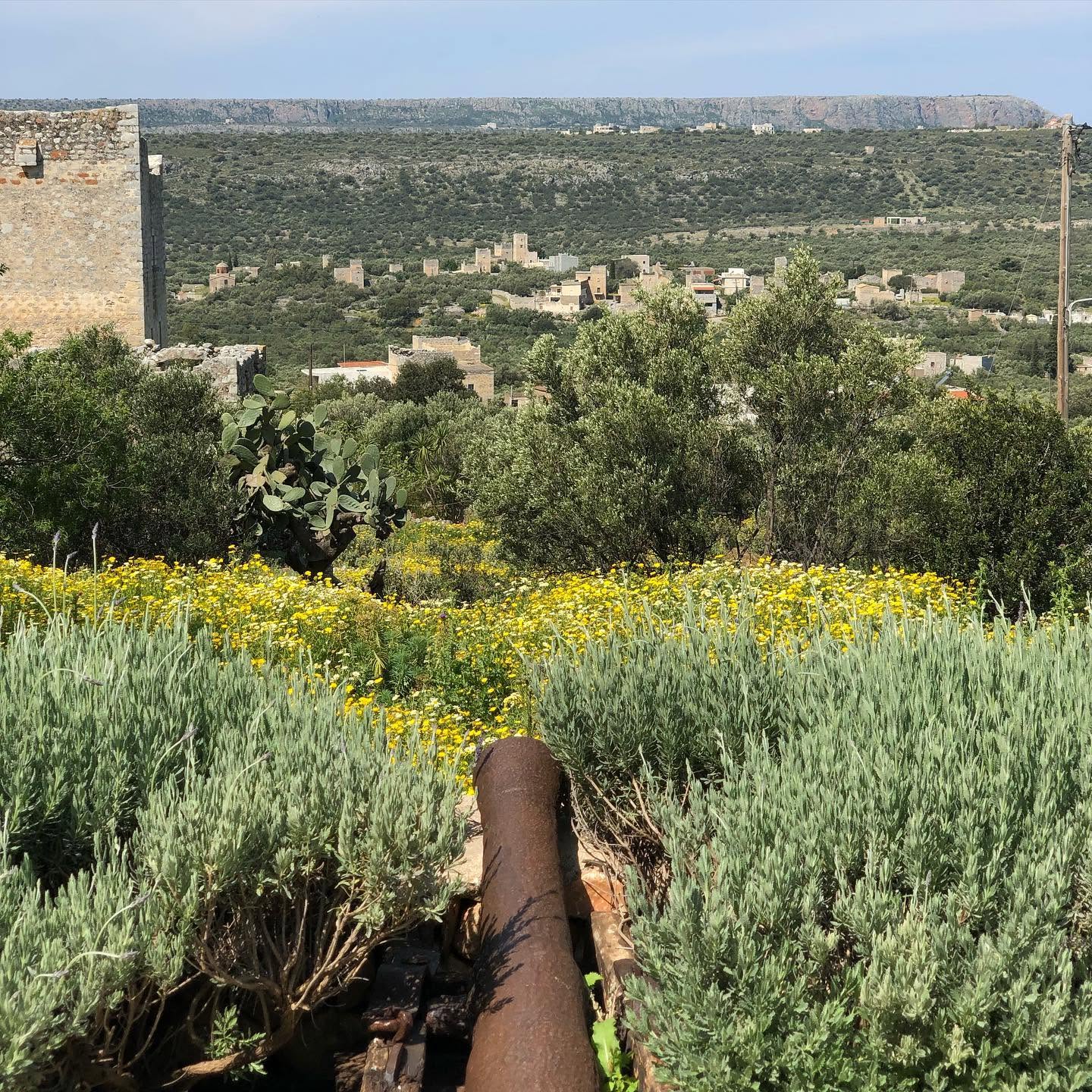
This pairing forms the region’s top tourist duo, but the Mani has other hidden gems too, such as Vathia. Before you get there, though, you’ll pass through Pyrgos Dirou, a tiny stone village well worth a short stop for coffee and, if you have time, a detour to the astonishing Diros Caves, through which an underground river flows. The stalagmites and stalactites formed inside are among the most impressive and unusual sights you’ll ever see. Your next stop is the small, picturesque harbour of Gerolimenas, perfect for a refreshing swim before continuing your journey.
From there, Vathia is about 10 km away. The drive offers beautiful views, and if you time it for late afternoon, you’ll catch the spectacular colours of the sunset. Vathia itself is a largely abandoned village, perched on a hillside surrounded by the typical vegetation of the Mani: olive trees, fig trees, prickly pears, and oleander.
It’s worth walking the village’s narrow lanes to admire the Maniot architecture, with its old tower houses, some sadly half-collapsed with time, and to take in the breathtaking sea views. Vathia is best visited as a stop on the drive rather than used as an overnight base.
Heading down from Vathia, you can take a swim at Marmari beach, right below the tiny village of the same name, or head east to the small harbour of Porto Kagio for easy access to tavernas. Your final destination could be the picturesque harbour of Gytheio, with its well-kept neoclassical buildings, ouzeries and seafront tavernas, and small boats bobbing gently on the waves. Along the way, though, it’s worth making a few stops to discover more of the Mani, such as the stone village of Flomochori, with its magnificent 17th- and 18th-century towers. Here you’ll find one of the tallest towers in the Mani, the Panteleakos Tower, construction of which began in 1810 and was completed in 1835. Also worth a visit is the village of Drosopigi, a little further north. Officially recognised as traditional, it could serve as your peaceful retreat and base for exploring the surrounding area, both mountainous and coastal; Skoutari beach is just 6 to 7 km away, and Kamares beach is 9 km away.
For an overnight base, continue to Gerolimenas or nearby Kitta, where the following hotels sit.
Where to stay
Kyrimai Hotel
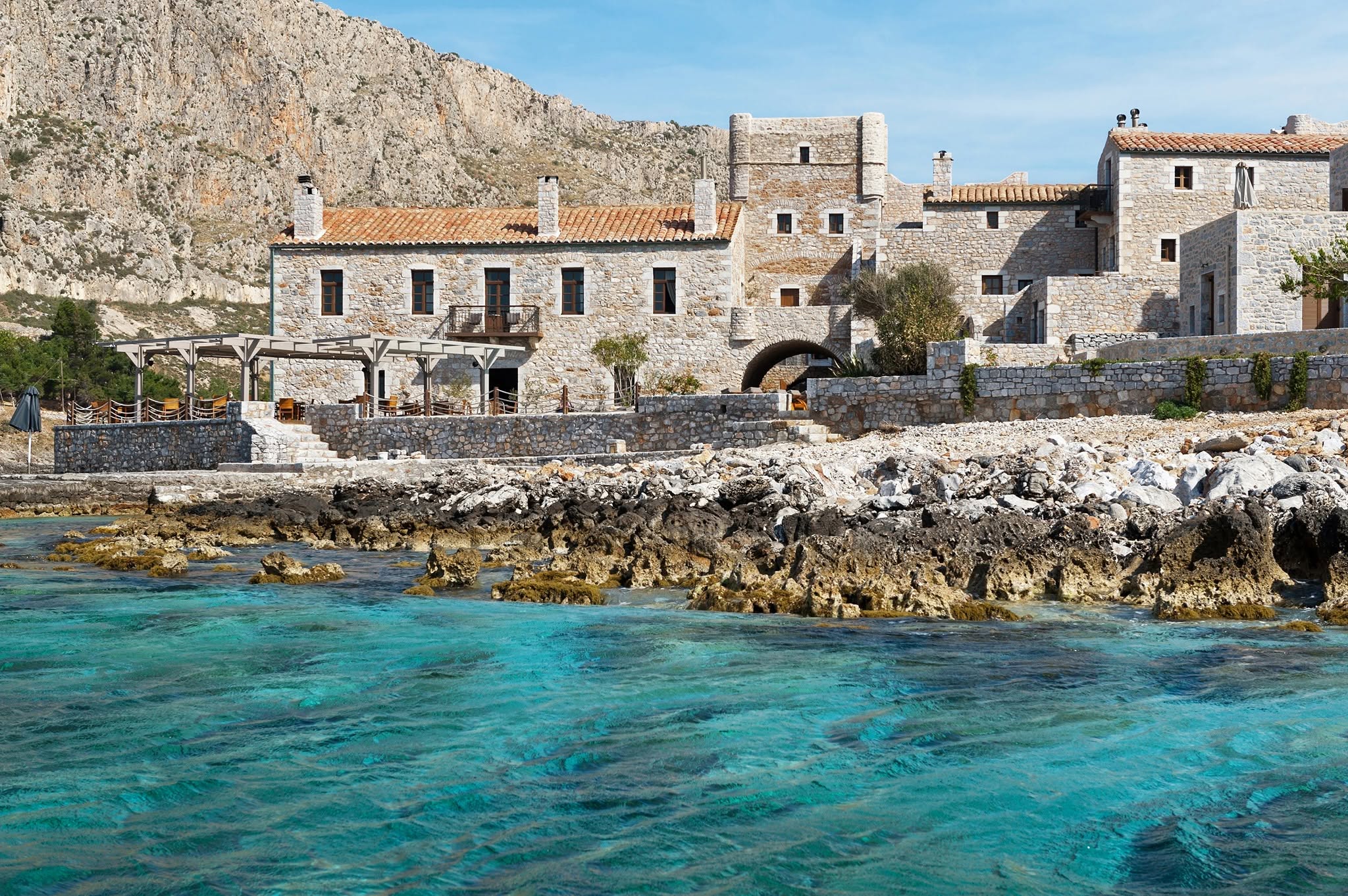
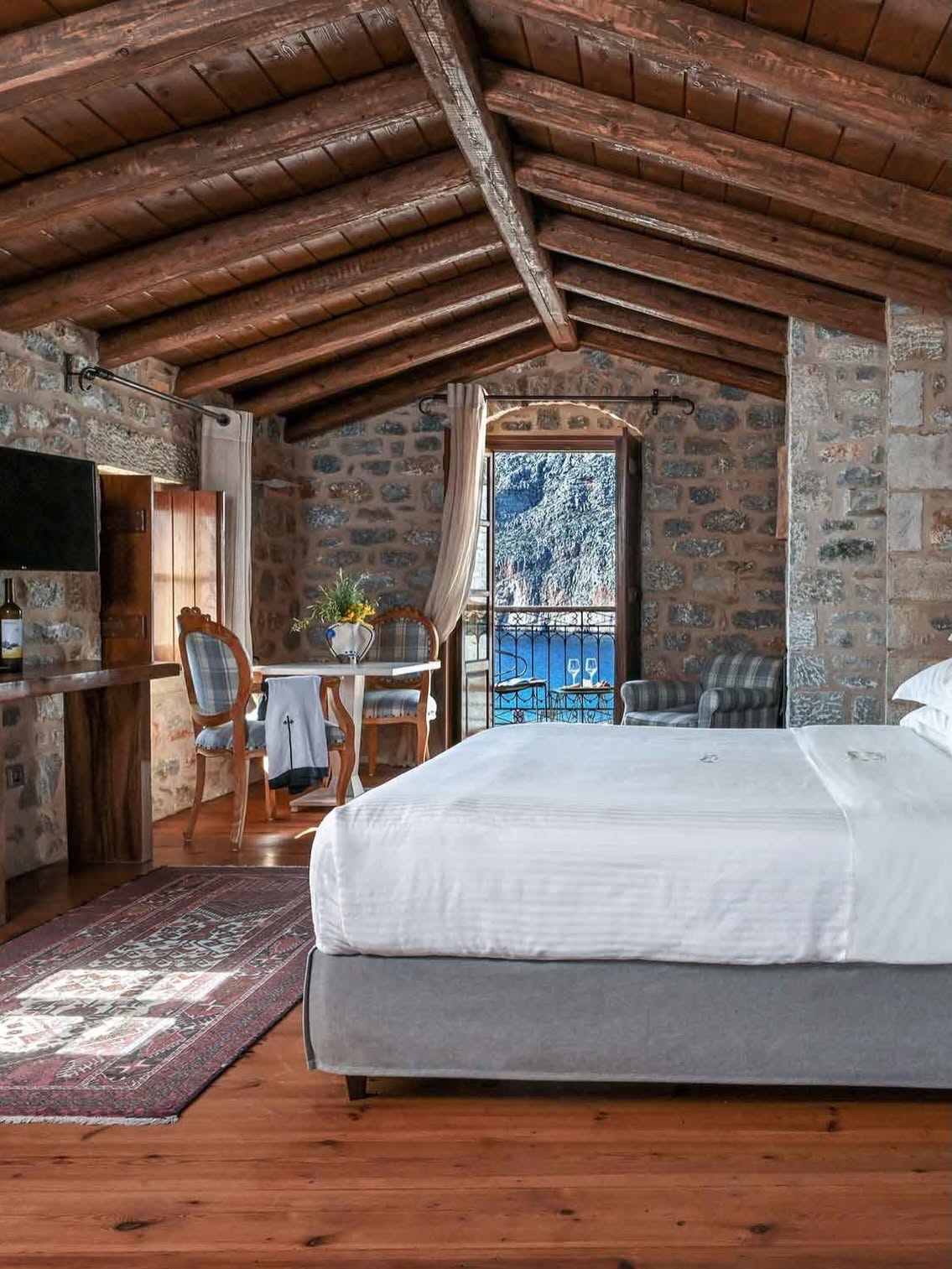
Two significant medieval Maniot towers at the eastern edge of Gerolimenas, once owned by the merchant Theodoros Kyrimis, who turned this small port into a trading link between Syros and Marseille, were restored into a 22-room hotel belonging to the Historic Hotels of Europe. Rooms run from simple doubles beside the courtyard to master suites and lofts facing the sea, all worked in stone, timber and earthy colour. Chef Giannis Baxevanis oversees the kitchen; Condé Nast Traveler named it to its Gold List in 2023.
Citta dei Nicliani
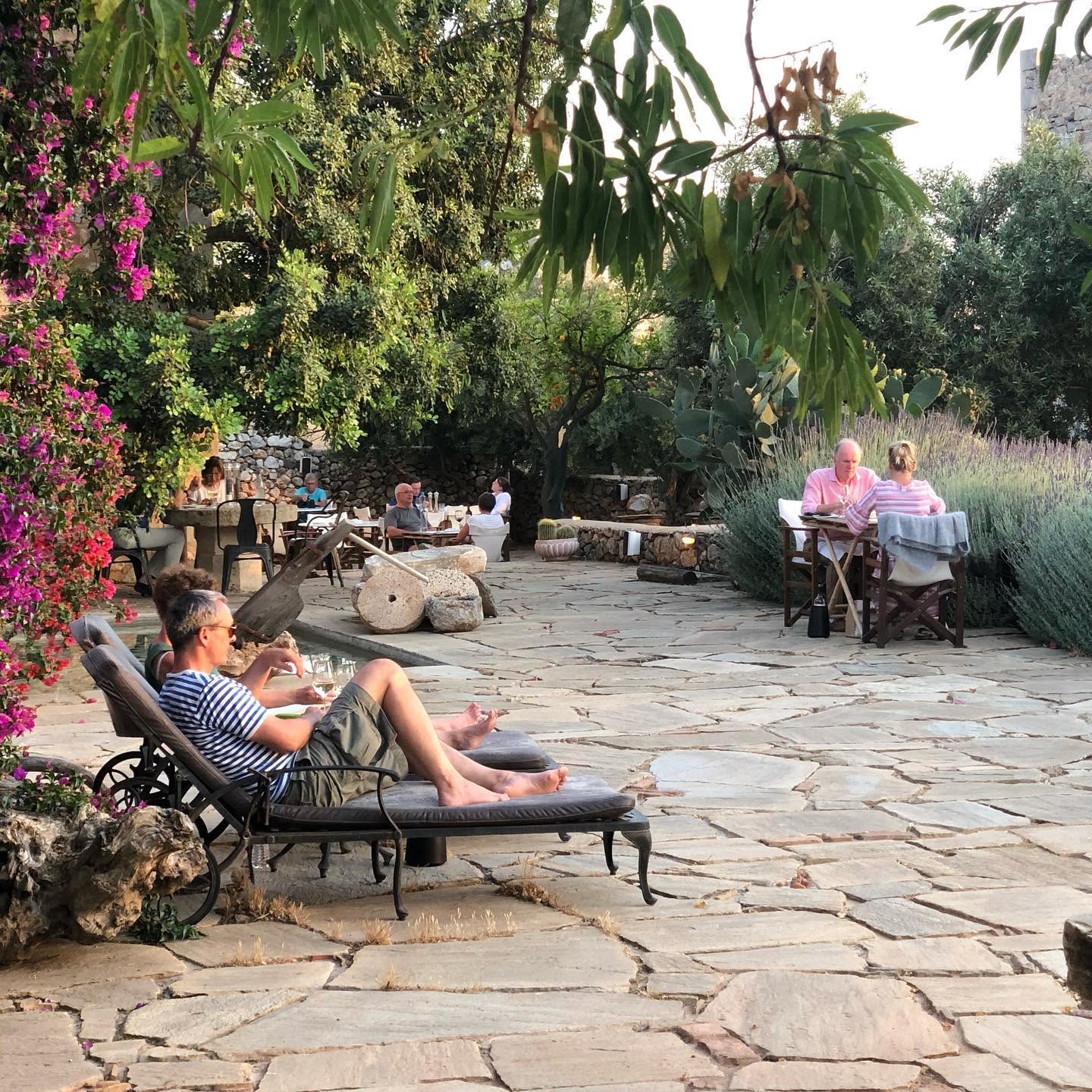
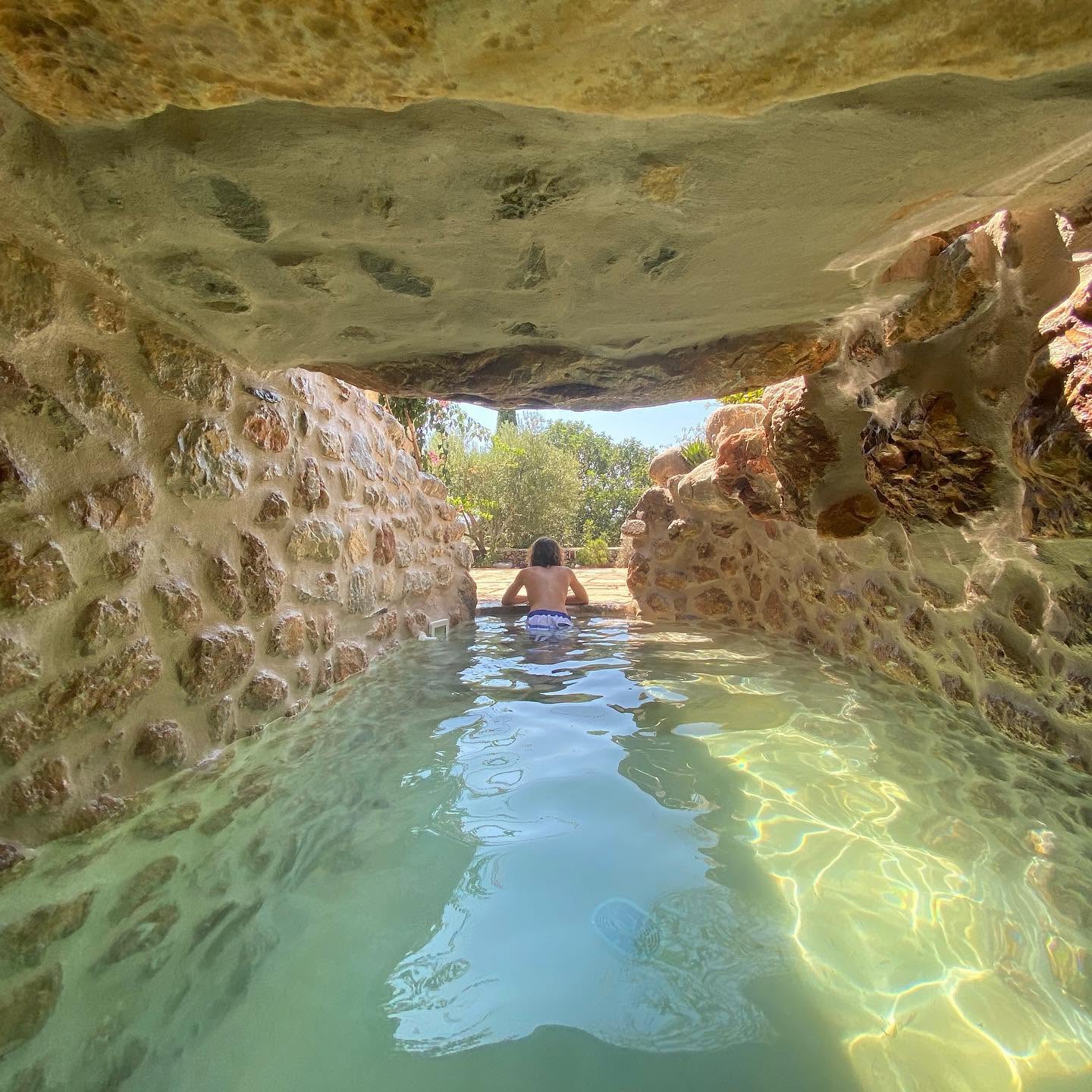
A centuries-old cluster of Maniot towers in the quiet village of Kitta, a short drive from Gerolimenas, has been restored into a small hotel run with real warmth by the family that owns it. Rooms mix antique furniture, exposed stone and beamed ceilings; dinner, taken outdoors among olive trees or in a library hung with art, leans on fresh, locally sourced produce and a wine list running past a hundred Greek labels rarely seen outside the country.
KaSeas Boutique Hotel
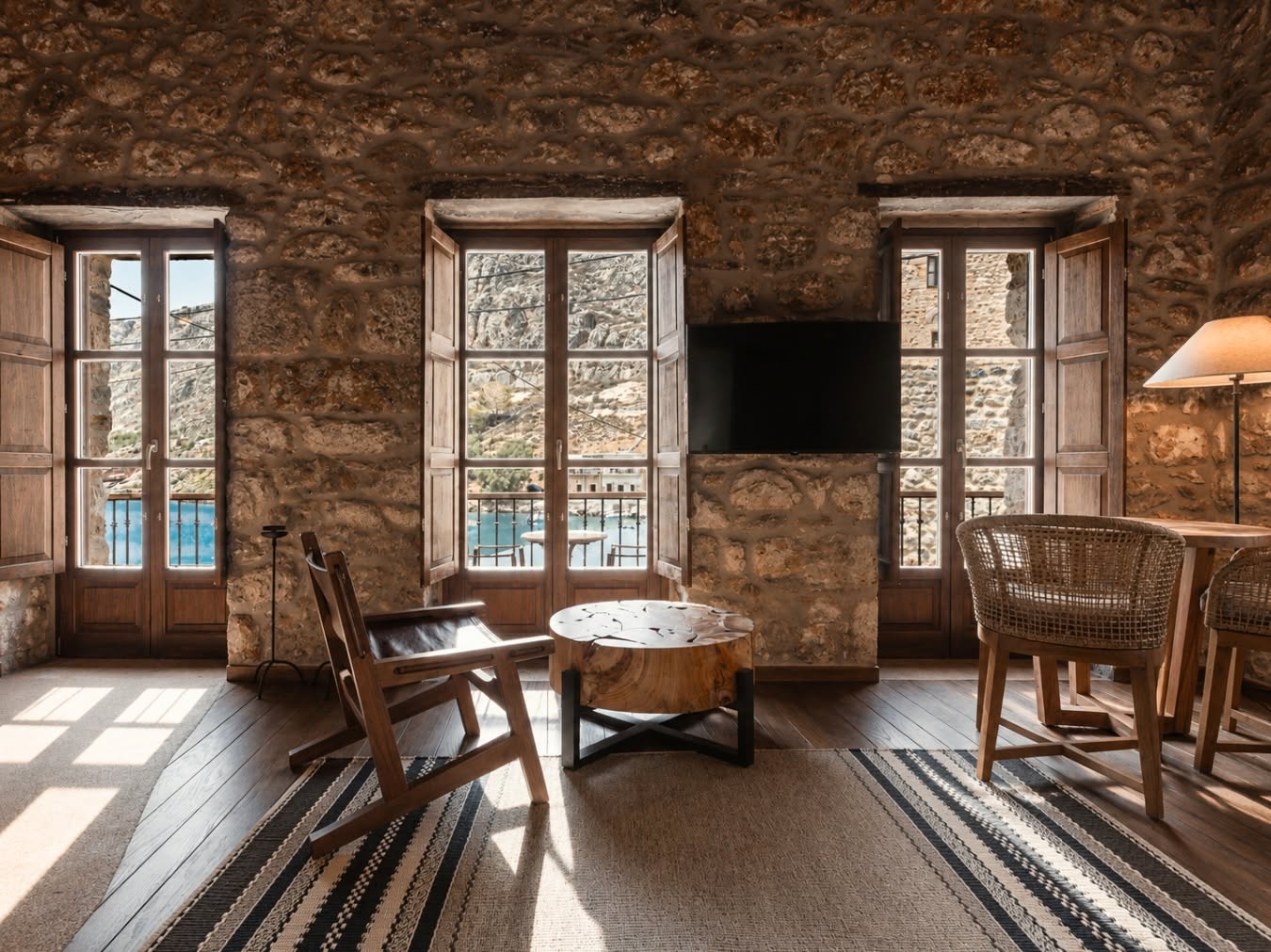
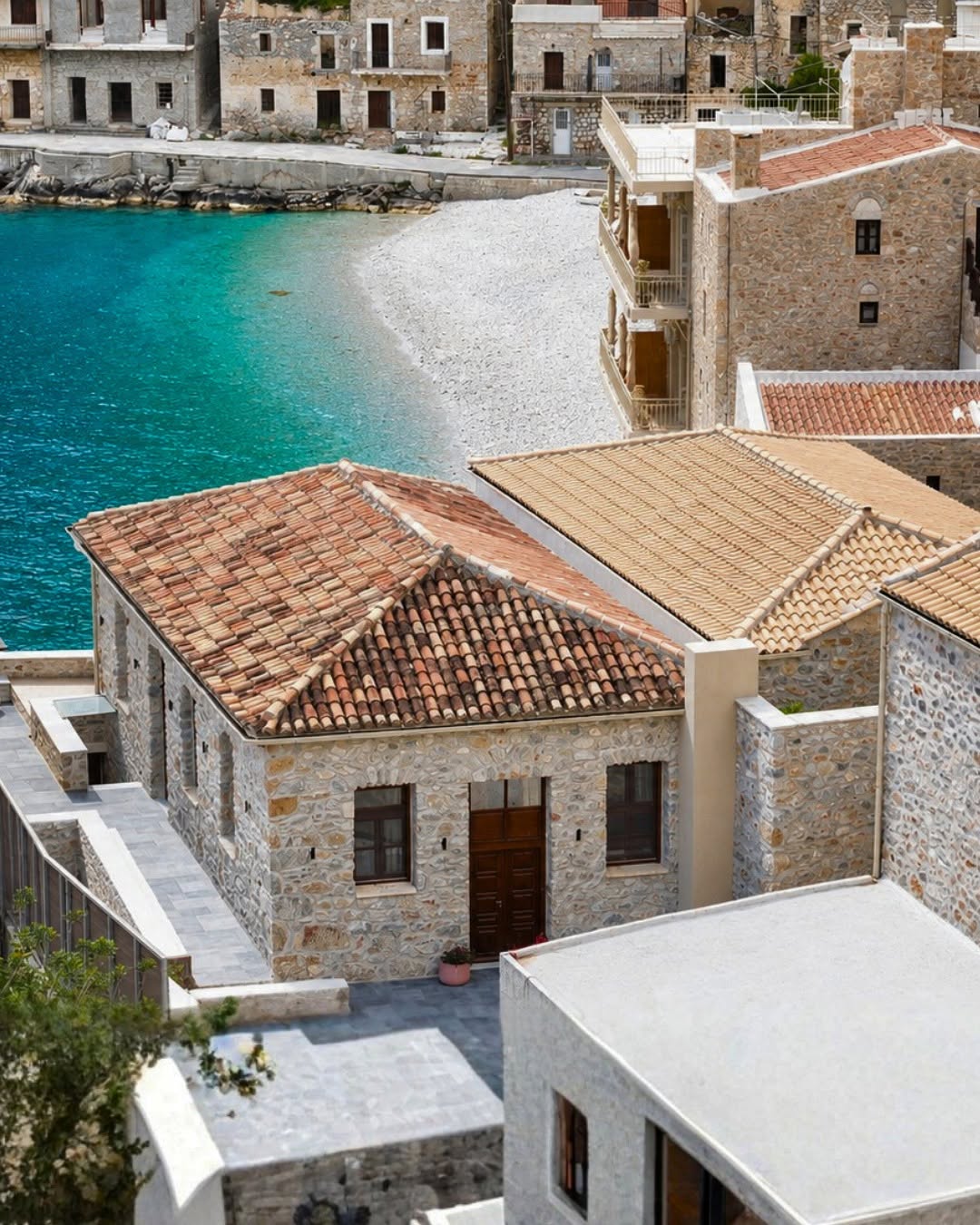
A former grocery store dated 1880, its cornerstone still legible, has been converted into a sophisticated small hotel directly on Gerolimenas harbour, with a private stretch of loungers across the lane from the entrance. Rooms mix exposed stone, wooden beams and poured concrete, and most look straight over the bay. It features in the MICHELIN Guide’s hotel selection; the on-site restaurant, Veloudo, is one of the better tables in the village.
04
Gytheio and the East Mani Coast


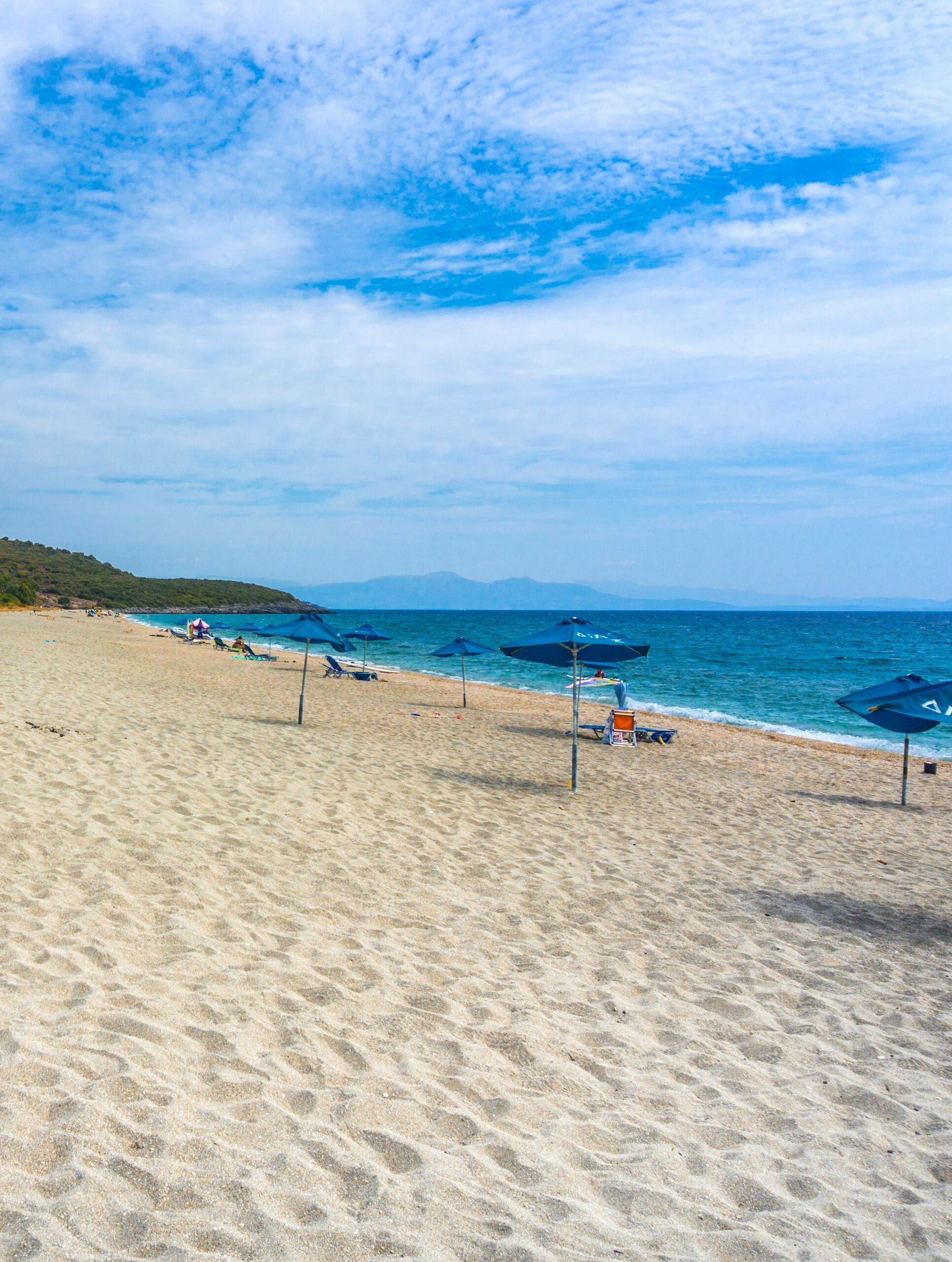
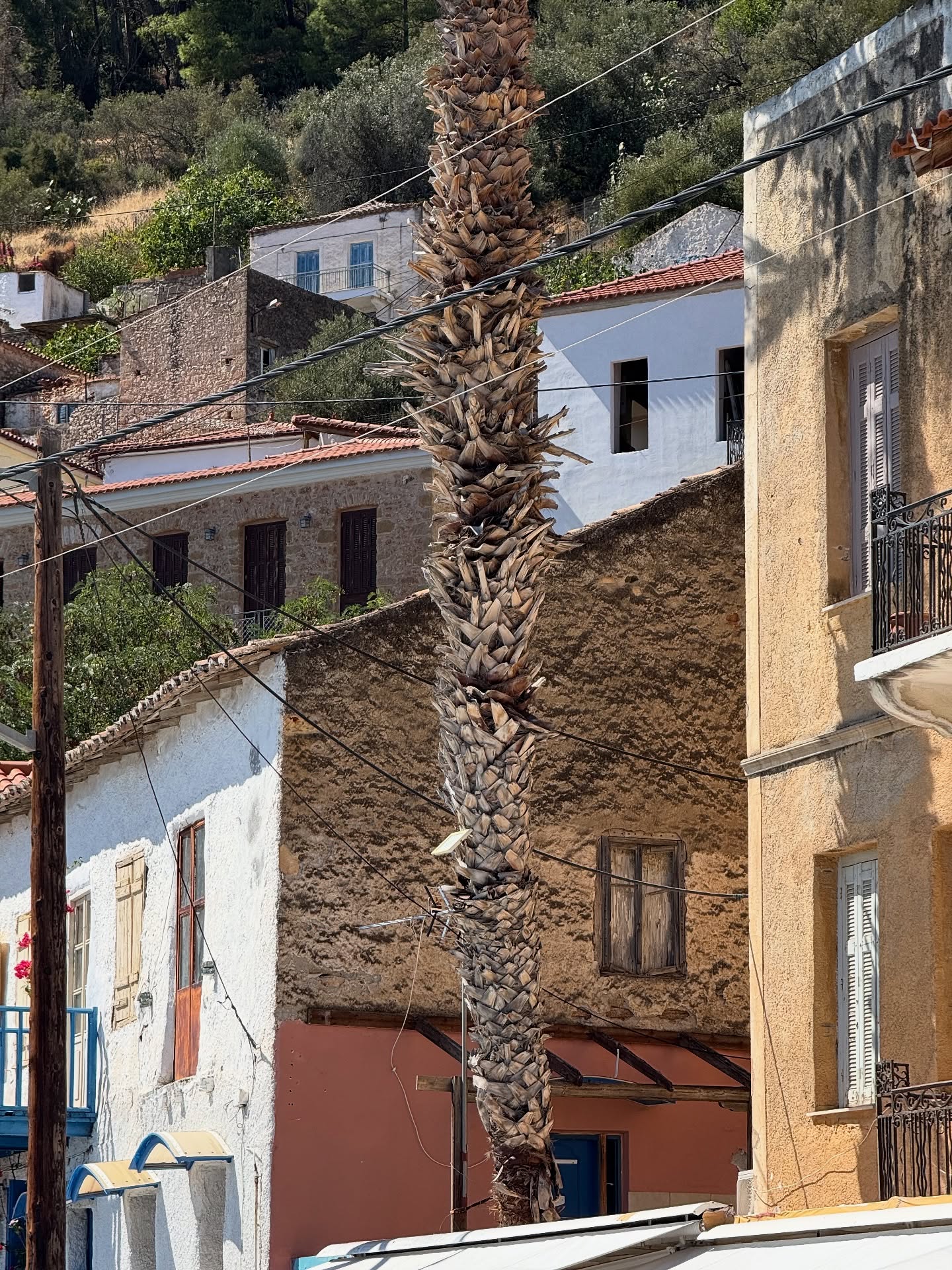
Finally, there’s Gytheio itself. This picturesque Mani harbour town has notably more activity and an outward-facing character that the Maniot hinterland lacks. Its amphitheatrical setting offers lovely views over the Laconian Gulf, and strolling its narrow streets brings you past old neoclassical buildings rather than tall stone towers. It’s the ideal spot to enjoy fish meze with a sea view and endless people-watching, but don’t stop there, as Gytheio has more to offer.
Walk to the beautiful Parthenagogeio (girls’ school), built in 1886, and to the Roman theatre located in the northern part of the town, at the foot of the ancient acropolis. Also a must is a stroll to the small islet connected to Gytheio, Kranai. There you’ll find the tower of Maniot warlord Tzanetakis Grigorakis, which is an outstanding sight from the outside, though its interior (home to the Historical and Ethnological Museum) remains temporarily closed to the public. The scene on Kranai is completed by the small chapel of Agios Petros, a restaurant, and the striking 23-metre lighthouse overlooking the entire gulf.
Where to stay
YeeOn Living-Well Boutique City Hotel


A seafront boutique hotel built around the idea of wellness as much as sightseeing, with a bar, jacuzzi, hammam and restaurant folded into a compact town-centre building. Rooms lean toward calm, uncluttered interiors rather than period detail, and the position puts the harbour, the causeway to Kranai and Gytheio’s Roman theatre all within easy walking distance. Room service and Wi-Fi are available throughout.
Mareggio Exclusive Residences & Suites
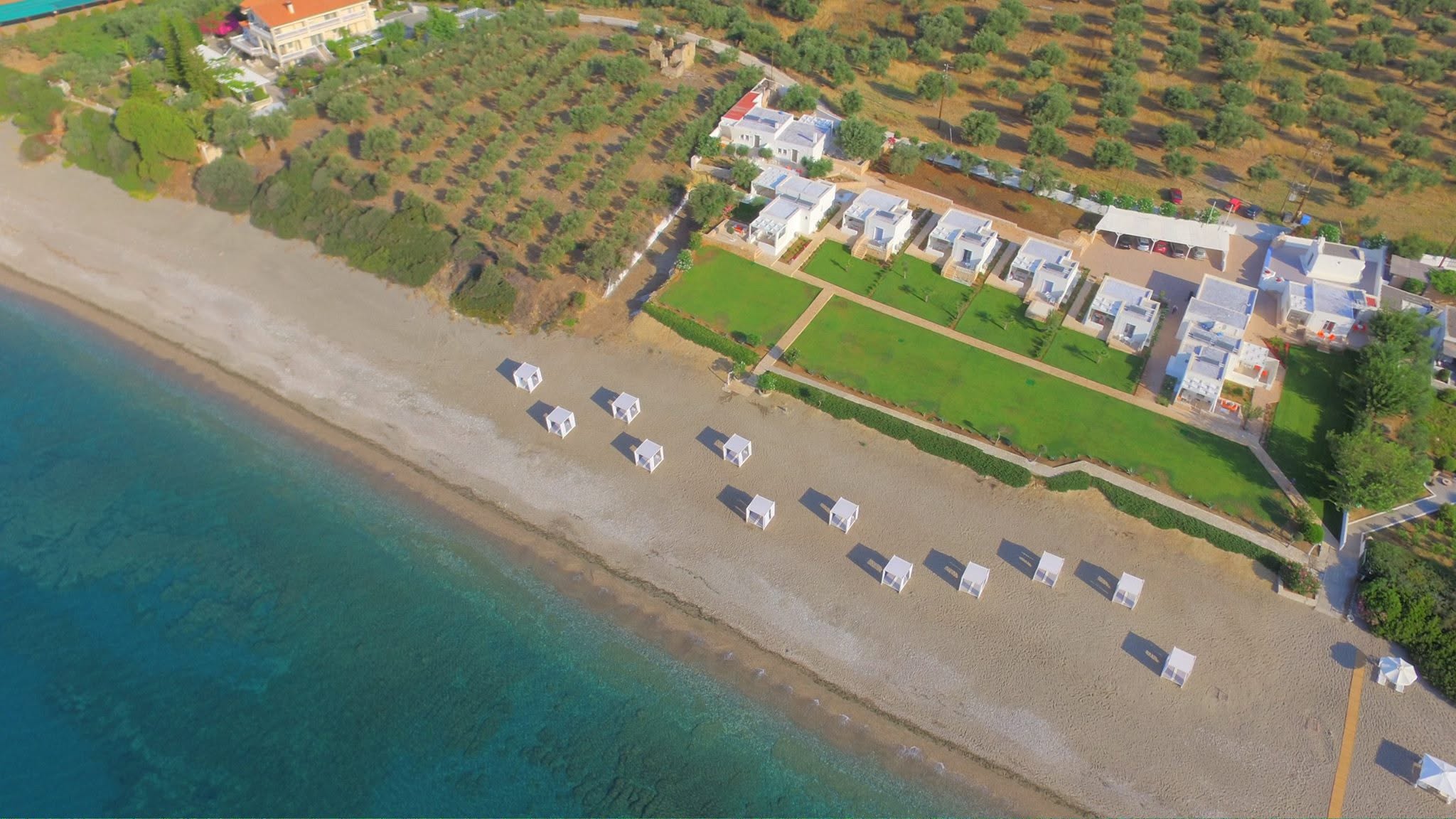
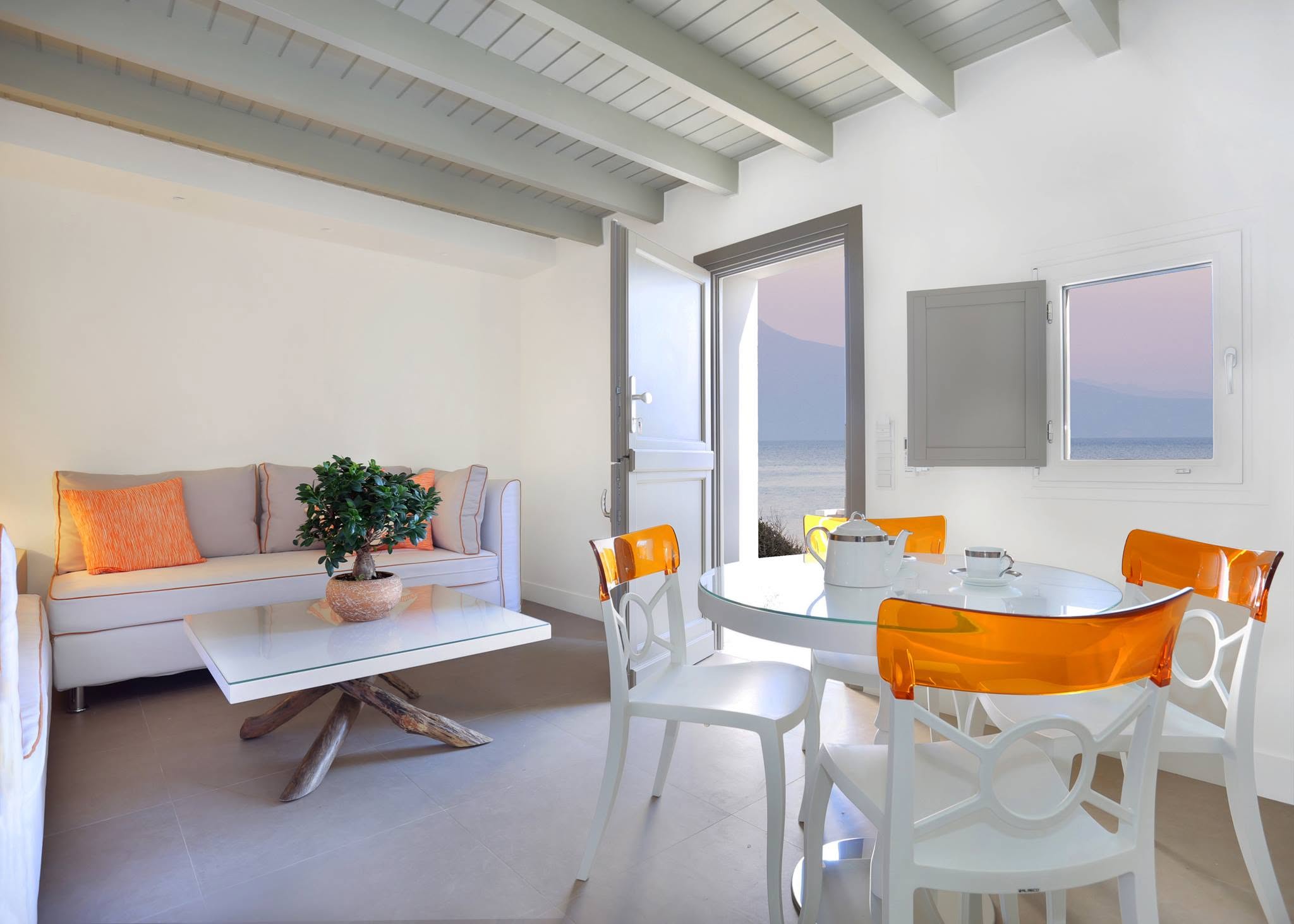
Luxury suites and residences sit low along the coast at Selinitsa, just outside Gytheio, arranged around a considered palette of colour and material that favours calm over show. The setting rather than the amenities is the draw here, close enough to town for dinner but far enough for genuine quiet. It suits longer stays better than a single night, with the beach at Selinitsa a short walk away.
100 Rizes Seaside Resort
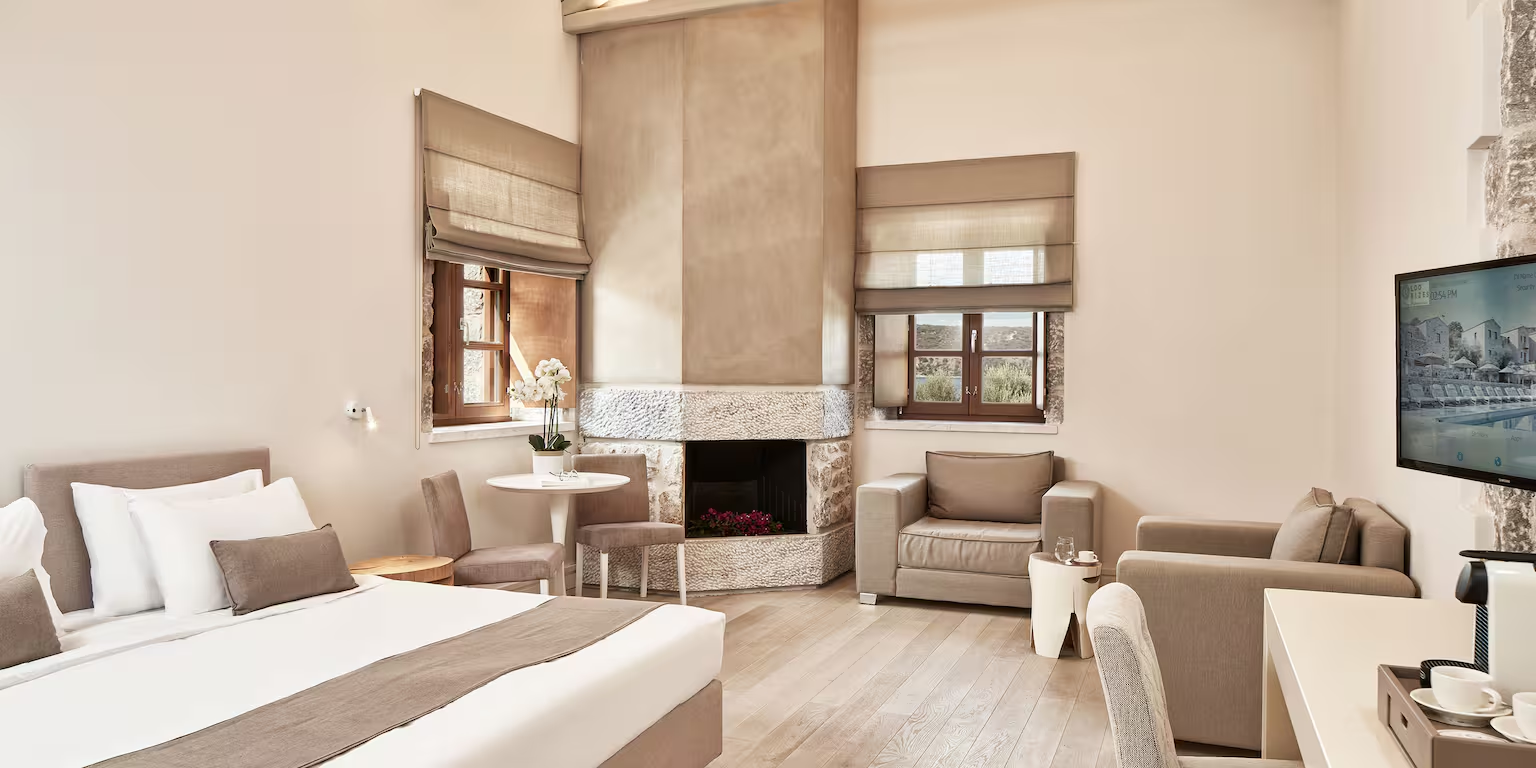
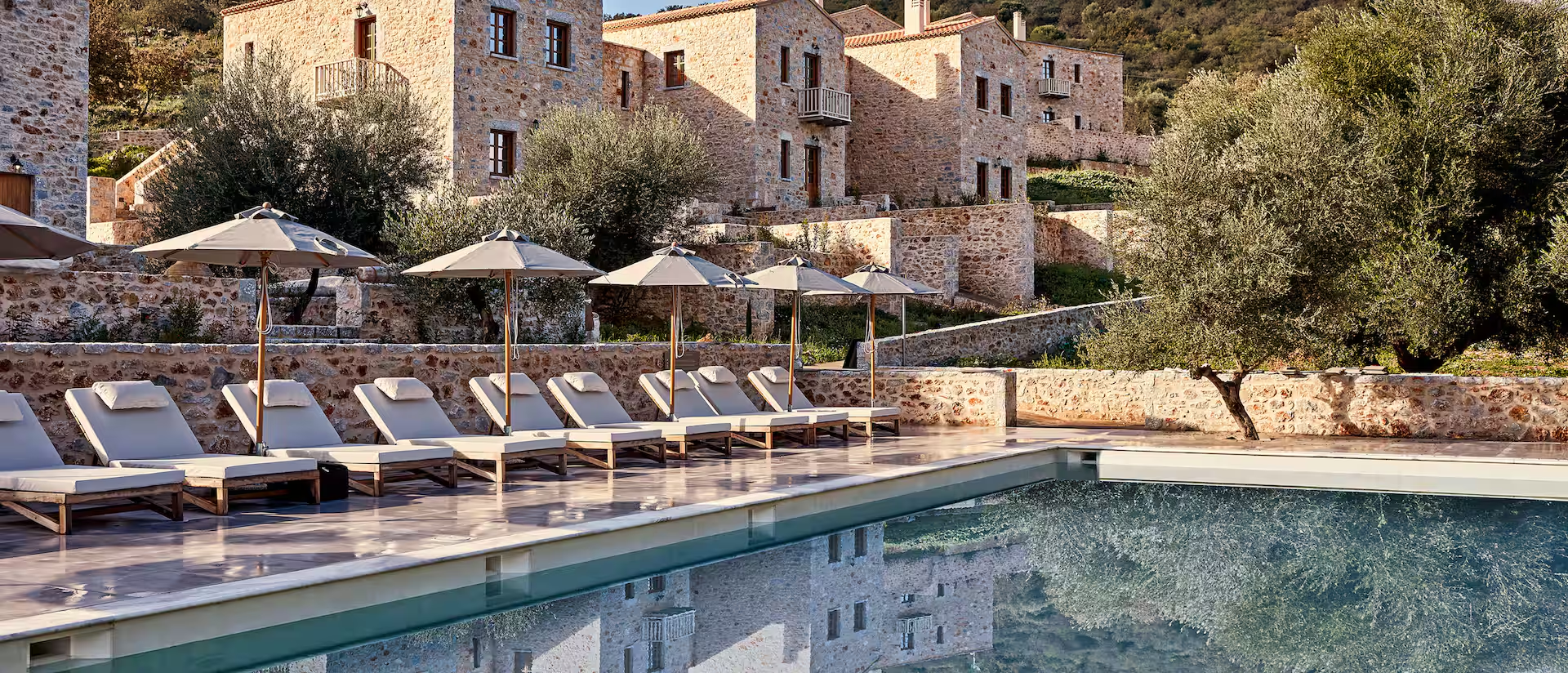
A member of Small Luxury Hotels of the World, this is the most polished address on the East Mani coast, its stone-built suites scattered among a hundred olive trees above a private cove near Kamares beach. Several suites have their own plunge pool; there is also an indoor heated pool, a spa and a restaurant that’s built around Greek wine and local produce. It trades Gytheio’s harbour bustle for genuine seclusion, about twenty minutes outside town.