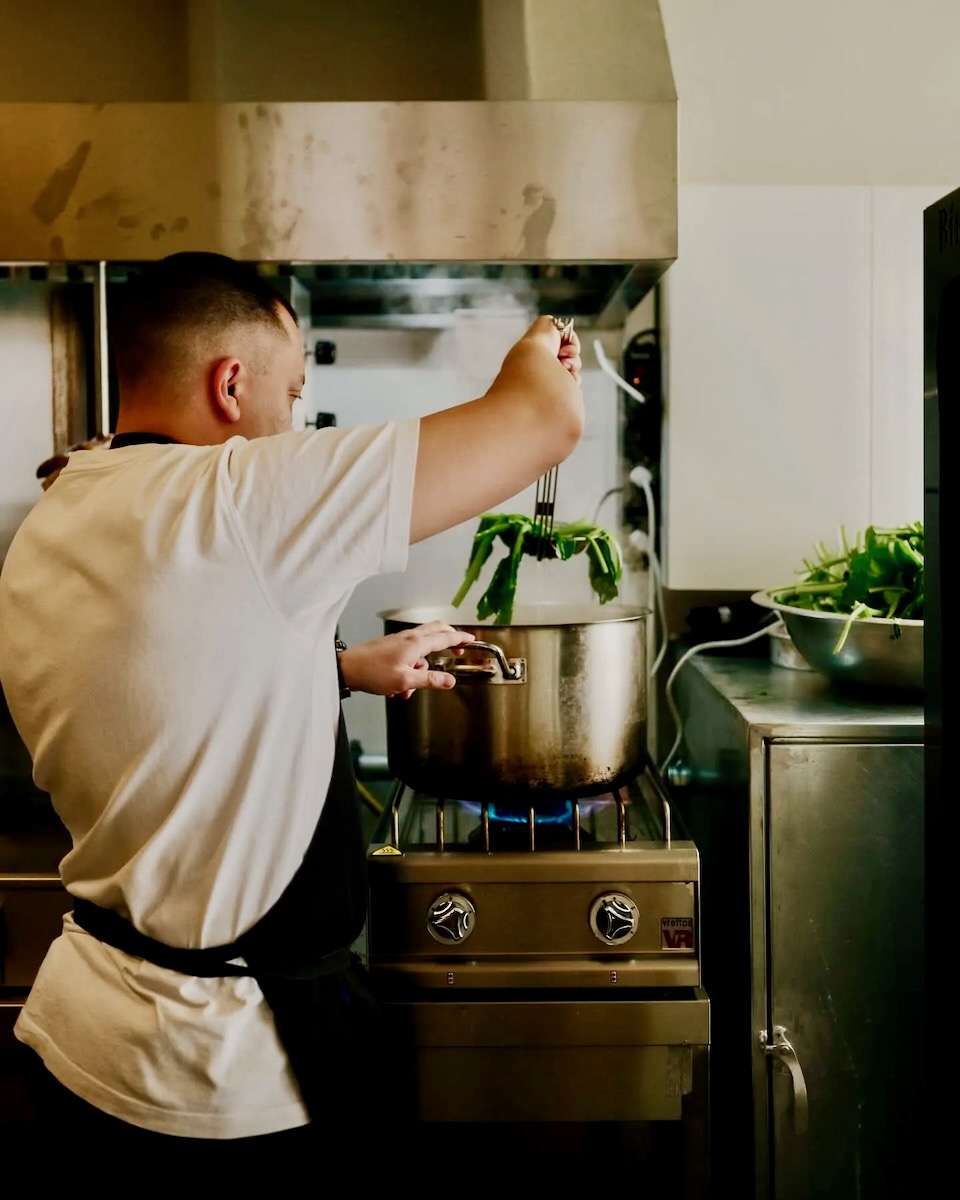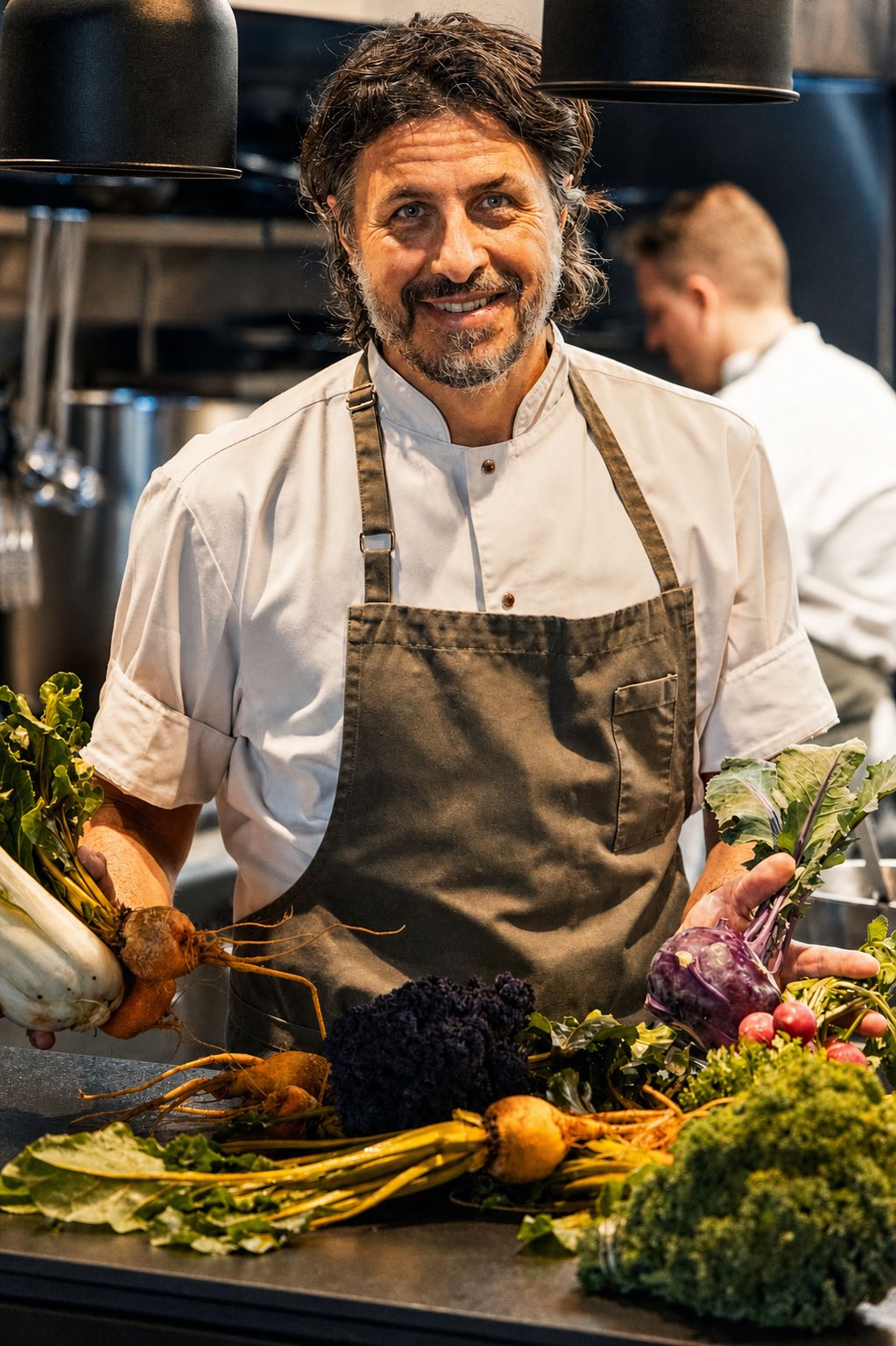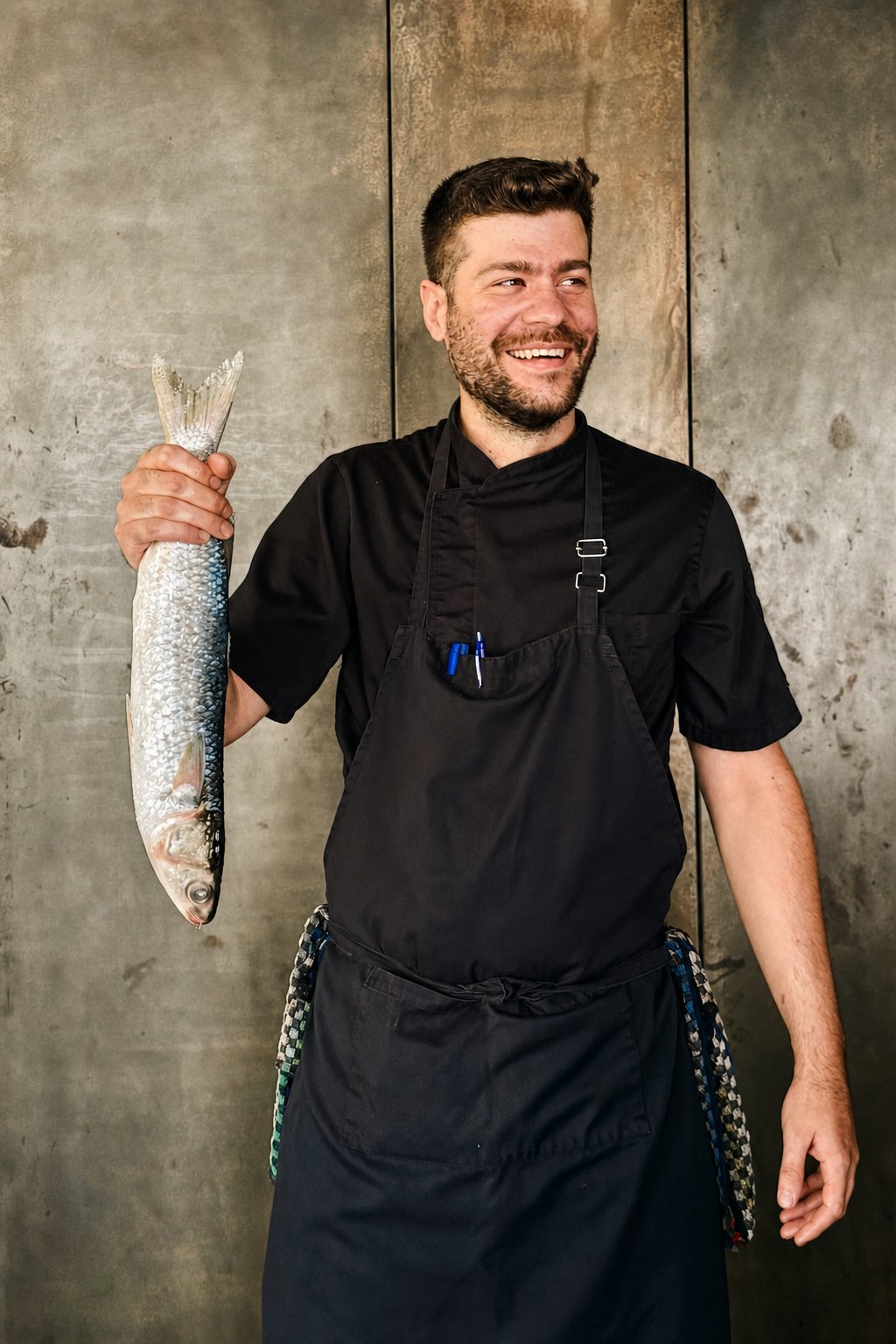



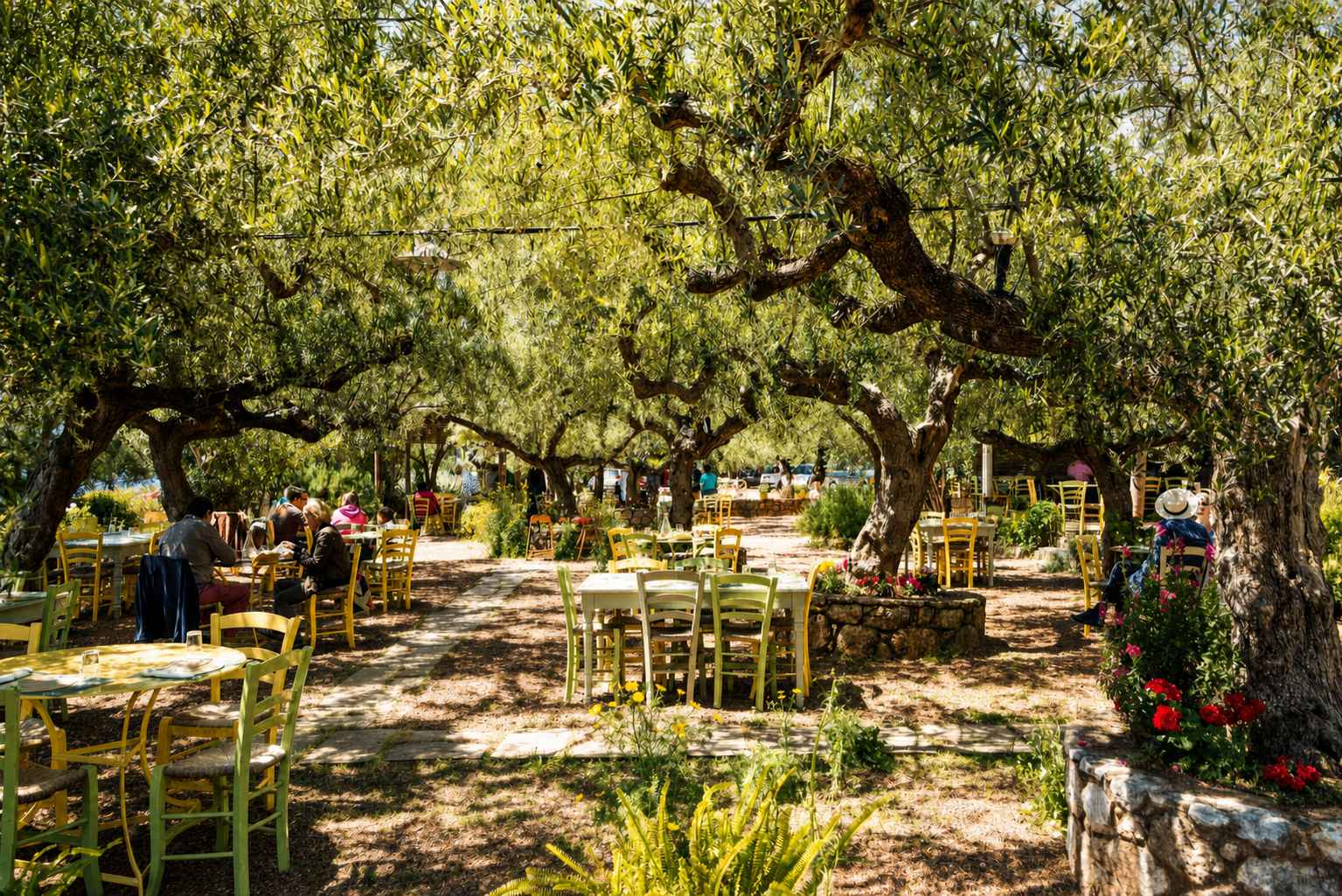
Messinia, the land that gave the world the Kalamata olive, has great gastronomic range. All of it sits within a corner of the Peloponnese that a determined (and hungry) driver could cross in a single day. Costa Navarino’s resort restaurants run on international haute cuisine and rotating Michelin residencies. Kalamata’s old town still turns on family-run mageireia, places with a fresh modern flair, and ouzeri serving the same dishes their owners’ parents did. Kardamyli carries a faint literary inheritance from Patrick Leigh Fermor alongside its olive grove tavernas. And the Venetian castle towns of Methoni and Koroni run on fish tavernas that have barely altered their formula in decades.
None of it sits far apart. Kalamata to Costa Navarino runs under an hour by car. Kardamyli is closer still, and even Koroni sits some 52 kilometres down the coast. To the east, Messinia gives way to Laconia, reached from Kalamata over the mountains toward Sparti (Sparta!) or down the coast toward Mani. This time we follow the road across, since good cooking has never paid much attention to lines on a map. Here we list 13 places: from classic old tavernas to high profile restaurants that are talked about globally, from resort fine dining to unsigned family kitchens, across Messinia’s distinct pockets and two stops just over the Laconian border.
Costa Navarino & Pylos
01
Tahir
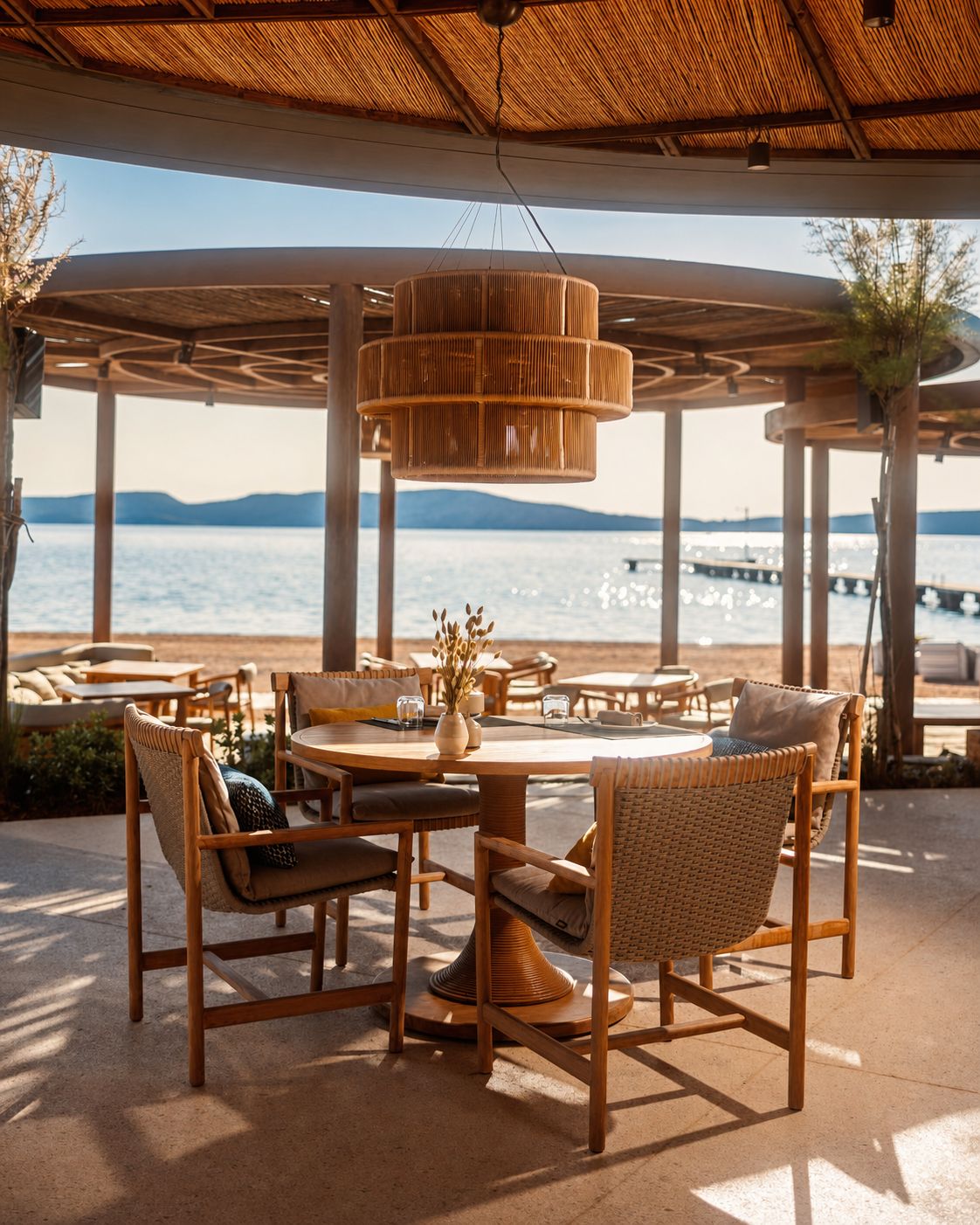
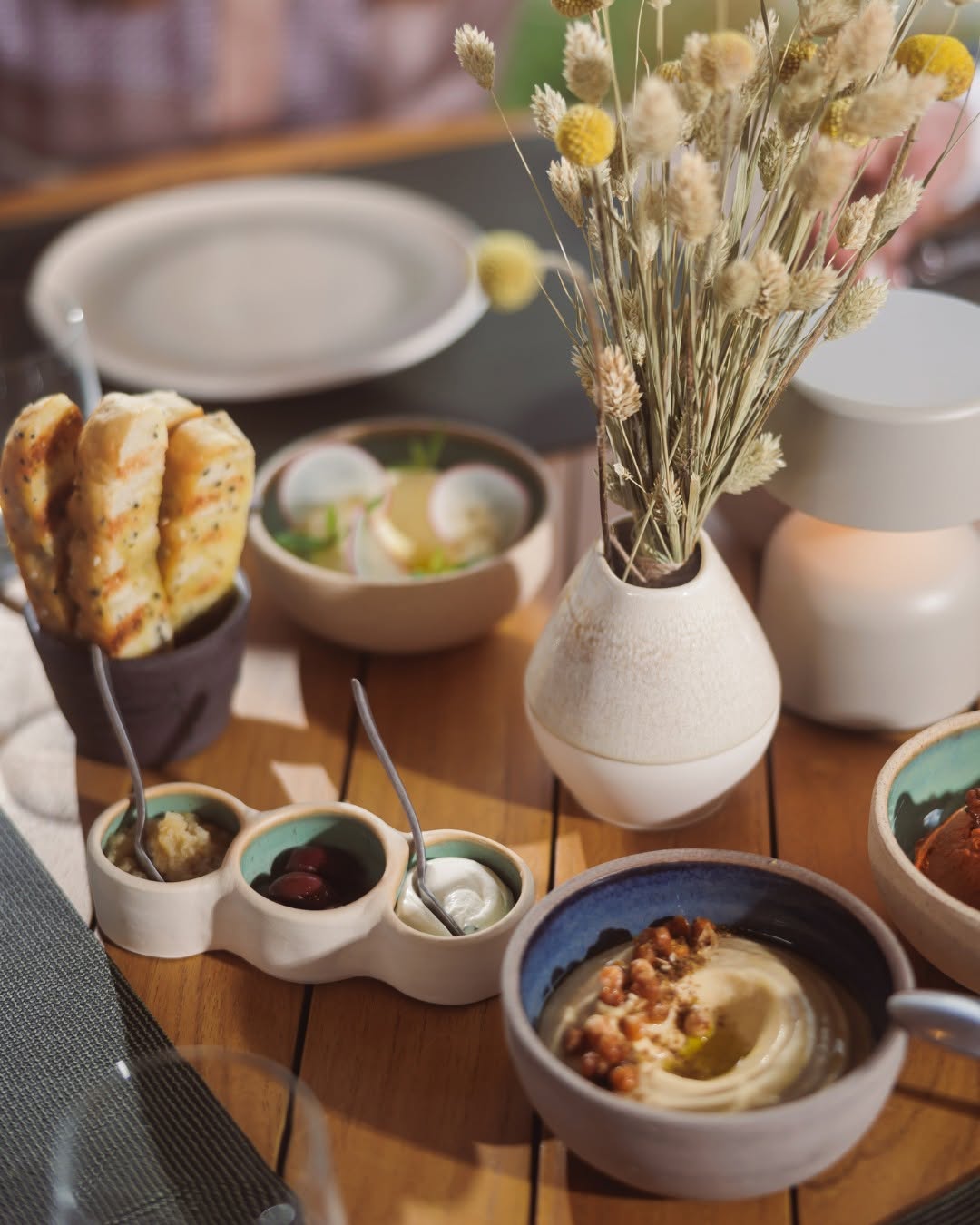
Levantine flavors anchor the menu, tempered by subtly Italian touches: seasonal mezze, grills, shawarma and kebabs sit alongside wood-fired, Italian-inspired pizzas, all built for sharing rather than individual courses. The tone stays informal and health-conscious despite the five-star surroundings, part of a wider push by the resort to make fine dining feel less rigid. Terraces look out over Navarino Bay at Mandarin Oriental, Costa Navarino, with service polished but relaxed enough to suit long, unhurried tables. The crowd mixes resort guests with locals who drive in specifically for dinner. It sits within a broader roster of venues across the resort spanning French, Italian, Japanese and Greek kitchens, all credited with helping push Messinia’s dining scene toward the front of the national conversation. Reservations are recommended through the main summer season, when the resort operates.
Navarino Bay, Costa Navarino, Pylos
02
The Private Kitchen
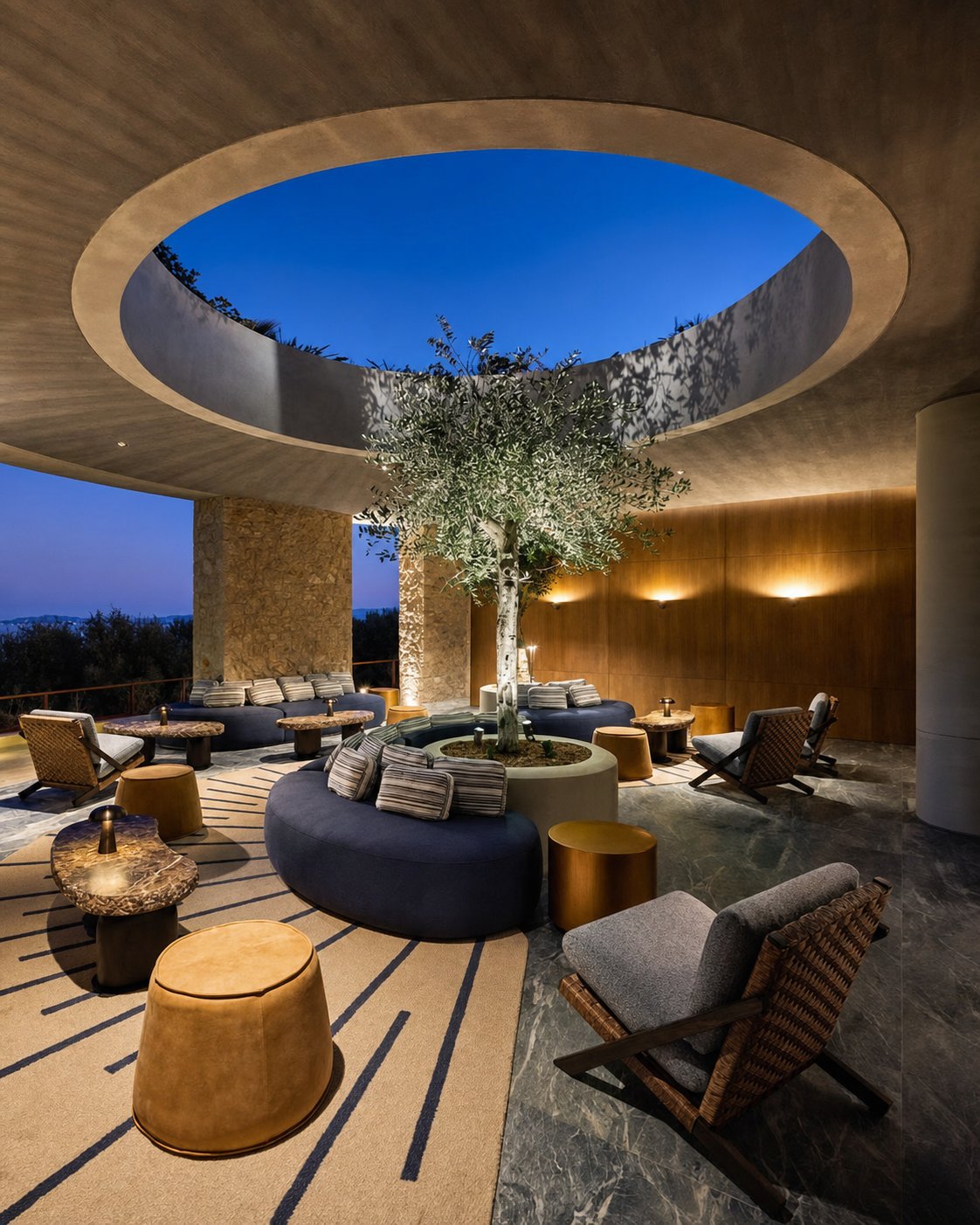
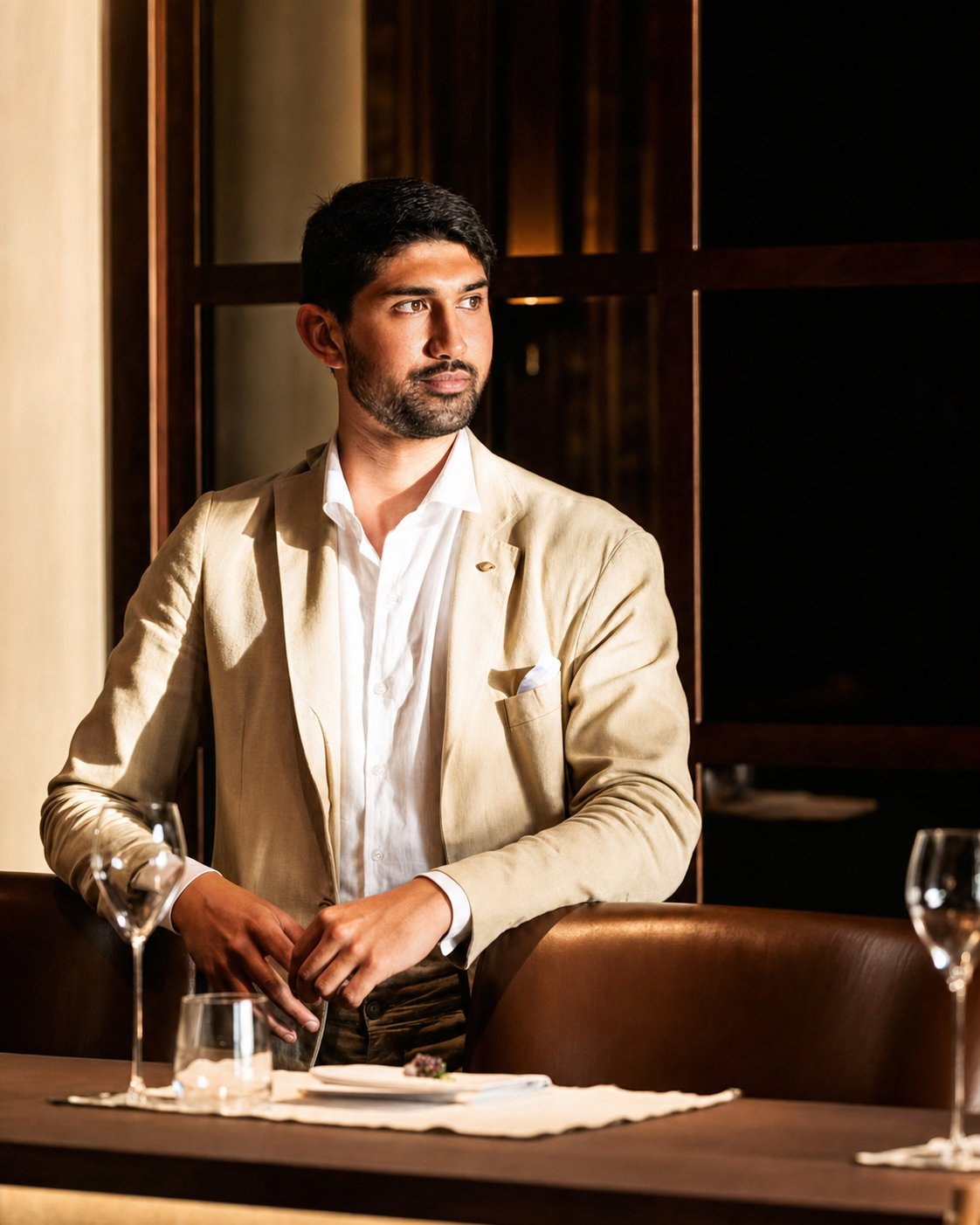
Executive Chef Bertrand Valegeas runs this compact dining room at Mandarin Oriental, Costa Navarino, seating no more than 16 guests around seasonal menus built on local produce. Through the 2026 season it also hosts a rotation of three-Michelin-star guest chefs, among them Frédéric Anton of Le Pré Catelan, Julien Royer of Odette and Arnaud Lallement of L’Assiette Champenoise, each leading a handful of exclusive evenings. Outside those residencies, the everyday menu applies French technique to Messinian ingredients. The room favors intimacy over spectacle, built for close attention from kitchen and service staff alike. Diners are typically resort guests booking well in advance, along with a smaller circle of regional gastronomes tracking the guest chef calendar. It retained 3 stars in the 2026 FNL Best Restaurant Awards, placing it among the Peloponnese’s highest-rated tables.
Navarino Bay, Costa Navarino, Pylos
03
Onuki
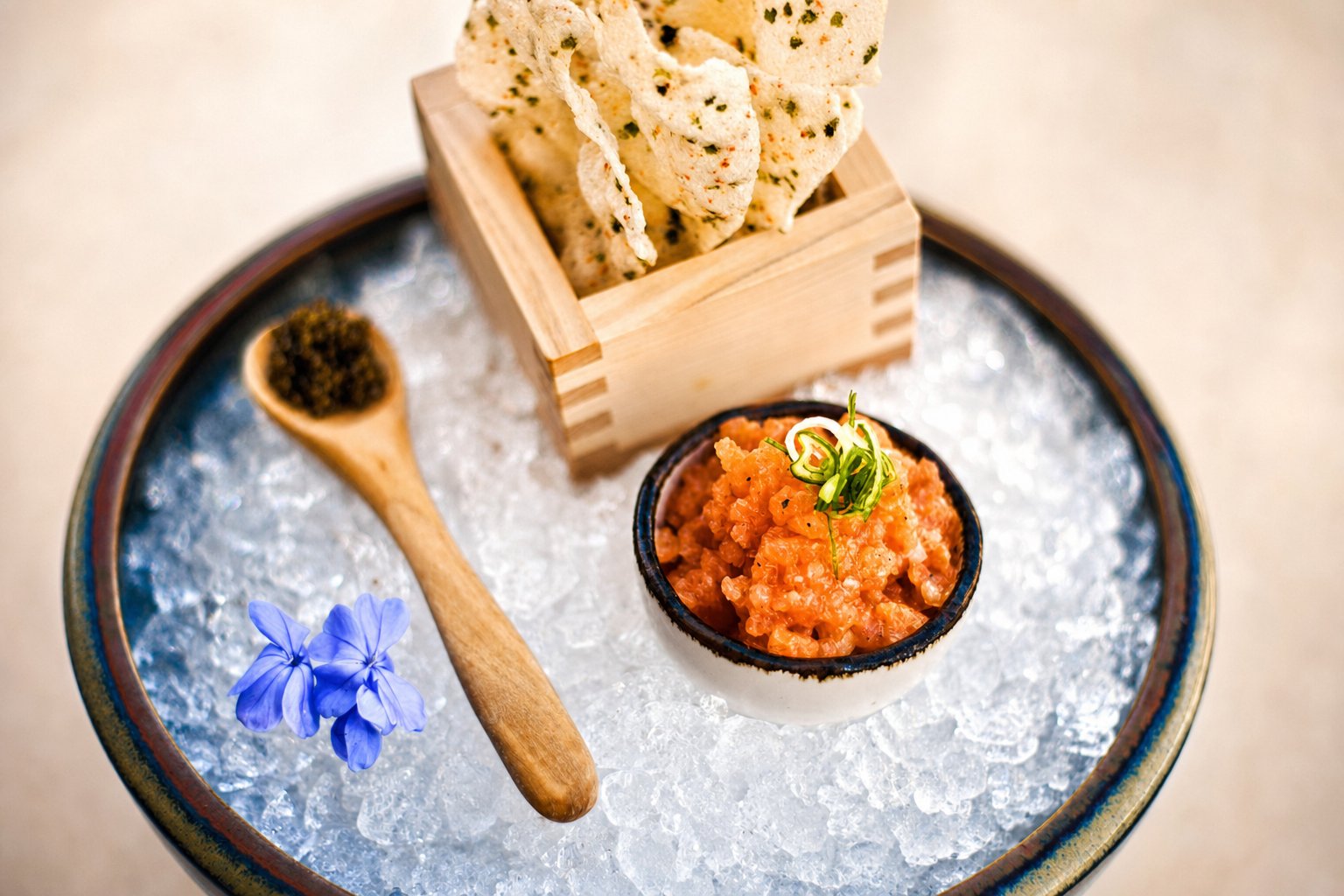
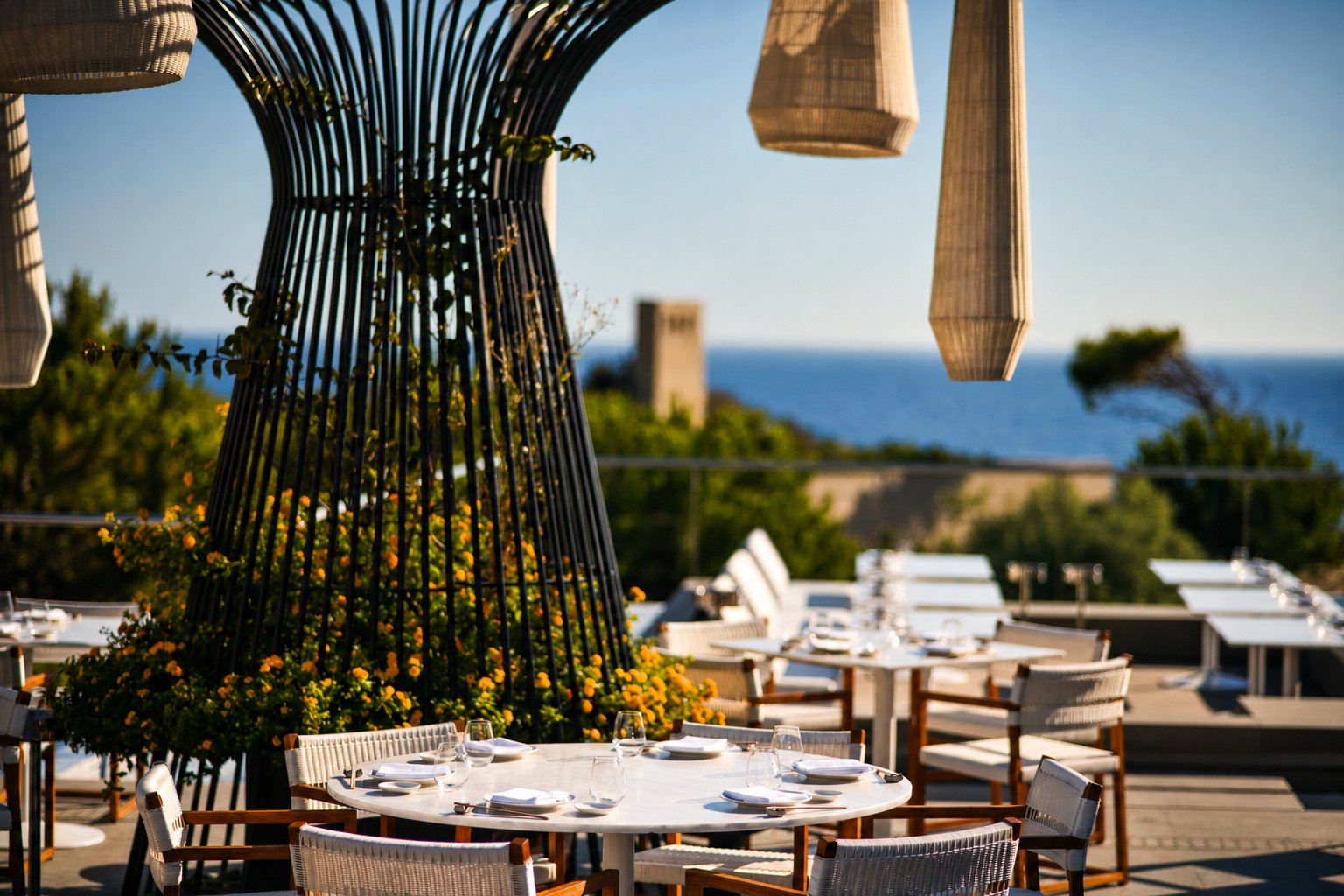
Chef Stamatis Skriapas built his name at Kiku before opening this Japanese restaurant within Costa Navarino, and the kitchen still favors precise knife work and high-grade fish over novelty. Expect usuzukuri of sea bass with yuzu kosho, Japanese Wagyu with a shiso chimichurri, and an extensive sushi and sashimi list that shifts with the season. The dining room is understated and contemporary, with clean lines, a sea view terrace and a separate lounge for cocktails before or after dinner. It draws a cosmopolitan crowd, largely repeat resort guests who return specifically for the omakase-style tasting options. Skriapas has since opened a second site in Athens at The Ilisian, though this original location remains the fuller expression of the concept. The kitchen has already picked up Golden Chef’s Hat recognition for its work here.
Navarino Dunes, Costa Navarino, Pylos
04
Anama
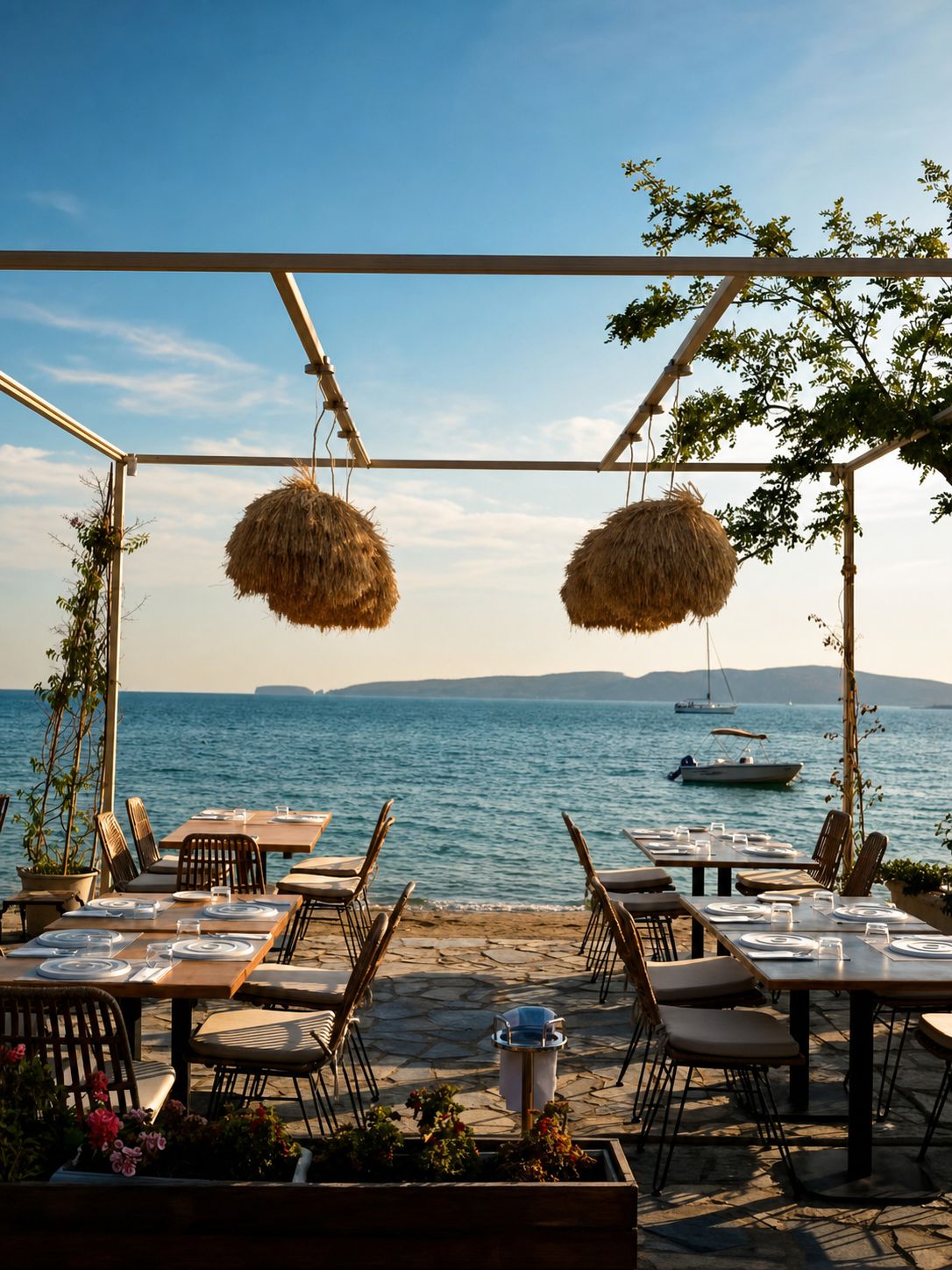
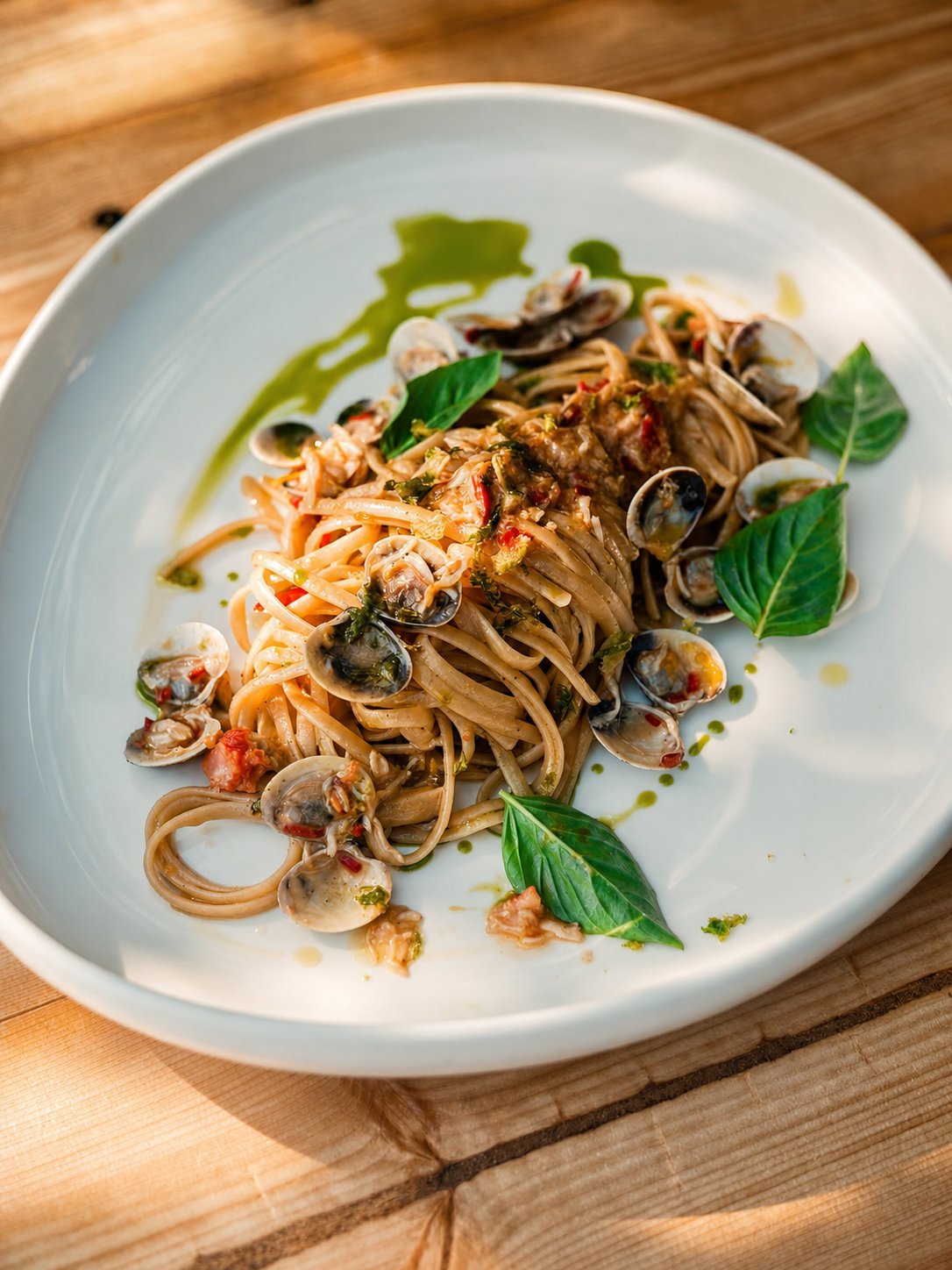
Chef Chrysanthos Karamolengos spent years in the kitchens of Costa Navarino before deciding to stay in the area for good, choosing a former winery of the old Corinthian currant cooperative on the Gialova lagoon as the site for his own restaurant. The stone building keeps its original machinery on display, with old grape sieves repurposed as light fittings. His cooking reads as personal rather than tied to any single tradition: fresh scallops with hummus and lime syrup, crab spaghetti and grilled octopus with babaganoush recur on a menu that changes often. Lagoon light through the old windows shifts the mood as the evening wears on, and service stays attentive without turning formal. The restaurant picked up a Golden Chef’s Hat at the 2026 awards, one of relatively few outside Athens and the islands to do so this year.
Gialova, Pylos
Kalamata
05
Versailles
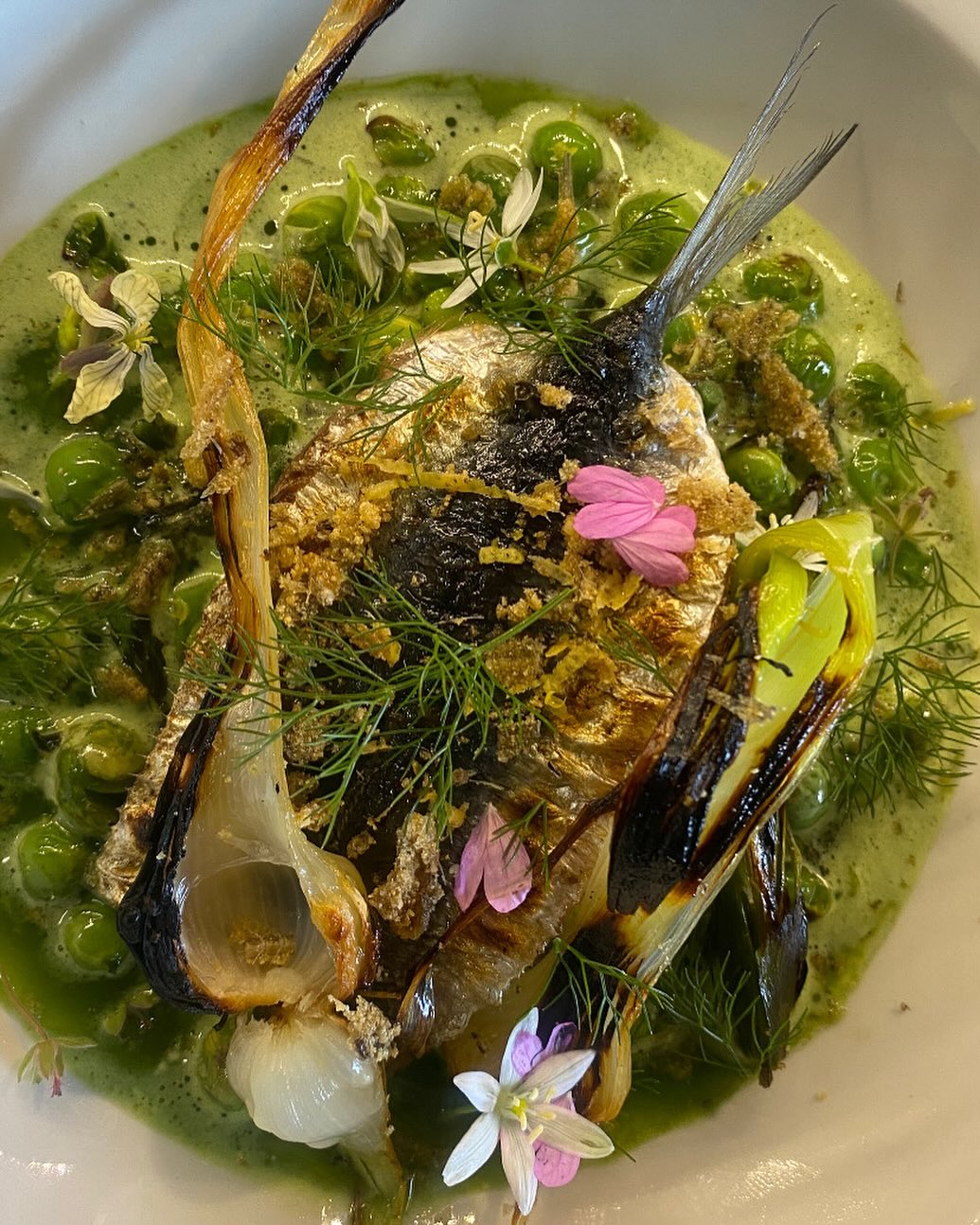
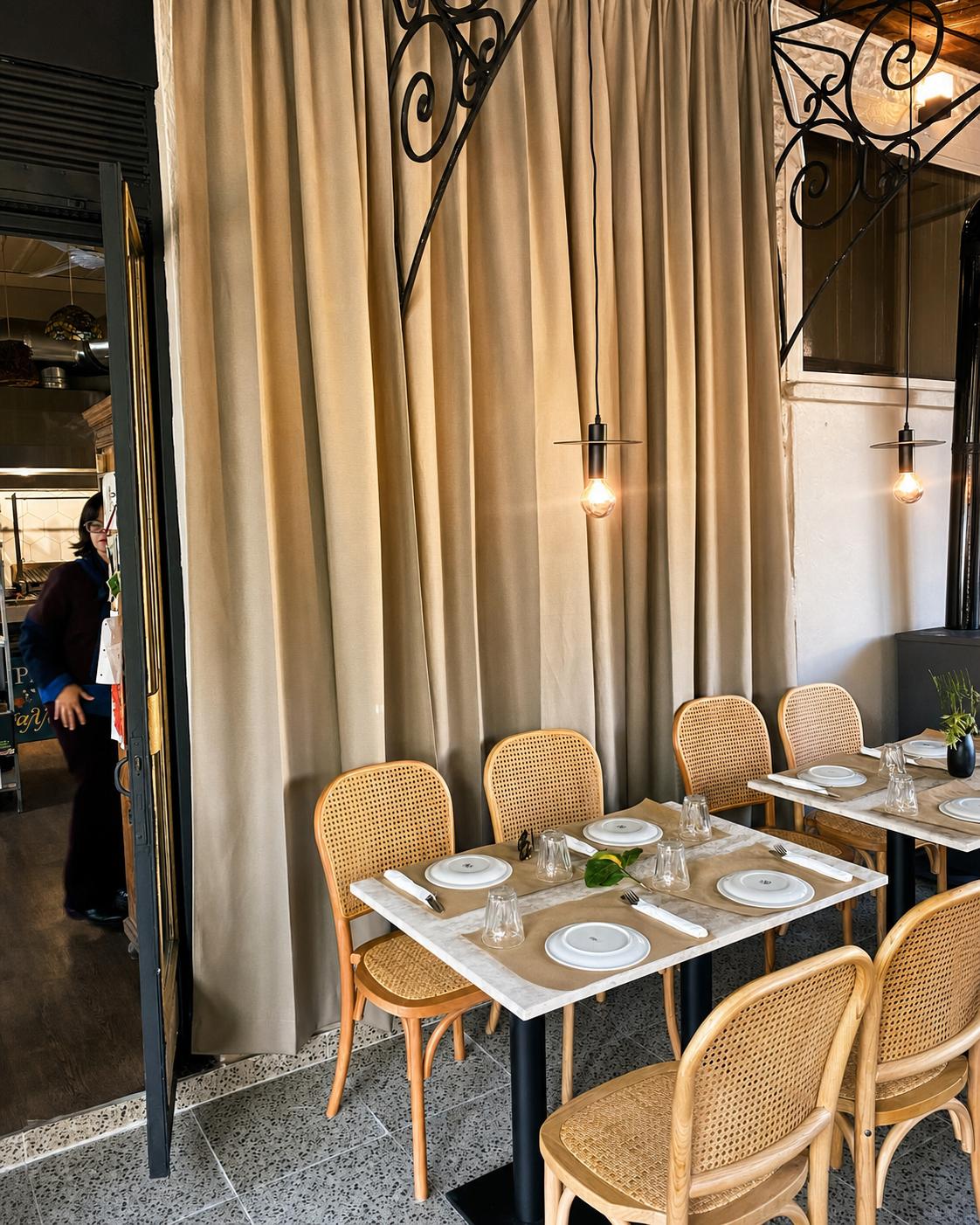
Behind an unassuming door on Kalamata’s marina front sits a small, honest kitchen run by Yiannis Koumanis and his wife Maria, open since 2017 and built almost entirely on Peloponnesian sourcing: rooster from Petalidi, beetroot salad with wild garlic and walnuts, wood-oven giant beans and lamb with artichokes cooked the same way. Koumanis works closely with small local producers and uses the whole animal rather than favoring particular cuts. The room is plain and unpretentious, tables spilling onto the pavement of a 1922 building, and the mood is closer to a neighbourhood eatery than a destination restaurant, despite a reputation that now reaches well beyond Kalamata. It has been named among Greece’s 100 best restaurants more than once. Regulars treat it as a fixture rather than an occasion, which appears to suit its founders fine.
Evangelistrias 46, Kalamata Marina
06
Stou Kosta
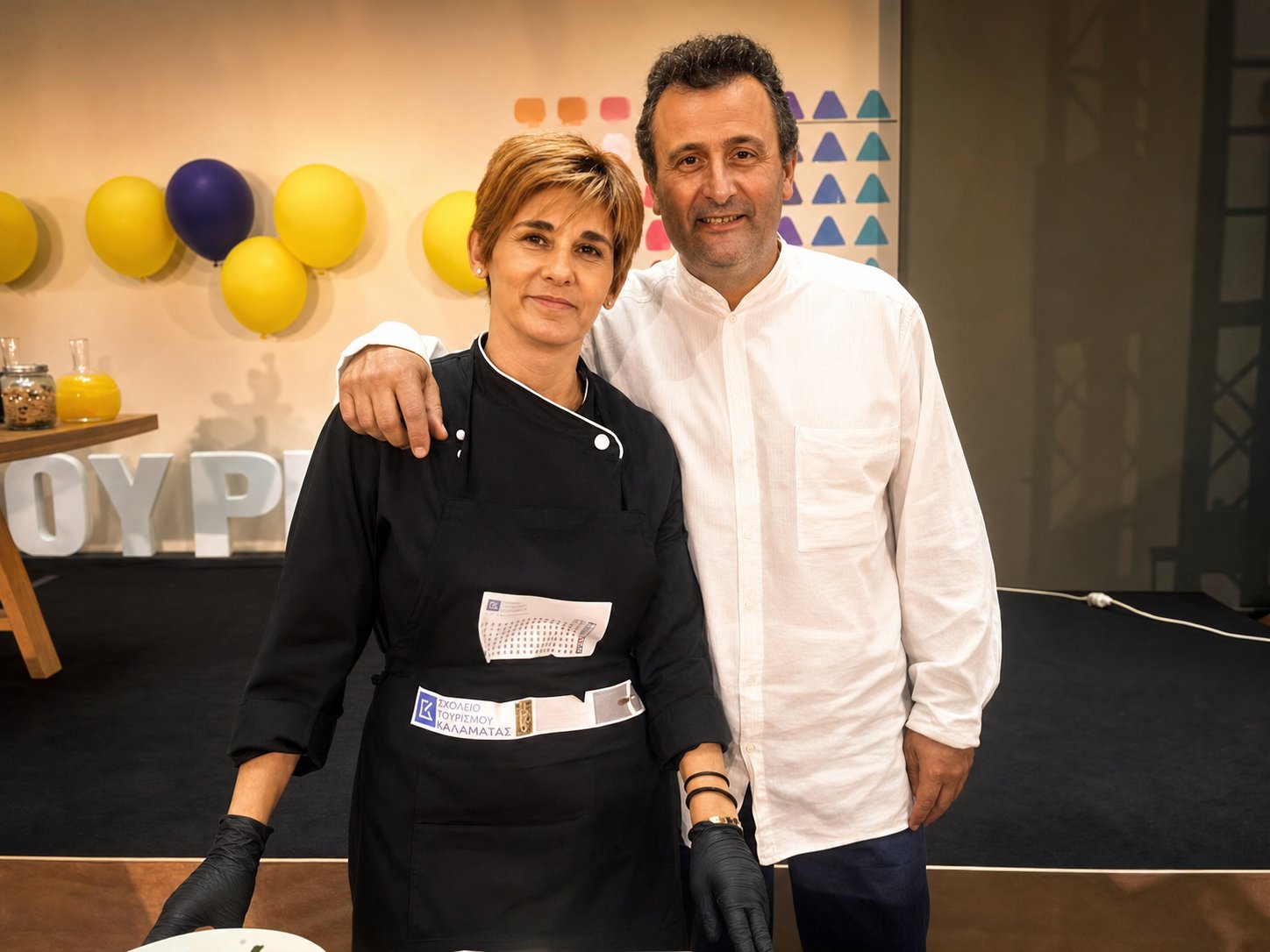
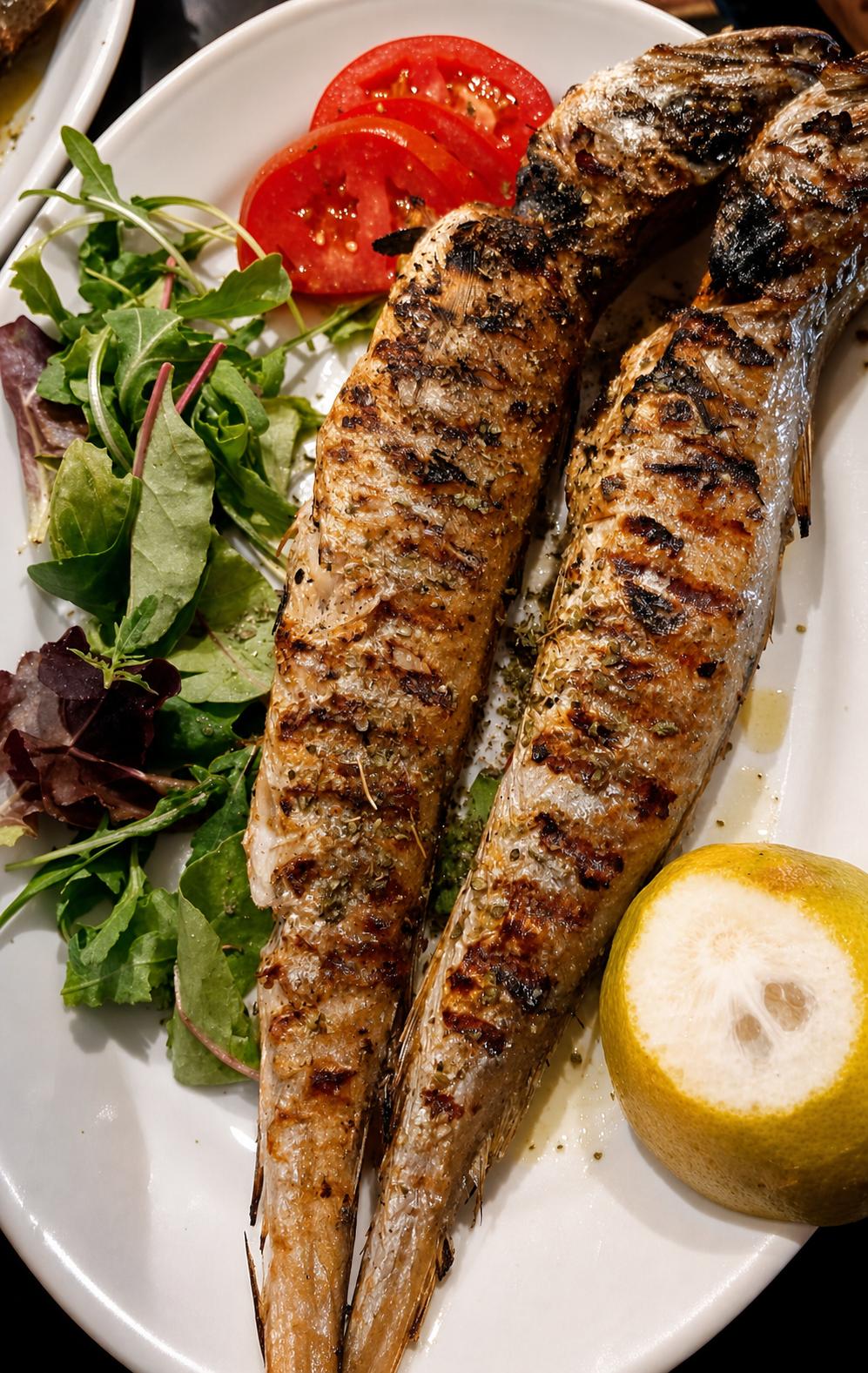
Finding this taverna without help is genuinely difficult, since its owner Kostas Vasileiadis has never put up a sign, and most visitors arrive by GPS or local directions through the market gardens on Kalamata’s industrial edge. Maria Karga runs the kitchen, working exclusively for lunch, and her courgette flower tops with fresh herbs have become the dish regulars ask for by name. Beyond that, a false moussaka built on local wild greens, imam with peppers, and eggs cooked with cured meat or the region’s own vergada sausage make up most of a short, changing menu, finished with fried diples soaked in first-press olive oil. There is no attempt at atmosphere beyond a few tables among the vegetable plots. The lack of signage seems to be entirely intentional, and it has not hurt business.
Bournia, Kalamata
07
Thiasos
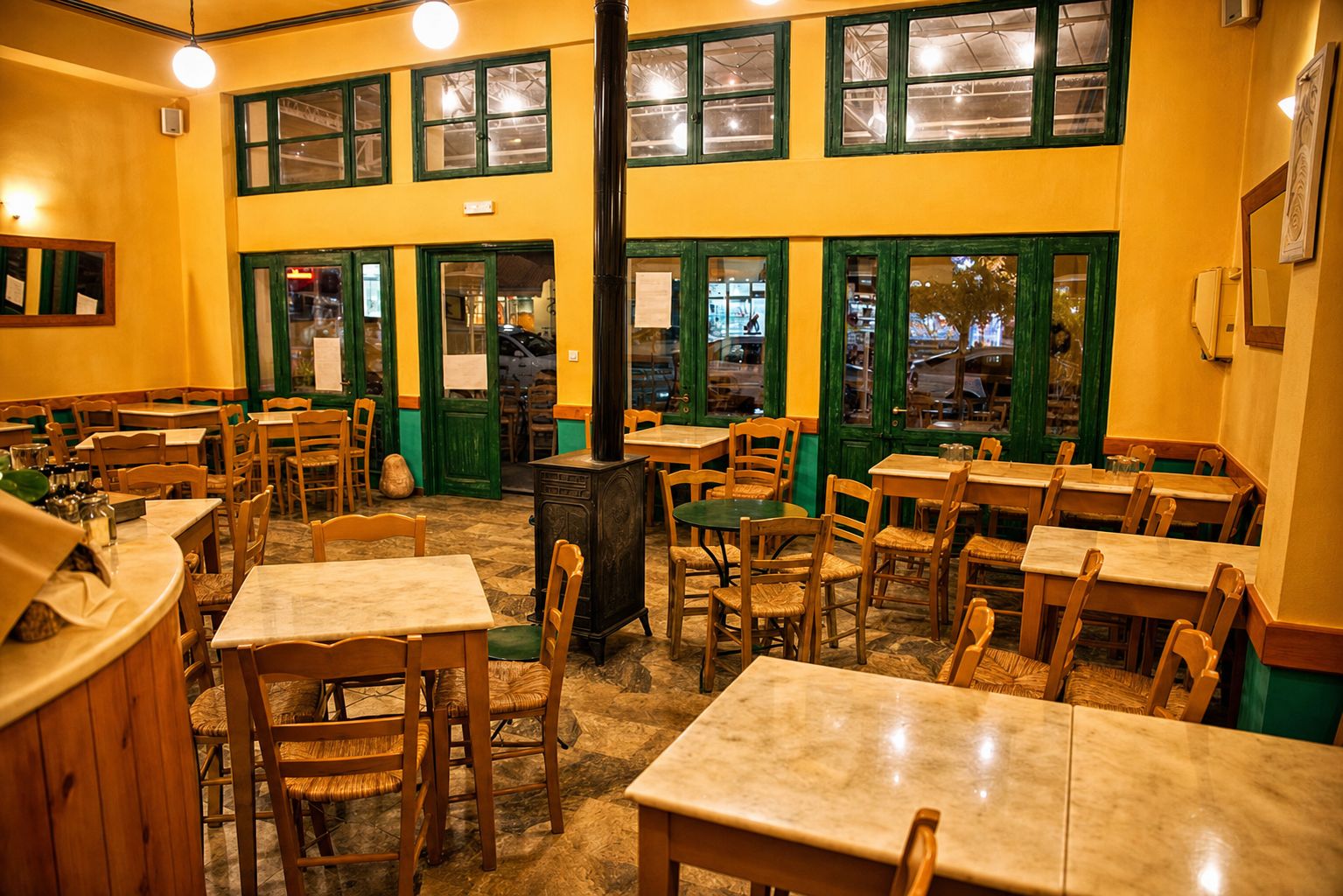
A former haunt called the Kafeneio tou Tavlaridi occupied this early 20th century building in Kalamata’s old center before Kostas and Vasilis took it over and turned it into something between an ouzeri and a taverna. The kitchen leans on seasonality and hyper local sourcing, moving between an indoor room in winter and the shaded square outside once the weather turns. Messinian suckling pig with a crackling skin acts as the house signature, backed by a wide rotation of seasonal salads, courgette flowers stuffed with rice, aubergine rolls, and small plates of sardines and anchovies built for ouzo or tsipouro rather than a full meal. The pace suits grazing over hours rather than a fixed sitting. Together with Versailles and Stou Kosta, it makes Kalamata a worthwhile destination in its own right, with each restaurant covering different ground within the same small city.
Ypapantis 7, Kalamata
08
Ble Kanarini
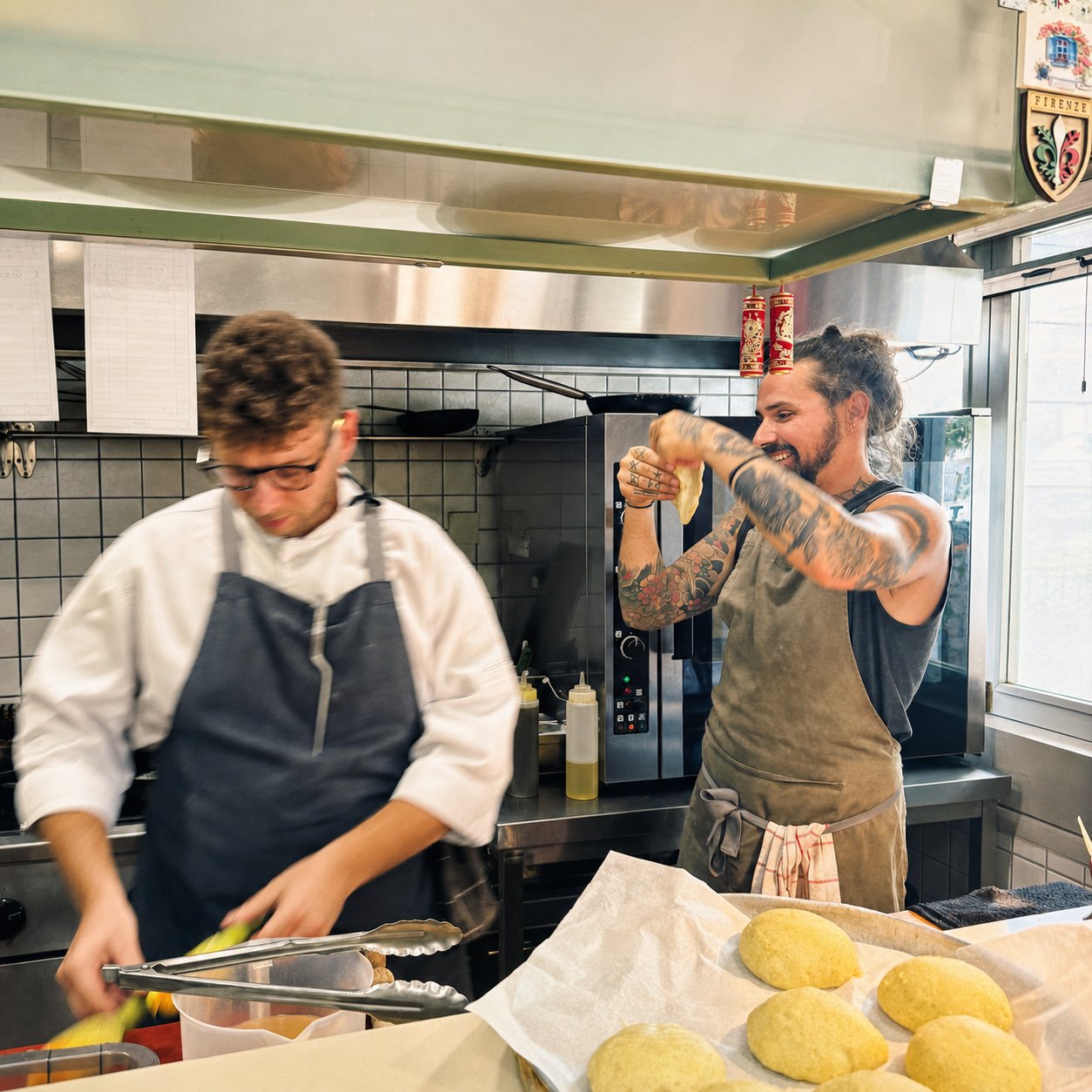
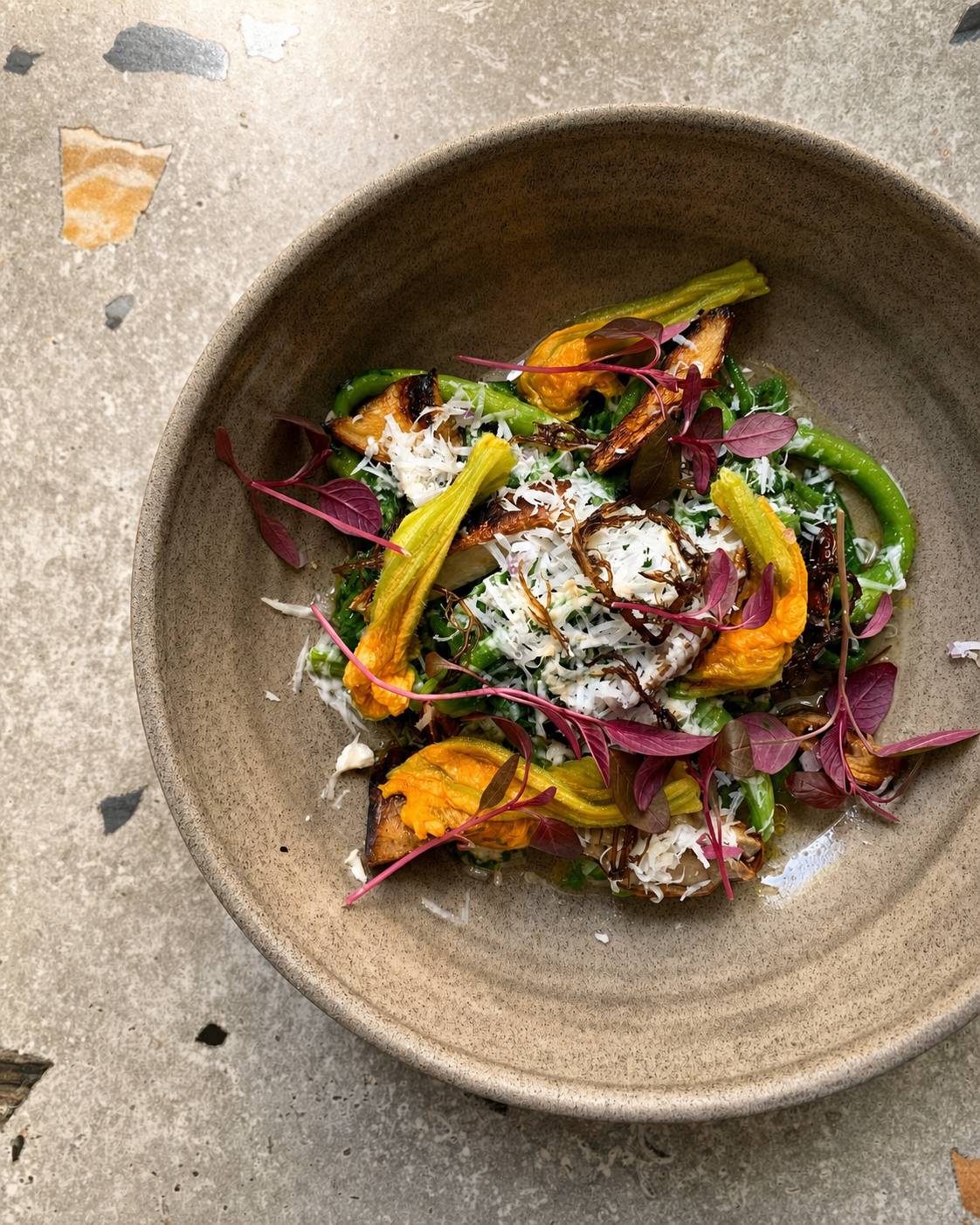
Konstantinos Vasileiadis returned to his native Kalamata in 2021 after working in starred restaurants abroad and several of Messinia’s largest hotels, opening a small space he describes as a gastro-mageireio, a modern take on a traditional Greek cookshop. The menu changes daily around whatever produce is best that morning, recent plates running to wild mushrooms with foraged fruit and chickpeas, and bread served with a taramosalata foam. Visiting French chef Bruno Verjus, who holds two Michelin stars at his own restaurant in Paris, singled it out during a trip through the city, which says something about how far its reputation now reaches beyond Kalamata. Vasileiadis has stuck to lunch only, Monday to Saturday, and has resisted every suggestion to extend hours or add dinner service despite the growing attention. The room stays small and unshowy, in keeping with a kitchen more interested in ingredients than presentation. Reservations are advisable, since seating is limited and demand has outpaced it.
Kritis 34, Kalamata
Kardamyli & West Mani
09
Elies
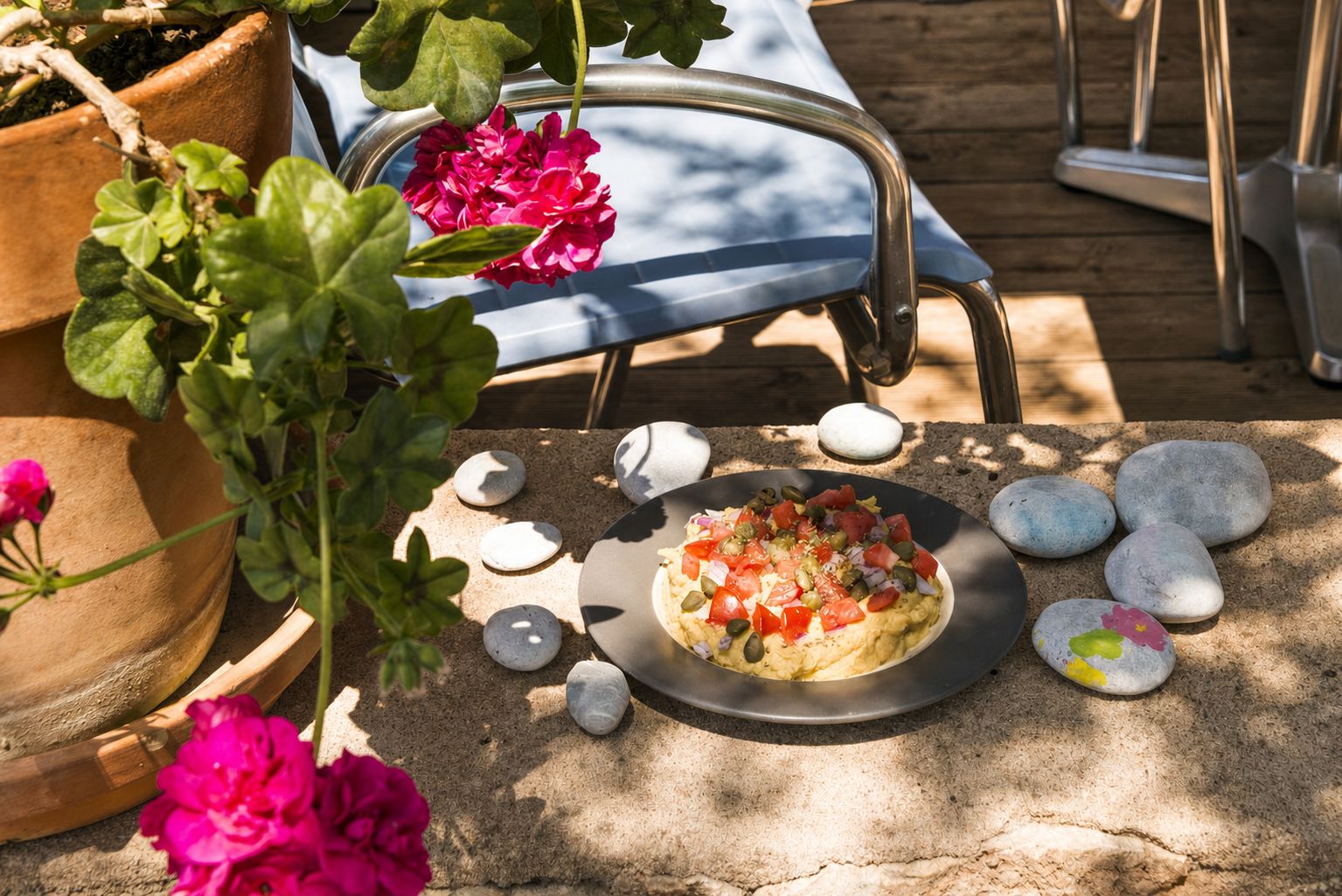
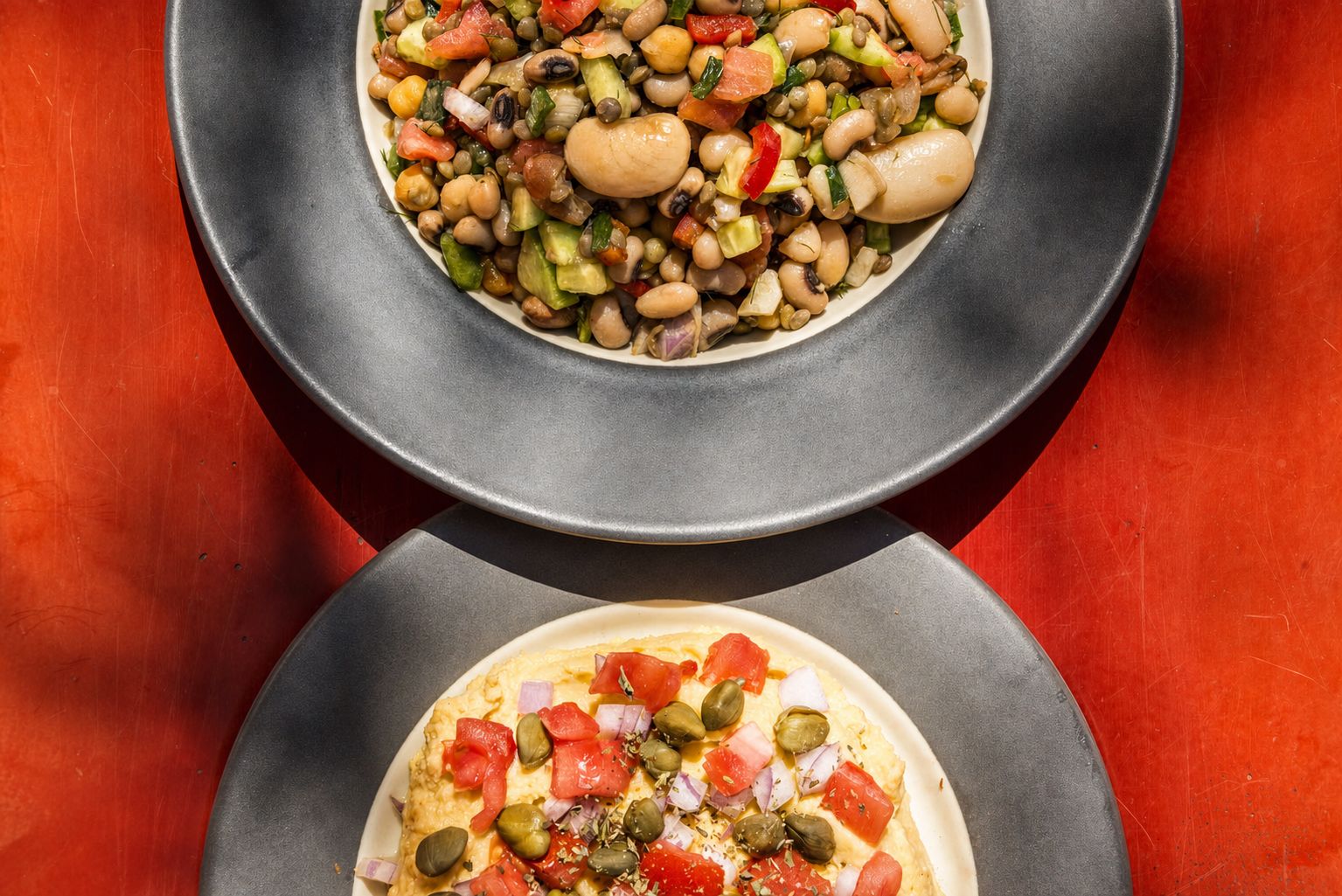
Stavros grew up next door to the taverna his mother Lela ran for decades, one that’s still associated with legendary travel writer Patrick Leigh Fermor, who lived nearby and knew the family well. He eventually opened his own place a short walk from hers, a stone building spreading tables out under an olive grove by the sea, his wife running the kitchen with a firm grasp of Messinian home cooking. The menu stays close to what a family would actually cook: courgettes, aubergines and okra in season, stuffed vegetables, pastitsio, soutzoukakia with fried potatoes and a well-reduced briami. Shade from the olive trees does most of the cooling in summer, and service is unhurried in the way of a place with nothing to prove. Regulars tend to book the tables under the trees first. The literary connection draws some visitors, but the cooking is what brings them back.
Kardamyli, West Mani
Methoni & Koroni
10
Nikos
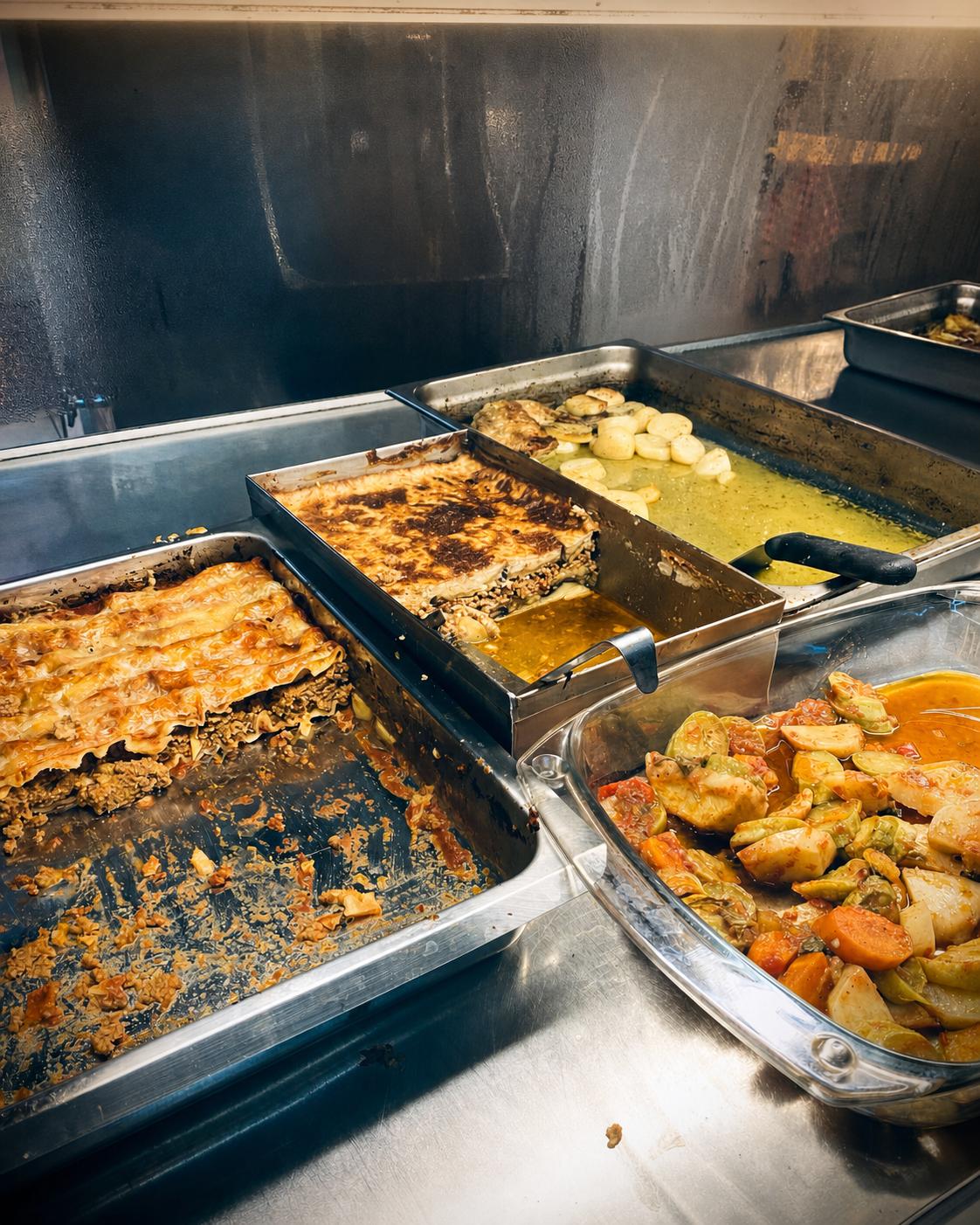
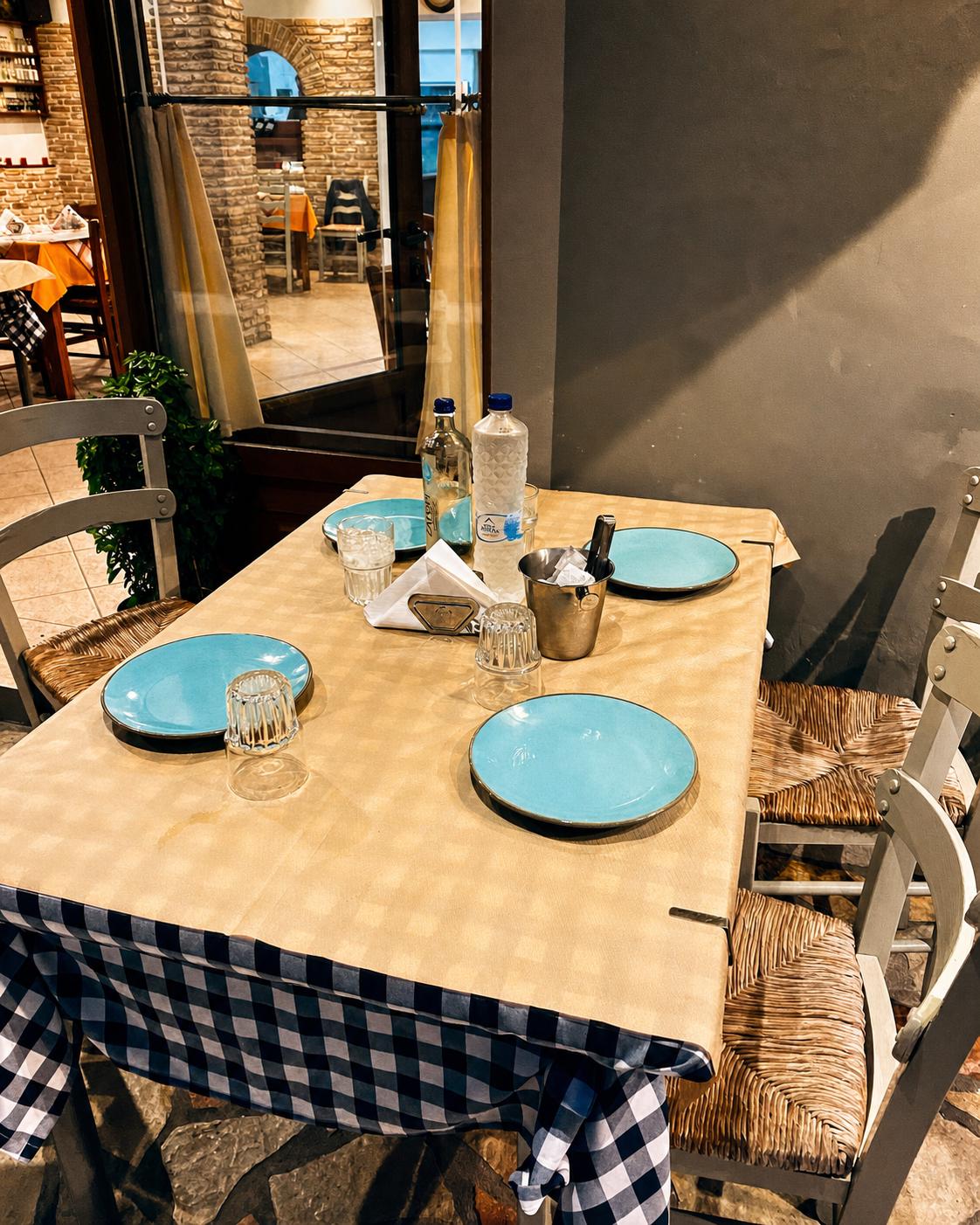
Little has changed at this fish taverna since it opened in 1976, tucked beneath the walls of Methoni’s Venetian castle a short walk from the harbour. The kitchen runs on the day’s catch rather than a fixed menu, kakavia fish soup, grilled fish sold by weight, prawns and cooked dishes made to order among the regular options. Tables spread out toward the castle itself, giving diners one of the more photographed backdrops in Messinia without the restaurant trading on it particularly hard. Service carries the unhurried, familiar tone of a business that has served the same families across generations, and the crowd mixes long-time regulars with the steady trickle of visitors drawn to the castle. It has built a reputation on consistency rather than reinvention, still run along much the same lines 50 years on.
Methoni
11
Kaggelarios
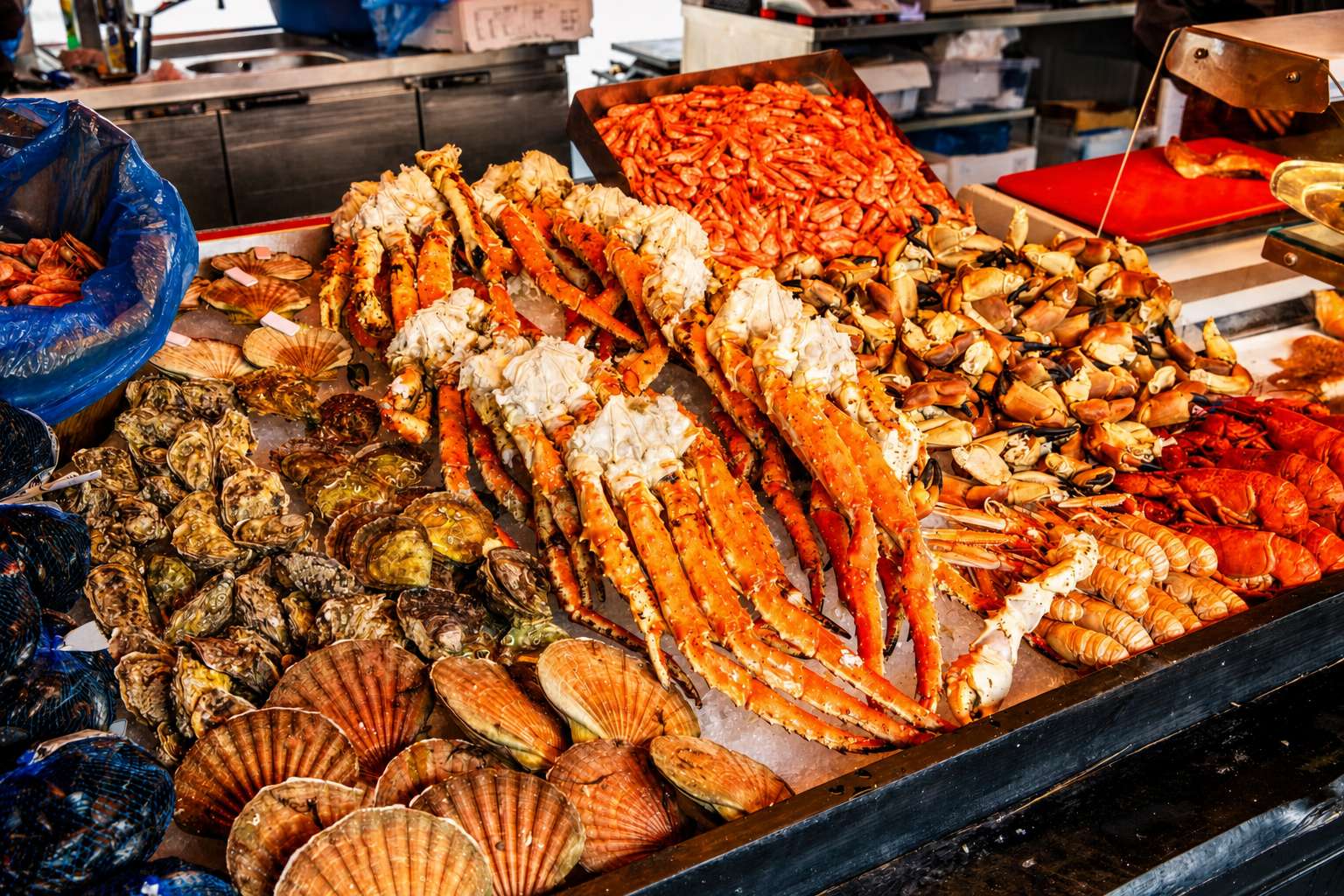
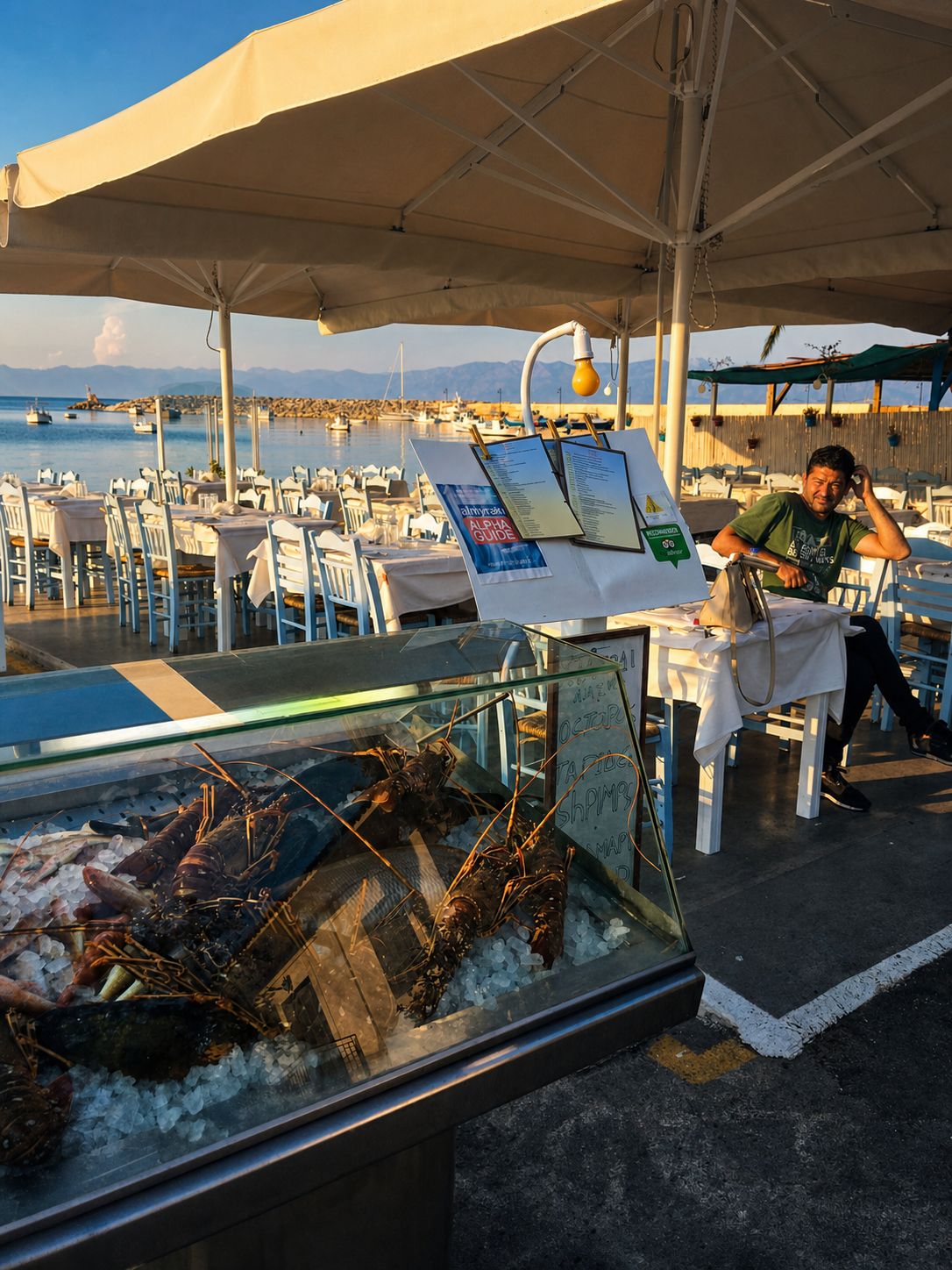
Since 1989, this beachfront fish taverna has kept largely the same menu of clams, fresh fish and seafood plates, served against a direct view of Koroni’s water rather than any particular design flourish. The kitchen runs from late morning into the evening, drawing a mix of day trippers working through Koroni’s Venetian castle and locals who treat it as a standing option rather than an occasion. A large hall attached to the main dining room hosts weddings and baptisms on the side, which says something about how long the business has been part of the town’s routine.
Koroni
Laconia
12
Kyrimai
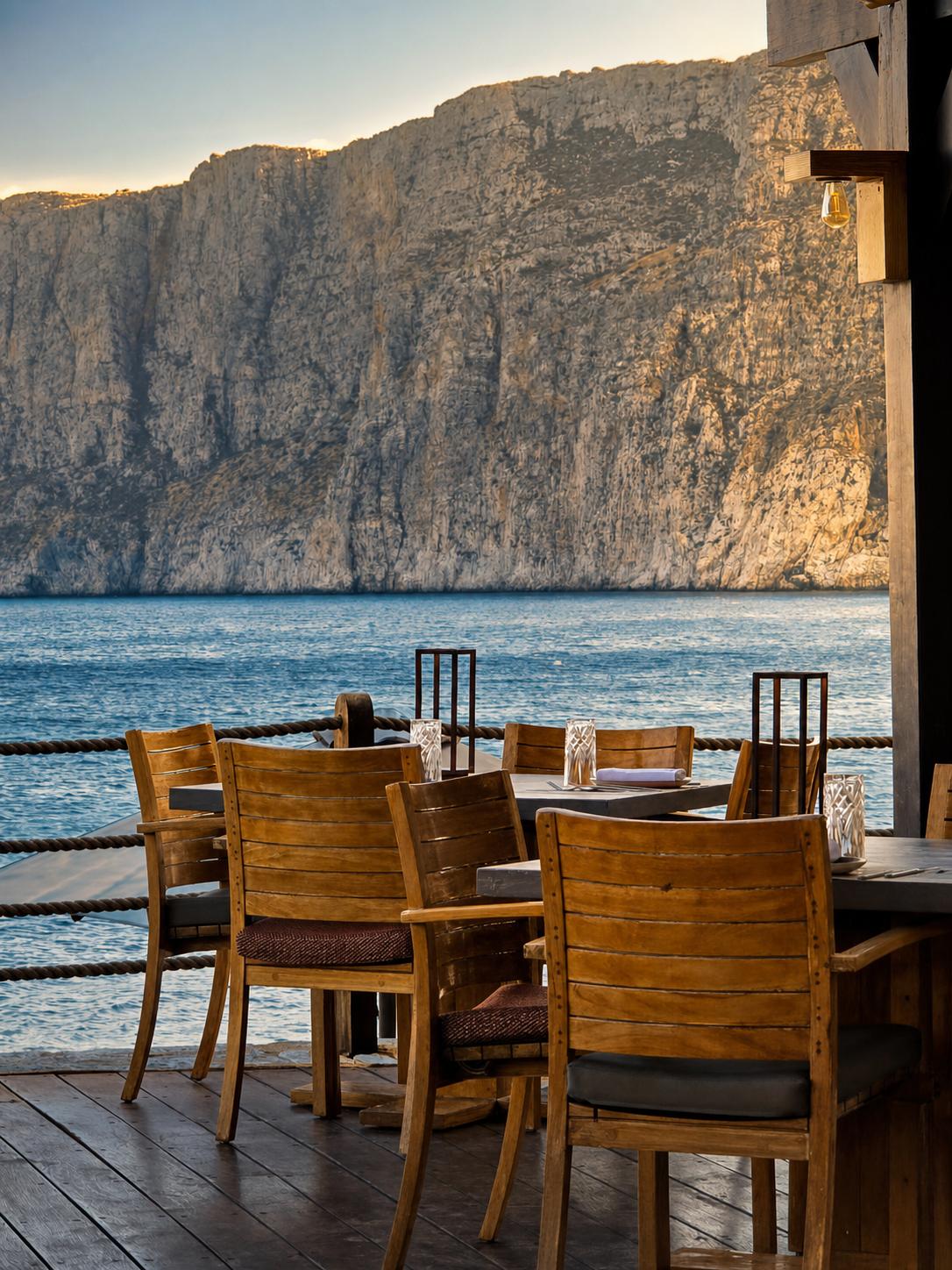
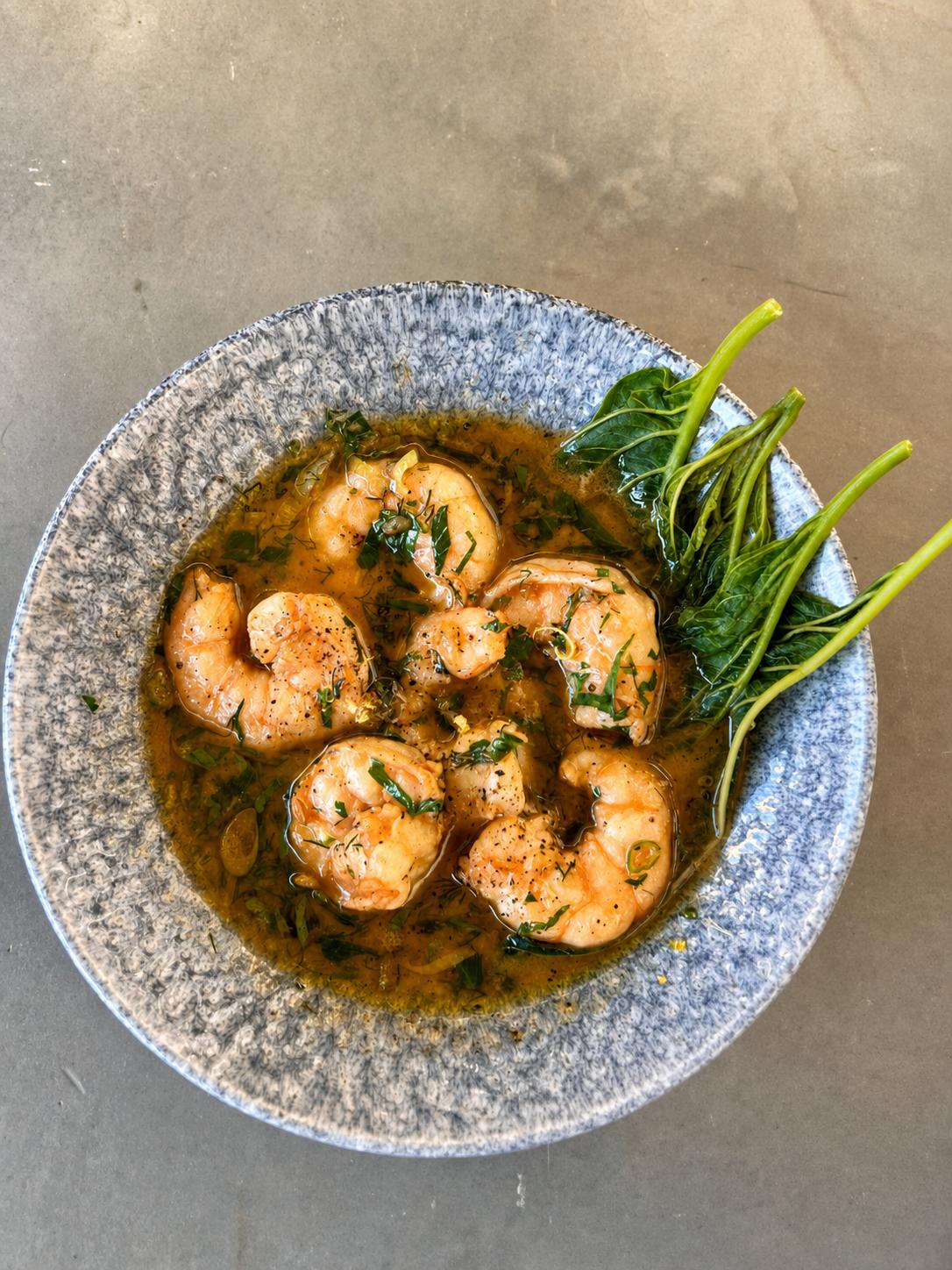
This 1870s stone complex at the southern tip of the Mani peninsula was restored by the Kyrimis family into a small hotel, its restaurant built around a wooden deck that sits almost directly over the water. From the terrace, the illuminated rock face and sea caves of Cape Grosso form the backdrop for a kitchen working in a Mediterranean and Greek register, built on local and seasonal produce rather than a fixed repertoire. The hotel’s chef draws on Maniot tradition and periodically runs cooking workshops for guests who ask. An eclectic wine list favors lesser known Greek varieties over familiar names. The crowd is a quiet mix of Greek and international travellers who have generally sought the place out deliberately, given how far it sits from anywhere else. Breakfast, served on the same deck, has its own following among regulars.
Gerolimenas, Mesa Mani
13
Antonis
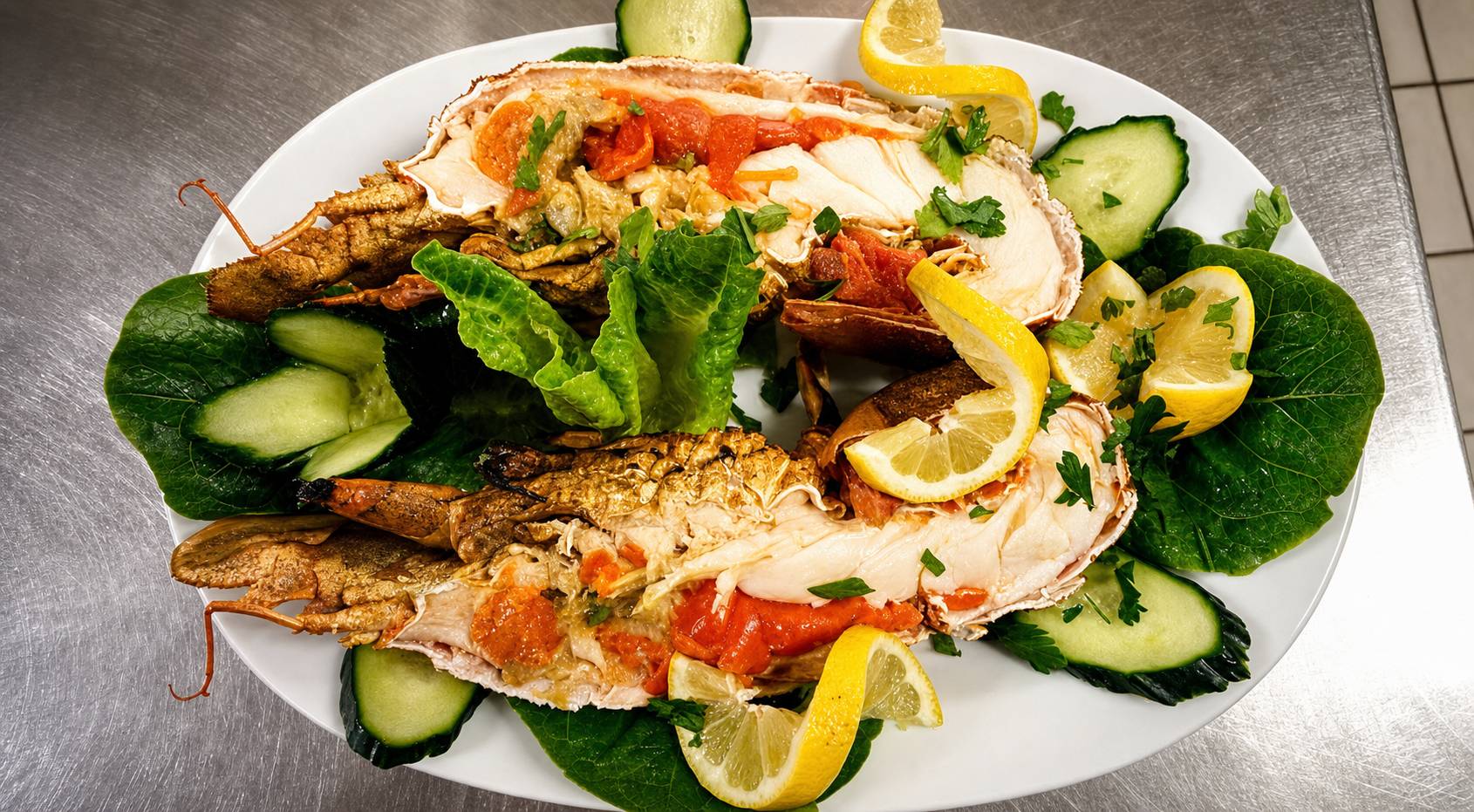
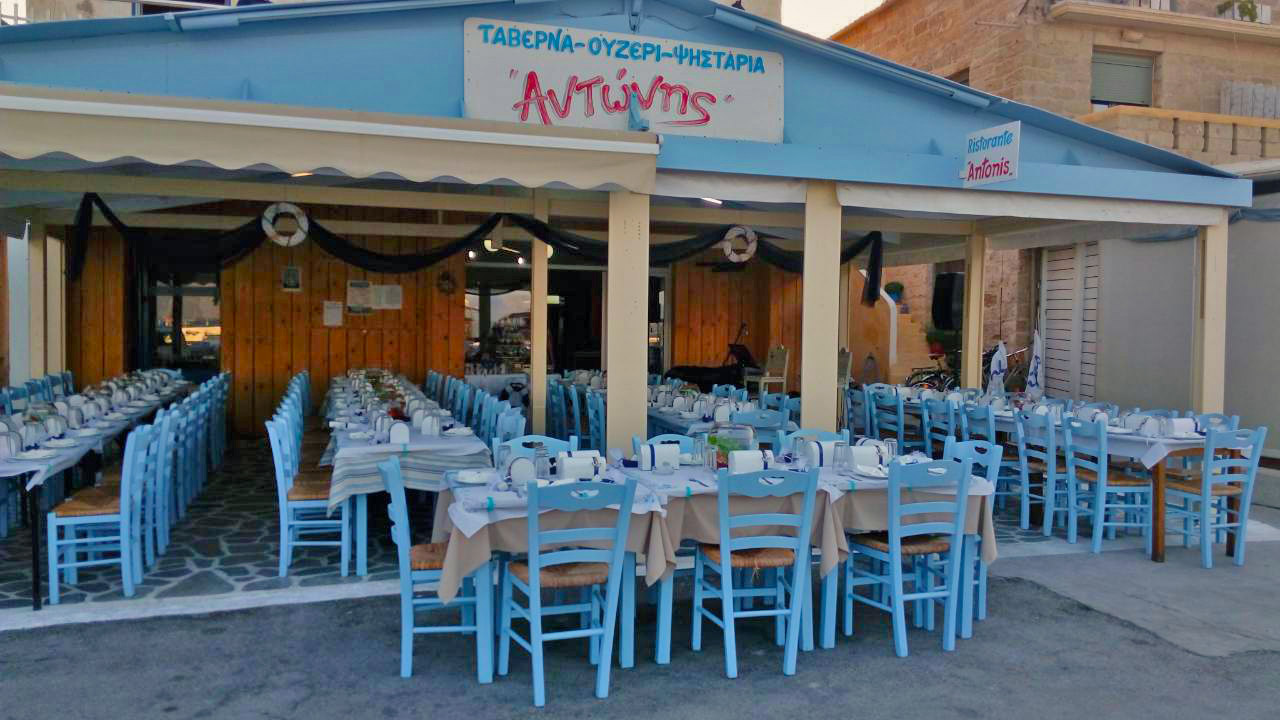
What began as an ouzeri in 1994 became a fish-focused taverna two decades later, when owner Antonis and his wife Chrysoula reworked the format on the small island of Elafonisos, opposite the church of Agios Spyridonas at the center of the harbour. Antonis’s mother Maria still cooks many of the braised dishes herself, while fresh fish supplied by local fishermen and seafood anchor the rest of the menu. Octopus pasta and rooster with pasta are the dishes regulars ask for, alongside a fairly traditional moussaka, though the kitchen isn’t above the odd modern addition like risotto for visitors who want it. It is a short ferry crossing from the Laconian mainland, which keeps the crowd smaller and more local than the mainland’s tourist towns. Reaching it takes some planning, which seems to be part of the point.
Elafonisos, Laconia
Read More
The Hotels That Make the Peloponnese Greece’s Most Refined Escape
Why the Peloponnese Is One of Europe’s Places to Watch in 2026
From Voidokilia to the Mani: The Peloponnese at Its Most Beautiful