


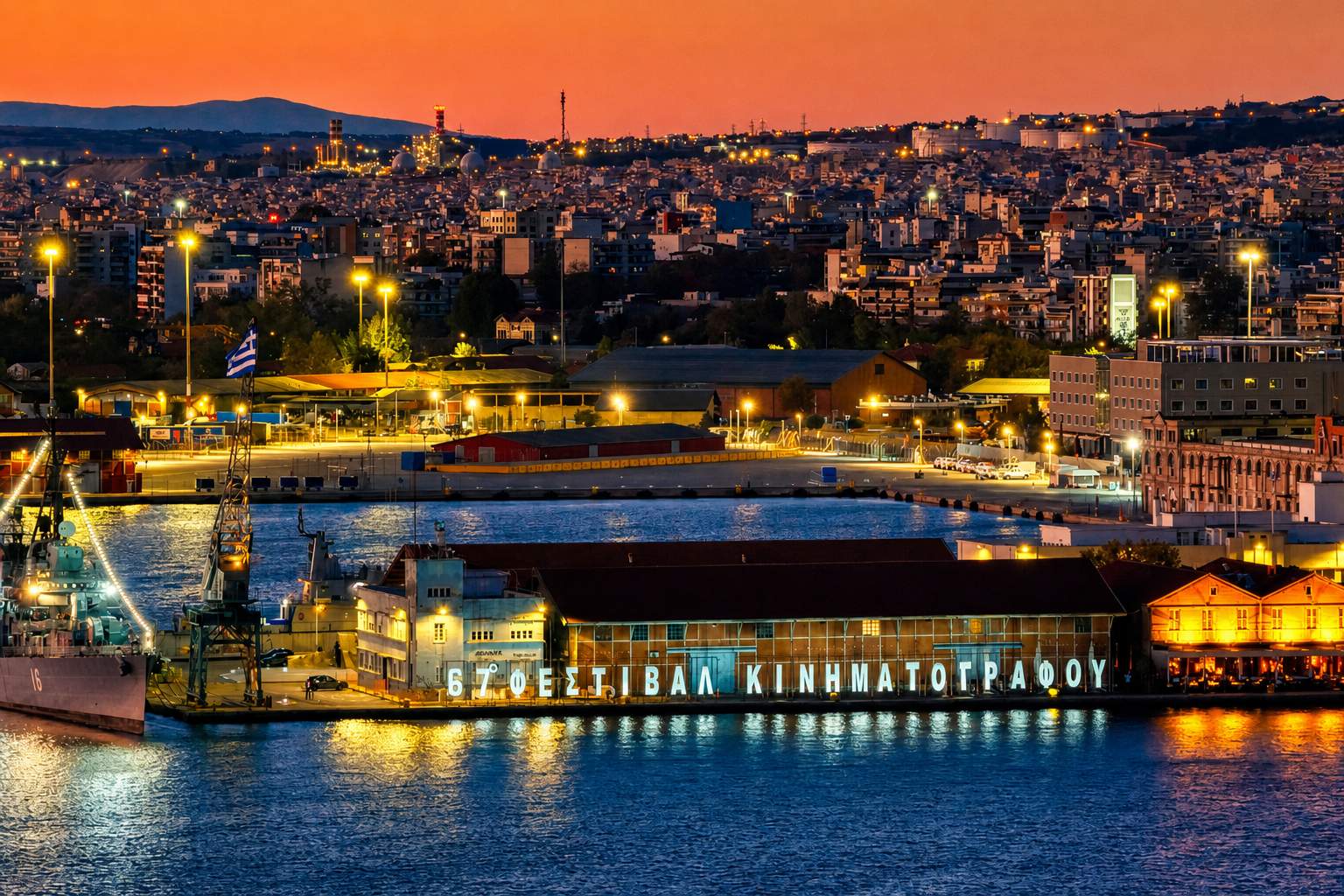
Every November, Thessaloniki becomes a different kind of city. Film-lovers from all over the world and Greece hurry between theaters, directors linger over coffee discussing their latest projects, celebs are spotted having photo shoots, and the waterfront fills with festival visitors comparing notes on what they’ve just watched.
The 67th Thessaloniki International Film Festival (iFF), running November 5 to 15, brings international premieres, emerging filmmakers, established directors and cinema professionals to Greece’s second-largest city.
It’s an ideal setting. Overlooking the Thermaic Gulf, with Mount Olympus visible across the water on clear days, Thessaloniki is a city of Roman monuments, Byzantine churches, Ottoman influences, bustling markets and one of Greece’s most exciting food scenes. During the festival, historic theaters and former port warehouses become meeting points for an international crowd, while conversations about movies and life spill into restaurants and bars.

The festival is part of a wider cultural program that also includes the Thessaloniki International Documentary Festival, held in March, and the summer’s Evia Film Project, dedicated to cinema and environmental awareness. So if you’re a film-lover who misses out on this great event, you can always try for the others.
This year’s lineup pairs bold new voices with serious cinephile heavyweights. Whether you want to spot a future star director or sit in the dark with a masterpiece on the big screen, 2026 has you covered. Here we present the highlights of the 67th TIFF as well as some top parallel events organized by the festival and plenty of things to see and do around the city while you’re there.
Essential Info
The festival’s cinema venues include Olympion and Pavlos Zannas in the Olympion building on Aristotelous Square, and John Cassavetes and Stavros Tornes in Warehouse 1 at the port. Laxe’s exhibition will be at the MOMus–Experimental Center for the Arts in Warehouse B1, also at the port. As of October 16, the full screening timetable, festival ticket prices and booking dates were not yet listed on the 67th festival’s official page; the films and tributes below have already been announced.
→ 67th Thessaloniki International Film Festival: Official Website
01
What to Watch: The 2026 Festival Highlights
Welcome to the Desert: Films Selected by Oliver Laxe
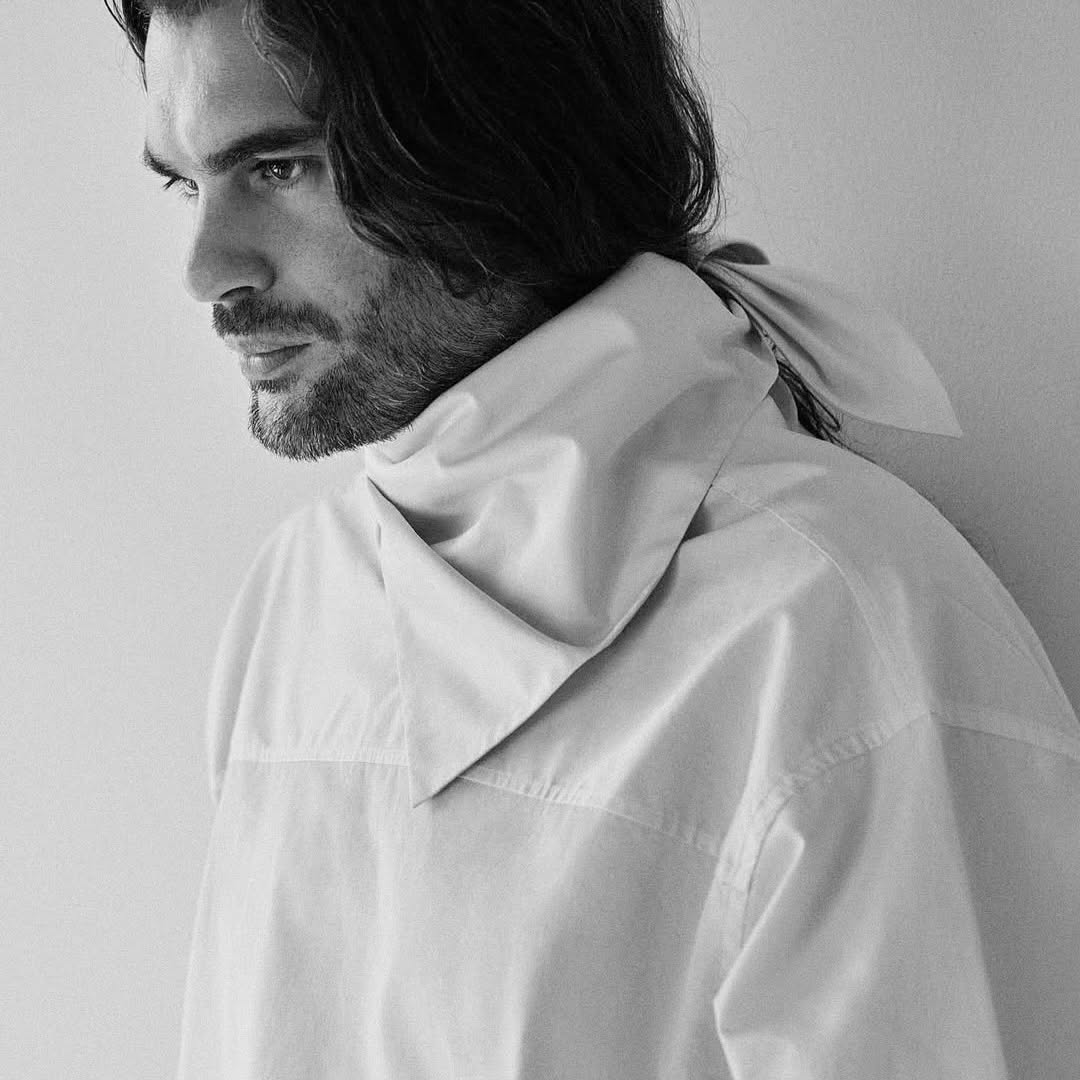
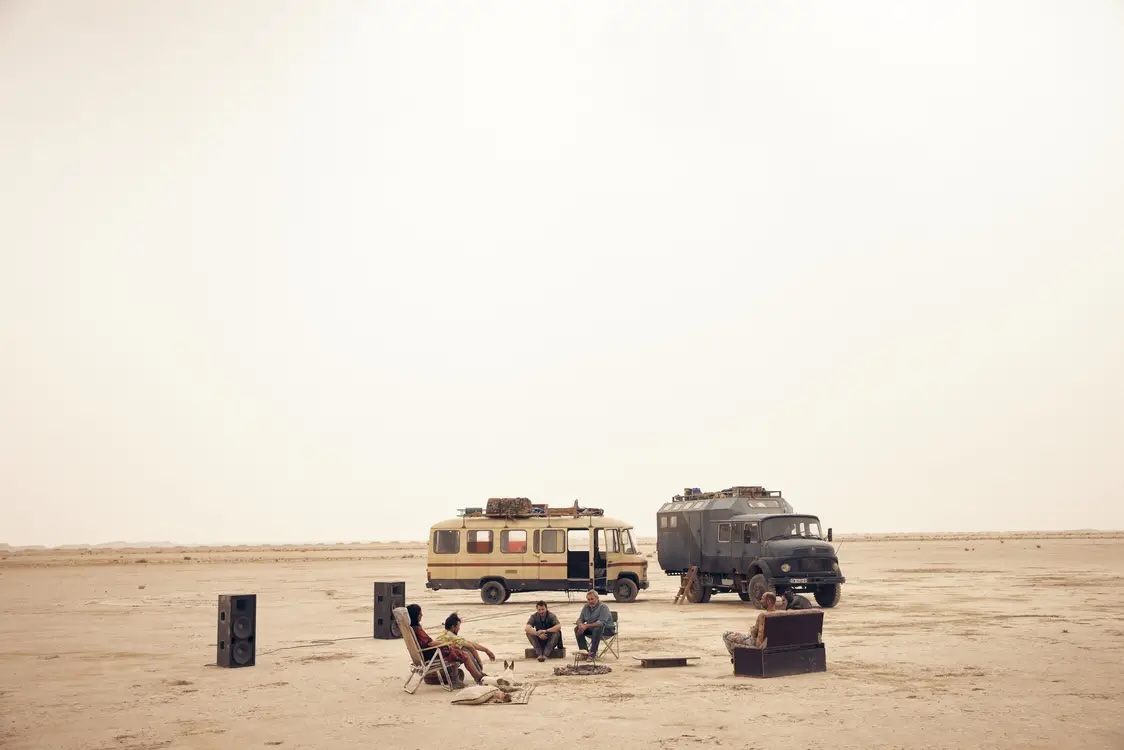
The star attraction is a 17-film program guest-curated by Oliver Laxe, the Galician filmmaker whose road-trip thriller Sirât won the Jury Prize at Cannes and became one of the most talked-about films of recent years. His choices read like a love letter to cinema in extreme landscapes: David Lean’s Lawrence of Arabia, Andrei Tarkovsky’s hypnotic Stalker, Claire Denis’s sensual Beau Travail, Dennis Hopper’s countercultural Easy Rider, and Laxe’s own Mimosas and Sirât. Seeing these together, projected large, is a rare chance, and Laxe will be in Thessaloniki in person.
International Competition: Before They Were Famous
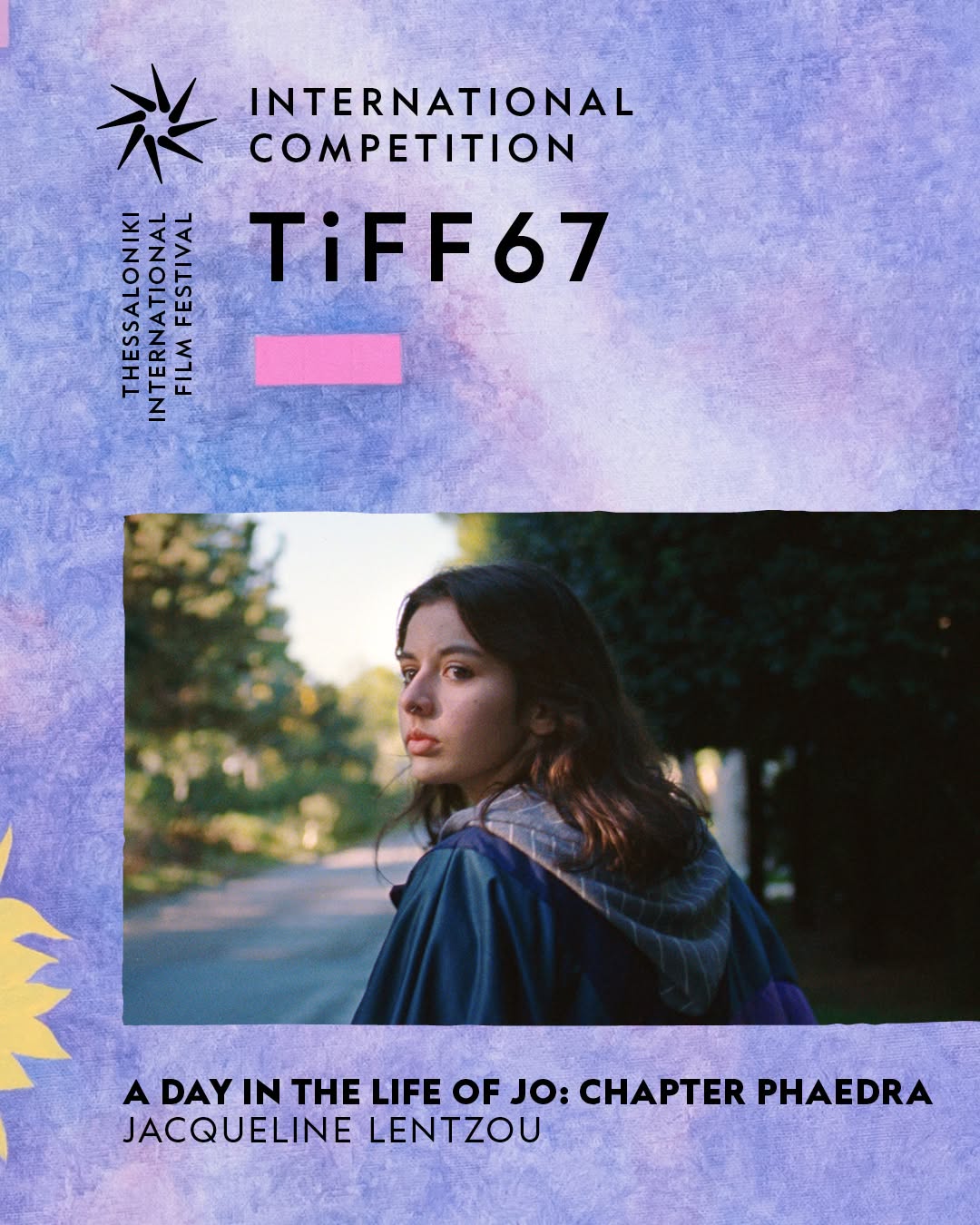
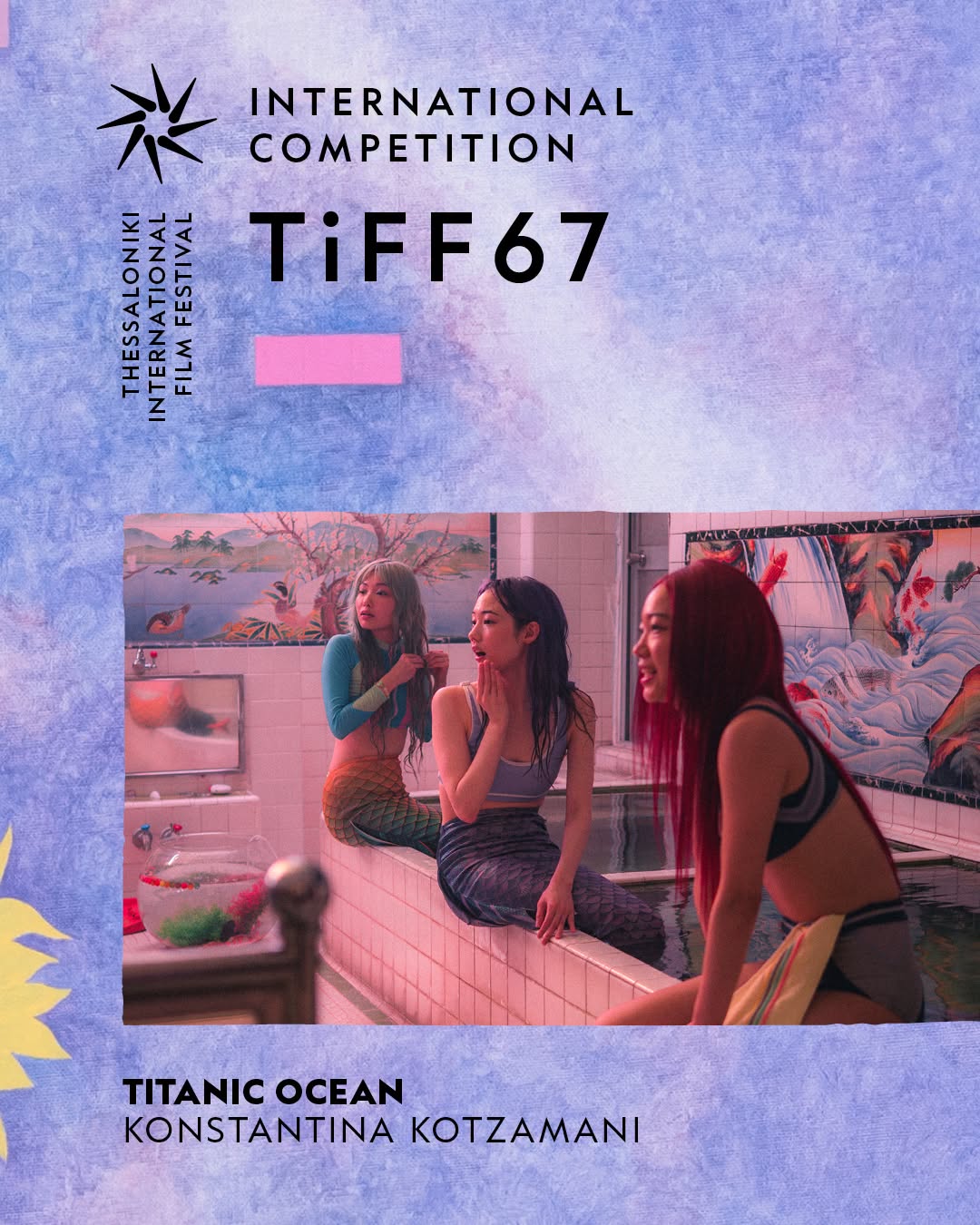
This is the festival’s talent-spotting section, open only to first and second features, so every film is a director’s big calling card. Programmers have a good eye. Recent editions have featured Harry Lighton’s queer romance Pillion, and the festival’s wider filmmaker networks have launched films that went on to Cannes, Berlin and Venice, including Mustang and 20,000 Species of Bees. Expect around a dozen films from across the globe competing for the Golden Alexander, and a strong local presence. Three Greek entries stand out: Efthimis Kosemund-Sanidis’s A Whole Person Almost, Jacqueline Lentzou’s A Day in the Life of Jo: Chapter Phaedra and Konstantina Kotzamani’s Titanic Ocean. Lentzou and Kotzamani both built their reputations on acclaimed shorts, making their latest features especially anticipated.
Meet the Neighbors+: The Region’s Most Urgent Stories
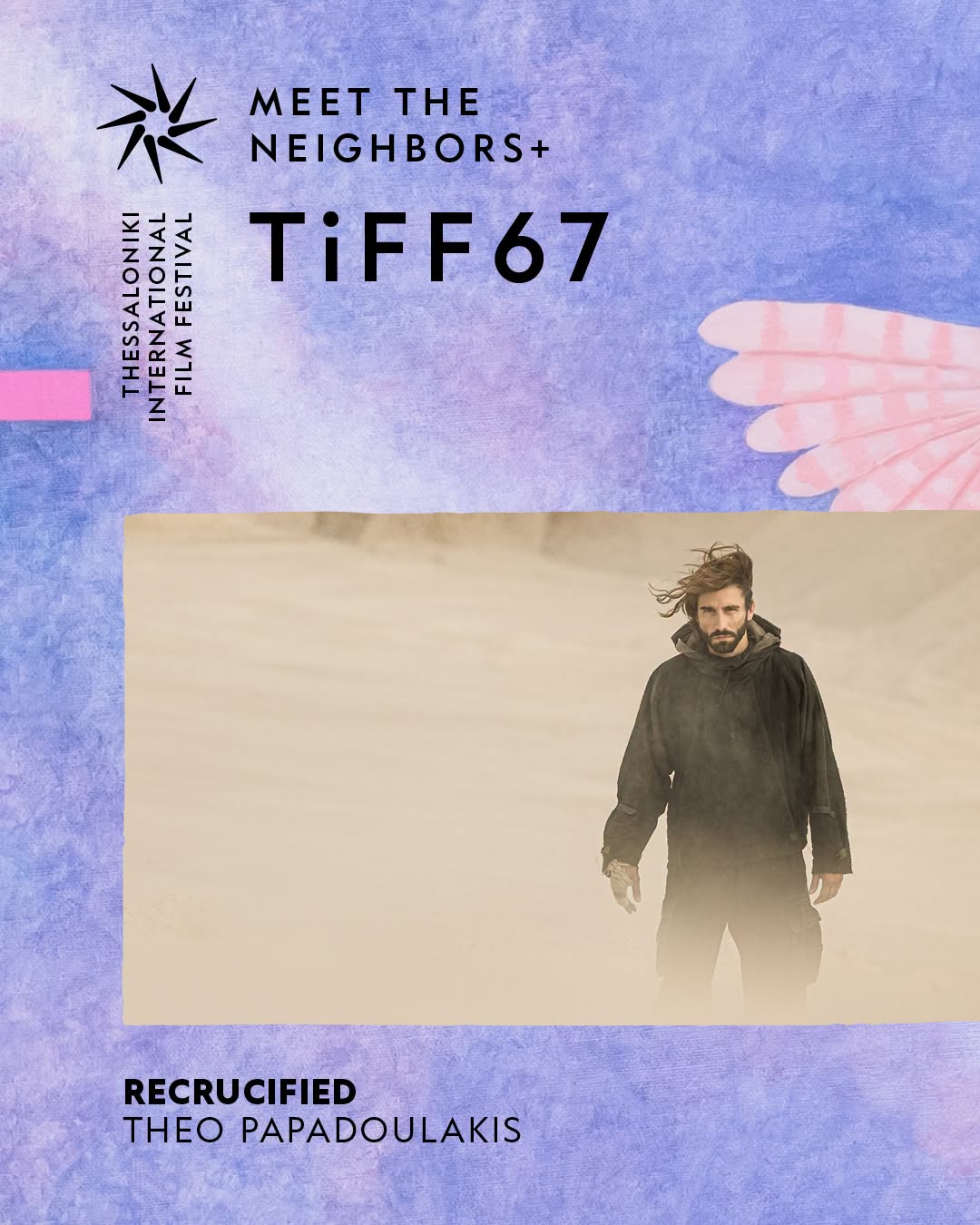
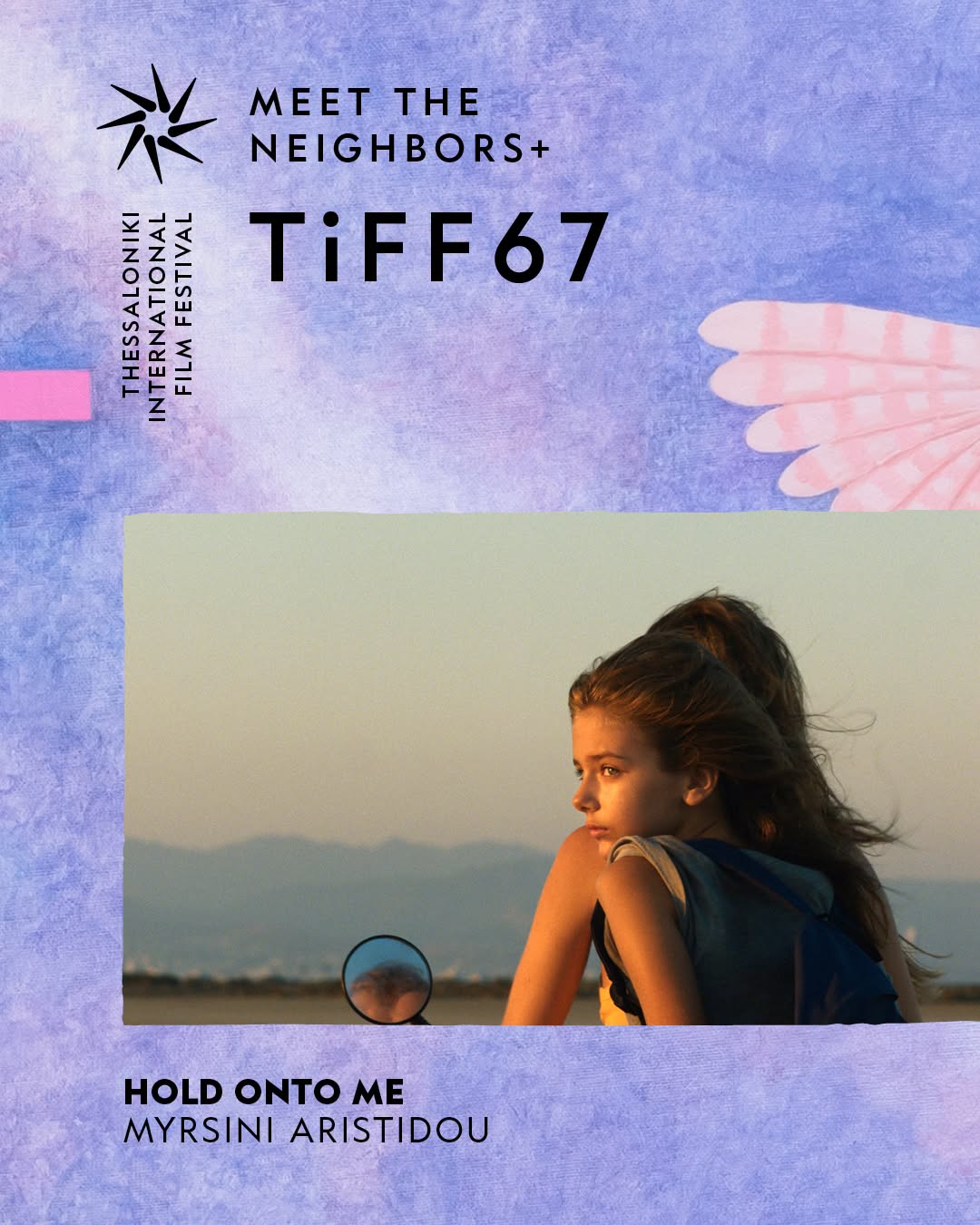
Open to first and second features from 36 countries across Southeastern Europe, the Mediterranean and the Middle East, this competition awards its Golden Alexander and a €10,000 prize to the best film. The standout is Myrsini Aristidou’s Hold Onto Me, a Sundance Audience Award winner about an 11-year-old girl who gets to know her estranged father (Christos Passalis of Dogtooth). Tonia Mishiali’s Cypriot drama The Lion at My Back follows a teenage asylum seeker from Senegal and a Cypriot former addict who rebuild their lives as a chosen family. Stefanos Tsivopoulos’s Elena’s Shift explores the price of choosing where you belong, with Maria Dragus and Penelope Tsilika, while Theo Papadoulakis’s Recrucified is a drama about finding your voice against injustice.
Film Forward: For the Adventurous
This is the section for filmmakers who treat the rules of storytelling as optional, and it’s the festival’s place for the unexpected, with a Golden Alexander prize for the boldest first or second feature. The two announced Greek selections couldn’t be more different. Argyris Germanidis’s Particles of Dust is a dreamlike puzzle in which a man tracing his former lives wanders a labyrinth of stories within stories, populated by time travelers, doppelgängers, image-eaters and the ghosts of friends and lovers (with Sofia Kokkali among the cast). Christos Houliaras’s Under the Judas Tree is quieter and more intimate: in a remote village in northern Greece near the Albanian border, a self-exiled father reconnects with his childhood friend, now a police officer, and the friend’s wife. If you like to leave a screening with something to argue about over dinner, start here.
Balkan Horror: Not for the Faint-Hearted
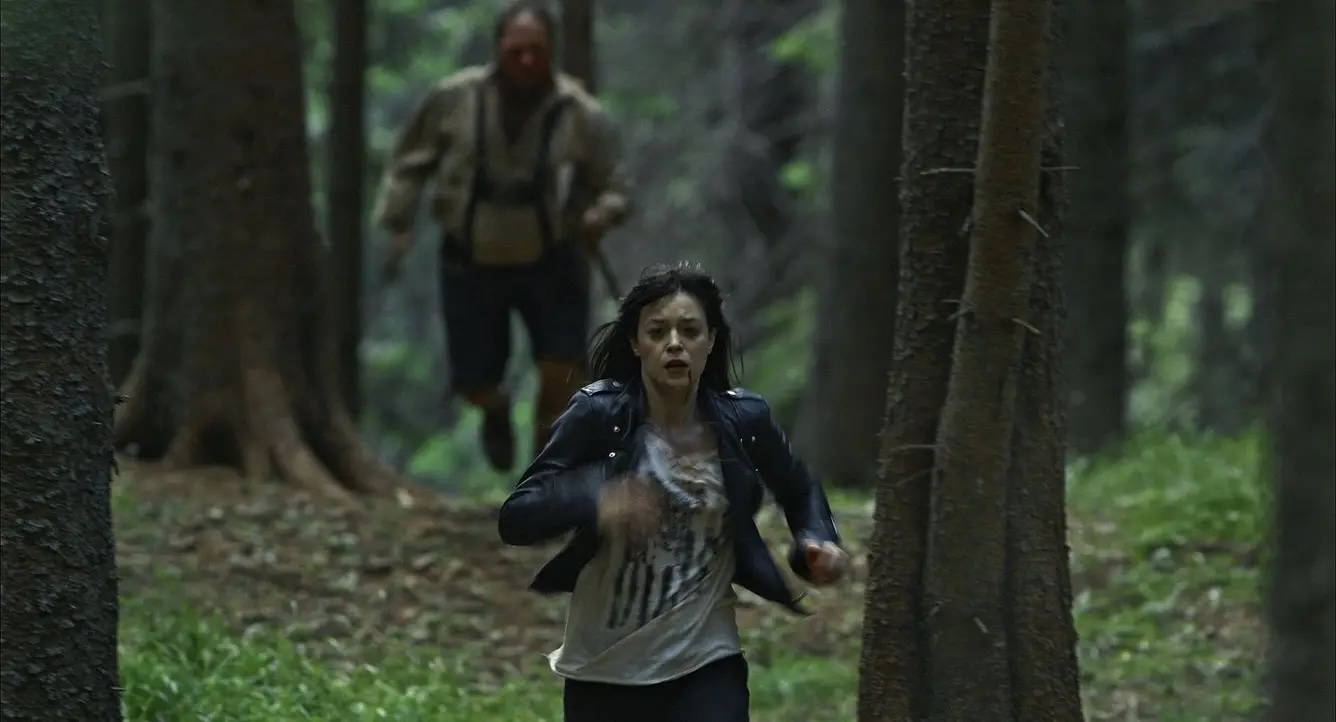
This eight-film retrospective, part of the Survey Expanded strand, explores how Balkan cinema turns the familiar into the uncanny, with folk horror, the supernatural, body horror, black comedy and plenty of splatter. It comes with a special illustrated edition. The program includes Dejan Zečević’s cult slasher T.T. Syndrome (Yugoslavia, 2002), in which a group of young people trapped overnight in a Belgrade Turkish bath are hunted by a killer suffering from a fictional brain disorder. Goran Stolevski’s You Won’t Be Alone (2022), starring Noomi Rapace, is a strikingly atmospheric Sundance debut set in a 19th-century village in what is now North Macedonia, in which body horror becomes a haunting search for identity. The Greek zombie movie Evil also features, alongside the 2026 production Motherwitch (Dodekameron), directed by Minos Papas and set in 1882 Cyprus.
Honorary Golden Alexander: Nikos Grammatikos
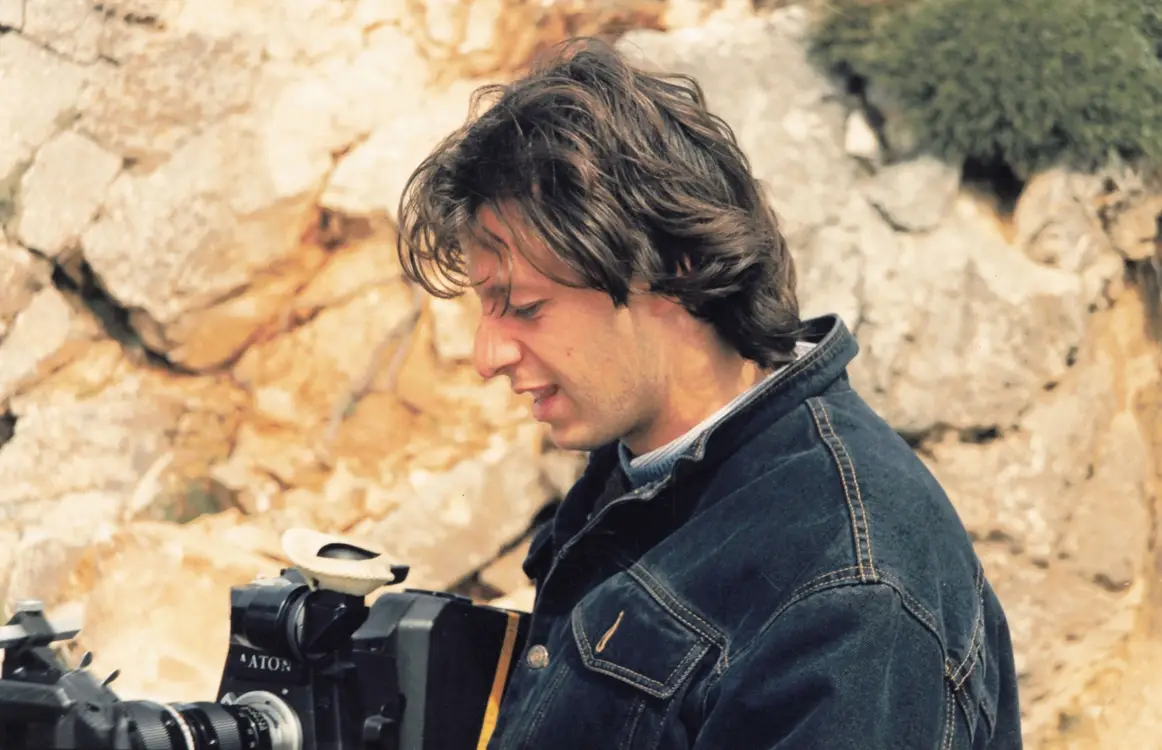
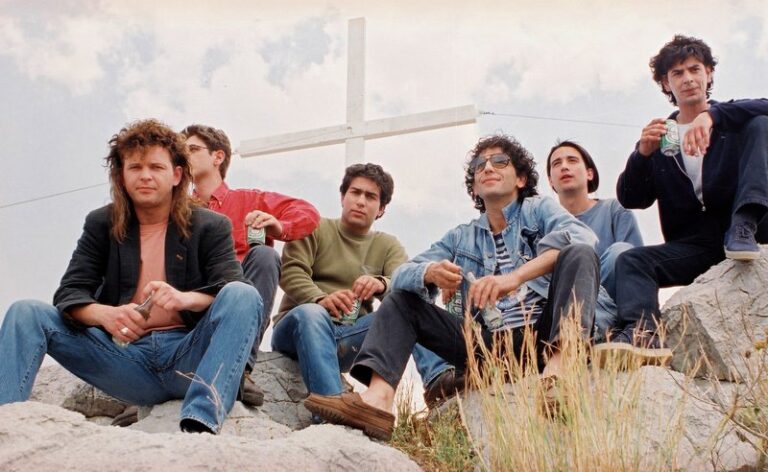
This year the festival salutes one of the most influential voices in modern Greek cinema, a director and screenwriter whose films have long served as a mirror to Greek society. Grammatikos receives the Honorary Golden Alexander for lifetime achievement, a fitting tribute for a filmmaker whose debut premiered in Thessaloniki, and whose work local audiences have embraced throughout his career. The retrospective brings together seven features and four rare shorts, including landmarks such as Utopian Year (1993), Truants (1996) and The King (2002), plus a special screening of his 1995 film Exodos from the archives of Greek public broadcaster ERT. Grammatikos will also take part in an open discussion with the public about his creative process. Film lovers can pick up a special edition of the festival’s First Shot publication devoted to his work, as well as Theodosis Michos’s new oral history of the making of Truants, which is being launched at the festival.
Greek Cinema: Classics and Rediscoveries
With 26 features and 27 shorts in the Greek selection, there’s plenty to explore. Watch for Alexis Alexiou’s Sea of Glass, a drama about two women in a seaside town. Don’t miss the restored 1953 film Eve by Maria Plyta, one of Greek cinema’s pioneering women directors, a chance to see a landmark of the nation’s film history in a new light.
Immersive: All Around Cinema
The festival’s fourth competition section is its window onto the future of the medium, and the one place at the festival where you won’t just watch a story, you’ll step into it. It showcases virtual, augmented and extended reality (VR, AR and XR) projects that use cutting-edge technology to rethink how moving images are made and experienced, and it’s the only competition section not limited to first and second features. The best work takes home the Golden Alexander for Best Immersive Work, with a €2,000 prize. All of the projects are Greek premieres, so this is a first look at some of the most inventive new work from around the world. It’s a good break from the darkness of the cinema, and a good choice for anyone curious about where storytelling is heading.
02
Beyond Film: Talks, Exhibitions & Festival Events
Meet the Director: A Conversation on Filmmaking
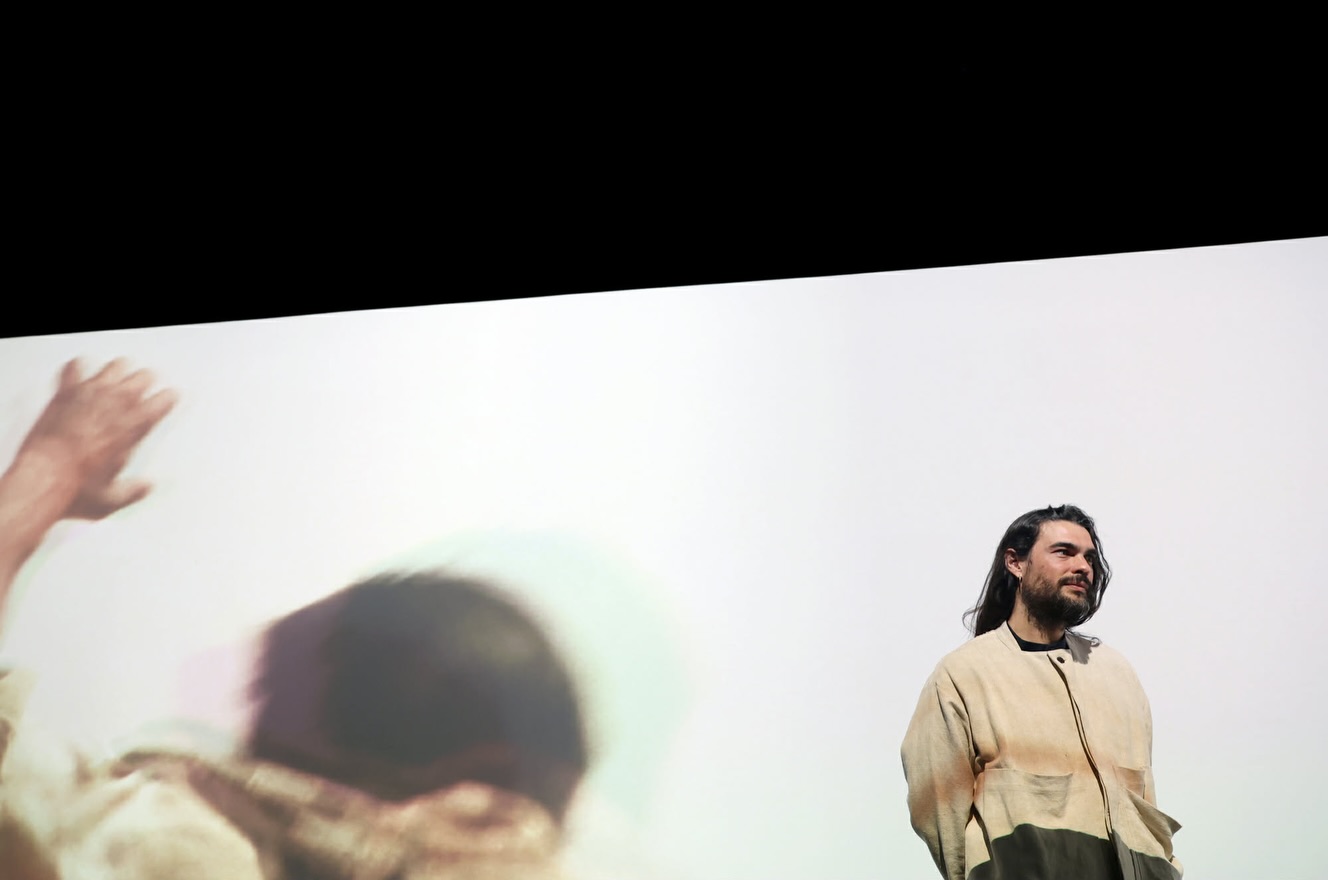
The director will participate in an open conversation about his career, creative process and filmmaking philosophy. His festival appearance promises to be one of the most interesting opportunities for audiences to hear directly from a major contemporary filmmaker.
Into the Desert: An Immersive Art Installation
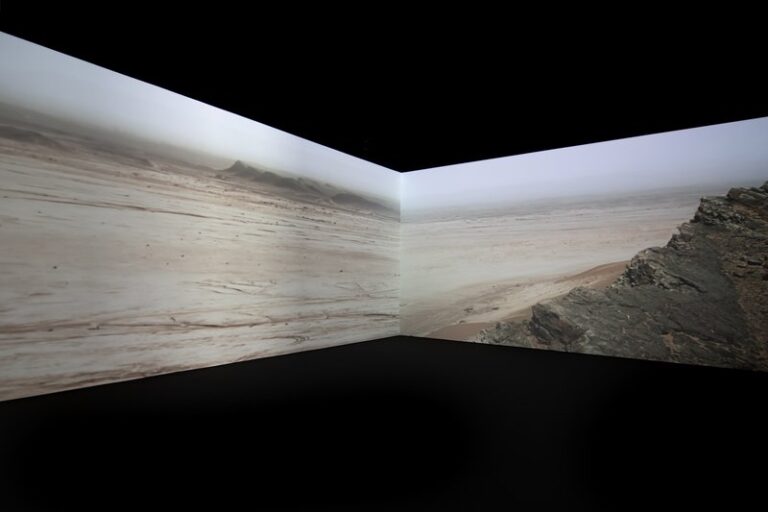
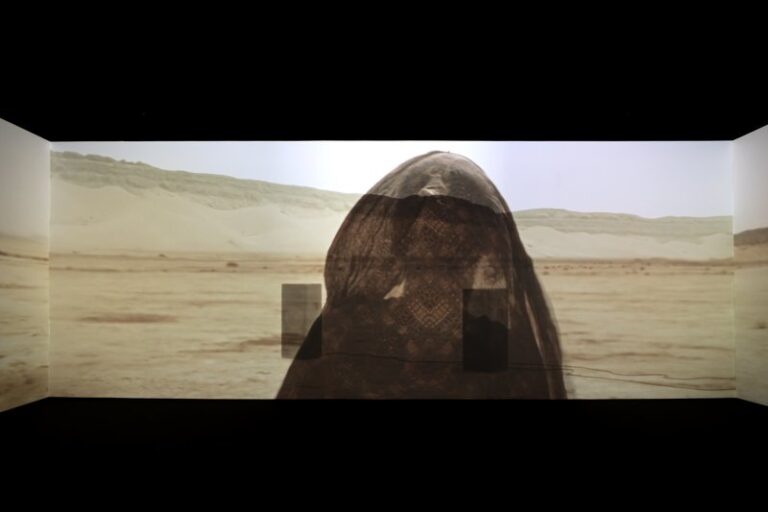
At the MOMus–Experimental Center for the Arts, a multimedia exhibition inspired by Laxe’s work will feature a three-channel video installation and a specially designed soundscape by electronic musician Kangding Ray, who composed the soundtrack for Sirât.
Behind the Screen: The Film Industry at AGORA
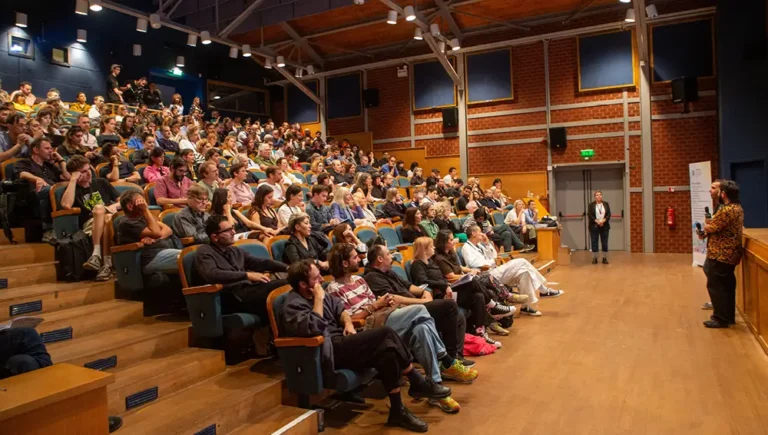
Running November 6–14, TIFF’s industry program includes networking meetings, talks and initiatives connecting international producers, filmmakers and screenwriters. The Crossroads Co-production Forum, November 8–12, brings together 14 projects from 15 countries. Some activities are restricted to accredited professionals.
Beyond Laxe’s appearance, AGORA Talks and the festival’s filmmaker discussions offer opportunities to explore the ideas, challenges and trends shaping international cinema. Check the final schedule for public access and individual sessions.
03
Between Screenings: What to See and Do
Step Into the Past: The Historic Center and Upper Town
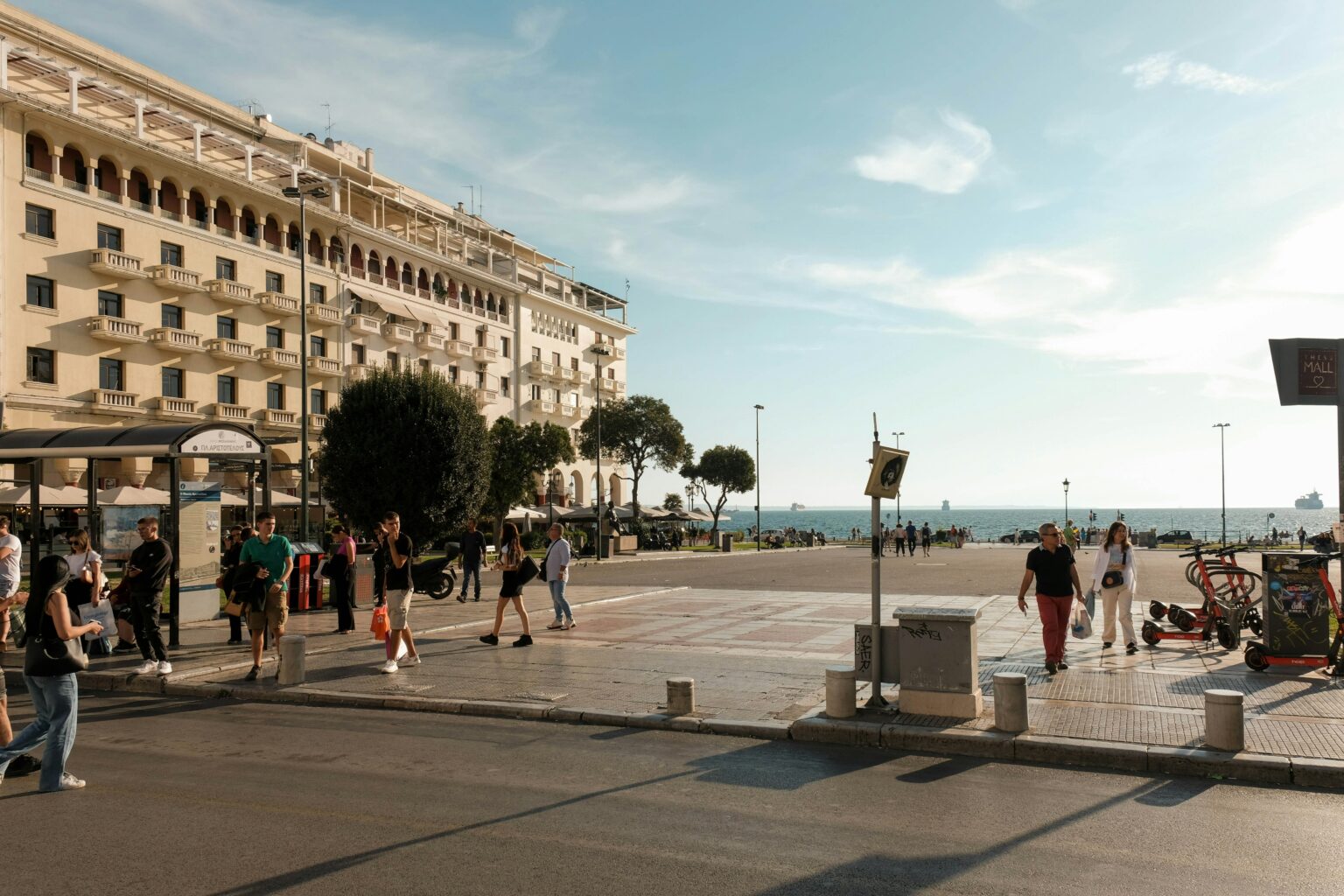
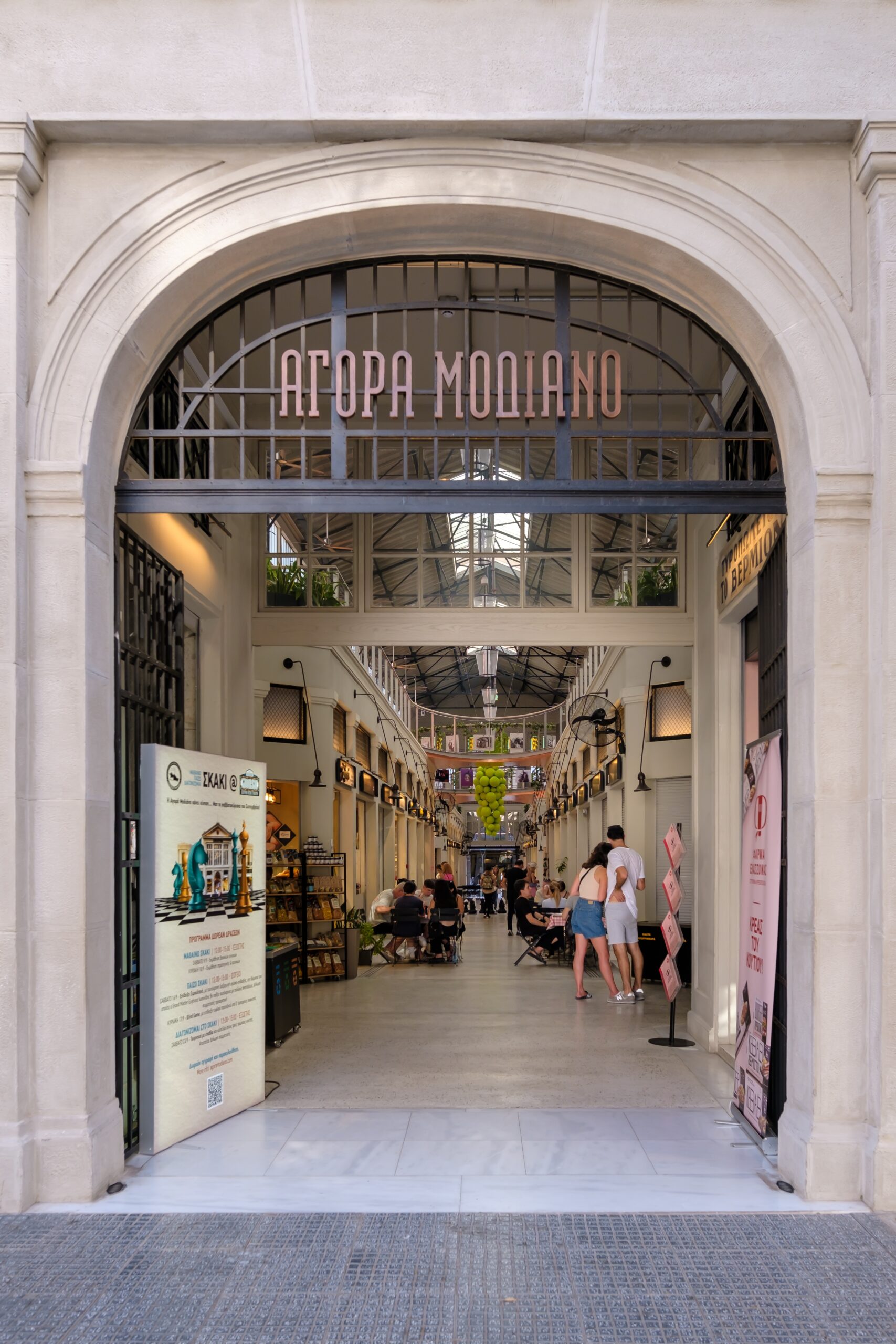
Discover the Roman Rotunda, the Arch of Galerius and the UNESCO-listed Byzantine churches. Head uphill into Ano Poli for narrow streets, traditional houses, old city walls and sweeping views. The lively Kapani and Modiano markets are a delicious introduction to everyday Thessaloniki, which is especially magical in the fall.
By the Water: A Walk Along the Seafront
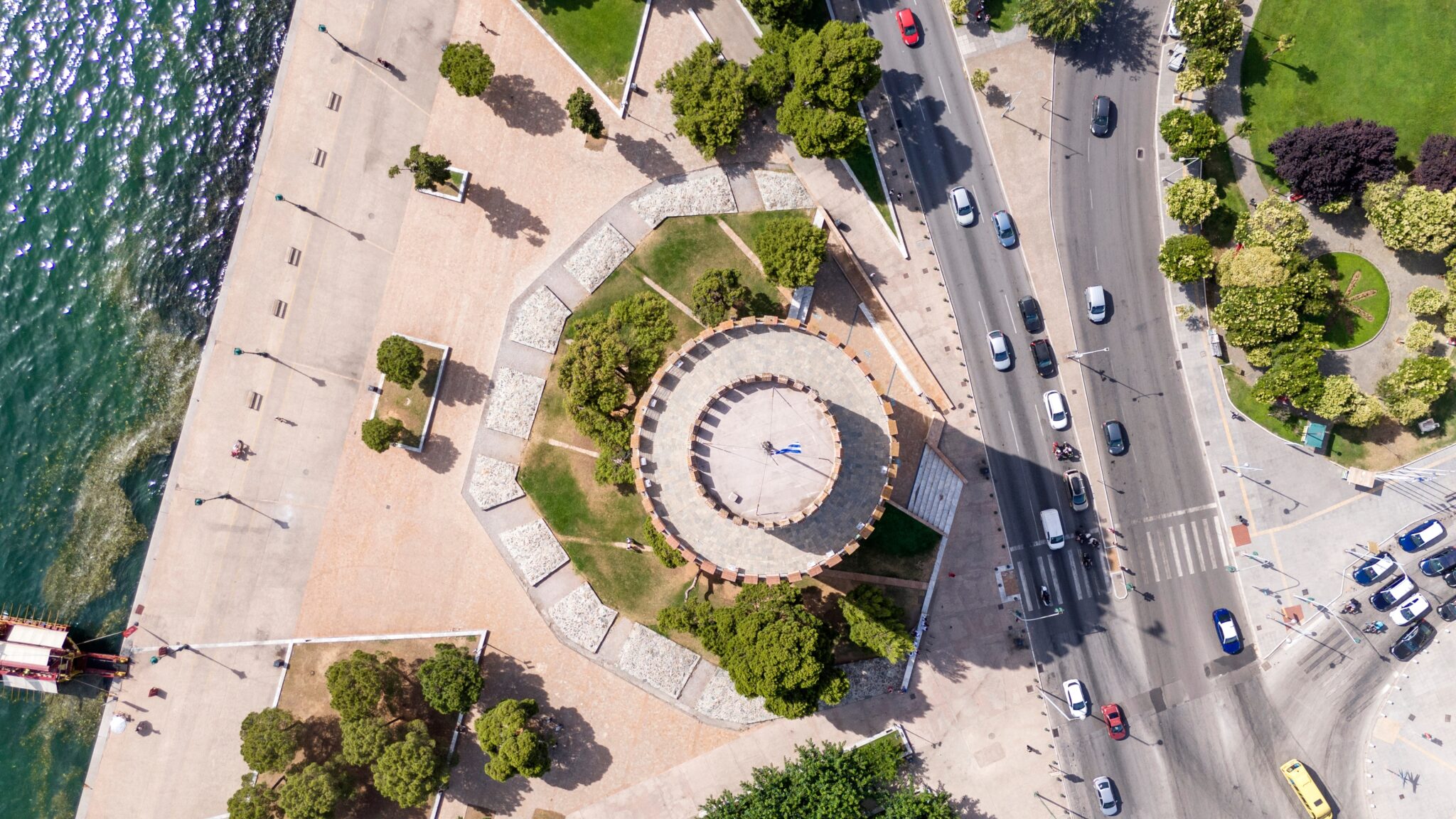
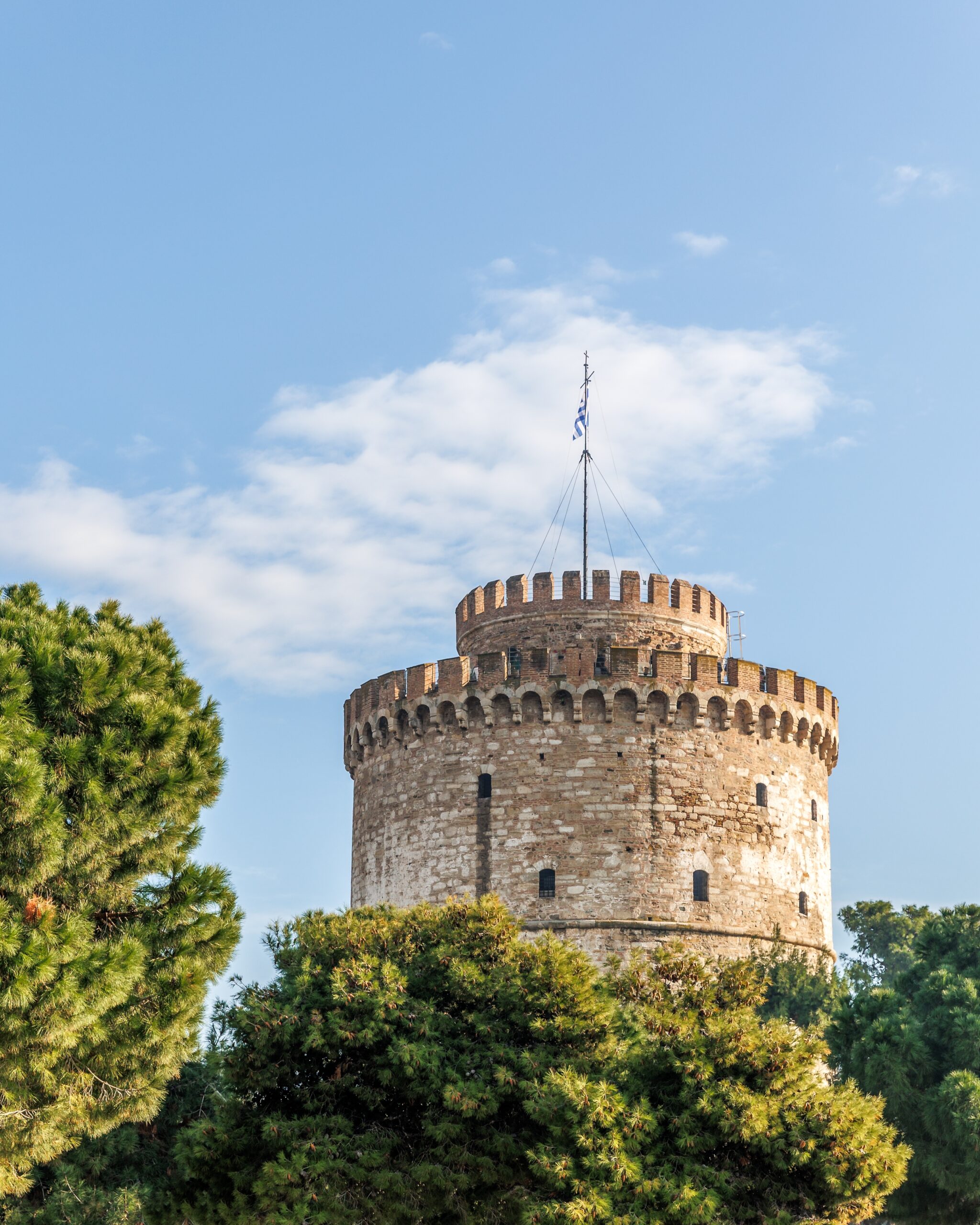
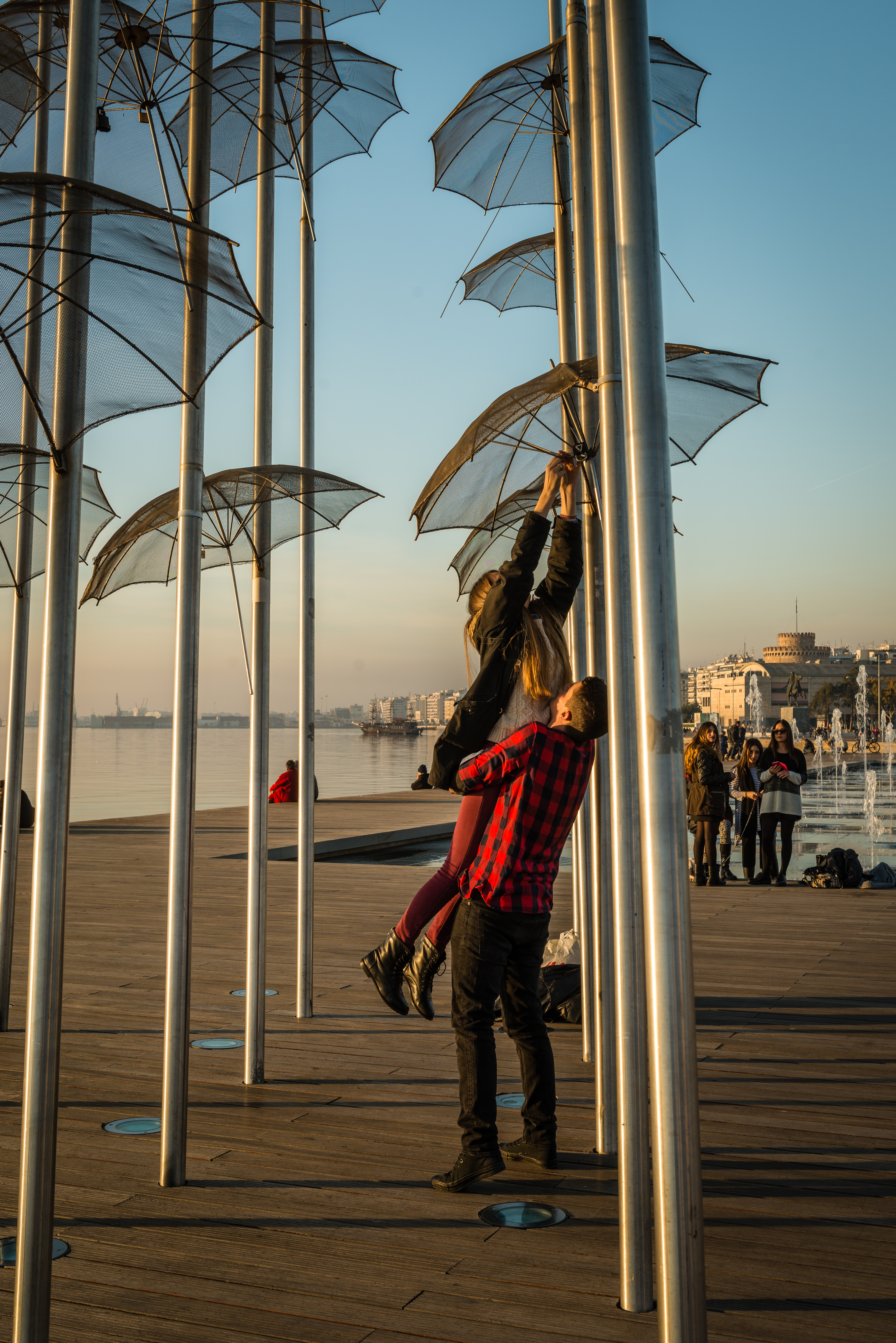
Begin at the old port, continue past Aristotelous Square and the White Tower, then follow the promenade toward George Zongolopoulos’ much-photographed Umbrellas sculpture. Stop for coffee overlooking the gulf, watch the boats, and stay for sunset if the weather cooperates.
A Dose of Culture: Museums and Galleries
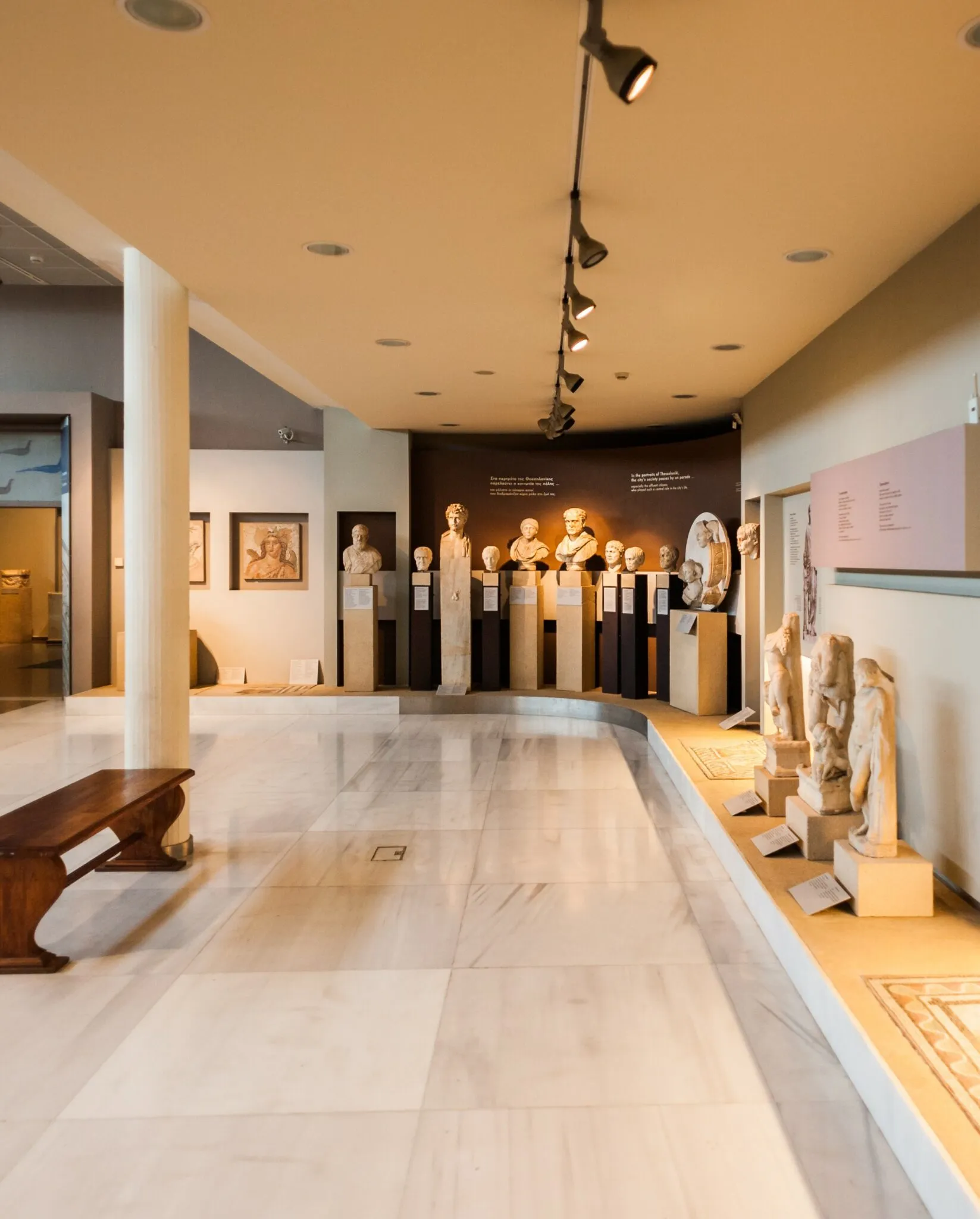
The Archaeological Museum showcases Macedonia’s ancient history, while the Museum of Byzantine Culture explains the city’s extraordinary medieval heritage. The Jewish Museum tells an essential part of Thessaloniki’s multicultural story. Contemporary art lovers should head to the MOMus museums and galleries, especially during the festival’s own exhibition program.
Discover more of the city’s unmissable cultural hotspots here.
Bring Your Laptop: Work-Friendly Cafés
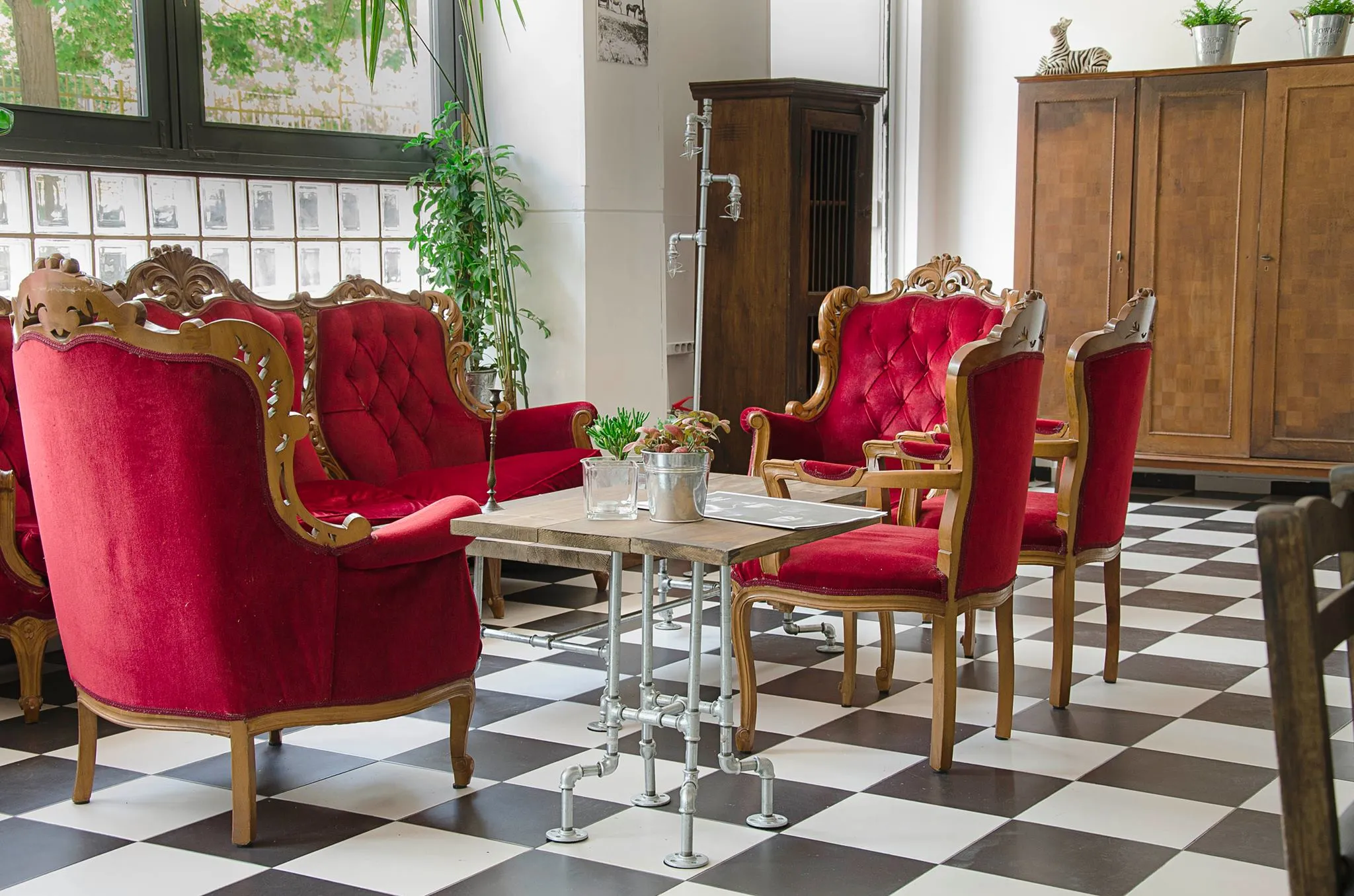
In a city brimming with students and a vibrant youth culture, the number of spaces designed for both studying and working continues to rise. Find modern cafes that offer a pleasant environment with the right dose of calm during the morning and afternoon hours, along with quality food and drink, events and opportunities to meet others with mutual interests.
Click here to discover great working spaces.
04
Get Your Fill of Famously Good Local Food & Drink
Where to Eat: The City’s Best Restaurants
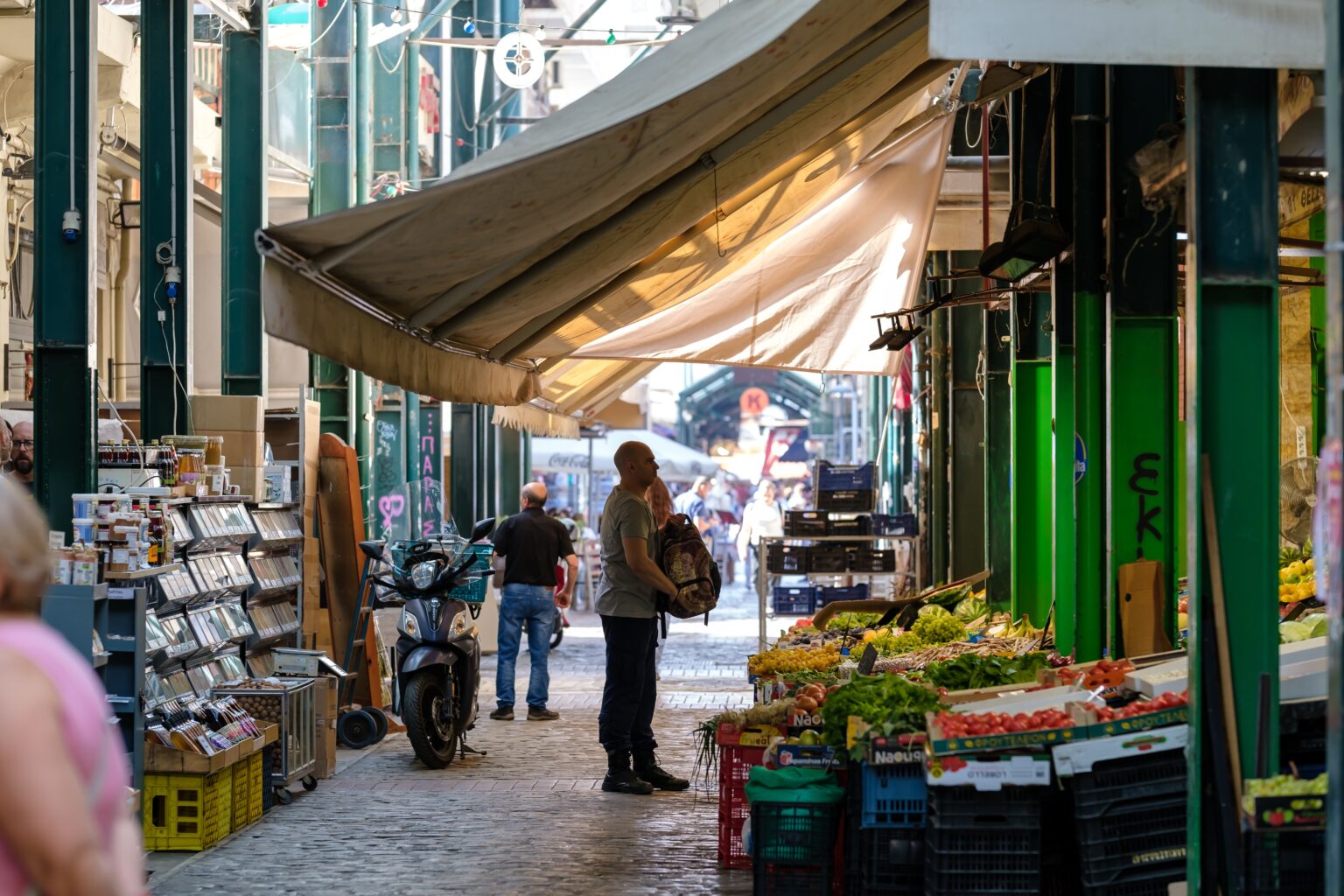
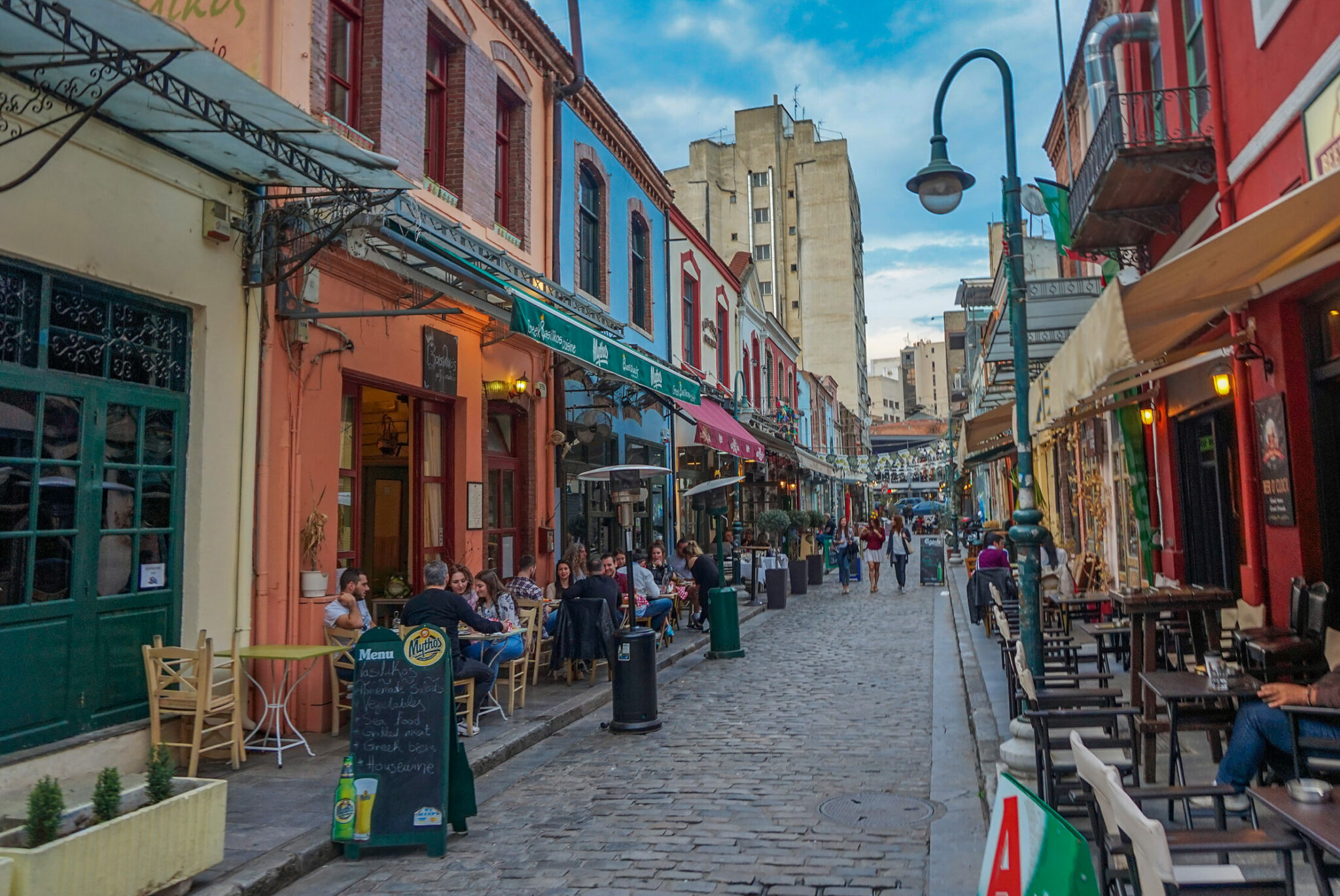


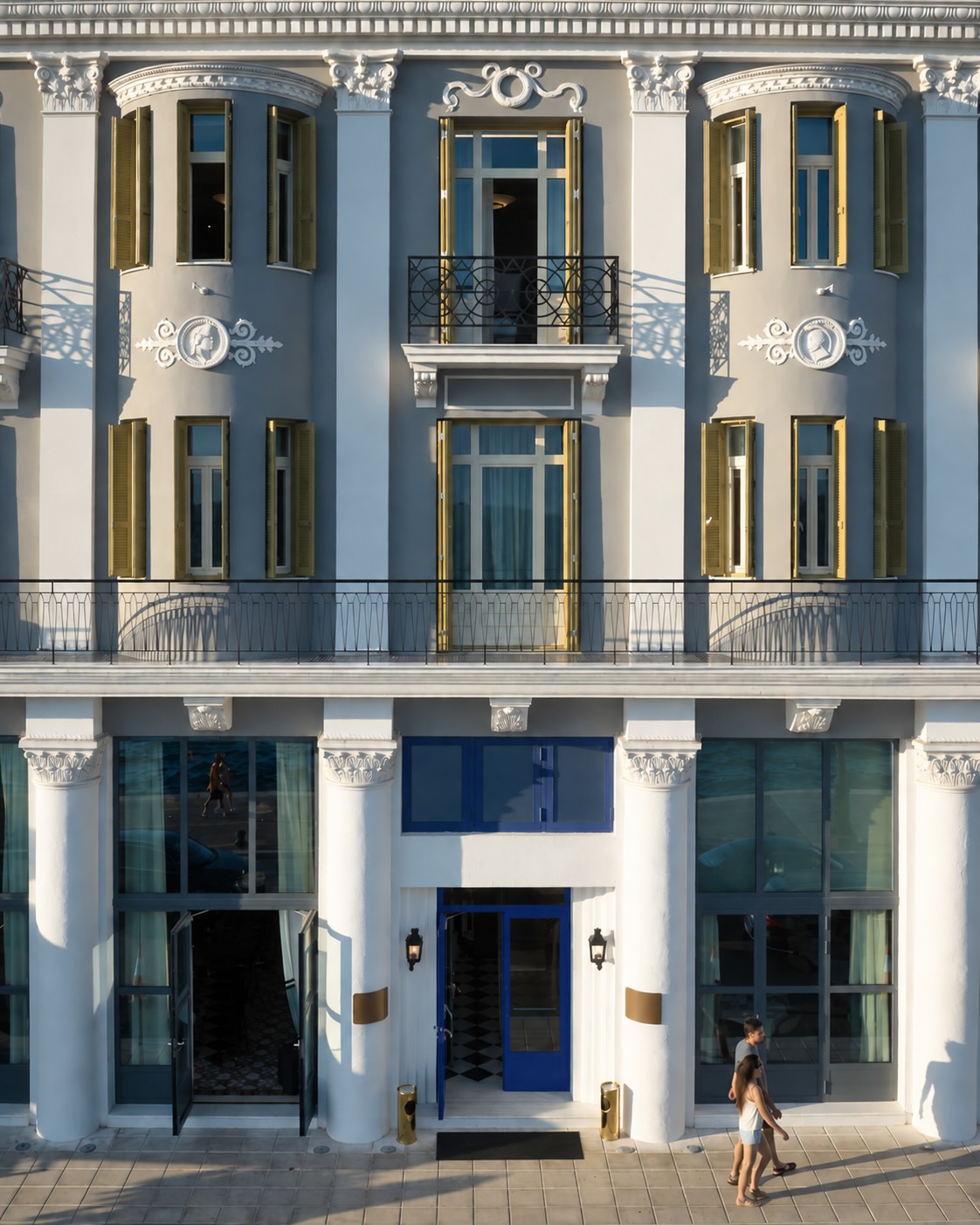
Thessaloniki deserves its reputation as one of Greece’s great food destinations. Here are 6 excellent places around the town to consider: On the waterfront, Olympos Naoussa serves sophisticated Greek cuisine in a restored seafront institution with a long history. On Stratigou Kallari, Diagonios is famous for its grilled soutzoukakia, spiced meatballs that have become a Thessaloniki signature. On Aristomenous in Ano Poli, Nea Folia offers a warm welcome and inventive Greek cooking, making it an inviting stop after exploring the Upper Town. In Ladadika, Charoupi gives traditional Cretan flavors a creative twist. On Rogoti, Mezen serves seafood and small plates best enjoyed with a glass of tsipouro. In Stoa Ptolemeon, Extravaganza brings Greek ingredients together in inventive contemporary dishes.
For more choices, explore our guide to the city’s 29 best restaurants.
Meet at Mavili: Cafés and Neighborhood Hangouts
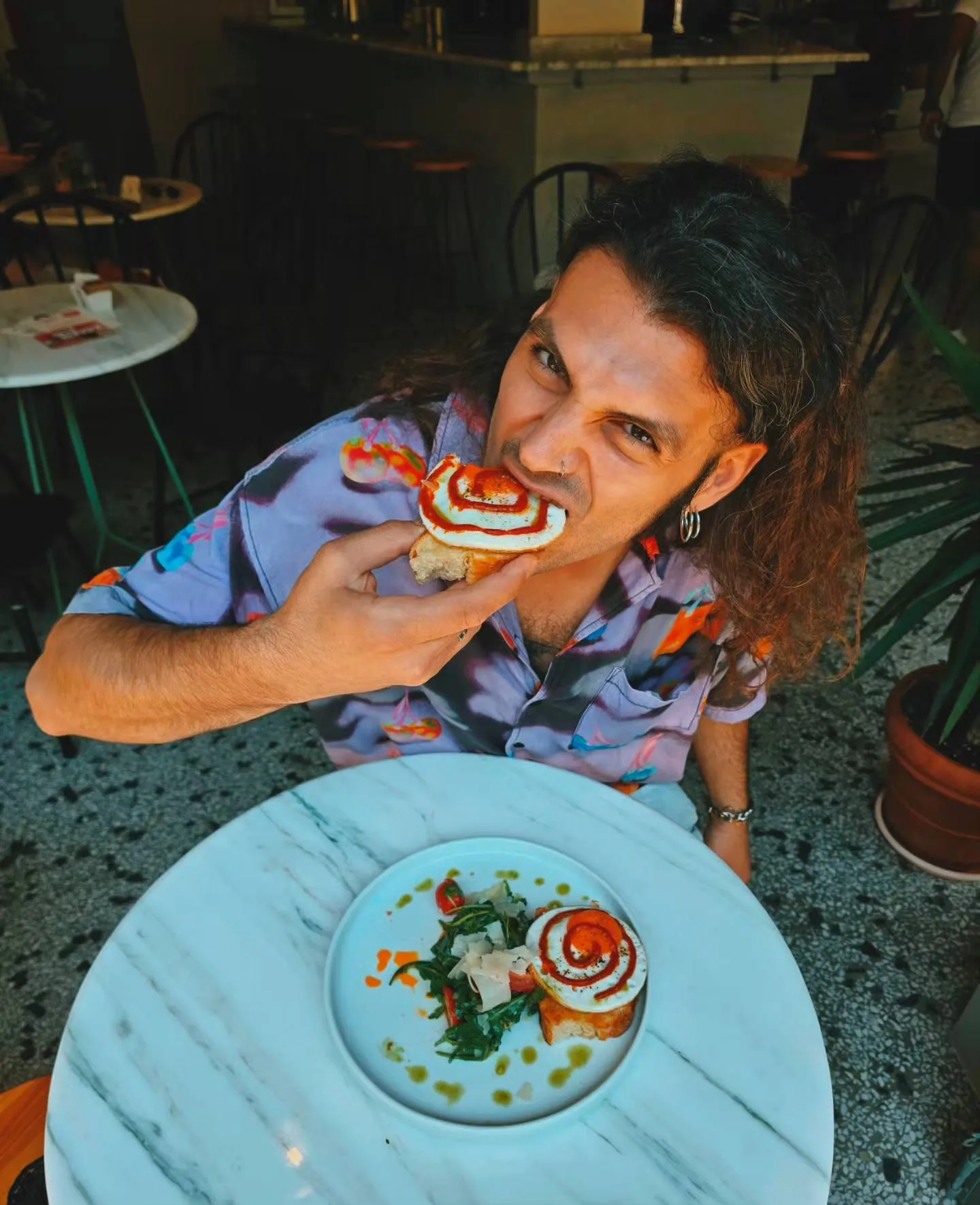
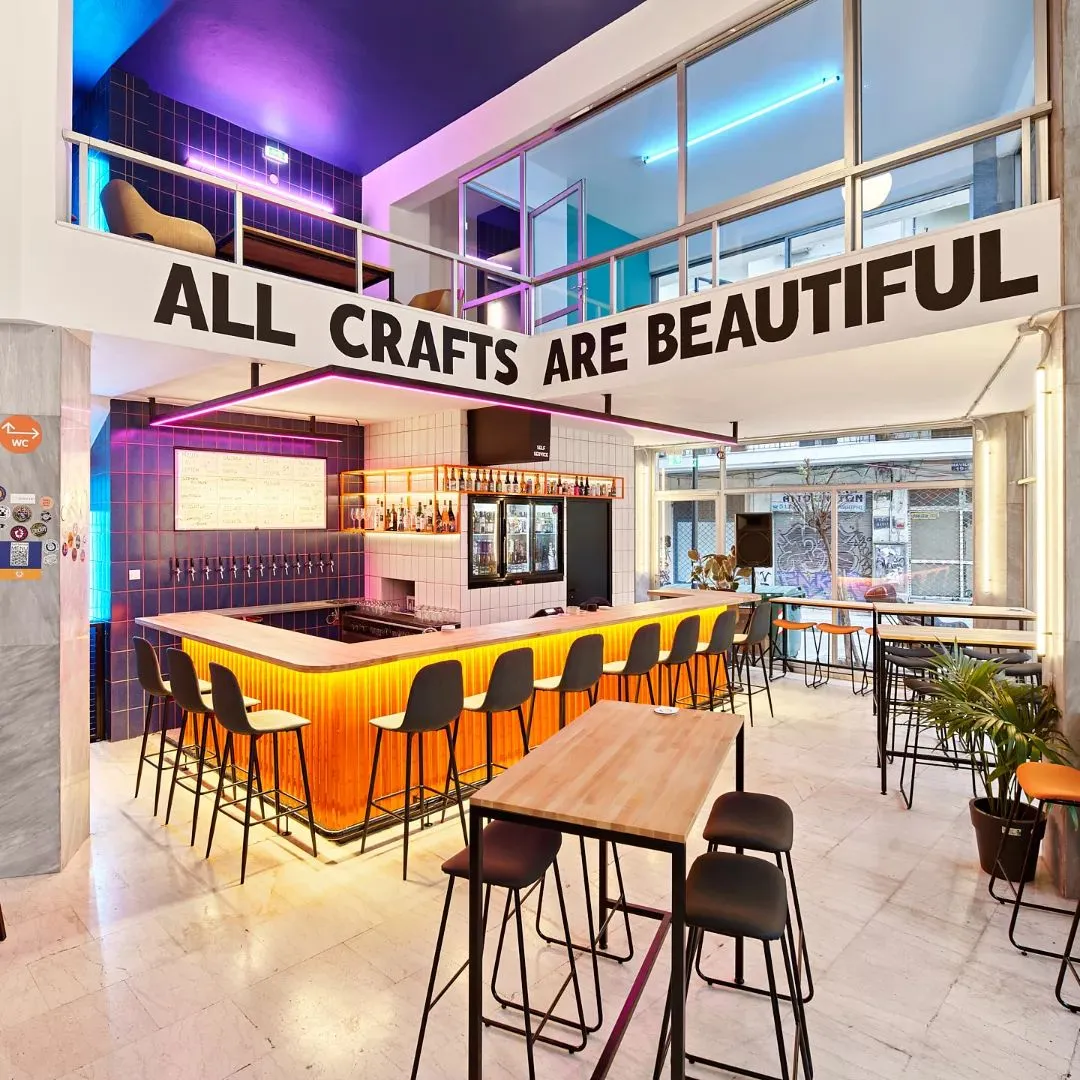
In the western part of Thessaloniki’s city center, Mavili Square makes a good stop for coffee or an evening drink. Yaya serves sourdough sandwiches and brioche rolls, while Flantza moves from coffee and brunch to cocktails and music.
Discover all the best hangouts here.
After the Credits: Bars, Music and Nightlife
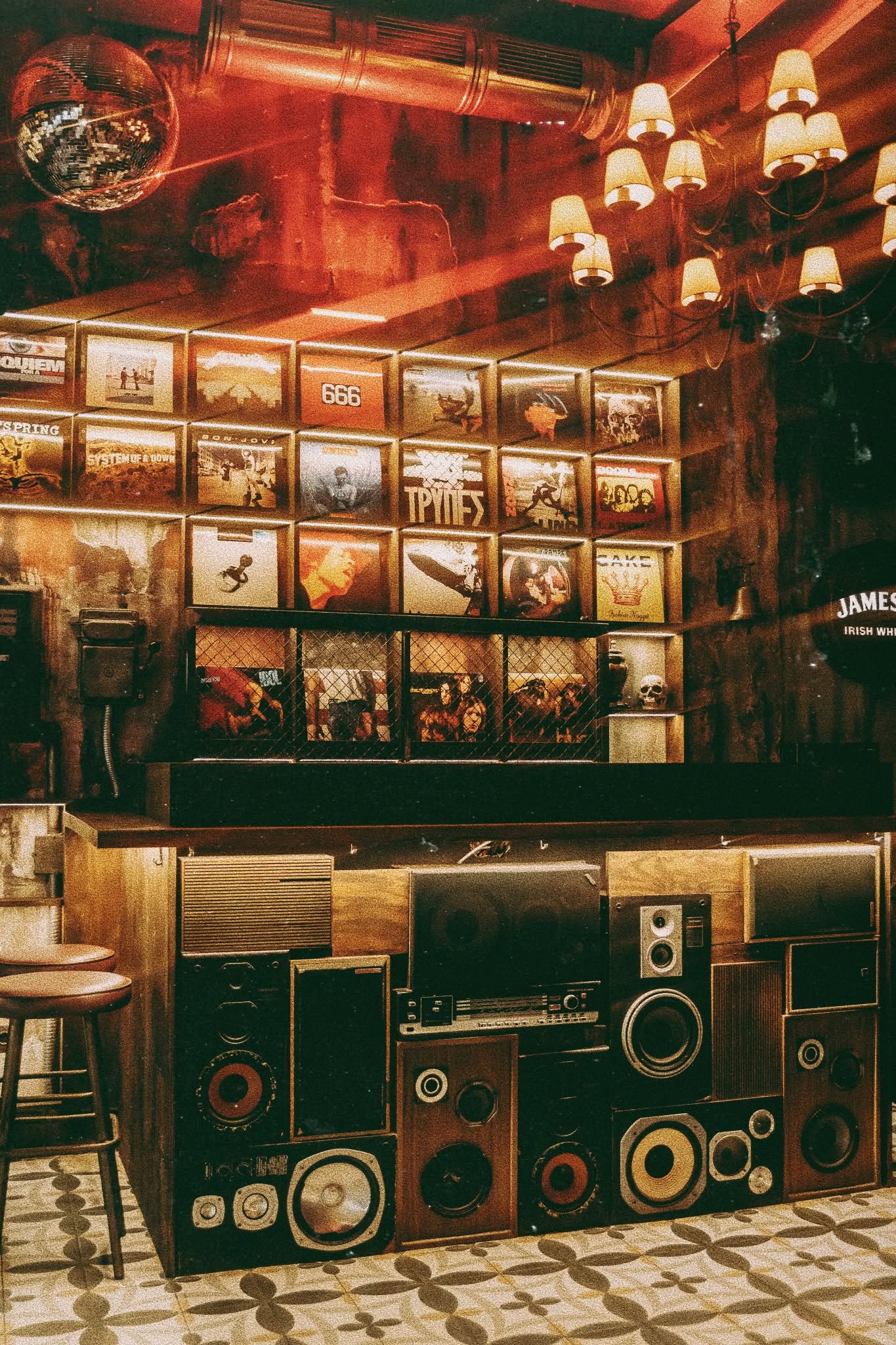
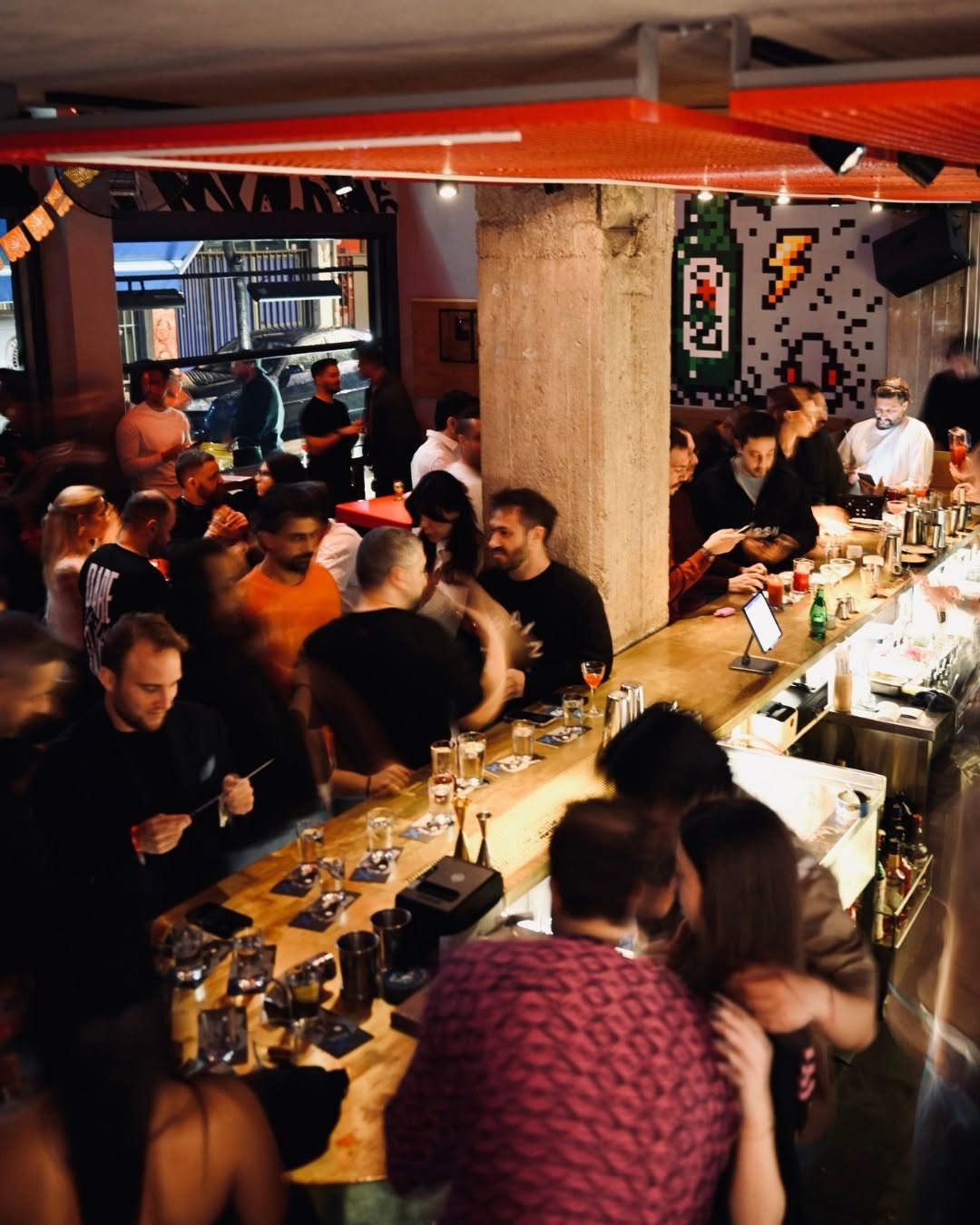
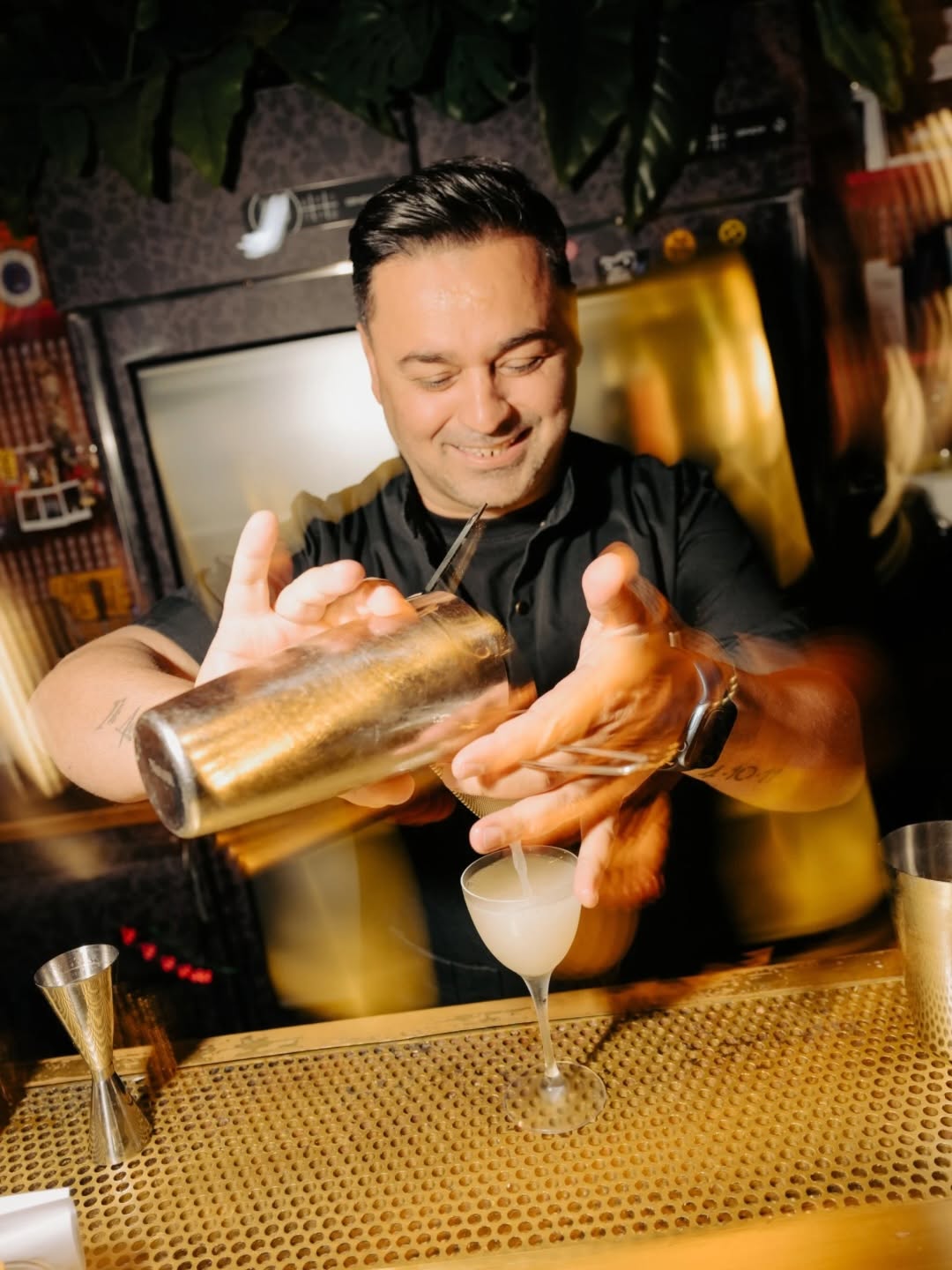
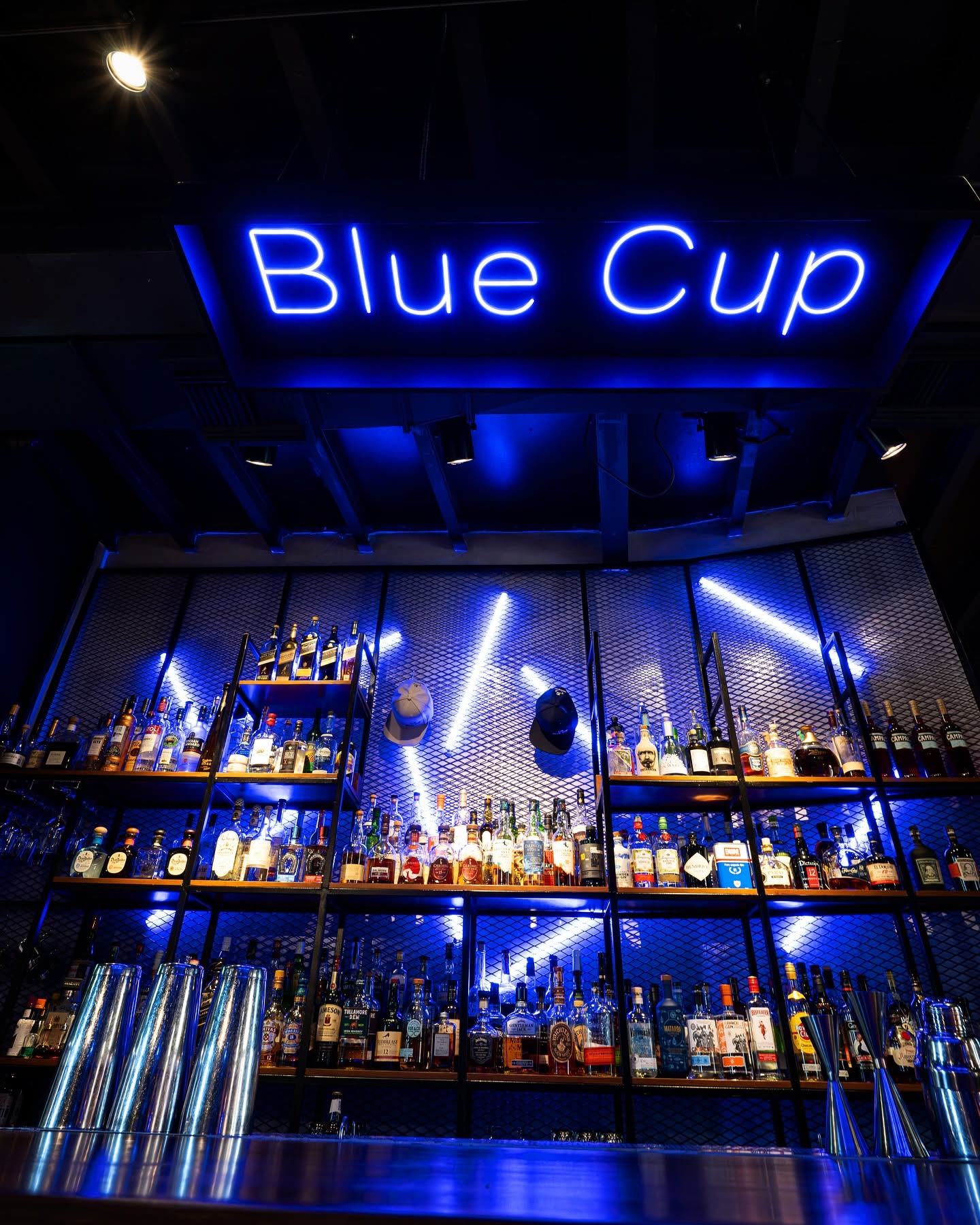
The evening doesn’t have to end with the final screening. Thessaloniki has plenty of options for a drink, from cocktail bars and wine spots to places for music and dancing.
Find your next stop in our guide to the city’s 28 best bars.
Time for Dessert: Bougatsa, Bakeries and Patisseries


Don’t leave without tasting a warm bougatsa and other sweets. This much-loved custard-filled pastry is best enjoyed with a strong Greek coffee the morning after a late festival night. For the real thing, head to a specialist bougatsa shop in the city center, such as Bantis, Hatzis or Serraikon, all long-established names where locals queue for the pastry fresh from the oven, sprinkled with powdered sugar and cinnamon. Go early, as the best batches sell out quickly.
Find more sweet stops at these famous patisseries and bakeries.