






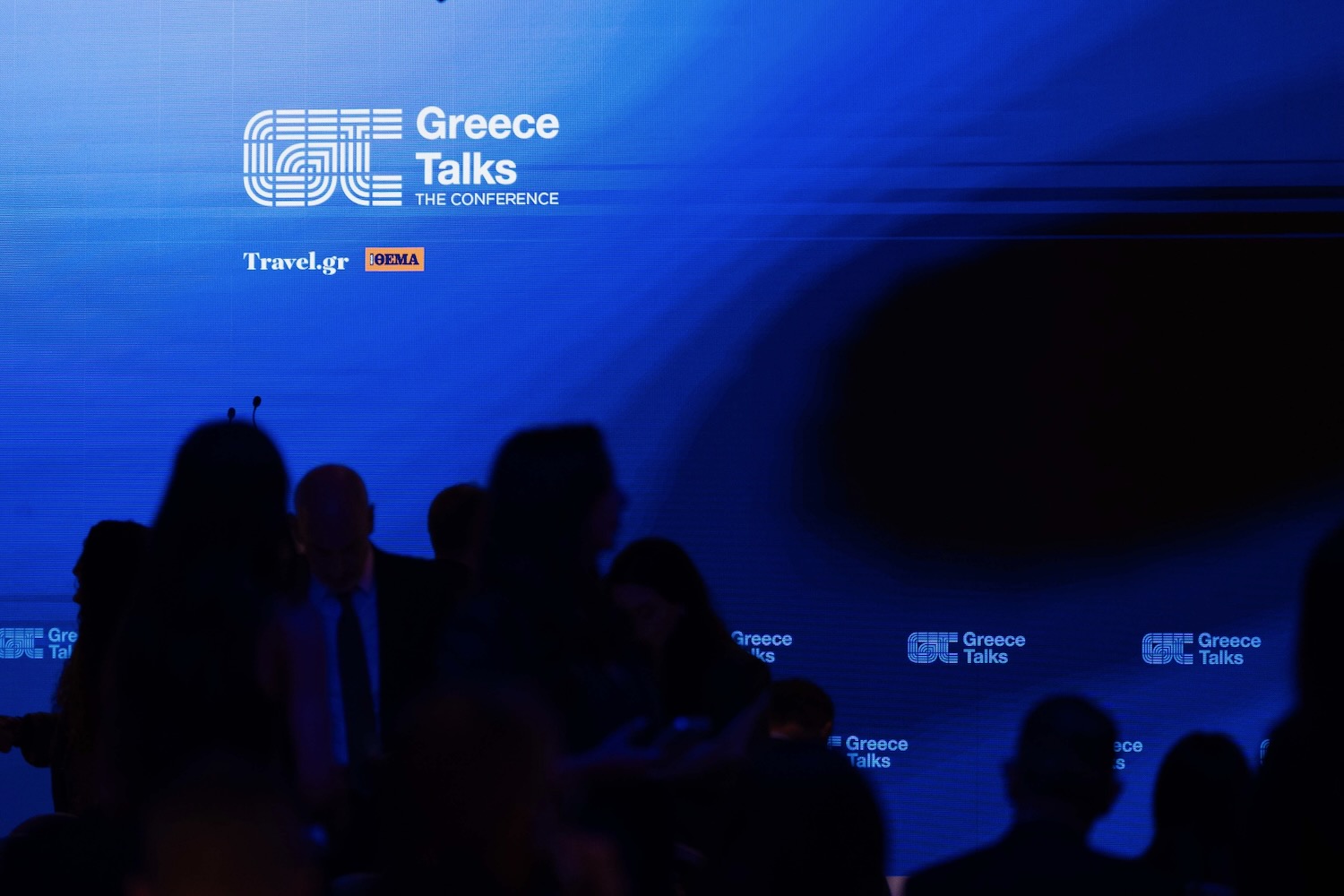
Every Greek knows the feeling. Nostalgia tends to arrive on the ferry deck with the island already in sight, and somehow you miss the place before you’ve even landed. The word itself is Greek, of course: nóstos, the return, and álgos, the ache. On Tuesday, November 10, the feeling got a full day of attention at Hotel Grande Bretagne. The setting was no accident. The hotel has watched Syntagma Square change again and again since 1874, so it knows a thing or two about the subject.
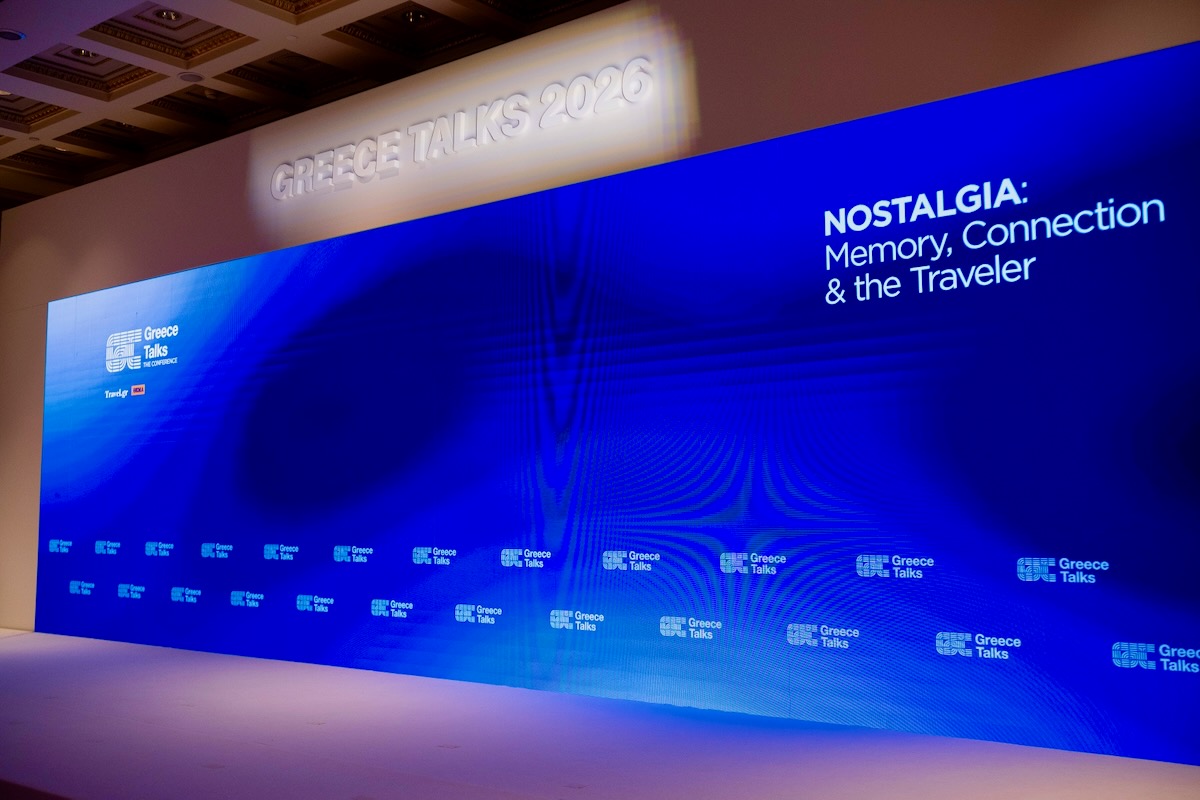
Greece Talks is organized by Travel.gr, Greece’s No. 1 travel site, and Proto Thema, the country’s most popular news site and Sunday paper. It’s a brainstorm on how the country looks and feels. This year’s theme, “Nostalgia: Memory, Connection & the Traveler,” took on what we at Travel.gr call the great wave of our times. Why has looking back become shorthand for the real Greece? And why do the trips we remember longest feel a little like coming home?
The day wasn’t about pining for the past. In his opening remarks, Fotis Tsimelas cast nostalgia as a way of holding on to who we are: a return to the familiar, to the security of personal memory. He called it the thread that ties us to the Greece we carry within us.
There was a birthday to mark, too. Travel.gr turned five this year. That’s hardly long enough to feel nostalgic about, but long enough to become the site Greeks open before they pack a bag. Androniki Kolovou, the site’s director, spoke about the curiosity that connects its readers across generations and interests.
Prime Minister Kyriakos Mitsotakis sat down with journalist Antonis Sroiter for a wide-ranging conversation. Across the rest of the program, the talks moved from an Athens full of new energy that still won’t give up its character to Greek brands with decades of history, rethinking what they stand for today. Speakers asked how to welcome the world without sanding off what makes that welcome Greek. They also looked at the country from the outside, through the eyes of people who chose it, traveled across it or loved it from afar.
The sessions follow in order. Start wherever the mood takes you.
All photography by Xristos Alexoulis.
The following summaries are edited first-person adaptations of the speakers’ remarks.
Opening Remarks
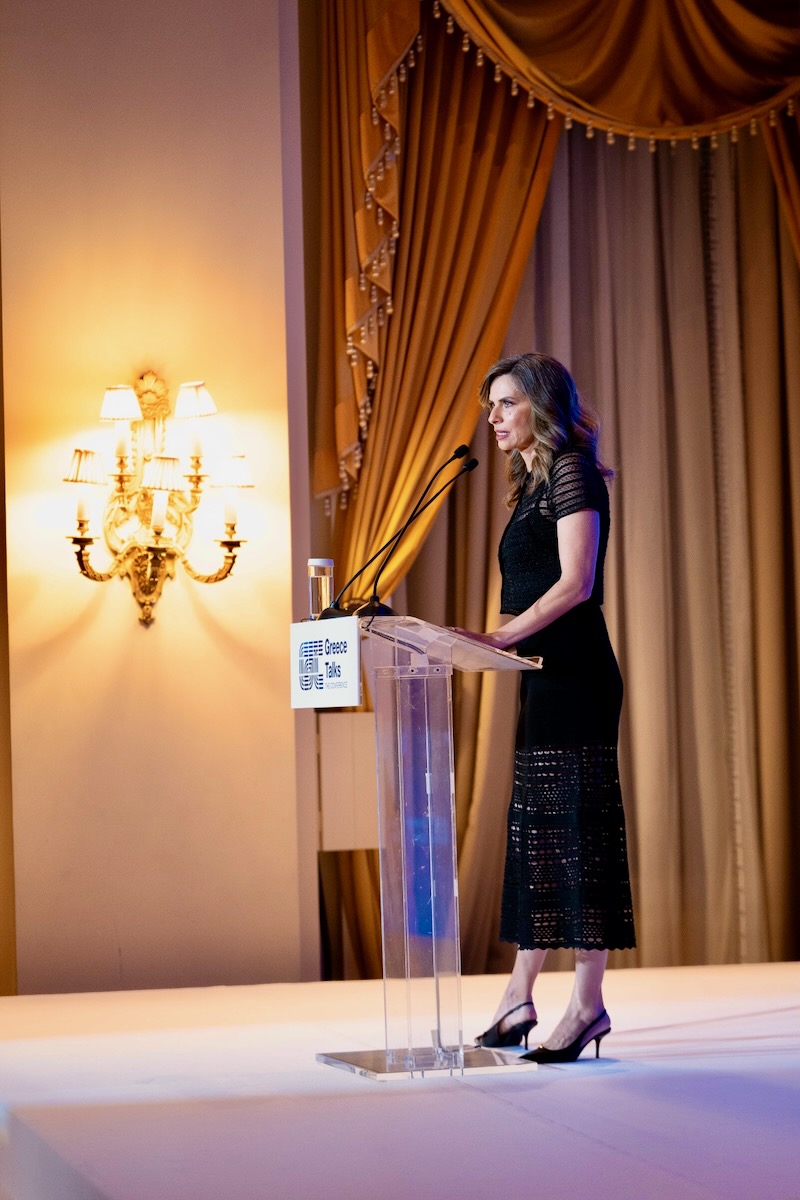
Androniki Kolovou
Director, Travel.gr
Curiosity connects us across generations and interests. At Travel.gr, I have been fortunate to work with people who share that curiosity, creating a publication devoted to travel that readers embraced from the very beginning.
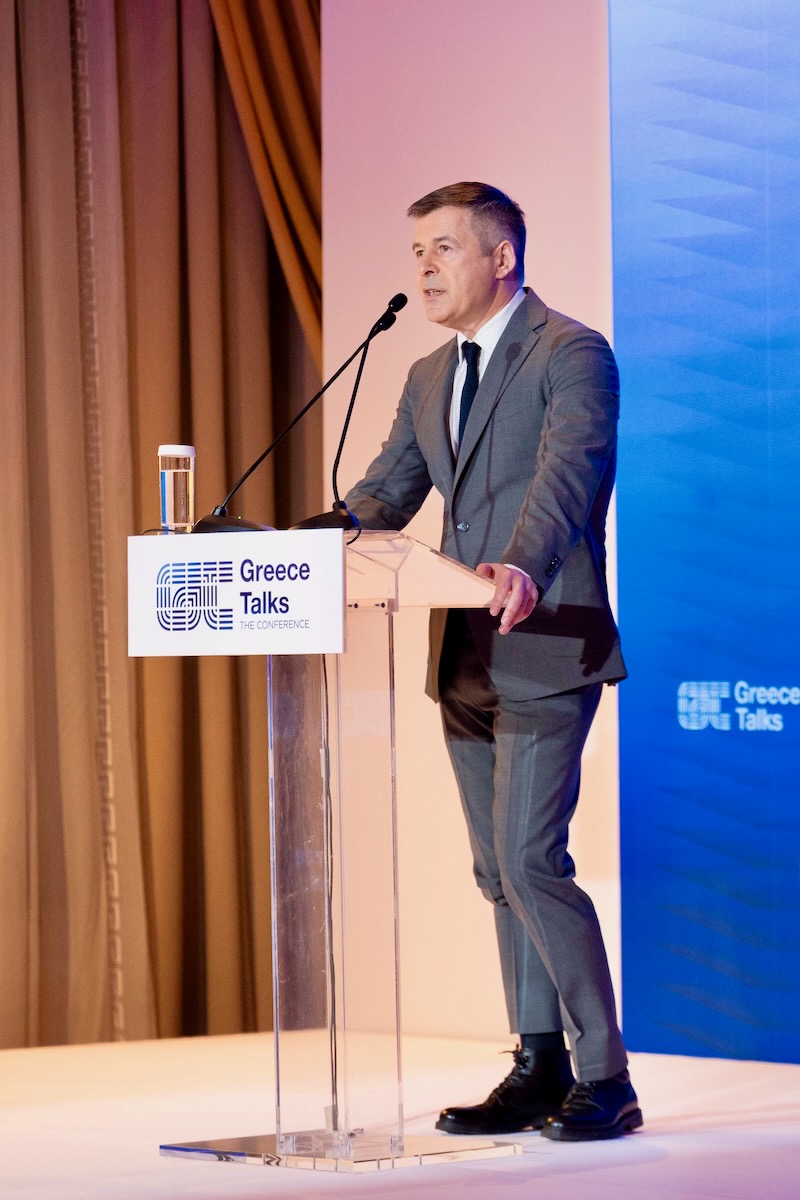
Fotis Tsimelas
Chief Product Officer, Proto Thema Group
Our longing for the past reveals our need to preserve our identity. Even in the digital age, nostalgia brings us back to the familiar and the security of our memories. It is the thread that connects us to the Greece we carry within us.
Athens Reborn
Moderator: Giorgos Evgenidis
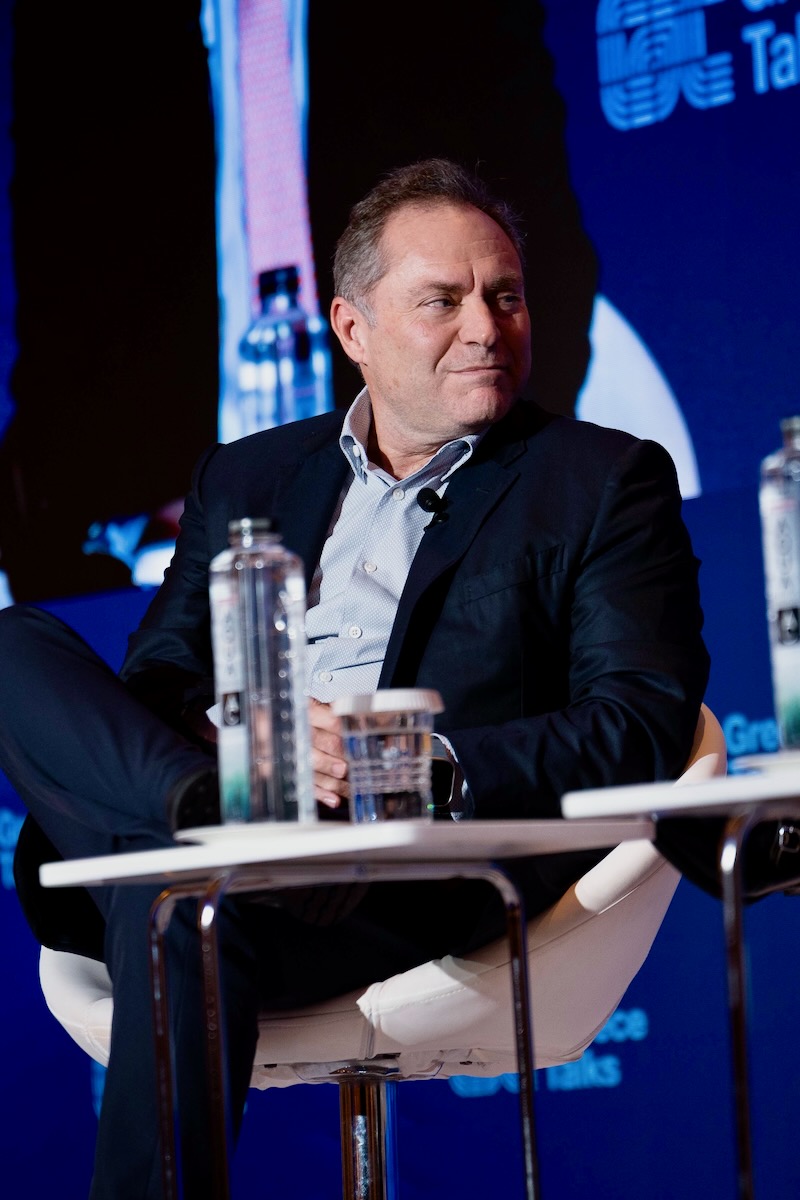
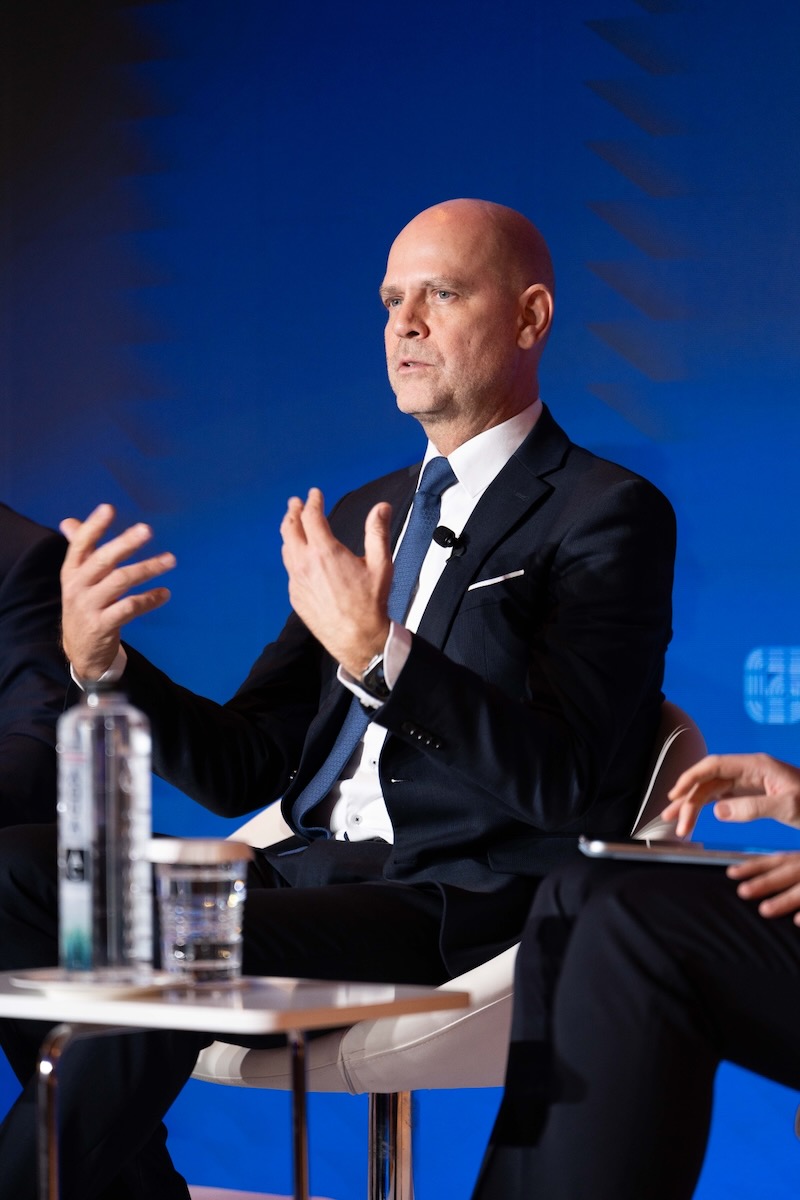
Eftichios Vassilakis
Chairman, AEGEAN
Greece’s advantage is that visitors can share in local life. We eat, celebrate and enjoy a place alongside them. That participation is the heart of our hospitality, and we have to protect it as tourism grows. At AEGEAN, it begins with our people, their service and the Greek wines and regional foods we bring on board. But a warm welcome also depends on a journey that works: reliable flights and infrastructure that keeps pace with demand. The wealth tourism generates must return to the communities creating it, through services and investments that benefit residents as well as visitors. When people feel that growth improves their own lives, they remain part of the experience. That is how we create the memories that bring travelers back and become the next generation’s nostalgia.
Alexander Zinell
CEO, Fraport Greece
I am more interested in the future than in nostalgia. What makes Greece exceptional is its ability to carry history and tradition into contemporary life. Our airports should make that connection tangible, through architecture that reflects the destination, local art and food, and products people can take home with their memories. But an airport’s first responsibility is to make travel work. Delays and an unfriendly encounter can undo the pleasure of a holiday. We want passengers to arrive easily and leave smiling. The human welcome matters more than any architectural gesture. Athens and the regional airports are also partners in this experience: long-haul visitors reach the islands through the capital. Connecting those journeys well helps more people discover what makes each destination distinct.
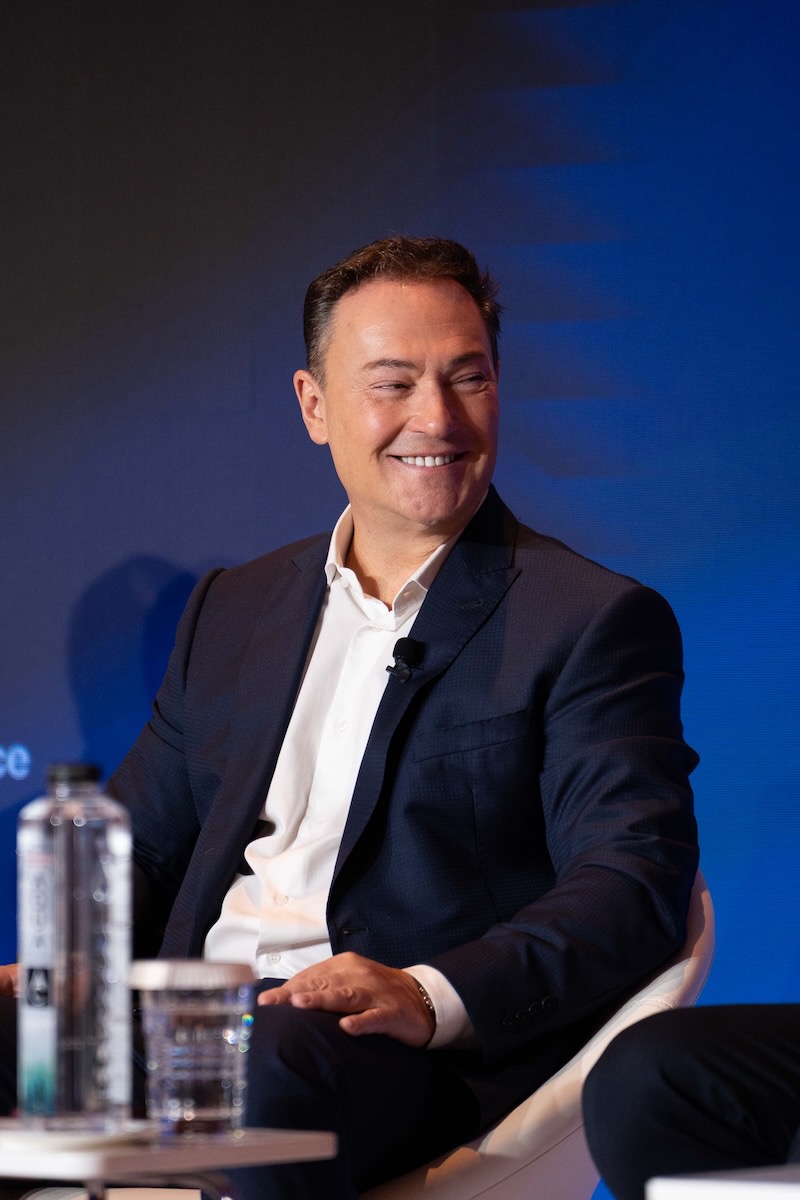
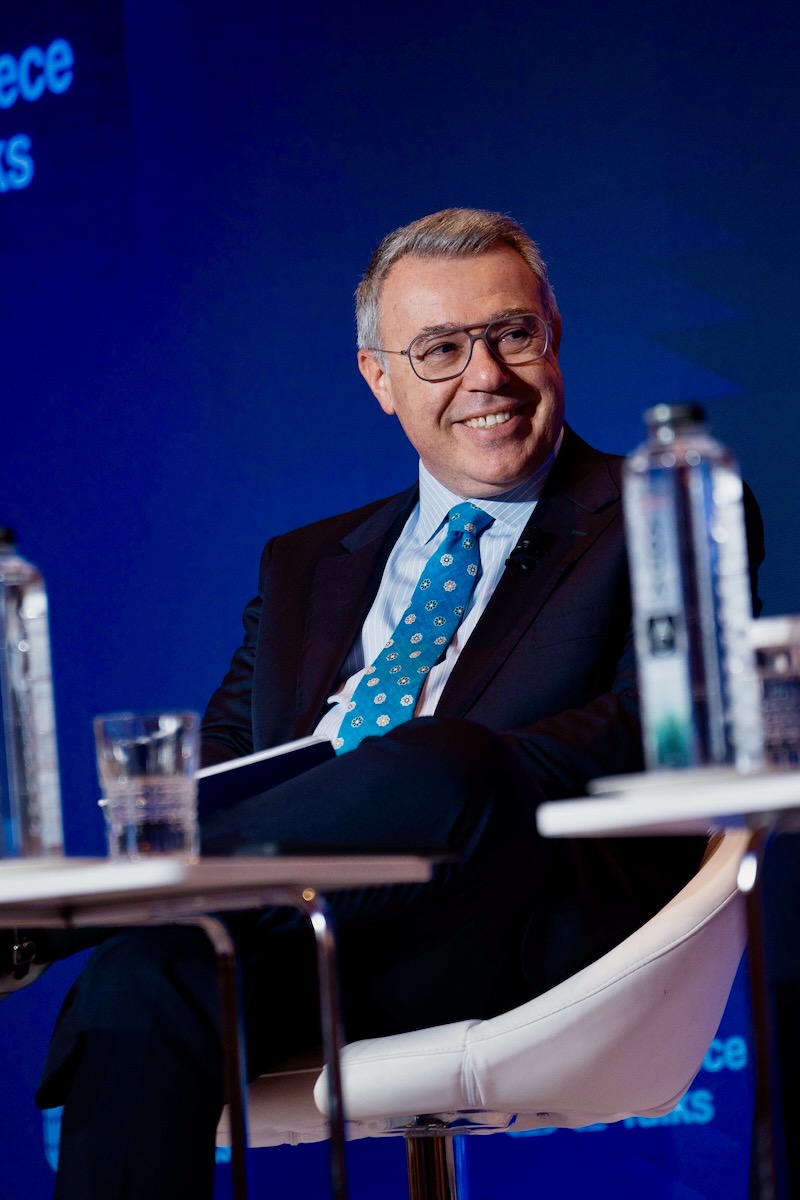
Odysseas Athanasiou
CEO, LAMDA Development
I left Greece to study through Ellinikon’s eastern terminal. Like so many others, I remember its departures, returns and reunions. Those memories belong in the place we are creating. We are preserving the terminal, the aircraft hangars and the water tower, and connecting the area’s history through a 14-kilometer walking route. The park and public spaces will turn a place of separation into a place of meeting. At the same time, Greece needs contemporary architectural landmarks that give travelers new reasons to come. The ambition goes beyond buildings: it is to make everyday life more enjoyable, encourage visitors to stay longer and extend the season. The legacy I want is to see children, older people and people of every background enjoying the same spaces.
Vassilios Psaltis
CEO, Alpha Bank
Nostalgia alone cannot be financed. A business plan that turns it into an experience, and that experience into income, can. A swimming pool can be built anywhere in the Mediterranean; a village’s architecture, food and relationships cannot be reproduced so easily. That distinctiveness gives visitors a reason to return and businesses a way to compete beyond price. We are already financing projects that preserve this connection, from a former oil and soap factory in Chania to a sculptor’s home in Tinos. The challenge is helping smaller, often family-run businesses turn strong ideas into viable plans. We also need to connect what reaches the hotel table with what grows in the field. Culture and local production can spread tourism across more places and seasons while increasing its value.
Greek Brands: Heritage and Reinvention
Moderator: Georgia Sadana
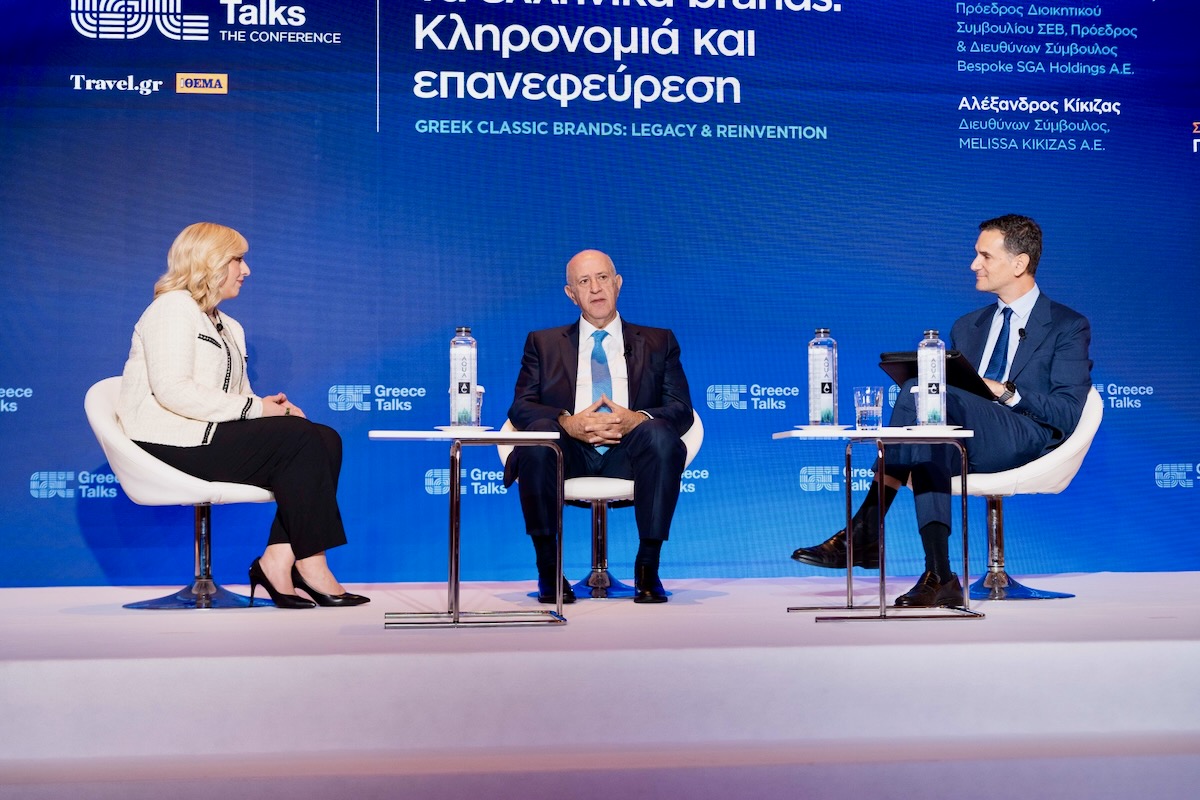
Spyros Theodoropoulos
Chairman of the Board, SEV Hellenic Federation of Enterprises; Chairman and CEO, Bespoke SGA Holdings
A brand lasts when it keeps its promises. With ION, we are protecting more than chocolate: we are protecting memories of childhood rewards and moments of happiness. That trust gives us strength, but it also sets limits on what we can change. Tourism can create a similar bond with Greek food. Visitors tasted our yogurt here, wanted it again at home and helped build an international market. We should make that connection much more deliberate. When we serve Cretan rusks at breakfast, why not place the branded packaging beside the basket, so guests know what to look for afterward? Quality and consistency create the attachment; recognition helps it travel. The opportunity is to turn a remembered taste of Greece into an enduring relationship with its products.
Alexandros Kikizas
CEO, MELISSA KIKIZAS
We plan in generations, and that gives a family business the freedom to invest beyond the next set of results. Our values must endure; our vision must evolve. We expanded into extra-virgin olive oil because the same principle applies as in pasta: take Greek agricultural production, add value and bring it to consumers here and abroad. Too much of our olive oil leaves in bulk to be bottled elsewhere. We should be building demand for a product people recognize and seek out as Greek. Tourism gives us an extraordinary opportunity to introduce those products, but we need a national food strategy connecting farmers, manufacturers, education and technology. The visitor’s experience and the producer’s future belong in the same conversation. That is how Greek food can carry more of its identity, and its value, into the world.
Greece Through the World’s Eyes
Moderator: Katerina Katopi
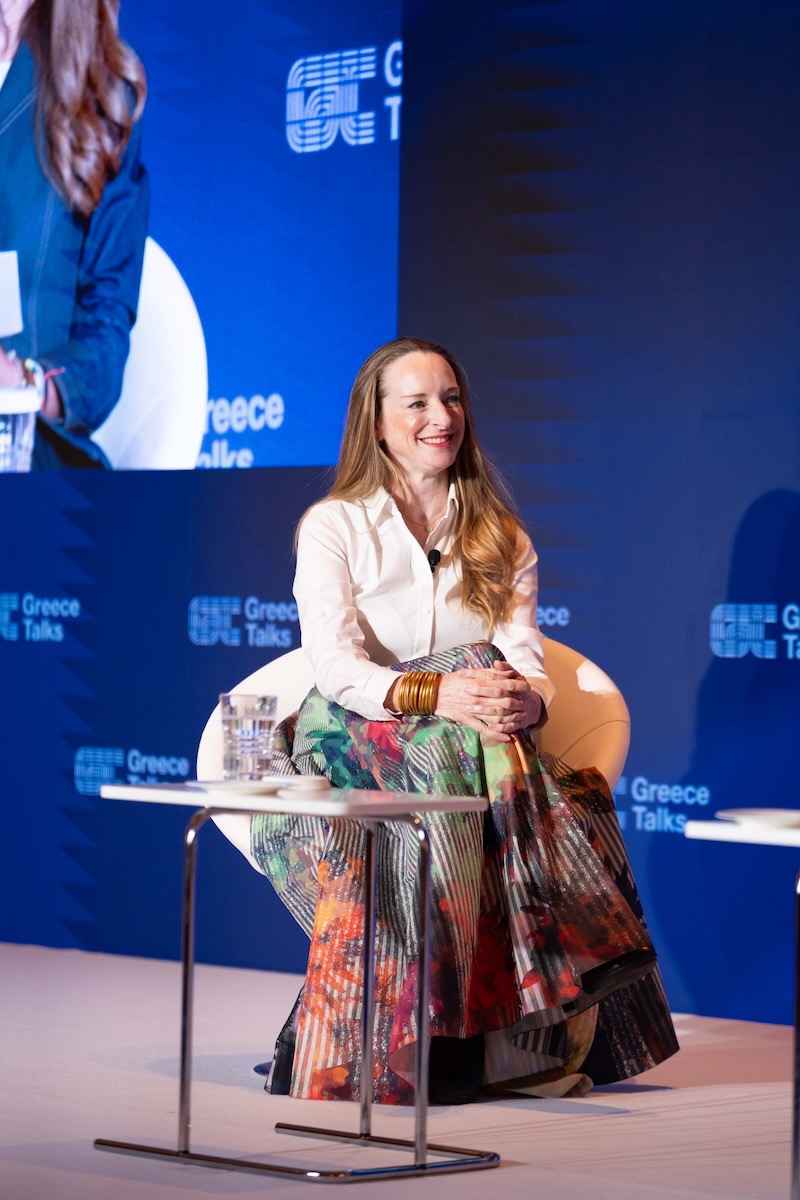
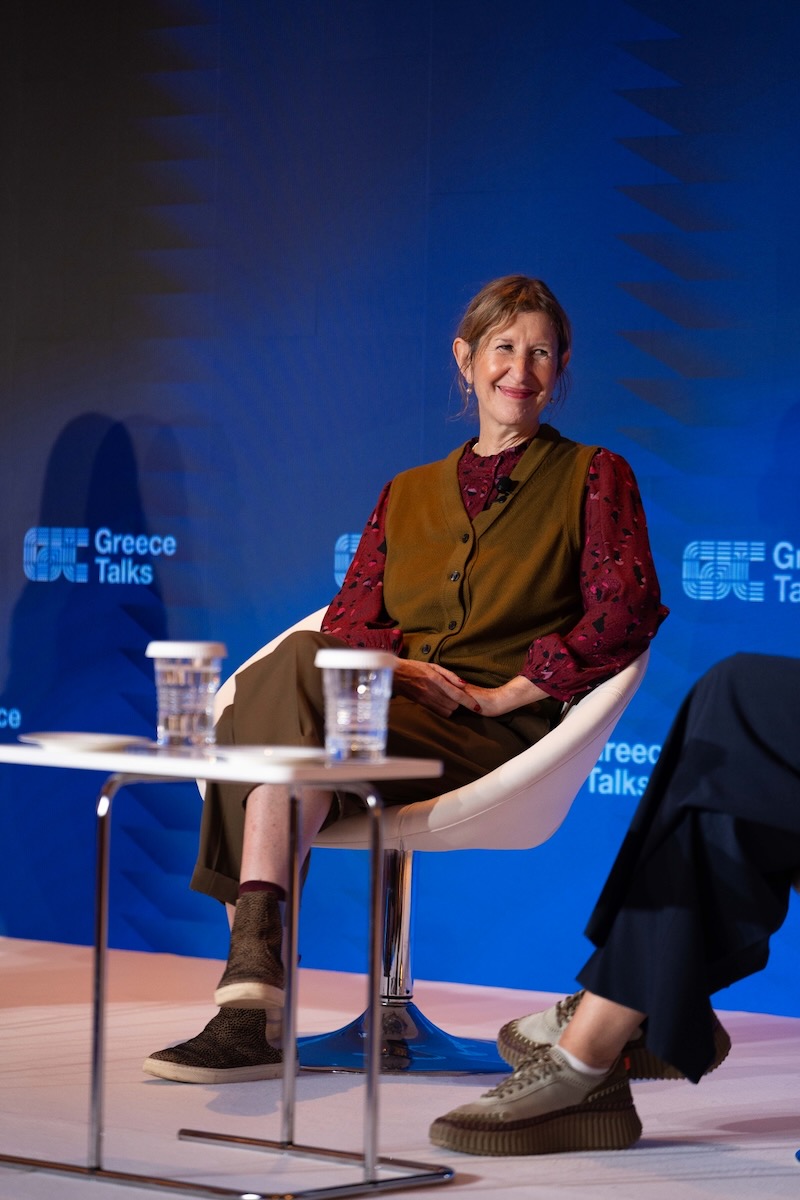
Rachel Howard
Travel Writer
I want Greece to be recognized as a cultural destination again, with its contemporary creativity alongside its ancient heritage. Having grown up here, I know how much disappears behind the familiar images of islands and sun loungers. Each region has its own traditions, character and ways of living. The intimacy of everyday encounters, and the freedom to be yourself, are what stay with people. We cannot manufacture that intimacy and sell it as an authentic experience. We have to protect the life that makes it possible. That means taking water scarcity, heat and local capacity seriously, and learning from places already overwhelmed by tourism. Moving the same model to another island is no solution. Our ambition should be a richer experience of Greece, with its living culture at the center.
Nicola Chilton
Travel Writer and Strategic Advisor to Luxury Hospitality Brands
I felt nostalgic for Greece on my first visit, before I had any memories of my own here. That emotional familiarity is powerful, but nostalgia becomes limiting when it stops us seeing the country as it is today. Athens is full of extraordinary people making restaurants, hotels and crafts that deserve stories with depth. We should use the familiar image of a Greek summer to open doors to those discoveries. When I brought friends to the Peloponnese and took them walking through wildflower meadows, they encountered a Greece they had never imagined. There is a whole year of experiences beyond August. As writers and tourism professionals, we also have a responsibility to consider which communities can benefit from greater attention, and which are not ready for it.
Brand Greece
In conversation with Kostas Panagakis
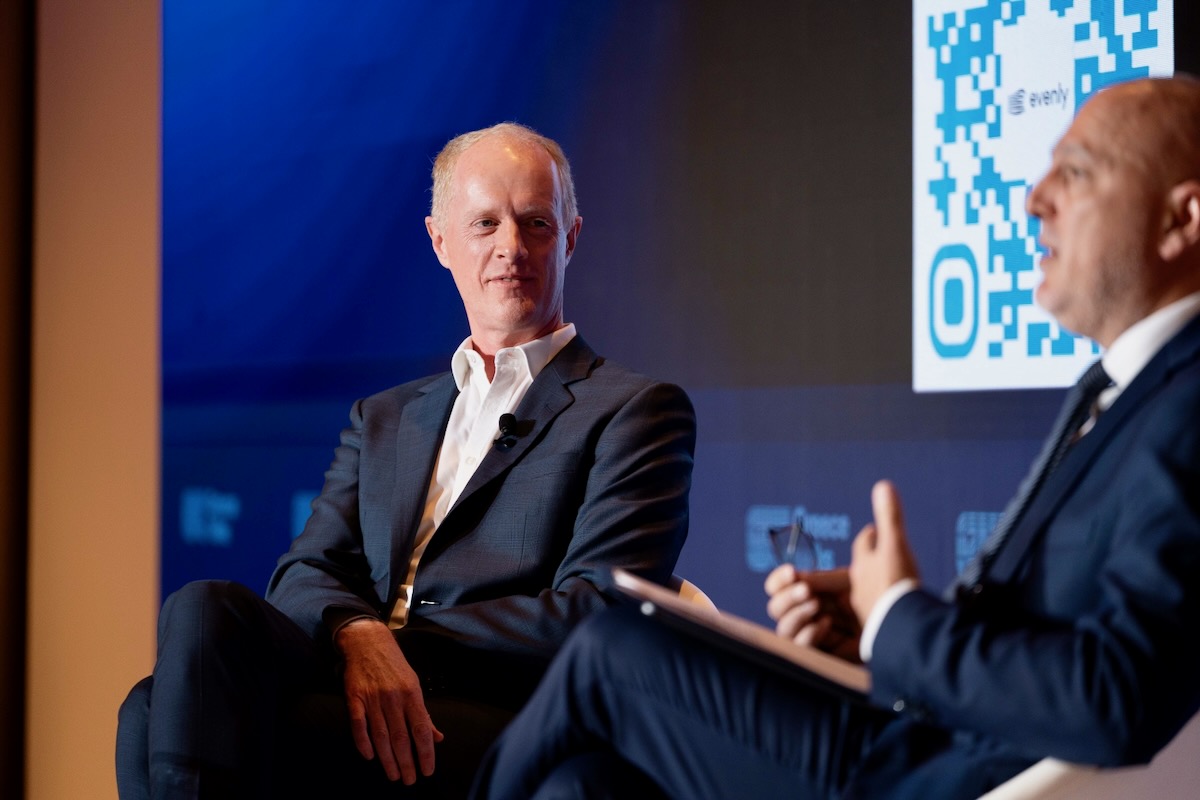
David Kelly
Senior Vice President, Continental Europe, Hilton
On a fishing boat off Chania, with my wife and son, I watched a local fisherman prepare our catch with lemon, Cretan salt and olive oil as the sun went down. My family called it one of our best holidays. That is the strength of Greek hospitality: a personal encounter becomes a memory we carry home. Our international brands give travelers confidence in the standards they will find; our Greek partners and teams make the experience belong to this place. Their pride and attention to detail are extraordinary. Preserving that quality starts with the people who work in our hotels. When someone is excited to come to work, guests feel it. We need to build careers and working environments that allow that enthusiasm to flourish.
Greece as It Is
In conversation with Antonis Sroiter
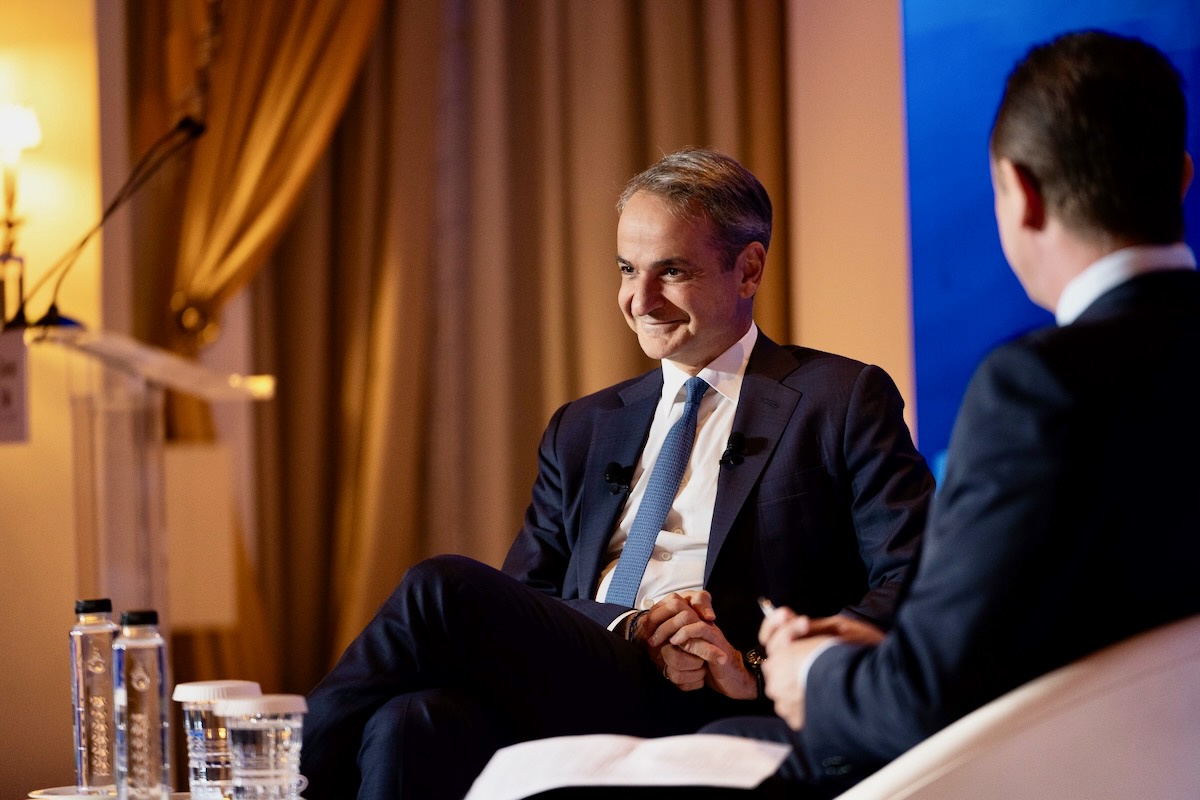
Kyriakos Mitsotakis
Prime Minister of Greece
Some of my most vivid memories are of camping in Zagori at 14. That journey has stayed with me, and I still long to return. When I look back on my time in office, I’m proudest of restoring Greece’s credibility abroad. Sound public finances, stronger defenses and decisive government have given us firmer foundations. At home, fighting tax evasion means a fairer deal for honest businesses and more resources to support citizens. I’ve made mistakes, too. I should have moved sooner to reform OPEKEPE, the agency that handles agricultural payments. I’m seeking a third term because the coming years will be decisive. Artificial intelligence, geopolitical upheaval and climate change will test us, and experience in managing crises matters. Our record should earn us credibility. Whether voters trust us with what comes next is up to them.
The Identity of Greek Hospitality
Moderator: Ilias Kikilias
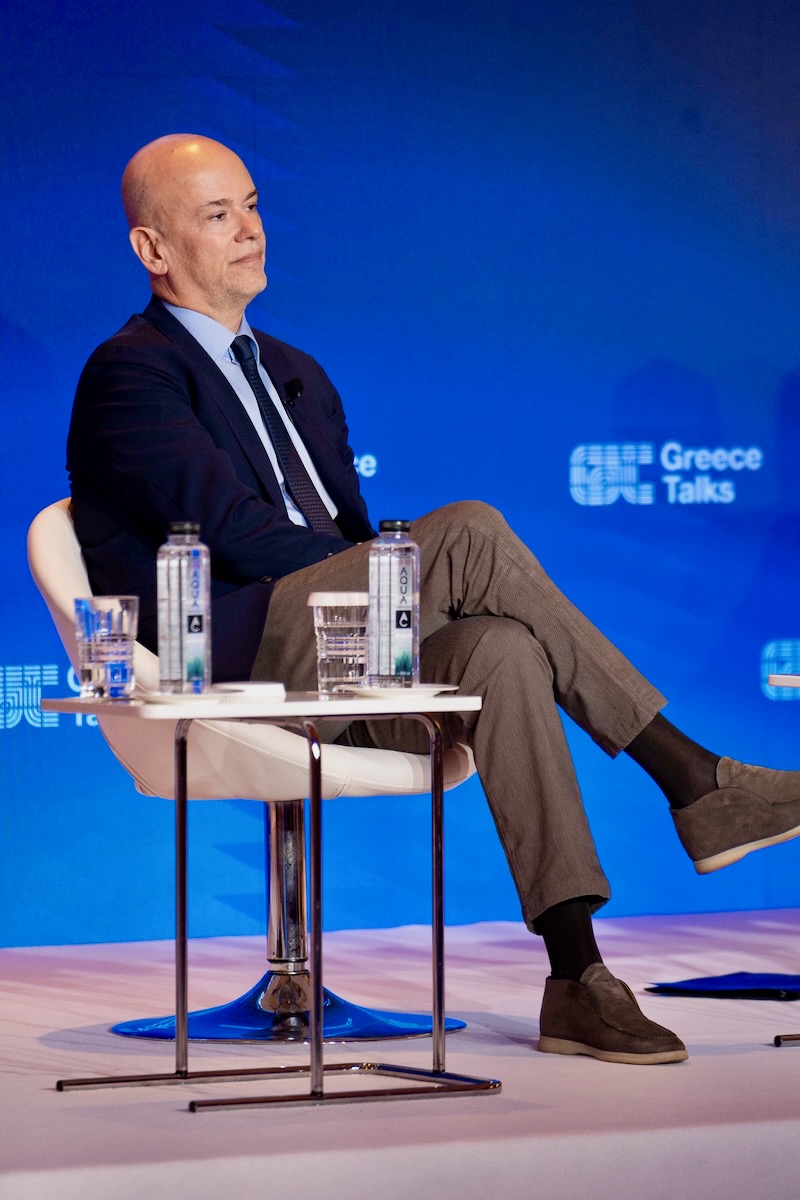
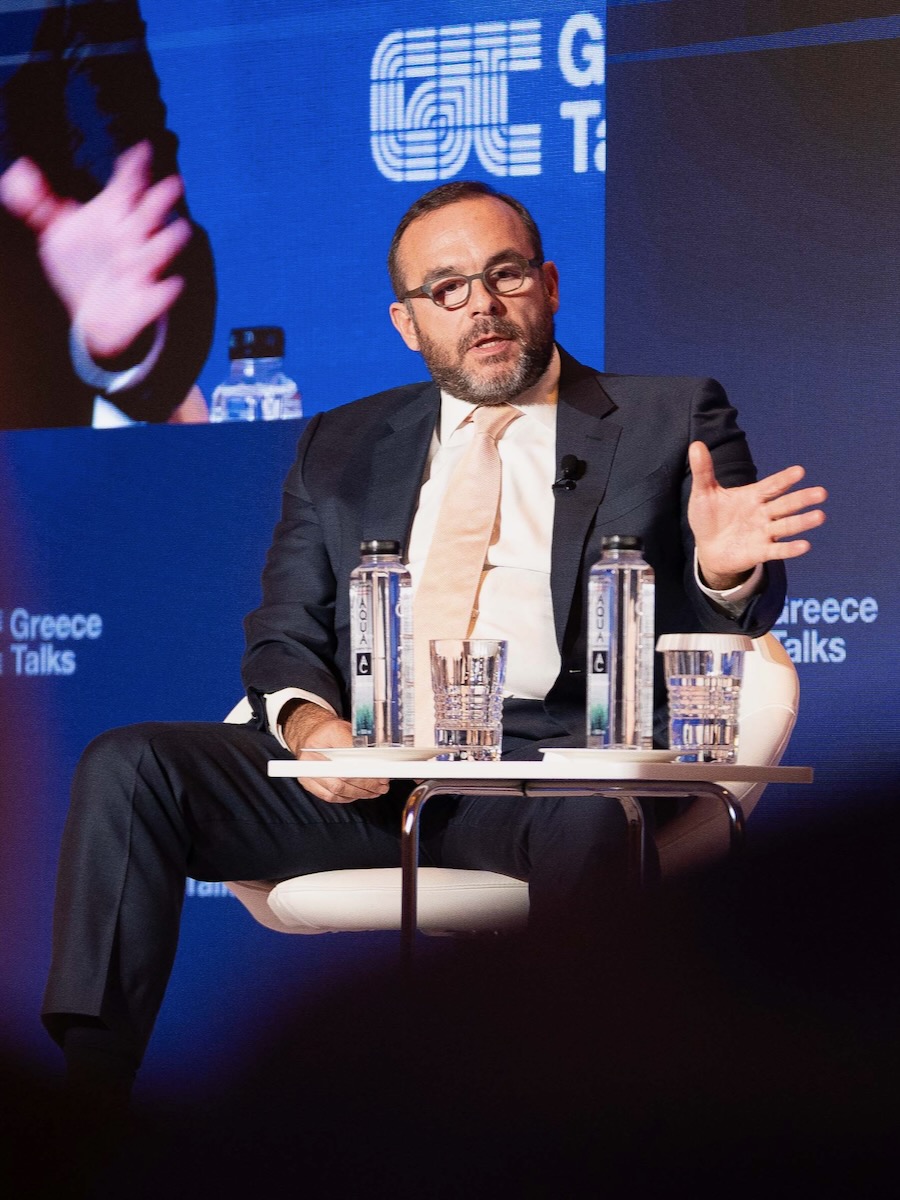
Yannis Retsos
CEO and Co-owner, Electra Hotels & Resorts
Nostalgia can become a comfortable refuge when we have not decided what comes next. The authenticity visitors value in Greece must evolve through a clear strategy, with local authorities, businesses, workers and residents all involved. We cannot call a destination successful when its water, sewage or electricity systems are failing. Residents experience those failures first, and their frustration inevitably reaches the visitor. Tourism is an entire local economy, far wider than the hotel. Our planning and investment must reflect that. Record arrivals and revenues give us an opportunity to prepare; they are no guarantee that growth will continue indefinitely. The taxes collected from tourism should visibly improve the places generating them. A destination that works for the people who live there is the foundation of a welcome that lasts.
Stavros Mitsis
CEO, Mitsis Group
Authenticity and luxury can coexist. The Parthenon was magnificent when it was built; a beautiful contemporary hotel need not be any less faithful to Greece. What must distinguish us, whether in a small, remote property or a large resort, is the hospitality people remember after they leave. We need to support that promise with stronger tourism education and destinations that function properly. Returning the resilience fee to the communities where it is collected would help fund essential improvements, including wastewater treatment. Hotels depend on those communities for their people, products and everyday life. We should also connect tourism much more closely with agriculture, food, crafts and manufacturing. That is how the quality of a Greek holiday can support a much wider circle of businesses and livelihoods.
Ilias Kikilias
Moderator
An excellent hotel cannot compensate for a destination that fails around it. Much of what we call Greek hospitality happens outside the property: in villages, tavernas, small producers’ businesses, museums and the everyday encounters of local life. Our research consistently identifies that human connection as a competitive strength. The question is how we develop it for the next decade. We also face a double pressure: hotels carry high taxes and rising costs while public infrastructure and services lag behind. INSETE’s research shows that, at the same room price, Greek hotels face almost twice the tax burden of competitors in Cyprus. That leaves less room for investment, better wages and longer seasons. We need to assess the visitor experience as a whole and support the people and places that deliver it.
Greek Heritage
Moderator: Babis Koutras
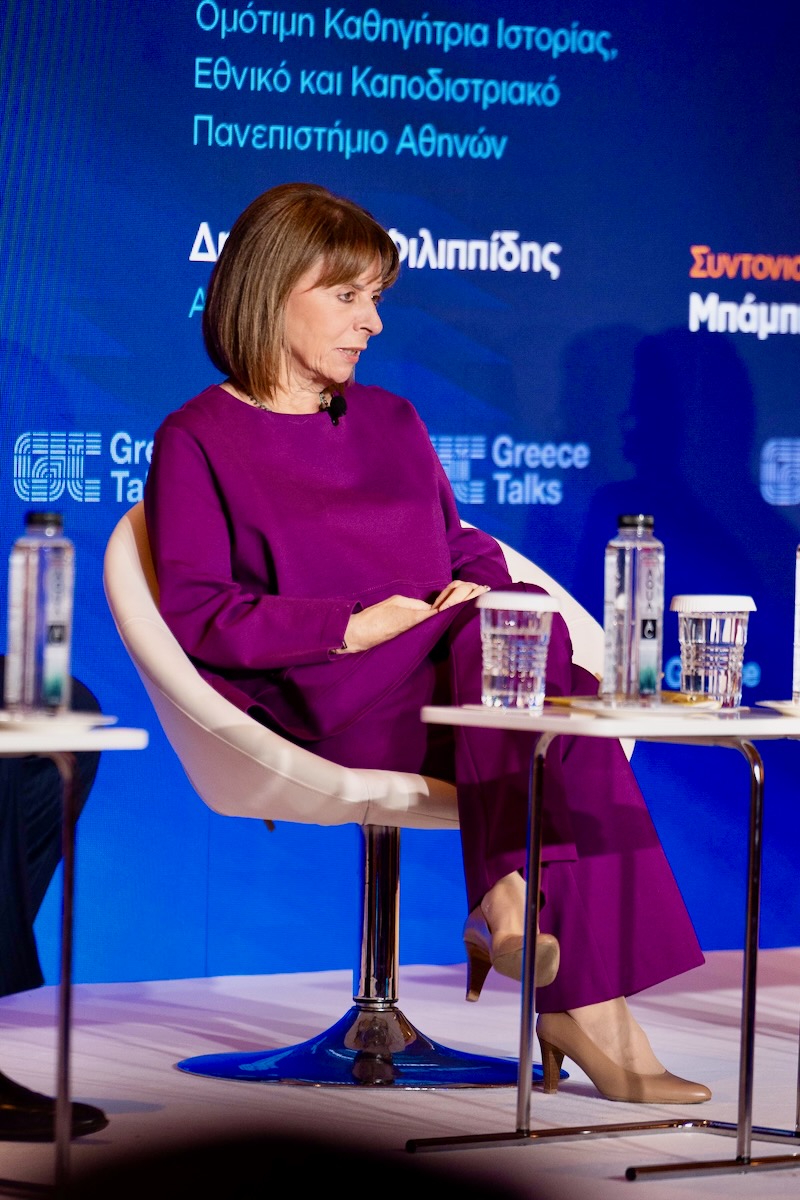
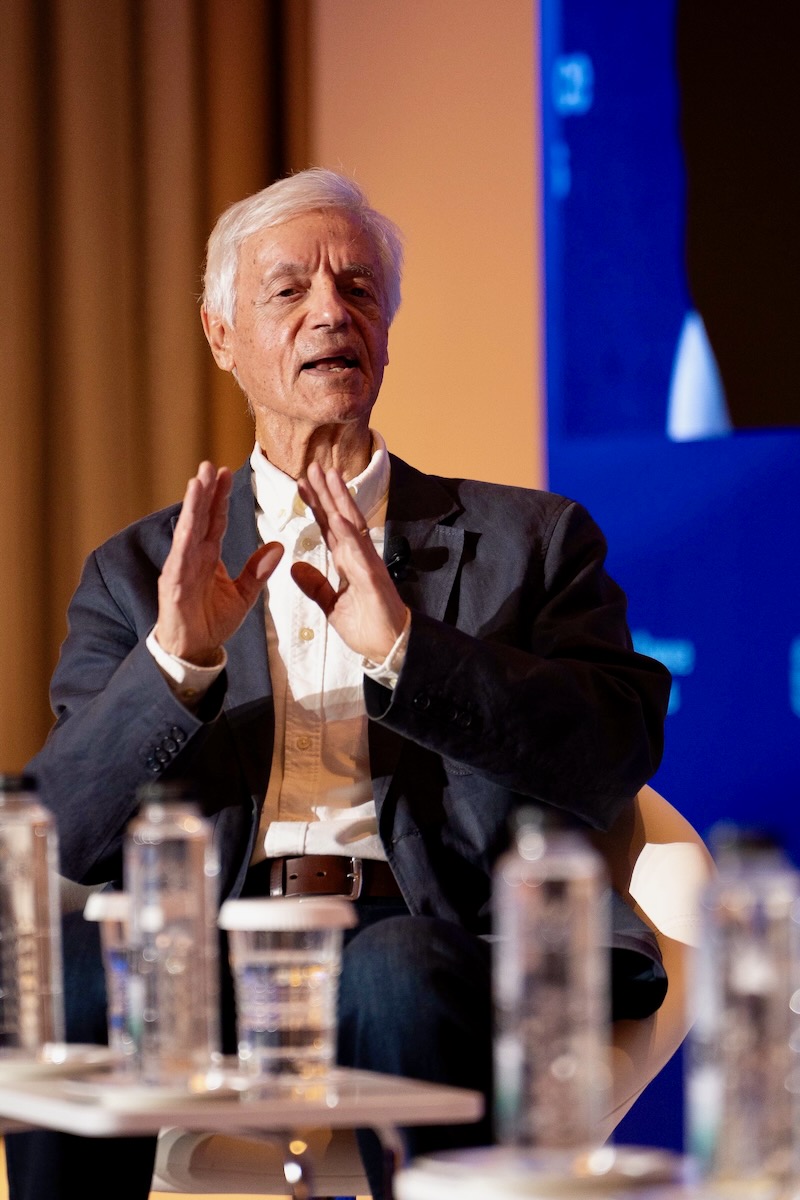
Katerina Sakellaropoulou
Former President of the Hellenic Republic; Chair of the Board, Athens Epidaurus Festival
More building is not the answer to every development question. Each place has limits, and we must respect them before its character is lost. On Koufonisia, a private pool for every room makes little sense when an extraordinary sea is only steps away. My travels around Greece have shown me another source of value: a wood-fired oven on Karpathos, basket weaving, island festivals and the traditions that remain part of daily life. This living heritage is also what visitors seek. In Thessaloniki, acknowledging the city’s Greek, Turkish and Jewish histories helped bring a new energy to its tourism. We need planning that protects a place while allowing its full story to emerge. Development and tradition can work together when we take the long view.
Dimitris Philippidis
Architect
When I first visited Santorini in 1962, its beauty came with hardship: roads and electricity were missing, and residents had left to find a livelihood elsewhere. We visitors enjoyed a place its own people were struggling to inhabit. That matters when we talk about nostalgia. We should not condemn change simply because it disturbs our memories. Yet watching Santorini become a crowded consumer product was painful; something essential to its character was being lost. The same care is needed in how we look at Athens. We have moved from dismissing its apartment buildings to romanticizing the city through visitors’ eyes. During 30 years of teaching, I urged students to look closely at the everyday environment around them. Understanding its value is the starting point for improving it.
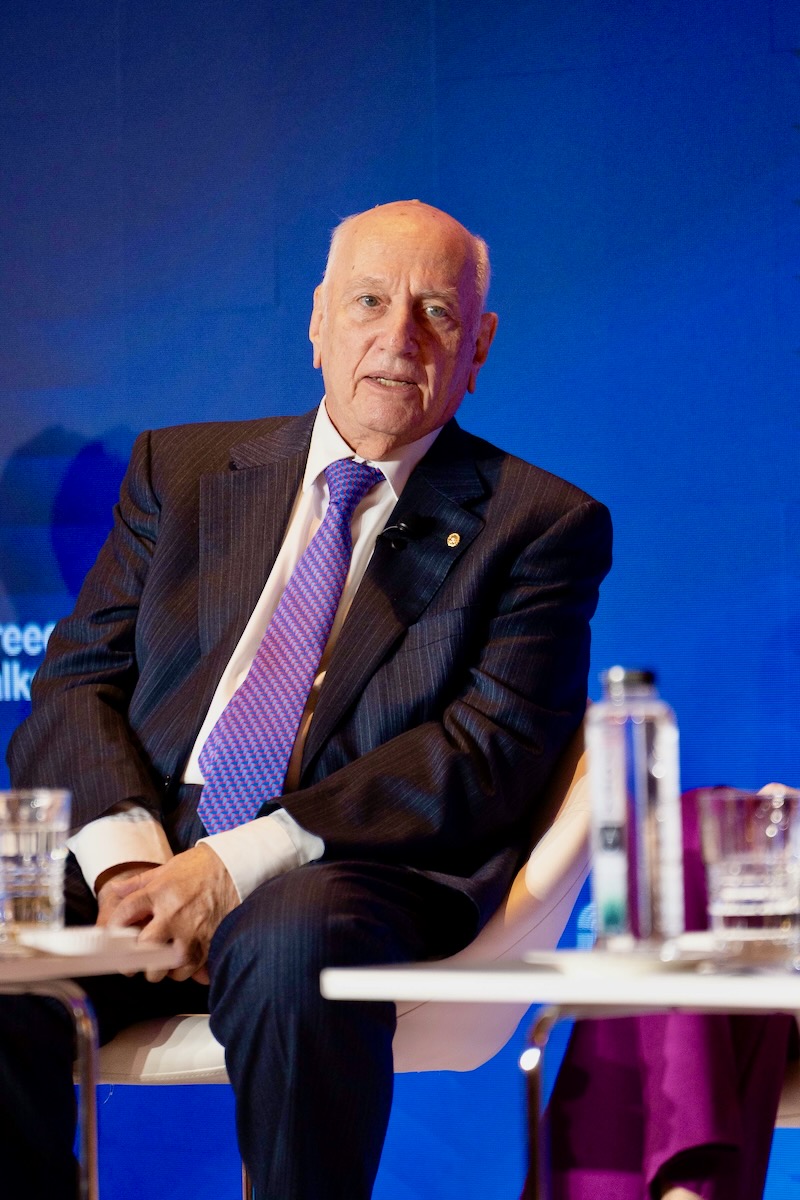
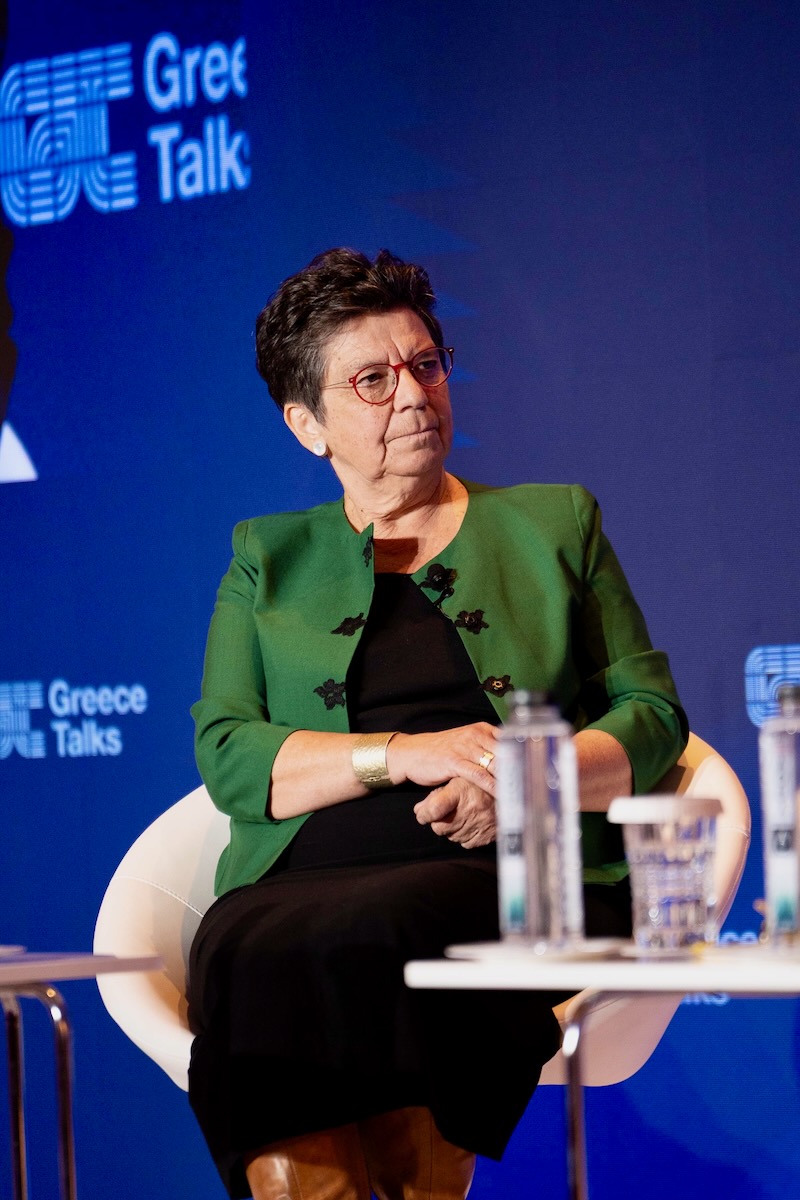
Christos Zerefos
National Representative for Climate Change; President, International Community (Koinon) of Academies
The Greece we remember is inseparable from its climate: the relationship between sea and air, the breeze, the scents of the landscape. Protecting that experience requires us to listen to science. Drought threatens almost 40% of the country, particularly in the east; groundwater is falling and coastal aquifers are becoming saline. Earlier studies suggested that shifting travel between seasons could help tourism adapt, but water scarcity demands particular attention. We can manage visitor pressure; we cannot simply summon the rain. Ignorance and the pursuit of easy profit put both natural and cultural heritage at risk. With 2050 approaching as a critical climate milestone, we need decisions grounded in evidence and a faster transition to renewable energy. The conditions that make Greece so compelling cannot be taken for granted.
Maria Efthymiou
Professor Emerita of History, National and Kapodistrian University of Athens
To keep visitors coming, we first have to hold on to ourselves: our identity, our confidence and our capacity to enjoy life. We constantly dismiss modern Greece while overlooking the enormous progress of the past 80 years. That habit passes a sense of defeat to the next generation. Our history should give us the confidence to recognize both our strengths and our weaknesses. The country’s mountains, plains and seas have sustained farmers, craftspeople, merchants and seafarers; tourism is part of that much wider story. I have been hiking since I was 17, discovering waterfalls and landscapes many Greeks scarcely know. Our maritime tradition has taught us adaptability, but our talent for handling the unexpected does not excuse poor planning. We need self-knowledge that helps us move forward.
The Value of Time
In conversation with Tina Mandilara, Culture Editor
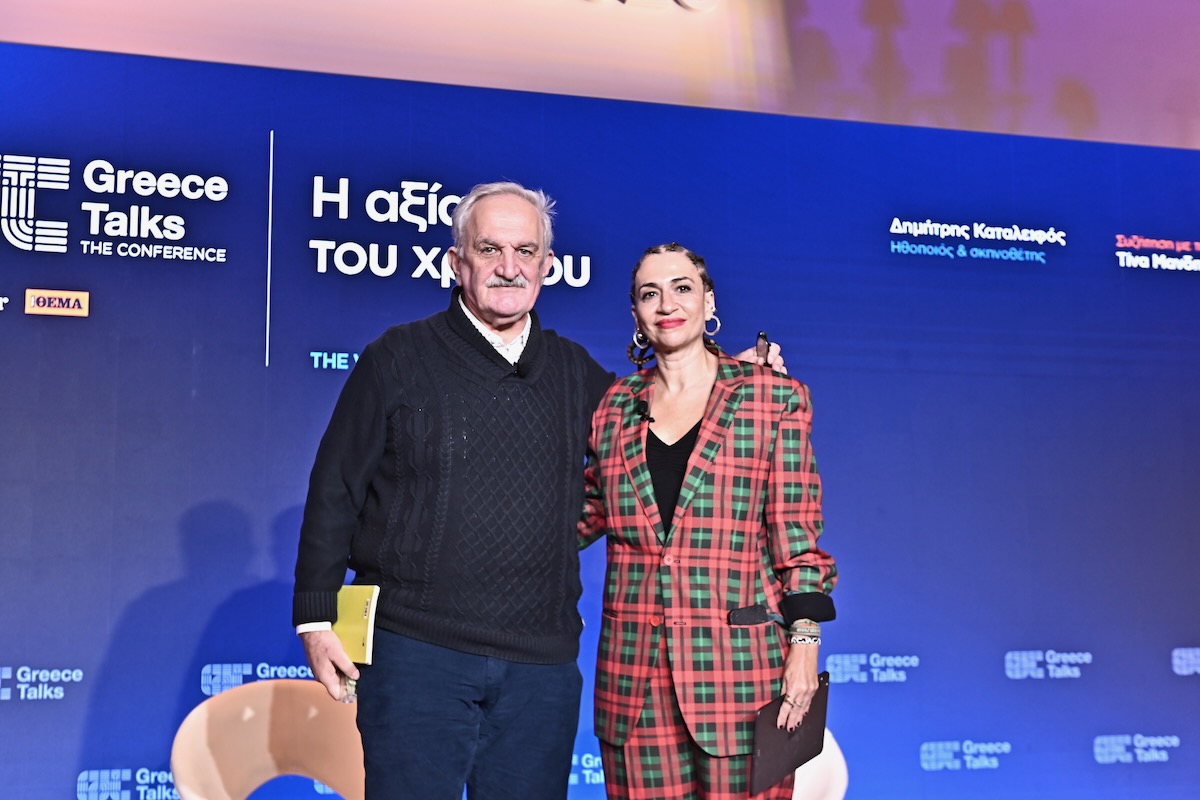
Dimitris Kataleifos
Actor and Director
In Chios in 1975, I looked across at the lights of Asia Minor and found myself in tears. I had never been there, yet it was where my family came from. Nostalgia reaches beyond conscious memory; a place or a piece of music can reconnect us with something we carry without fully understanding it. During lockdown, that feeling led me to start writing poetry at 66. It can become a source of creation as well as a refuge. Greece’s actors, writers and artists have left us a heritage as precious as its ancient monuments. What I miss most is closeness between people: shared time, a voice rather than another message. That human need endures, and helps explain why every generation is drawn to old towns, familiar places and traces of the past.
Sponsors and Supporters
Greece Talks was made possible through the generous sponsorship of leading companies and organizations.
Platinum Sponsor: PPC.
Gold Sponsors: AEGEAN, AKTOR Group of Companies, Alpha Bank, Attica Group, Fraport Greece, HELLENiQ ENERGY, LAMDA Development and the Greek National Tourism Organization (GNTO).
Silver Sponsors: Athens International Airport, AQUA CARPATICA, Regency Entertainment S.A. Group and DEPA Commercial S.M.S.A.
Bronze Sponsor: Goldair.
With the support of the Region of Attica.


