


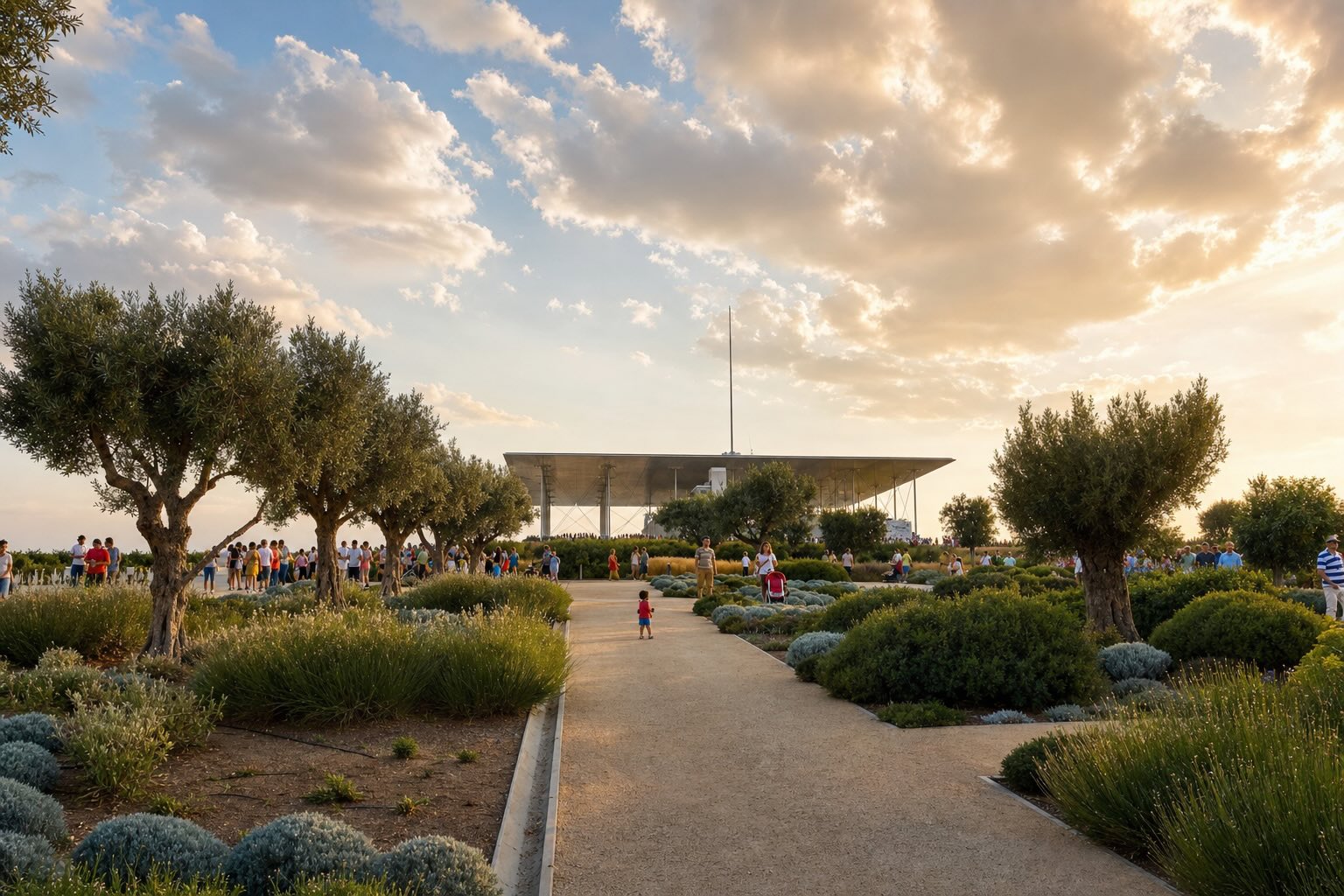
Agiou Pnevmatos, the feast of the Holy Spirit, falls on Monday, June 1, 2026, and lands at the precise moment the city begins to live outdoors again. Coffee tables on Kolonaki Square fill before noon, the open-air cinemas have lit their projectors for the season, the Riviera is firmly back in weekend rotation, and a long, late lunch can take over the entire afternoon without any sense of irresponsibility.
The day itself is an Orthodox observance, the conclusion of Pentecost, a commemoration of the descent of the Holy Spirit upon the Apostles and, in Christian tradition, the founding moment of the public Church. In Athens it is also something more colloquial: a public holiday for state employees, banks and a long list of professions, and the formal beginning of a three-day weekend that most of the city now treats as the opening of summer.
That double character, sacred and seasonal, is what gives Agiou Pnevmatos its particular tone. The day usually begins quietly, with a morning service at one of the small Orthodox churches scattered through the central neighborhoods, and unfolds from there into something brighter and more sociable: a family table at midday, a first proper swim, a film under the stars, a late drink with a view of the Acropolis or the Saronic Gulf. Daylight stretches well past 8 p.m., the city’s outdoor venues are operating at full capacity for the first time since winter, and the broader rhythm of Athenian life, which leans hard toward the open air between May and October, is firmly established.
For visitors in town for the long weekend, this is one of the best Athens days of the year. Ancient sites work best before the heat builds, the city’s shaded gardens and hilltop walks reward an early start, the museums and contemporary galleries are all open on a Monday they would normally be closed, and the Athens Riviera, the strip of coast running south from Faliro to Sounio, is close enough to fold into a single day. Below, two itineraries: a City Day that stays inside the historic core, and a Coast Day that follows the Riviera in a clean southern arc, no doubling back.
What’s in This Guide
A City Day in Athens
1. Morning Coffee in Kolonaki and a Walk up Lycabettus
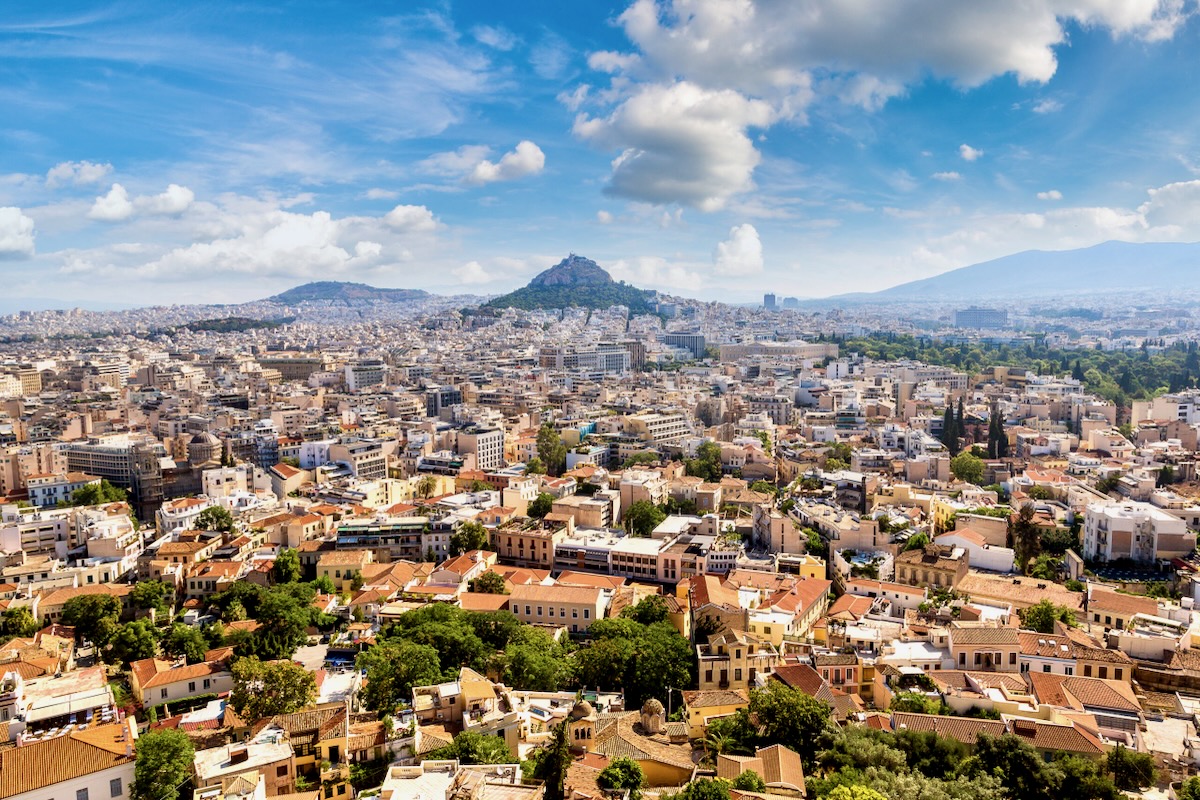
Kolonaki, the polished residential and shopping neighborhood that climbs the lower slopes of Lycabettus hill on the eastern edge of the historic center, is the right place to begin. It places three of the morning’s logical stops, Dexameni Square, the Lycabettus footpath and a cluster of reliable cafés, within a 10-minute walking radius.
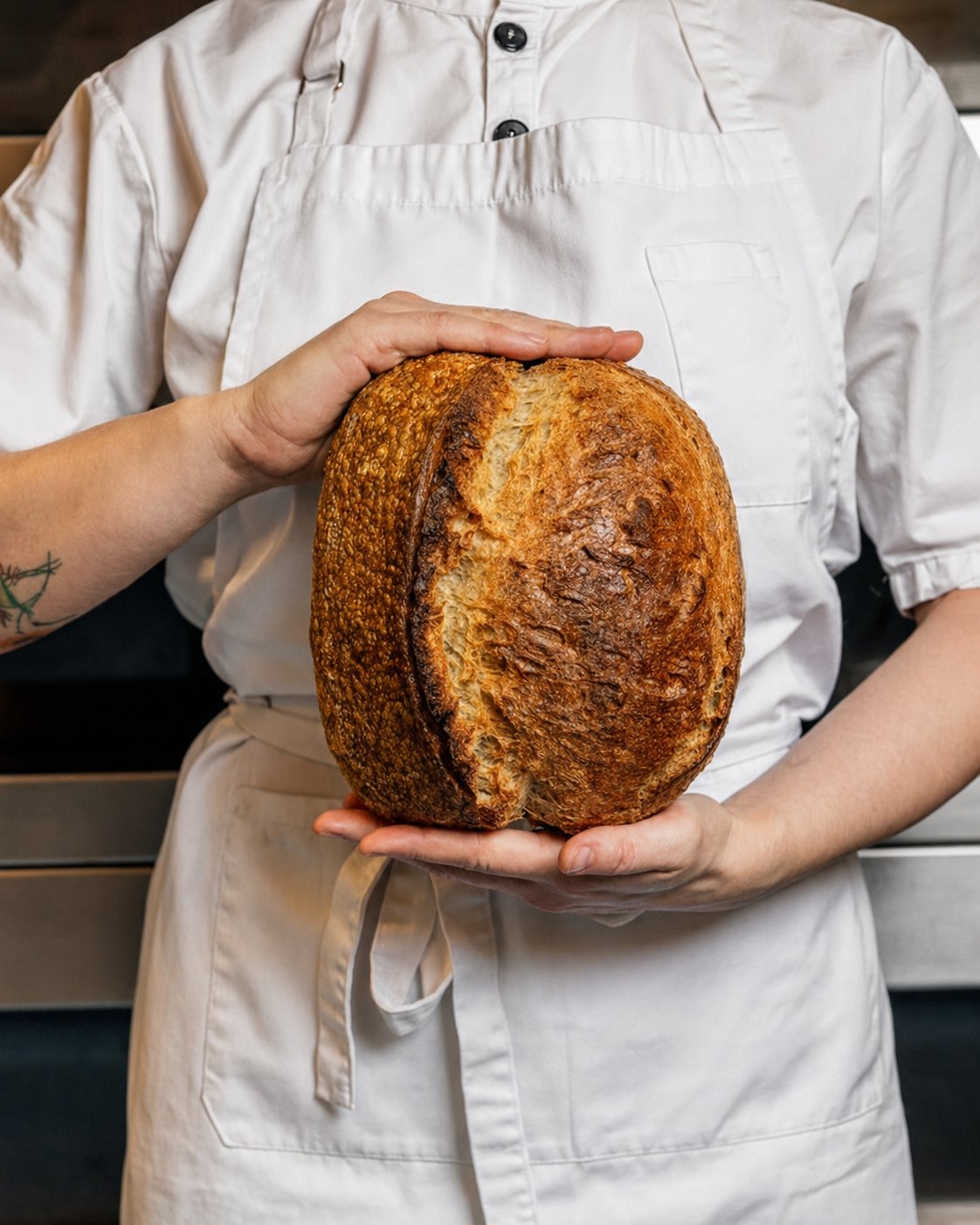
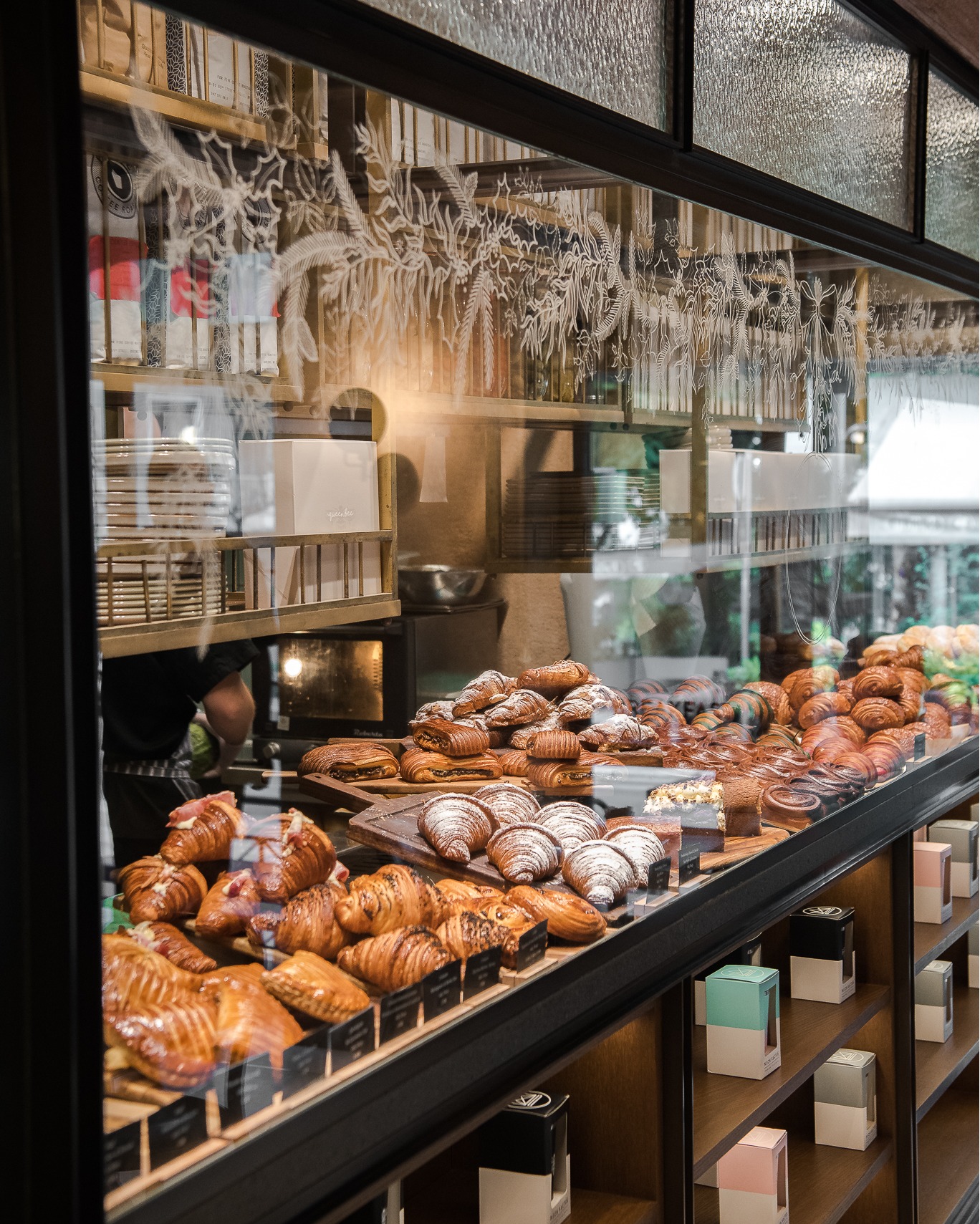
Da Capo, on the corner of Kolonaki Square (Plateia Kolonakiou), is the classic neighborhood meeting point: pavement tables, a long espresso list and the steady human traffic that makes Kolonaki feel like a small village inside the city. A two-minute walk away, on Patriarchou Ioakeim Street, the all-day café Queen Bee works for a more substantial start, with eggs, pastries and coffee laid out for a longer sit. For something to take with you, Kora, the bakery on Anagnostopoulou Street that has done as much as anyone to elevate the Athens sourdough scene, makes excellent croissants, laminated pastries and sandwiches to go, ideal for a picnic on the hill.
For the broader Athens breakfast scene, our blockbuster guide to the city’s best brunch spots in 2026 picks up where this leaves off.


From Kolonaki Square, the natural next move is upward. Dexameni Square, two blocks above, is a leafy plateau built around the Roman aqueduct cistern that gives the place its name (dexameni means “reservoir” in Greek). The open-air Cine Dexameni, one of the oldest summer cinemas in the city, runs along its lower edge, and the cafés that ring it are a fine excuse for a second coffee before the climb. From there, a paved footpath leads up Lycabettus, the conical limestone hill that rises to roughly 277 meters and is the highest point in central Athens and the city’s most reliable panoramic stop. The walk up takes roughly 15 minutes at a steady pace. Halfway, the open-air taverna Prasini Tenda (“the green awning”) is the right place to pause for a cold drink with a wide view across Athens, Piraeus and the Saronic Gulf. At the summit, beside the small white chapel of Saint George, Orizontes Lykavittou is the city’s most cinematic tourist restaurant, polished and unapologetic about its altitude markup, but unbeatable on the view.
For more on the city’s hill walks, see our Athens hiking guide.
2. Museums, the National Garden and SNFCC

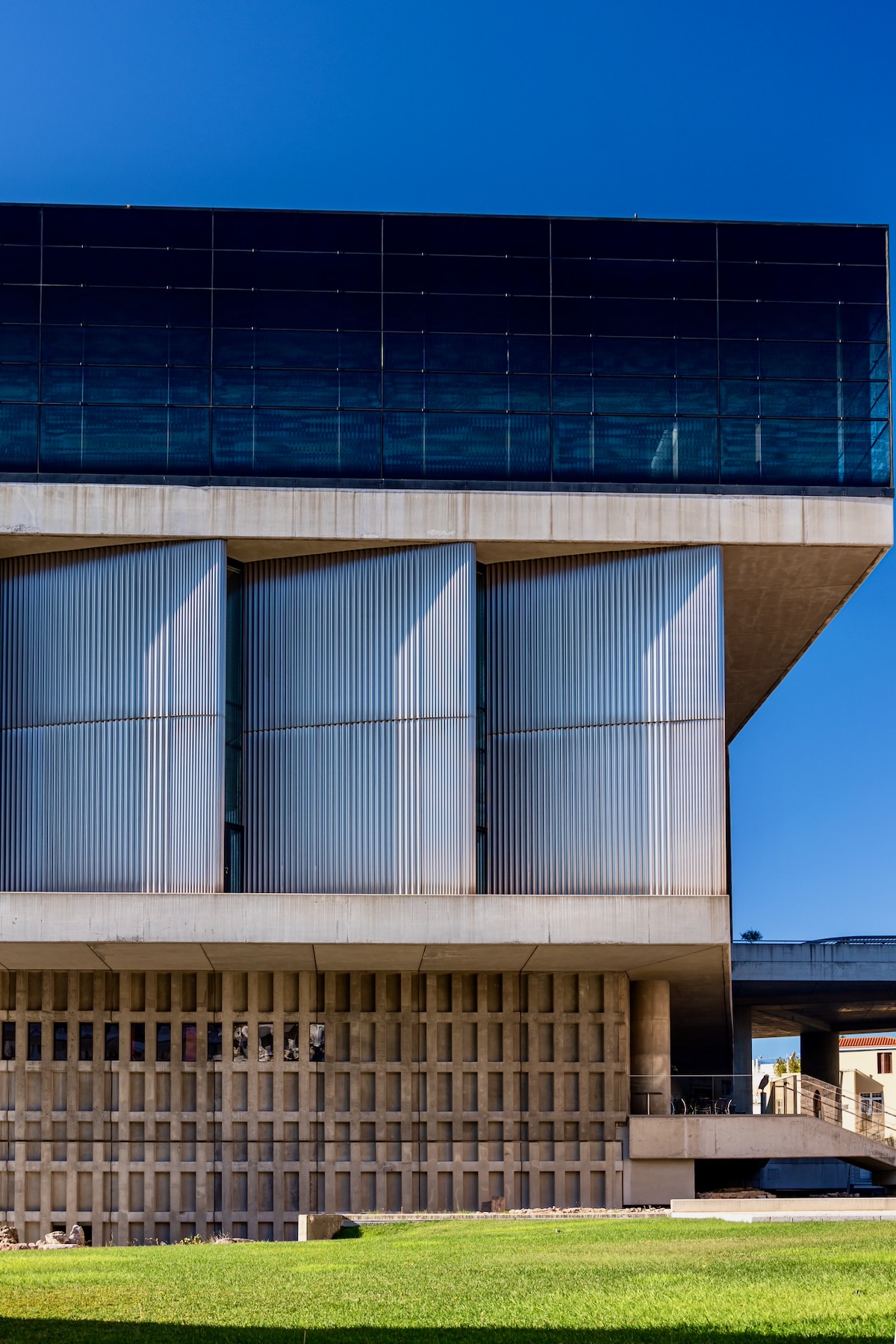
Many of the city’s best museums close on Mondays, but Agiou Pnevmatos is the rare exception when most stay open. The iconic Acropolis Museum, designed by Bernard Tschumi at the foot of the sacred rock in the Koukaki neighborhood directly south of the Acropolis, is the most enriching choice for the day, and its summer Monday hours pair naturally with a walk through Plaka and a long lunch later.
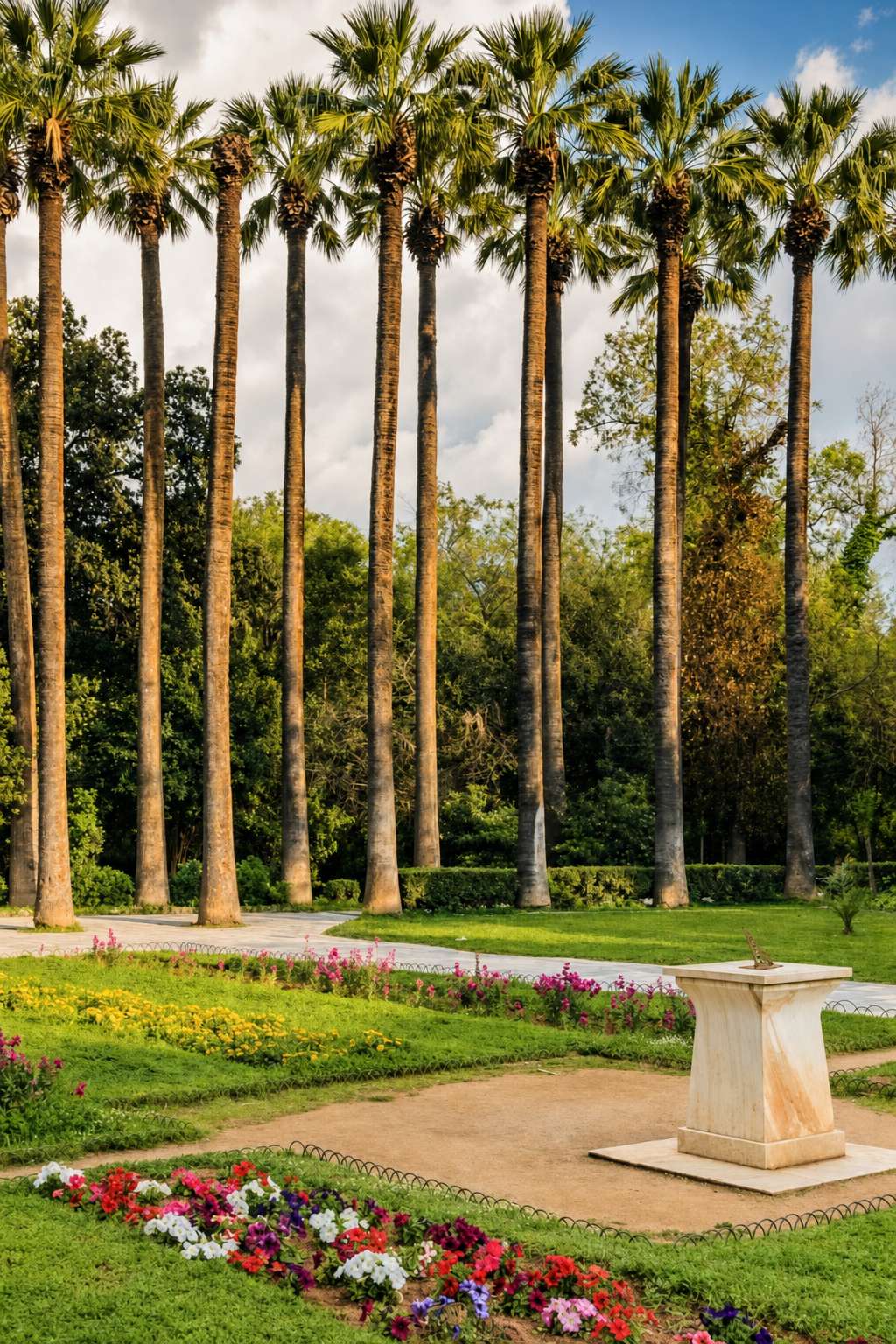
For a route that stays outside, the National Garden, the 15-hectare green core of the historic center bordered by the Greek Parliament on the north and the Zappeion exhibition hall on the south, opens at sunrise and is one of the most pleasant places in Athens to spend a hot morning. The garden flows directly into Vasilissis Sofias Avenue, the museum-lined boulevard that runs from Syntagma Square east toward Kolonaki.
Other excellent stops in the same area, normally closed on Mondays but open on this particular day, include the Benaki Museum (Greek art and material culture from antiquity to the 20th century, in a neoclassical mansion on the corner of the National Garden), the Museum of Cycladic Art (the definitive collection of the marble figurines from the Cycladic islands, set in a quiet pocket of Kolonaki), the Theocharakis Foundation (a small private museum with a serious modern Greek art program, on Vasilissis Sofias Avenue) and the National Gallery (Greece’s principal modern and contemporary collection, recently and dramatically reopened after a long renovation).
Our full guide to the top museums of Athens goes deeper.
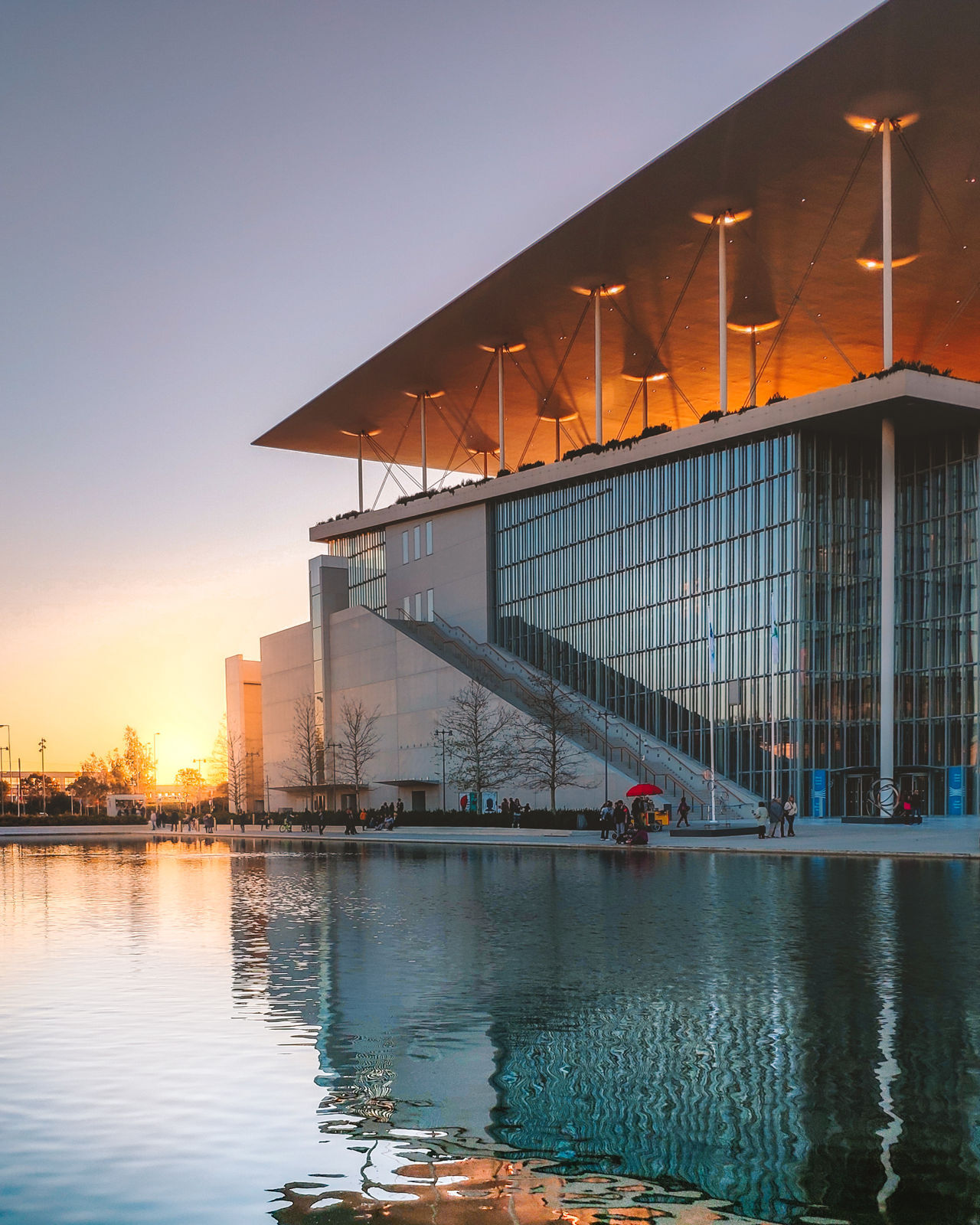
The Stavros Niarchos Foundation Cultural Center, the Renzo Piano-designed cultural complex in the southern Athenian neighborhood of Kallithea that houses the Greek National Opera and the National Library, is the strongest all-day cultural stop for Agiou Pnevmatos. It combines exhibitions, free public space, parkland, water features and architecture in a single visit, and on June 1 the program runs from morning to evening: Barbara Kruger: Untitled (Pride and Contempt), the photography exhibition Together, Visible, the Dancing Fountains at the Canal, outdoor installations, park walks and free public tours. From SNFCC the day can drift west toward Kallithea for something casual, or south toward Piraeus and Mikrolimano, the small picturesque harbor on the Piraeus peninsula lined with seafood restaurants.
3. A Long, Leisurely Greek Lunch


Agiou Pnevmatos is, above almost any other holiday, a long-lunch day. The neighborhoods below cover the spectrum, from a marble-table neighborhood taverna to a polished modern Greek dining room.
Plaka and Syntagma. Plaka, the oldest inhabited neighborhood of Athens, sits directly under the northern slopes of the Acropolis and is laced with pedestrian streets of neoclassical houses, churches and family tavernas. To Kafeneio on Epicharmou Street is the quieter, more local face of the area; O Platanos, on a small square shaded by an enormous plane tree (platanos in Greek), is one of the oldest and most reliable tavernas in central Athens; The Old Tavern of Psarras, on Erechtheos Street, is the historic Plaka mezedes house, in operation for well over a century; Taverna Ermou works for a quick, well-cooked midday plate just off the Ermou shopping street; and Manari (on Plateia Agion Theodoron, just off Mitropoleos) is the polished modern-Greek option, pitched a notch above the others in price and ambition.
Our Plaka dining guide goes deeper.
Kolonaki. Back uphill, the neighborhood’s lunch character is quieter, more local, and reliably good. Filippou, on Xenokratous Street, is the Kolonaki institution for honest, slow-cooked Greek home cooking, the kind made daily in a pot. Oikeio on Ploutarchou Street is a warm, well-priced taverna that locals treat as a second living room; Brunello is the Italian counterpoint, an elegant wine-driven lunch room favored by the Kolonaki crowd; and Kafeneio on Loukianou Street is the area’s small, marble-table mezedes spot.
Our 2026 Kolonaki list is the natural follow-up.
Exarcheia. Exarcheia, the historically political and bohemian neighborhood that sits between the National Archaeological Museum and Lycabettus, has, in the last few years, become one of the most interesting eating quarters in the city. Ama Lachei on Kallidromiou Street is set in a former school and has a beautiful courtyard for slow lunches; Yiantes on Valtetsiou Street is the long-running, organic-leaning Greek table that defined the neighborhood’s modern food identity; Saligaros (“the snail”) is a small, very local mezedopoleio; Cookoomela Grill serves plant-based versions of Greek street food; Warehouse is the all-day café-bar hybrid that doubles as a casual lunch stop; and Sorolop is a small ice cream and sweets shop that has spread organically into a sit-down corner.
See our current Exarcheia eating guide.
Piraeus seafood. If the day points toward the port, lunch should be by the water. Margaro, beside the Naval Academy in central Piraeus, is the unfussy, decades-old fried-fish institution that locals will argue for over almost anywhere else in the city. Papaioannou is the polished version, the long-standing white-tablecloth seafood restaurant on the Mikrolimano marina. Varoulko Seaside, the Michelin-starred restaurant of chef Lefteris Lazarou, is the special-occasion choice on the same harbor, and Piscis is the more recent, design-forward addition.
We map the wider field in our guide to Athens’ best traditional fish taverns.
4. Gelato and Aperitivo Between Stops


Athens has, in the last few years, quietly turned into a serious gelato and aperitivo town, an inheritance of the city’s deep ties with Italy and the influence of a young hospitality scene that travels constantly between the two countries.
Gelato. Le Greche, on Mitropoleos Street between Syntagma and Plaka, is the original artisanal gelato address in Athens and still one of the best in the city. Oggi is the contemporary Italian counterpoint, with a daily-changing flavor list. Dickie Dee in Plaka, Django Gelato in Koukaki (the residential neighborhood directly south of the Acropolis Museum) and Sorolop in Exarcheia round out a small but very serious shortlist.
Aperitivo. Felicita in Petralona, Louza in Kolonaki, Amore in Pangrati and Glug Glug in central Athens lead the early-evening Italian register that has taken root across the city: a Negroni or a glass of Franciacorta, a few small plates, an hour to sit before the night begins.
5. Open-Air Cinema, Performance and a Final Drink
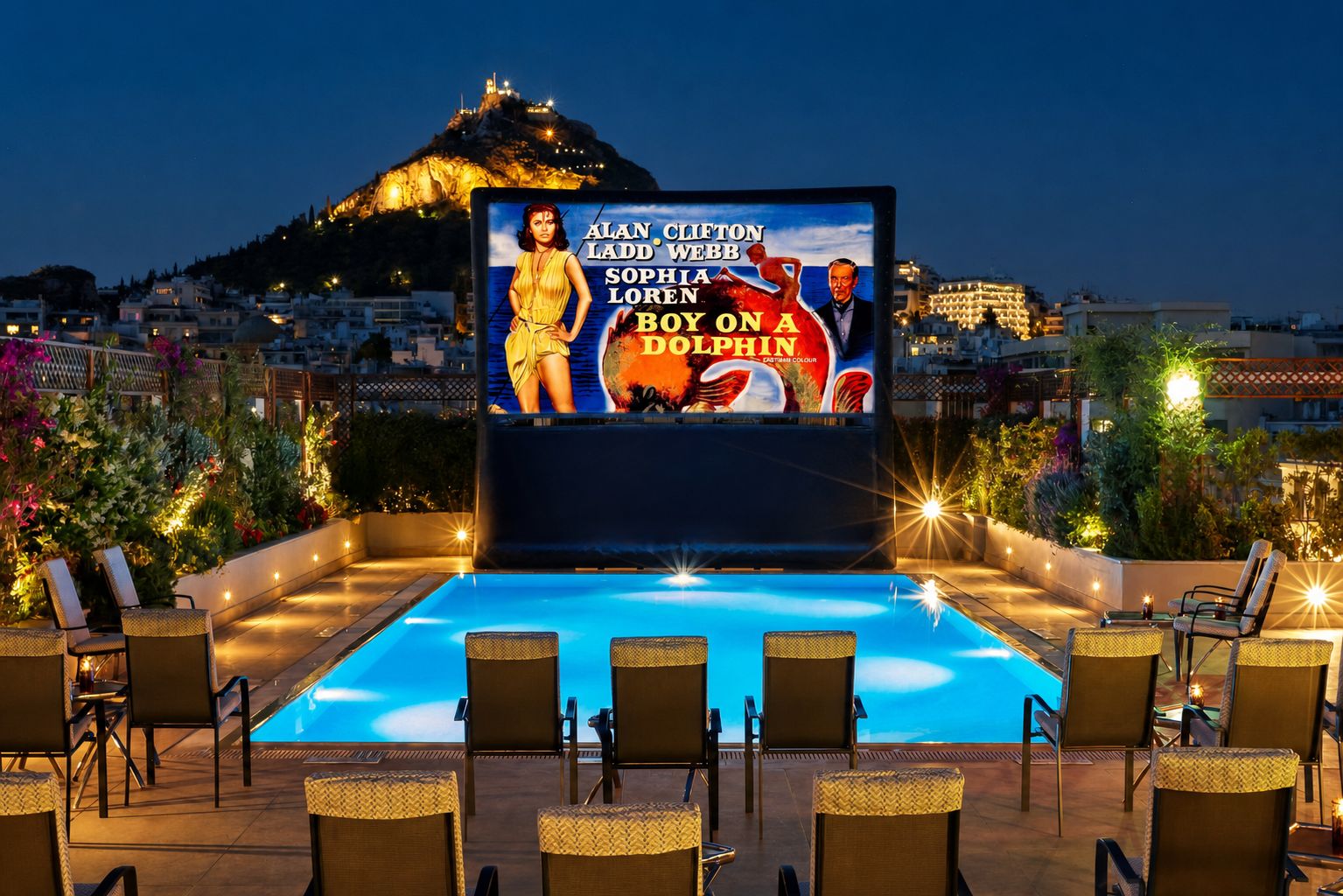
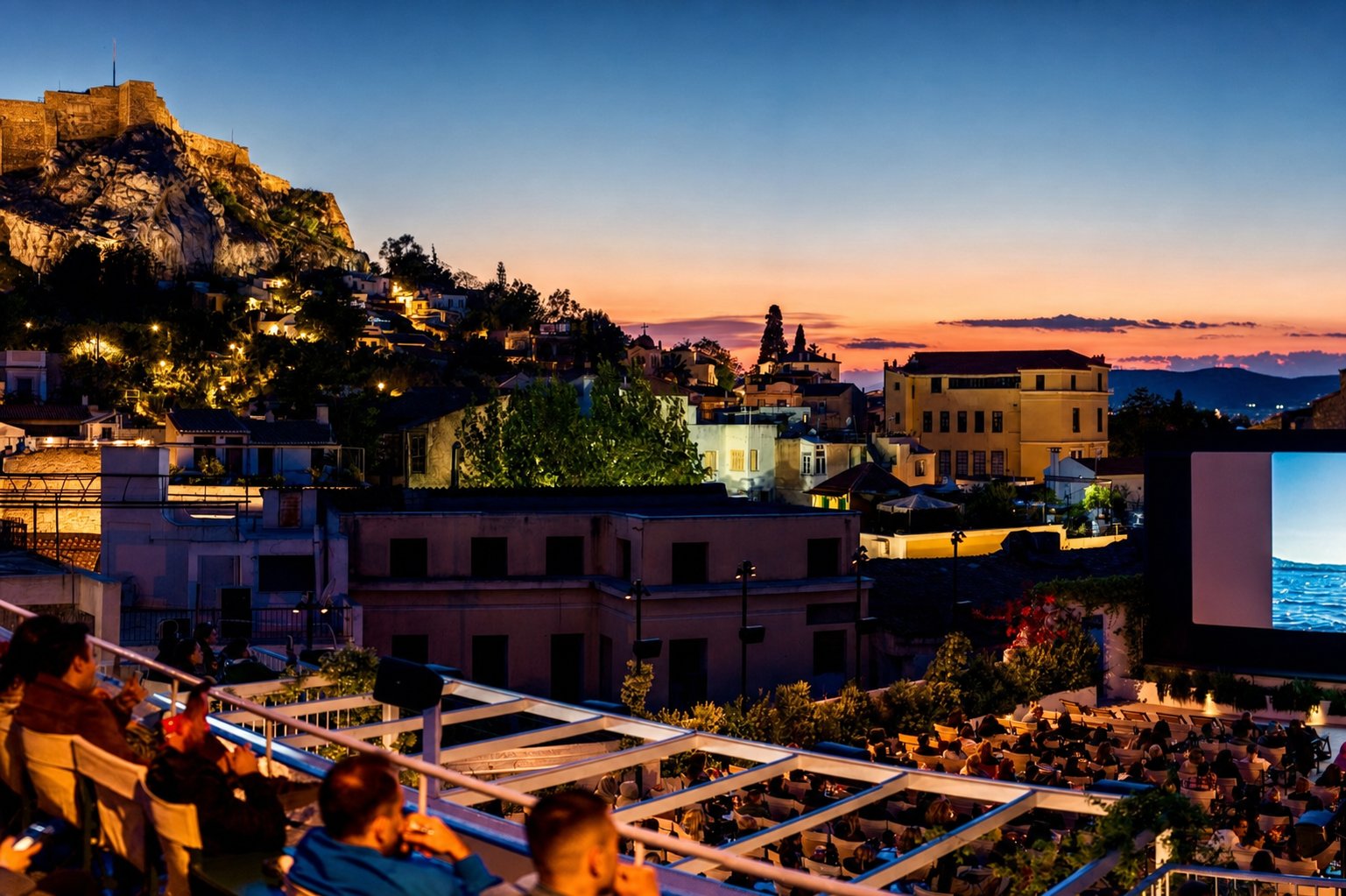


Open-air cinema. Open-air screens are one of the great inheritances of Athenian summer, an unbroken tradition that runs from May to October. Pool Your Cinema, on the rooftop pool deck of the Hotel Grande Bretagne on Syntagma Square, is the most cinematic and dramatically more expensive of the central options. Cine Paris, on Kydathineon Street in Plaka, screens films with the Acropolis lit up directly behind the screen. Cine Dexameni, in the Kolonaki square of the same name, is a leafy, slightly bohemian classic. Cine Thission, on Apostolou Pavlou Street in the Thission neighborhood directly below the Acropolis, has the most famous view of the Parthenon of any cinema in the world. Zephyros, in Petralona, is the old-school, wonderfully programmed neighborhood cinema beloved by Athenian cinephiles.
Live performance. Two contemporary works are running over the long weekend: Schliemann III at Peiraios 260, the converted industrial complex on Pireos Street that serves as the urban venue for the Athens Epidaurus Festival, and Anastasia Valsamaki’s Feed Me Peace at PLYFA, the new arts space in the Votanikos district west of the historic center, running May 30 to June 1.
Dinner. A garden table or a rooftop with an Acropolis view carries the evening best. The classic addresses are GB Roof Garden (an American colony) at the Hotel Grande Bretagne and Tudor Hall on top of the Hotel King George next door. The Dolli, the Grecotel hotel on a quiet pedestrian street directly opposite the Acropolis Museum, has the closest contemporary view of the rock and is the chicest option. The Zillers, on Mitropoleos Street, is the more intimate boutique alternative.
Final drink. The cocktail circuit is one of the strongest in southern Europe. Baba Au Rum on Klitiou Street is the rum-forward pioneer that helped put the city on the international cocktail map. The Clumsies on Praxitelous Street is the World’s 50 Best mainstay, the most internationally awarded bar in Greece. Bar in Front of the Bar is its more intimate sister room – and a speakeasy of sort. Line, in Petralona, is the neighborhood favorite that locals rate above everything in the center, and Island in Varkiza, 27 kilometers south of the city (a serious drive for the very commited), is where the night ends if it has drifted toward the coast.
Coast Day on the Athens Riviera
If the holiday calls more strongly for the sea than for the stone, the Athens Riviera, the strip of coast that runs roughly 60 kilometers south from Faliro to Cape Sounio, can absorb the full day in a clean southern arc, no doubling back. Park or take the tram to SNFCC, lunch in Glyfada, swim at Vouliagmeni or Kavouri, take a sundowner at Astir Beach, dinner in Varkiza, home in time for Tuesday.
Our Riviera primer for beginners maps the whole coast end to end.
1. Morning at SNFCC: Culture by the Sea

As stated above, the Stavros Niarchos Foundation Cultural Center is the right opening note for a Coast Day, equally because it sits roughly halfway between the Acropolis and the Riviera and because its grounds, designed by Renzo Piano on a former Athens hippodrome in Kallithea, are the closest thing the city has to a built-from-scratch civic park. The gates open at 06:00 for early walks, and the program runs from morning to evening: Barbara Kruger: Untitled (Pride and Contempt), the Together, Visible photography exhibition, the Dancing Fountains at the Canal, outdoor installations, park walks and free public tours. An hour or so is enough to set the tone before the drive south along Poseidonos Avenue, the coastal artery that defines the Riviera.
2. A Long Lunch in Glyfada
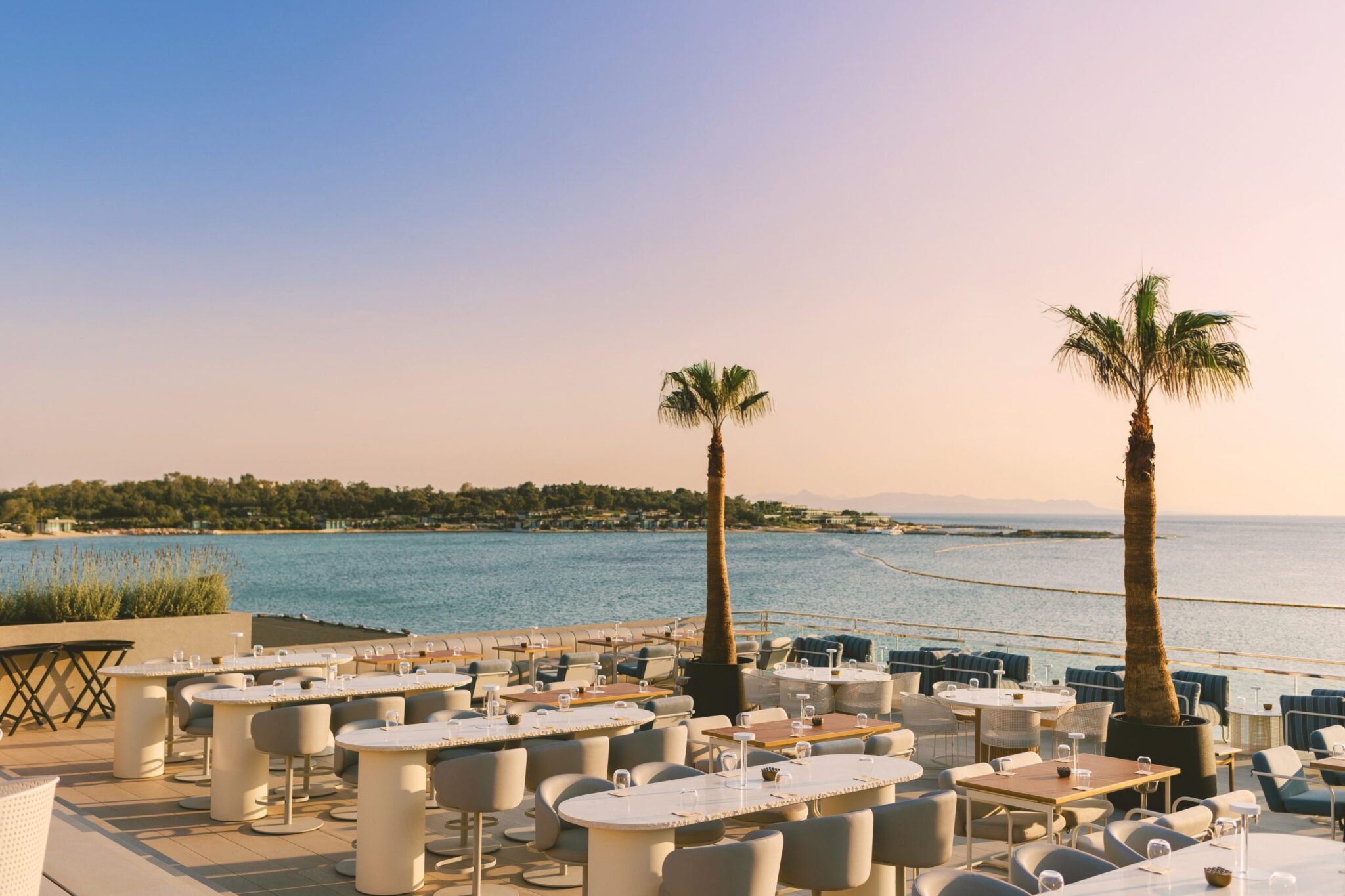
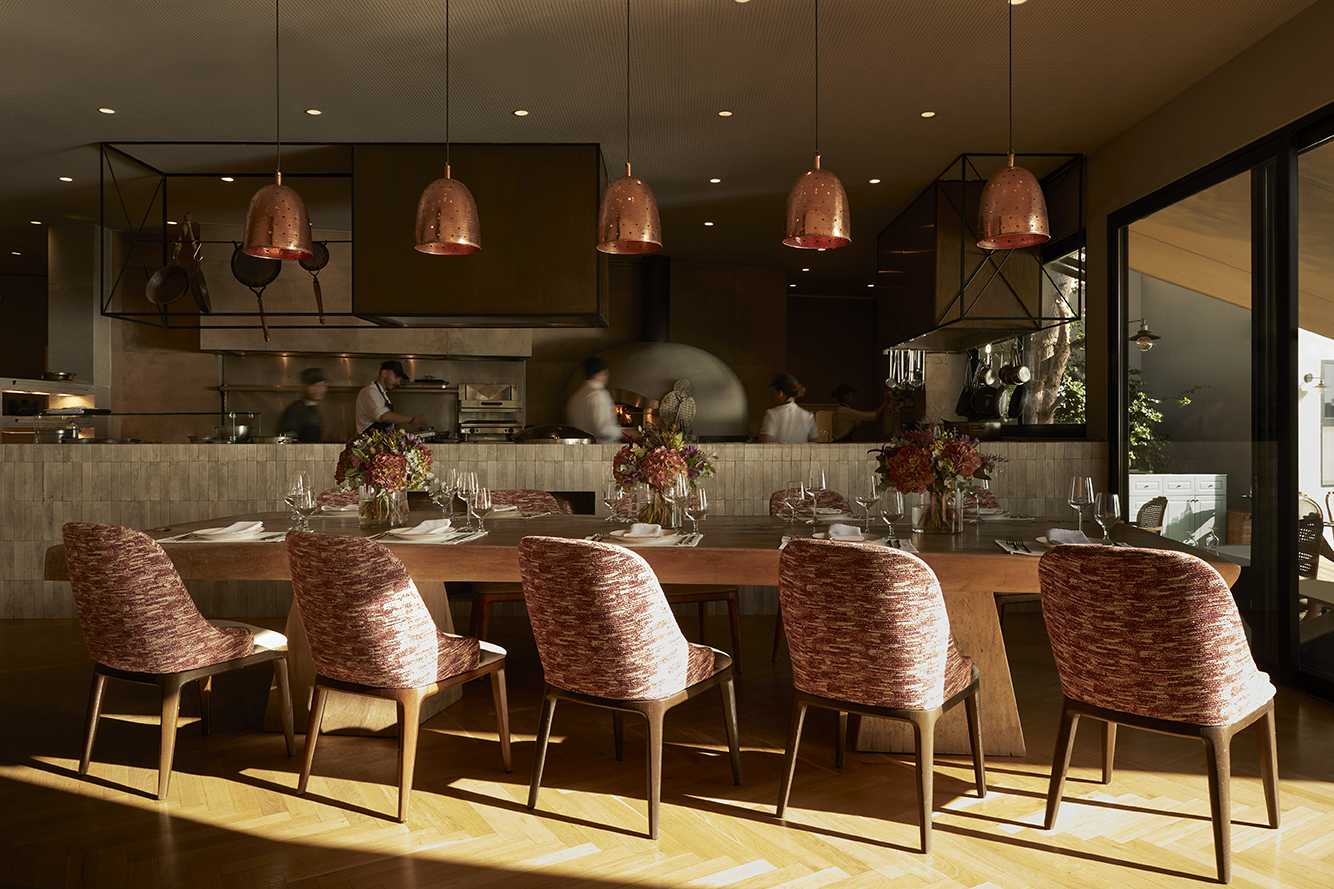
Glyfada, the largest of the Athens Riviera towns and historically the most American-flavored (it grew up around a US Air Force base that closed in the 1990s), is the natural midday stop on the south arc. The neighborhood is now a mix of leafy residential streets, an excellent shopping spine on Metaxa Avenue and a marina-side waterfront. Pino, the Roman trattoria on Kyprou Street 18 from chef Luca Piscazzi, is the most considered new opening in the area, with a short list of pastas built on imported flour and proper Roman technique. For something bigger and more cinematic, Asteria Glyfadas, the recently restored midcentury beach complex on the Glyfada seafront, is back as a full-day destination with restaurants, bars and swimming in a single footprint.
Our Glyfada food guide covers the wider field.
3. The First Swim of Summer
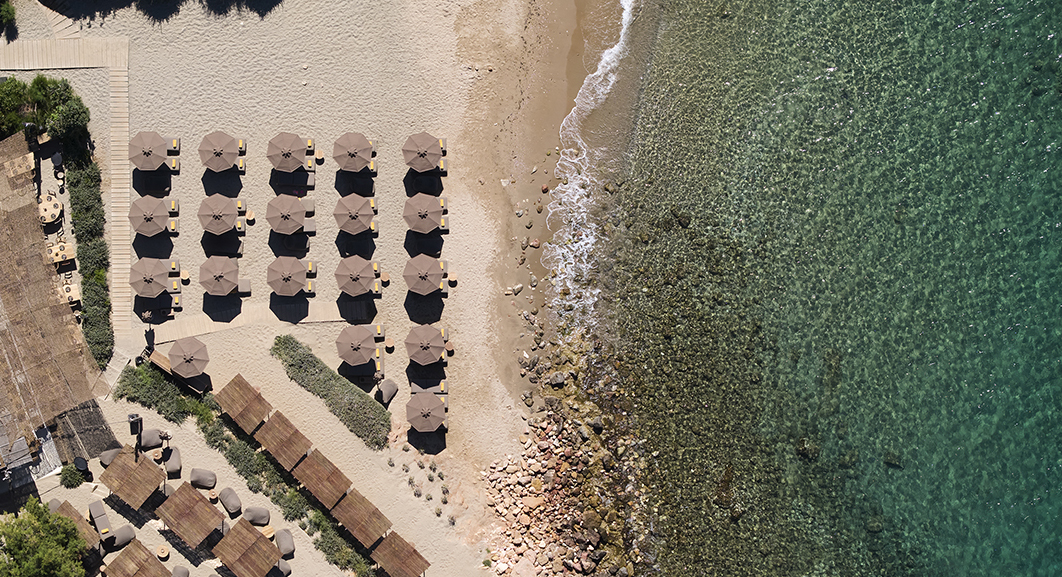


Agiou Pnevmatos gives the city official permission to treat the sea as part of the day. Vouliagmeni, the manicured beach town 25 kilometers south of central Athens (and Athens’ most expensive Postal code), is the polished version of that instinct, especially around Akti Vouliagmenis, the long sweep of organized beach with clear water, sun loungers and several restaurants set directly on the sand. Kavouri, the smaller cove just before Vouliagmeni, runs at a gentler tempo, with shaded pockets under the pines and a more local feeling – we would opt for Krabo, a snazzy beach club. Varkiza, three kilometers further south, suits a longer afternoon and the option to stay through sunset; the long beach is divided between organized and free sections. Farther south still, the smaller bays of Legrena and KAPE bring you into Sounio territory, where the water is clearer, the crowd thins and tends to alternative and the city feels properly behind you (and given the distance is).
For the deeper cut, see our guide to the Attica beaches Athenians love and visitors rarely find, and our companion piece on the best beaches near Athens.
4. Sunset Drinks at Astir Beach or The Roc Club


Astir Beach is the natural sunset stop on the Riviera, the historic Vouliagmeni cape beach with the hefty ticket that has, since the 1960s, served as the most cinematic strip of sand in Attica has plenty of options so does the flawless Four Seasons Athens Hotel directly above it. On a long June evening, a Negroni on the wooden deck as the sun drops behind the headland is one of the city’s signature small pleasures. The Roc Club Vouliagmeni, the new semi-private Grecotel hotel that opened across the same peninsula, is the a more accessible alternative for visitors with access: same coast, different temperature.
5. Dinner and a Late Drink at Island, Varkiza
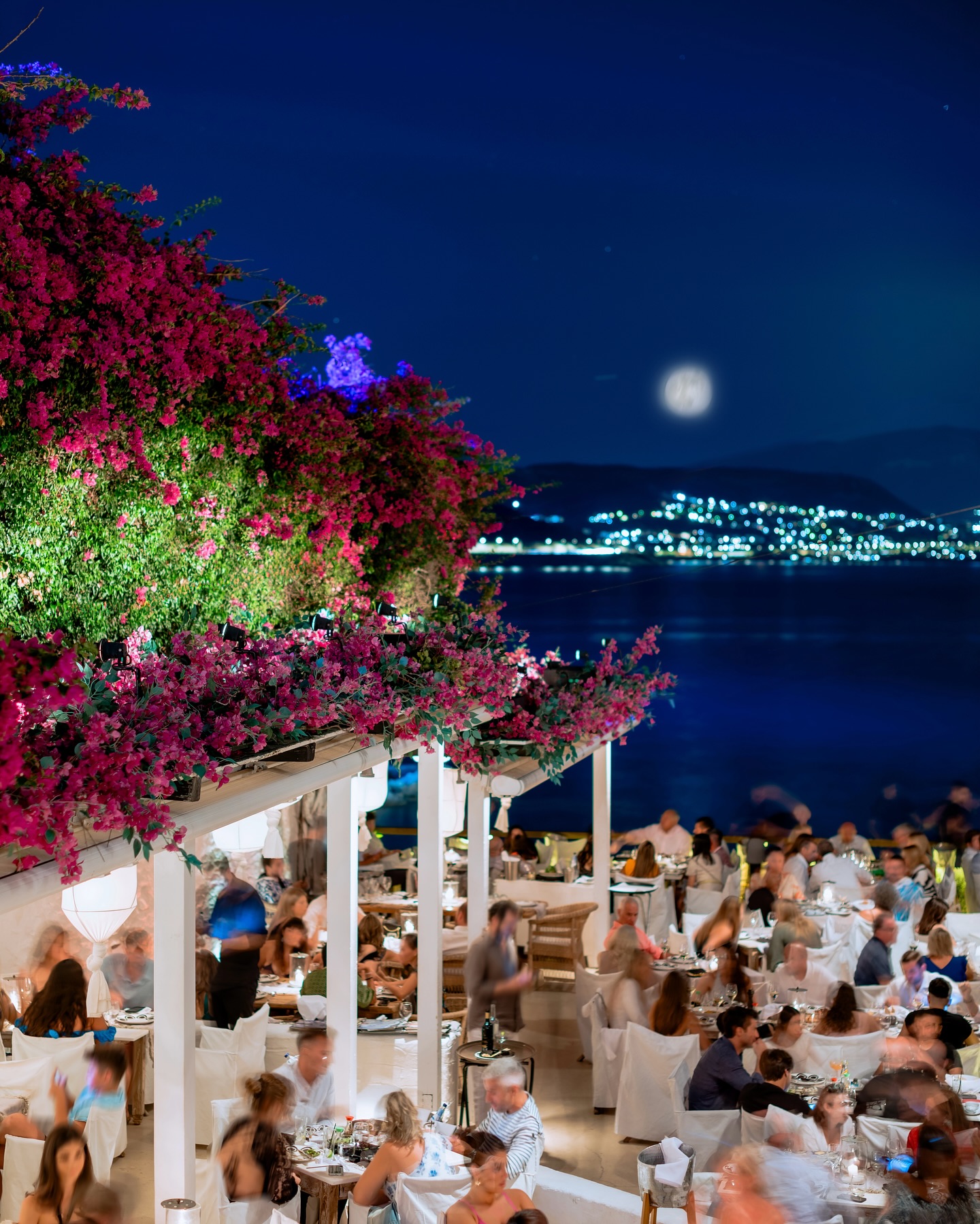
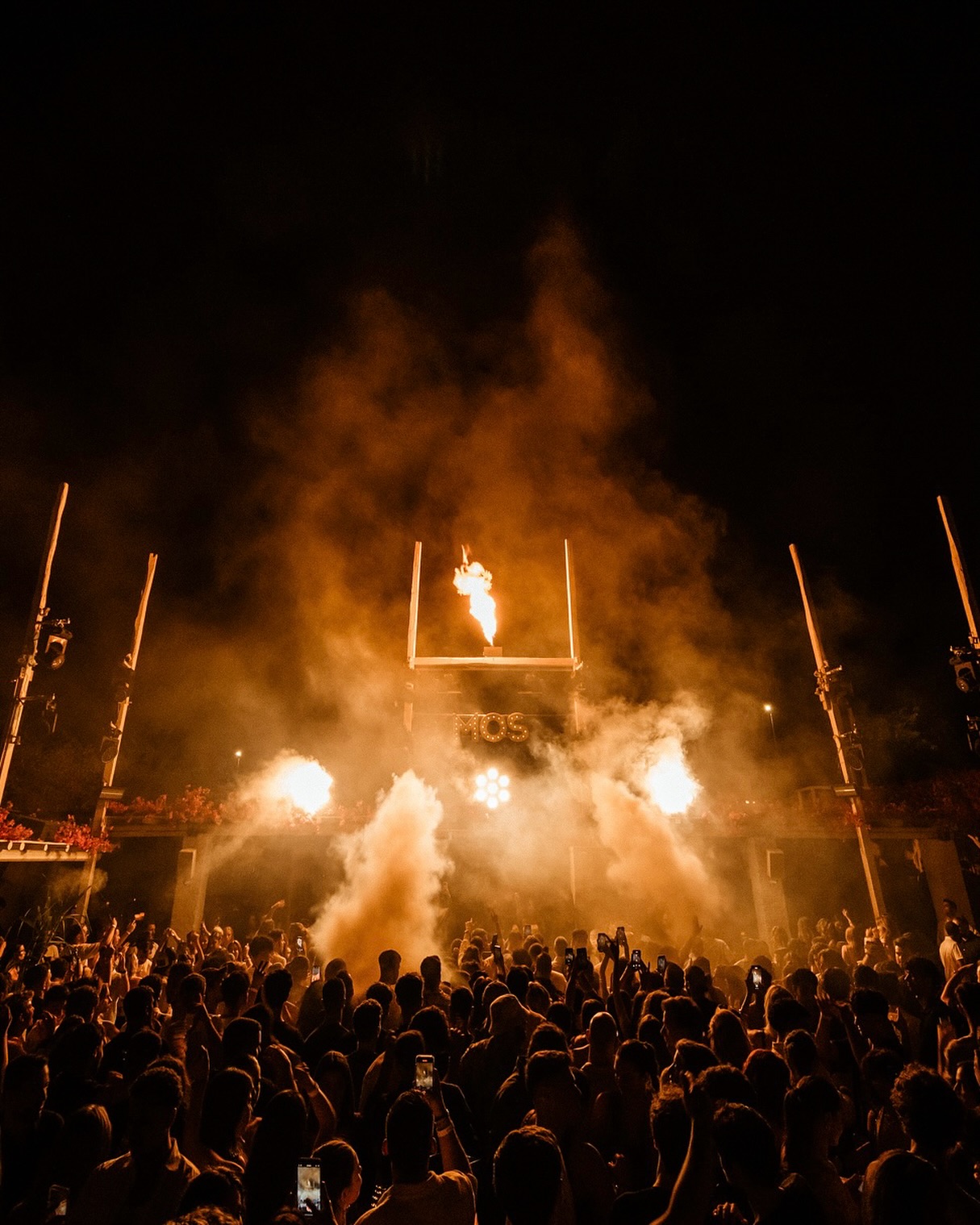
Island closes the Coast Day cleanly. The whitewashed (spectacular) open-air restaurant and club, set on a private rocky promontory 27 kilometers south of central Athens between Varkiza and Vouliagmeni, has been the Riviera’s late-night anchor for over 20 years, and on the holiday it hits a particular note: a long Mediterranean dinner that drifts into a DJ set, the Saronic Gulf in the dark below, and the city quietly waiting back behind you for Tuesday morning.