






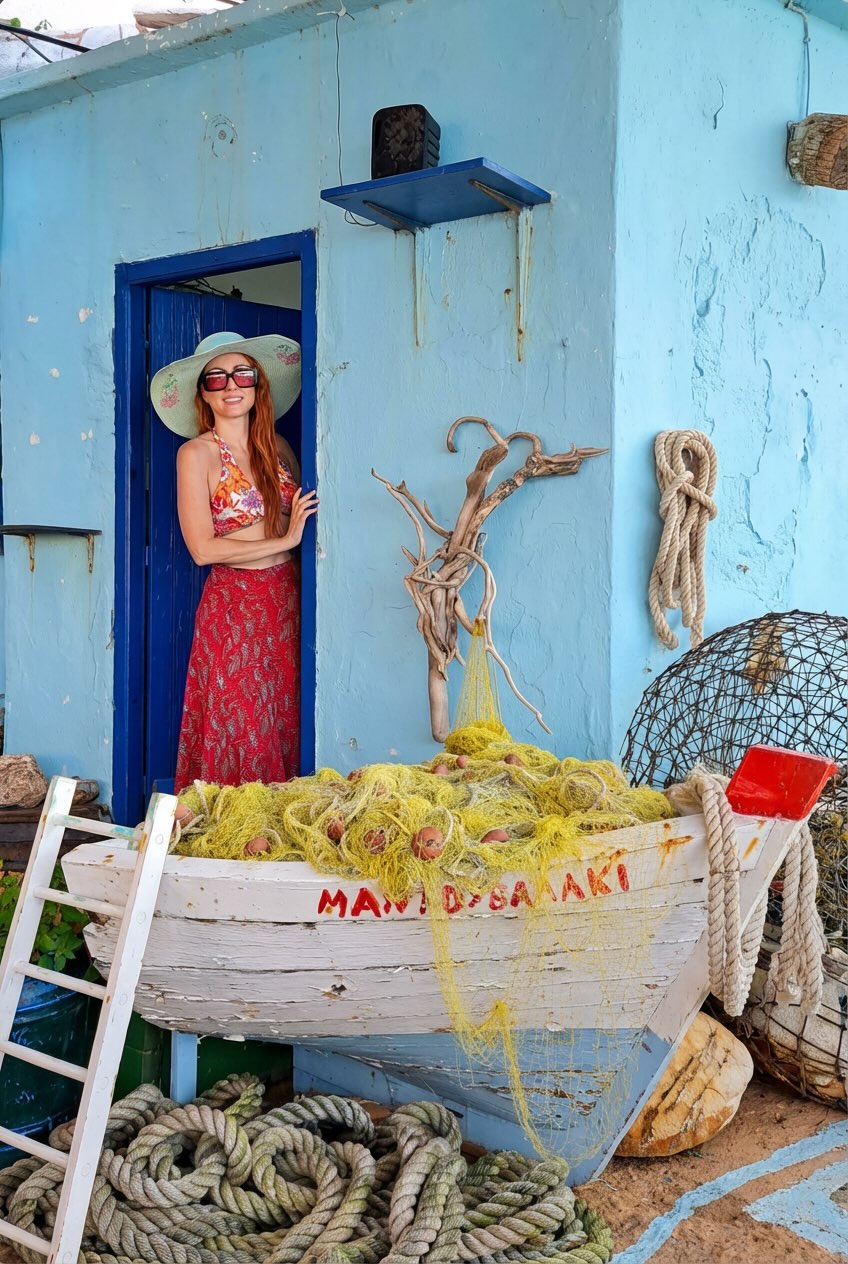


Ikaria, or Nikaria as locals also call it, is a place that feels almost impossible to place in time. It has never quite moved in step with the present. Much has been said about this singular island, and nearly everyone who has visited it seems to come away with a memorable story. For some, it may be just another destination. For me, it is far more than that. It is half my homeland, through my mother’s side of the family.
Ikaria is an island of feeling, atmosphere, and ways of being. Its distinct character comes not so much from its natural beauty, though it has that in abundance, as from its people. Ikarians have learned to philosophize about life. They are, to a remarkable extent, free of rigid expectations and social constraints. One of the most admirable things about the community is the ease with which people of all ages coexist, and the fact that each person’s difference has never really been treated as an issue. You will not find formality on the island, which can sometimes be misunderstood, but you are guaranteed to find warmth and hospitality. Another quality of local life, far from a given in much of rural Greece, is the presence of women who are strong, dynamic, and creative.
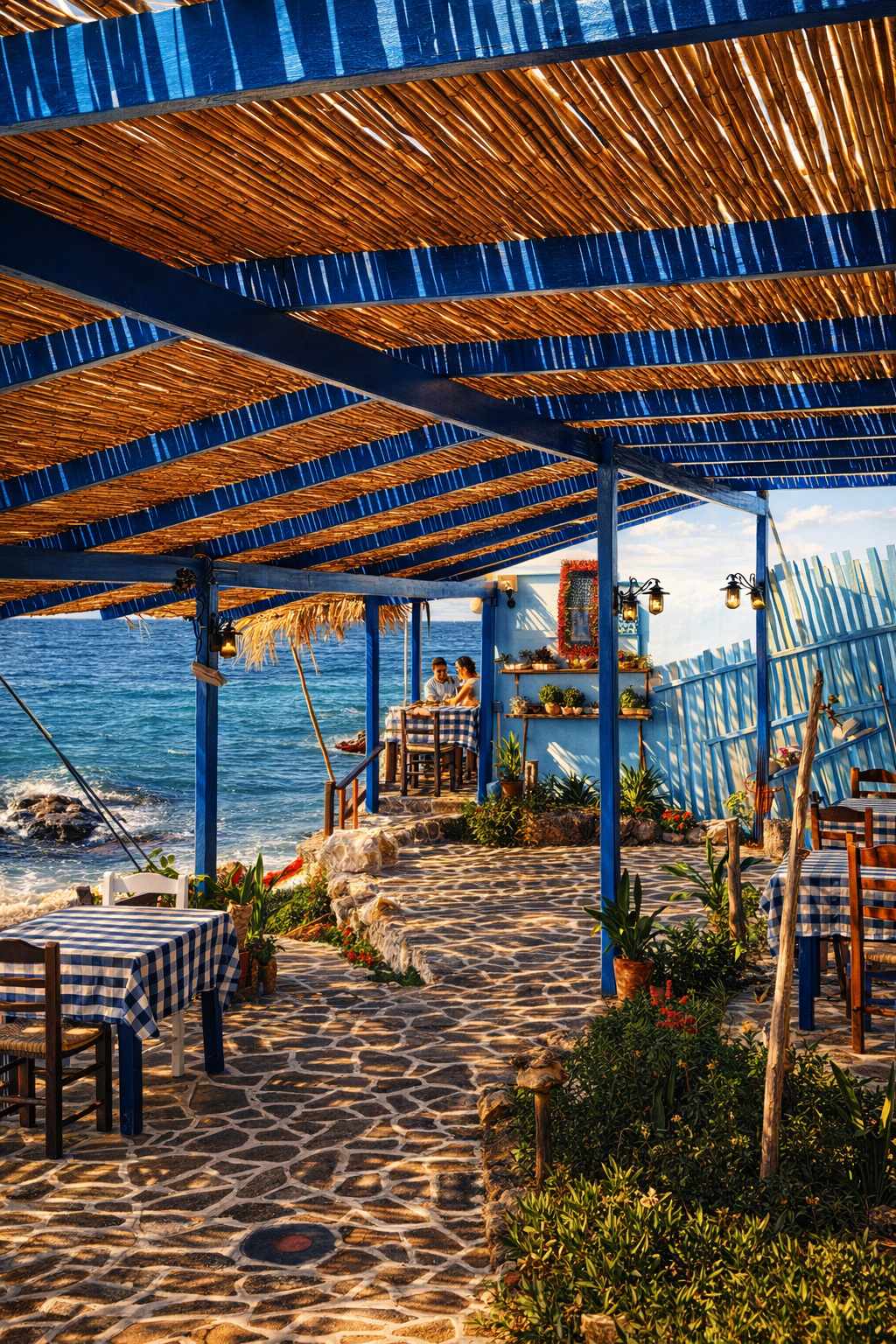
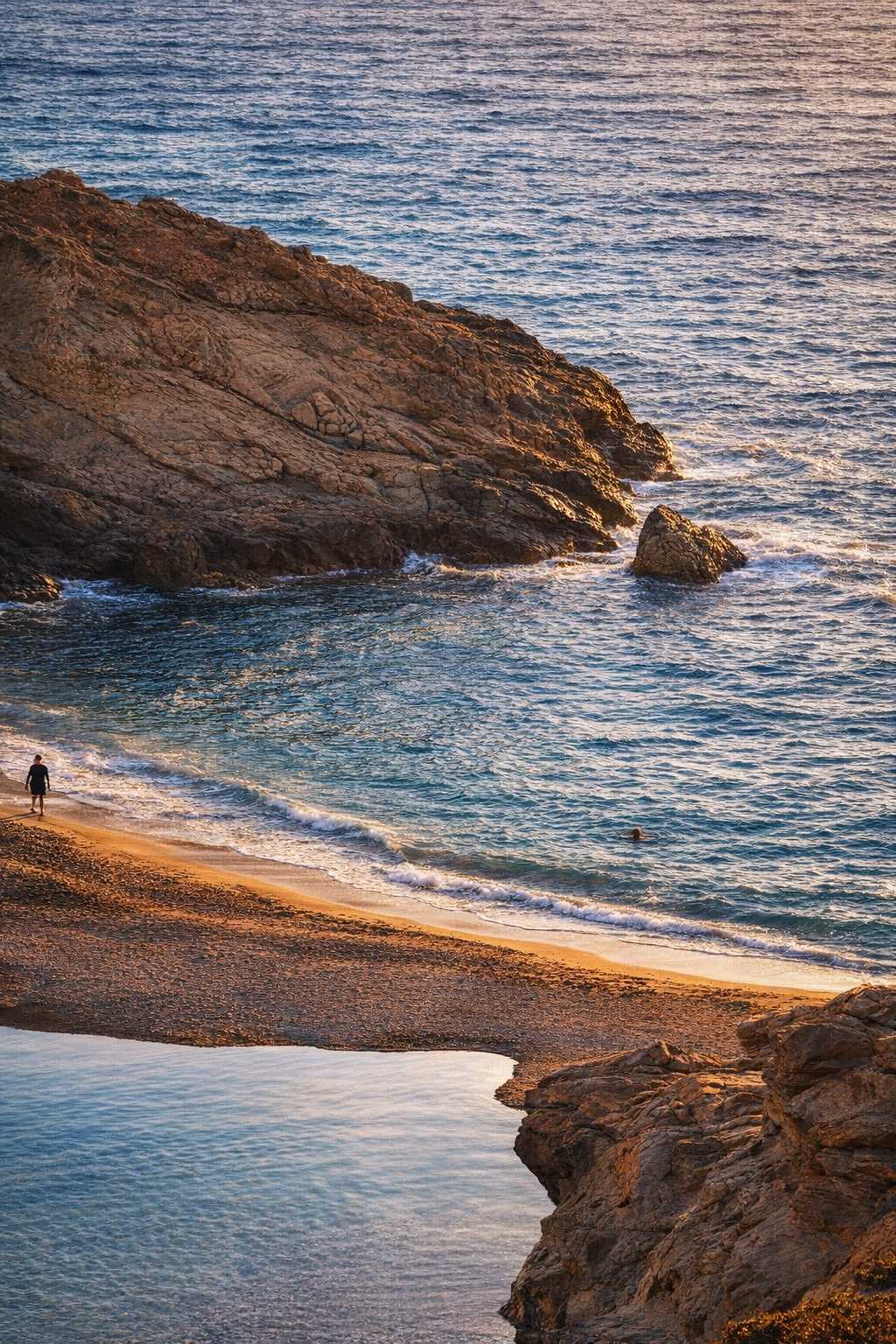
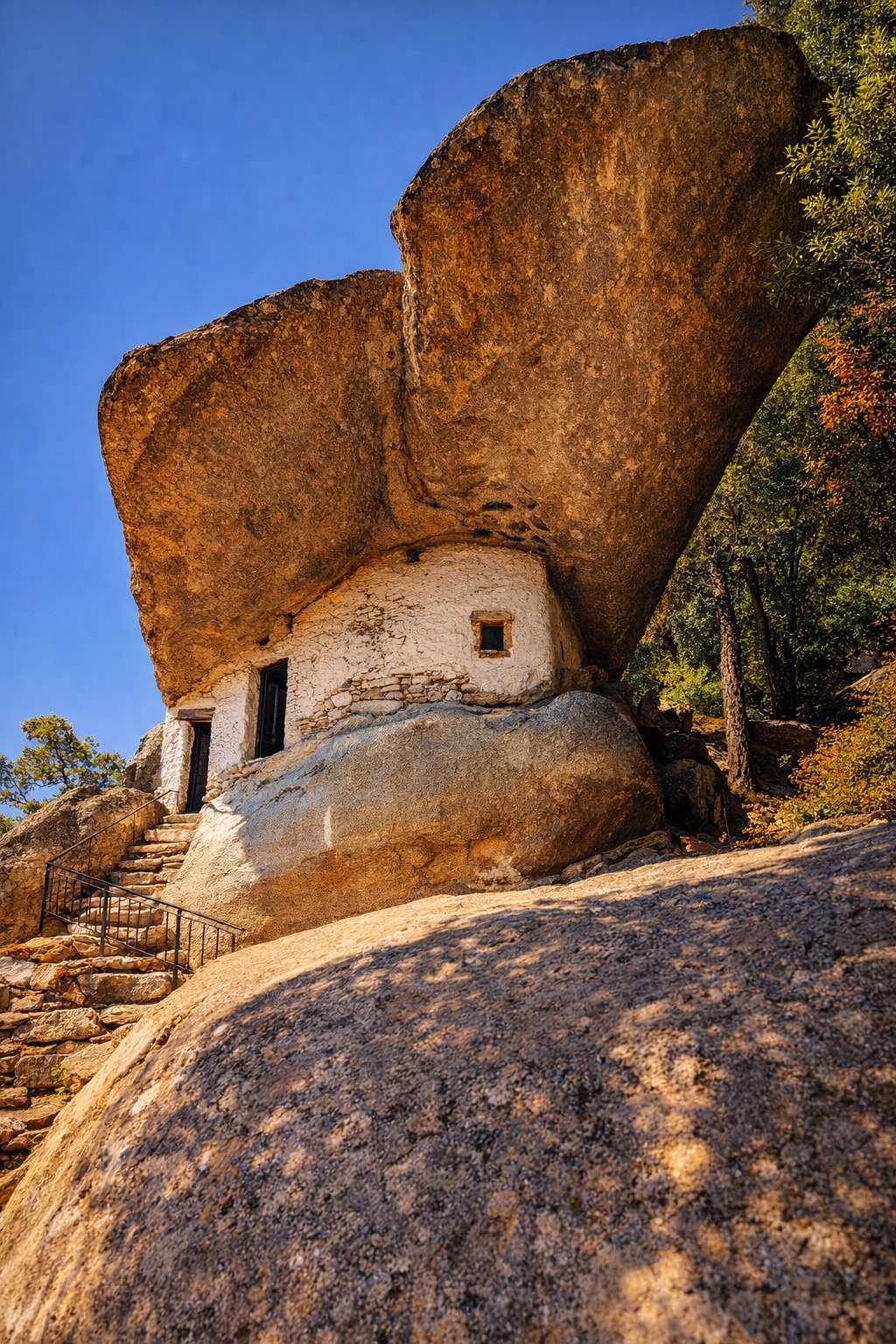
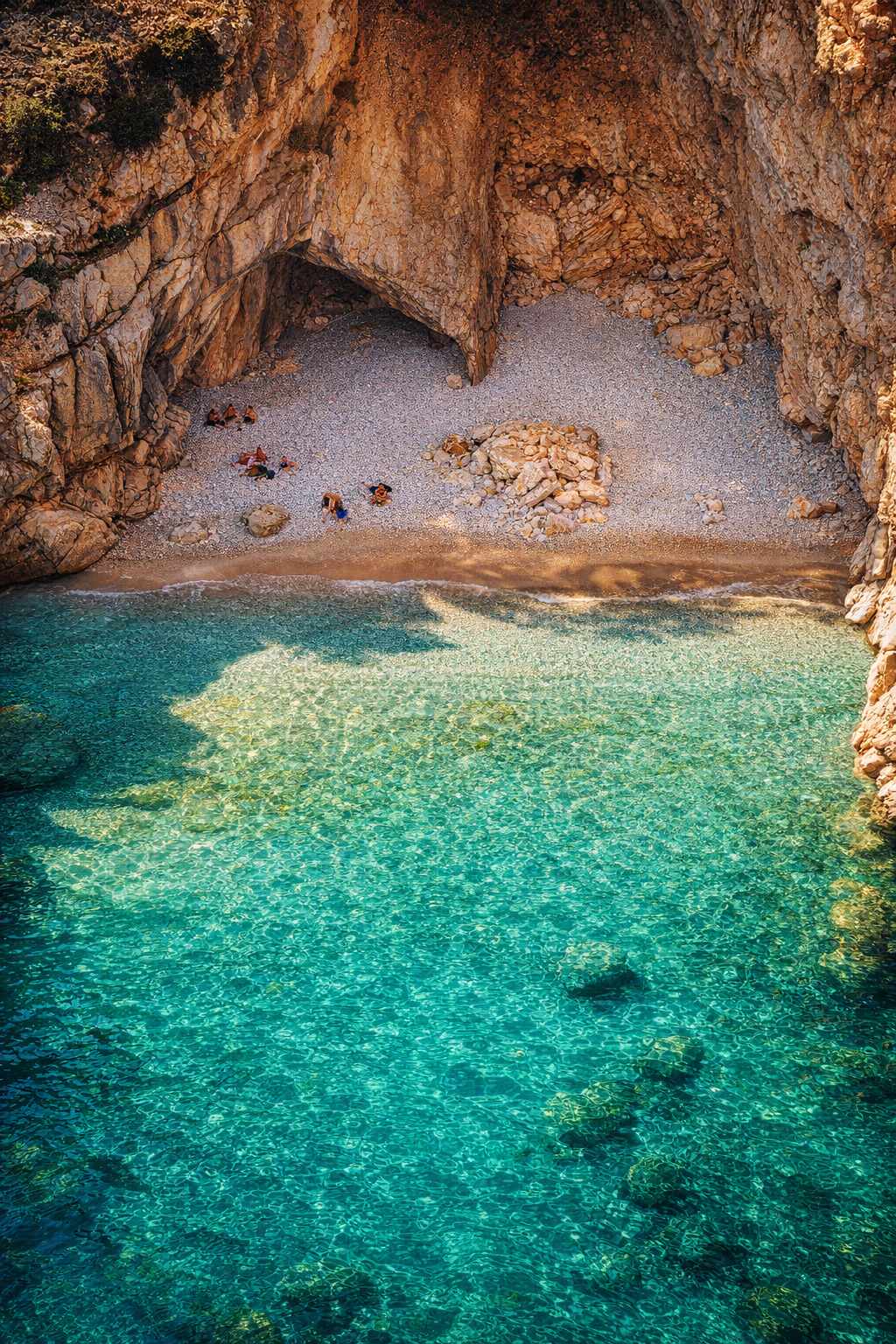
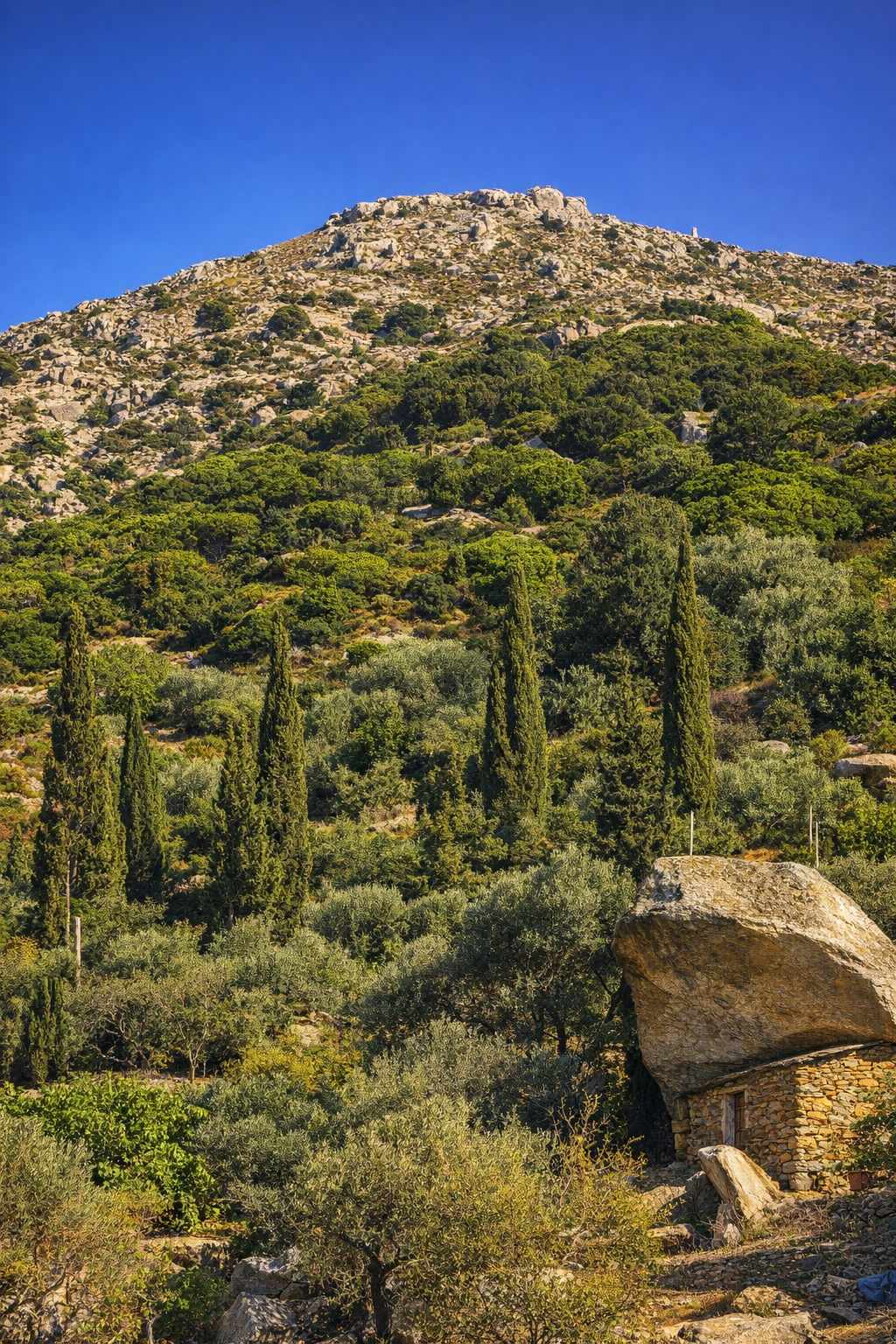
Ikaria’s landscape changes constantly. There is vivid green, long stretches of sand, sheer cliffs, deep red rock formations, and picturesque mountains. One of the things most visitors notice is how different the northern and southern parts of the island are, so contrasting, in fact, that at times you feel as though you have crossed onto another island altogether.
What I love most about my place is that it still carries the innocence of another era. House keys are still left on the outside of the door. Visits and meetings happen without phone calls or messages to arrange them. That looseness, that absence of anxiety, quite literally makes time stand still. There is a reason, after all, for the expression “Ikarian appointments.”
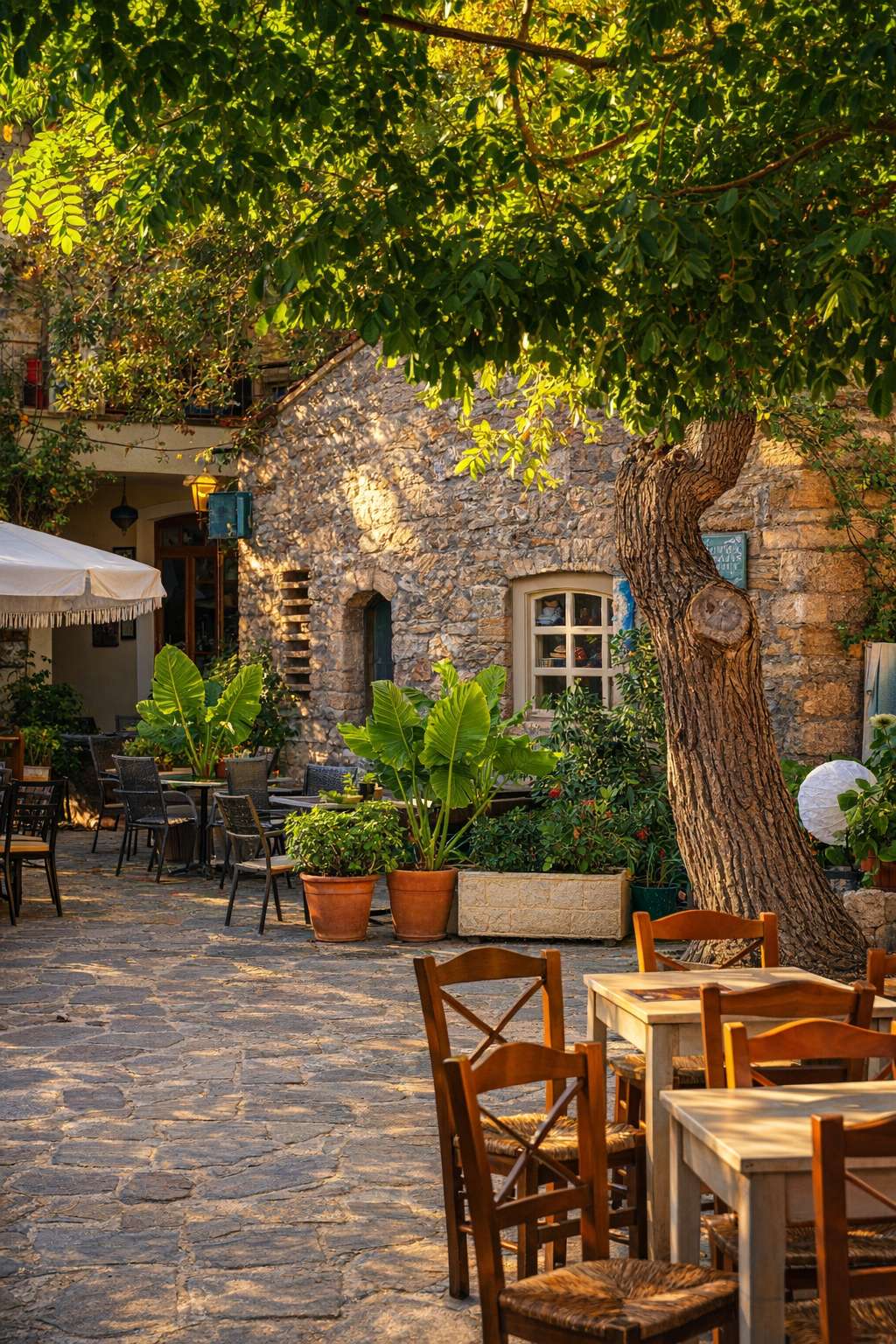
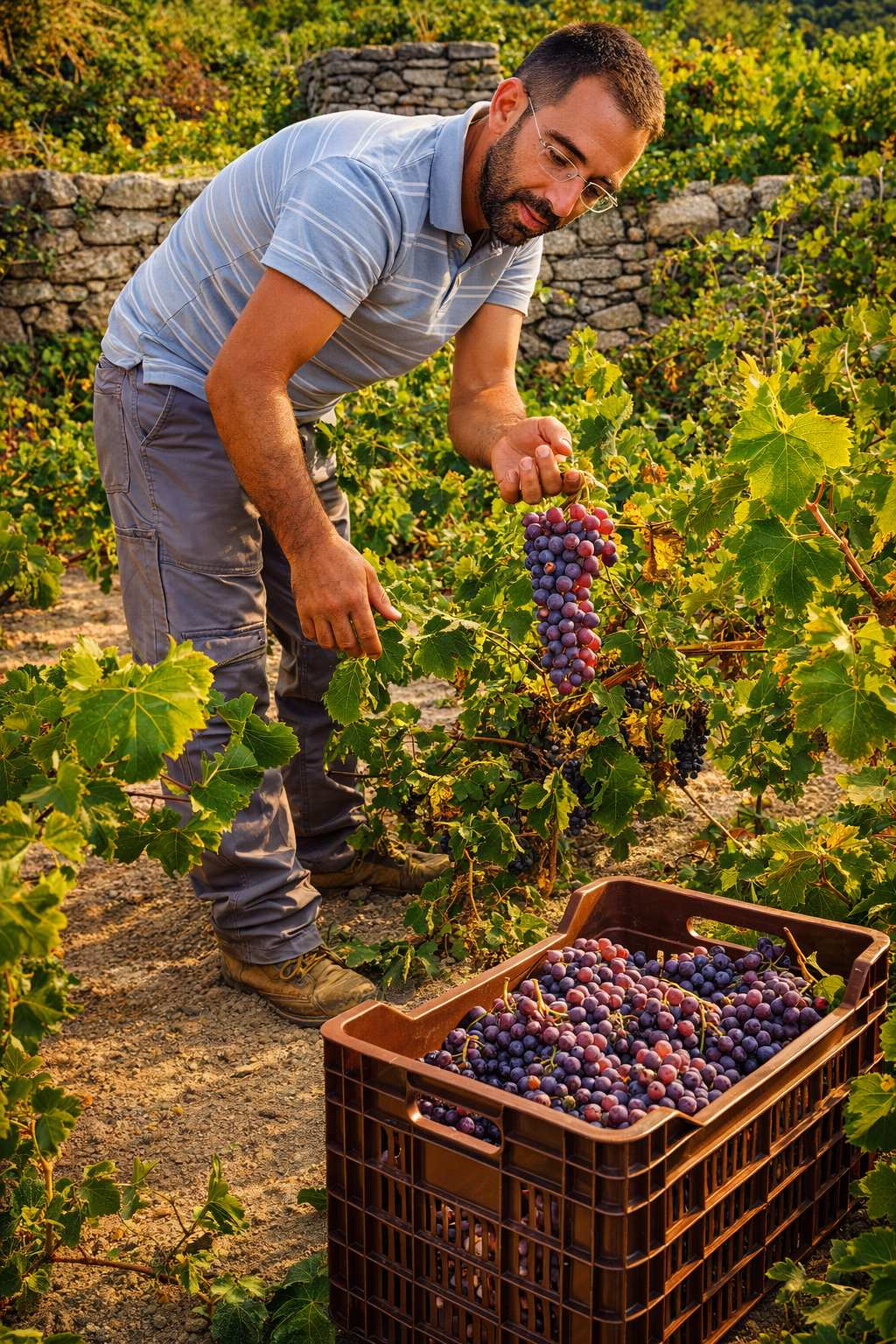
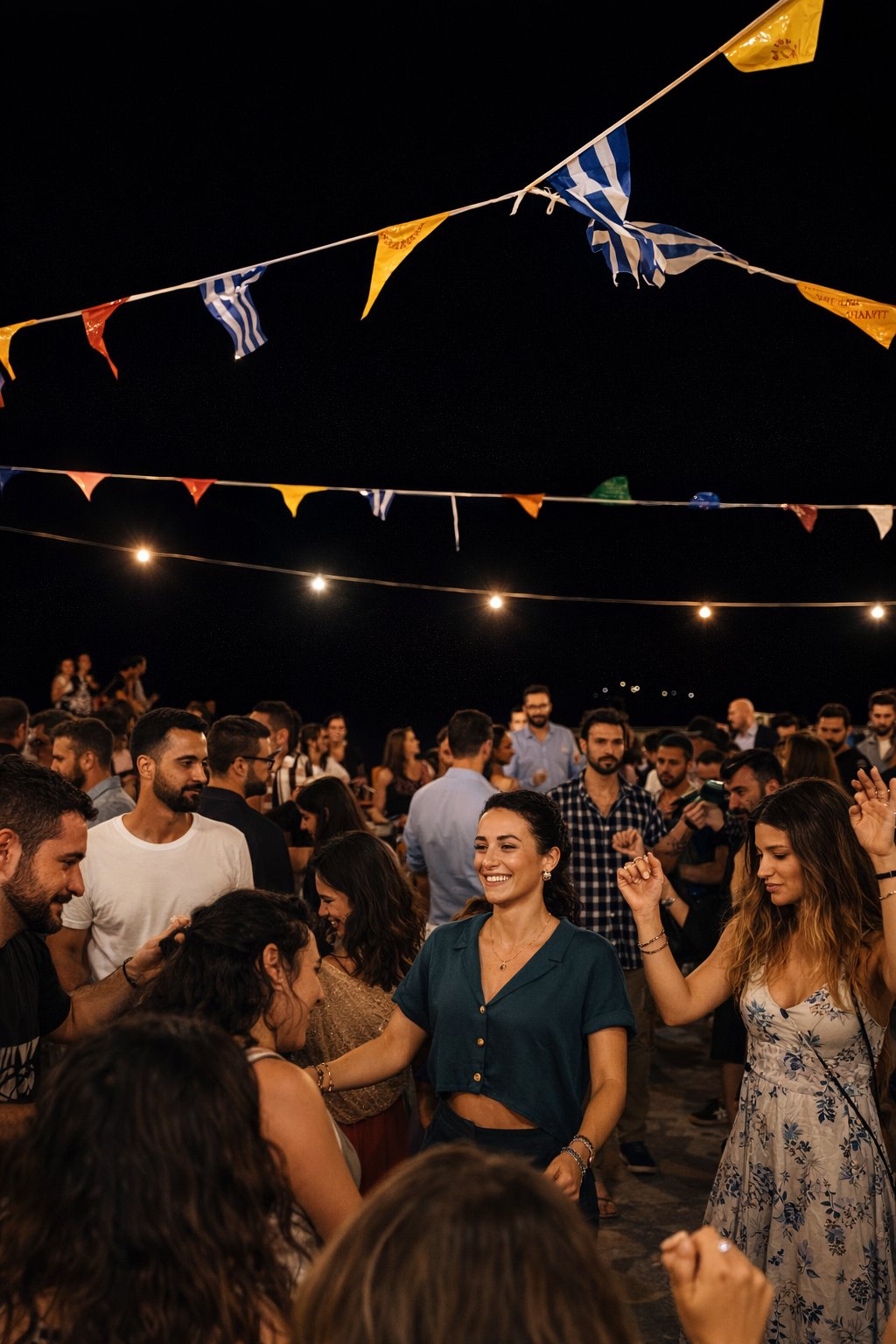
The island’s festivals are one of the main reasons so many people return every year, and with good reason. They do, however, require stamina. The dancing goes on until morning, and the local wine is famously strong. At these gatherings, everyone becomes one. There are the locals, easy to recognize up close because they always dress well for the occasion; for them, the festival is a true celebration. Then there are those of us who come from Athens, arriving in a lighter mood, often taking the chance to speak with relatives we rarely see. And then there are the backpackers, usually free campers, whom we call grouvaloi and who have become an inseparable part of Ikaria.
All of us together, beneath the plane trees, with the unmistakable violin that always accompanies the festivities, link arms and dance the Ikariotikos as though tomorrow does not exist. The experience is almost Dionysian.
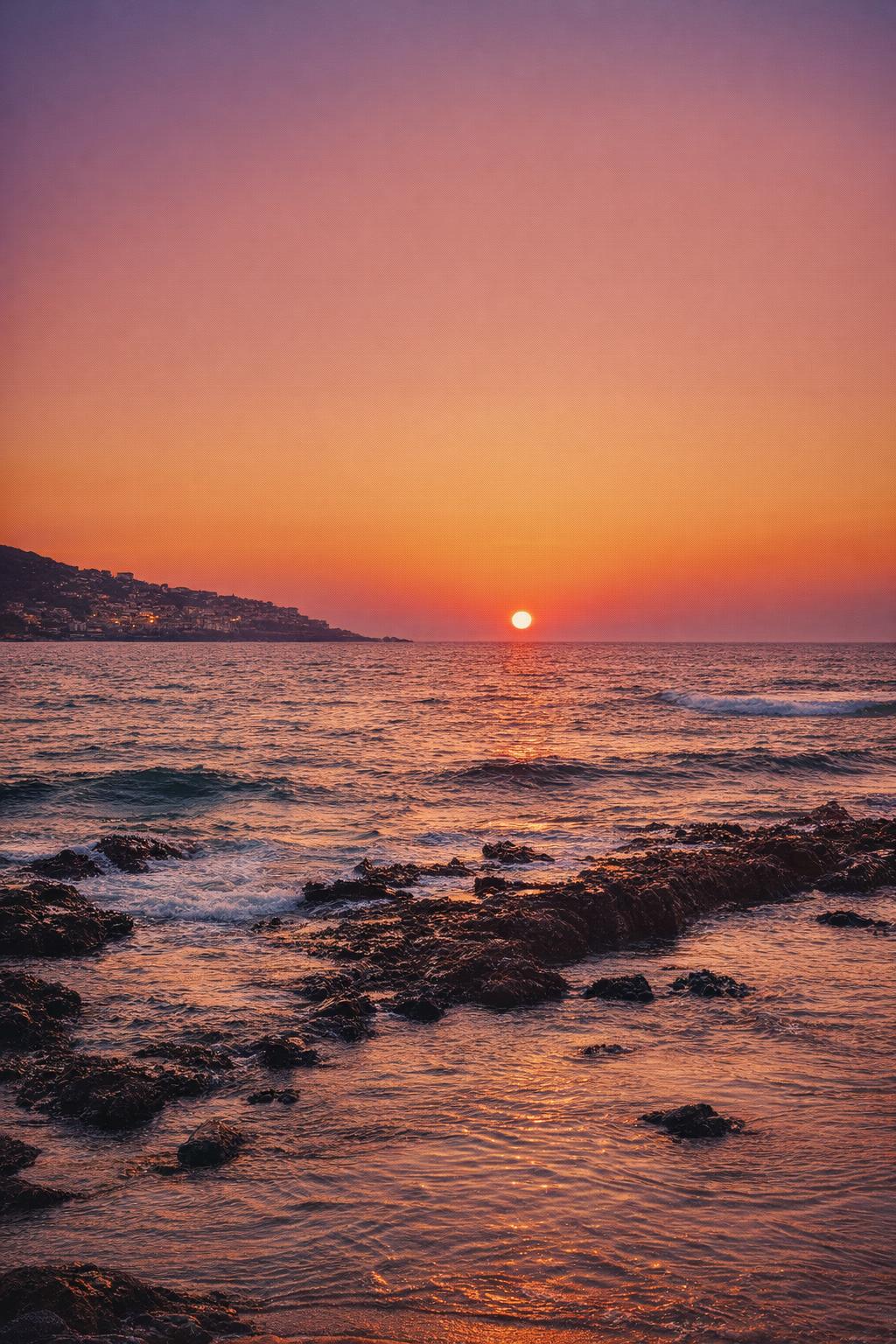
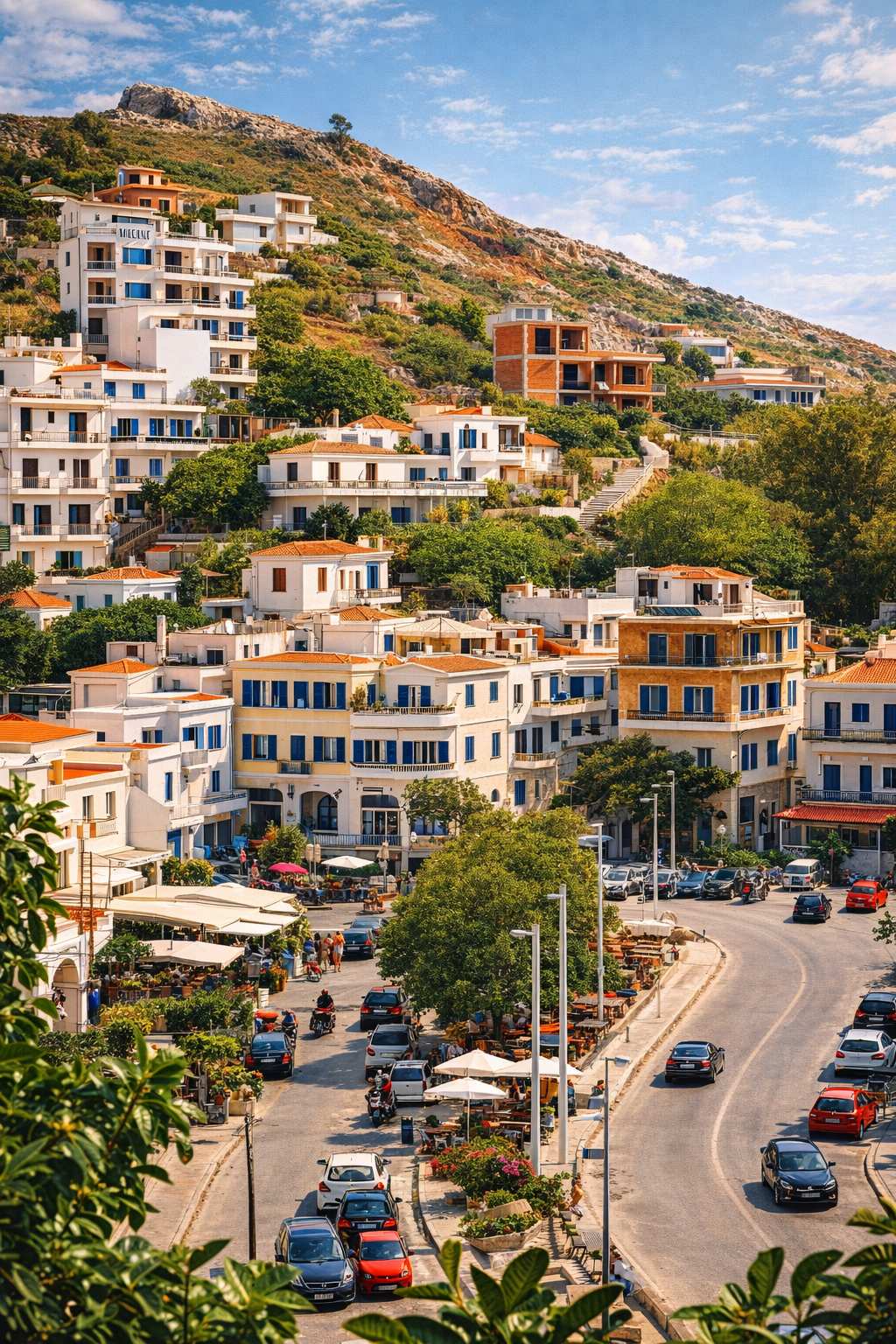
As summer approaches, so does the time for my return to the island. I will swim in the waters of Mesakti, hoping I do not arrive during the season of strong northern winds, because the sea there can be dangerous. I will eat at the tavernas in Armenistis looking out over the water. I will take long walks around the port of Evdilos. I will sit at the traditional village café in my village, Akamatra, a beautiful traditional settlement. I will dance the Ikariotikos at the festivals. Above all, I will take comfort in the fact that Ikaria still resists the madness of our age.
Traveling to Ikaria is the only experience that brings me back into contact with my childhood, and whenever I am there, I feel that nothing inside me has really changed.


