






In Greece, the green-island narrative has long suffered from a certain decorative fatigue. For years, it has been defined by well-meaning beach cleanups, municipal recycling slogans, and glossy, far-off master plans presented at mainland conferences. But on a handful of small islands in the Aegean and Ionian seas, sustainability has quietly transitioned from a marketing pitch into actual, functioning infrastructure.
These are places where the daily rhythm is now dictated by hybrid wind-and-solar grids, door-to-door waste separation, and community-owned energy cooperatives. The scale, of course, is modest. These are small communities with limited footprints, but that is precisely where their value lies. A small island functions as a closed-loop laboratory. It shows us, with absolute clarity, what actually works, what remains frustratingly difficult, and what the rest of the Mediterranean might realistically copy.
To be clear, none of these destinations has discovered a magical escape from the realities of modern travel. They still rely on diesel-burning ferries, imported goods, seasonal surges in tourism, and fragile supply chains. Their true interest lies not in a fantasy of flawless, carbon-neutral isolation, but in the tangible systems they have managed to build, test, and run. For the traveler who looks closely, these islands offer something far more compelling than a standard vacation: a window into how communities actually adapt.
We have written this with more technical detail than our usual travel coverage. It seemed the only honest way to tell the story.
01
Tilos
A closed-loop community where landfill has been replaced by door-to-door sorting.
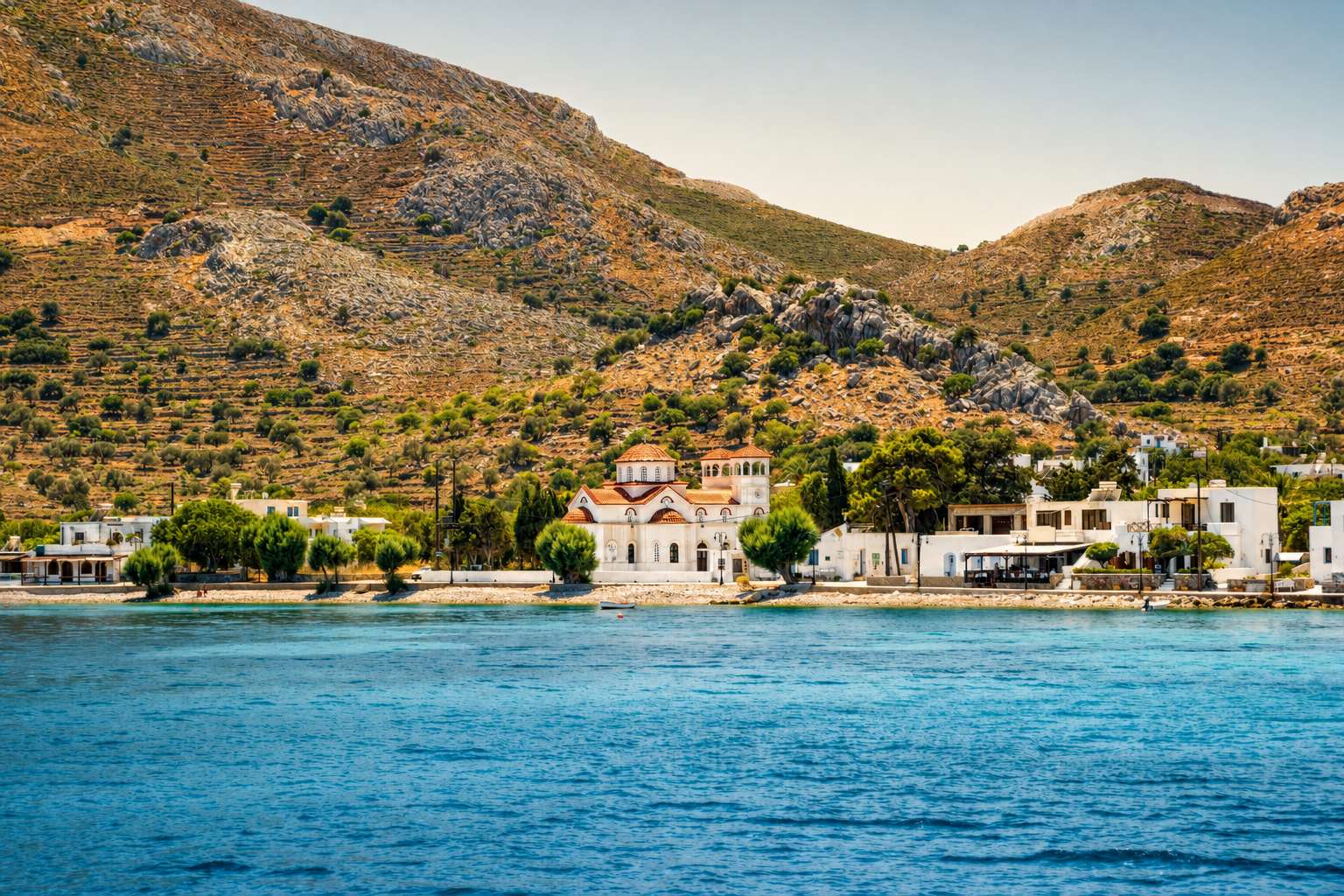

Tilos is the strongest green-island story in Greece because its progress is no longer limited to one area alone. The island first became known internationally through the TILOS Project, a hybrid renewable-energy system that combined wind power, solar energy, and battery storage on one of the smaller Dodecanese islands. That project placed Tilos in the European conversation about how remote islands can reduce dependence on imported fuel and diesel-based electricity.
The more striking story today is waste. Before the Just Go Zero initiative kicked off, the island was sending most of its waste to landfill and had no complete system of selective collection. The change that followed was practical and visible. Public bins were removed. Waste began to be collected door to door. Households and businesses separated materials at source. Organic waste, recyclables, and special waste streams were handled through a circular system. The landfill was closed.
International and Greek coverage has made Tilos one of the clearest examples of island-wide behavioral change in the Mediterranean. Reuters revealed that the island’s 745 residents reduced their waste by almost 40% in one year, while only 12.6% of the remaining waste was non-recyclable. Other circular-economy sources have placed the island’s recycling and composting performance close to 90%. Greek reports describe how the pilot began with a small number of homes and expanded across the island, turning household participation into a municipal system.
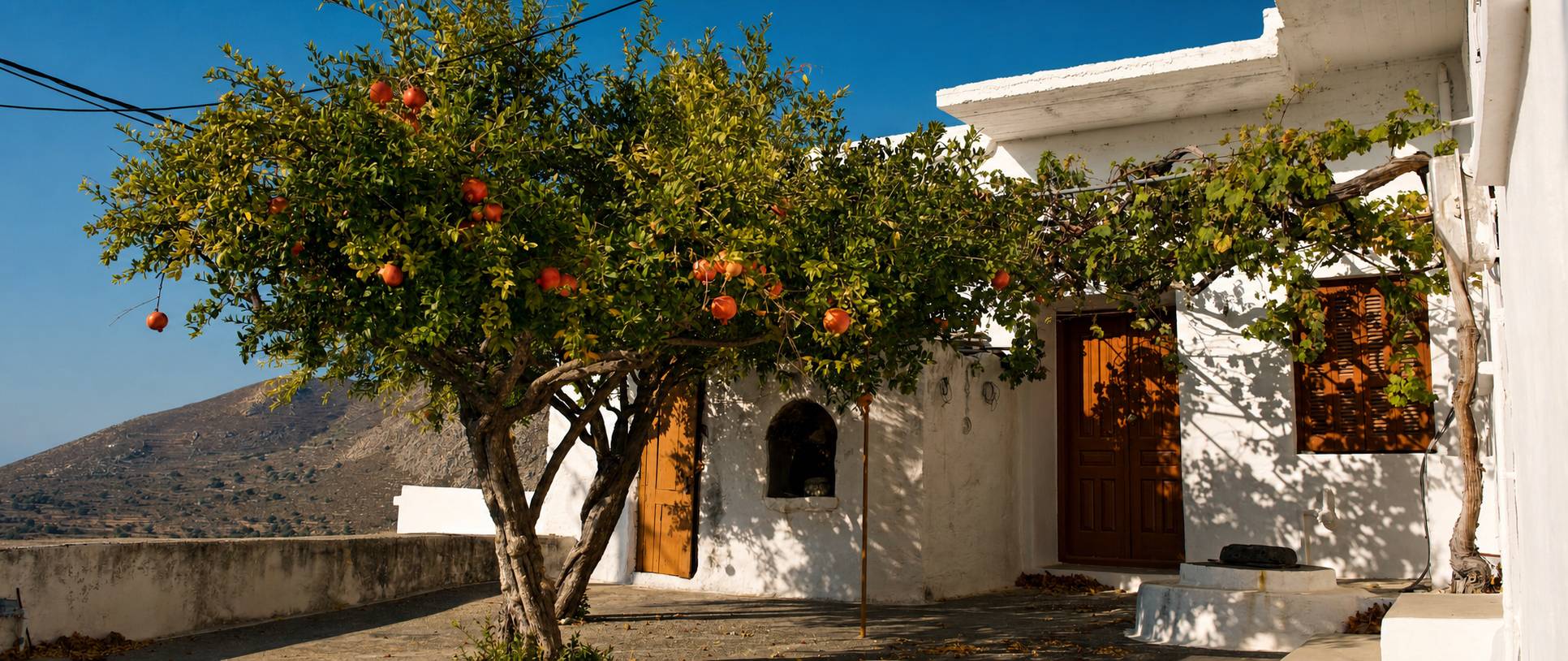
What gives Tilos’ story its power is the daily nature of it. Plastic bags, plastic packaging, plastic bottles, hard plastic, paper, glass, aluminum, food waste, clothing, batteries, and appliances all need different routes. This is not a decorative green identity added to a pretty island. It is a change in how every resident, shop, taverna, hotel, and visitor handles what they leave behind.
For travelers, the island’s environmental profile fits its character. Tilos is quiet, small, and rich in walking routes, birdlife, beaches, and protected landscapes. It also carries one of the Aegean’s most unusual natural-history stories: the cave of Harkadio, where the remains of dwarf elephants were discovered. The island now links deep time, biodiversity, renewable energy, and circular waste management in a way few Greek destinations can match.
How to Visit Without Breaking the Model:
Skip the public bins. Follow the local household rules by separating your organic waste, recyclables, and non-recyclables directly at your accommodation.
02
Agios Efstratios
A remote outpost testing self-sufficiency through wind, solar, and district heating.
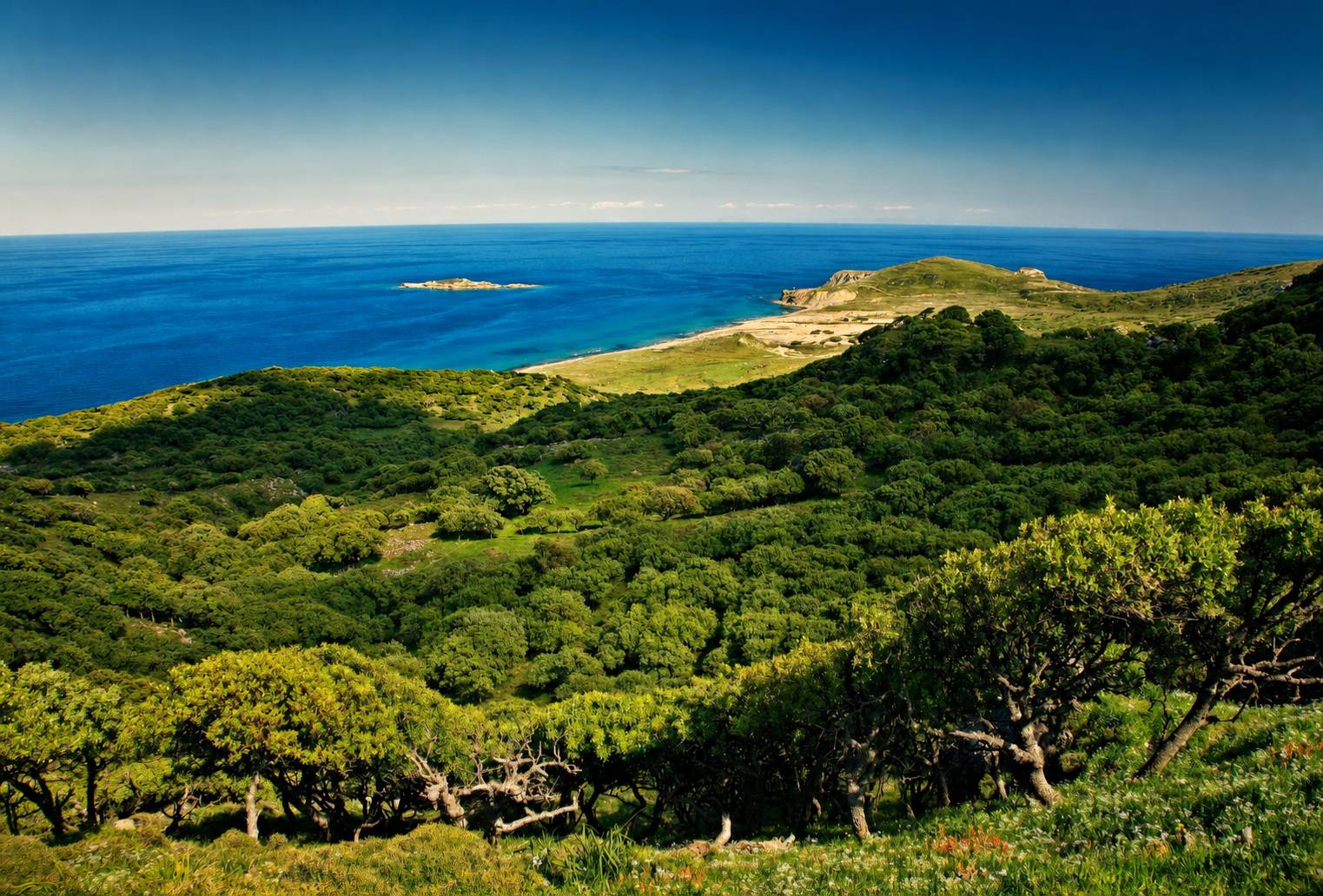
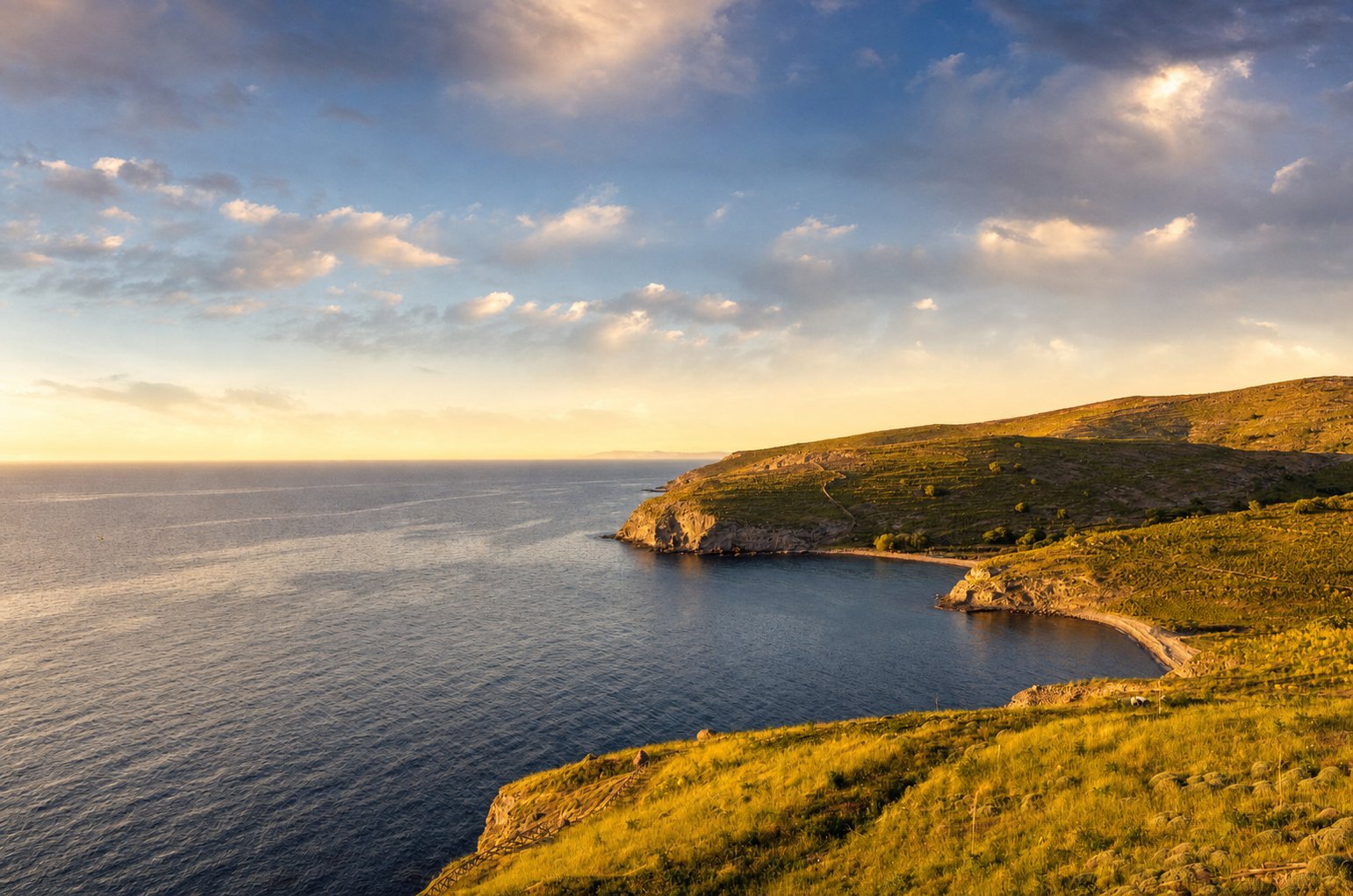
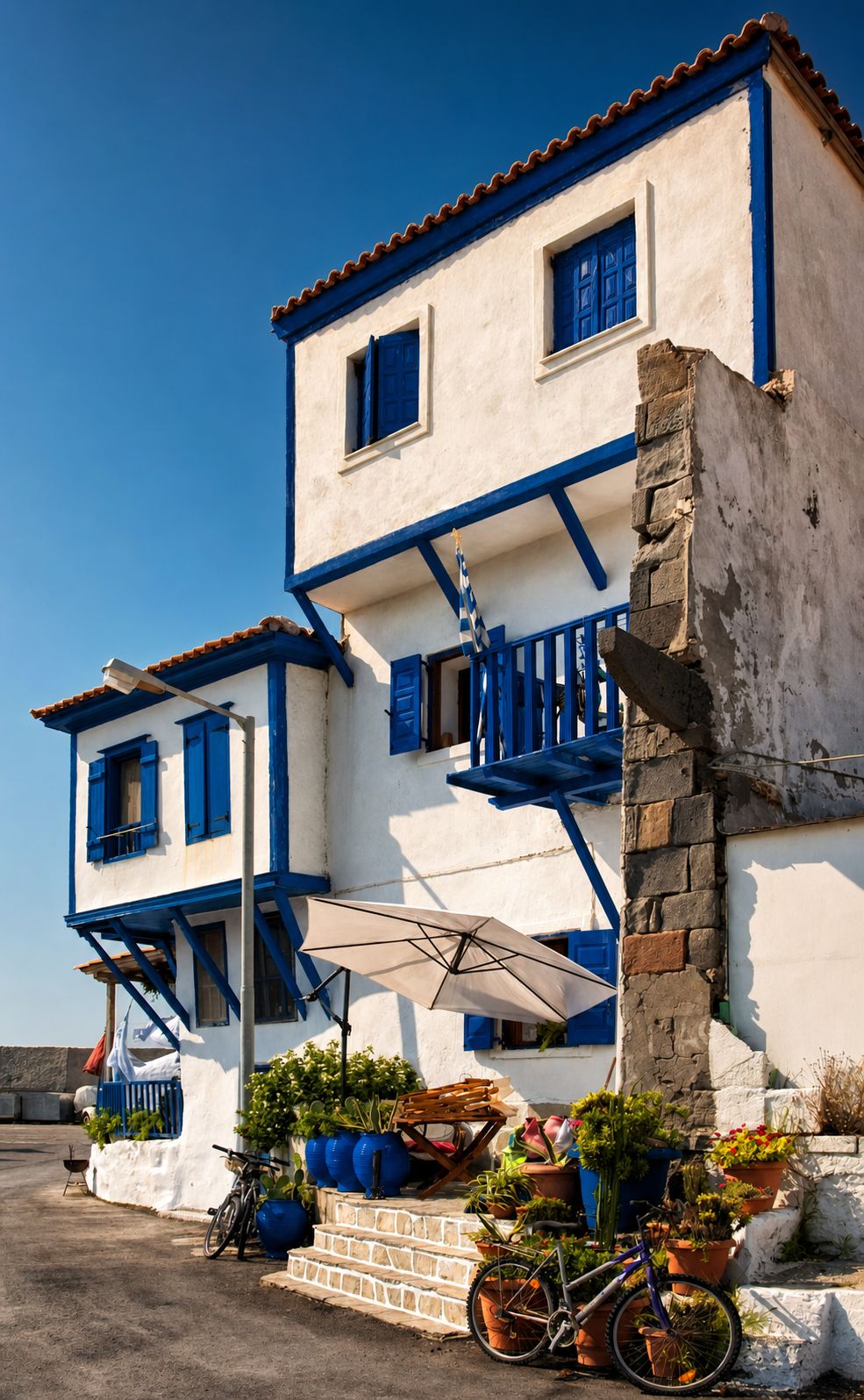
Agios Efstratios, usually called Ai Stratis, belongs near the top of any 2026 list because its green transition has moved into operating infrastructure. This small northern Aegean island has long carried a history heavier than its size suggests. For much of the 20th century, it was known as a place of exile. Today, it is also becoming known for one of Greece’s most serious energy experiments.
The Ai Stratis Green Island Project is built around a hybrid system that combines a wind turbine, photovoltaic station, battery storage, electric boilers, hot-water storage, and district heating. Its purpose is not only to produce renewable electricity, but also to use renewable energy for heating buildings and producing hot water. That distinction makes the project more important than a standard solar or wind installation. It addresses one of the ordinary needs of permanent island life.
The system includes a 900 kW wind turbine, a photovoltaic station, battery storage, electric boilers, and a district-heating network. Excess electricity can be stored, while heat can be distributed through the settlement. A conventional generator remains as backup, which is important to state clearly. The island is testing a high-renewables model, not a fantasy of perfect isolation from all conventional systems.
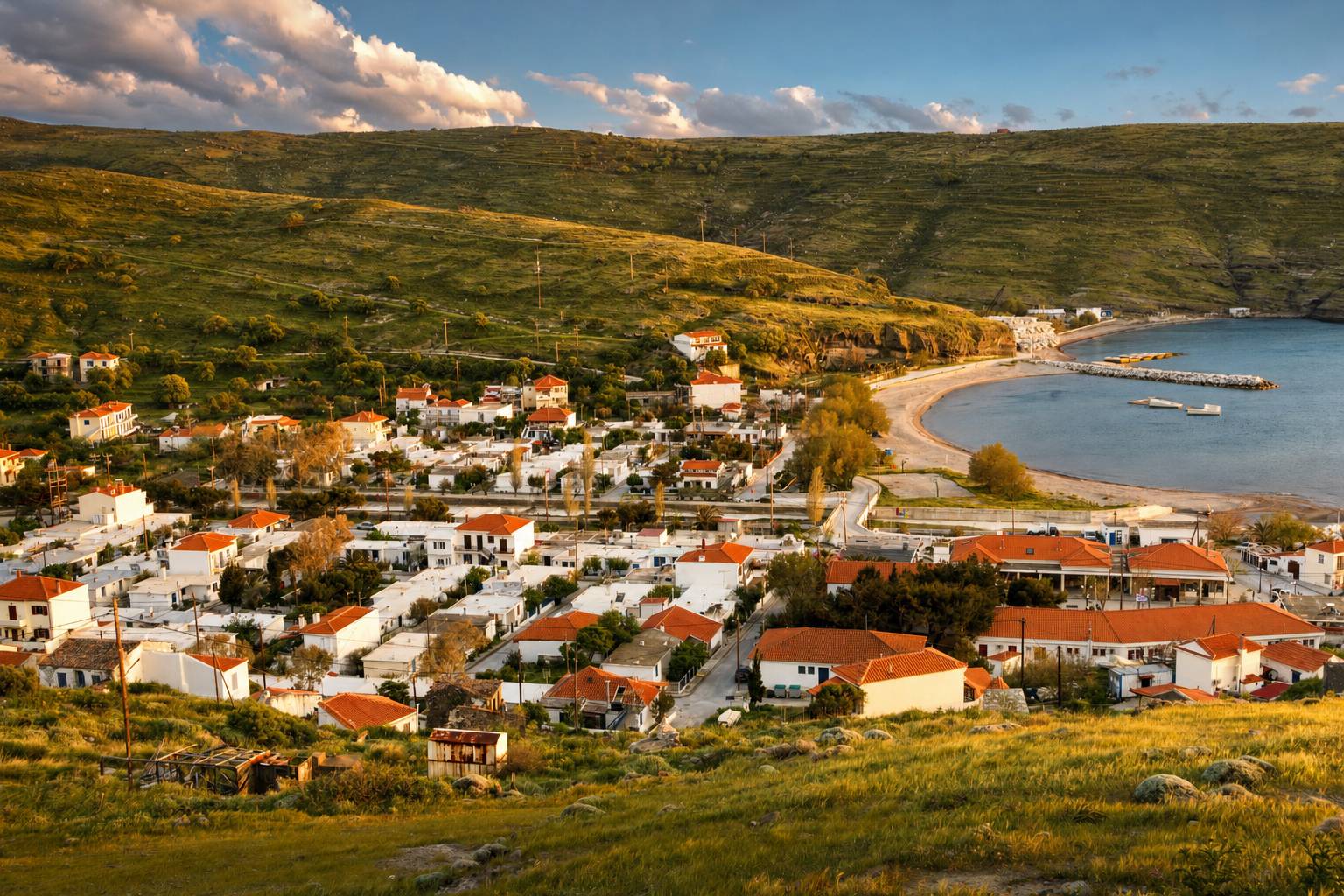
Recent energy-sector coverage has described the hybrid system as being in trial operation in 2025, while official project information presents it as an innovative model combining renewable energy and teleheating. In 2026, the project also received recognition at the Green Brand Awards. Its importance lies in replicability. Many Greek islands that are not connected to the mainland grid still depend heavily on fuel-based electricity production. Agios Efstratios shows how a remote island with a small permanent population can combine renewables, storage, heat, and energy management.
For a traveler, Ai Stratis is also a reminder that sustainability does not always arrive through glossy branding. Here, the story is infrastructural and sober: a small community, a difficult energy reality, and a system designed to cover everyday needs. The result is one of the most substantial green-island developments in Greece.
How to Visit Without Breaking the Model:
Tread lightly on resources. Remember that this remote community is managing a delicate, self-contained energy balance to heat their homes.
03
Halki
A solar cooperative that turns clean energy into lower household bills for its residents.
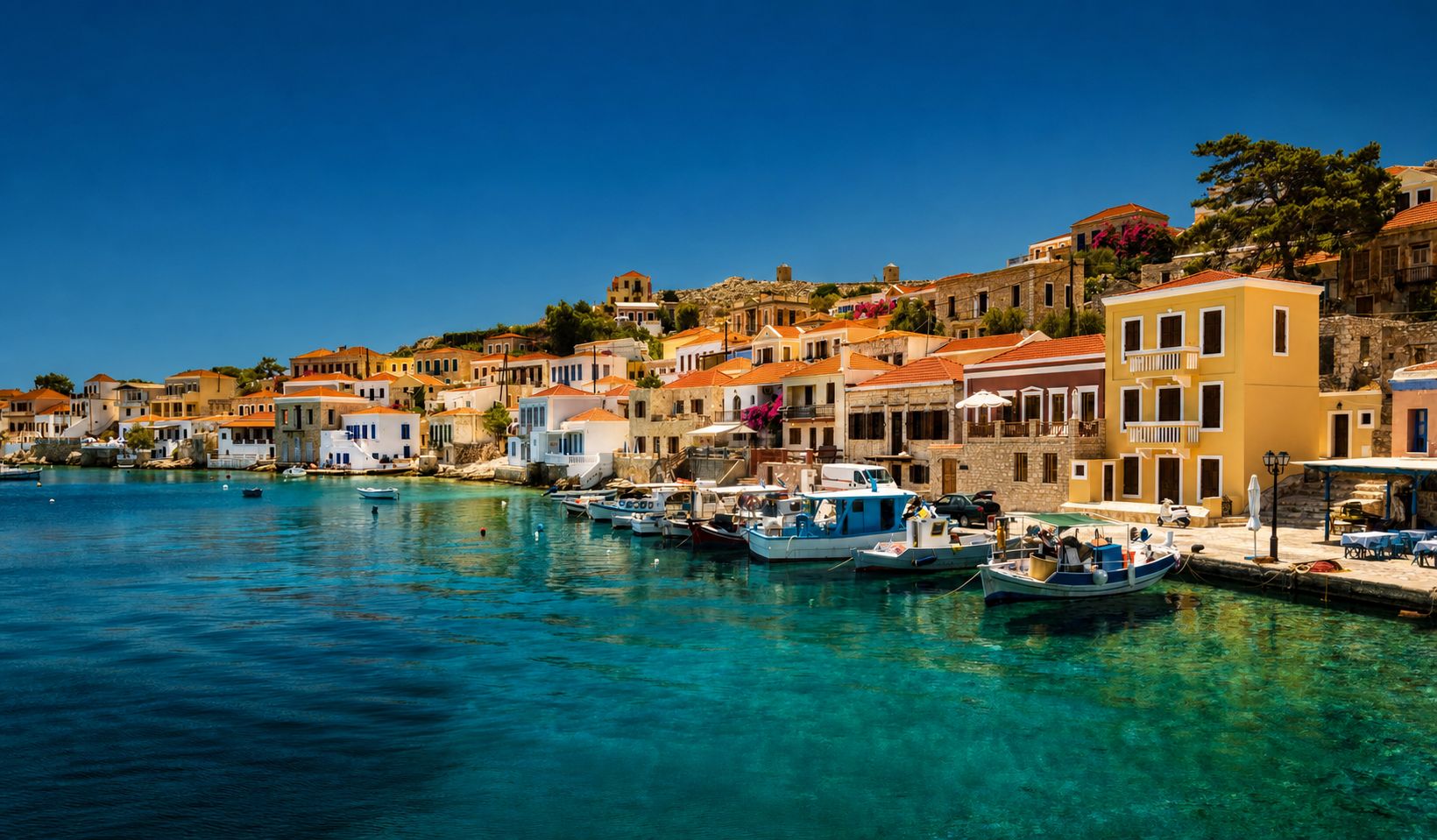
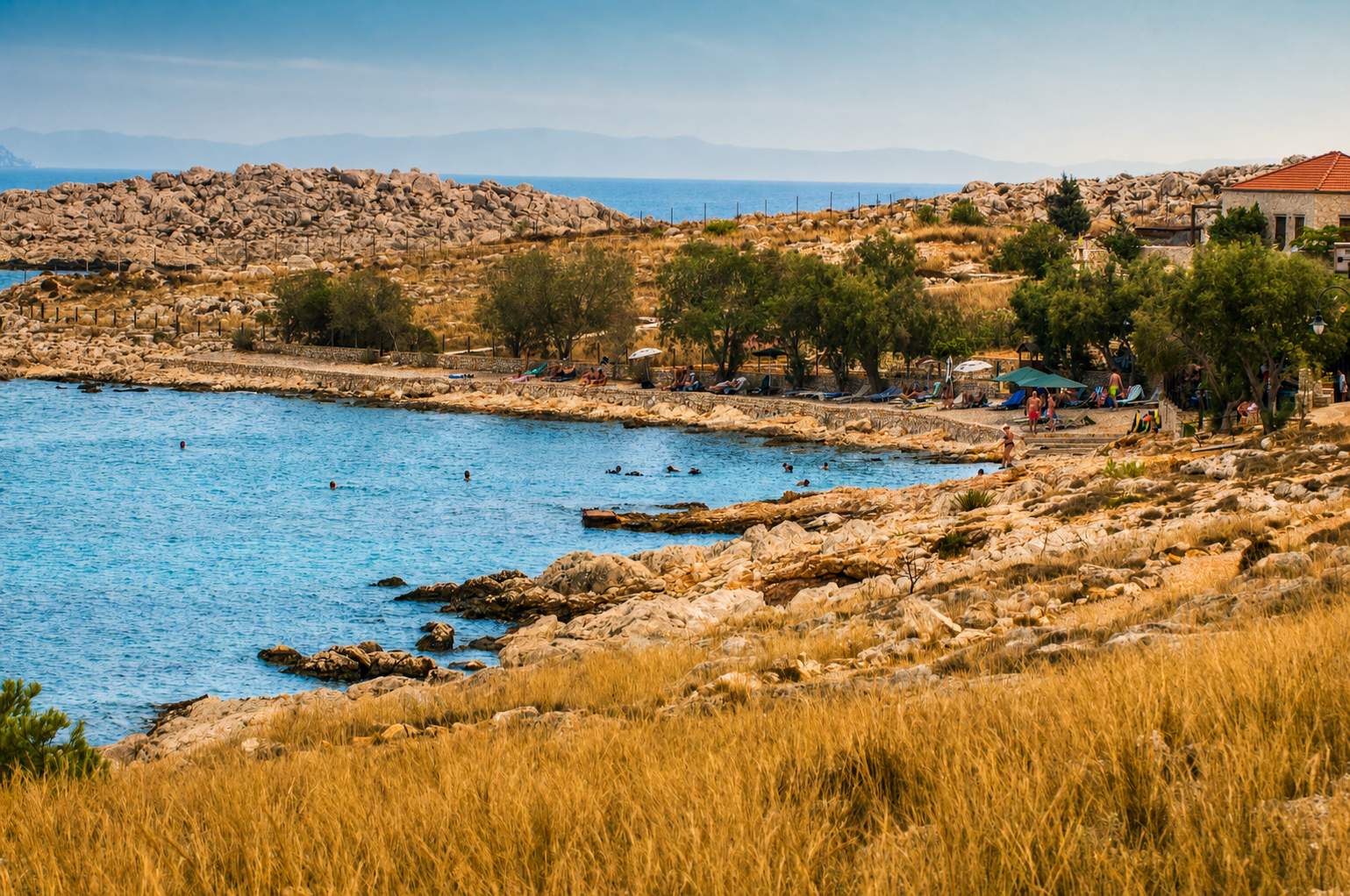
Halki became the first island in Greece’s GR-eco Islands initiative, and its strongest achievement is solar energy linked directly to local benefit. The Dodecanese island, close to Rhodes, has become a test case for what policy makers call energy democracy: residents and businesses gaining access to renewable electricity through a local energy-community model.
The heart of the project is a 1 MW photovoltaic park owned by the ChalkiON energy community. Through virtual net metering, the solar park helps cover local energy needs and reduce electricity bills for residents and businesses. This is what gives Halki’s project its force. The clean-energy system is not only a piece of infrastructure placed on an island. It changes the household economy of the people who live there.
Foreign and Greek energy coverage has focused on that point. Euronews presented Halki as a model for solar-power communities, while Greek energy press reported on the project’s impact after the island became the first GR-eco island in November 2021. Other reporting has described annual electricity bills reduced dramatically, with some bills very low or even negative. On islands where energy costs can be high and dependence on imported fuel is a long-standing problem, the household bill is not a minor detail. It is one of the places where environmental policy becomes real.
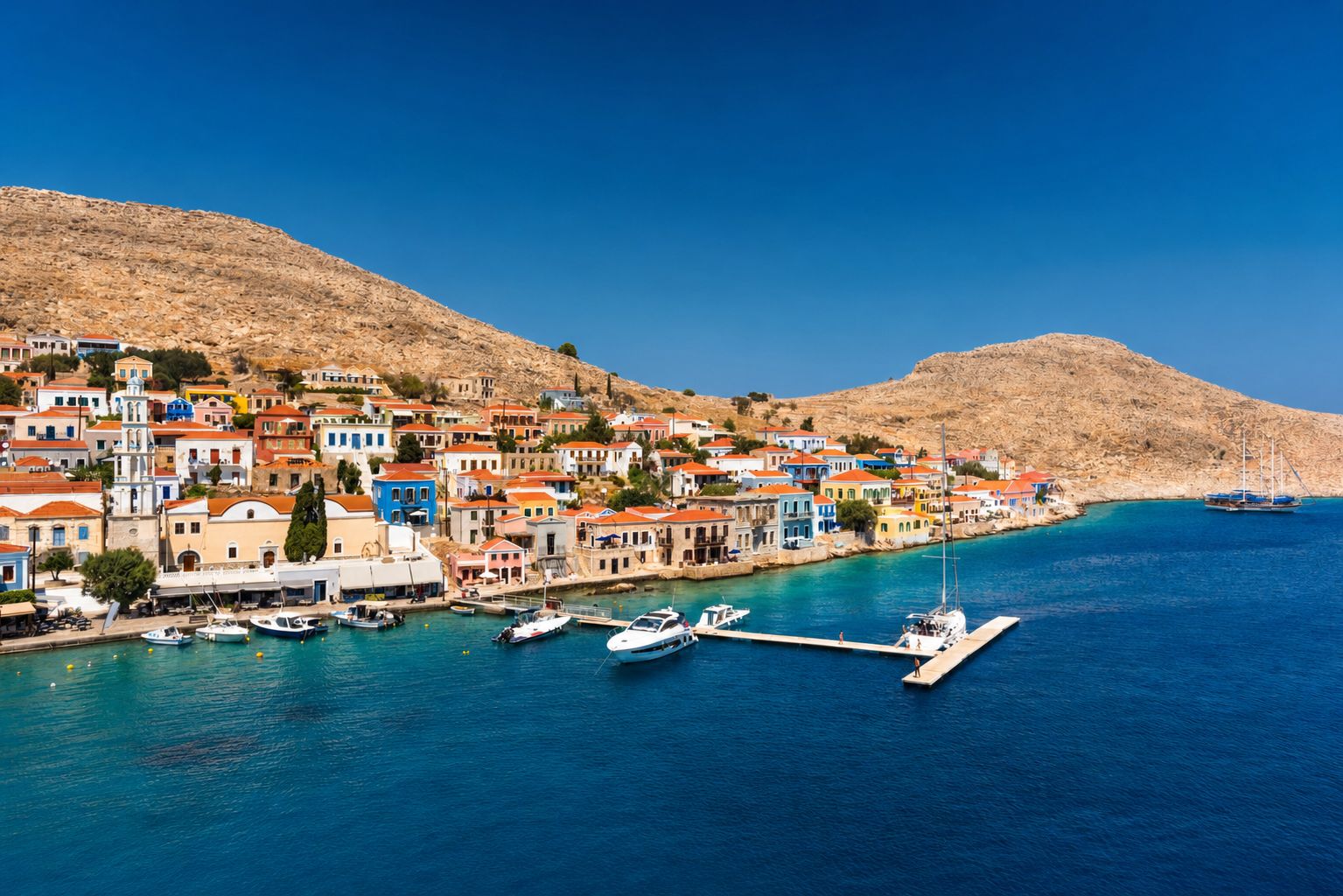
Halki has also introduced electric vehicles for public services and charging points at the port. These additions do not make it a fully transformed island across every sector, but they strengthen its role as a small-island model. The point is not that Halki has answered every sustainability question. Its value lies in showing how a small community can use renewable energy in a way that residents can see and use.
The green story sits alongside the island’s existing identity: a compact harbor settlement, neoclassical houses, clear water, and a slower scale of movement than nearby Rhodes. Halki’s sustainability work is not as broad as Tilos, but its solar-energy community remains one of the most powerful examples in Greece of renewable energy entering local daily life.
How to Visit Without Breaking the Model:
Support the local economy directly. Choose locally owned guesthouses and shops that benefit from the island’s solar energy cooperative.
04
Amorgos
A fisher-led alliance pausing spring catches to clean the coast and restore the sea.
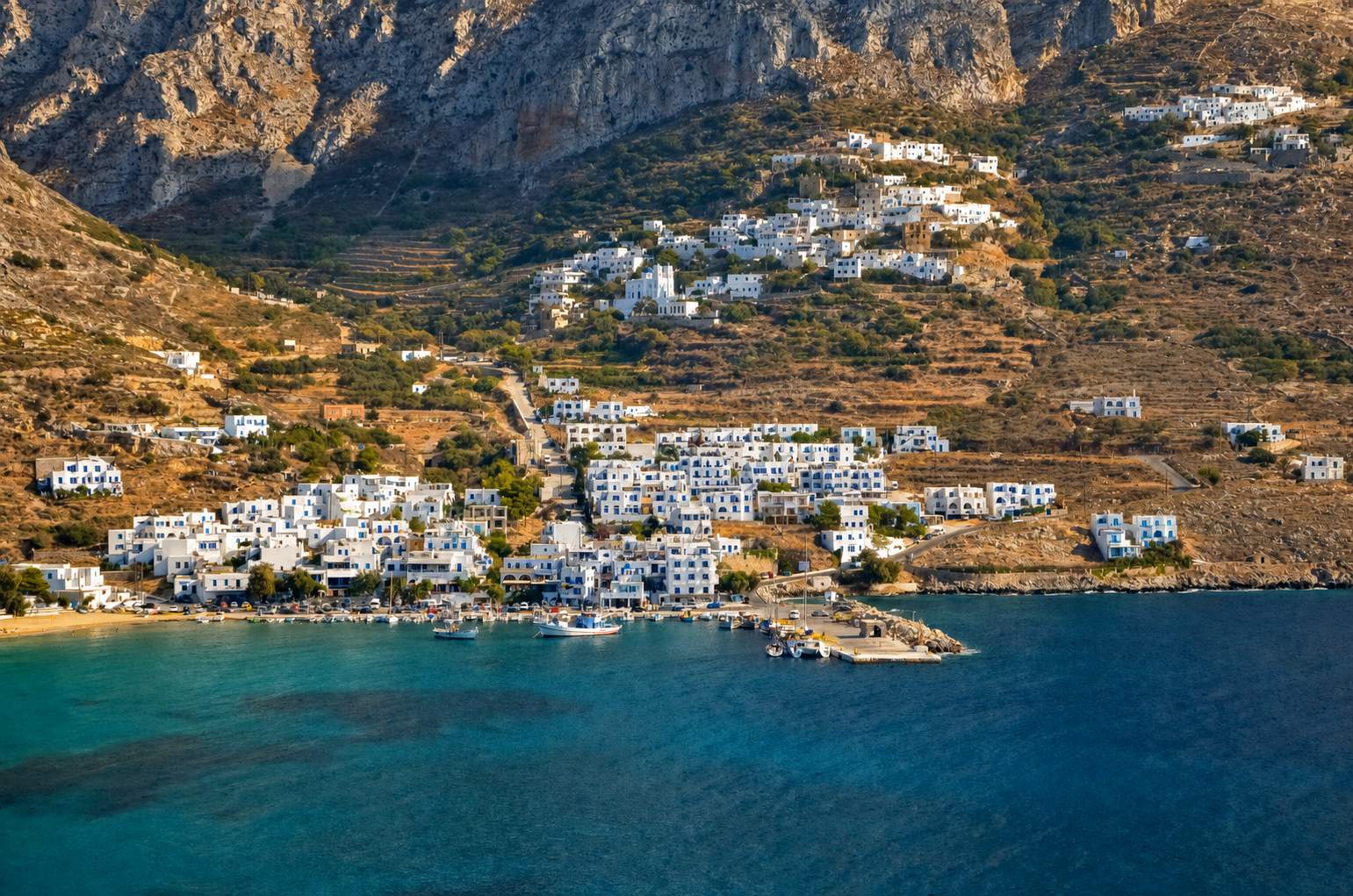

Amorgos brings a different kind of sustainability into the article. Its story is not primarily about electricity, vehicles, or municipal systems. It is about the sea, and about fishers who decided that the future of their work depended on protecting the waters around the island.
The initiative is Amorgorama, created by the Professional Fishing Association of Amorgos. Its roots go back more than a decade, when local fishers began to see the consequences of declining fish stocks and marine pressure. Their response was unusual because it came from inside the fishing community. During April and May, when many fish species reproduce, the fishers proposed pausing fishing and using their boats to collect plastic and waste from remote coasts that are difficult to reach by land. They also pushed for changes in fishing gear and for official fishing restricted areas around the island.
In August 2025, Presidential Decree No. 73 was published in the Government Gazette, defining regulatory measures for fishing in the coastal zone of Amorgos. For the initiative’s supporters, it was the moment when a local idea became law. Marine-conservation organizations described the decree as a historic step for Amorgos and for Greek seas, while Greek coverage presented Amorgorama as a fisher-led model of marine conservation.
The story has rare narrative power because it joins livelihood and conservation. These are not outside campaigners telling an island what to do. They are fishers using their own boats, their own knowledge of the coast, and their own concern for the future of the sea. Foreign press has also picked up the human side of the story: the conversations among members of the fishers’ association, the change in catches from one generation to the next, and the realization that marine protection had become necessary for fishing itself to survive.

Earlier stages of the initiative included large-scale clean-ups of remote shores, with fishers collecting bags of plastic, abandoned nets, ropes, and other waste from coasts that cannot easily be reached from land. The protected-area framework gives that local effort a stronger future.
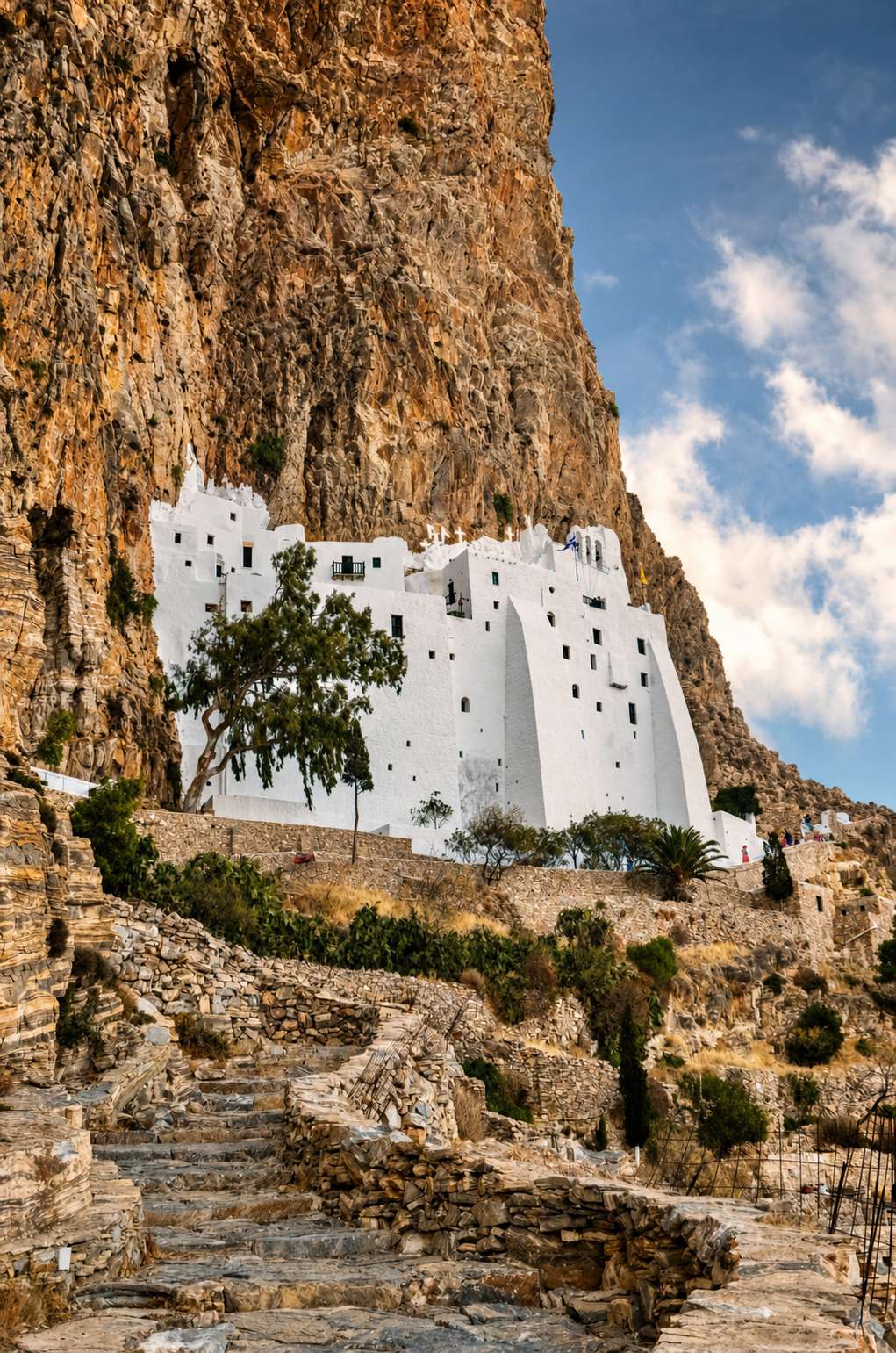
For travelers, Amorgos is already associated with walking, deep-blue water, the monastery of Hozoviotissa, dry-stone landscapes, and a wilder Cycladic character than many of the more heavily developed islands. Amorgorama adds a contemporary environmental layer to that identity. It makes the island one of the most important marine-conservation examples in Greece.
How to Visit Without Breaking the Model:
Support the fishers who protect the sea. Look for tavernas that collaborate with the Amorgorama initiative and respect seasonal fishing pauses.
05
Astypalaia
An experimental mobility network replacing traditional transit with on-demand electric rides.
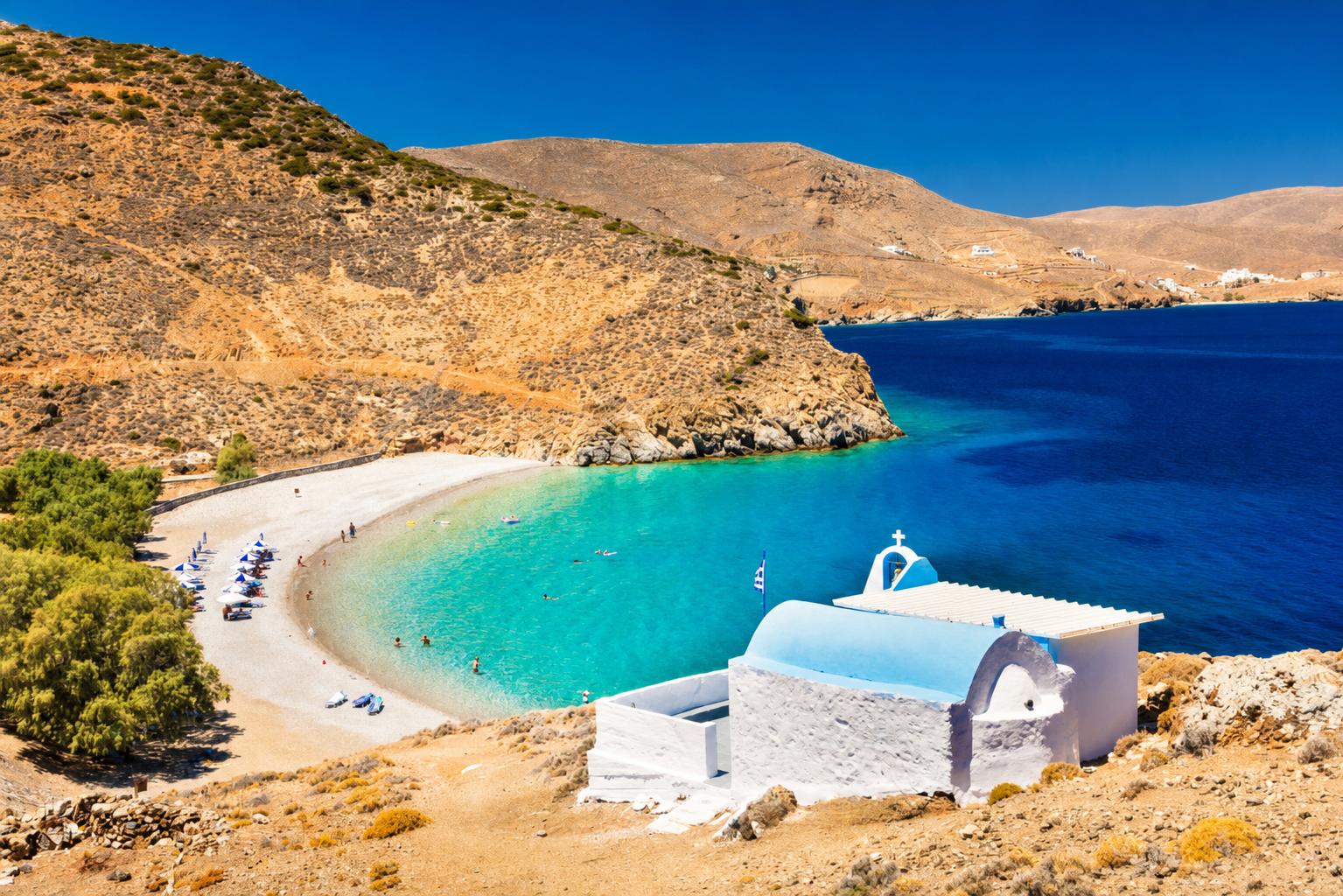
Astypalaia is Greece’s most visible smart-mobility island. Its transformation began through a collaboration between the Hellenic Republic and the Volkswagen Group, with the aim of turning the island into a model for electric mobility, shared transport, and cleaner energy use.
The operating story is mobility. Astypalaia has introduced electric vehicles for public services, private e-vehicle incentives, chargers, e-scooters, e-bikes, and an on-demand public transport service. Instead of relying only on conventional buses with fixed routes, the ASTYBUS service allows passengers to book rides through an app or by phone. The island has also promoted car sharing, which is especially relevant in a place where summer traffic, rental cars, and limited road space can quickly strain daily life.
Greek and foreign coverage has often presented Astypalaia as the first smart and sustainable island in the Mediterranean. That visibility matters, but the language needs control. The island is not yet a completed carbon-neutral model. The energy part is still a transition. Official project information from HEDNO describes a pilot clean-energy system with a photovoltaic park and battery storage. The first phase is designed to cover part of the island’s daily energy needs and the full charging needs of electric vehicles, while the later phase is intended to raise total coverage much further.
That makes Astypalaia an important working test case rather than a finished answer. Its strongest present achievement is transport: electric vehicles, charging, app-based movement, and shared mobility used in an actual island setting. Its next major test is whether the energy system can catch up with the mobility story.
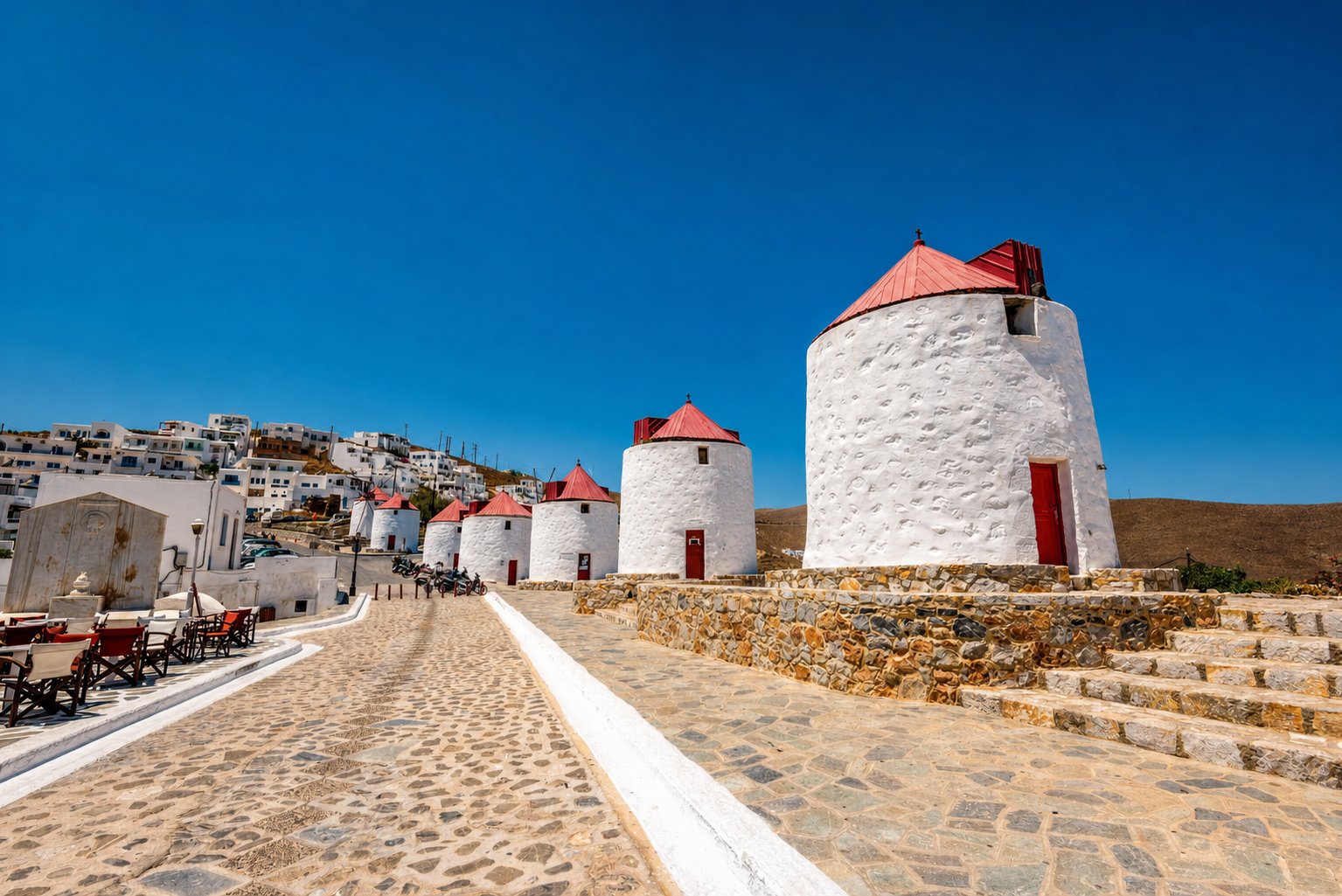
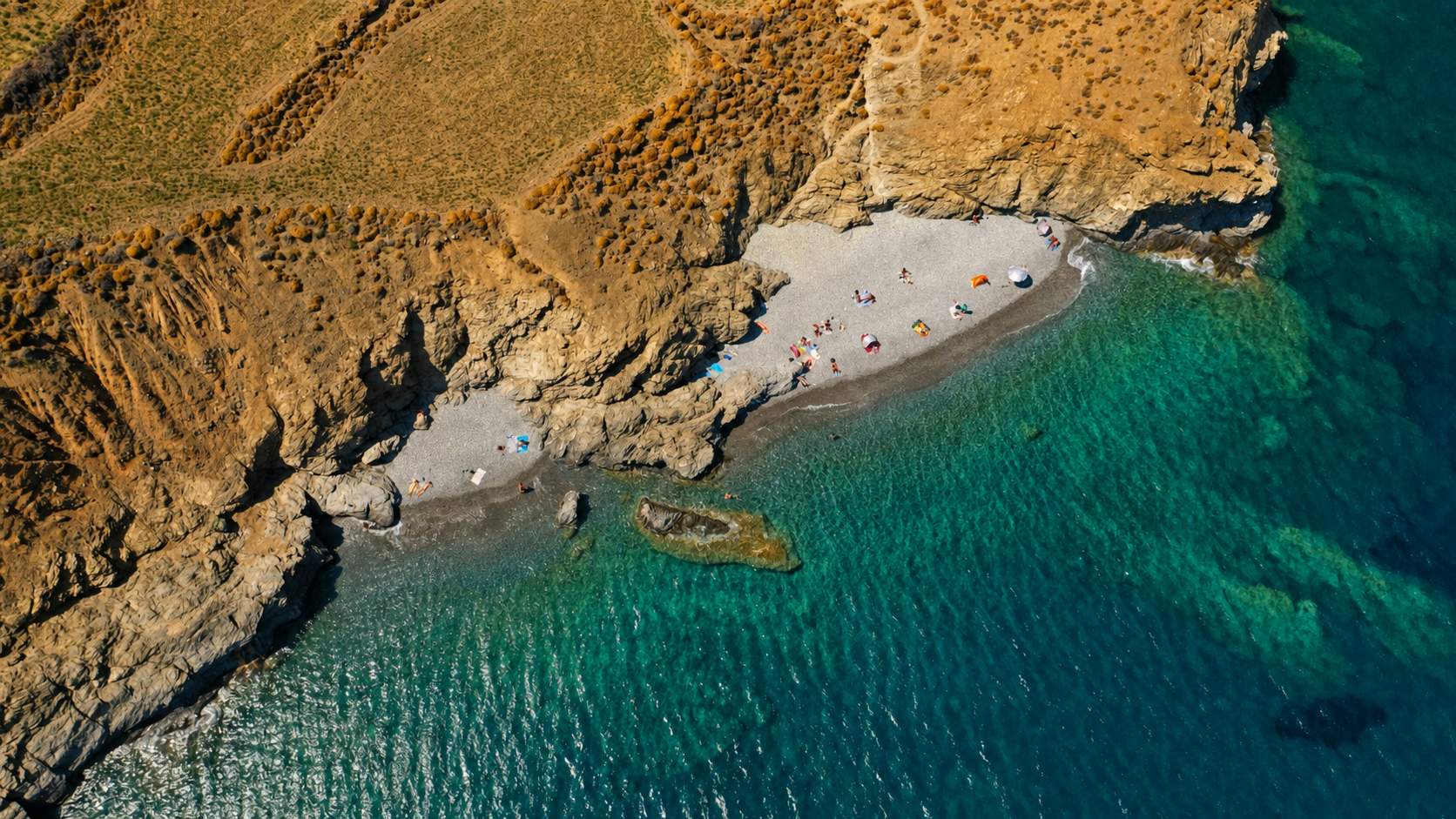
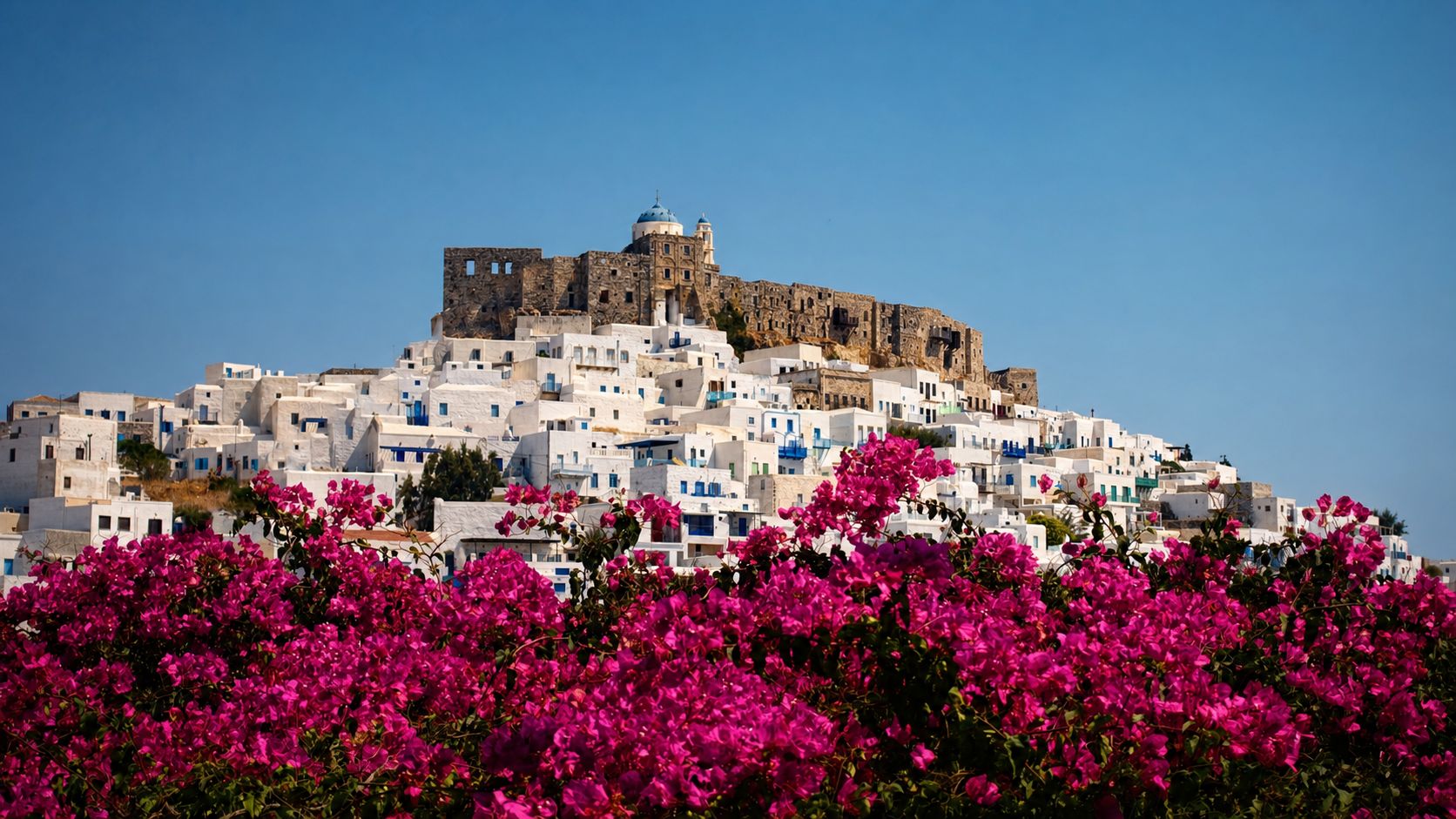
Astypalaia also has a useful symbolic role. It is a beautiful, increasingly desirable island, with a whitewashed Chora, a Venetian castle, long beaches, and a position between the Cyclades and the Dodecanese. Its green transition is happening in a place that travelers already want to visit. That makes the experiment visible, and sometimes visibility helps new behavior travel faster.
The strongest way to describe Astypalaia in 2026 is as a working model for how island transport can change. It is not the finished version of a carbon-neutral island. It is a place where taxis, public vehicles, private cars, scooters, chargers, and app-based mobility are being folded into a cleaner transport system, with renewable energy planned as the next major step.
How to Visit Without Breaking the Model:
Leave the rental car behind. Download the local transit app and use the on-demand, shared electric ASTYBUS to get around.
06
Lipsi
A dry island tackling water scarcity through desalination and collective household conservation.
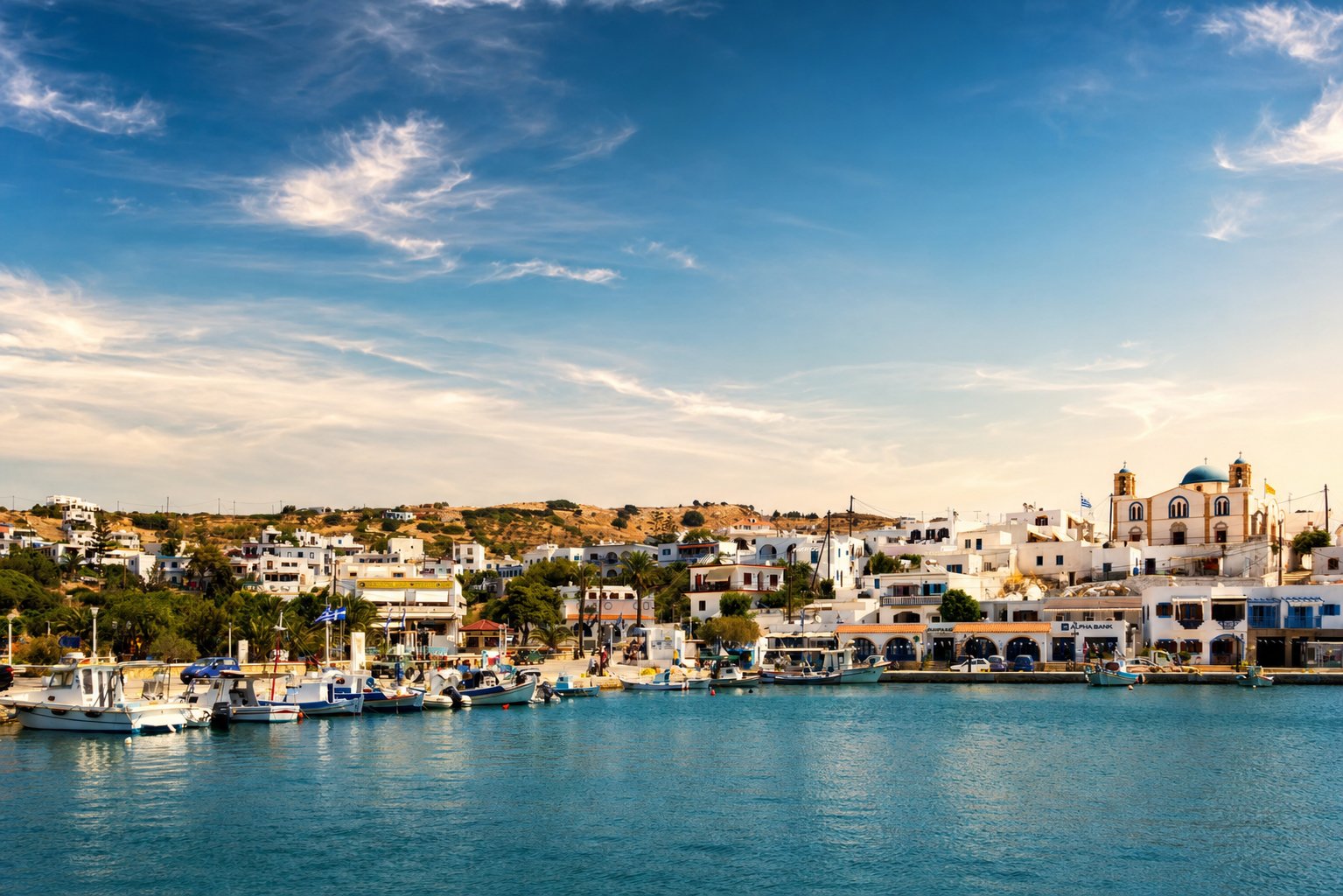
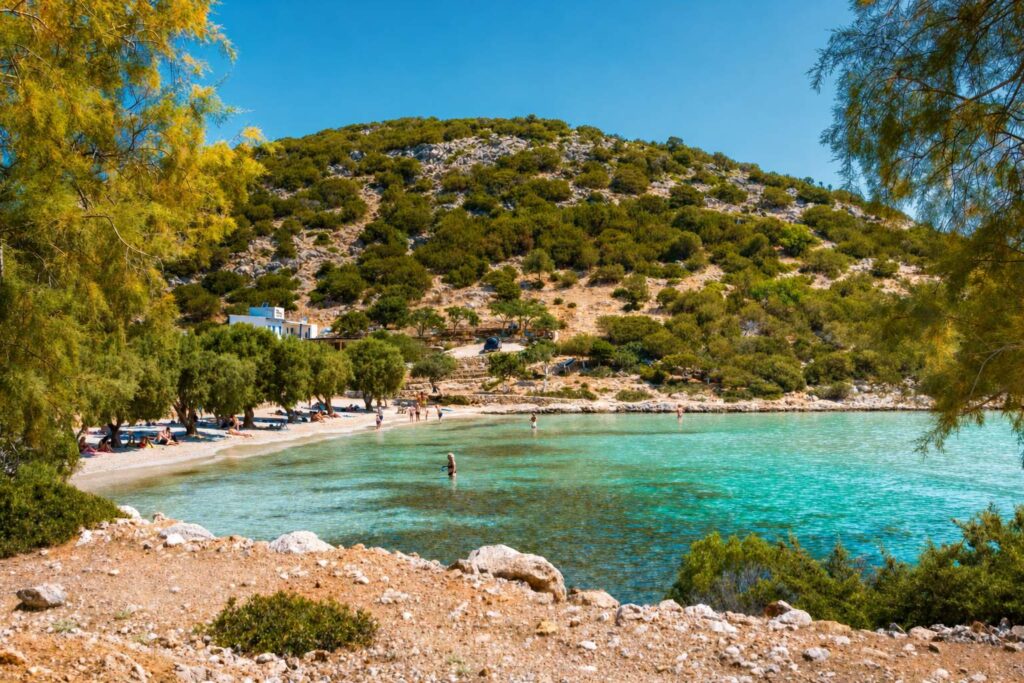
Lipsi belongs in this article because it shows a smaller, quieter side of island sustainability: water. The island does not have the energy fame of Tilos, Agios Efstratios, or Halki, and it does not have the high-profile corporate partnership of Astypalaia. Its importance lies in the way it treats water scarcity as a central fact of small-island life.
Recent Greek and English-language coverage has given the island more weight as a sustainability case. In June 2026, Lipsi was presented at the Water Dialogues conference in Rhodes as an example of sustainable island development and effective water-resource management. Greek reports described the island’s movement toward water autonomy through desalination, water-resource management, recycling, and protection of the natural environment.
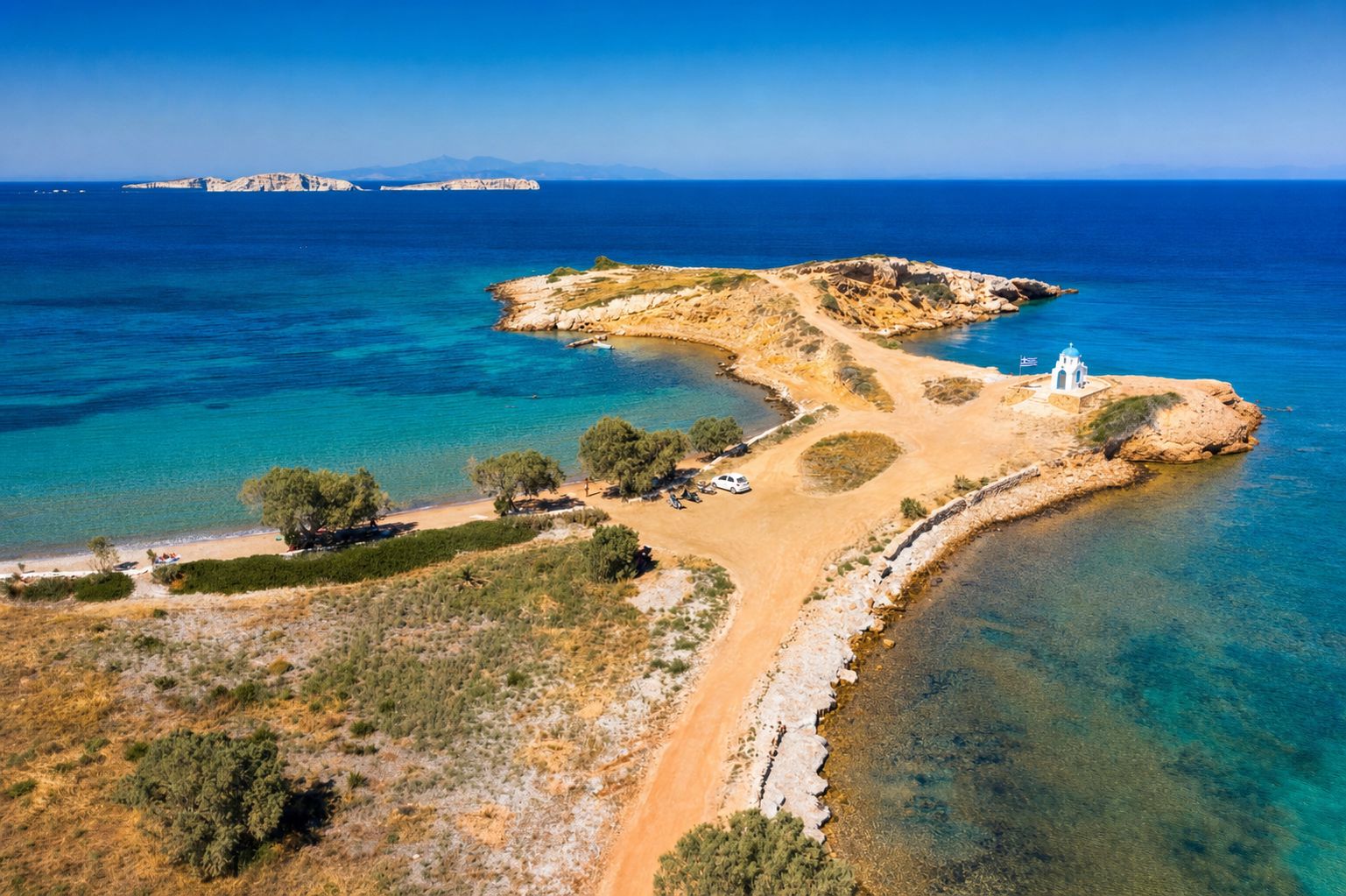
The mayor, Fotis Mangos, has described the island’s earlier water shortages as part of living memory, with serious consequences for residents, local production, and tourism. For small islands, water is not a general environmental theme. It affects agriculture, households, hotels, cleaning, food production, summer population growth, and the limits of development.
Lipsi was also selected as the fourth destination of the “Water is in Our Hands” initiative by Finnish and Global Water Partnership-Mediterranean. The programme distributed water-saving kits to 250 households and tourism accommodation facilities, including aerators for kitchen and bathroom taps, and organized public education around water use. The island adopted a collective goal of saving 1.5 million liters of water in one year.
How to Visit Without Breaking the Model:
Water is precious here. Ask your host for a water-saving tap aerator kit if your room doesn’t already have one installed.


