


Refuges are places where one feels protected. They may be the only human-made structures that settle into nature without disturbing it. Hidden near mountain slopes and forests, they were built to welcome tired walkers from the city, offering clear air and a kind of tranquility most people are, in one way or another, searching for.
These mountain refuges open onto a world far removed from everyday life, one that brings you into direct contact with the elements in all their force and beauty. Their walls hold the memory of hikers, climbers, and nature lovers, along with the scent of trahana, hot Greek coffee, and burnt wood.
Snow-covered, remote, essential, yet never truly lonely, they fill with backpacks and tents, with conversations and long glances cast toward the changing colors of the landscape. They hold the story you will tell by the fire, the book you will read by a window, the mountain water that will quench your thirst, and the pleasure of simple moments that arrive unannounced.
A refuge is all of that, and more. Unless you have experienced one, no description quite does it justice. From the rugged Vardousia range to the commanding peaks of Tymfi, from the mist of Dirfys to the remoteness of Agrafa and the proud ridgelines of Tzoumerka, these refuges remain where they have always been: patient, understated, and quietly waiting for the next person who will keep them company for a while.
01
Agrafa
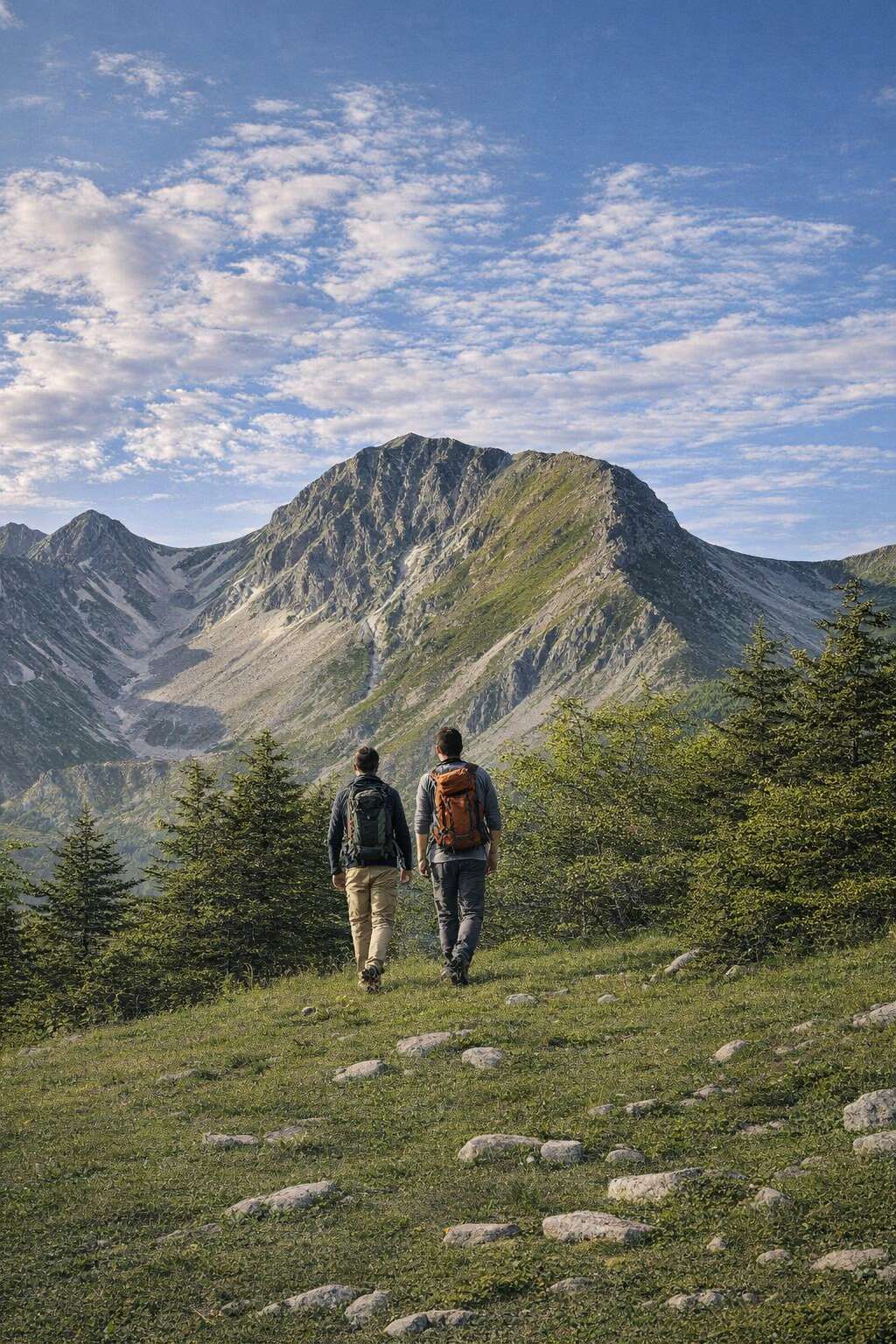
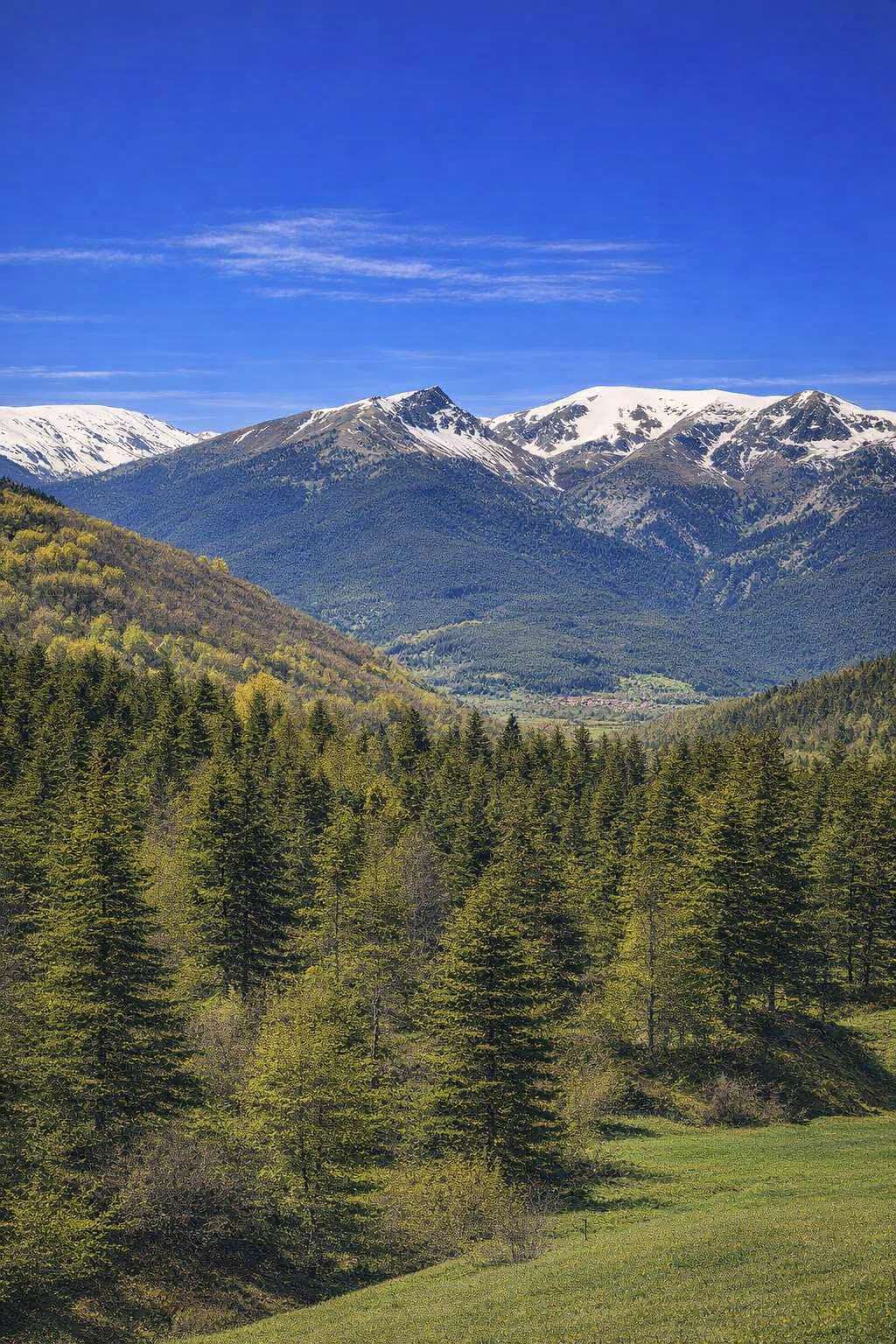
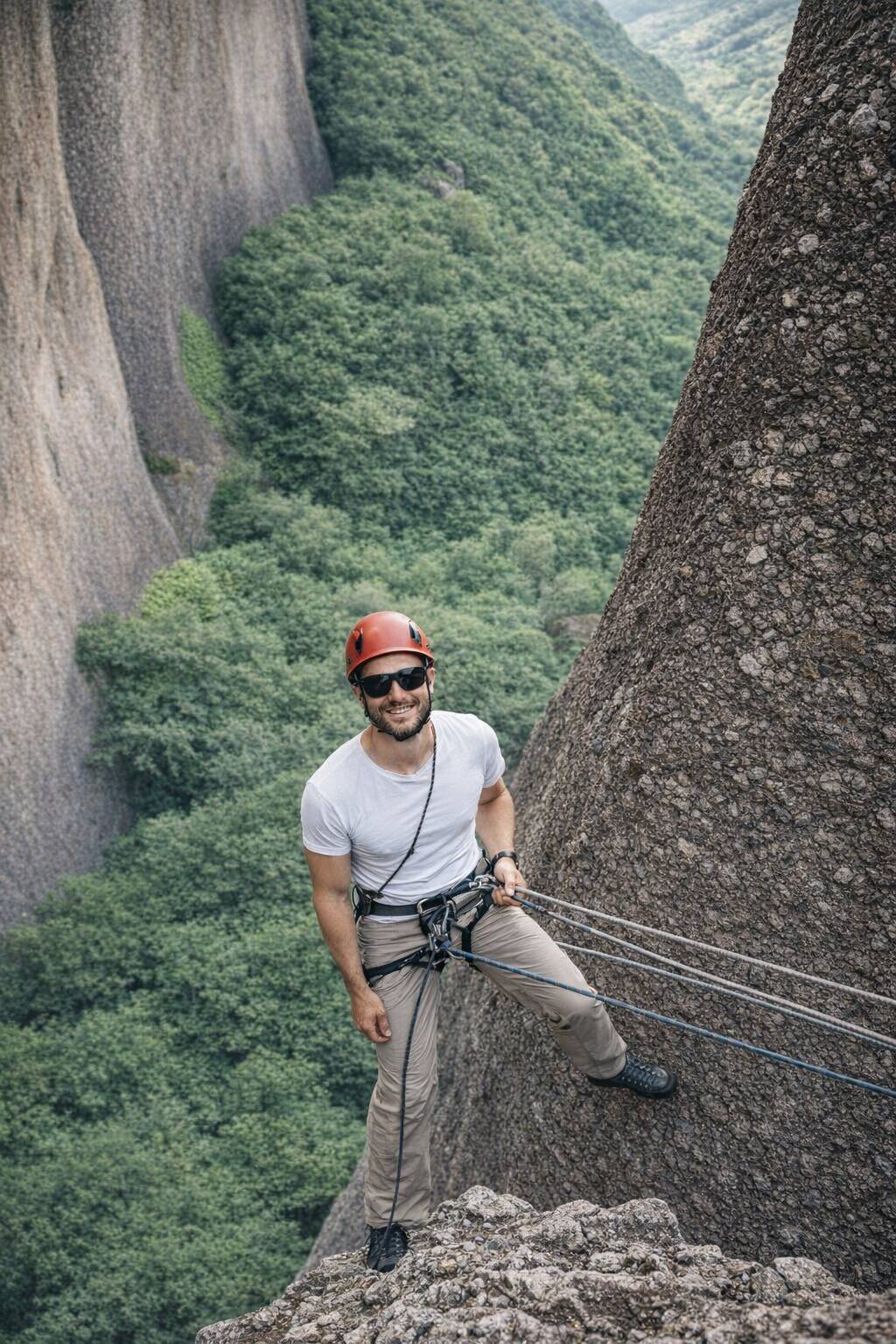
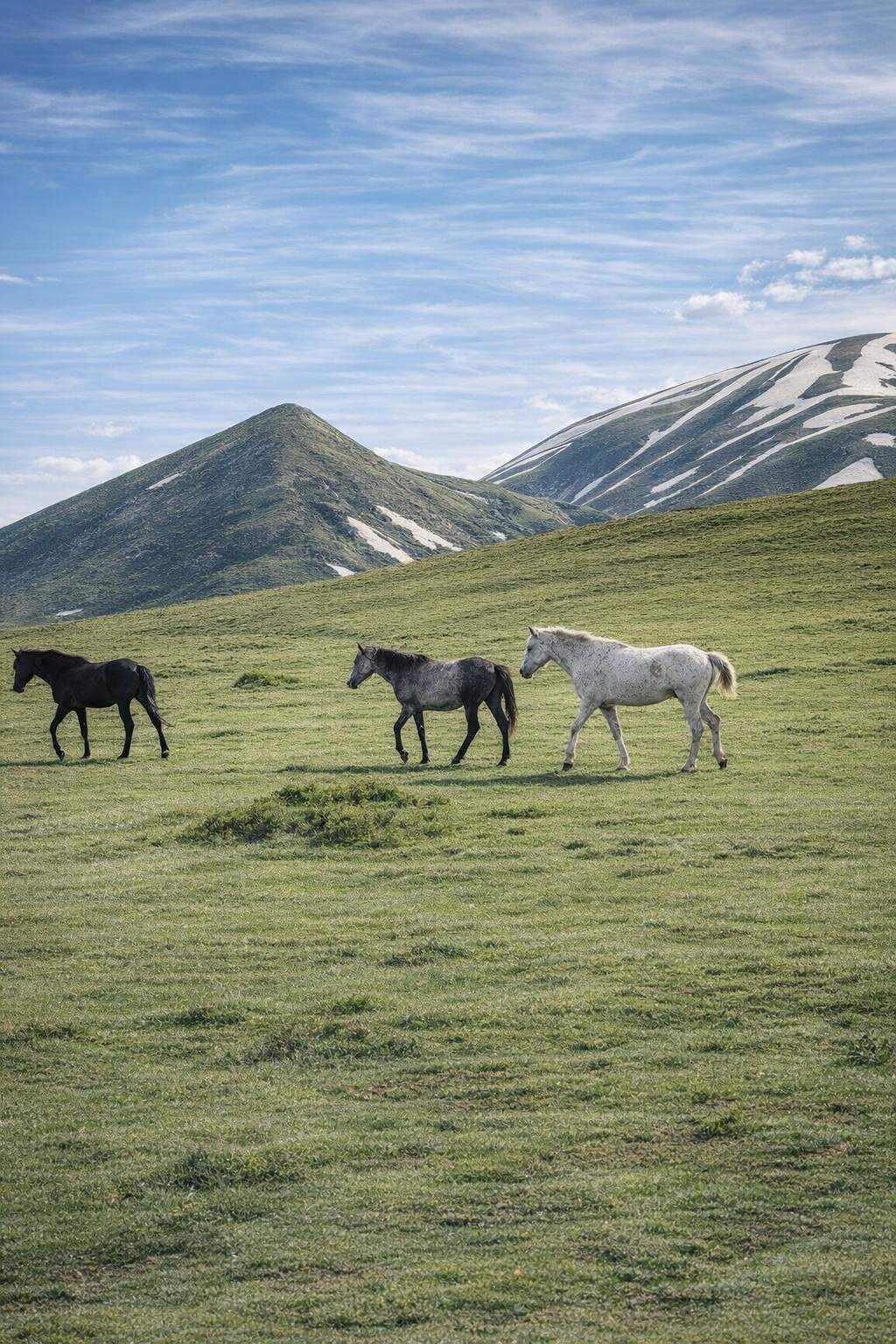
In the remote and rugged Agrafa mountains, where the gaze dives into wide, absorbing views and the ridgeline seems eternal, the region’s mountain refuge stands at an altitude of 1,536 meters. The Agrafa refuge building is the starting point for many hiking trails that lead toward the peaks rising all around it. From here, the view opens in every direction, shifting between Lake Plastira and the surrounding forest. Access is straightforward via a passable dirt road, and the hospitality is excellent.
The refuge is well organized, accommodates 24 guests, and provides all the essentials: central heating, a fireplace, bunk beds, blankets, a kitchen, toilets, meals, cooking facilities, and a comfortable dining area suited to long conversations after a day in the mountains.
02
Dirfys
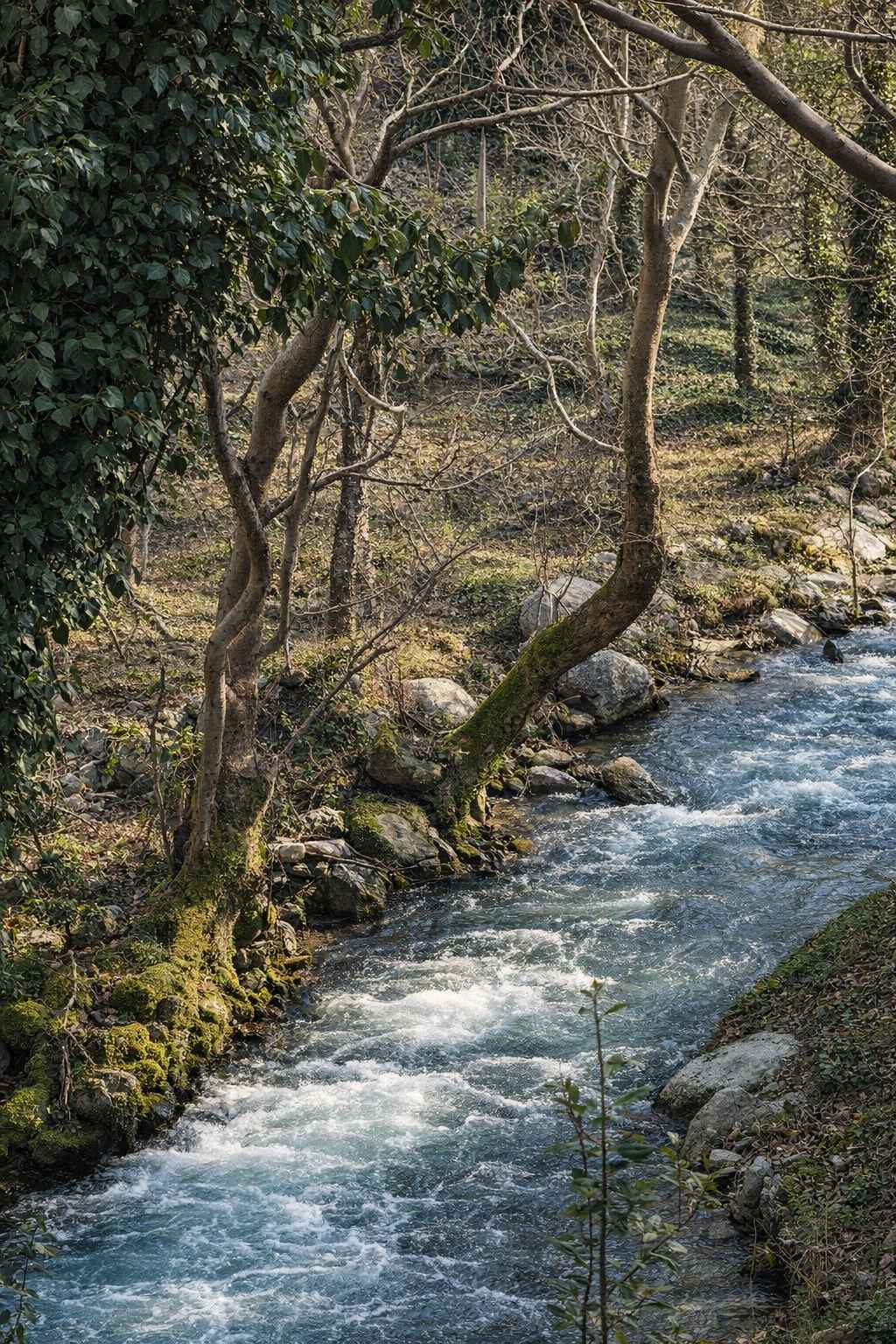
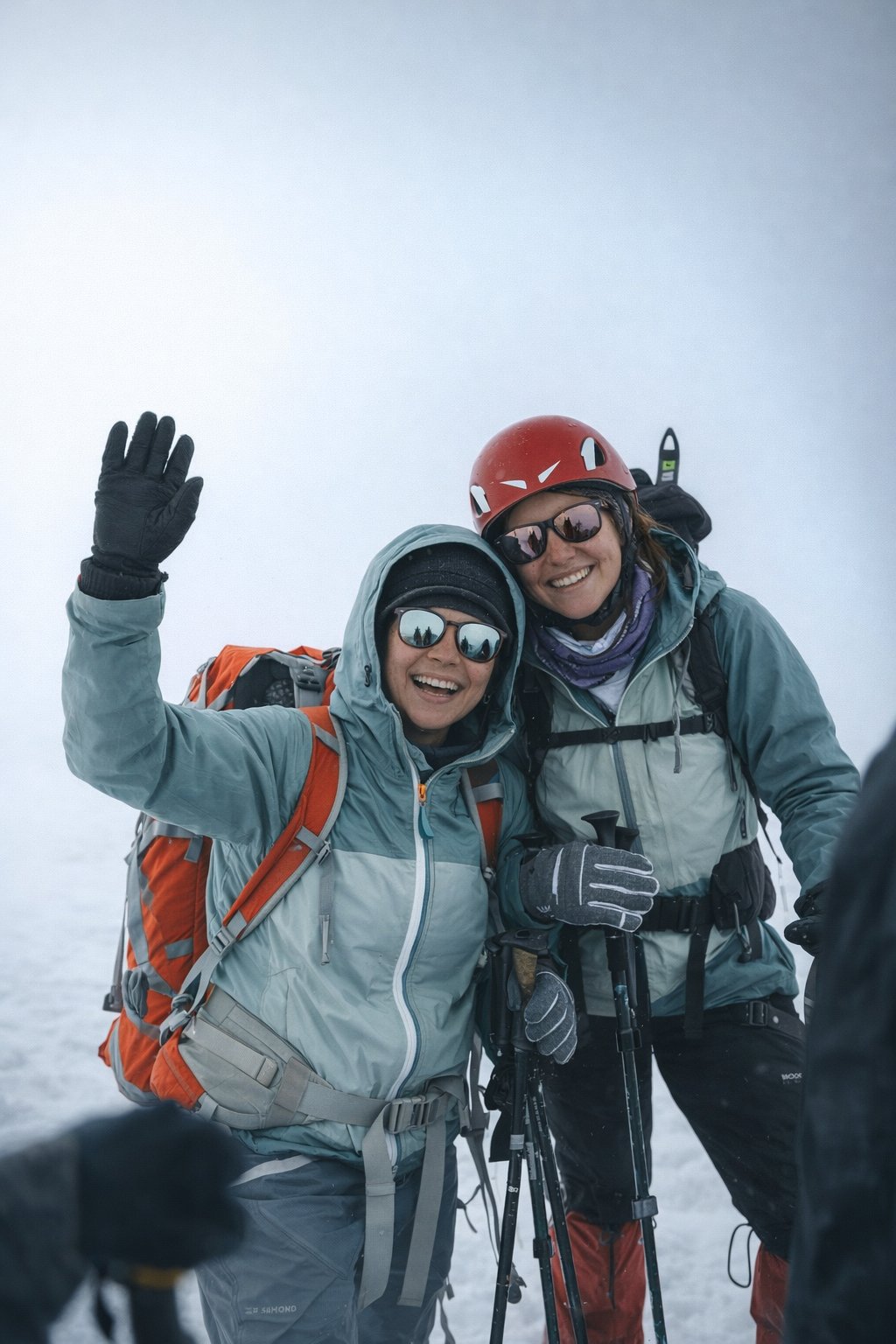
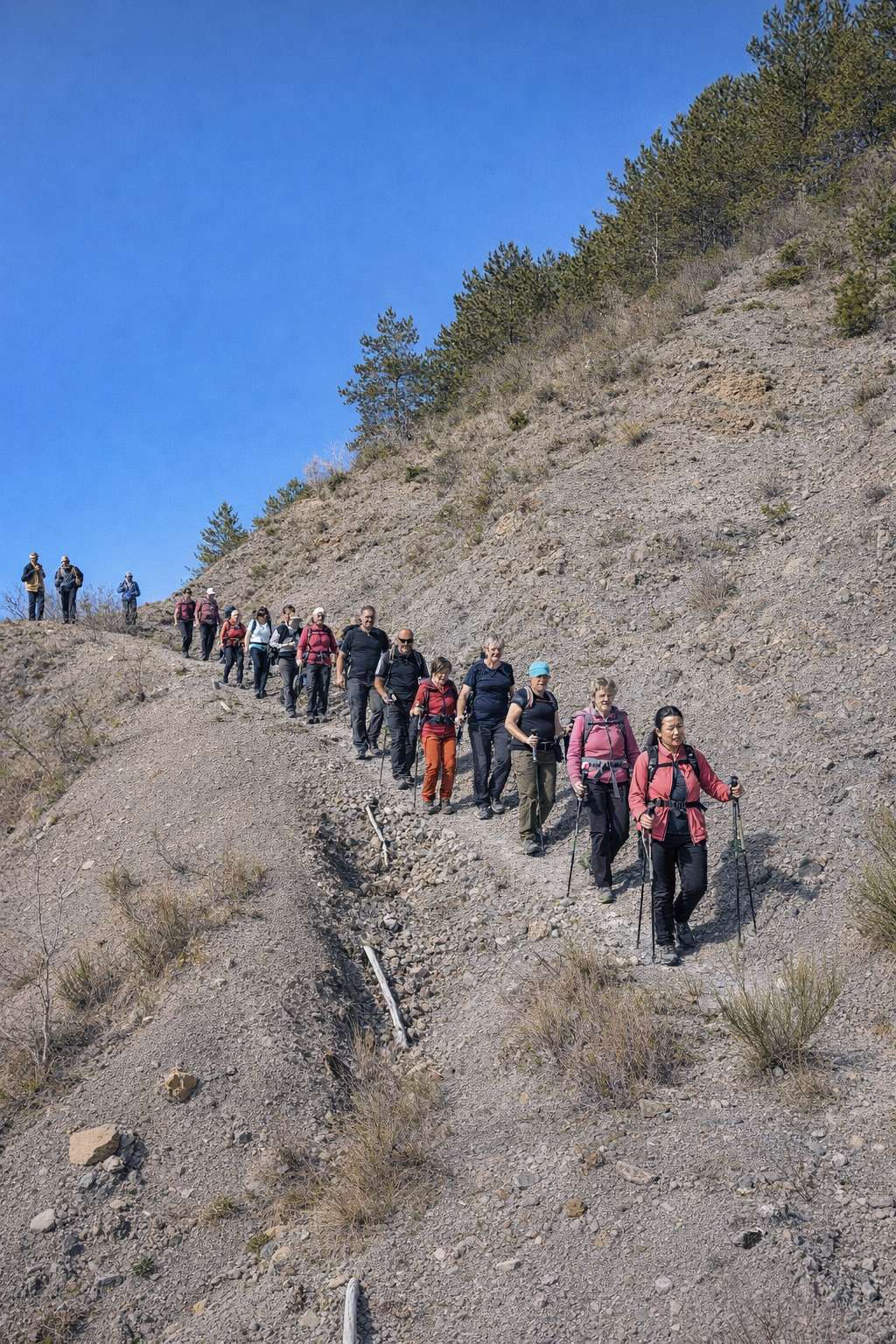
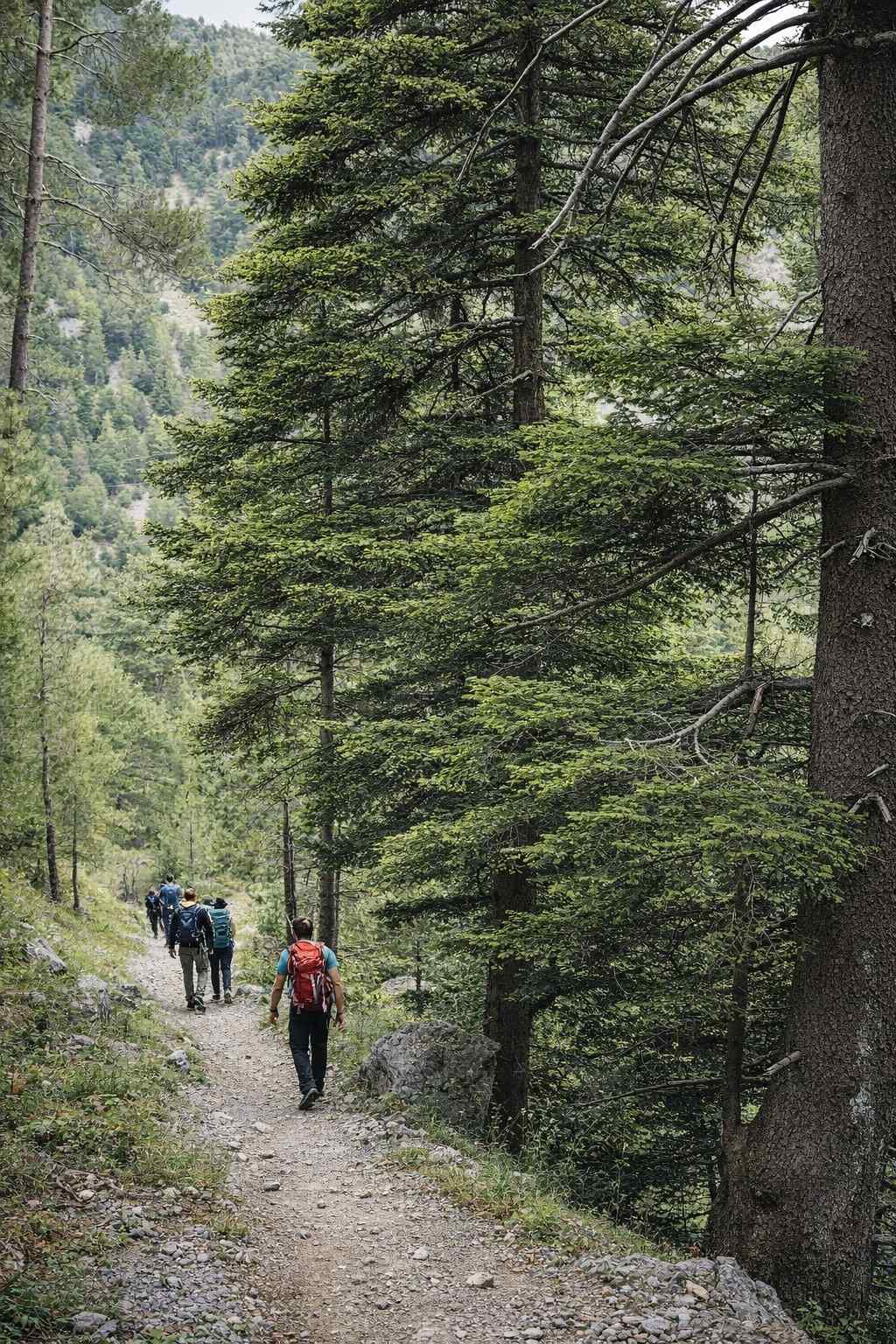
Dirfys’ terrain has a distinct relief, and mist often settles over its steep peaks. The Michalis Nikolaou mountain refuge, at 1,123 meters, is one of the easiest to reach. It occupies an excellent position at the base of the summit cone, like a natural balcony with open views in several directions. To the north, Dirfys rises sharply. To the south lies Xerovouni. To the east, the view extends toward the Aegean, while to the west the eye reaches the Euboean Gulf, especially striking when the evening light turns it pink and gold.
Conversations by the fire feel direct and unforced, and tea and coffee take on another character entirely. The refuge can host 45 people, and its dining spaces are large, with wooden tables, benches, and an energy-efficient fireplace that heats the room. Two fully equipped kitchens provide everything needed for meal preparation. For more information, click here.
03
Vardousia
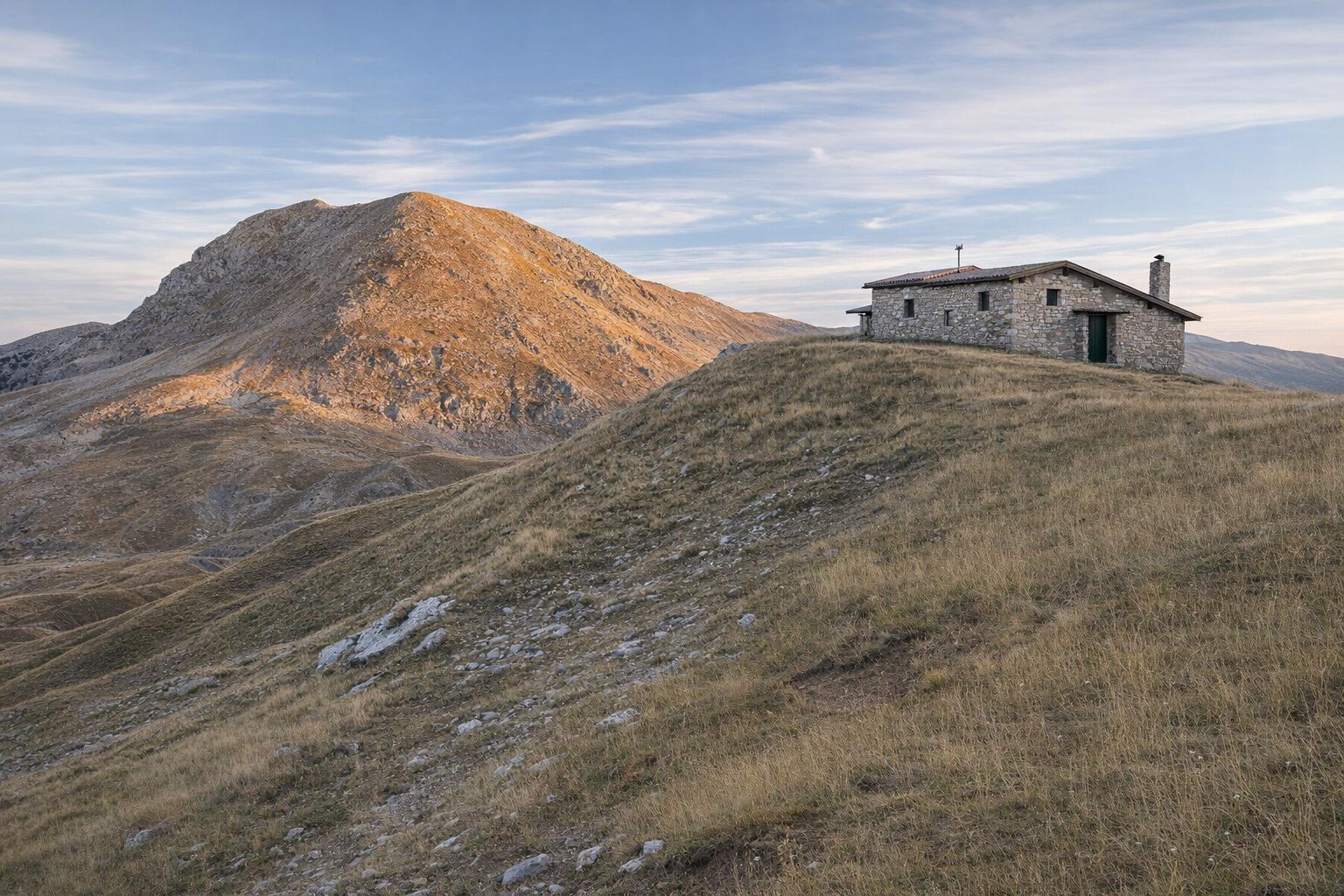
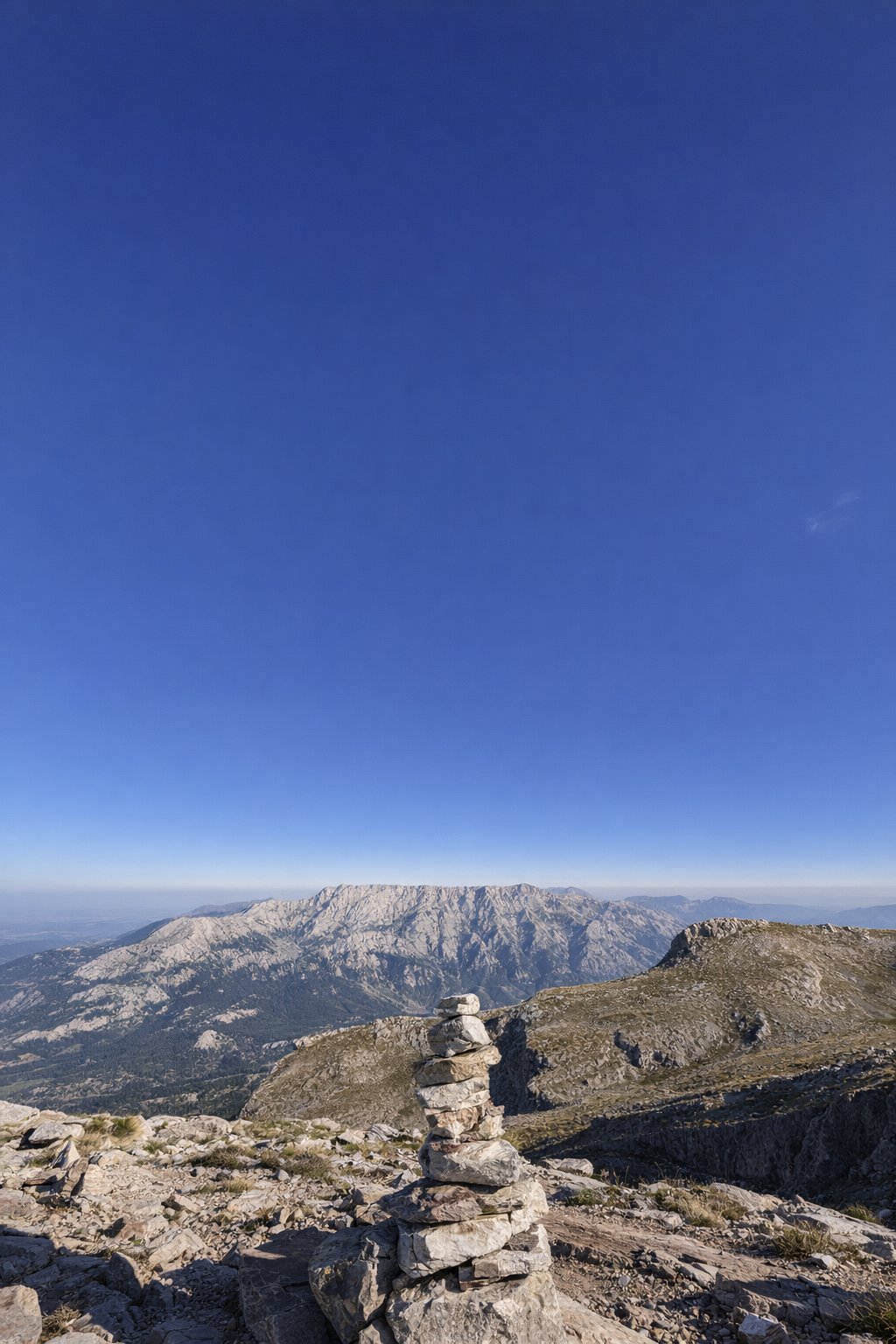
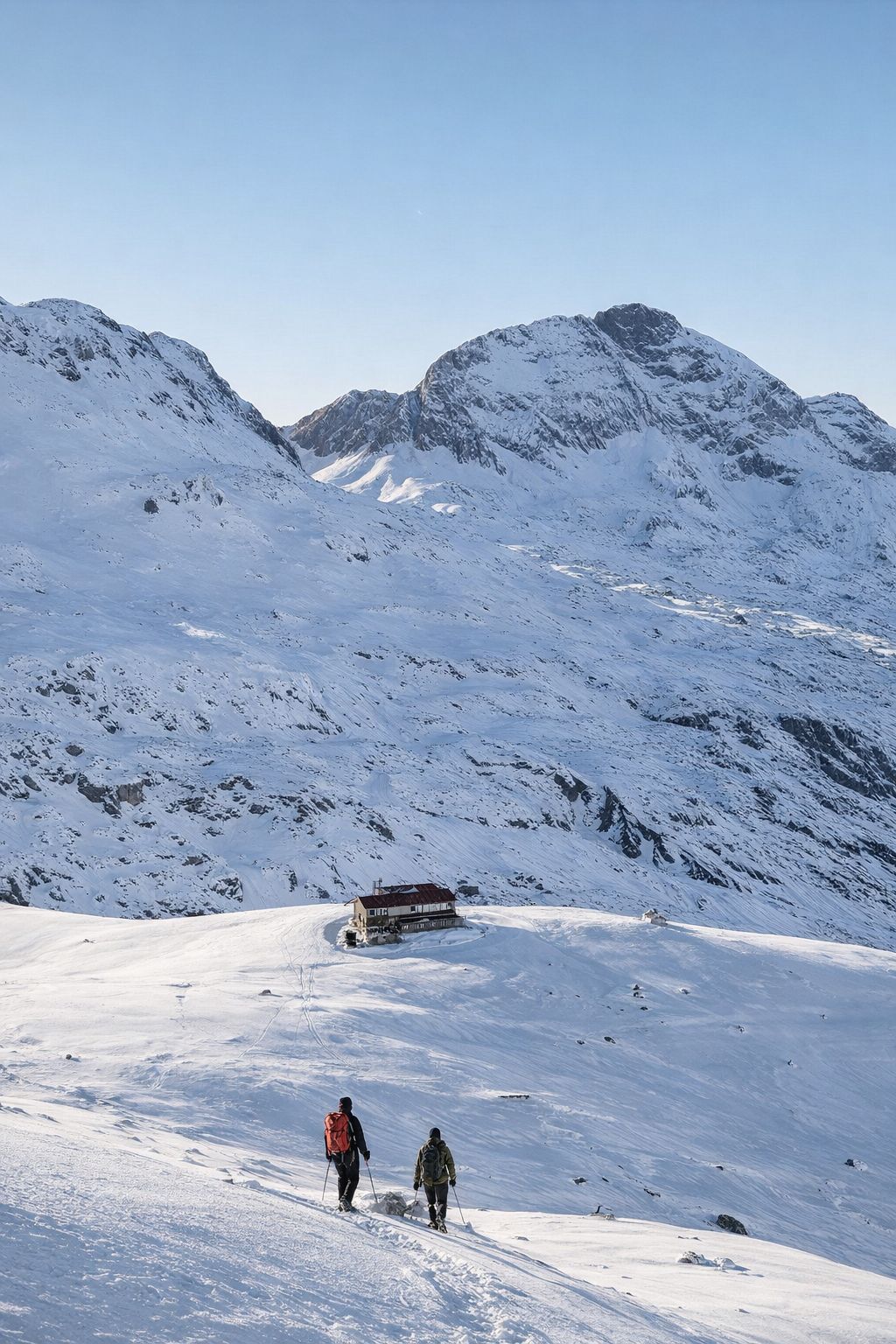
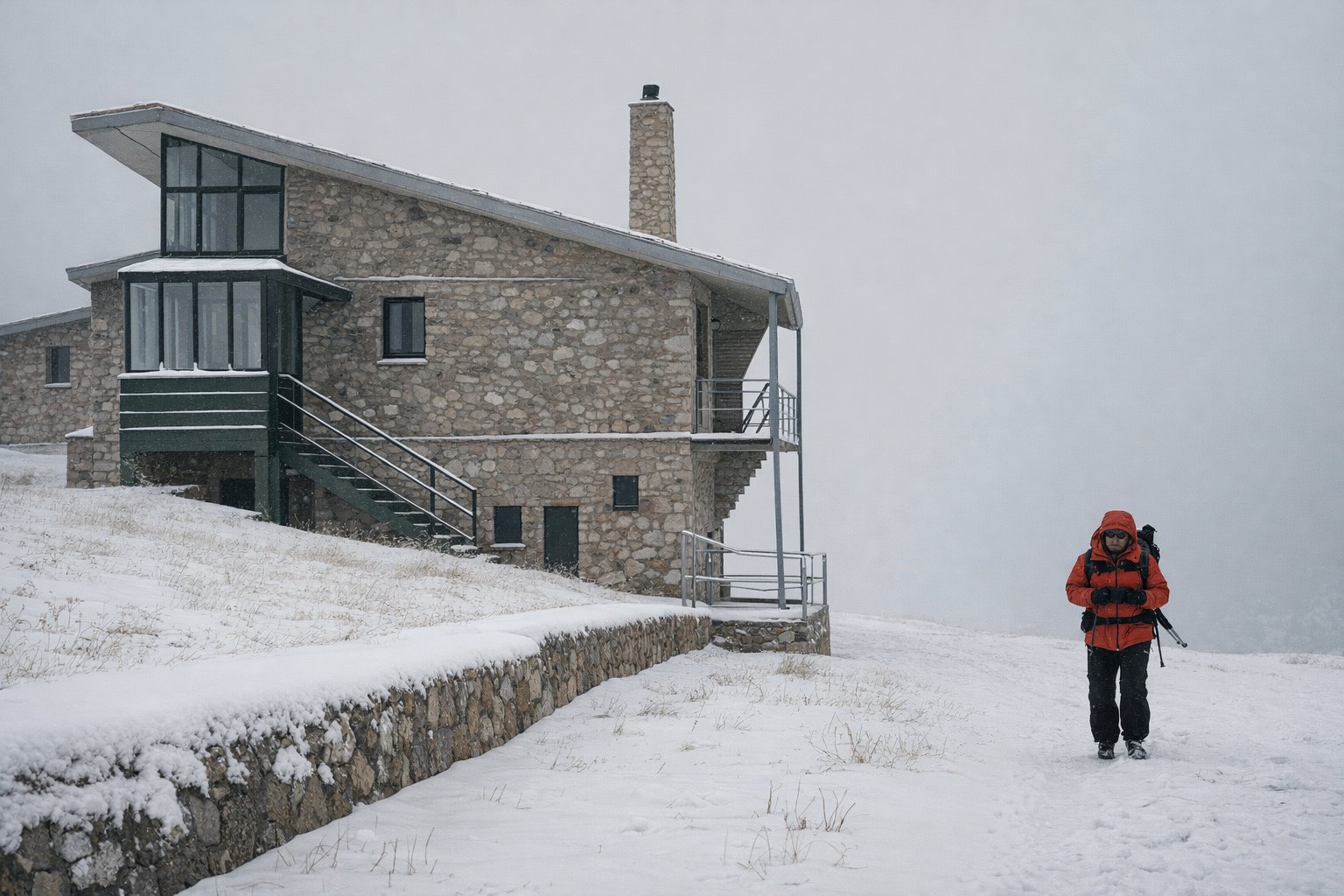
On the severe slopes of Vardousia, two mountain refuges stand along the Pitimaliko ridge, a short distance from one another: the E.O.S. Amfissa A. Tartzanos refuge and the P.O.A. refuge Giannis Grigoropoulos. Reached either on foot from Athanasios Diakos or by car via the dirt road that climbs roughly 15 kilometers toward the ridge, they form the principal high-altitude base for this part of the range and for the routes leading toward Korakas, Vardousia’s highest summit, at 2,495 meters.
The larger A. Tzartzanos, in operation since 1961, offers the fuller infrastructure of a classic Greek mountain refuge, while the smaller Giannis Grigoropoulos, at just over 2,014 meters, provides a more compact and simpler stay for walkers and climbers who prefer a quieter overnight stop. Visited together, the two give Vardousia something unusual: a well-suited pair of mountain bases that place you directly inside one of Central Greece’s most demanding and impressive alpine landscapes.
04
Tymfi
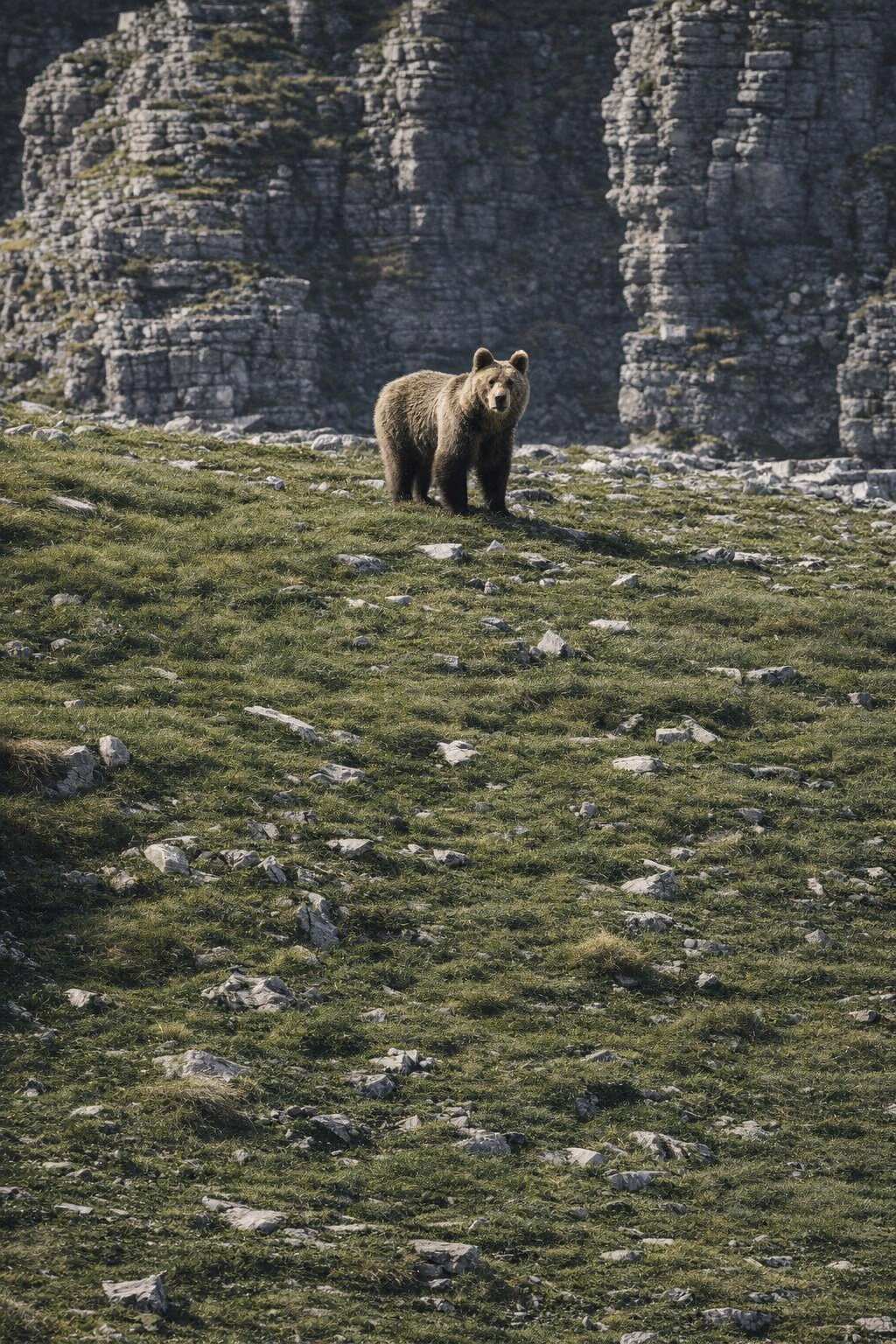
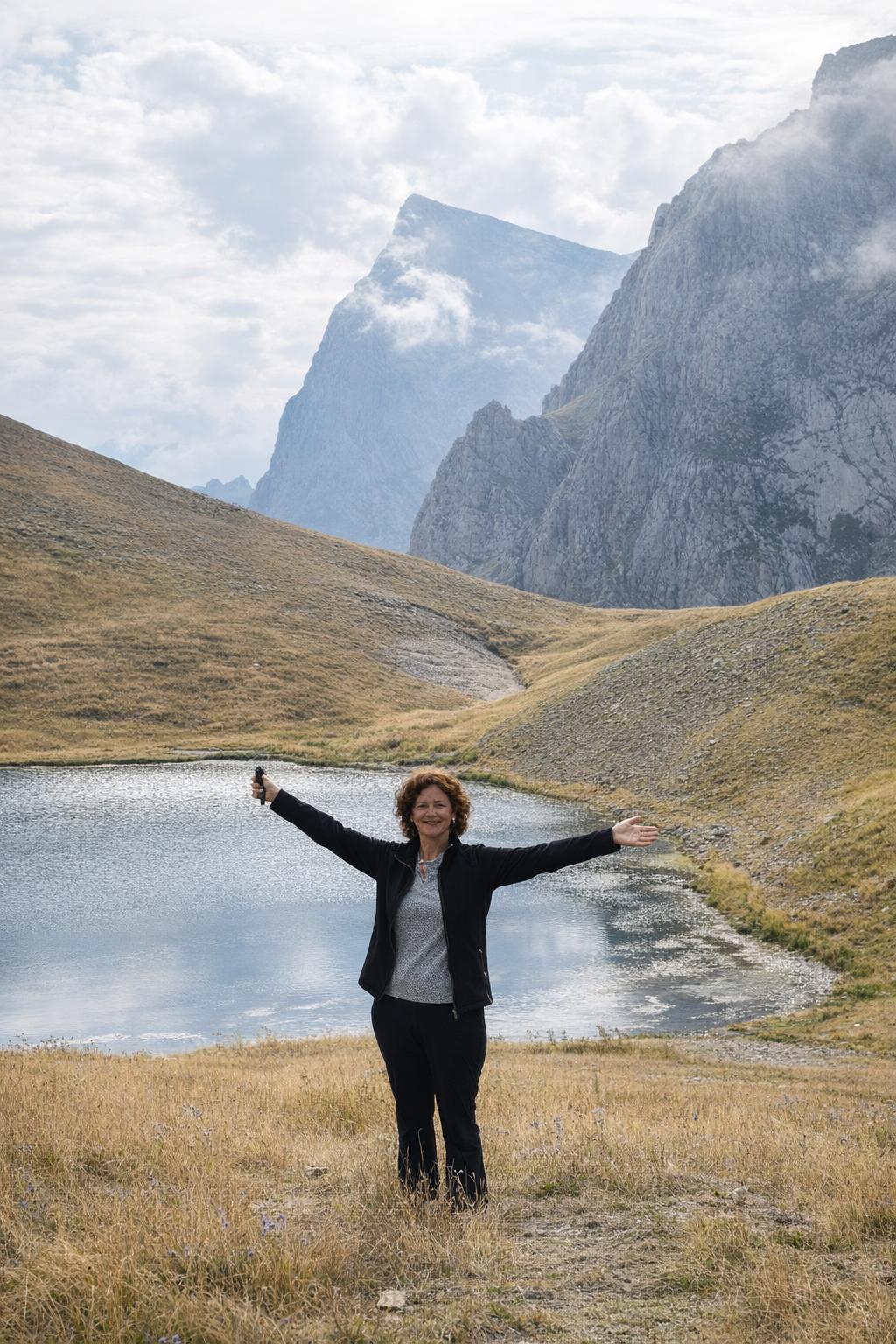
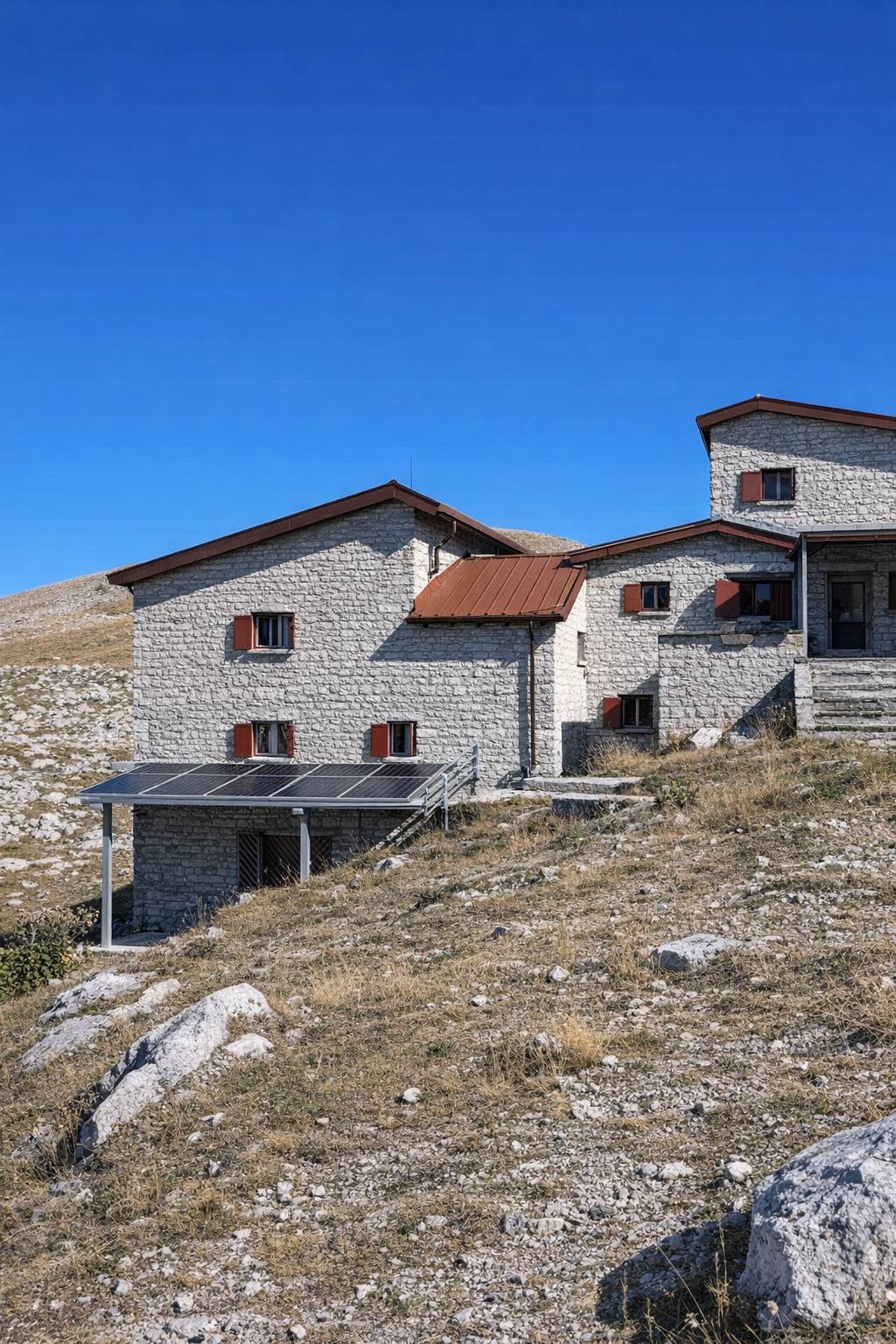
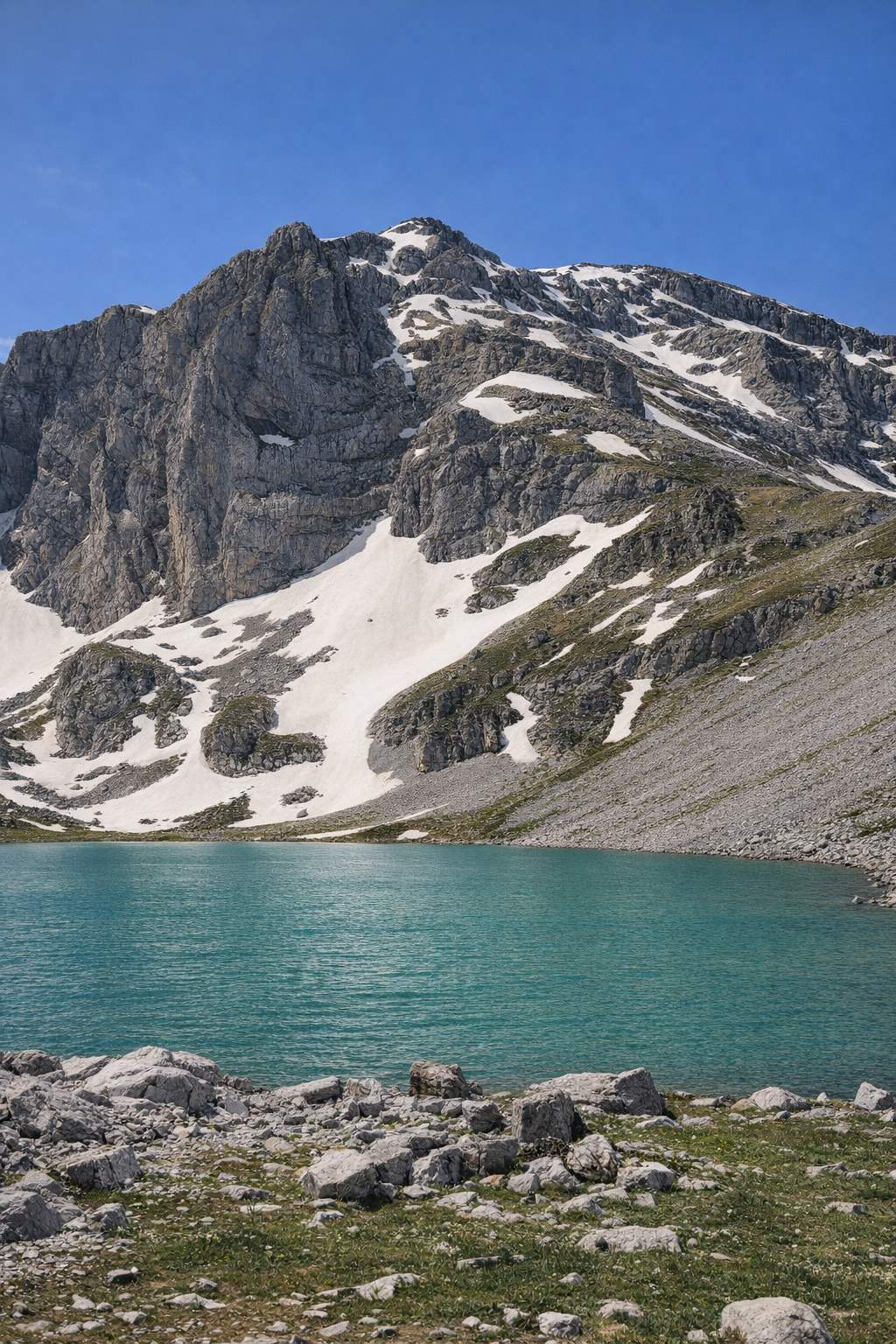
High above Mikro Papigo, where the rocks of Astraka rise like natural fortifications, lies the refuge of Tymfi. At the Radovoli site, on the saddle between the peaks of Astraka and Lapatos, the Astraka mountain refuge stands at 1,950 meters within one of the most striking alpine landscapes in Greece.
It was renovated in 2004, retaining its character while providing the facilities ideal for hikers. It can accommodate 51 people and operates from mid-May through October. The organized kitchen and common spaces serve as places for meeting, conversation, and rest, while the landscape around it provides the larger setting for the entire stay.
05
Tzoumerka
A. Melissourgoi
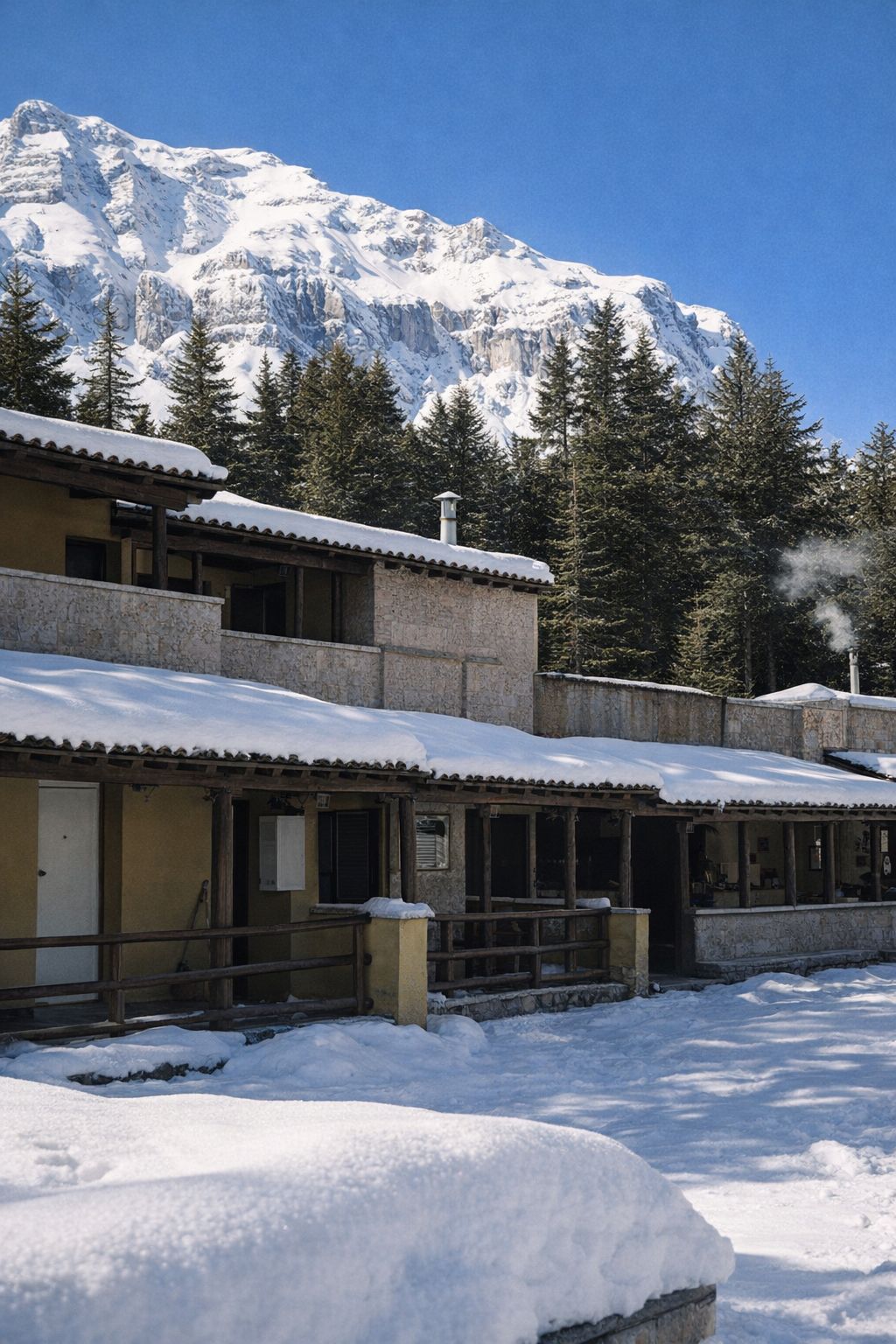
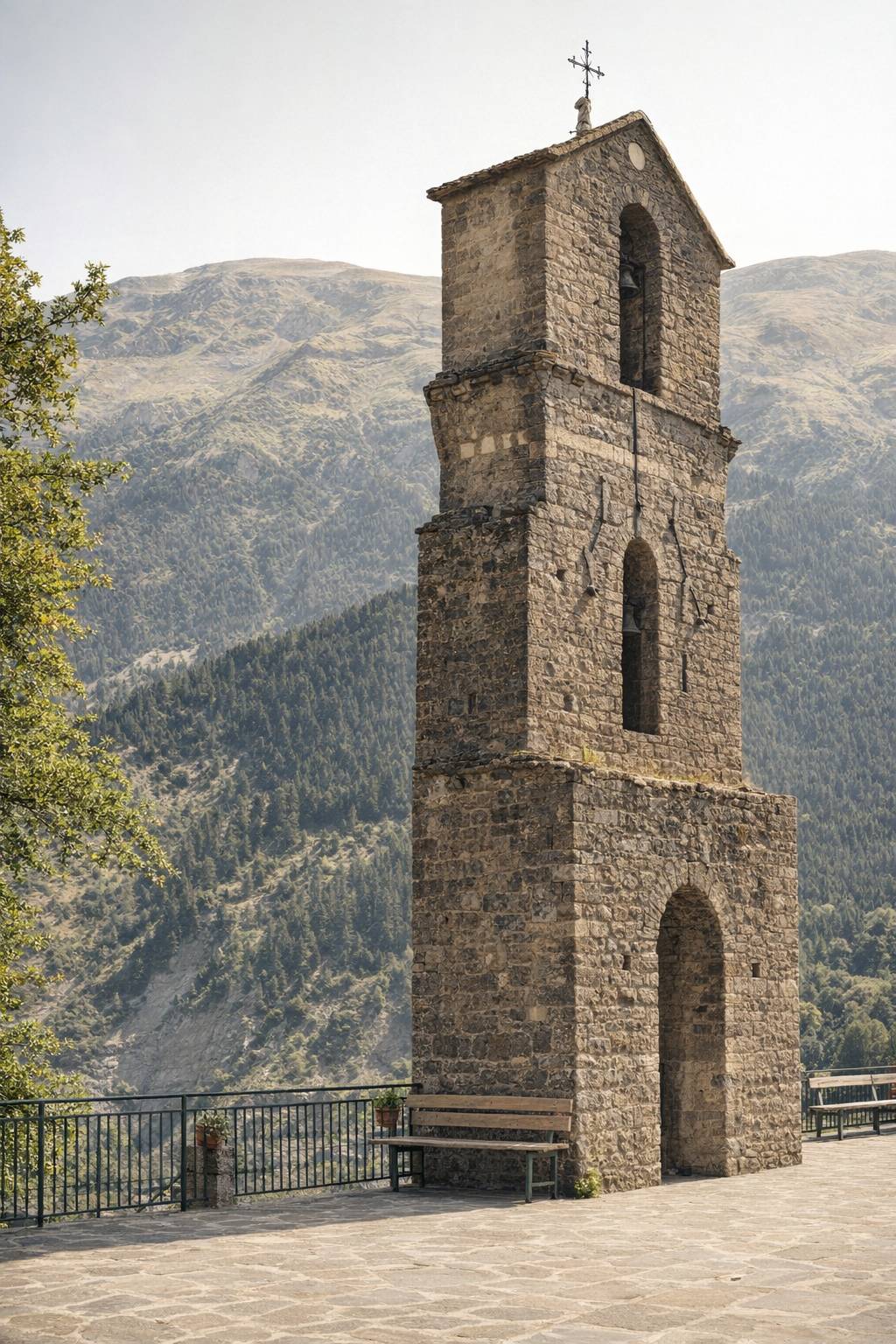
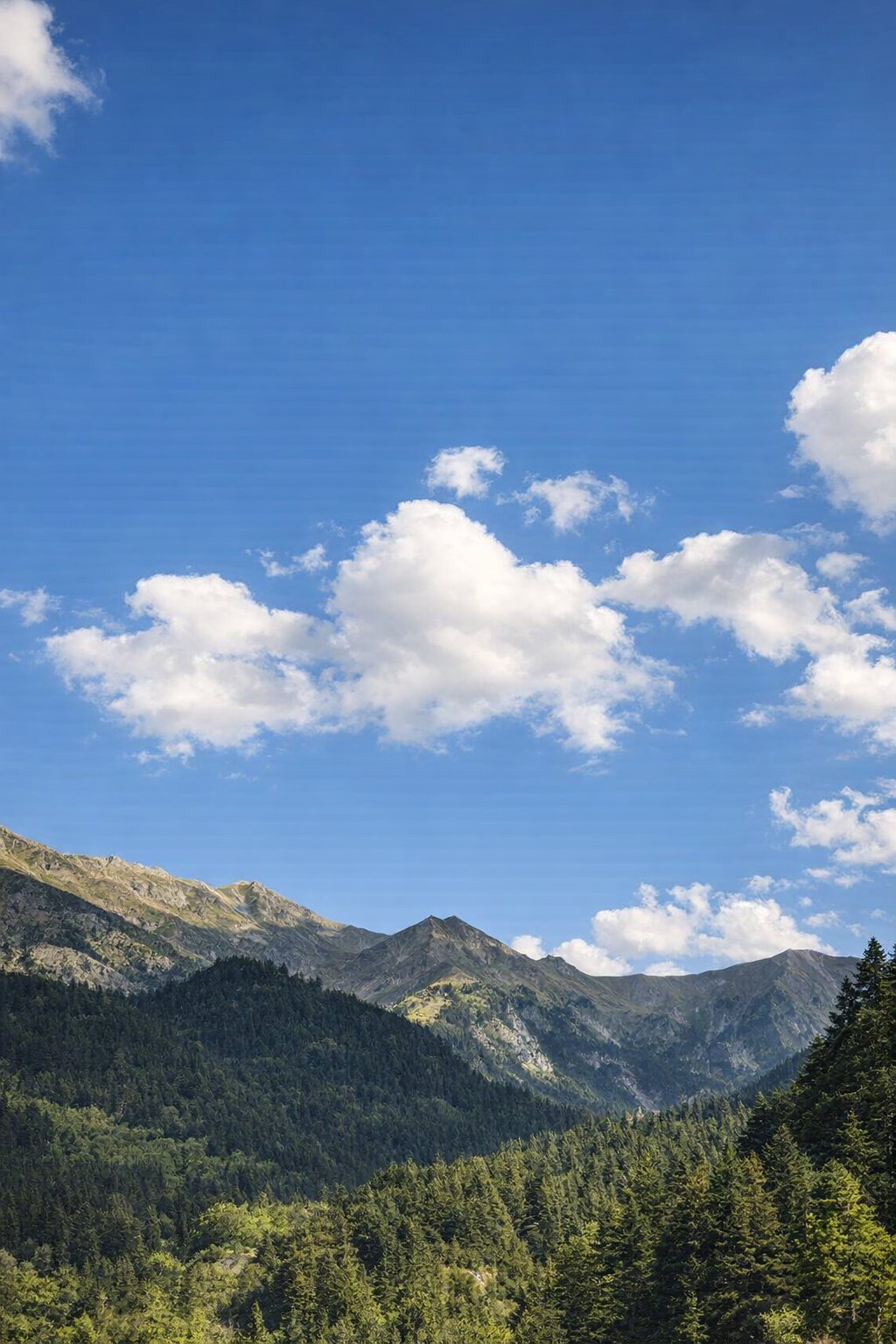
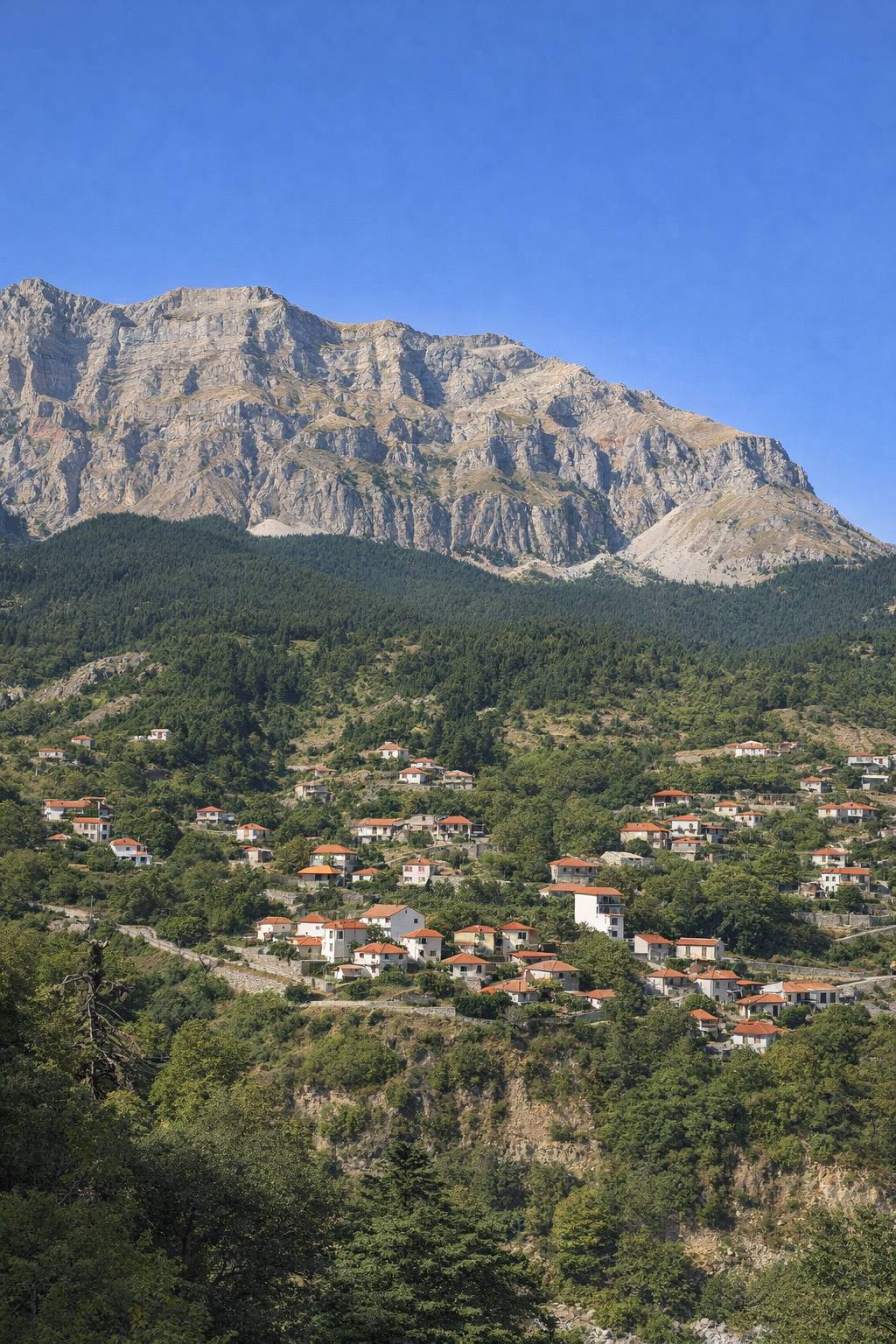
A little above the village of Melissourgoi, whose name is linked to its industrious inhabitants, stands the mountain refuge of the same name at 1,260 meters. A short and passable dirt road leads visitors to this guesthouse-like shelter, known for its family atmosphere, wide views, fireside conversations, and hot soups on cold winter days. The kitchen operates from morning until evening, serving walkers traditional dishes, warm drinks, and wine in cloudy glass tumblers.
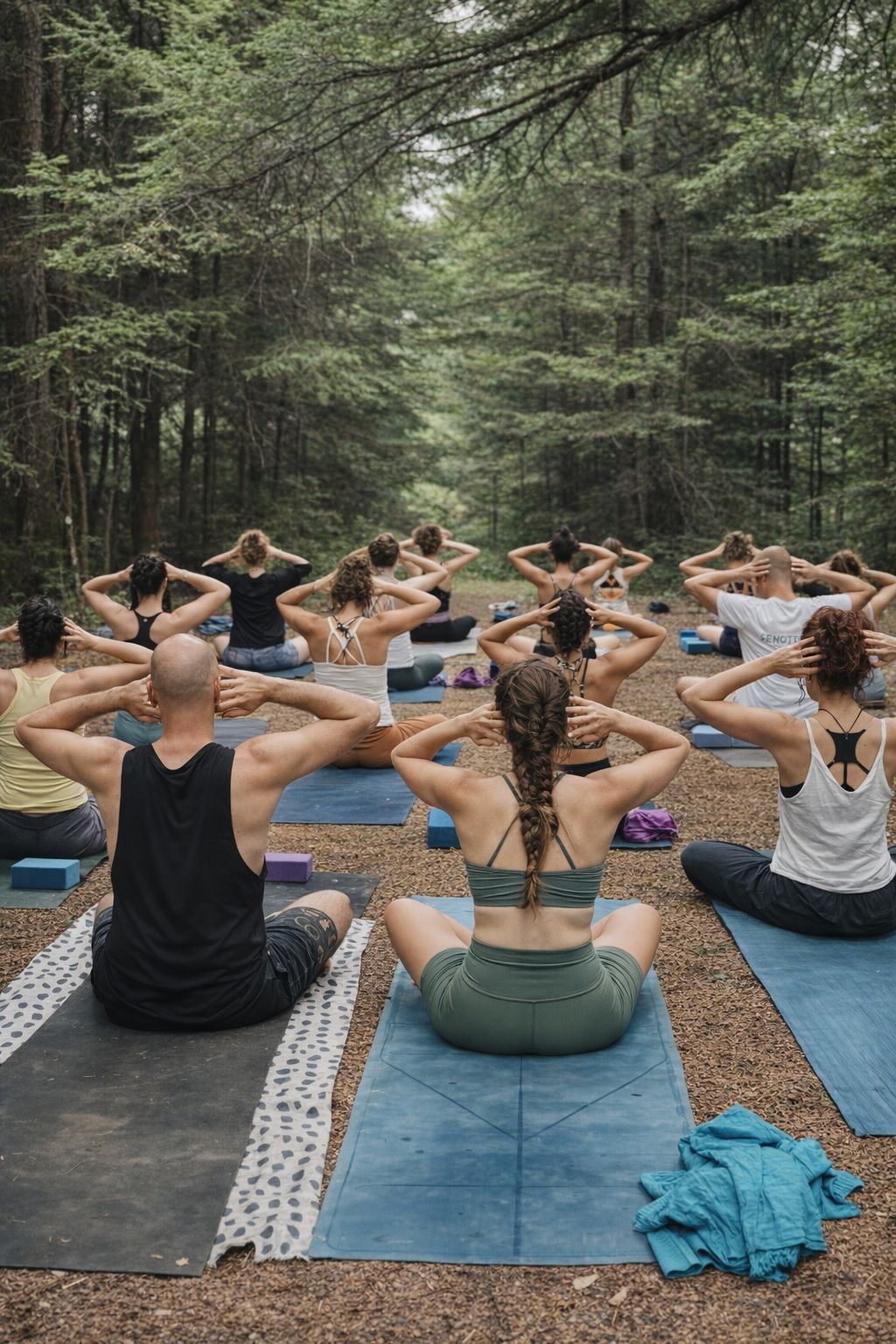
In addition to the indoor lodging that covers the basic needs of overnight guests, there is also a designated camping area in the forest behind the refuge. The trails that begin here are very well marked and vary in level of difficulty. The atmosphere is what sets this refuge apart, along with its simple wooden tables and chairs facing the mountain and the forest.
B. Pramanta
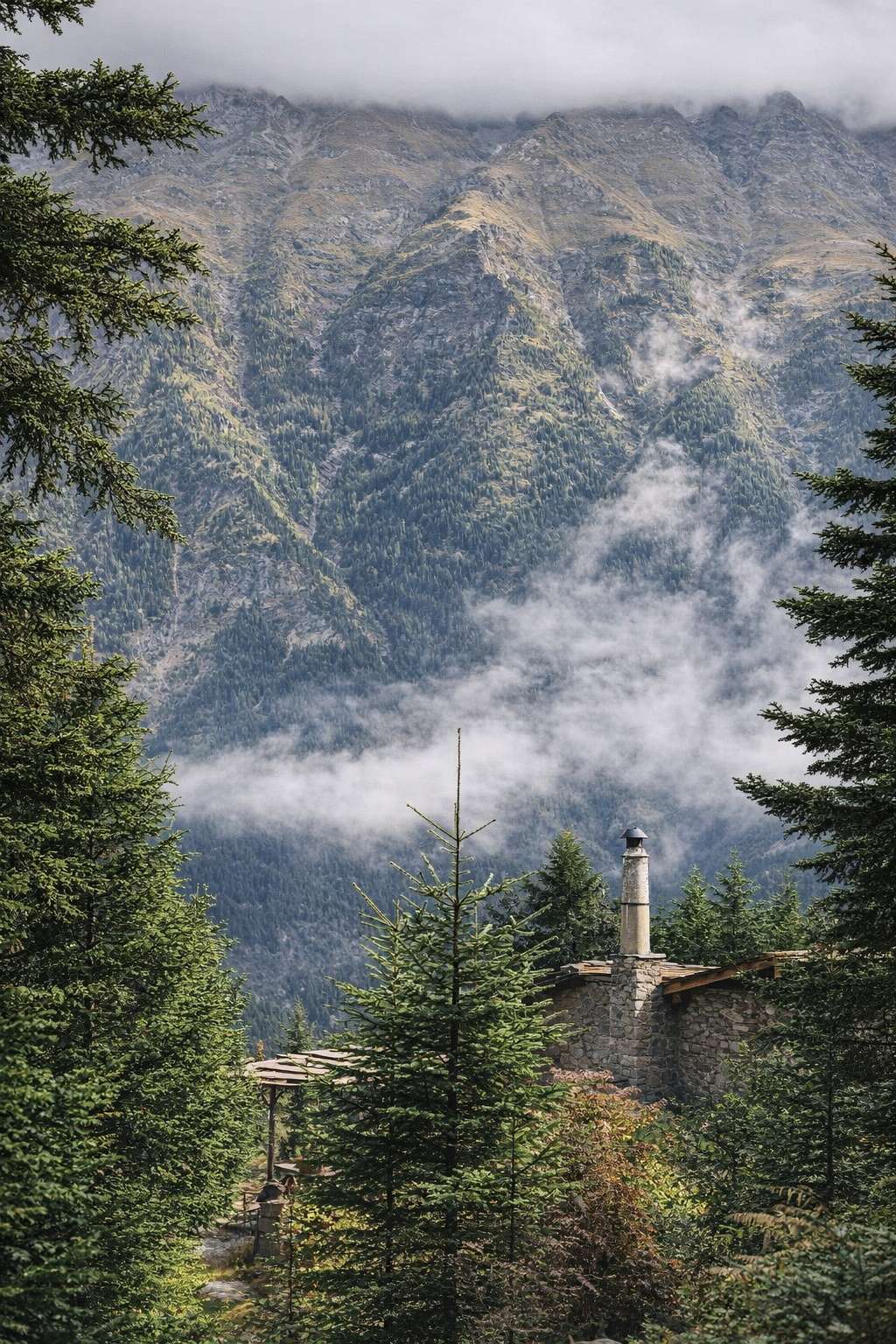
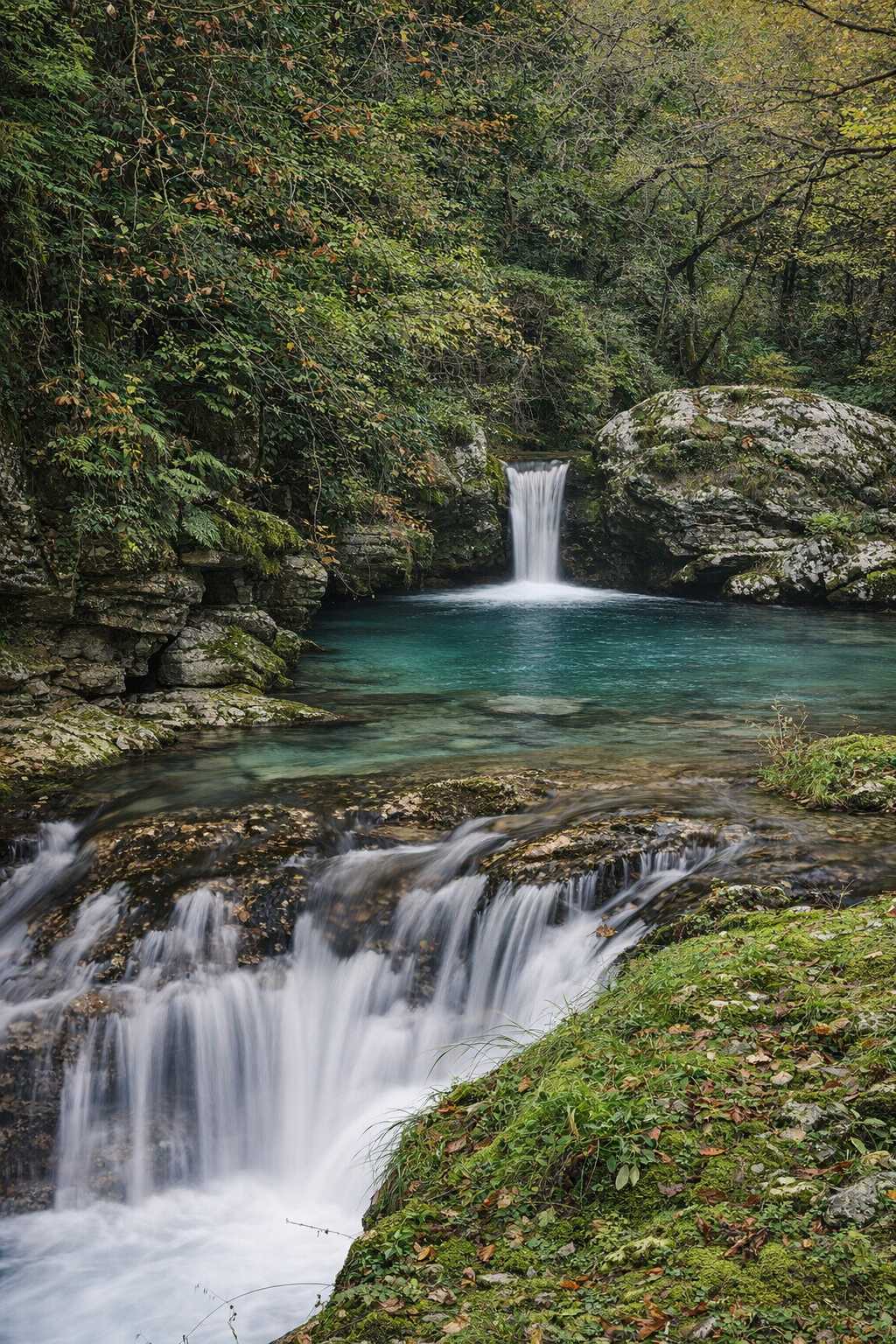
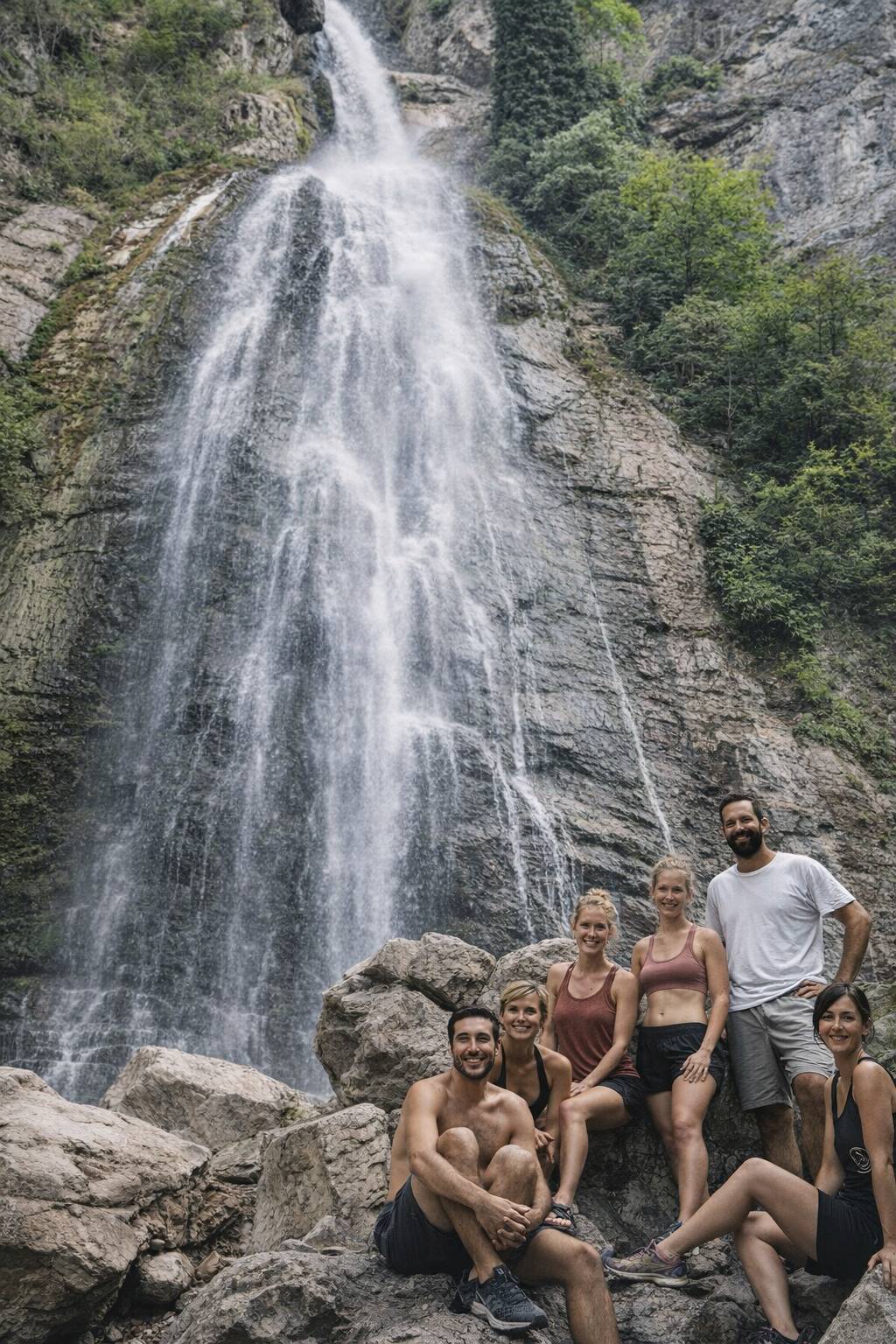
A passable dirt road and about 15 minutes are enough to reach the refuge of Pramanta from the village. Pola and Babis, hosts known for their warm welcome, receive visitors in a space with wooden tables and benches and a view that stays with you. Stone and wood define the structure, while large windows give full visibility to the dense natural surroundings outside.
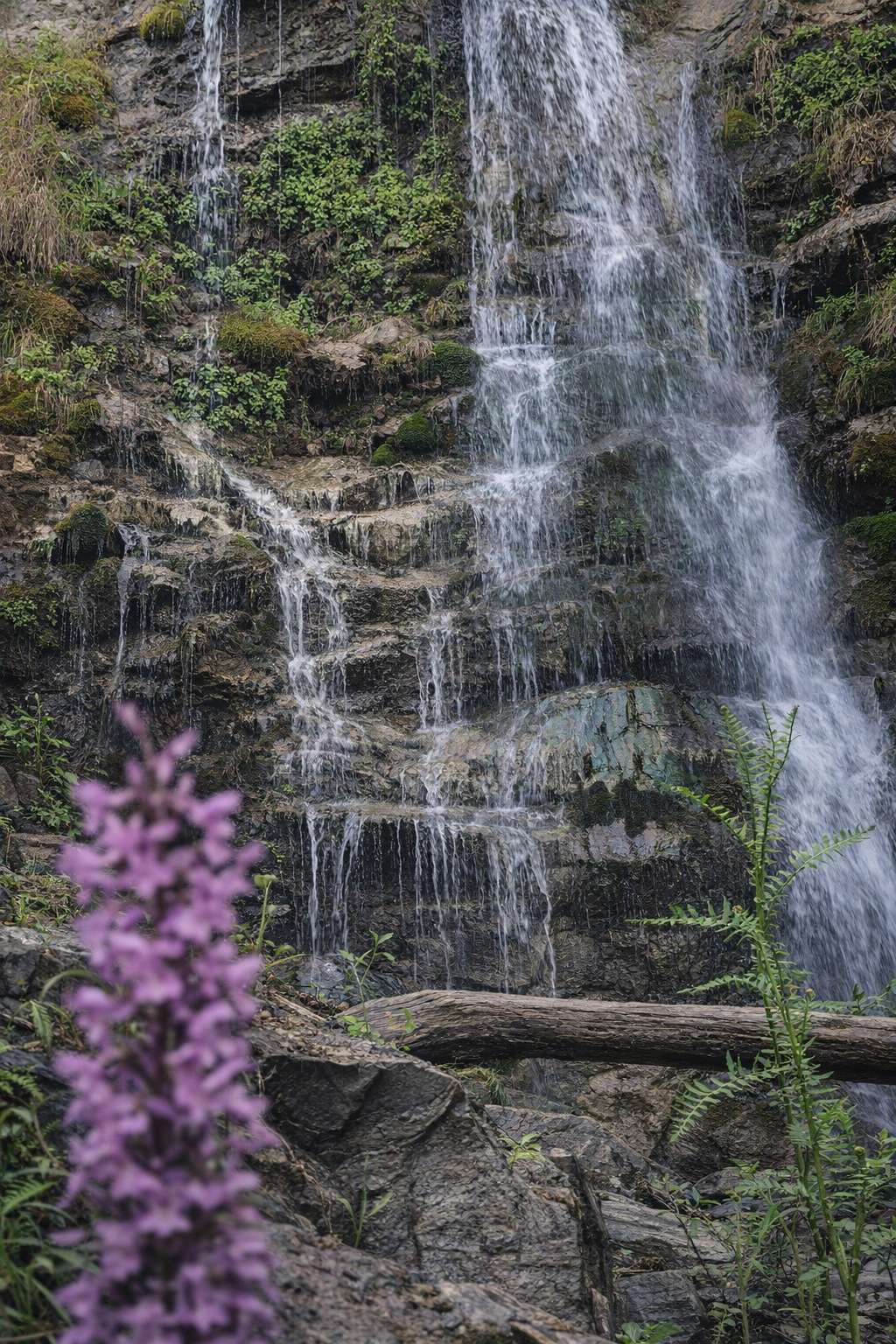
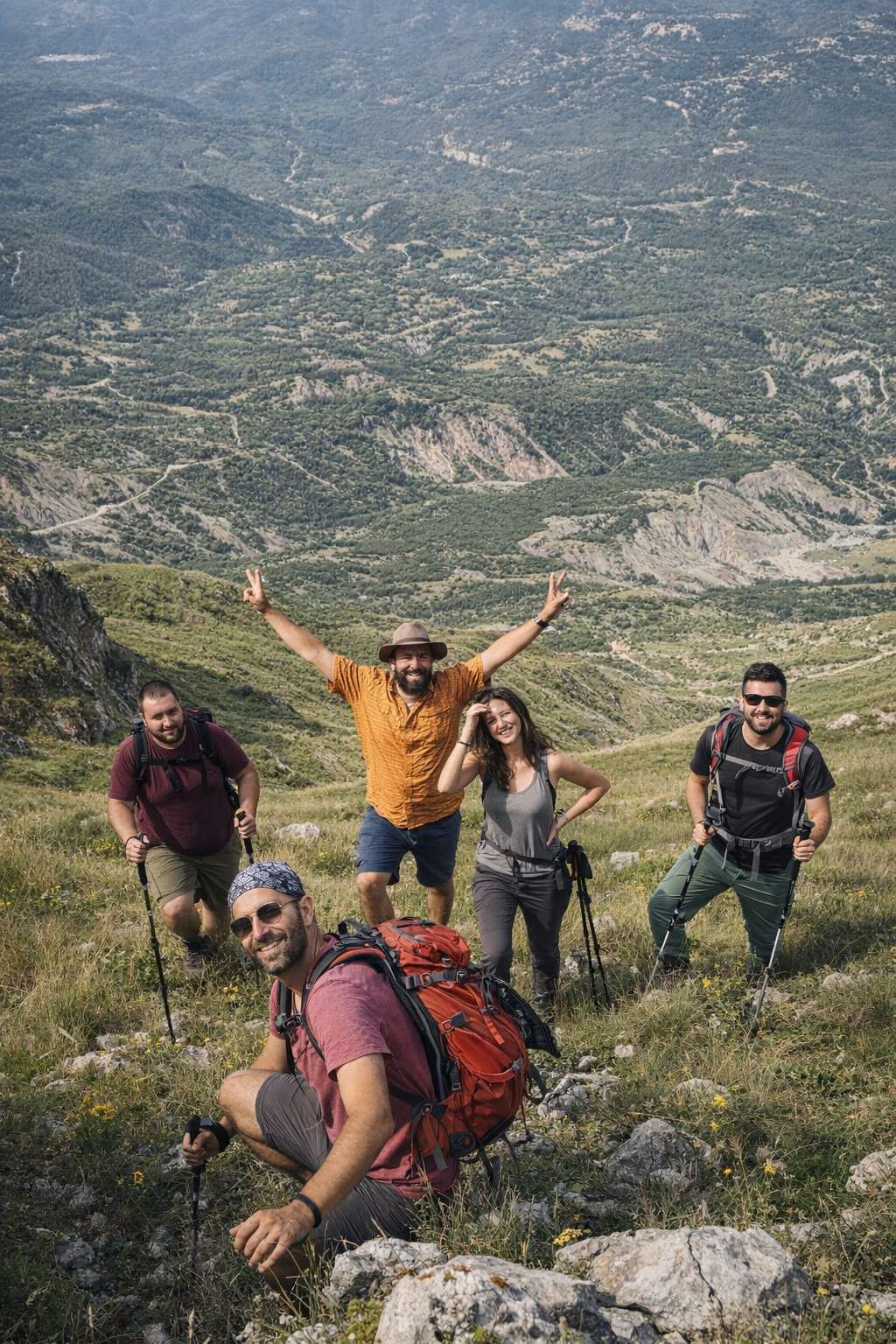
The guesthouse accommodates up to 26 individuals, providing warmth, water, drinks, and food. Outside, visitors will find small tables facing Stroggoula and the surrounding slopes, while hikers can rest their legs in the outdoor bath created on the grounds. From both refuges begin hiking routes to the Kefalovryso waterfall, the Stroggoula peak, Katsantoni Cave, and other circular trails, while the two are also connected by a marked footpath.