


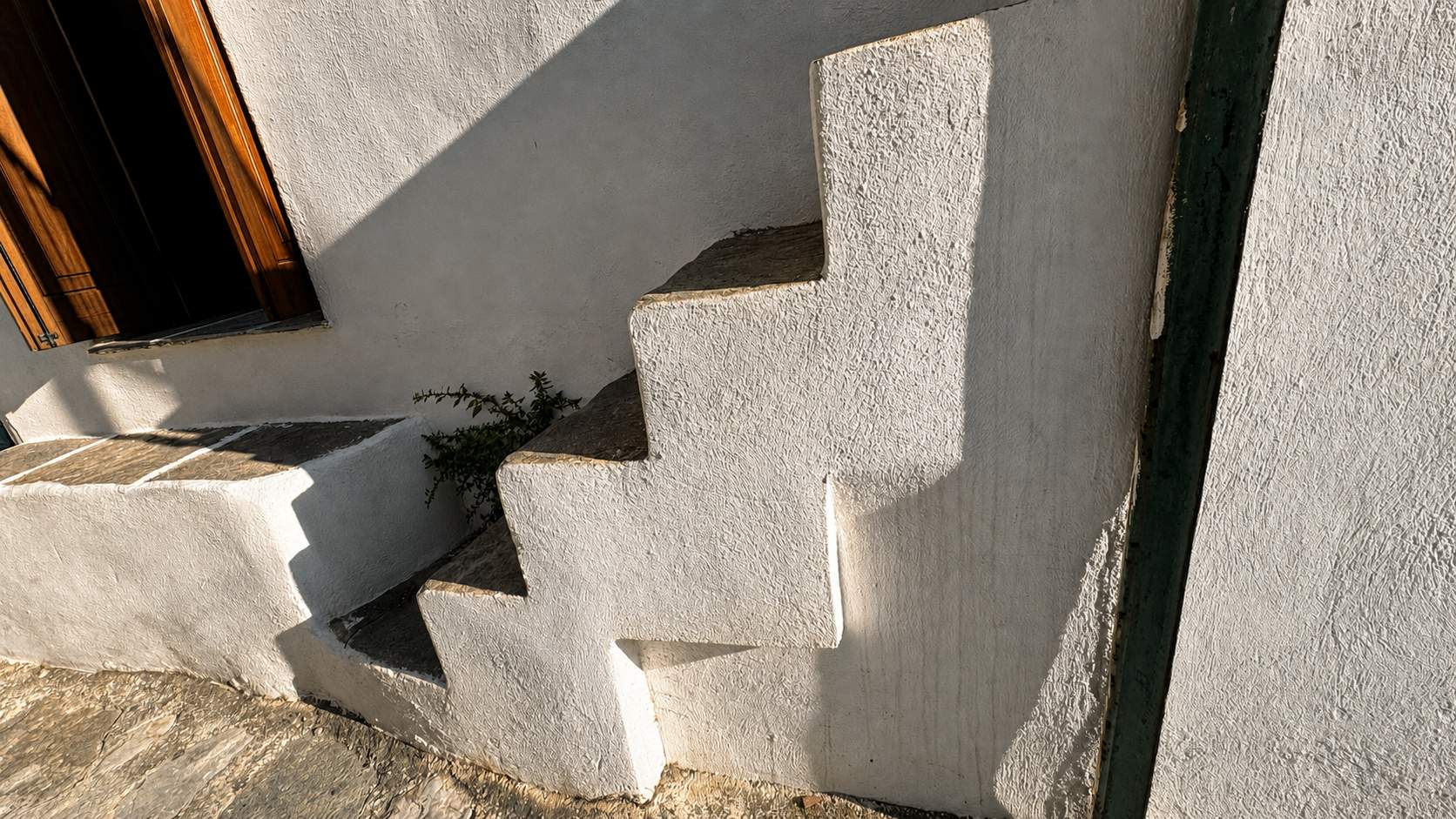
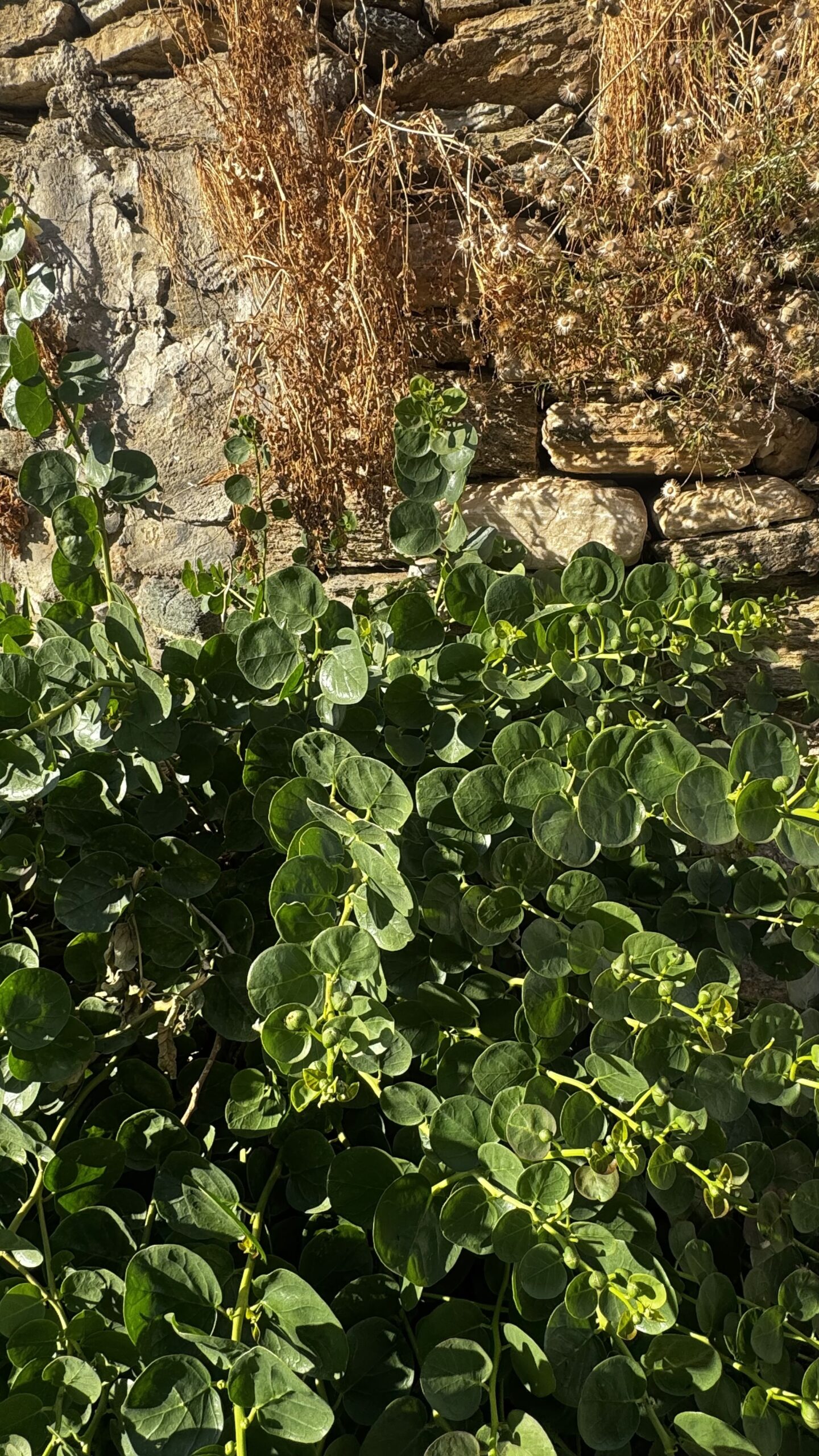
Sifnos has the rare gift of feeling both chic and well lived-in. Set in the western Cyclades, it is an island of pretty villages, terraced hills, old footpaths, blue-domed chapels, dovecotes, dry-stone walls, and bays that shift from easy summer sand to clear, rocky coves.
Its history stretches back to the Cycladic world of the 3rd millennium BC, and in antiquity it was rich from gold and silver mines, quarries, and clay. That wealth left one of its finest traces at Delphi, where the marble Treasury of the Sifnians became one of the great Ionic monuments of the 6th century BC. Later centuries brought Byzantine churches, Venetian and Frankish rule, Ottoman administration, the fortified settlement of Kastro, and a local culture unusually strong in letters, religion, craft, and domestic life.
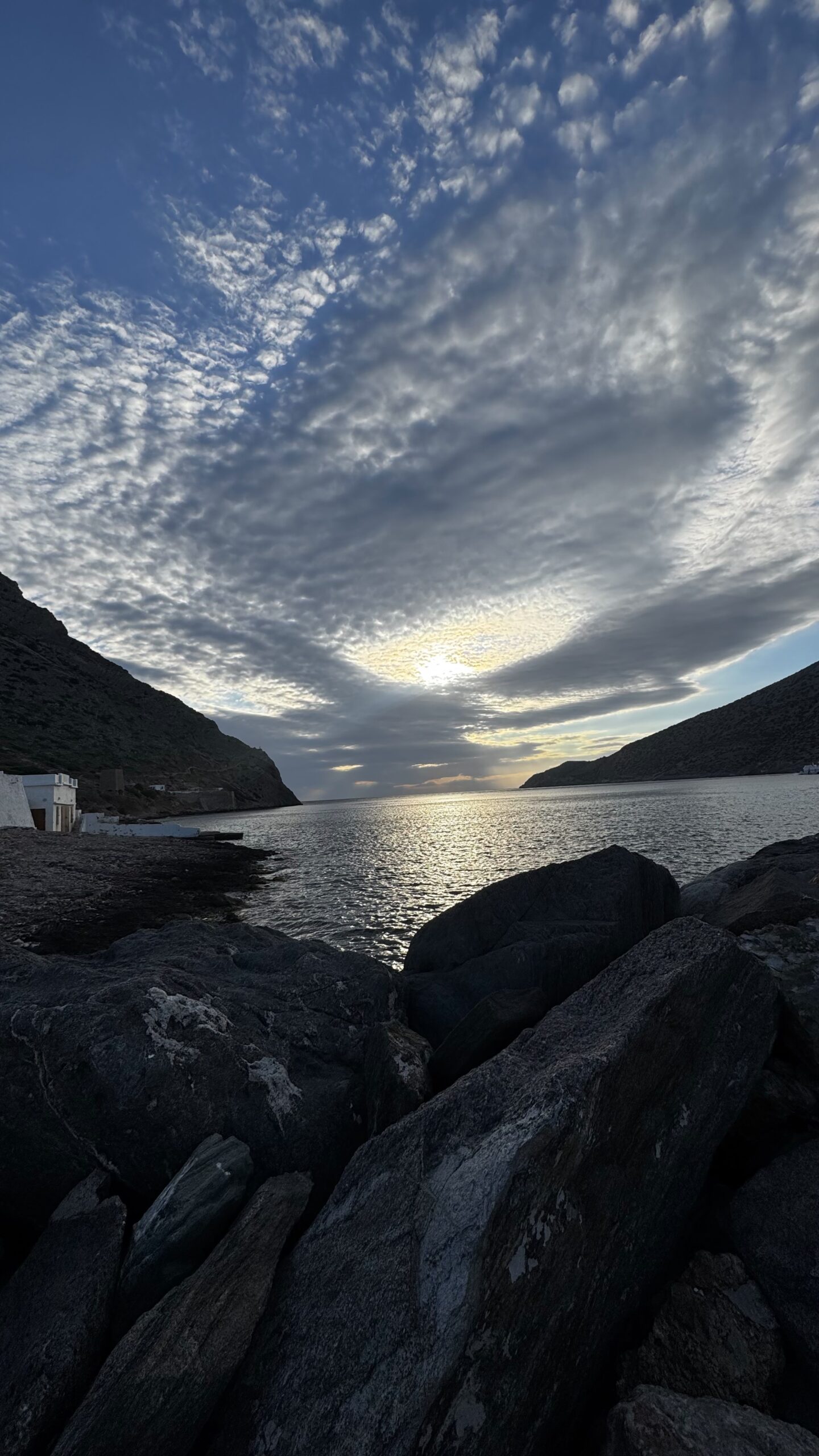
What makes Sifnos so appealing today is the way those layers remain visible. The island is also known for its churches (around 235) and monasteries, from the much-photographed monastery of Panagia Chrysopigi, built on a rocky promontory above the sea, to sugarcube hilltop chapels, and remote whitewashed shrines reached by footpath. Religious life is still tied to local festivals, which bring the landscape to life with the community’s social character.
Much of Sifnos’ charm lies in the clean geometry of its villages, the smell of food coming from wood-fired ovens, the glow of whitewashed churches against the sea, and the sense that every path, pot, chapel, and plate belongs to the same ancient, intelligent and intuitive rhythm of island life.
On a recent visit to Sifnos, I followed two of the island’s strongest threads, which reflect some of my own key passions – ceramics and gastronomy – meeting the locals behind the enticing potteries and restaurants, many of them enthusiastically carrying on their trade from the generations that preceded them. These are people who love, respect and honor their island’s heritage, and keep up traditions that are too easily forfeited or forgotten in our time.
Find your way in:
The Village Circuit
Fields, Farms and Old Ways
The Island of Clay
Coastal Allure
The Old Sifnos Tables
The New Sifnos Tables
01
The Village Circuit
At the time of writing, Sifnos only has 10 taxis, which can make getting around somewhat challenging. The local bus network is reliable and very affordable, but can seriously confine or over-extend your visiting time to villages. The best idea, especially if you’re in a small group, is to hire a minivan transfer like Sifnos Experience. Our driver, Christina, who also owns the company, also acted as an excellent guide, taking us to the places we were interested in visiting and suggesting ones we had never heard of, and stopping at places to show us fabulous views or landmarks that we probably would have overlooked. The island has 13 inhabited villages, but in a few days there are five that you mustn’t miss: Apollonia, Kastro, Artemonas, Platy Yialos and Vathy.
Apollonia
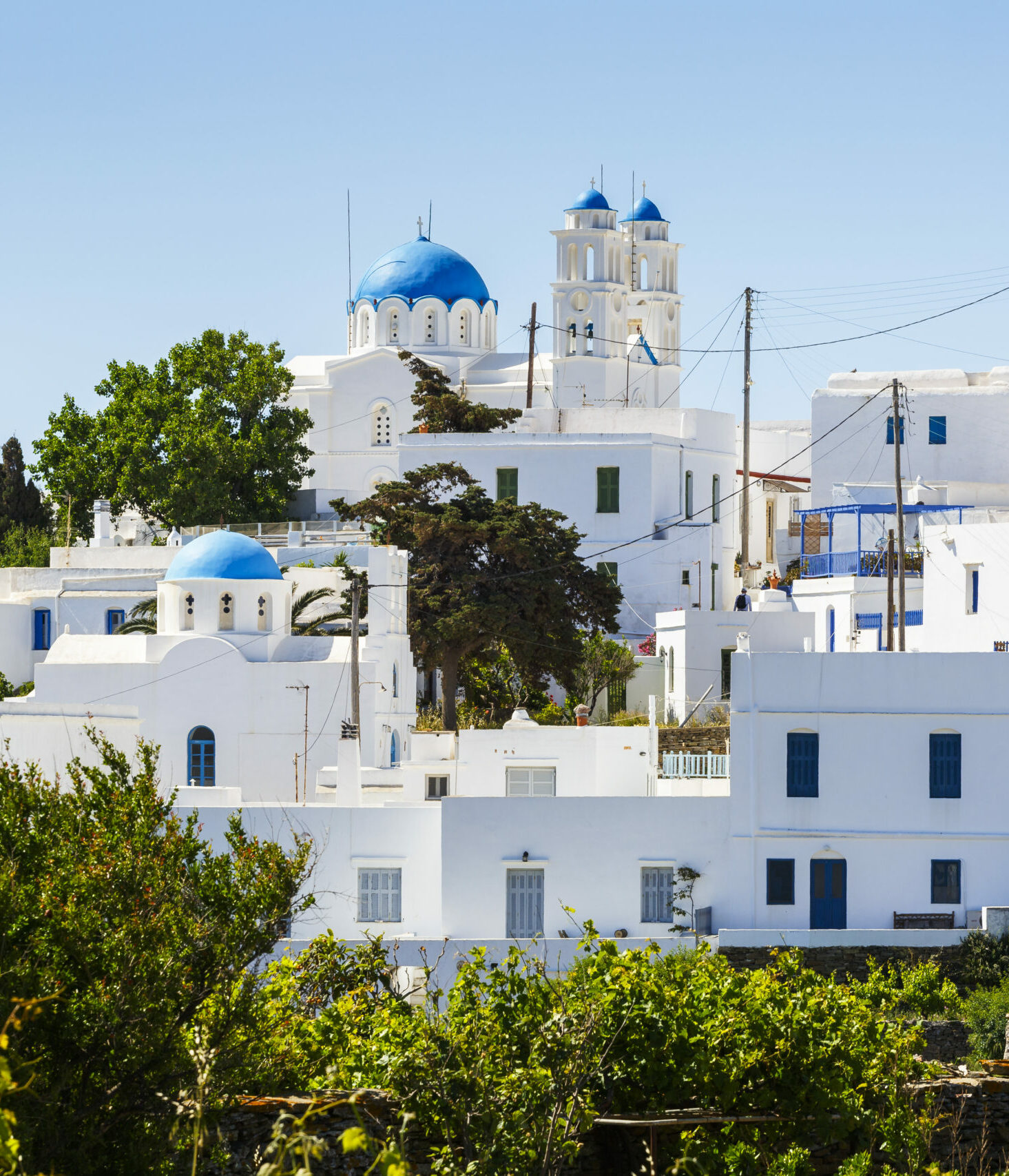


Apollonia is the island’s capital and the practical centre of Sifnos, set inland rather than by the sea, with the island’s main shops, cafés, restaurants, bars, bakeries, small hotels and bus connections gathered around it. Its lanes run through whitewashed houses, chapels, courtyards, steps and low Cycladic buildings, with the evening walk known locally as the Steno (narrow roadway) forming one of the island’s busiest social summer rituals. It is the ideal start for a first orientation: close to Artemonas, Exambela, Katavati and Kastro, linked to the beaches by short drives or summer buses, and lively at night without losing the scale of a village.
Where to stop
Walk the Steno for plenty of boutiques, bars and cafés, then stop at the Folklore Museum (+30 22840 & 33730) on Plateia Iroon, Agios Spyridon, the island’s Metropolitan Cathedral, Panagia Ouranofora church and Ble Sifnos for handmade jewelry and Cycladic objects. This is by far the best and most atmospheric village for evening window-shopping, a coffee or cocktail plus people-watching, without needing a car.
Artemonas
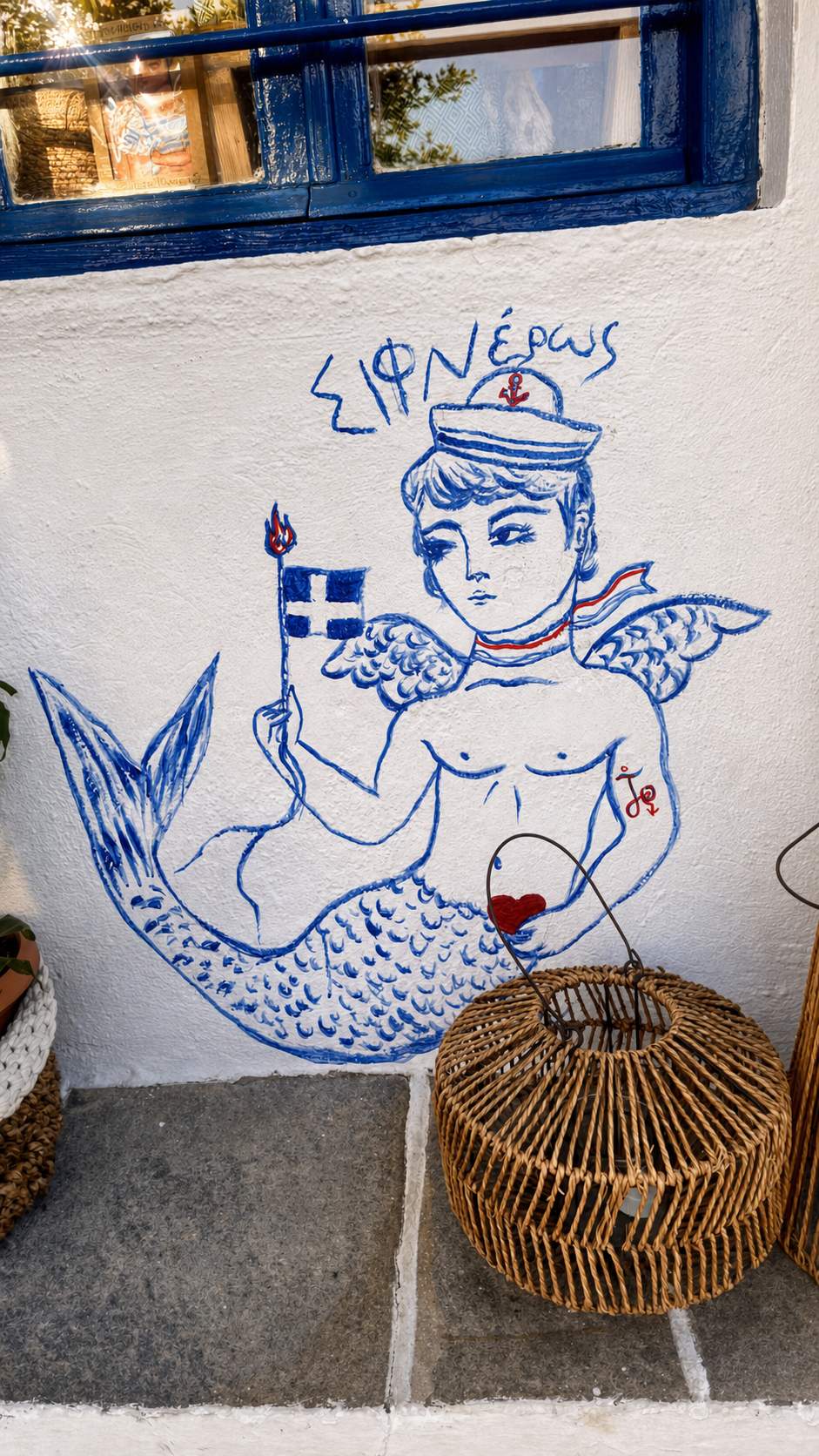
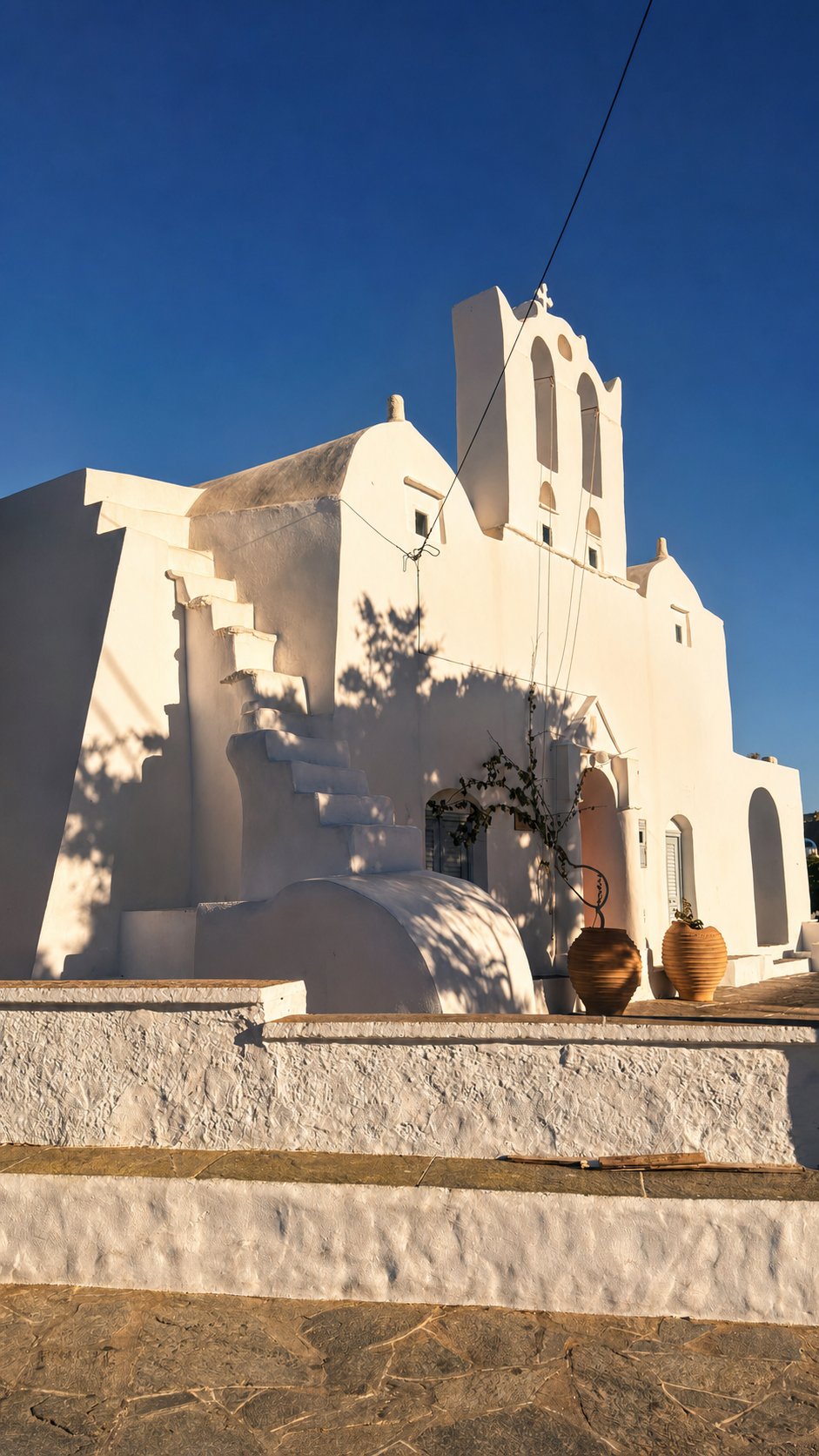
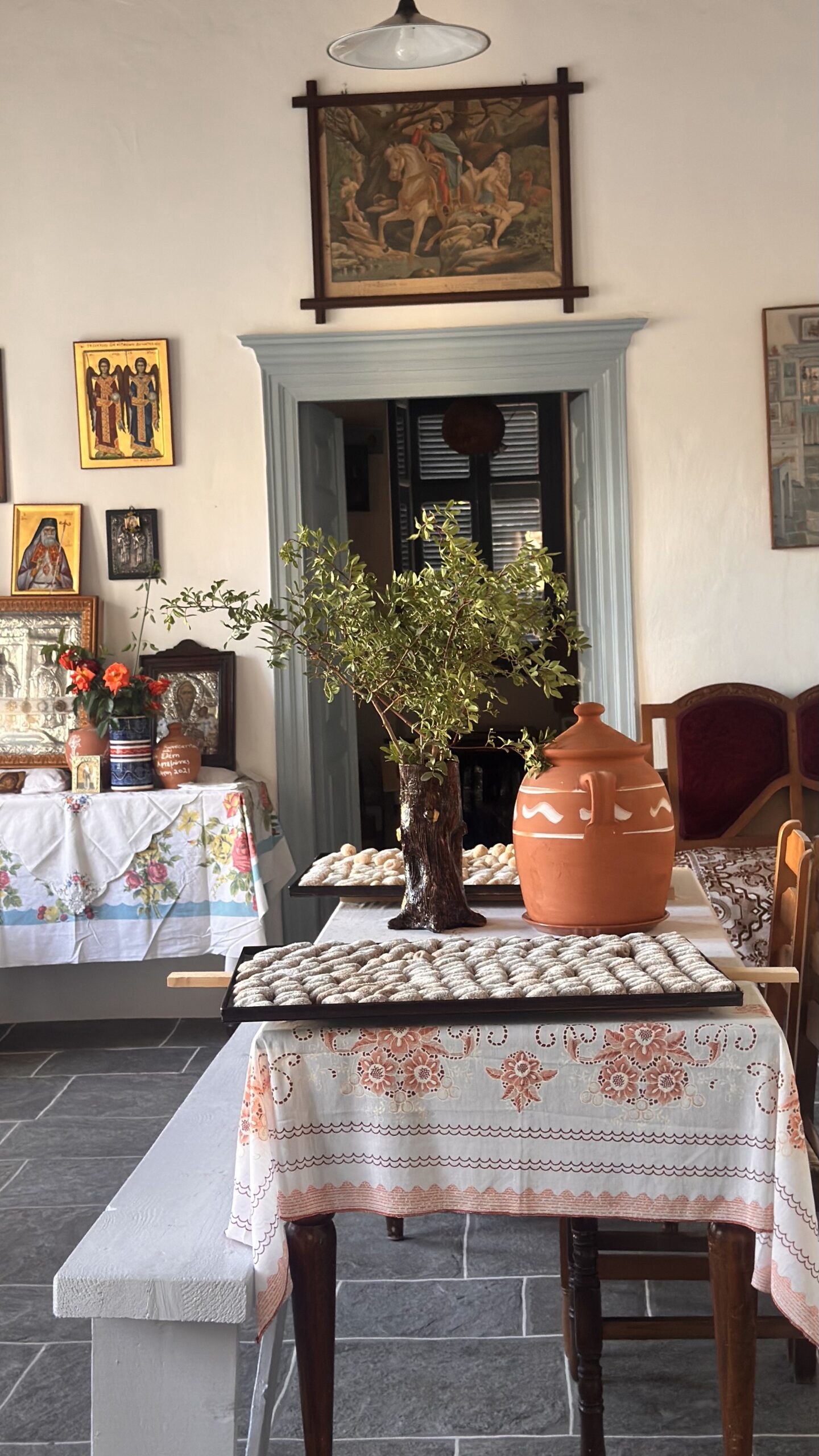
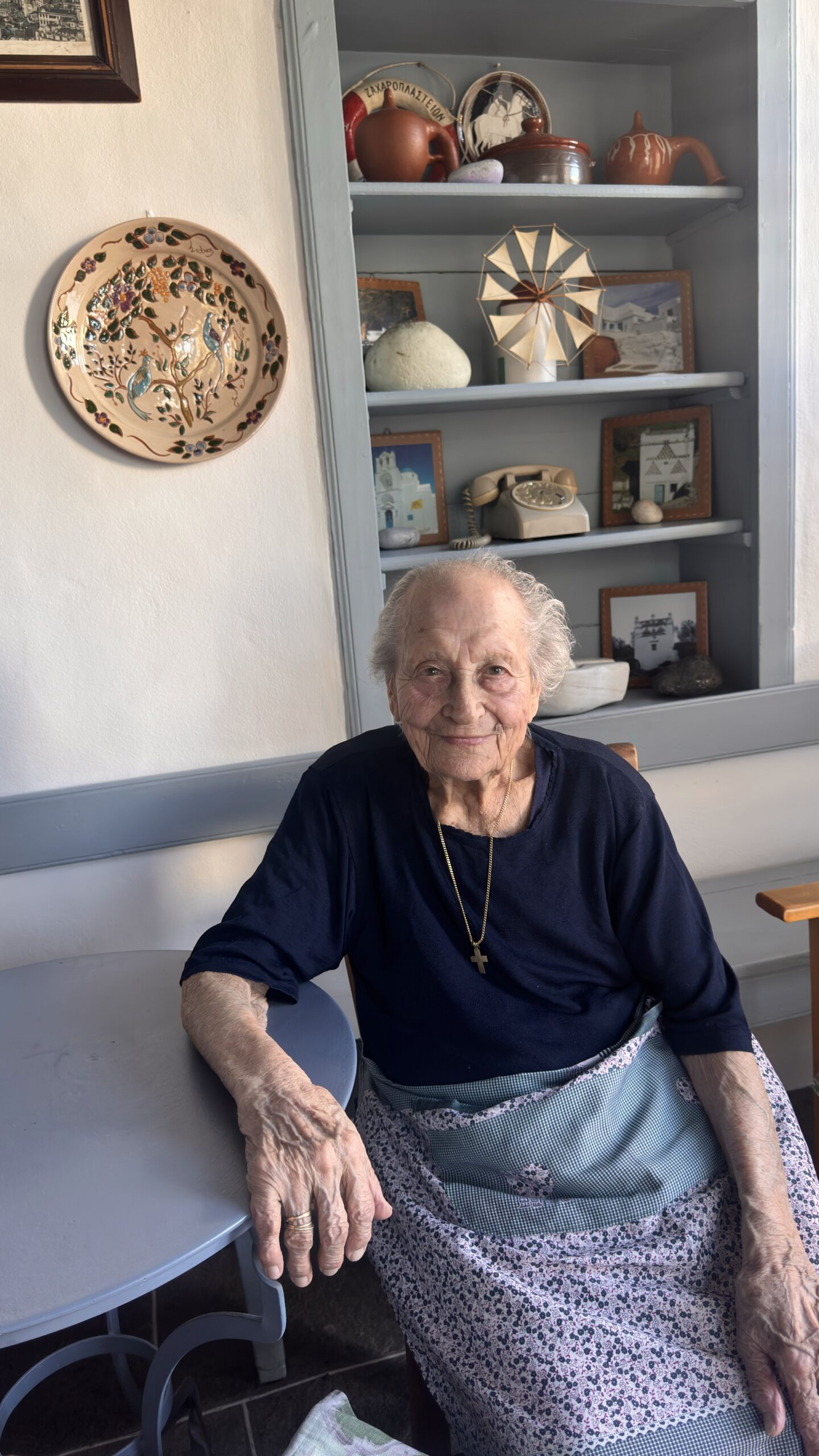
Artemonas sits just above Apollonia and offers a calmer, more residential view of Sifnos, with neoclassical houses, old family mansions, gardens, dovecotes, windmills and churches set along stone-paved lanes. It has long been associated with some of the island’s most elegant domestic architecture, and its houses often show the wealth brought by shipping, trade and Sifnos’ older professional families. The village is especially good in the early morning or late afternoon, when the walk from Apollonia or through the village feels easy and the views open toward the central settlements, the hills and the sea.
Where to stop
Come for Theodorou (Tel +30 22840 31370), the historic pastry shop known for the most authentic and flavorsome traditional Sifnian and Cycladic sweets, then add the beautiful churches of Panagia Kochi, Panagia tis Ammou, Panagia tou Bali, Zografeion Art Gallery and the village’s old mansions and gardens. It is the best inland village for morning wandering, sweets, architecture and a quieter café stop.
Platy Yialos

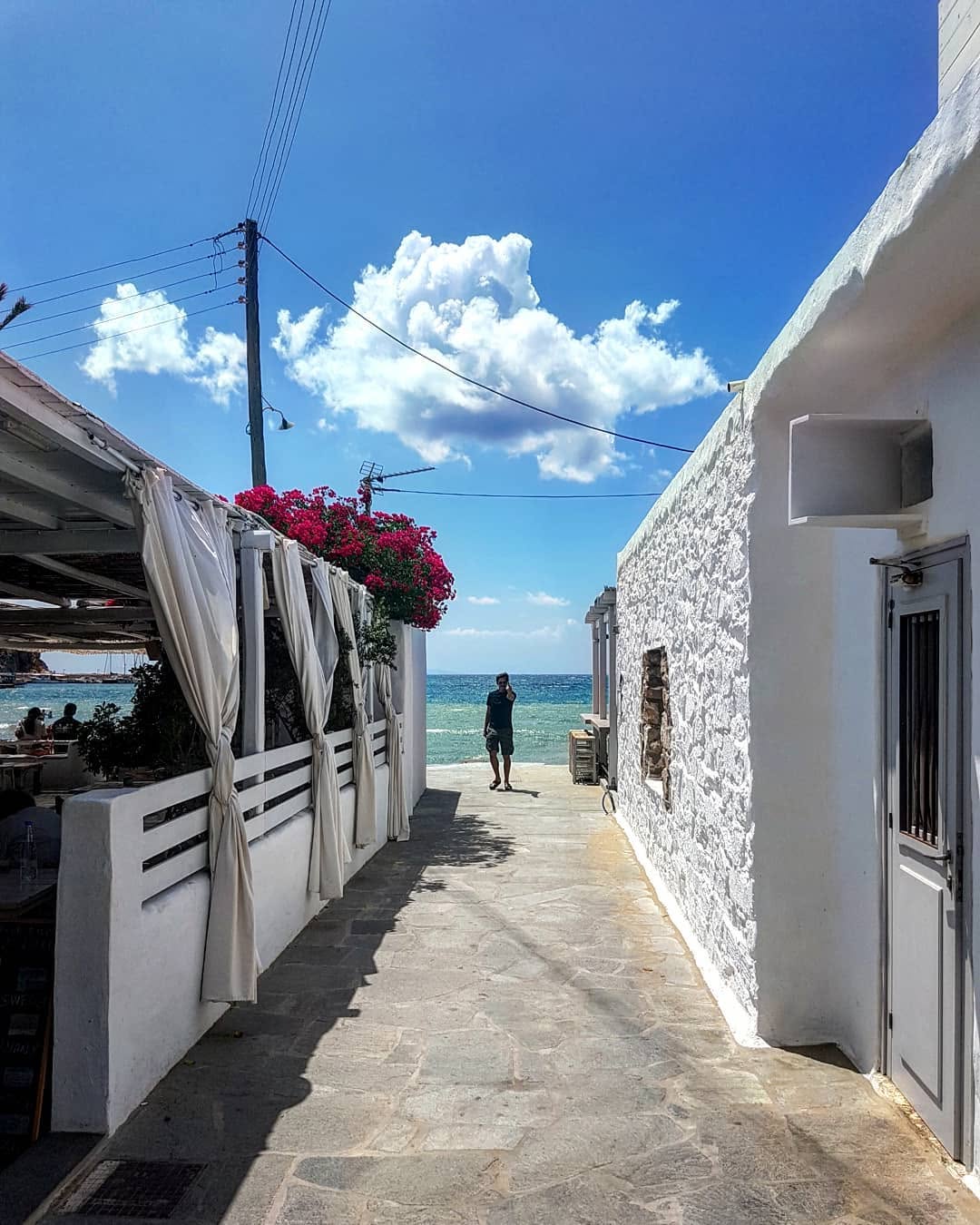
Platy Yialos is one of Sifnos’ largest sandy beaches and among its most developed coastal settlements, with hotels, rooms, restaurants, cafés, that attract a younger, more vibrant crowd, ceramic studios and small shops arranged close to the shore. The long beach is sheltered and easy, which makes it one of the island’s most lively swimming spots, especially for families and visitors who want to stay directly by the water.
Where to stop
The main stops are the beach itself, the seaside cafés and restaurants, the small shops, and the walk or boat view toward Kitriani, whose church of Panagia Kitriani is one of the oldest on Sifnos. Nearby, the White Tower gives the area a historical point beyond the beach, while the village is also a practical base for hikes toward Fikiada and Vathy. Have iced coffee or a cocktail at Palmira.
Kastro
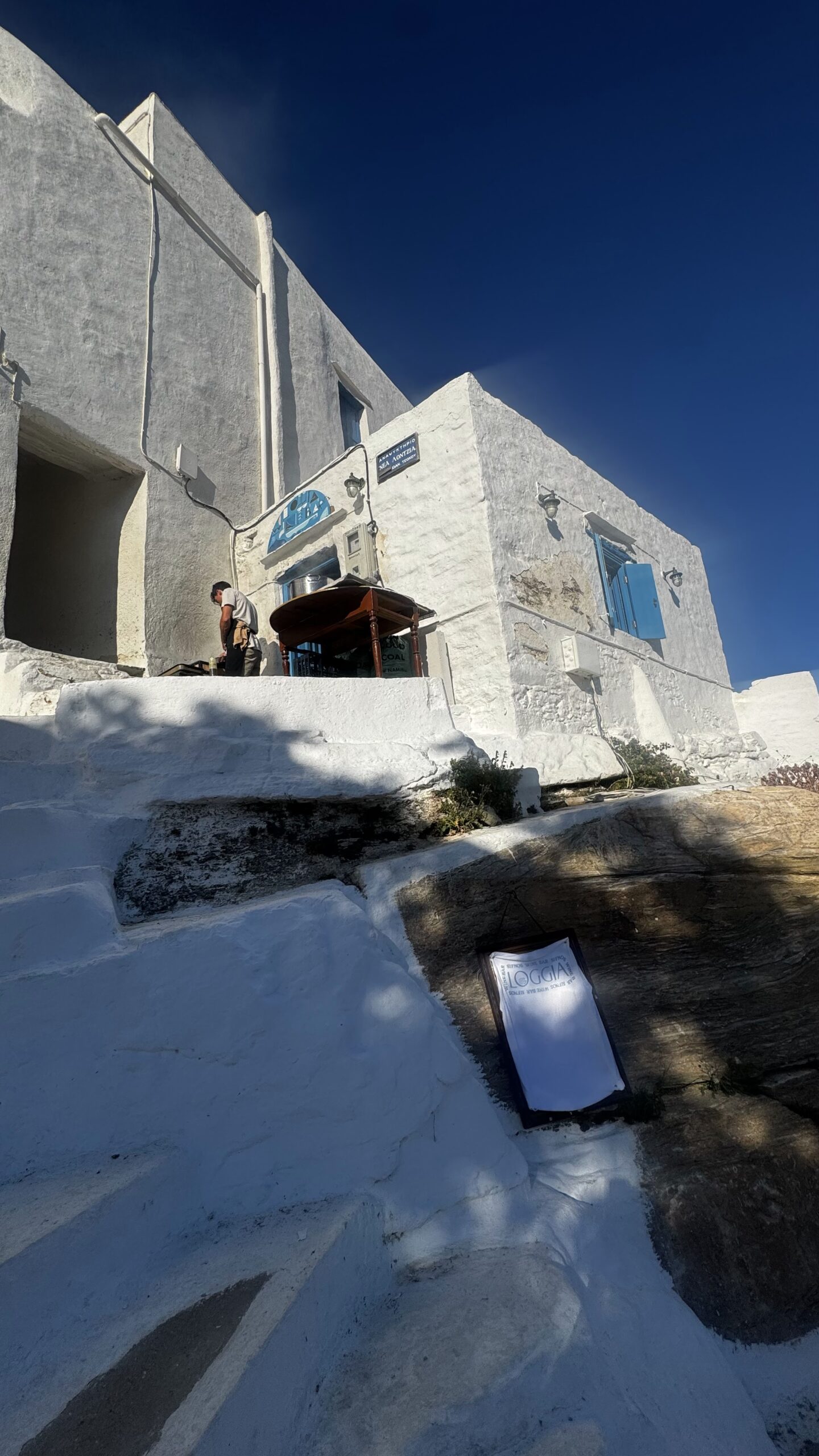
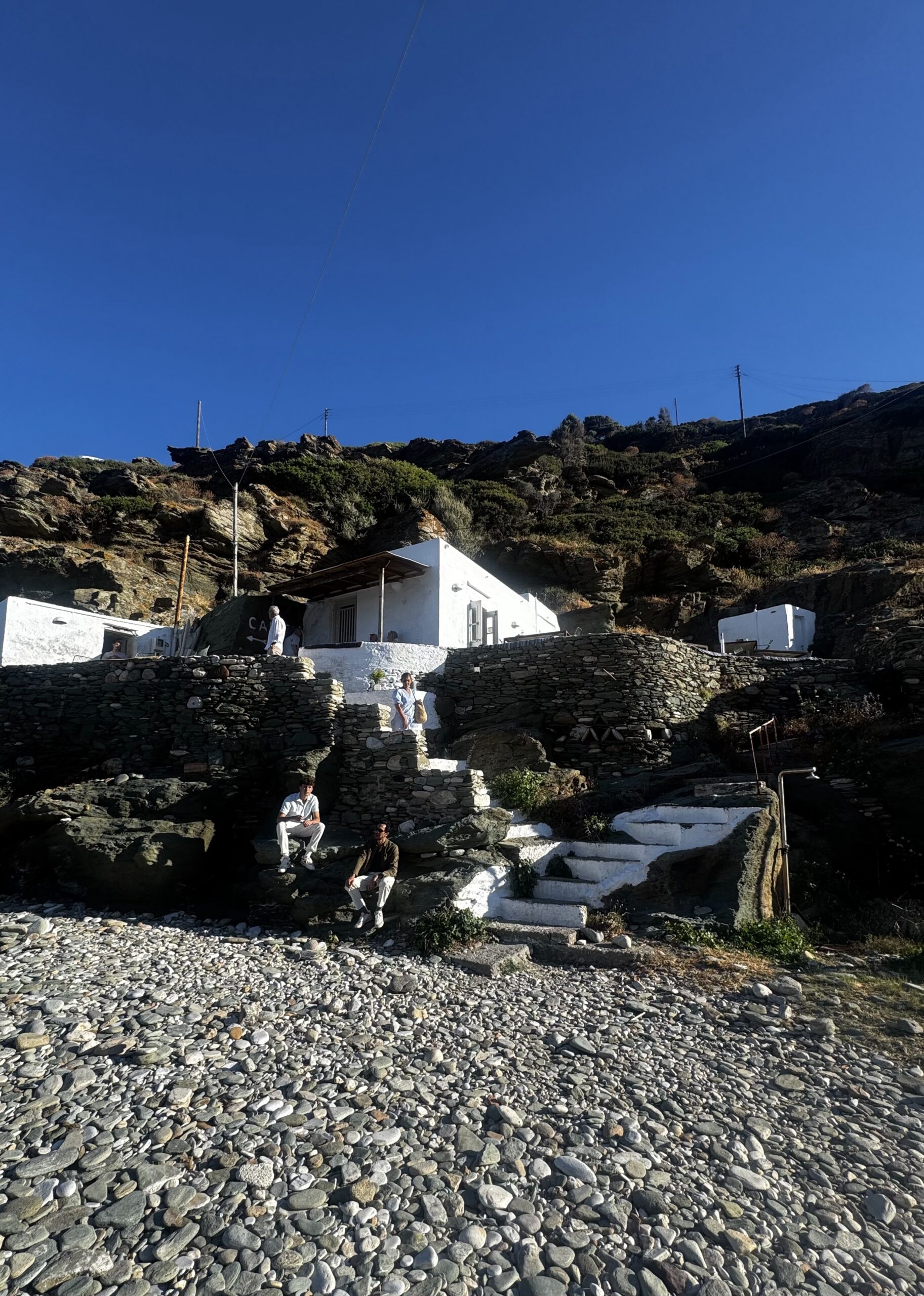
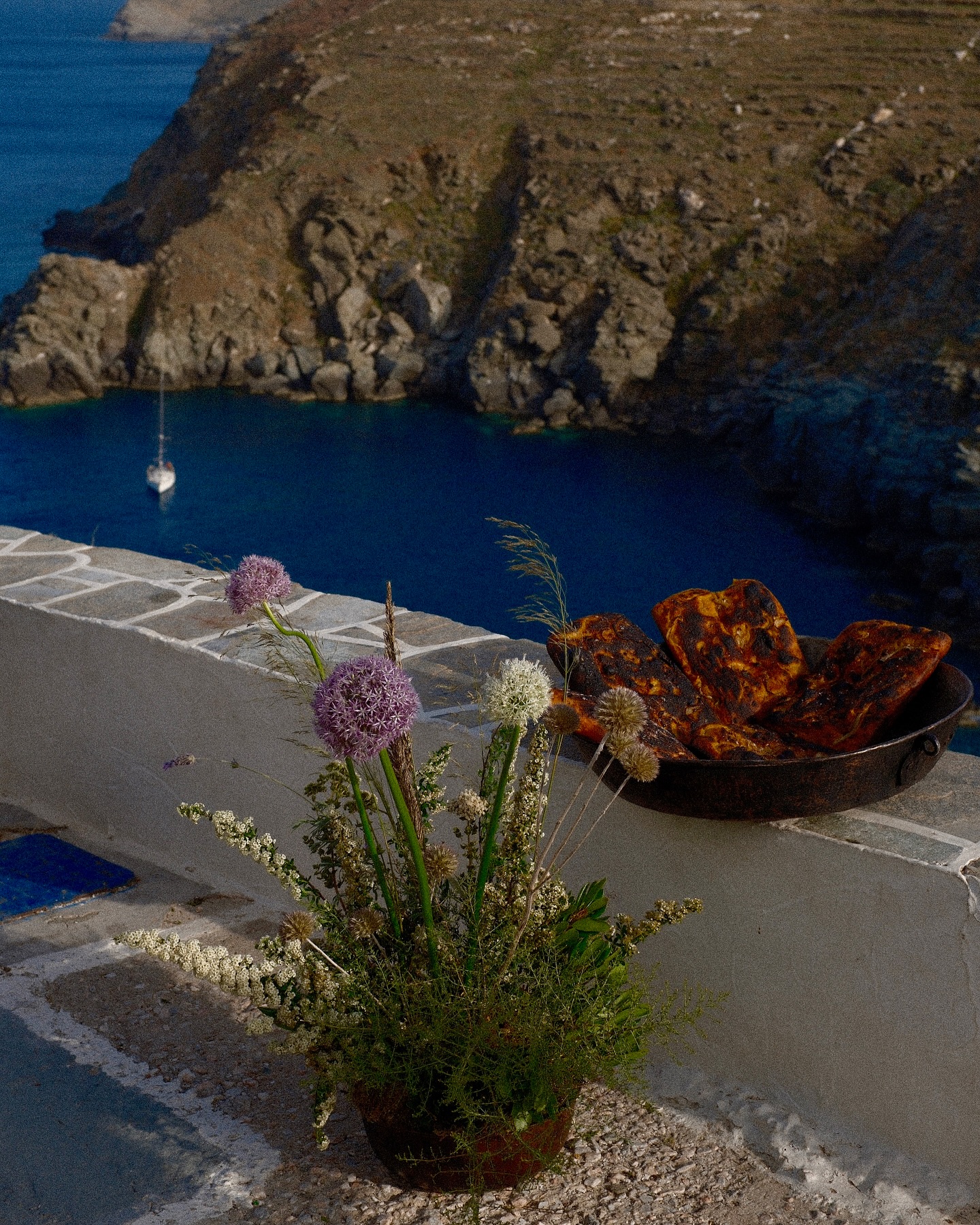
Kastro is the highly picturesque, old fortified capital of Sifnos and one of the most historically important settlements on the island. Built on the site of ancient Sifnos, it preserves a dense medieval plan, with arched passages, narrow lanes, old mansions, churches, carved lintels, reused ancient marble and houses arranged around the defensive logic of the settlement. The village is almost entirely pedestrian, and its outer edge opens suddenly to dramatic sea views, with the chapel of the Epta Martyres below on its rock.
Where to stop
Go for the Archaeological Museum, the medieval lanes, Panagia Eleousa church, the old gateways, the former school building when summer exhibitions are on, and the descent to the Church of the Seven Martyrs. Loggia is the obvious stop for wine and views in summer, as is Cantina across on the beach for food (both need to be booked well ahead of your visit) while the whole village works best as a wandering visit rather than a shopping stop.
Vathy
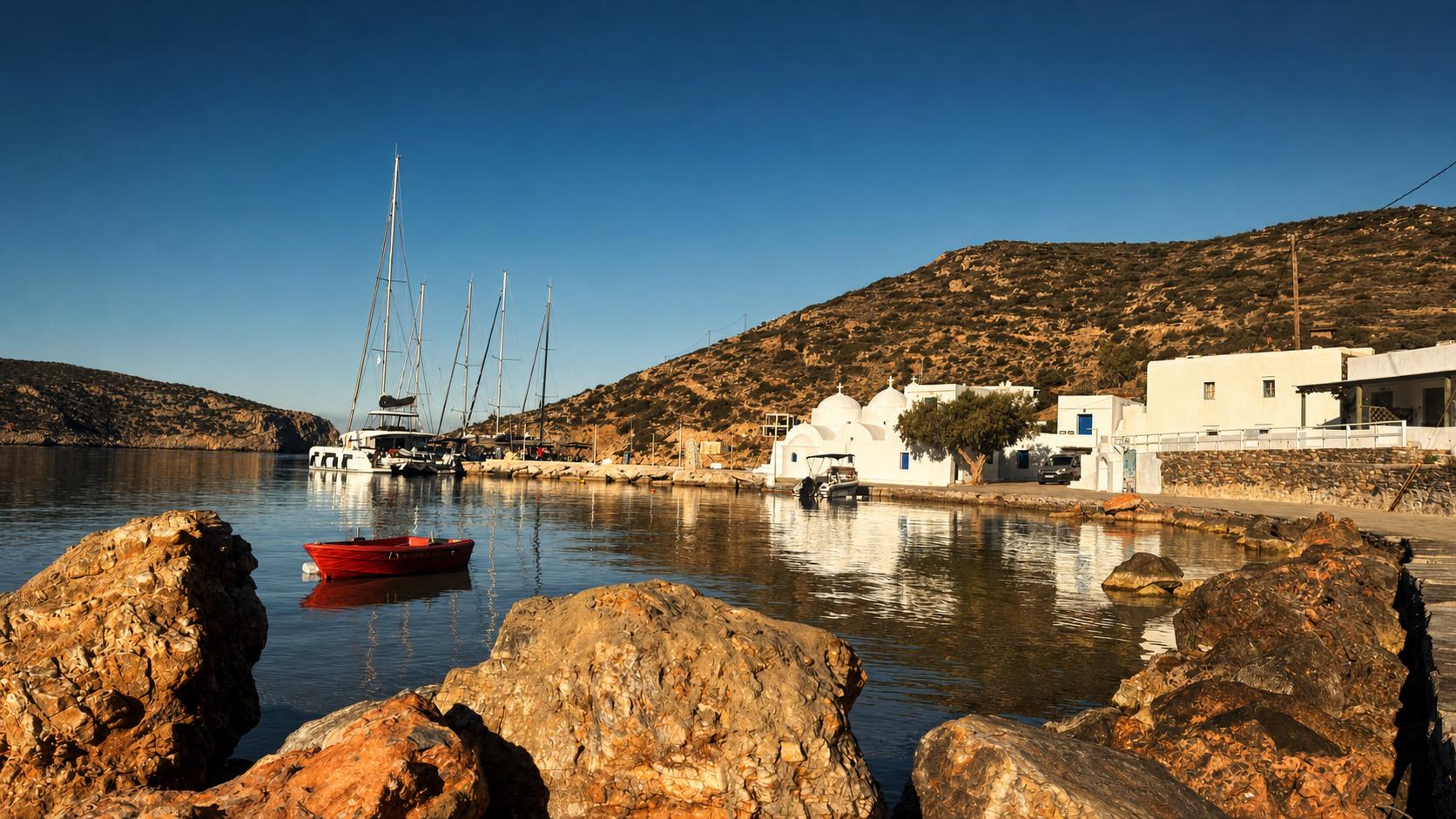
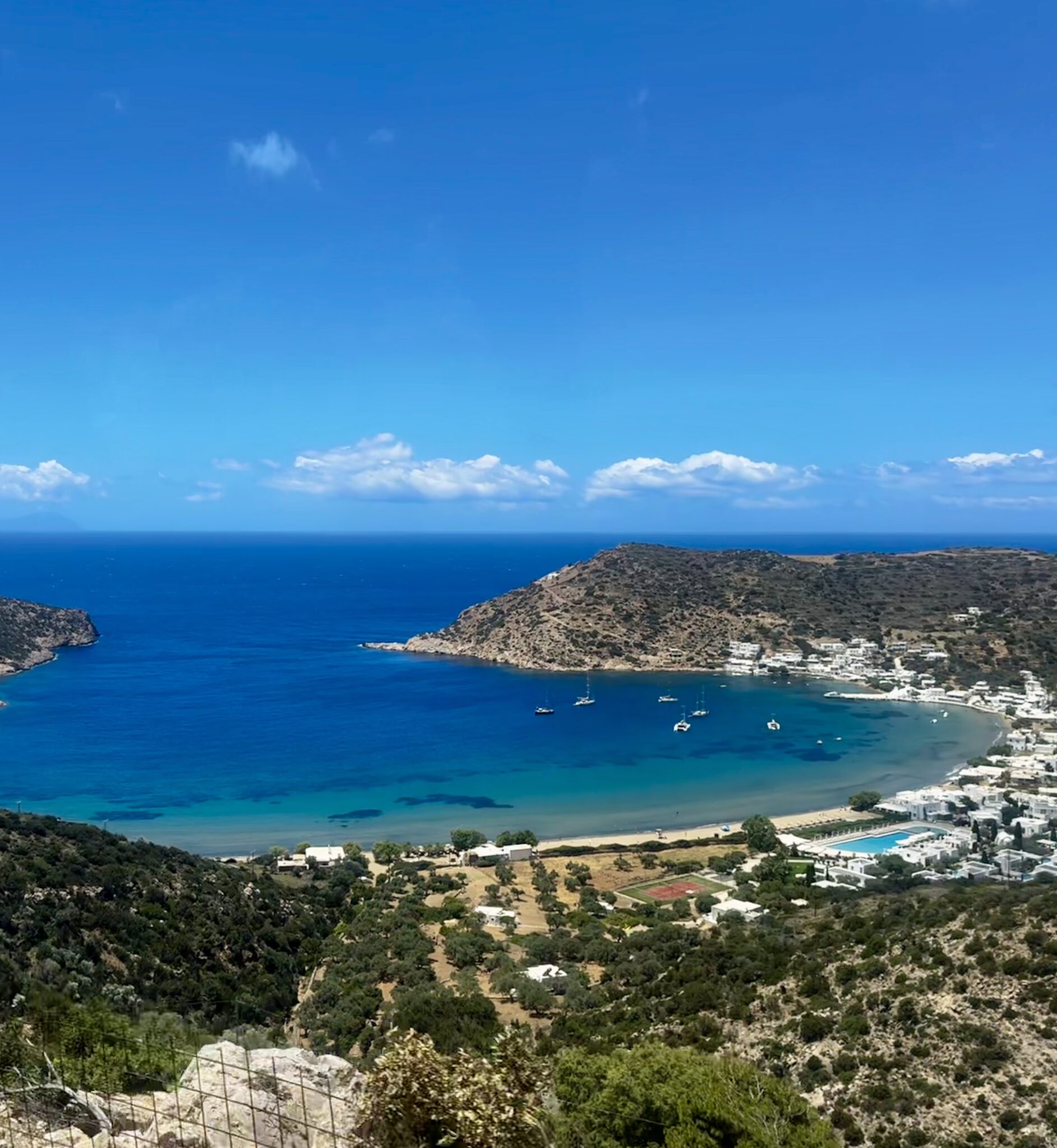
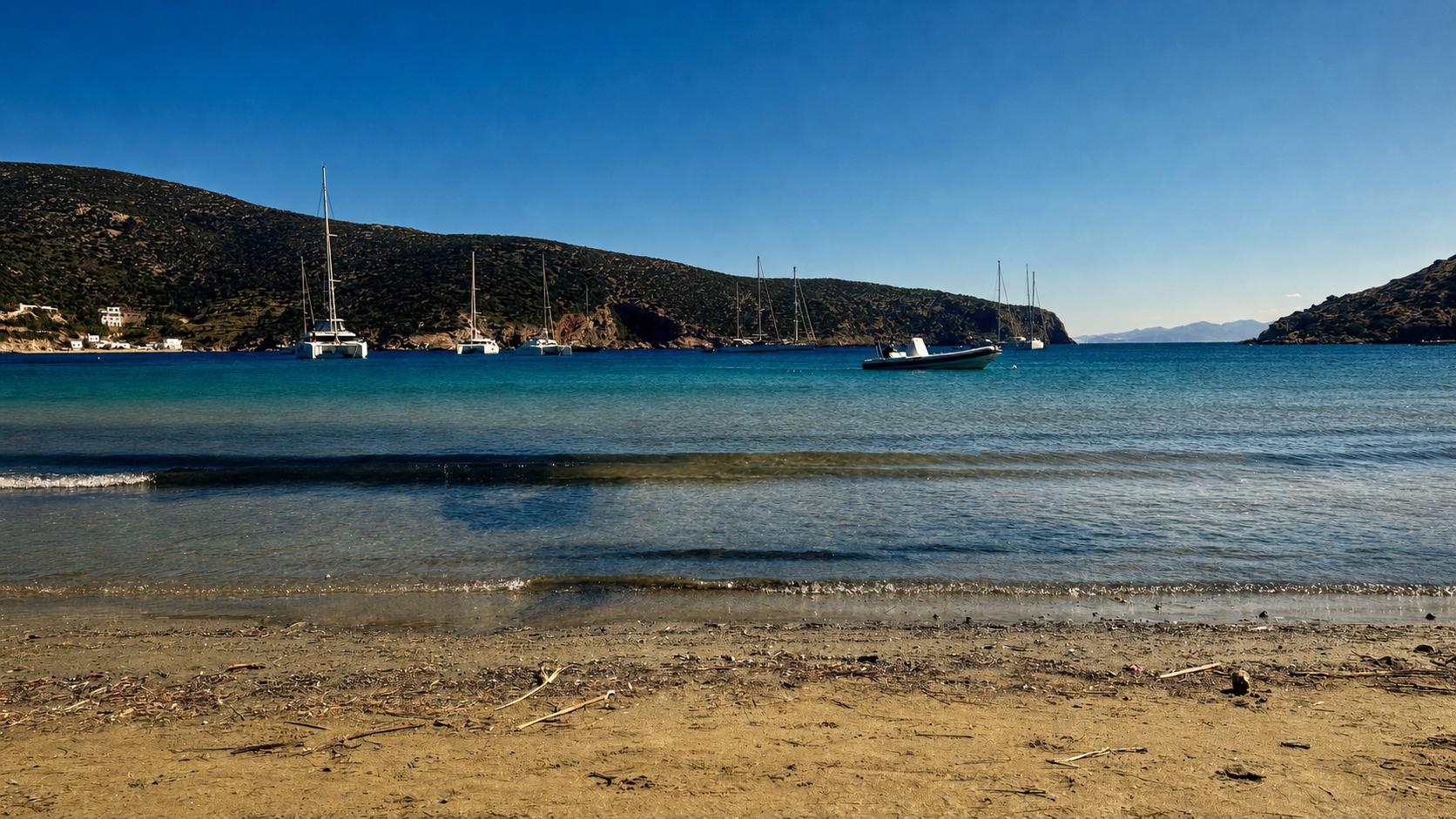
Gentle, quiet and beautiful Vathy lies on the west coast, around 10 kilometers from Apollonia, in a broad sandy bay with a slower rhythm than the busier beach settlements. The area has archaeological interest, with prehistoric finds and tombs discovered at Punta tou Polemikou, and a more recent history tied to pottery, since it was once a village of potters.
Where to stop
Stop at the 16th-century church of Taxiarches on the beach, then use the bay for unhurried cafés, seafront tavernas, grocery stores and the hiking routes toward Fikiada and Platy Yialos through protected landscapes. This is not about shopping but about sand, quiet, meals by the water, pottery history and one of the island’s most atmospheric seaside churches.
02
Fields, Farms and Old Ways
Narlis Farm
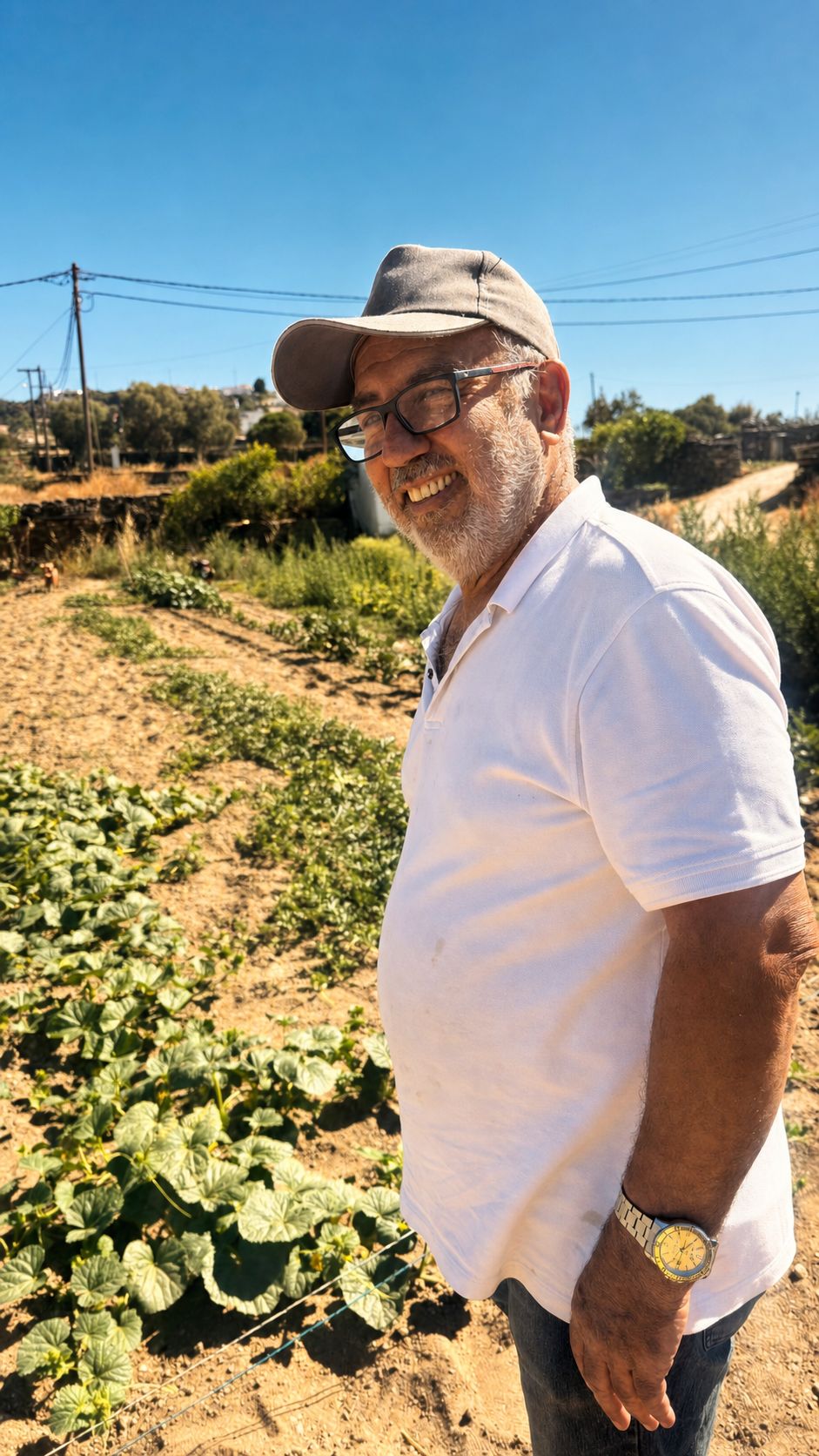
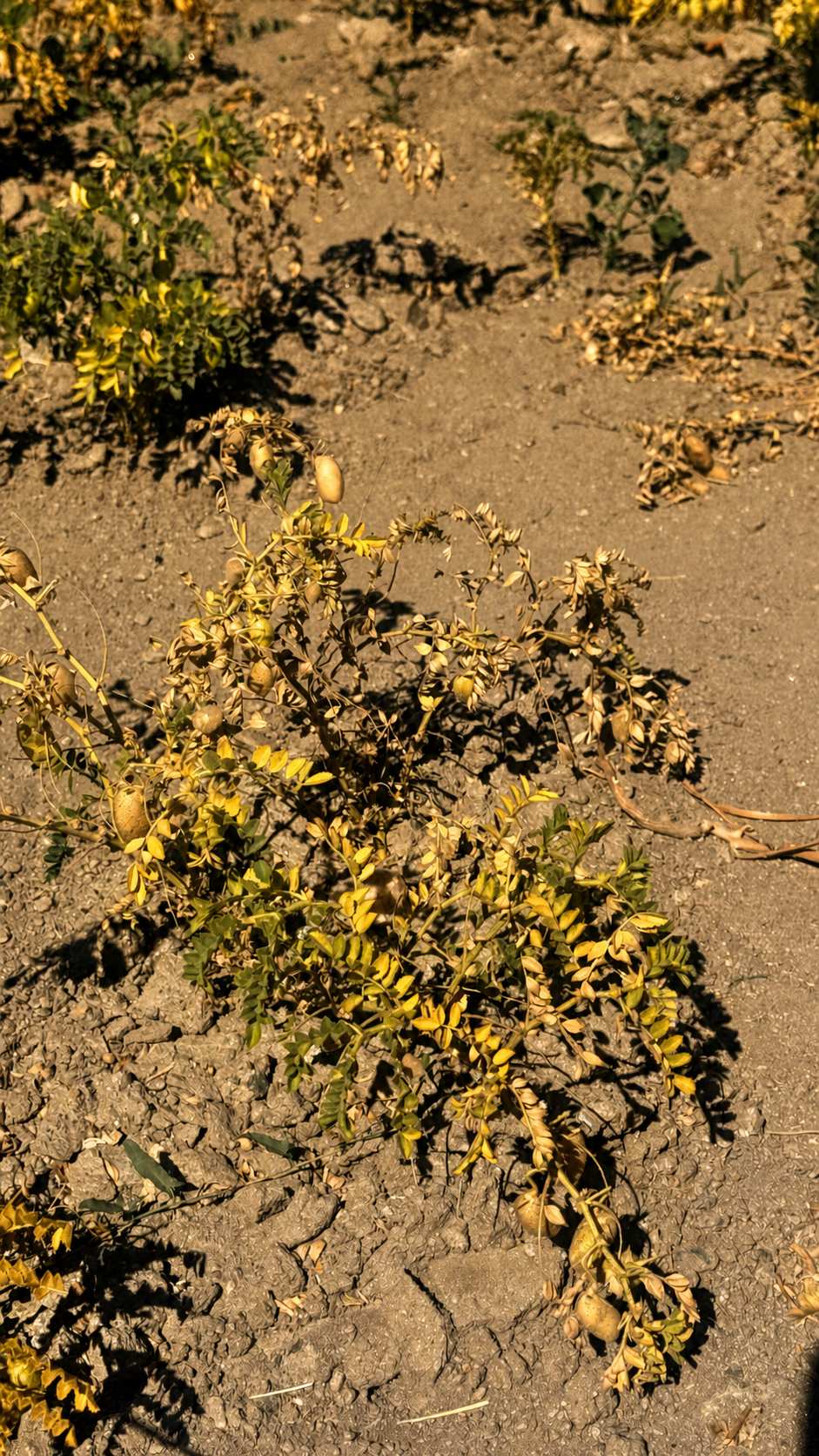
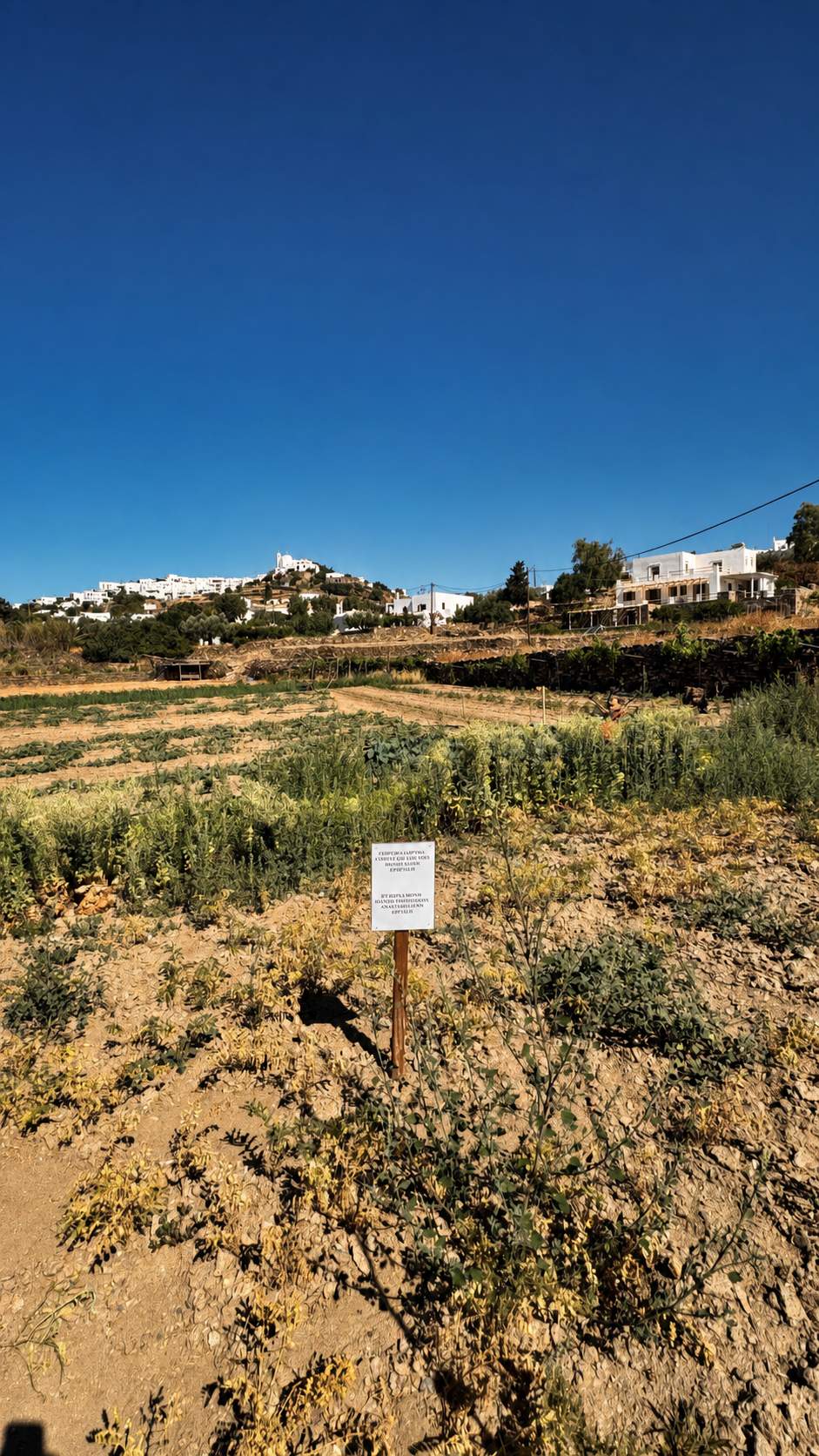
Near Apollonia, Narlis Farm offers one of Sifnos’ most inspiring and educational introductions to the island’s agricultural and culinary habits. This three-generation farm has more than 100 years of history and extends across 20 acres of farmland, where vegetables, fruit, herbs and other seasonal ingredients are grown naturally and organically. What makes this place even more special is that they grow everything without water, which means the flavor is significantly pronounced. The produce grown here – everything from sesame and chickpeas to melons and tomatoes – is used for cooking lessons given to visitors and the family, while anything left over is sold directly at the farm. Guest visits usually combine traditional cooking, a discussion of the farm’s history and the island’s food traditions, a walk through the fields, tastings of available vegetables and fruit, and a look at how farming was practised on the island a century ago. The experience can also include a visit to a pottery workshop, run by the owner, Gianni’s son, with a demonstration arranged on request.
Anthi Farm
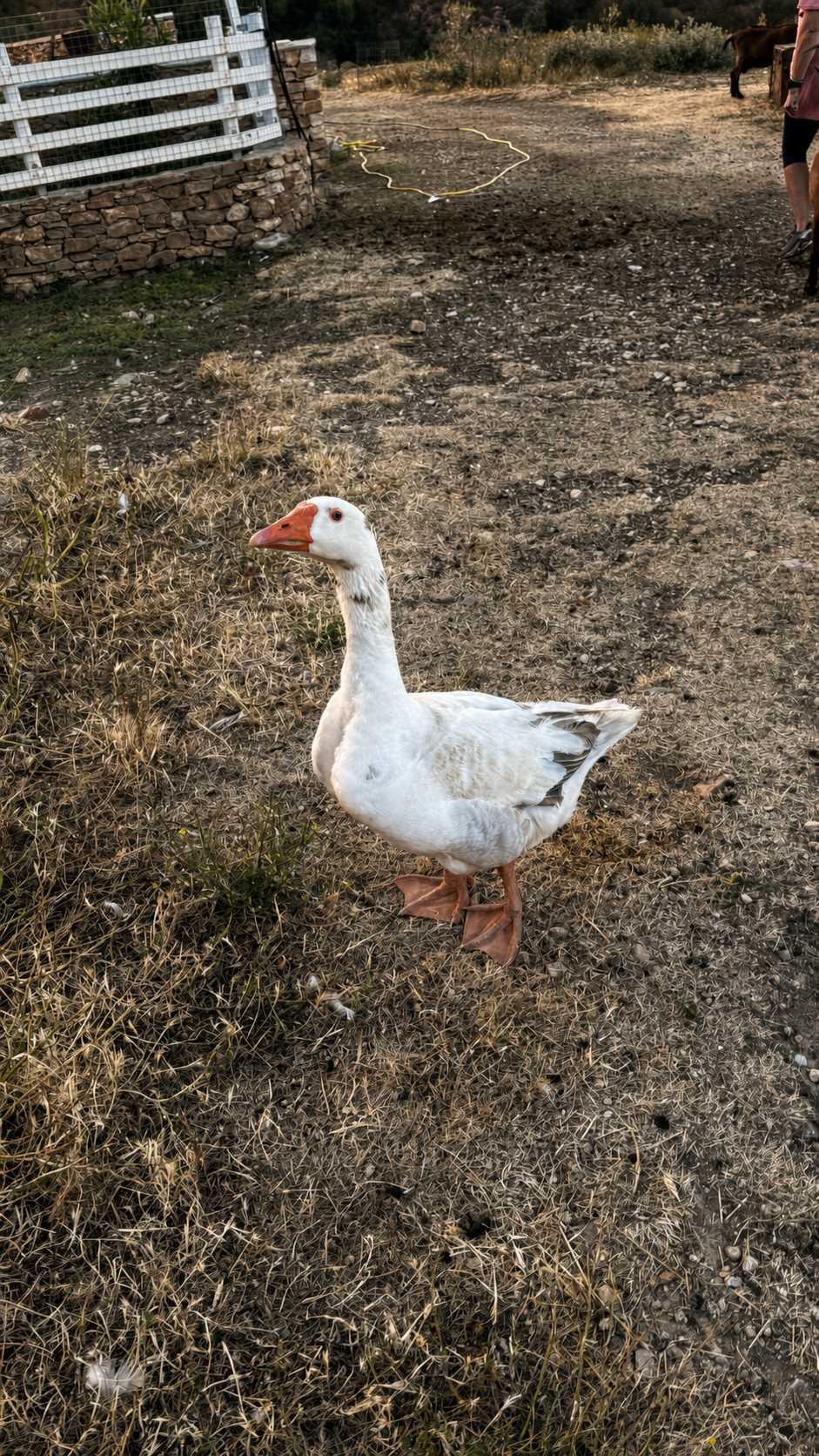
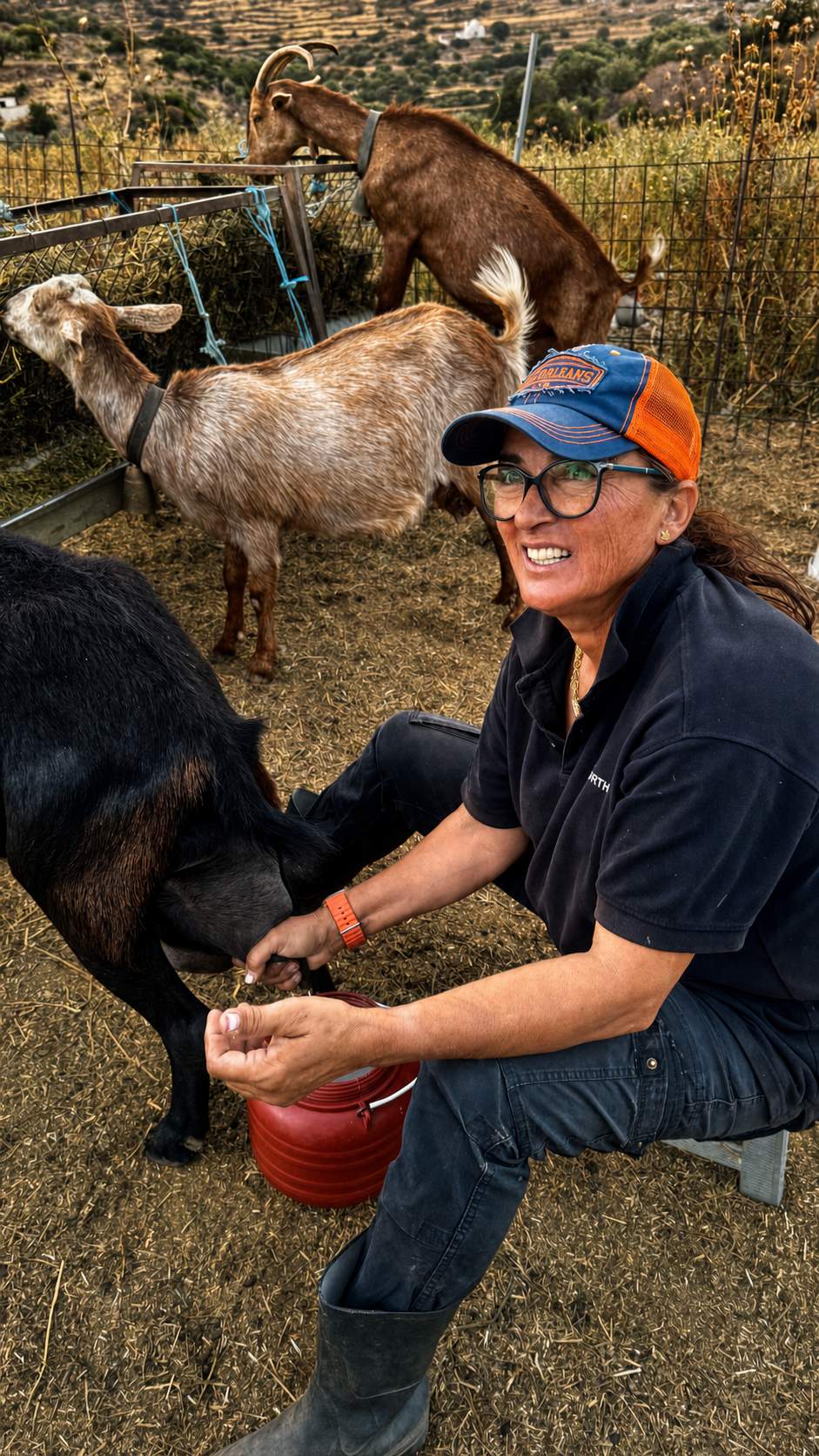
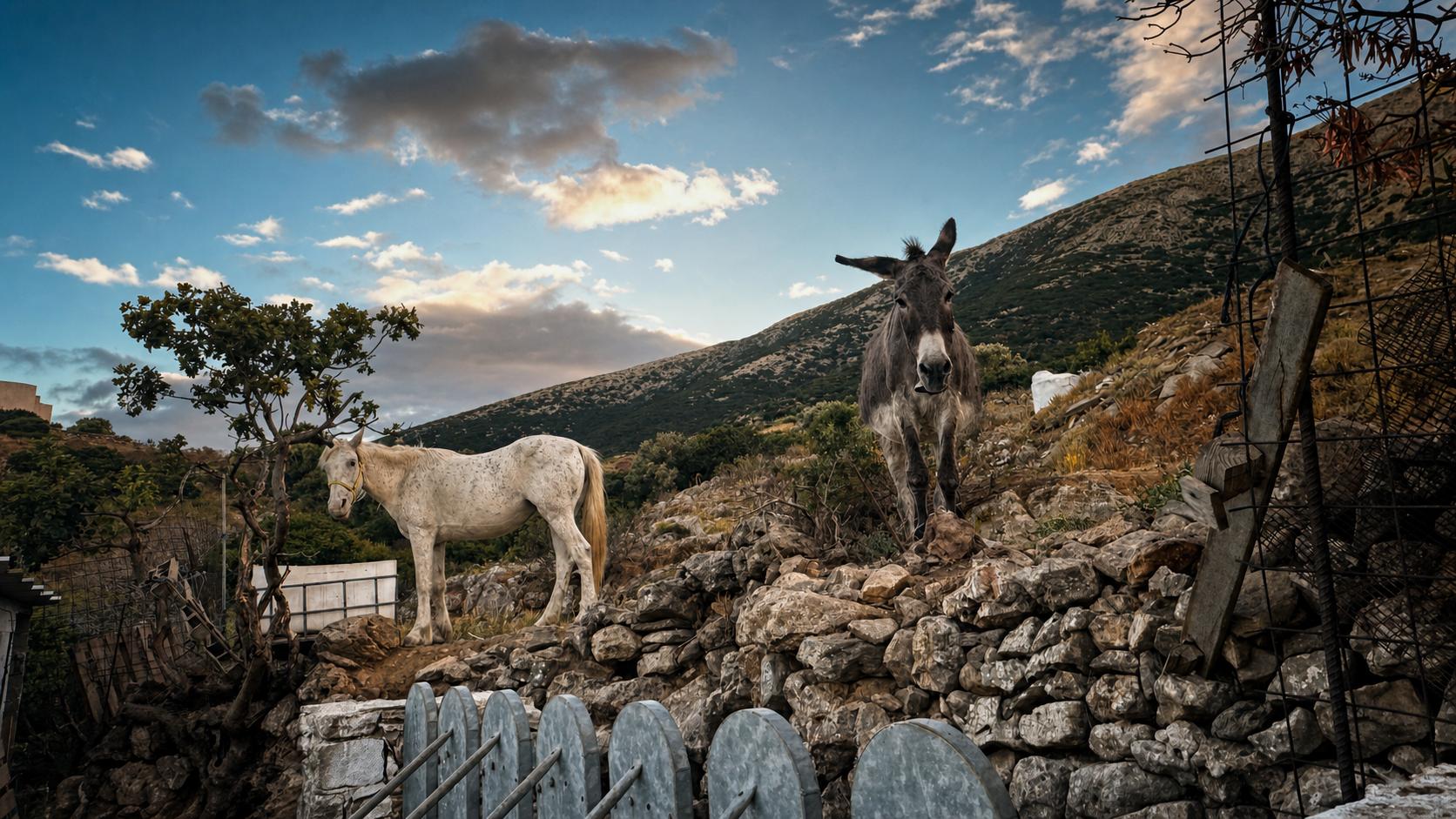
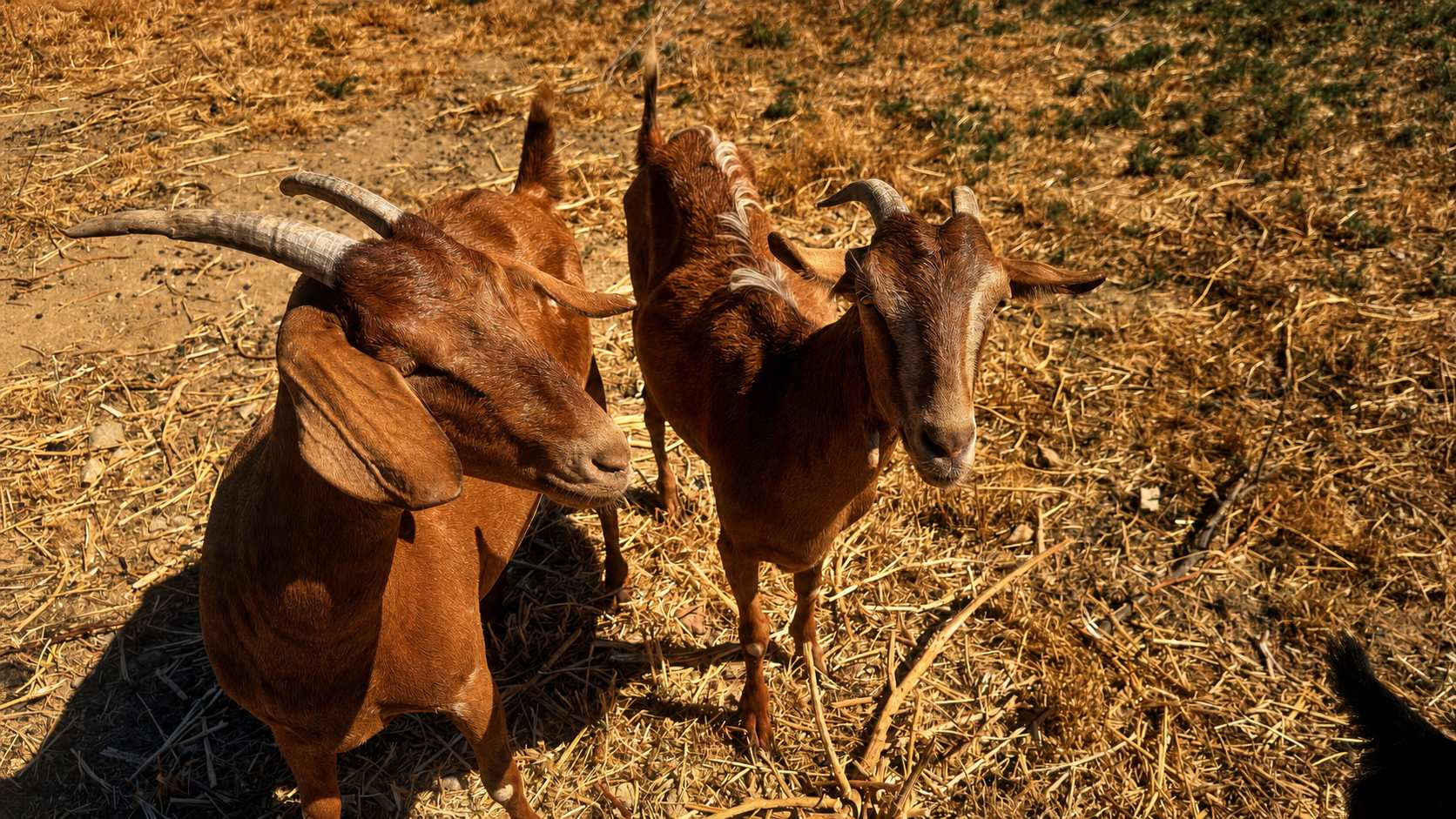
Anthi Farm is a small working farm where visitors get to know Sifnos through its animals, dairy habits, and everyday rural farming routines. In a cinematic chaos and cacophony of geese, chickens, pigs, goats, a donkey and a horse among many other creatures great and small, visitors can learn how to milk a goat and make manoura cheese. The farm offers the experience with an al fresco group dinner of many Sifnean and Greek specialties. There are also appointment-only breakfast and dinner visits: breakfast may include eggs, manoura, mizithra, bread, Sifnos honey or homemade marmalade and cake, while dinner is based on dishes made with seasonal ingredients, with meat available by advance request.
03
The Island of Clay
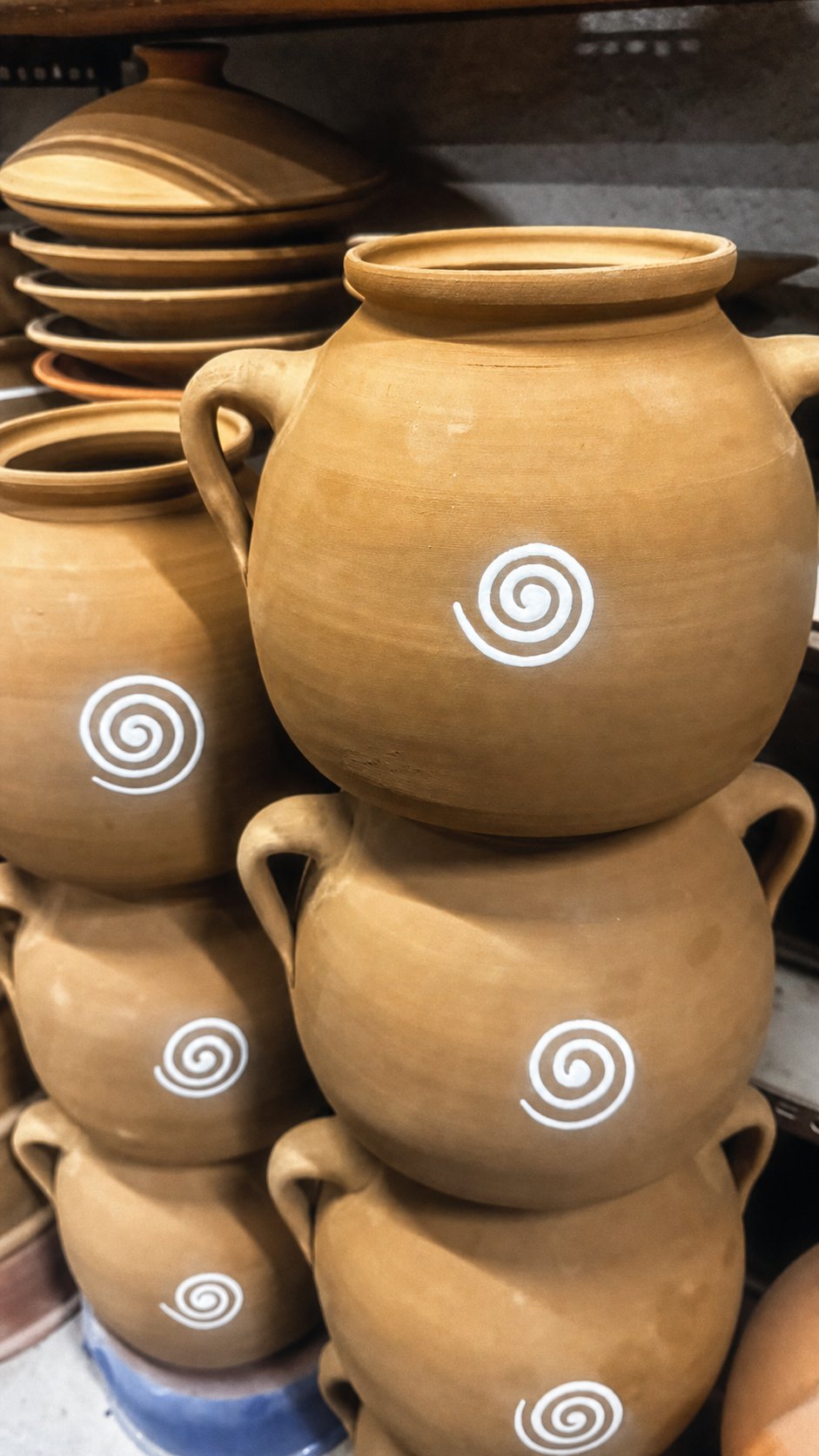
Pottery remains one of the island’s great signatures, shaped by local clay, sun, wind, and the practical needs of the kitchen. The same clay vessels are tied to its best-known dishes.
Lembesis Pottery
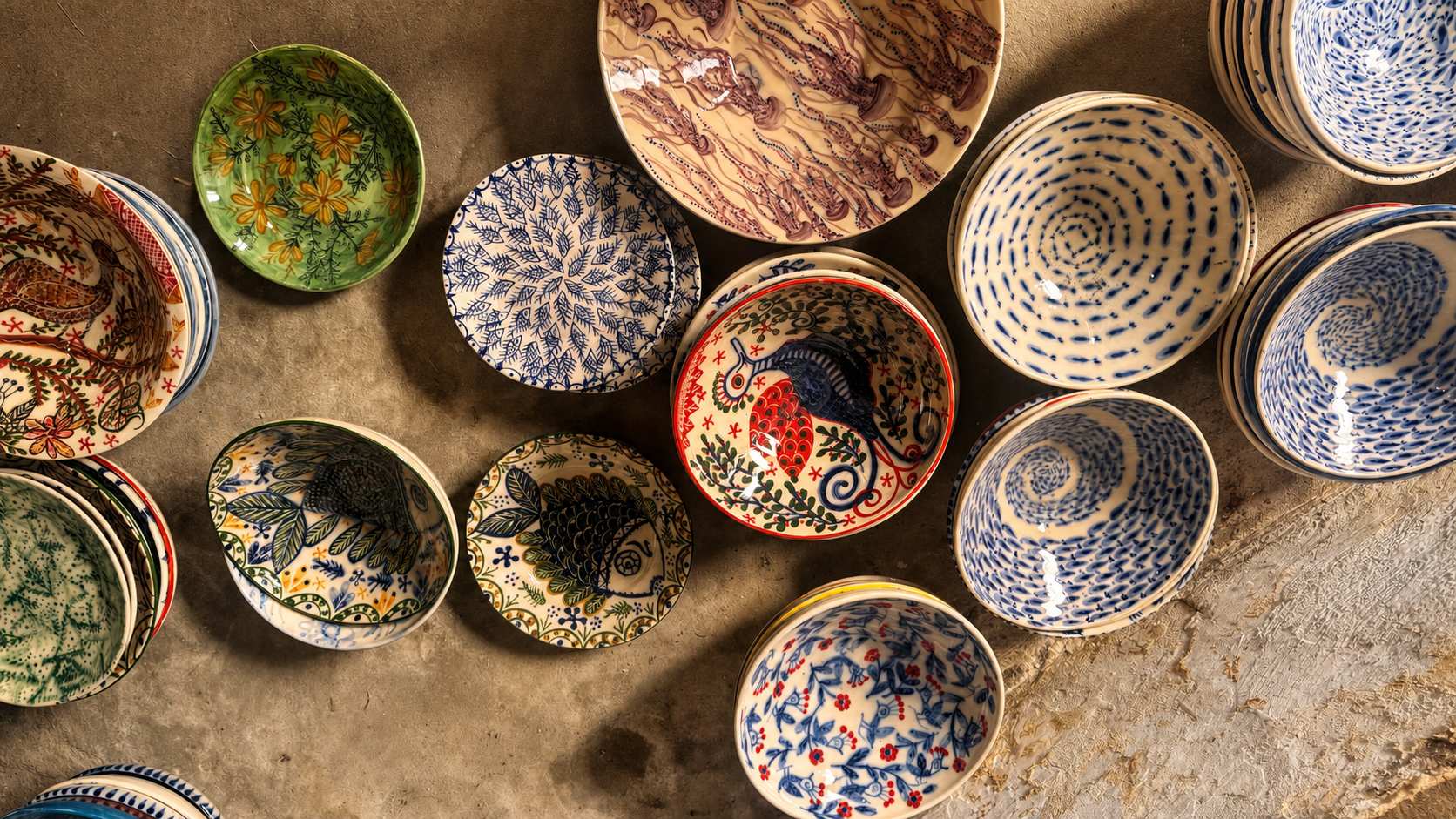
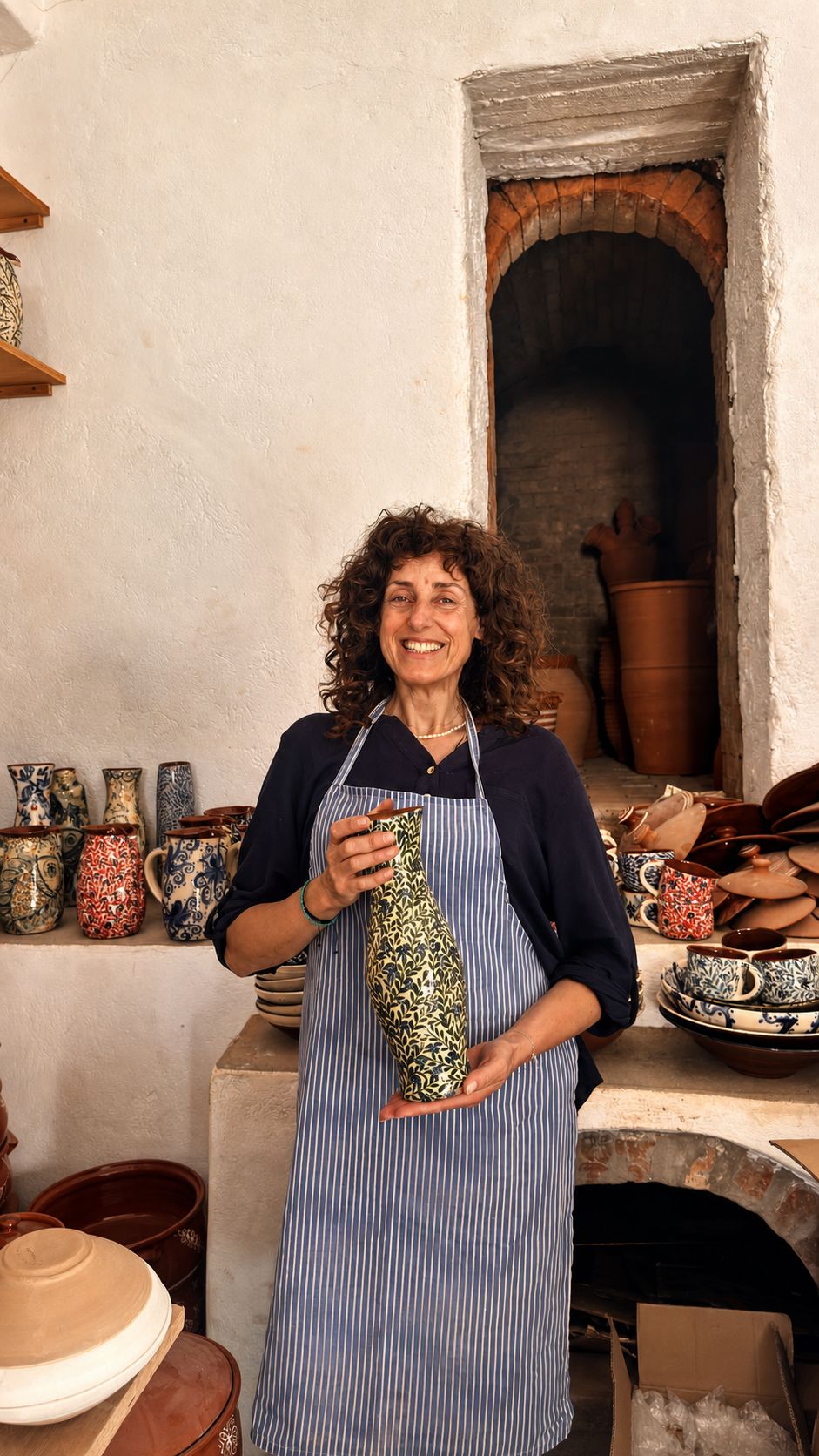
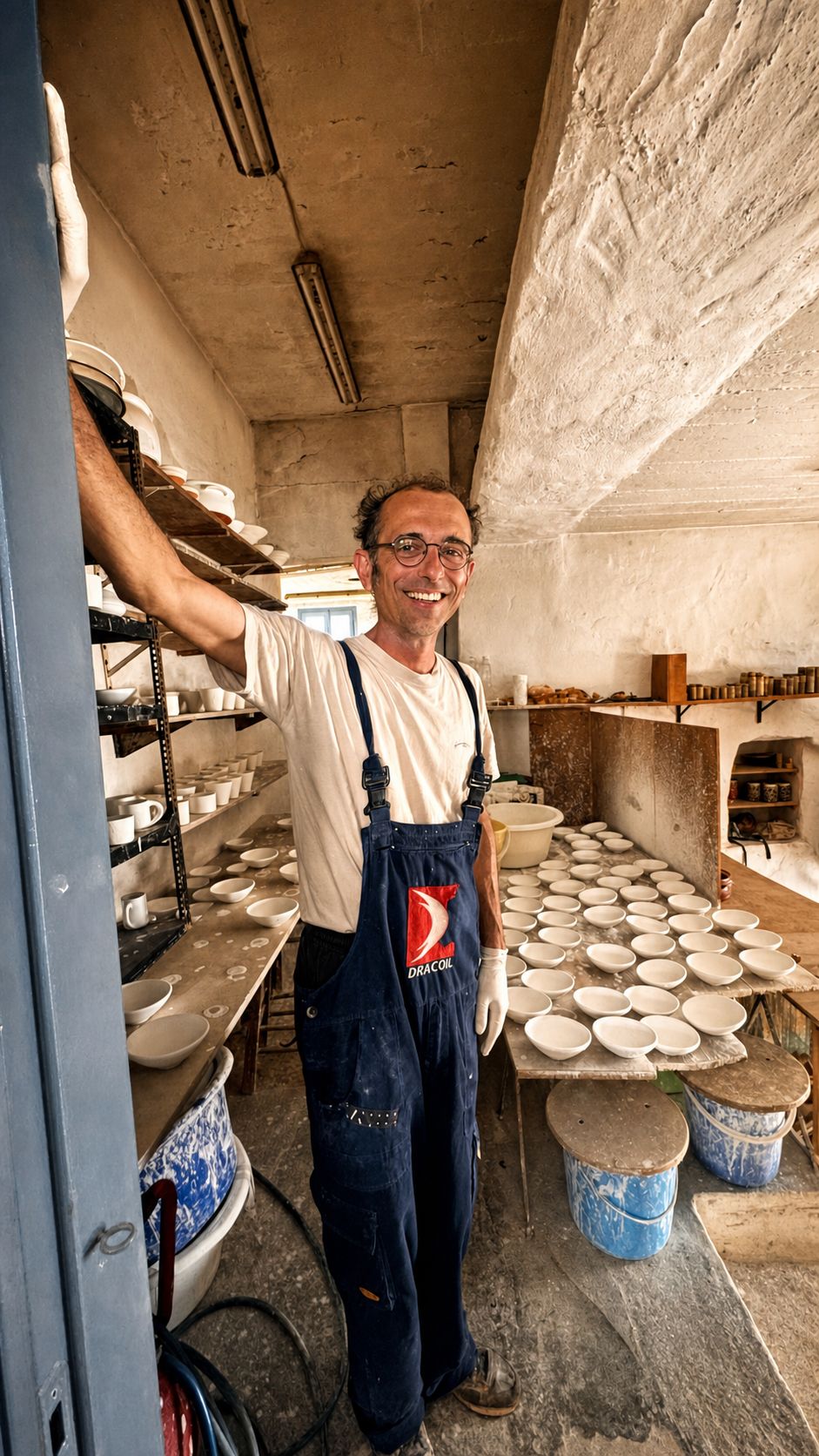
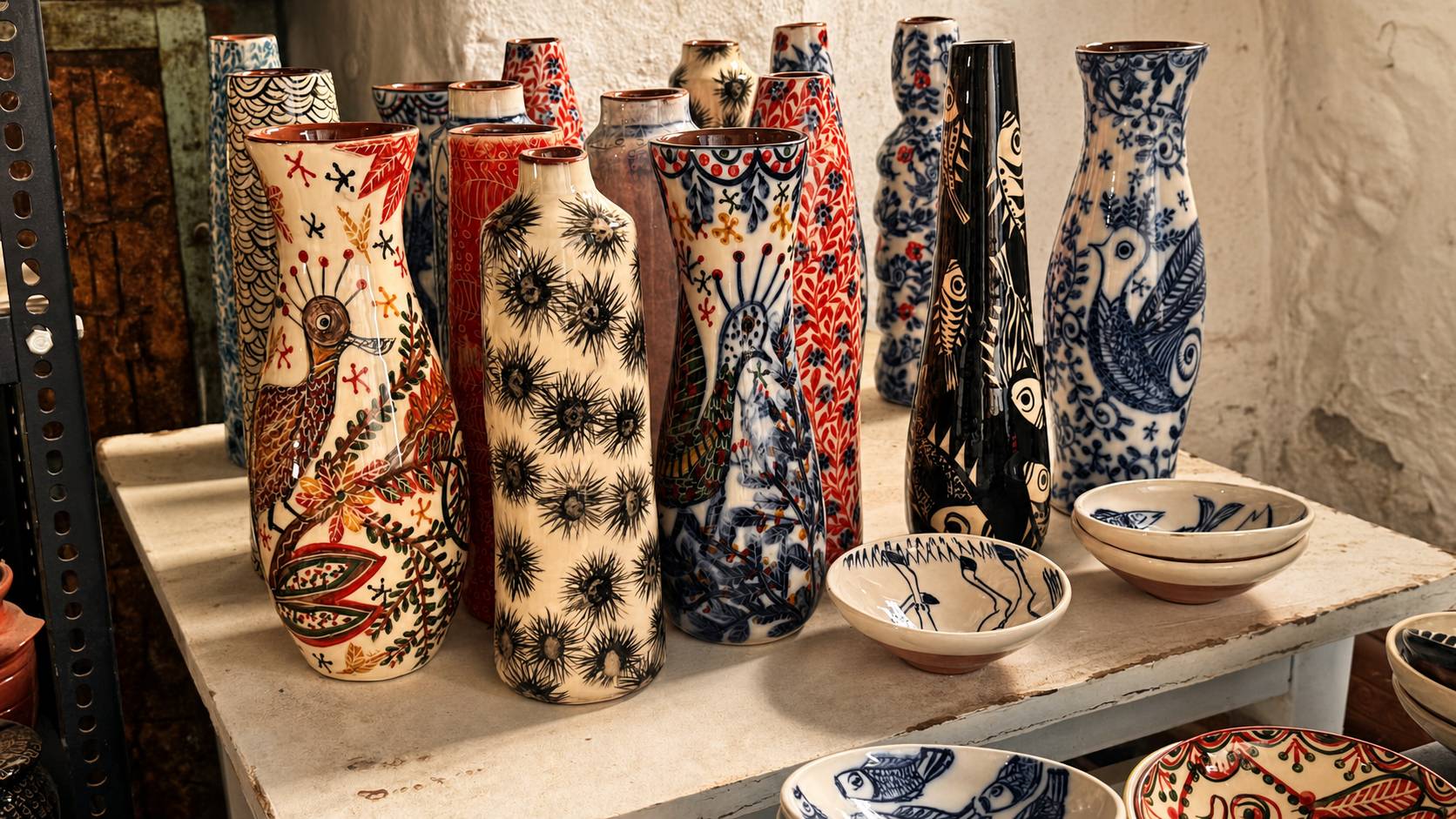
In Artemonas, this family workshop belongs to one of Sifnos’ older pottery lines. Here, I was faint with delight at what I saw – ceramics so exquisite in shape and design that I couldn’t believe my eyes. The Lembesis Pottery workshop was first established by the family’s grandfather in Cheronissos around 1910, before Giannis Lembesis later moved it inland; today, Nikos Lembesis has taken over, with the help of his partner Betty Koraki, who paints the ceramics based on Nikos’s mother’s patterns and her own creative touch, and his father, still involved in the work. Four generations of the family have worked with the traditional Sifnian side-turned wheel, making pieces closely tied to the island’s domestic life: tsikalia, gastra, mastela, flaroi, water jars, jugs and hand-painted tableware. The pieces are handmade without molds, with decoration often drawn from the sea, plants and the older Sifnian repertory. The workshop and display area give visitors a direct view of a craft that remains useful on the island, especially in cooking, where clay pots are still part of the way Sifnos understands food. The workshop collaborates with many museums that opt to present their exemplary art.
Sifnos Stoneware
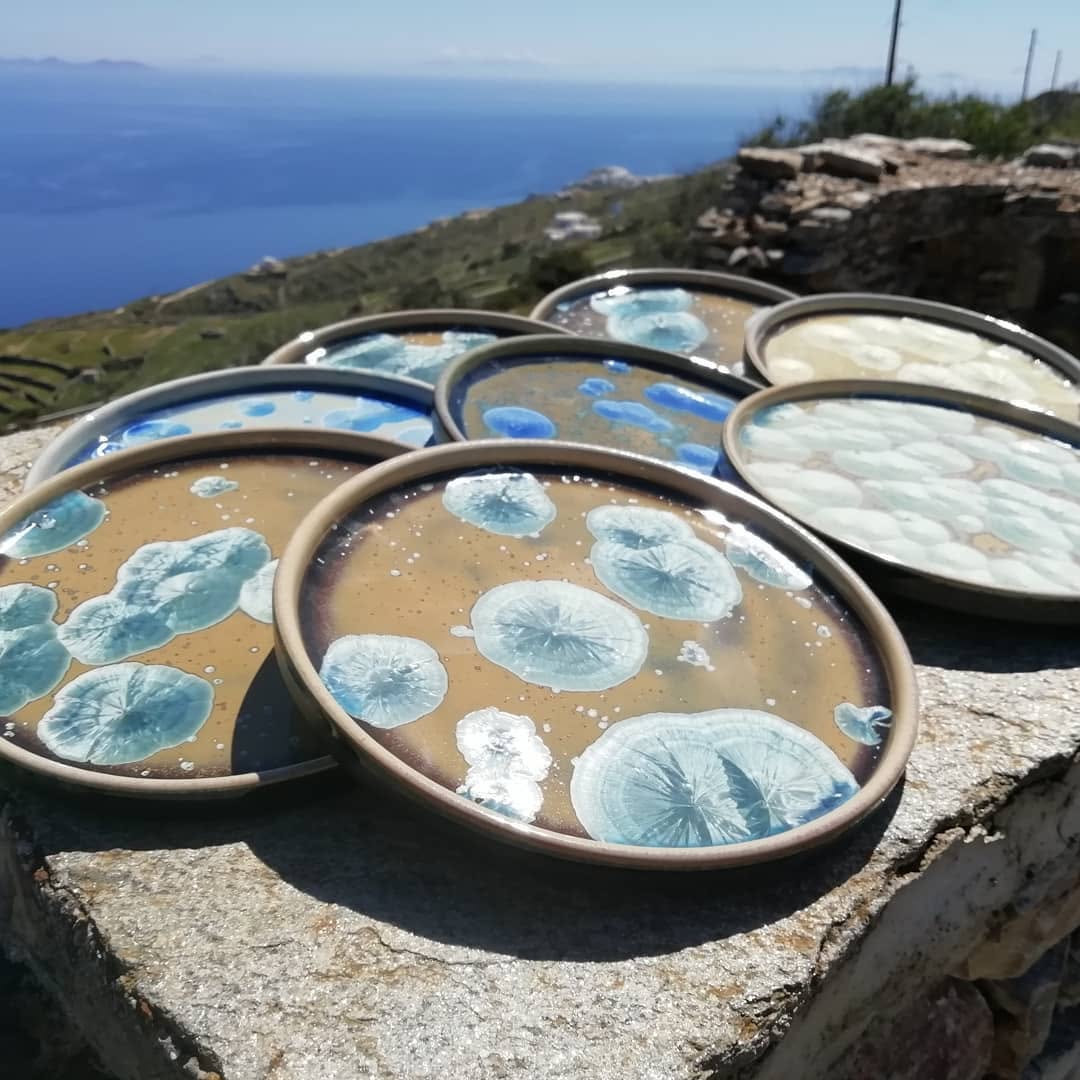
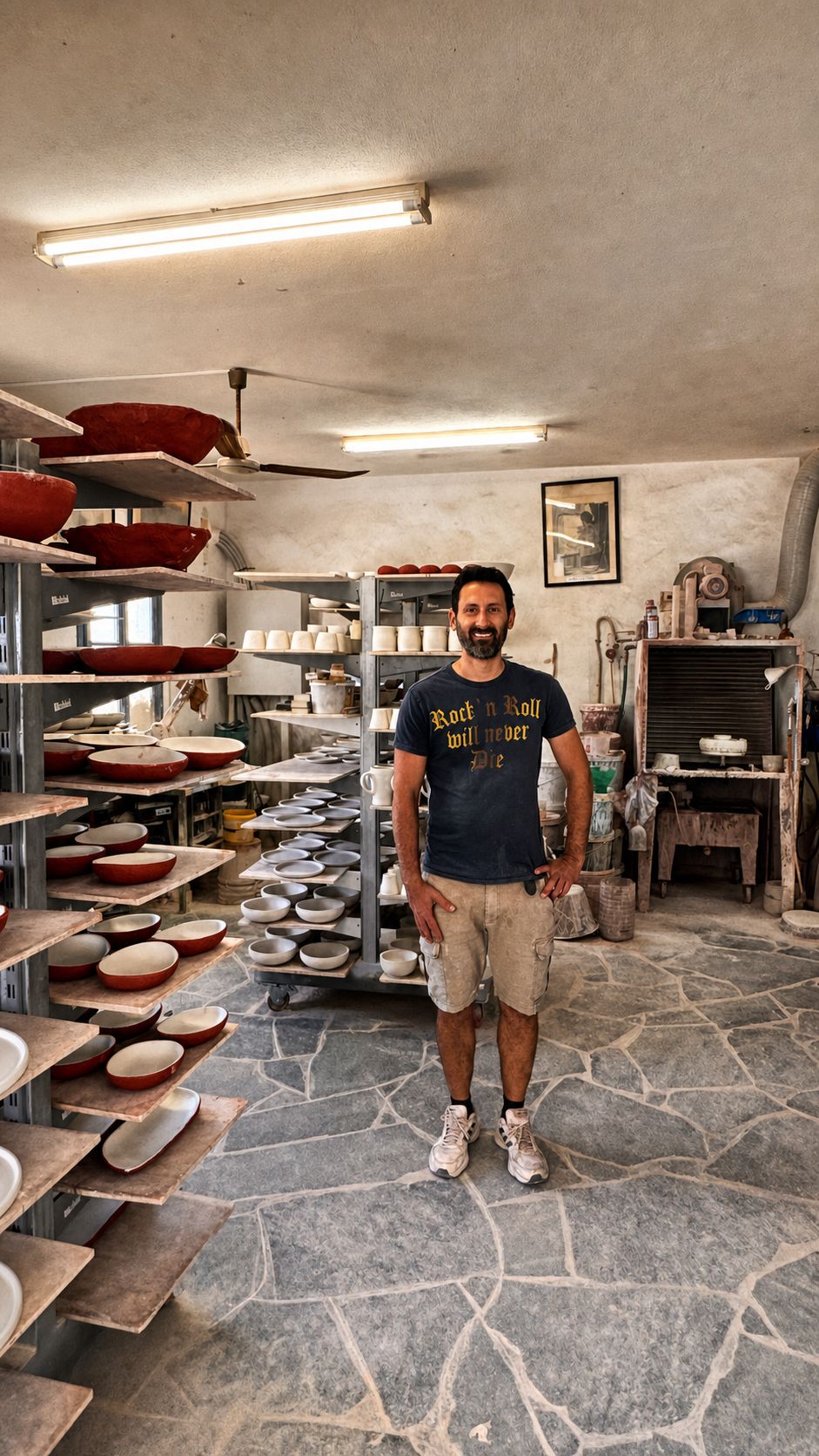
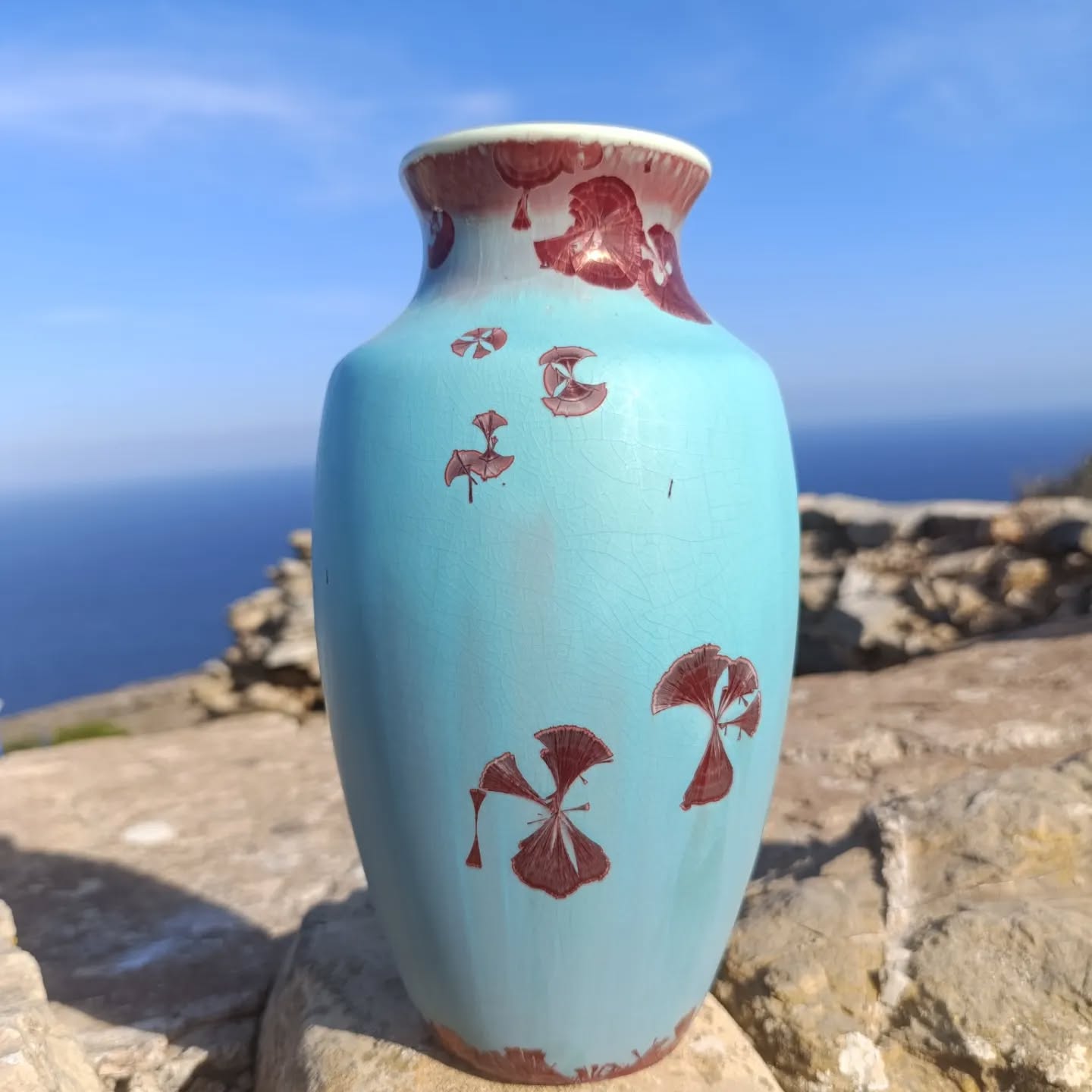
This workshop, also in Artemonas, brings a more contemporary line to the island’s long ceramic tradition. Sifnos Stoneware was opened in 2006 by Antonis Kalogirou, who was raised in Athens and studied mechanical engineering at the University of Nottingham before returning to Sifnos to learn pottery from his father, Costas Kalogirou, a retired potter who came back to the wheel to teach him. The family background in ceramics reaches back several generations and includes time in the United States, where the elder Kalogirou worked in stoneware production. The workshop makes durable, high-fired stoneware for daily use, including dinnerware, vases, mugs, pitchers, cookware, bowls, serving pieces and one-of-a-kind thrown objects. Its own lead-free glazes, strong colors and crystalline-glazed pieces give the work a different language from the island’s older red-clay cookware, while still keeping the focus on objects meant to be used at the table.
Atsonios Ceramics
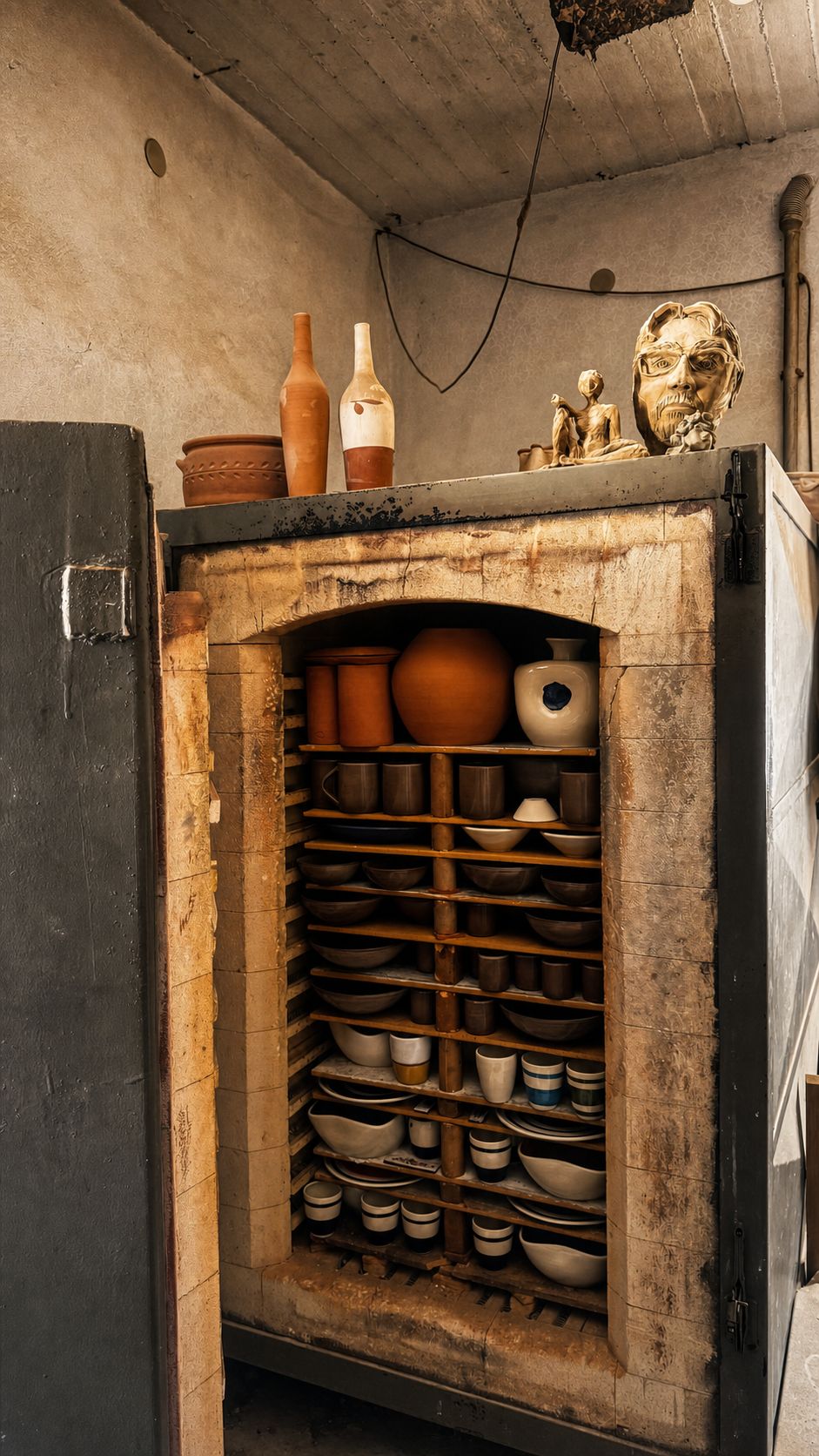
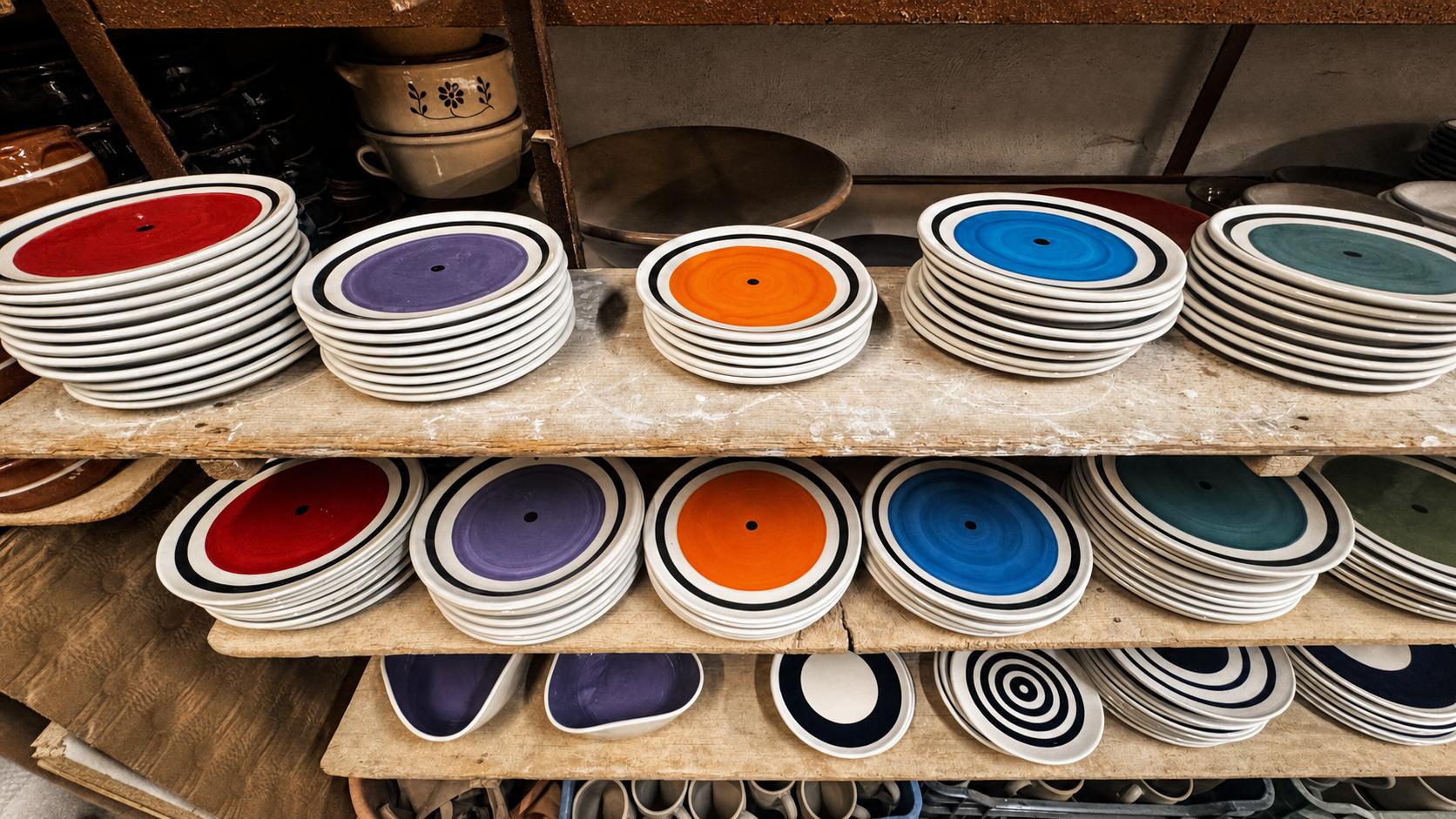
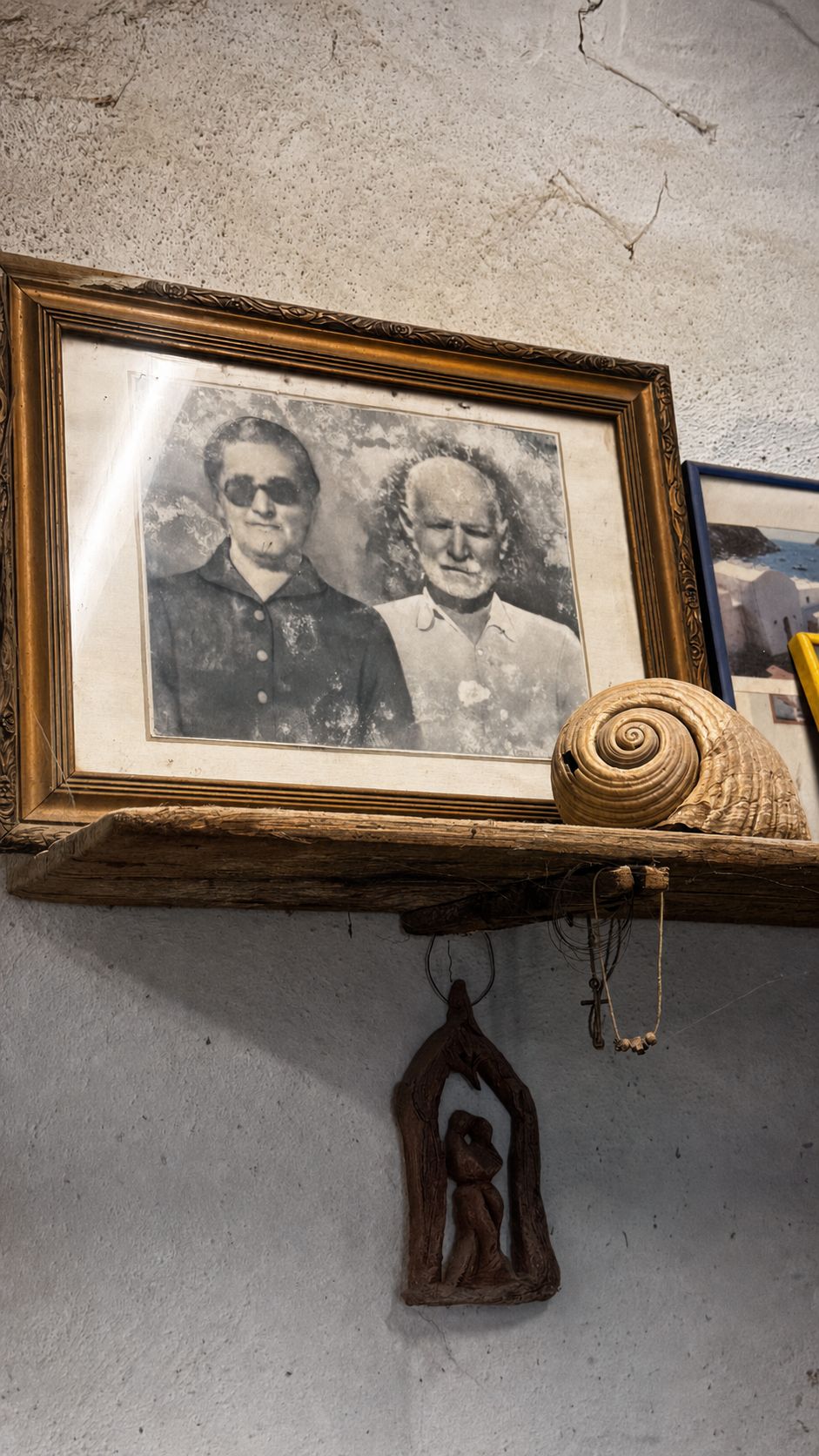
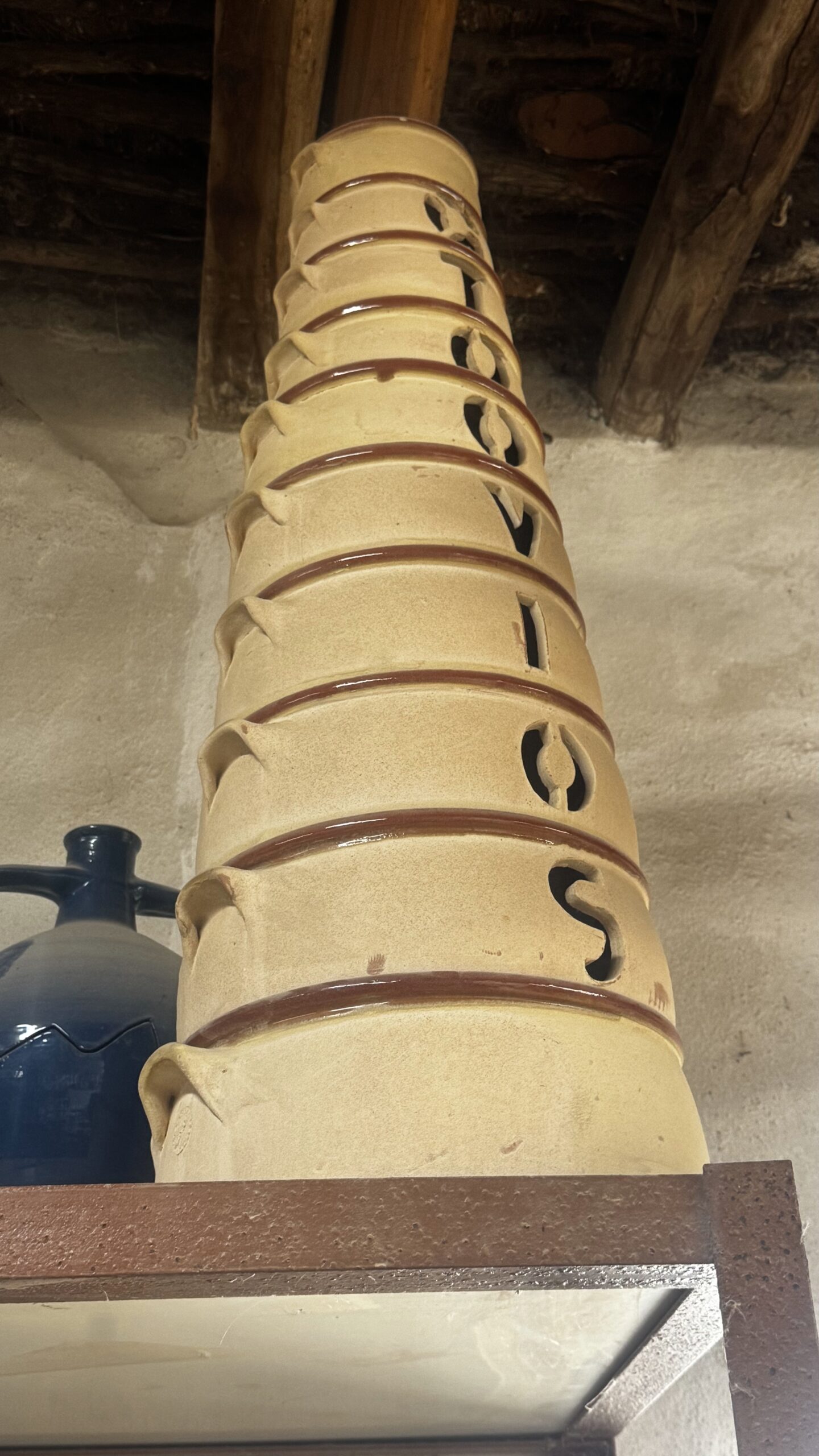
In Vathy, at Tsopos, this historic workshop and store is one of the island’s most important surviving pottery sites, and has an antique kiln that can be seen outdoors. The family history begins in 1870, when Giannis Atsonios bought an already operating pottery workshop, after which his son Giakoumis built the ceramic tradition that later generations carried forth. Antonis Atsonios developed the workshop further while maintaining the traditional kiln, and the current generation includes Giannis Atsonios, a graduate of a pottery school, who continues the family line with new techniques and slightly more modern forms.
The Atsonios Ceramics workshop, located at the very end of Vathy’s coastline, can be reached on foot along the shore and rocks, along which there are small steps and a paved pathway, but the less active can arrive by car. I was amazed how small and basic the two wheels used are; considering the quality, quantity and size of what they make here. Practically untouched by time, the place is closely connected to the older cooking vessels of Sifnos, especially the kind of handmade pots once essential to island kitchens and restaurants, while also producing tableware, serving pieces, bowls and decorative ceramics. Its scenic setting by the sea gives one a clear sense of why so many Sifnian potters once worked by the coast, where clay, fire, transport and trade met in daily practice.
04
Coastal Allure
Vathy
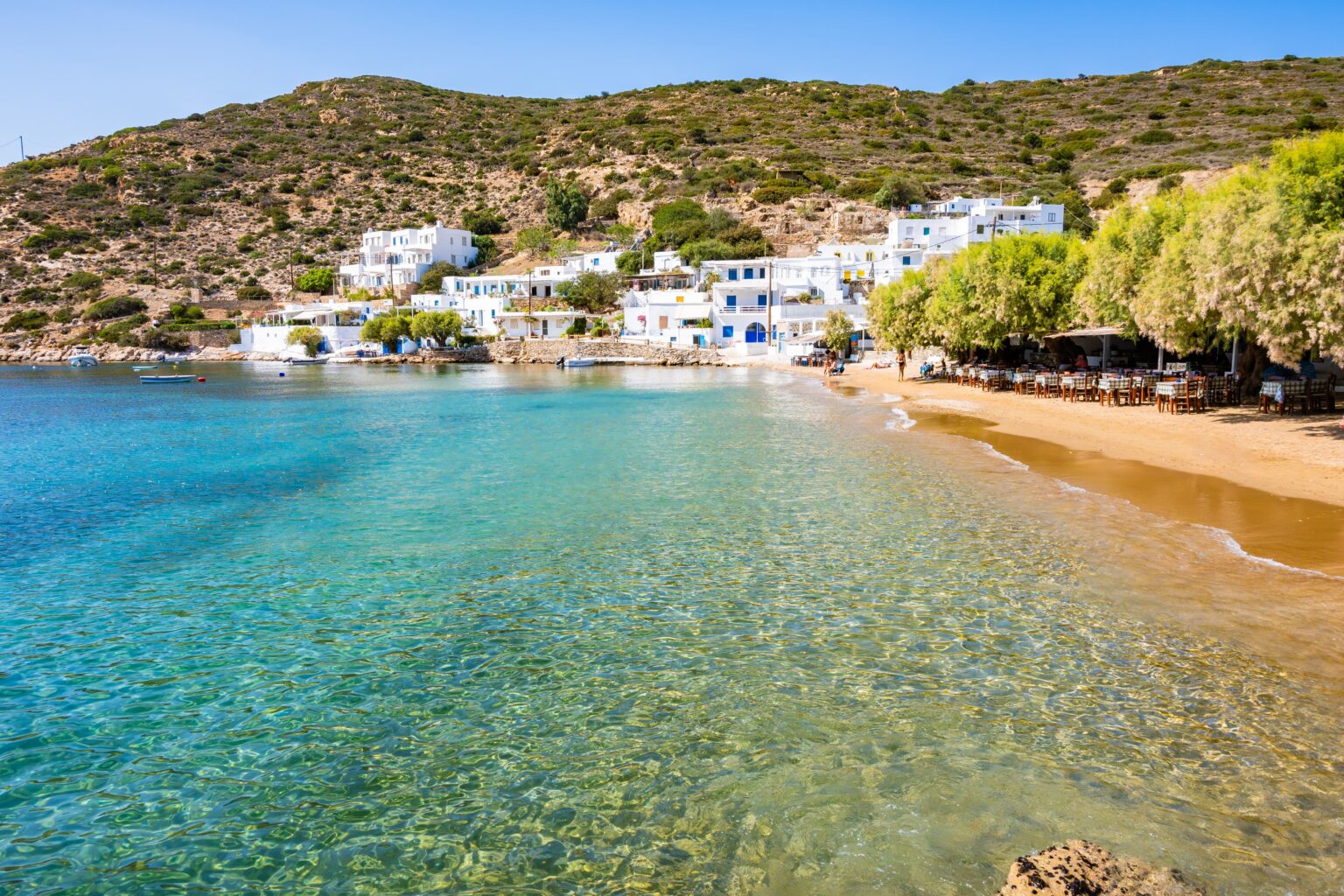
Vathy sits on the west coast, around a wide sandy bay with the 16th-century church of Taxiarches directly by the water and a long pottery history behind it. There are places to eat and stay, buses run from Kamares and Artemonas, and the atmosphere is more unhurried than Platy Yialos, attracting families, couples, repeat visitors and people who prefer a beach day that can turn into a lazy early dinner.
Faros, Glyfo and Fasolou
Faros is a sheltered fishing village with three nearby swims: the small harbour beach, Glyfo along the paved coastal path, and Fasolou, where there is a restaurant and rooms to let. Buses connect Faros with Kamares and Artemonas, and the area suits swimmers, walkers, low-key food lovers and visitors who want a village feel, a taverna lunch and the option of continuing on foot toward Chrysopigi and Apokofto.
Vroulidia
Vroulidia is a small pebble beach near Herronissos, set well away from the central beach circuit and reached by road toward the island’s north. There are two café-restaurants with umbrellas and sunbeds, so it is not completely wild, but the distance gives it a more self-contained, out-of-the-way feel that suits confident drivers, couples and visitors looking for a quieter cove with food still within reach.
Fikiada
Fikiada is a small sandy beach between Platy Yialos and Vathy, reached by sea or by walking paths from either side, with the chapel of Agios Georgios nearby and an old olive tree behind it. There are no shops, tavernas or easy bus stop at the beach itself, so it belongs to hikers, boat arrivals and swimmers who bring water, snacks and shade, and who want the wilder side of Sifnos without expecting services.
Platy Yialos
Platy Yialos is the island’s easiest full-day beach base, with a long sandy bay, regular buses, waterfront restaurants, pottery workshops and enough services to stay from morning swim to dinner. The crowd is broad and easy-going, with families, Greek summer regulars, couples and comfort-seeking beachgoers who want soft sand, food nearby and a full day by the water without planning very much.
A Boat Day Around Sifnos
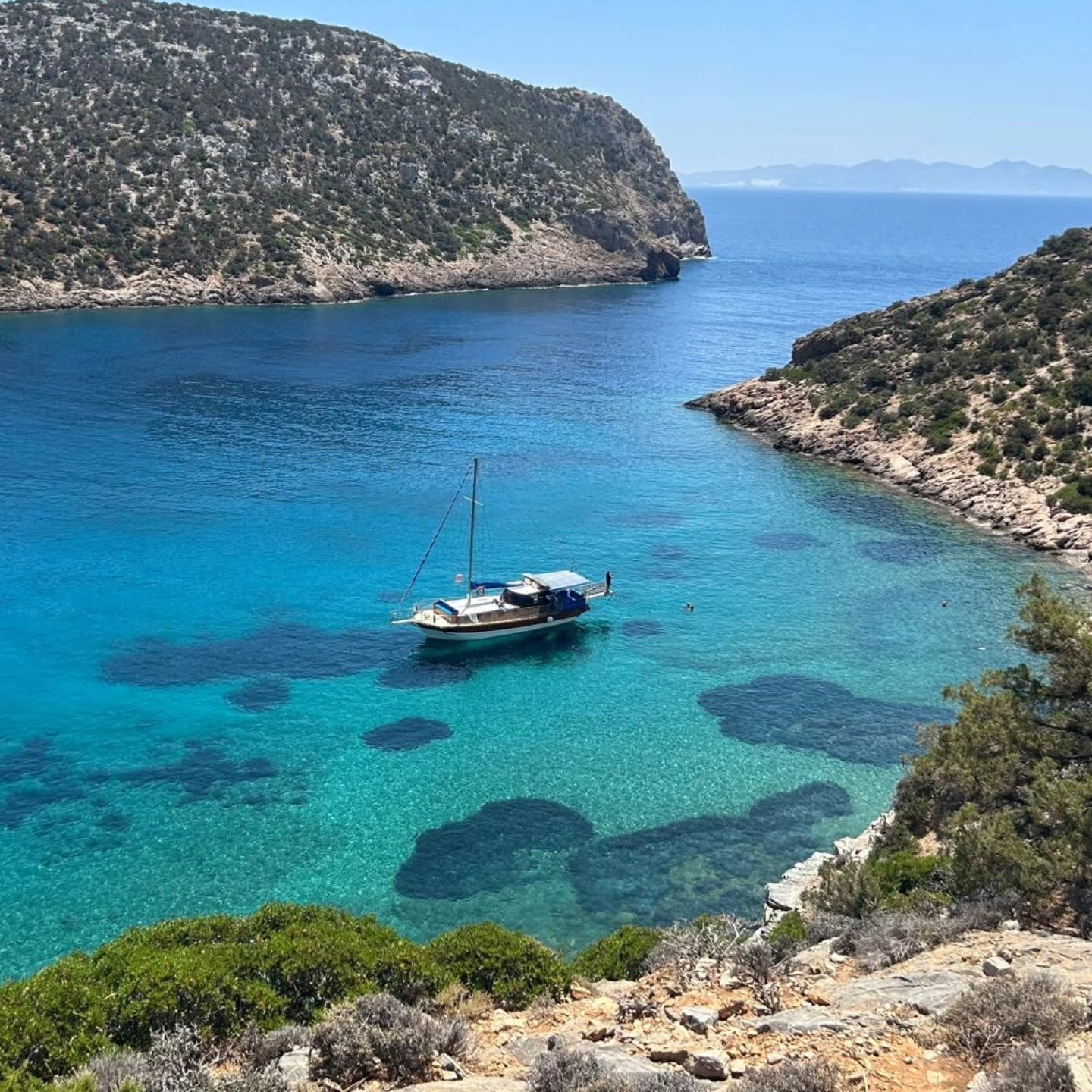
Boat trips are one of the easiest ways to see the more private side of Sifnos, especially the beaches and coves that are awkward or impossible to reach by road. Local boats run excursions around the island, often stopping at places such as Fikiada, Vathy, Faros, Chrysopigi, Herronissos and smaller swimming spots along the coast, while longer outings may continue to nearby islands such as Polyaigos, Kimolos or Milos, depending on the weather and the operator.
Polyaigos is the classic day-trip fantasy: an uninhabited island of pale rock, startling blue water, sea caves and anchorages where the swim is the point of the journey. These trips suit visitors who want quiet coves, long swims, snorkelling, photographs and a sea-level view of Sifnos’ churches, cliffs and old coastal settlements, with private charters available for those who prefer a slower, more flexible day. Charters can run from 3 hours to a full day, and usually include meals on board.
05
The Old Sifnos Table
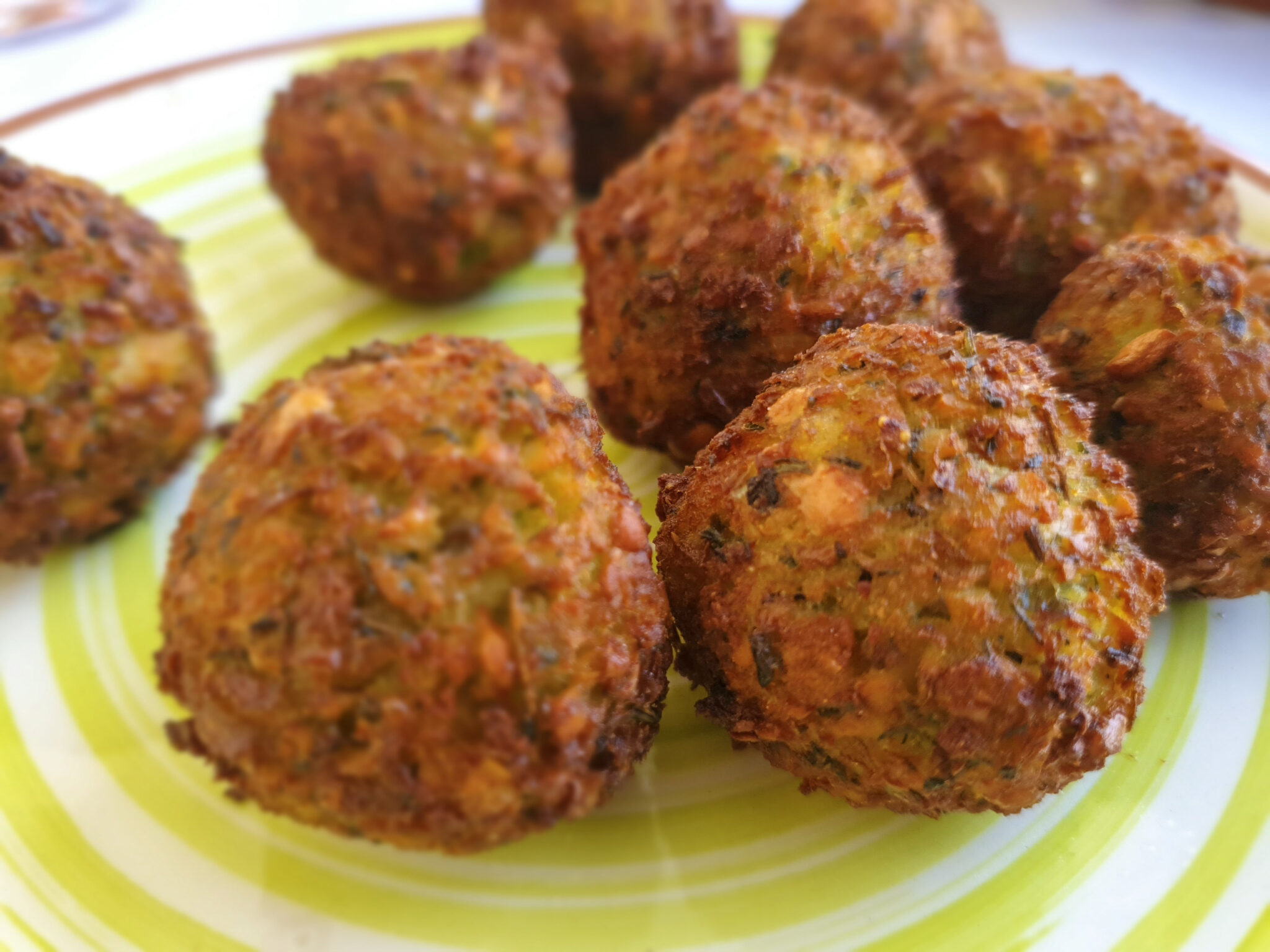
Sifnos’ traditional food begins with chickpeas, clay pots, local cheeses, capers, onions, herbs, honey, almonds, goat, lamb, fish, pulses and vegetables grown in dry island soil. Its best-known dish is revithada, the Sunday chickpea stew cooked slowly overnight in a covered clay pot called a skepastaria, often taken in the past to the communal wood-fired oven and collected after church. Mastelo, named after the clay vessel in which it is cooked, is usually made with lamb or goat, wine and herbs, with vine branches placed at the bottom of the pot so the meat cooks above the liquid. The island’s everyday table also includes revithokeftedes (fried chickpea patties), caper salad, pies, aged manoura cheese, fresh mizithra cheese, local honey, amygdalota almond sweets and melopita, a simple cheese-and-honey cake that tastes of the older Cycladic kitchen rather than pastry-shop display.
Tselementes and the island’s actual cooking



Nikolaos Tselementes, the most influential Greek cookery writer of the 20th century, was born in the village of Exabela in Sifnos in 1878, and his name became so famous that in Greek the word tselementes still means a cookbook, as it revolutionized Greece’s restaurant and especially home cooking.
His influence and fame gave the island a national culinary aura, now marked each September (weekends alternate each year) at the Cycladic Gastronomy Festival “Nikolaos Tselementes” in Artemonas, where islands from across the Cyclades present their dishes, music and customs. The event has become more commercial than local over the years, but still offers a chance to get a feel of regional foods.
Regardless of the Tselementes factor, however, I repeatedly heard from locals that the island’s daily cooking has remained far simpler and authentic than his grander influence might suggest. Locals today still appreciate simplicity and opt in their daily lives for easy food of the oven and the clay pot: chickpeas, local meat cooked with wine and potatoes, seasonal vegetables, aged cheese, fire-oven-baked bread, thyme honey, and fresh fish when it’s available.
06
The New Sifnos Table
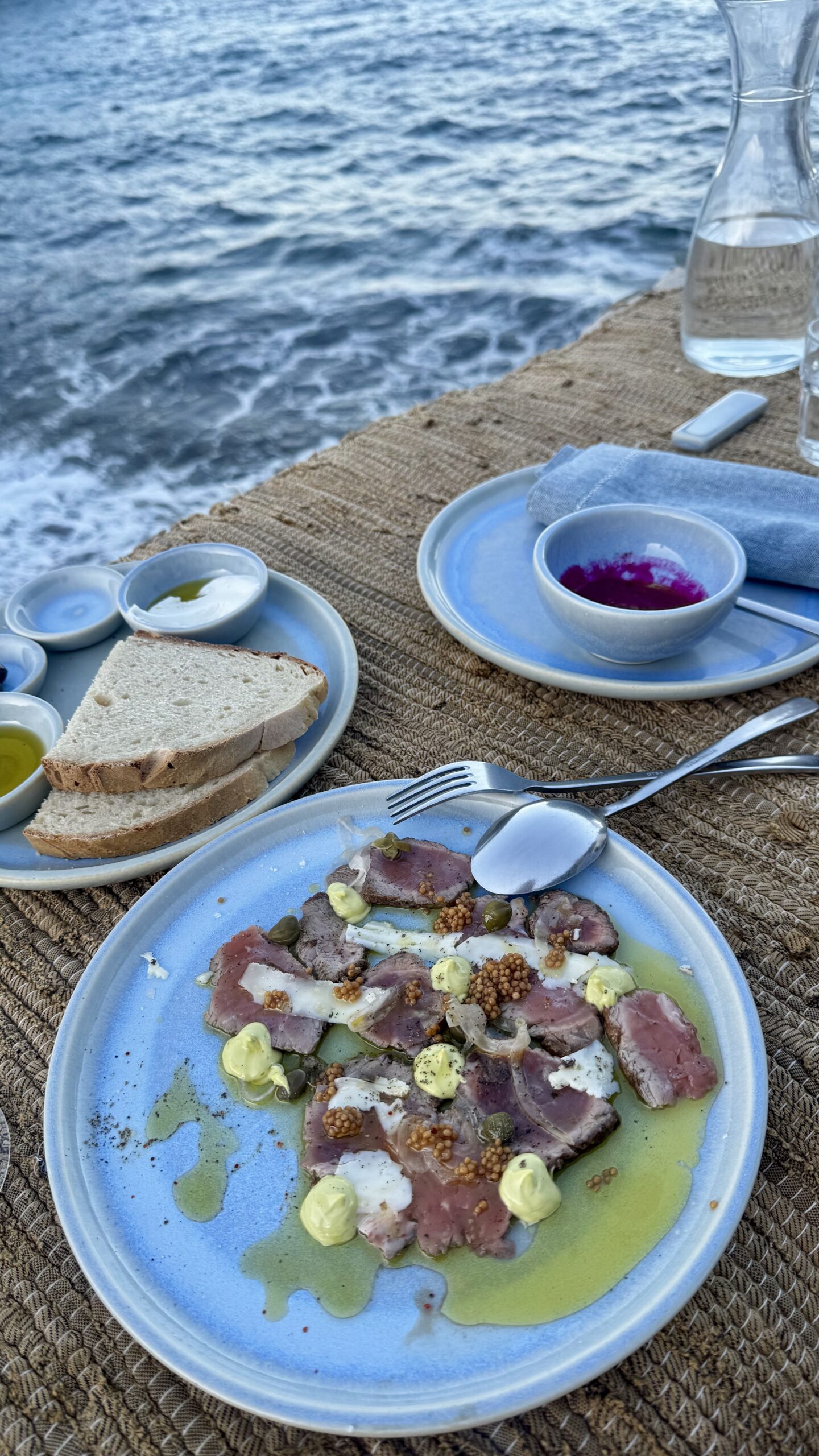
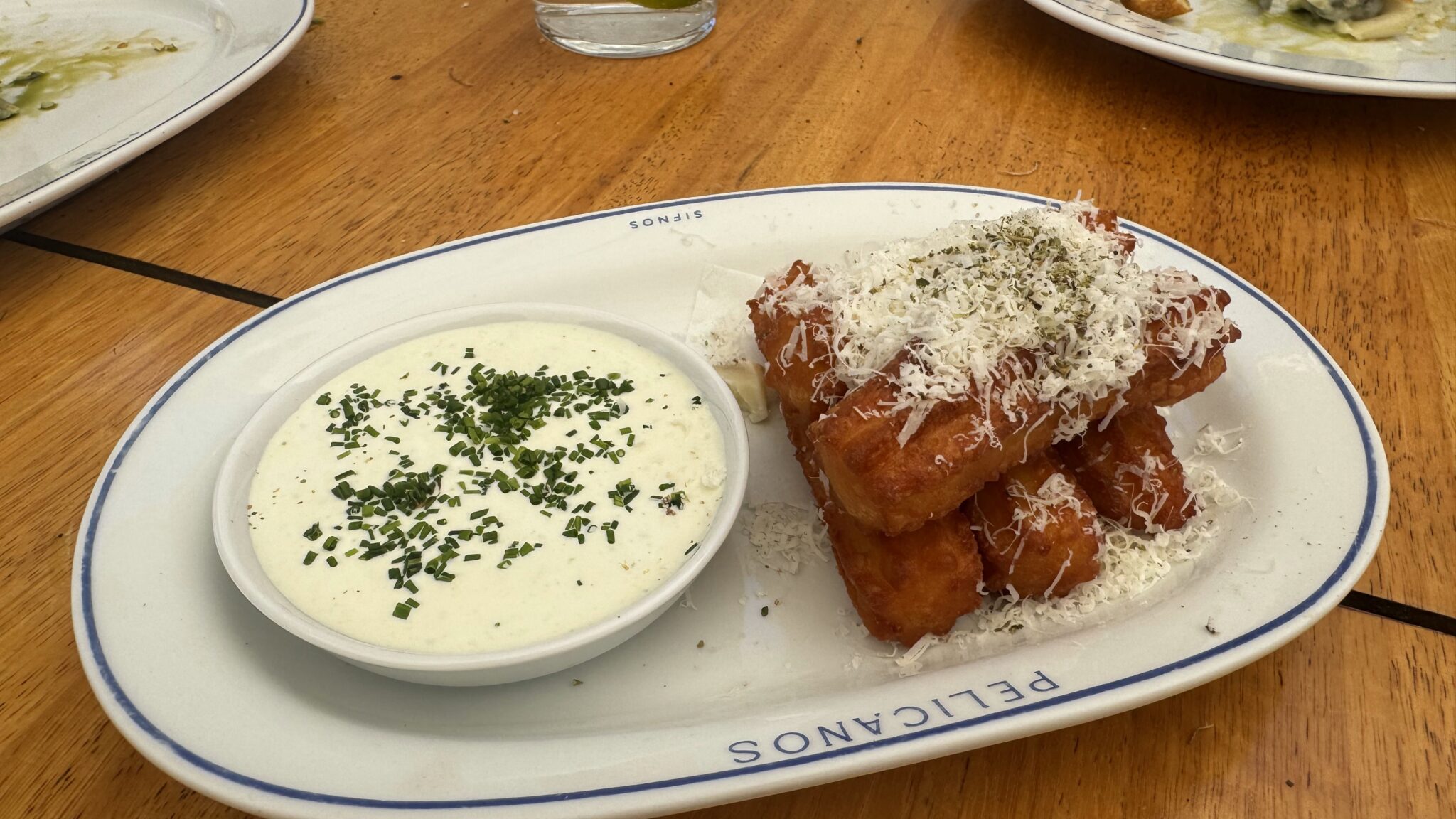
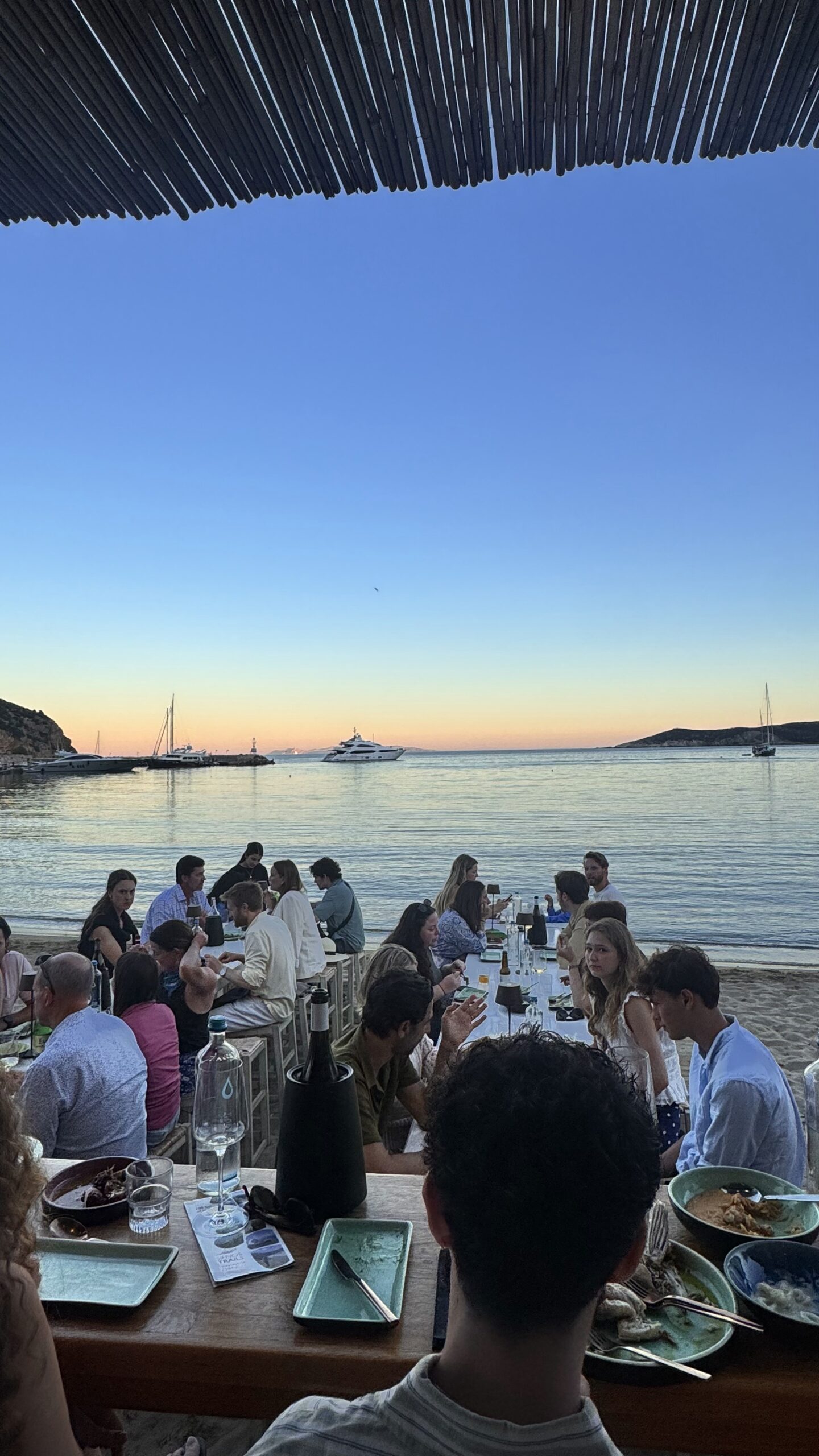
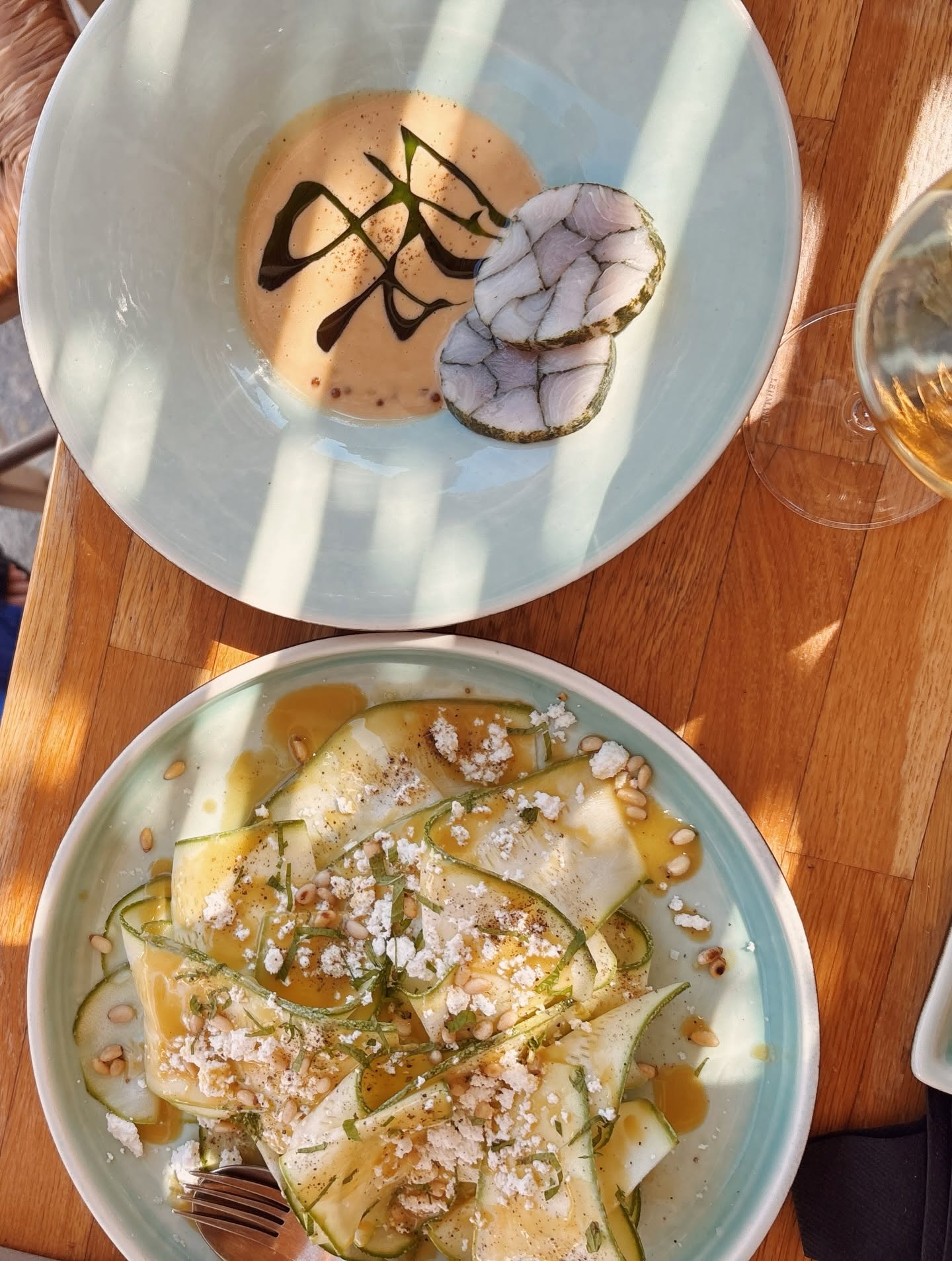
And then there’s the new wave of Sifnos’ cuisine, which has lured visitors from around the world to its shores to try it. One of these eclectic foodies is the self-confessed ‘Gastronomad’, chef, former presenter of Taste New Zealand TV show, author and tour creator Peta Mathias, who traveled across the planet to research a food tour she’ll be bringing to Sifnos in May 2027. “I studied very carefully before choosing Sifnos, and was enchanted by its gastronomic profile, the fact there’s a ‘buzz’ around it, its quality, sweetness, beauty and the fact that the famous Tselementes cookbook came from here – not to mention its exciting new scene.”
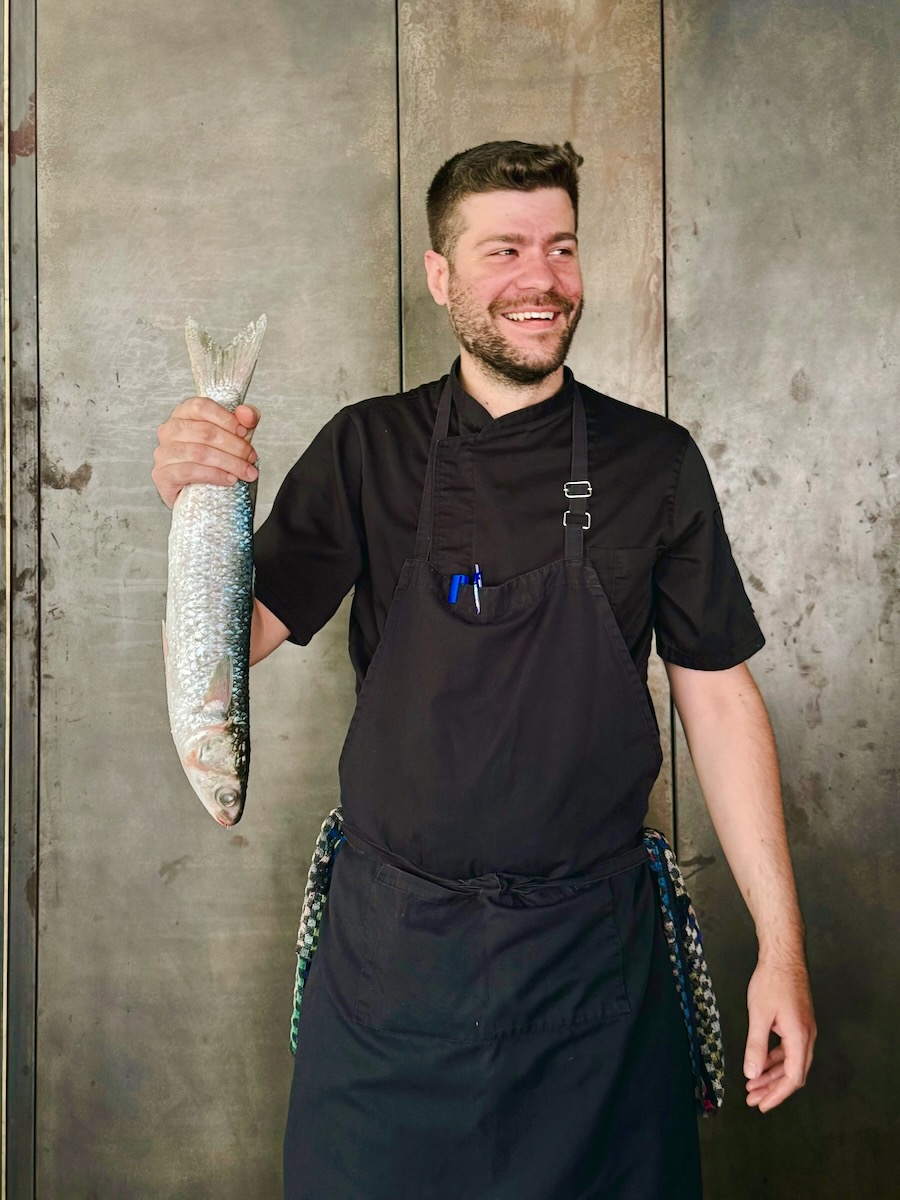
Chef Giorgos Samoilis has become one of the defining figures of contemporary Sifnian gastronomy, partly because his route into cooking was so unusual. A former molecular biologist with a doctorate in biochemistry, he returned to Sifnos, his mother’s island, and began to build a restaurant language around locality, seasonality, waste reduction and the older wisdom of island life.
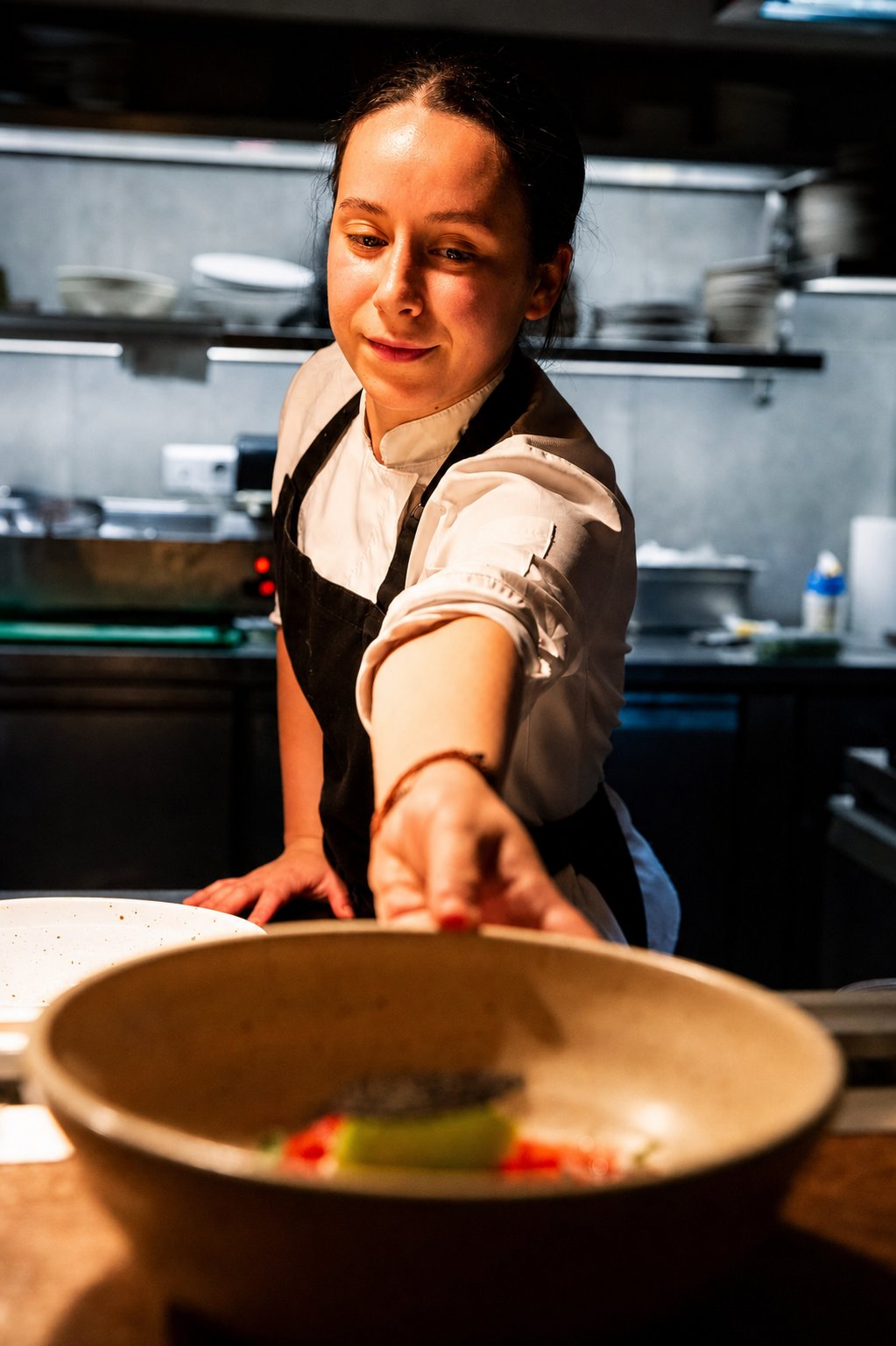
At Cantina, in the small bay of Seralia below Kastro, that philosophy becomes exacting and almost elemental: the restaurant works only with local products, many of them brought down to the former fishermen’s huts by mule, and turns the difficulty of its setting into part of the experience. What arrives at the table feels sophisticated without losing the directness of Sifnos itself: fish, pulses, herbs, vegetables, local cheese, bread, ceramics, smoke, salt and fermentation appear in dishes that are elegant, surprising and deeply connected to the place.
Pelicanos, on Faros beach, carries the same vision into a more relaxed, seaside register, with bright Cycladic ease, excellent seafood, beautiful small plates and flavors that feel polished, generous and unmistakably of the island.
Omega3, on Platy Yialos, was the restaurant that first brought Giorgos Samoilis’ cooking to wider attention on Sifnos, and the charismatic chefs that followed have kept it in the limelight. As its original chef, he helped shape a new seafood language for the island: raw fish, small plates, Greek wine, local ingredients and cosmopolitan references served directly by the beach, with the looseness of a Cycladic summer lunch and the confidence of a restaurant that knew exactly what it was doing. The restaurant remains one of the island’s best-known modern addresses, associated with bright seafood, sharp flavors and a more international way of eating beside the water.