


Some islands you visit to be seen. Iraklia you visit to disappear. Reached by the small ferries that run between Naxos and Amorgos, it is by some distance the least visited stop on that route: under 18 square kilometers, a year-round population hovering around 150, and terrain you can walk end to end in an afternoon. Most people who come here have already done the rounds of the bigger Cyclades and are looking for exactly this.
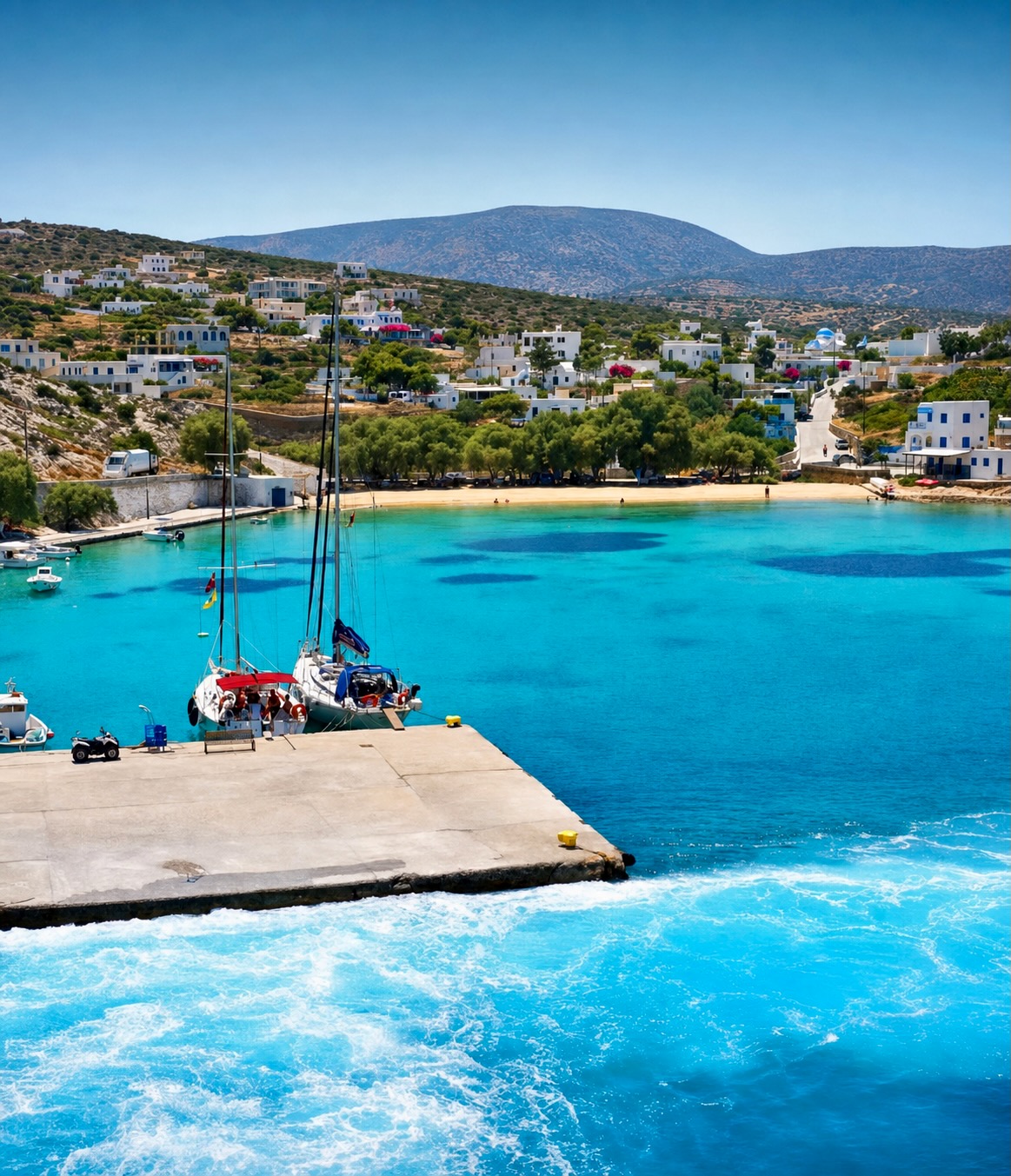
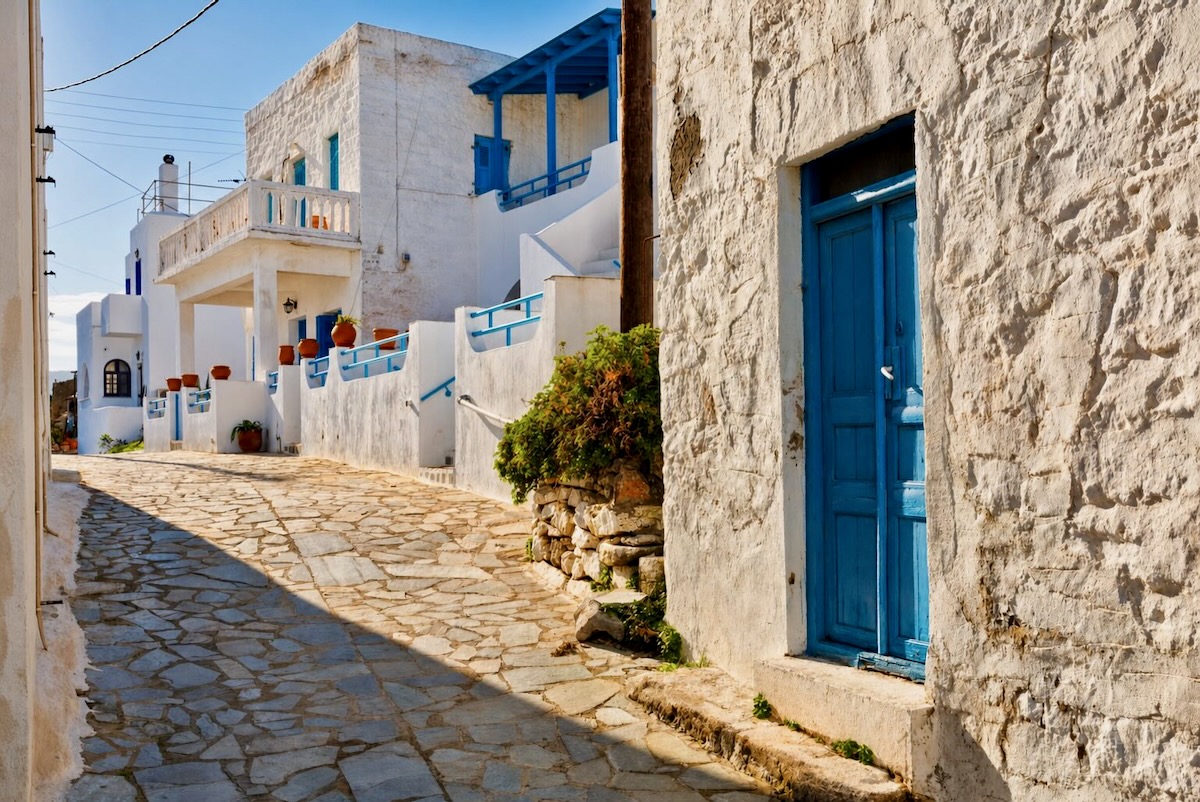
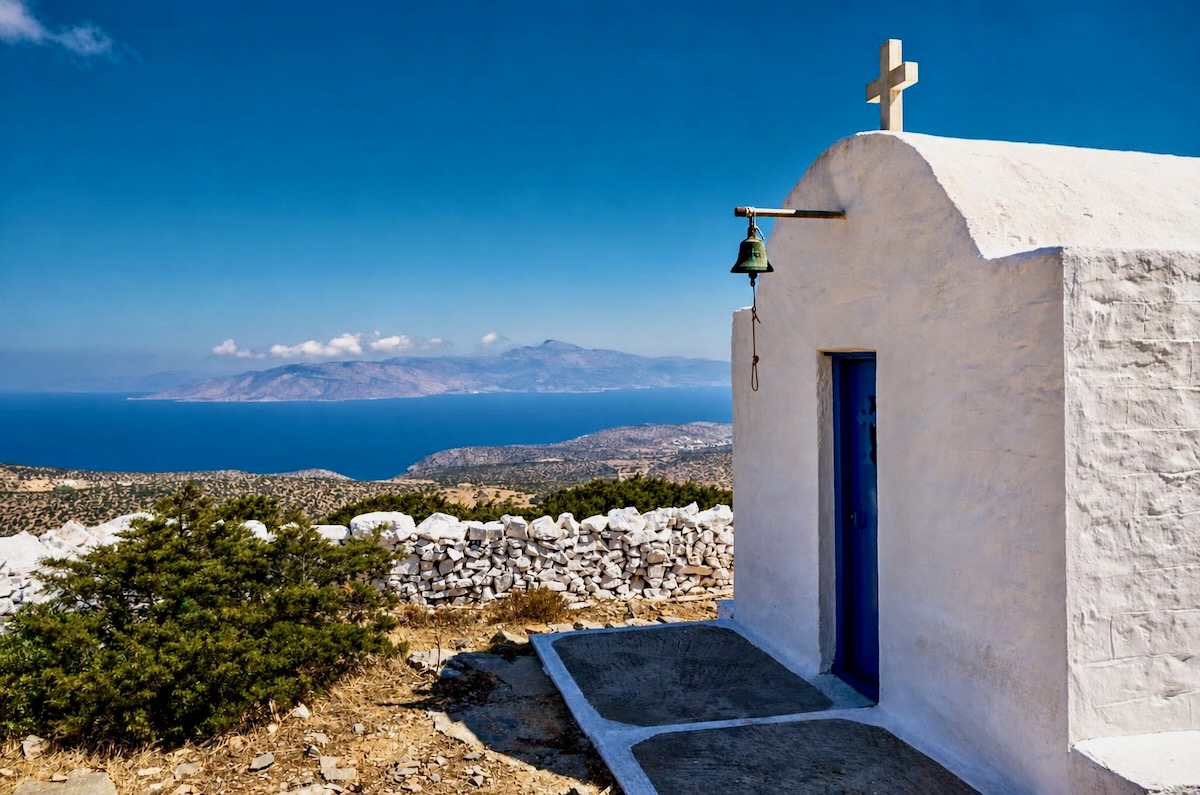
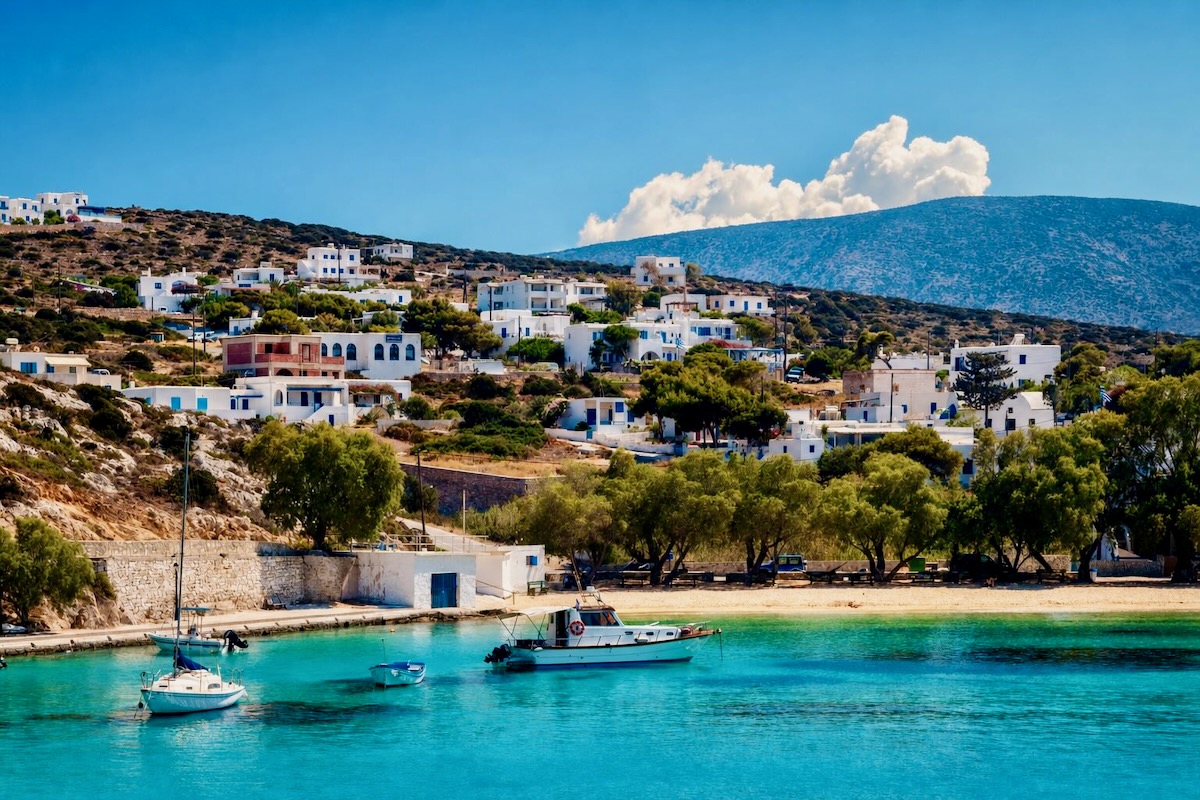
The landscape is dry and severe in the way of the Aegean at its most elemental, rising to Mount Papas at 420 meters, from where, on a clear day, some 19 neighboring islands are visible. There are three settlements, though only two amount to much: Agios Georgios, the port, a low huddle of houses around a working harbor where the ferry’s arrival is still something of an event, and Panagia, the island’s Chora, smaller and quieter, inland on a hillside. The third, Agios Athanasios, is little more than a scatter of stone houses, most of them empty. Excavations at Livadi have turned up remains from the third millennium BC, but Iraklia’s character today is shaped less by its history than by what it lacks: nightlife, crowds, and any real prospect of either arriving.
01
Where to Go & What to See
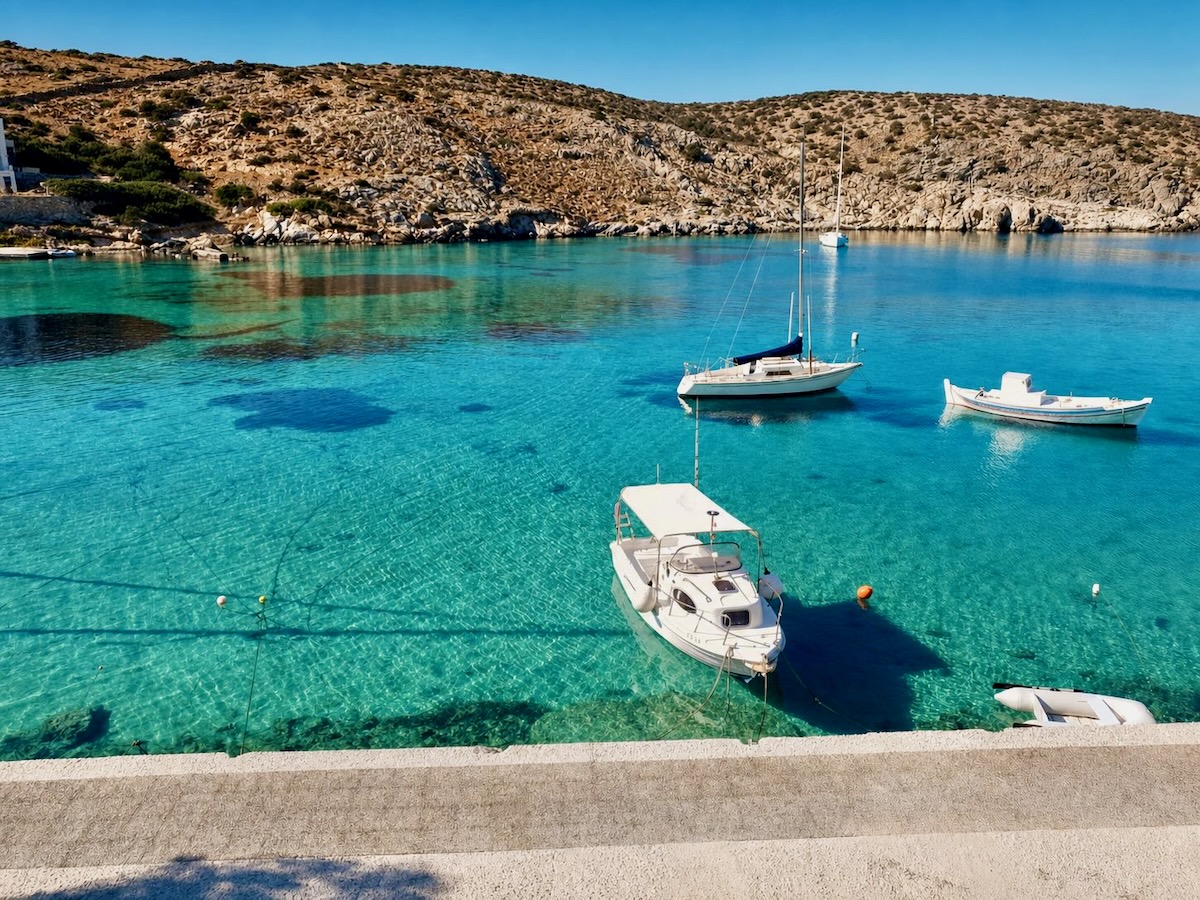
Nine small, whitewashed churches are scattered across the three settlements, the largest being the Church of the Presentation of the Virgin Mary in Panagia. Above Livadi bay, the low stone ruins of a Hellenistic fort look out over the water and the small islet of Venetiko beyond.
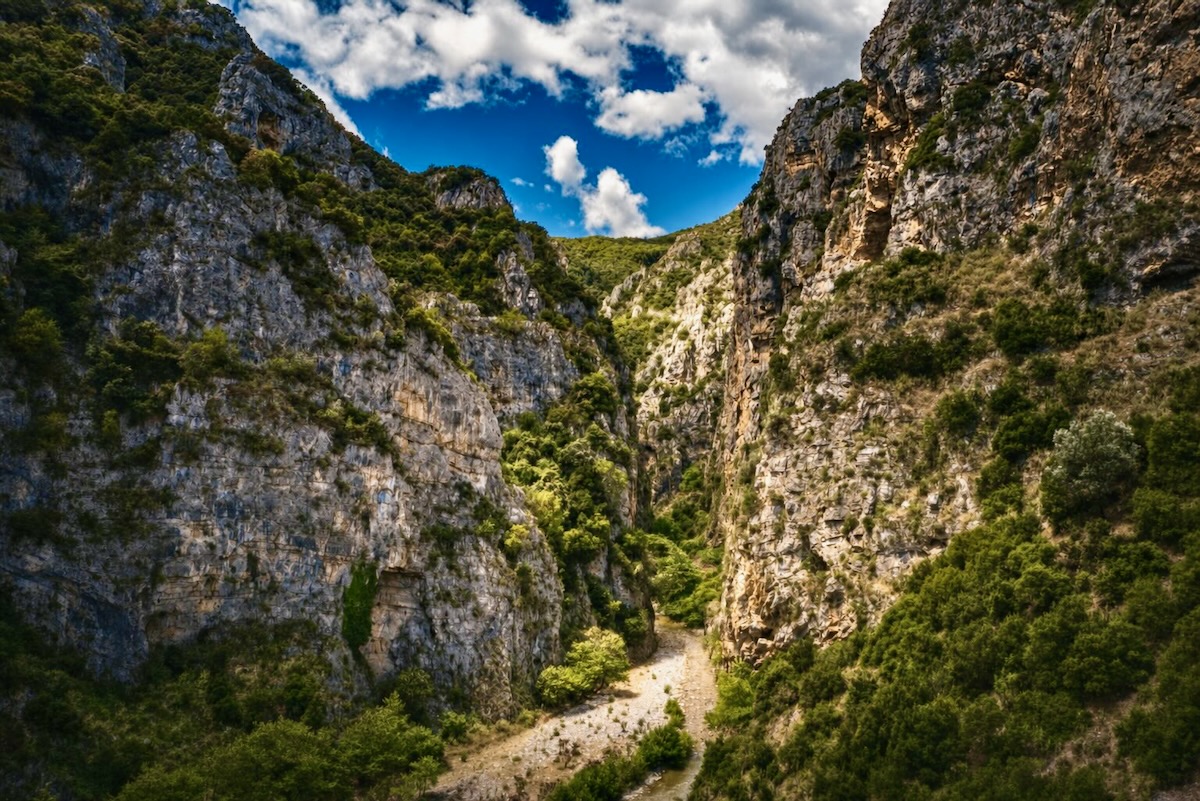
The main adventure-spot, however, is inland: the Cave of Agios Ioannis, one of the largest caves in the Cyclades, discovered by a shepherd in the late 19th century and filled with stalactites, its low entrance forcing visitors to crouch. The island’s residents still process into it every August for a liturgy held inside the cave itself; local legend, less devoutly, places the Cyclops Polyphemus in these hills after the Trojan War. The same Cyclops appears in Christopher Nolan’s 2026 adaptation of The Odyssey, though the connection here is mythological rather than cinematic.
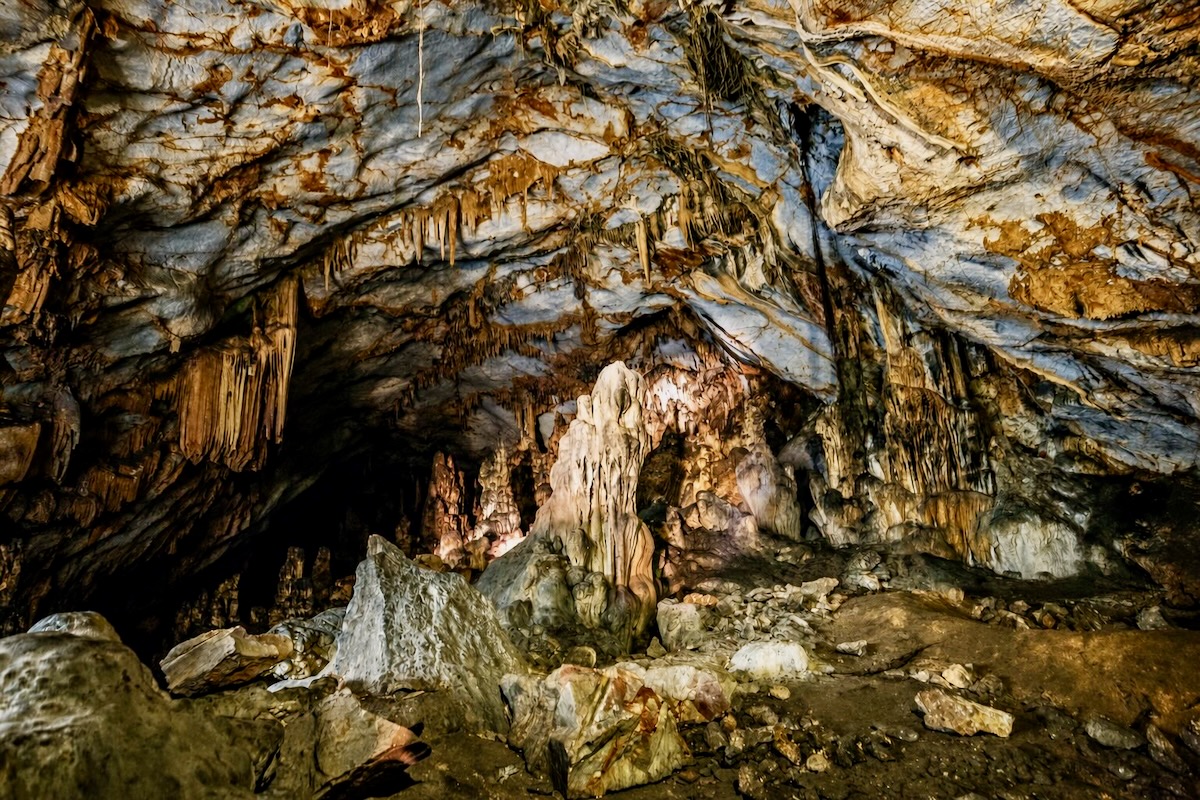
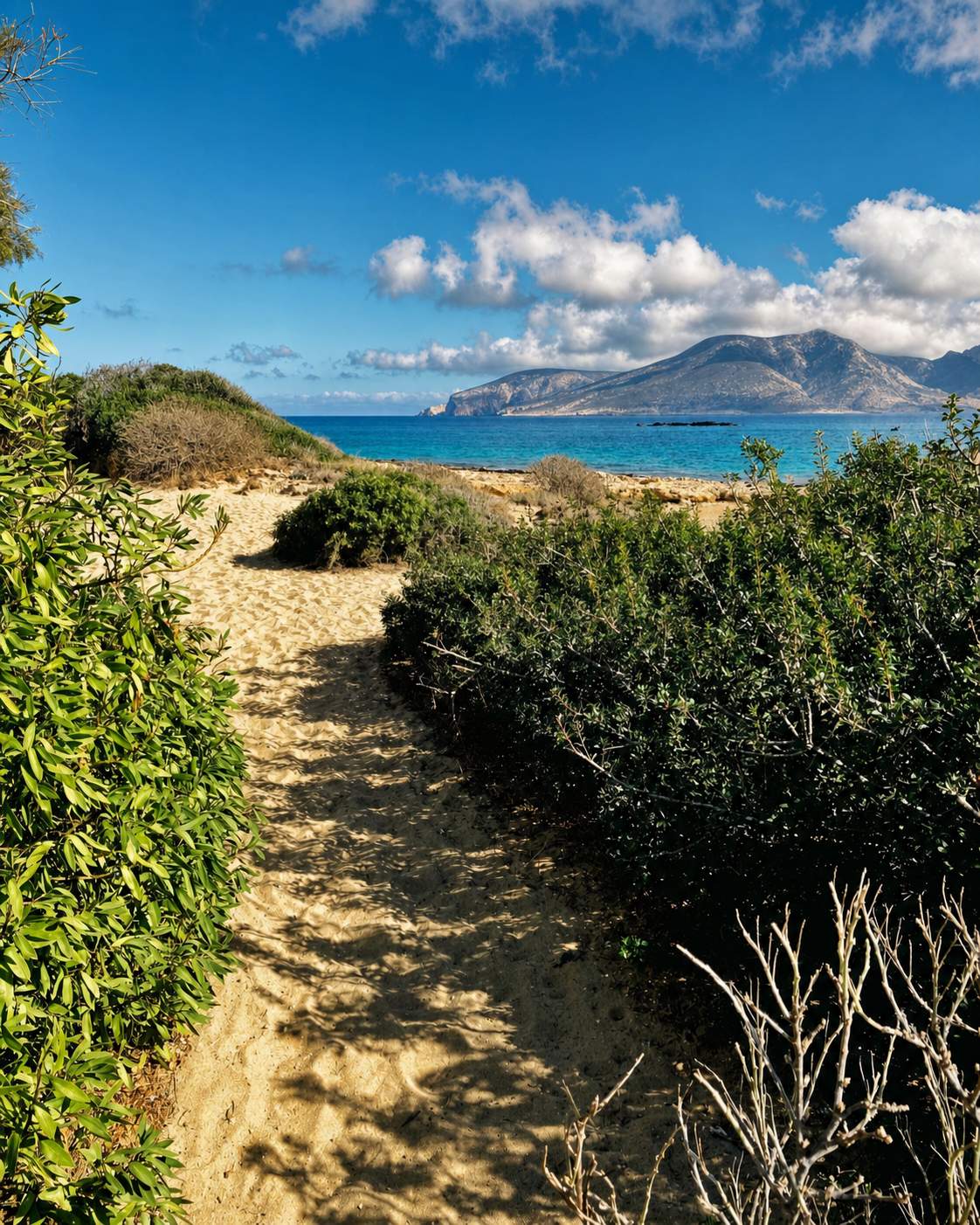
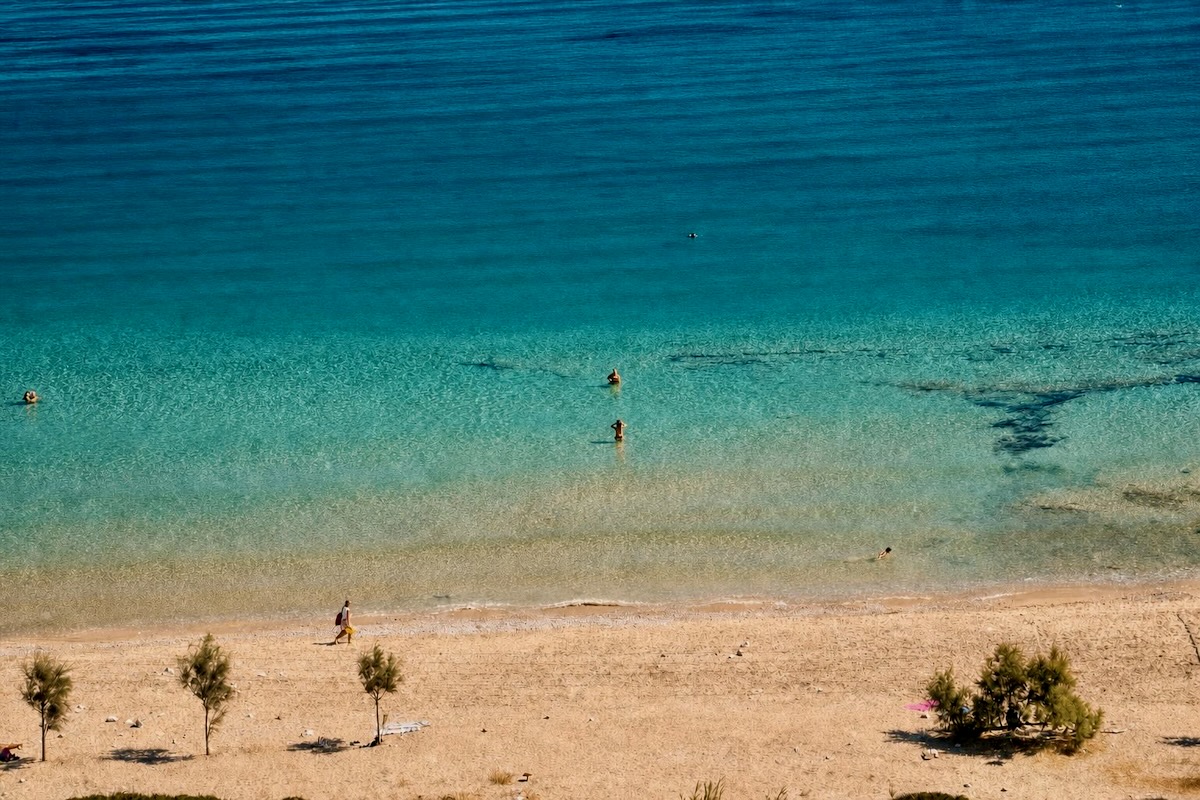
The walk there from Panagia takes around 90 minutes, one of 8 marked trails linking the settlements to a string of coastal viewpoints. For beaches, Livadi is the largest and among the finest: golden sand and shallow turquoise water reached on foot along a hillside path, with the Kastro looking down from above.
Agios Georgios beach, by the port, is smaller and shaded by tamarisks. Vorini Spilia, named for the pair of caves nearby, sits quietly on the north coast; Tourkopigado, on the south side, is a sheltered pebble bay useful when the wind is up. Alimia, Karvounolakkos and the cliff-bound coves of Merichas are reachable only by the small boats that run from the port in summer; somewhere beneath Alimia’s clear water lies the wreckage of a German seaplane shot down in the Second World War.
02
Where to Eat
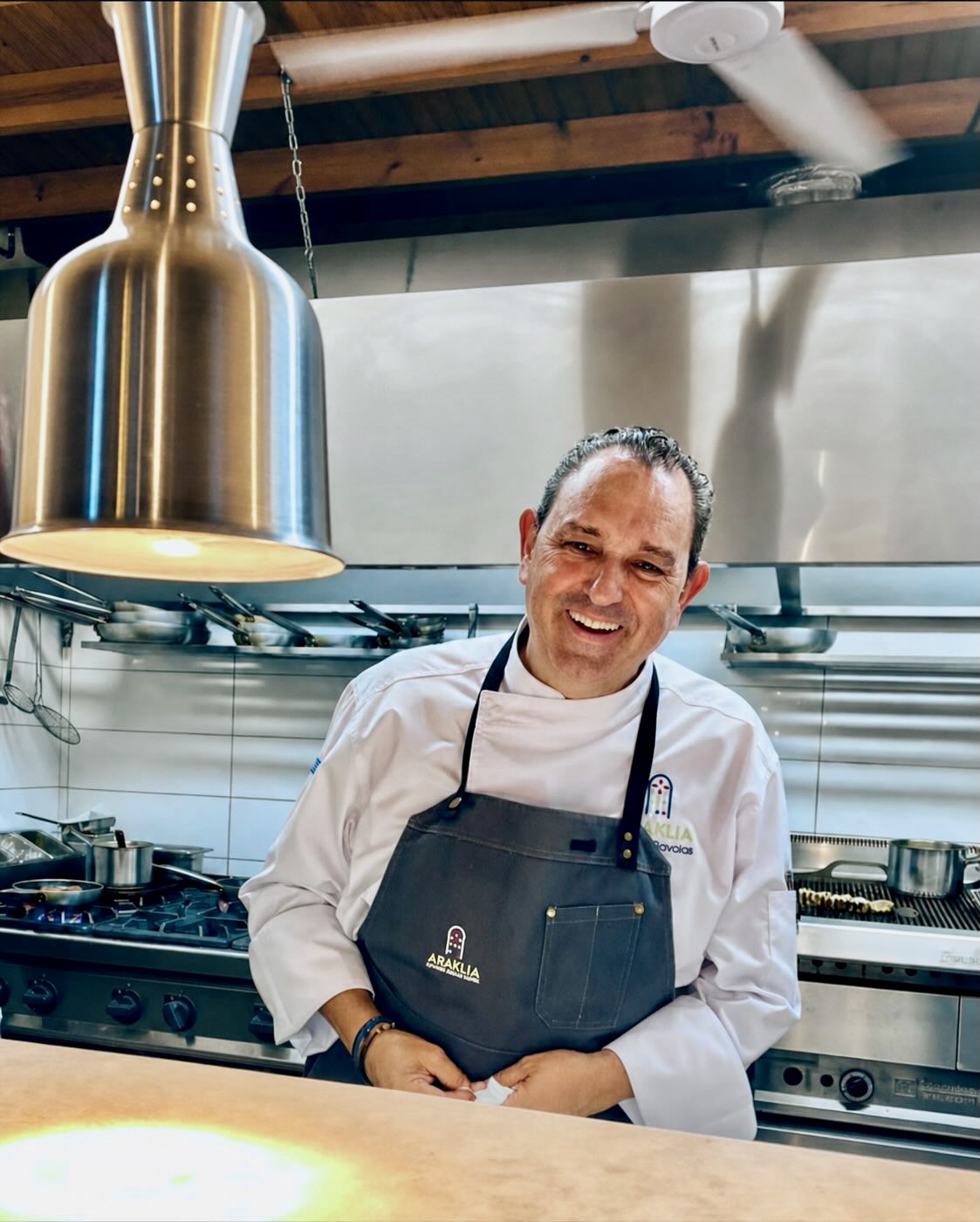
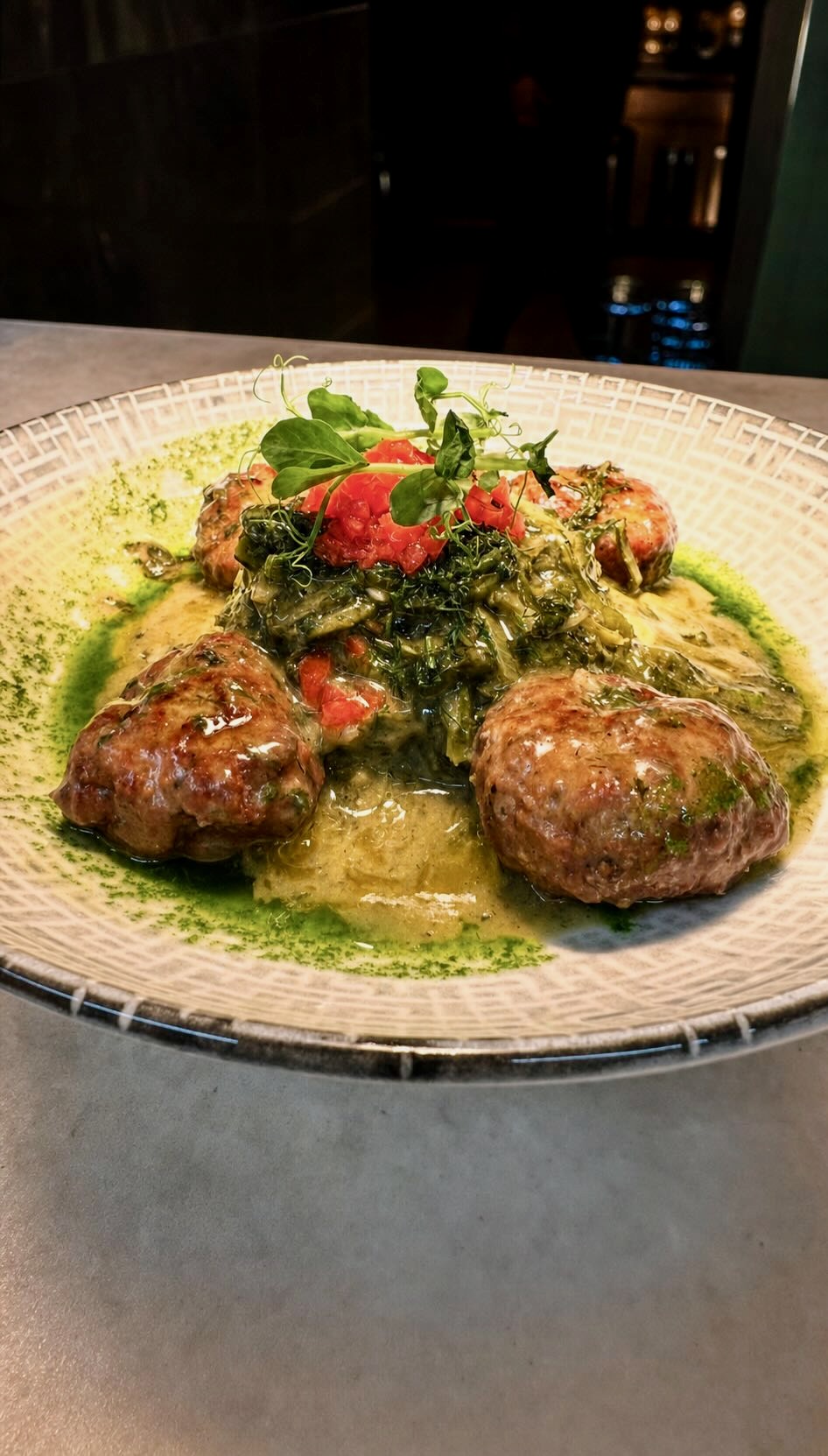
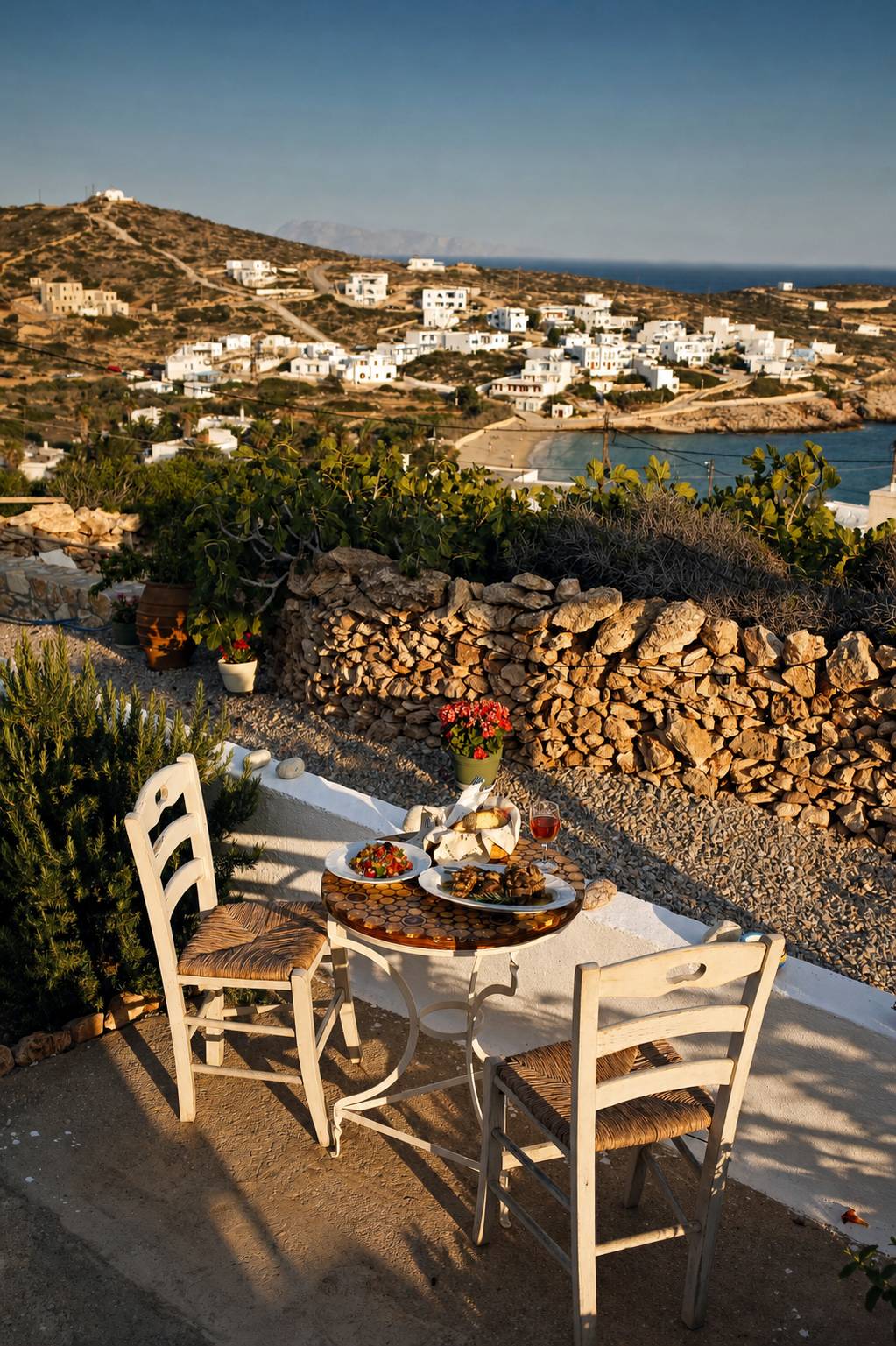
Iraklia’s food scene changed considerably in 2019, when the chef Yiannis Gavalas, whose family is from the island, opened Araklia in his own childhood home on the hill above the port, keeping much of the original stone and woodwork intact. It is widely reckoned to be one of the best restaurants on Iraklia and one of the more interesting tables in the Small Cyclades: a tight, ever-changing menu of Aegean cuisine built on ingredients sourced island by island: capers from Tinos, sun-dried tomatoes and cheeses from Naxos and Mykonos, wild greens foraged locally, alongside his own fava and a slow-roasted stuffed goat that has become the dish regulars ask for by name. Seating is limited to a handful of tables on a stone balcony that looks straight down the channel toward Schinoussa, so reservations in July and August are close to essential.
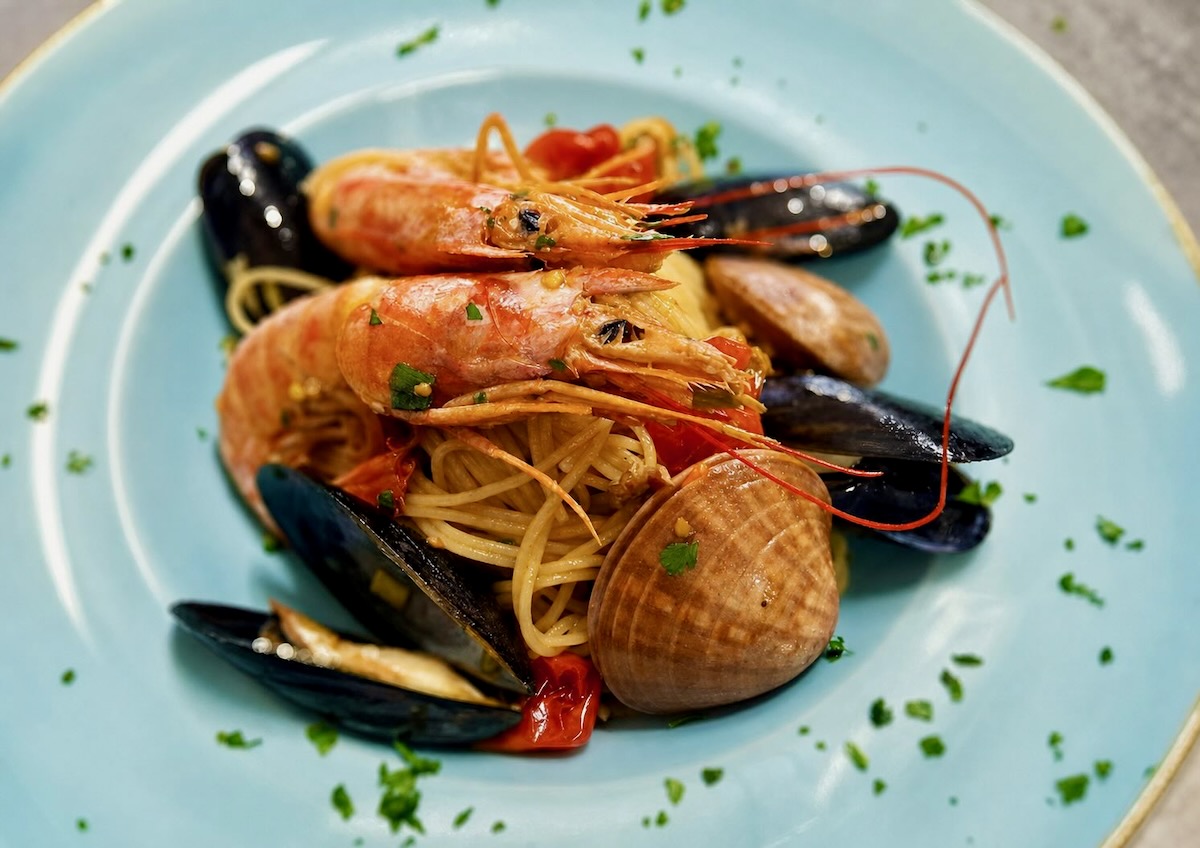
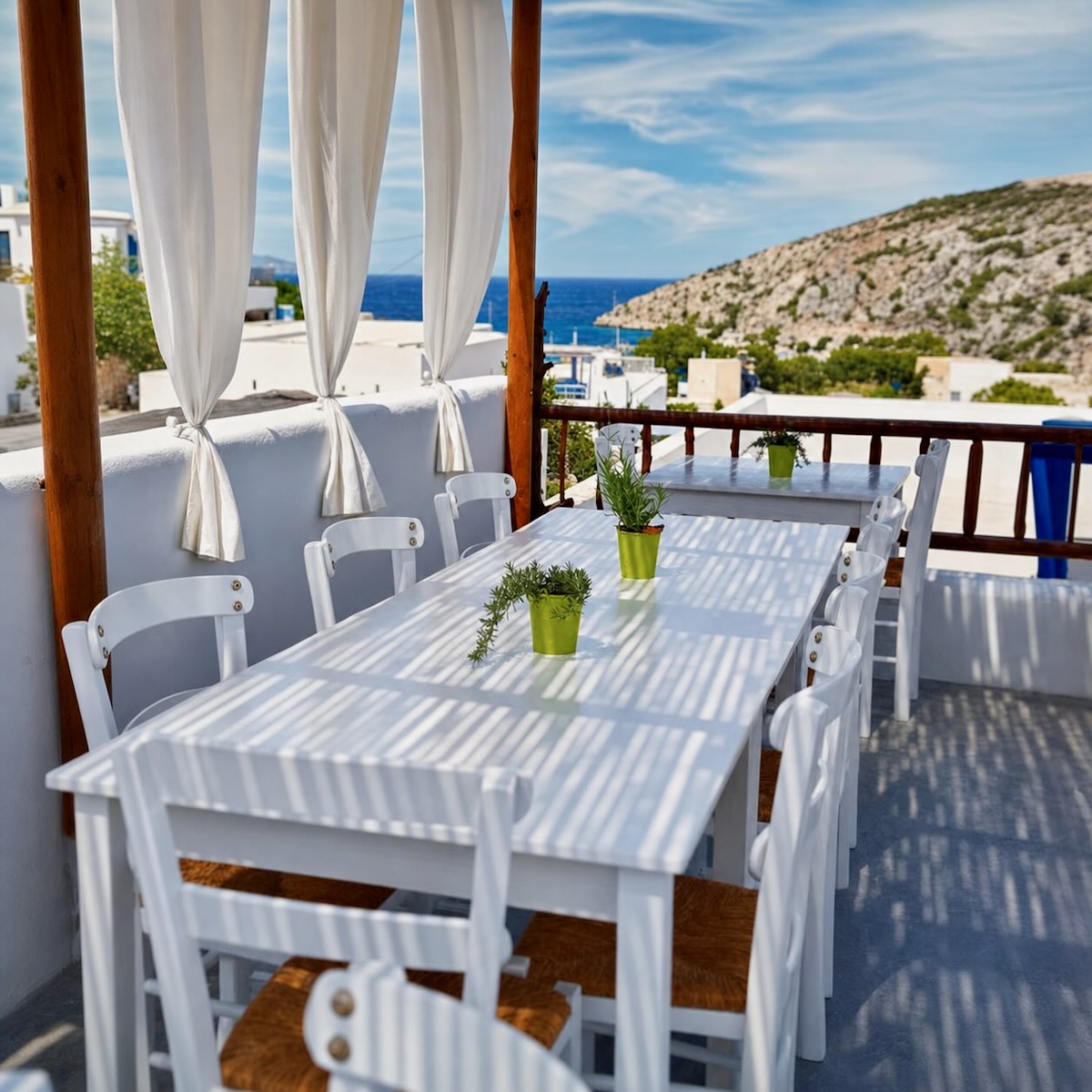
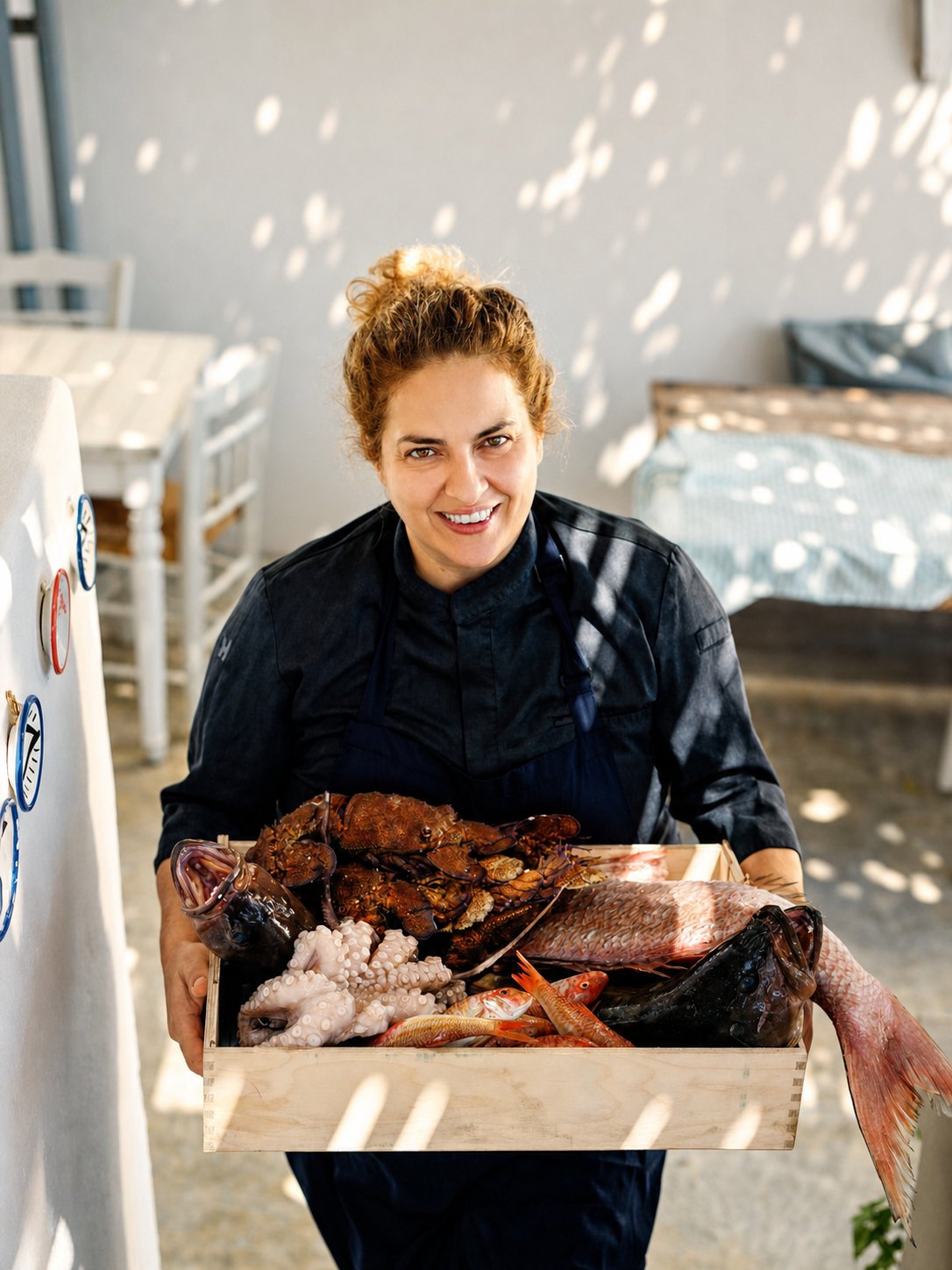
Down in the port, Akathi is the older, more traditional counterpoint, run since 2000 by Panagiotis Rousos, whose boat supplies the fish. Akathi serves up slow-cooked Cycladic dishes like goat, fava and ladera on a pleasant terrace that fills with locals as much as visitors. Nearby, Syrma is worth a stop for mezedes rather than a full meal, a small-plates taverna singled out by the Athens chef and restaurateur Argiro Barbarigou as one of her own favorite addresses on the island.
Maistrali has one of the best tables in the port for a hearty, healthy breakfast, set on a terrace with an unobstructed view over the harbor. It also serves lunch and dinner, while Perasma Café, a few doors along, is the other reliable morning stop, especially for waffles or pancakes.
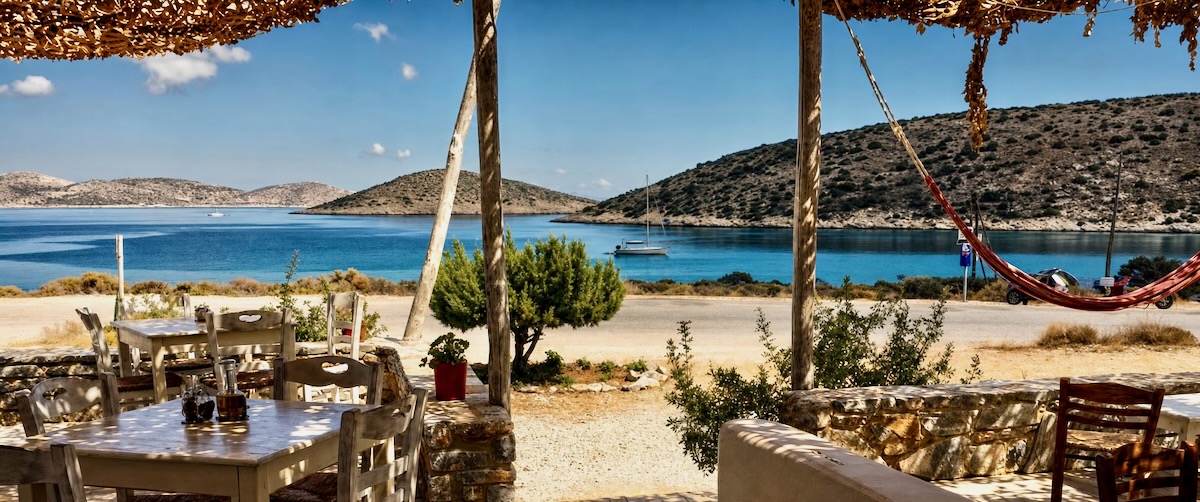
To Giavrí, up on the hillside above the village, trades the sea view for a wider one over Iraklia’s dry interior and leans hard into grilled meat, cooking goat and lamb over coals for a crowd that is, on most nights, mostly local. Pera Panta, by Livadi beach, is an ideal post-swimming stop, with a menu of home-style dishes, grilled fish and salads with fresh local ingredients.
03
Where to Stay
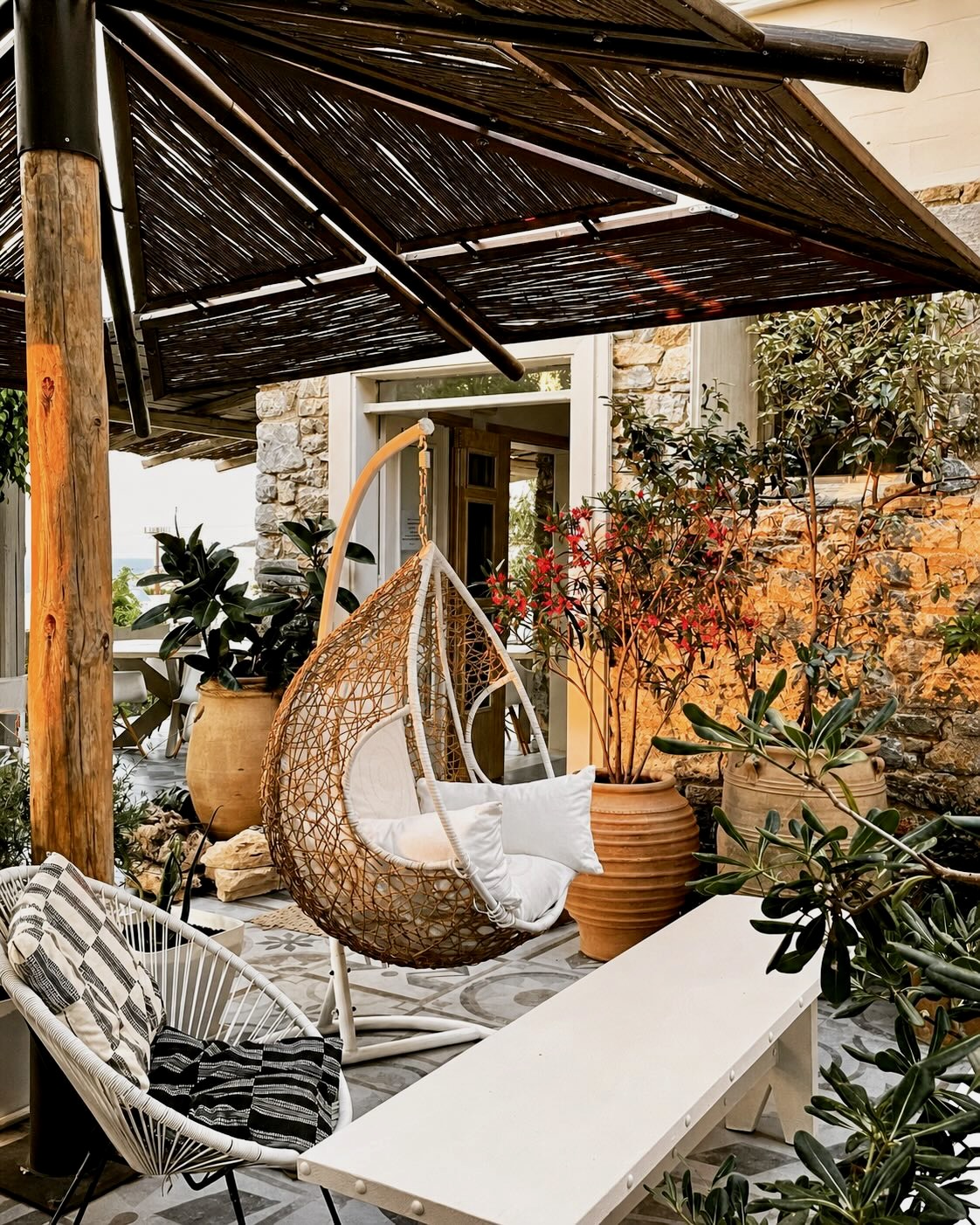
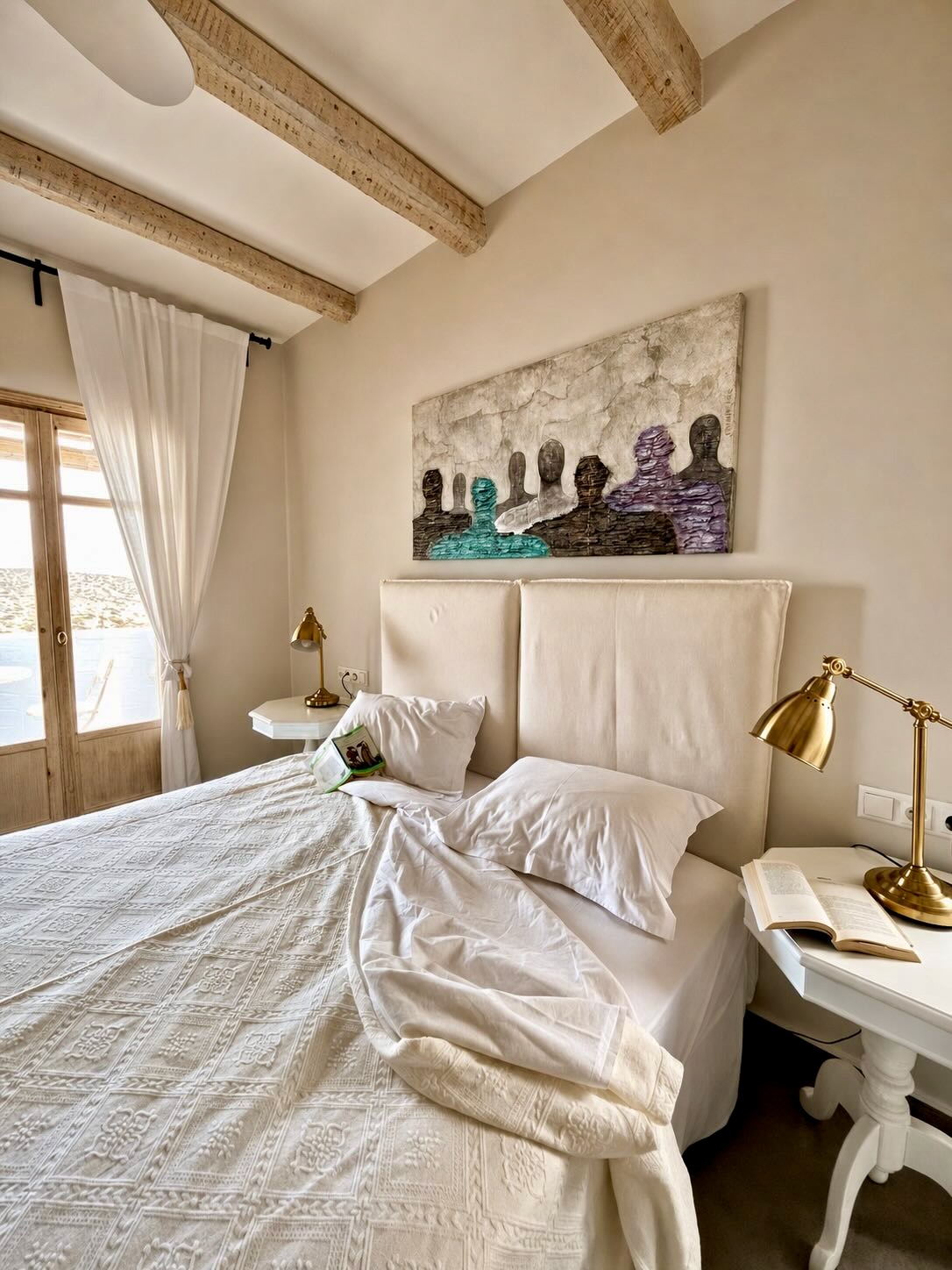
There are (fortunately) no resorts on Iraklia, and almost everything is small, family-run, and clustered around Agios Georgios, with a handful of newer properties near Livadi beach; most operate seasonally, roughly May to September.
Speires Suites, built amphitheatrically into the hillside above the port, is one of the island’s best-regarded stays. Its minimalist white-toned rooms and suites, several incorporating artwork by the Greek artist Giorgos Polymeros, open onto private balconies with sea or mountain views. There is no pool; instead, the property leans into an à la carte breakfast and a low-key, authentic-island philosophy.
Maistrali, better known for its breakfast terrace, also lets a few simple, sea-facing studios just above the taverna. Run by the same family, they are an easy pick for anyone who would rather stay where they already know the food is good.
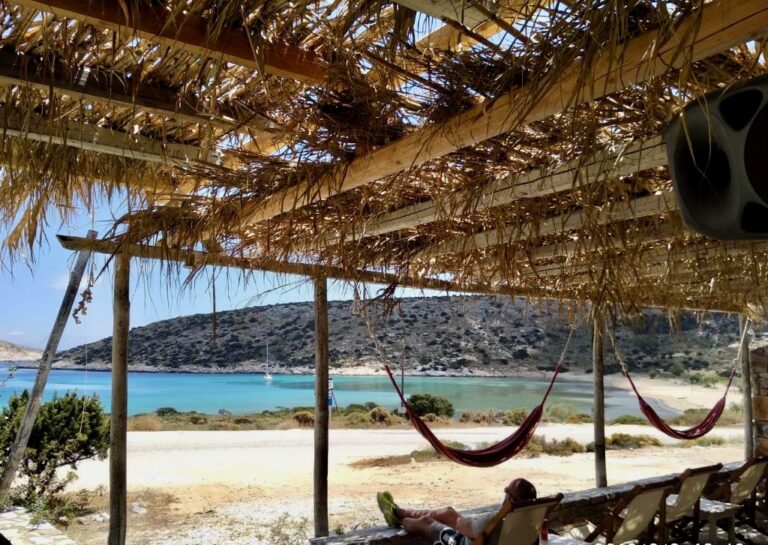
Kritamos Suites, right on Livadi beach, offers a handful of all-white, minimally decorated double and triple suites run by a local named Petros, who also owns the taverna next door and personally collects guests from the port; there is no pool here either, just a private veranda and some of the closest sea access on the island.
Villa Panorama, at the port, keeps things practical with a private kitchen and sea views for those who would rather self-cater.
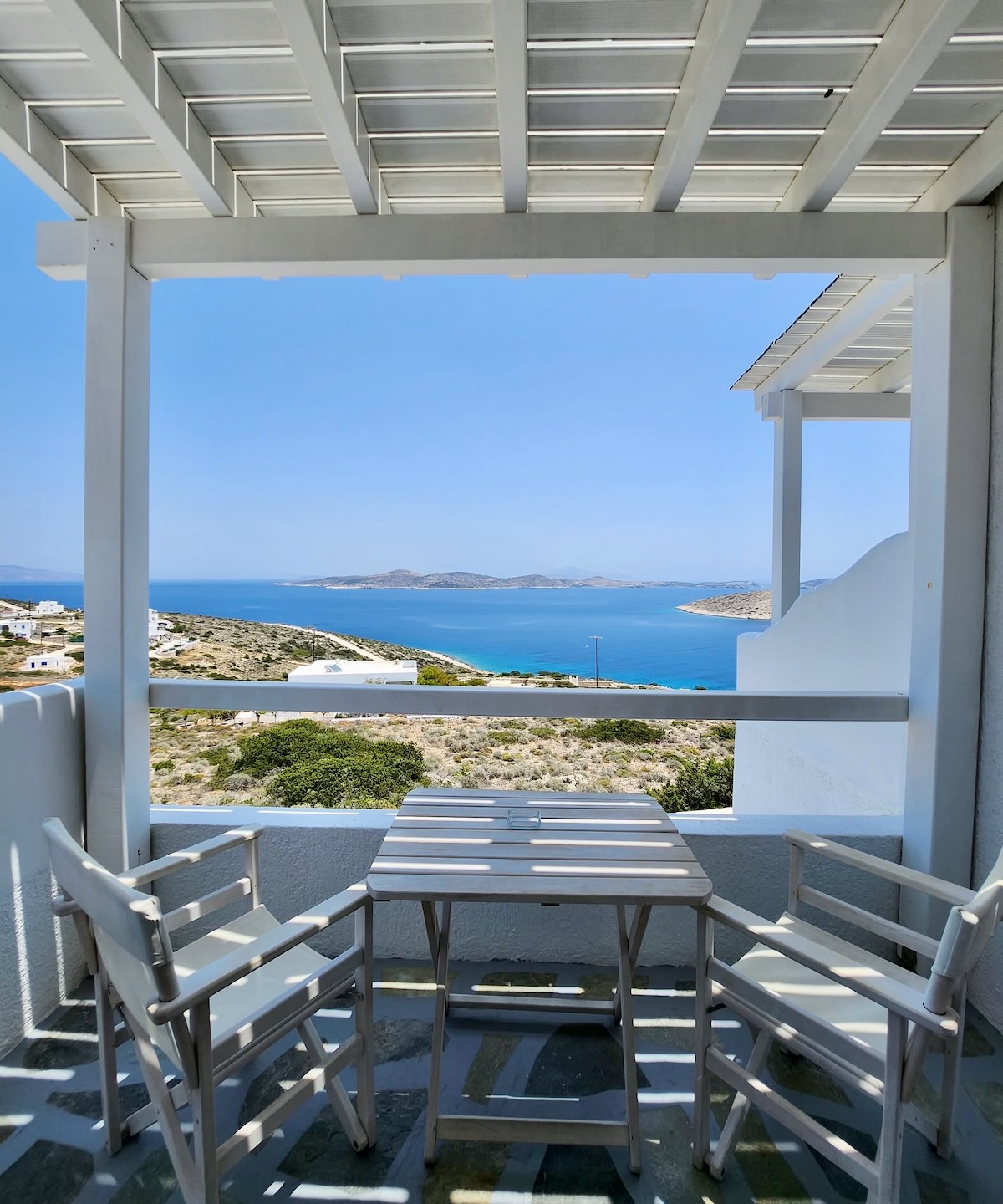
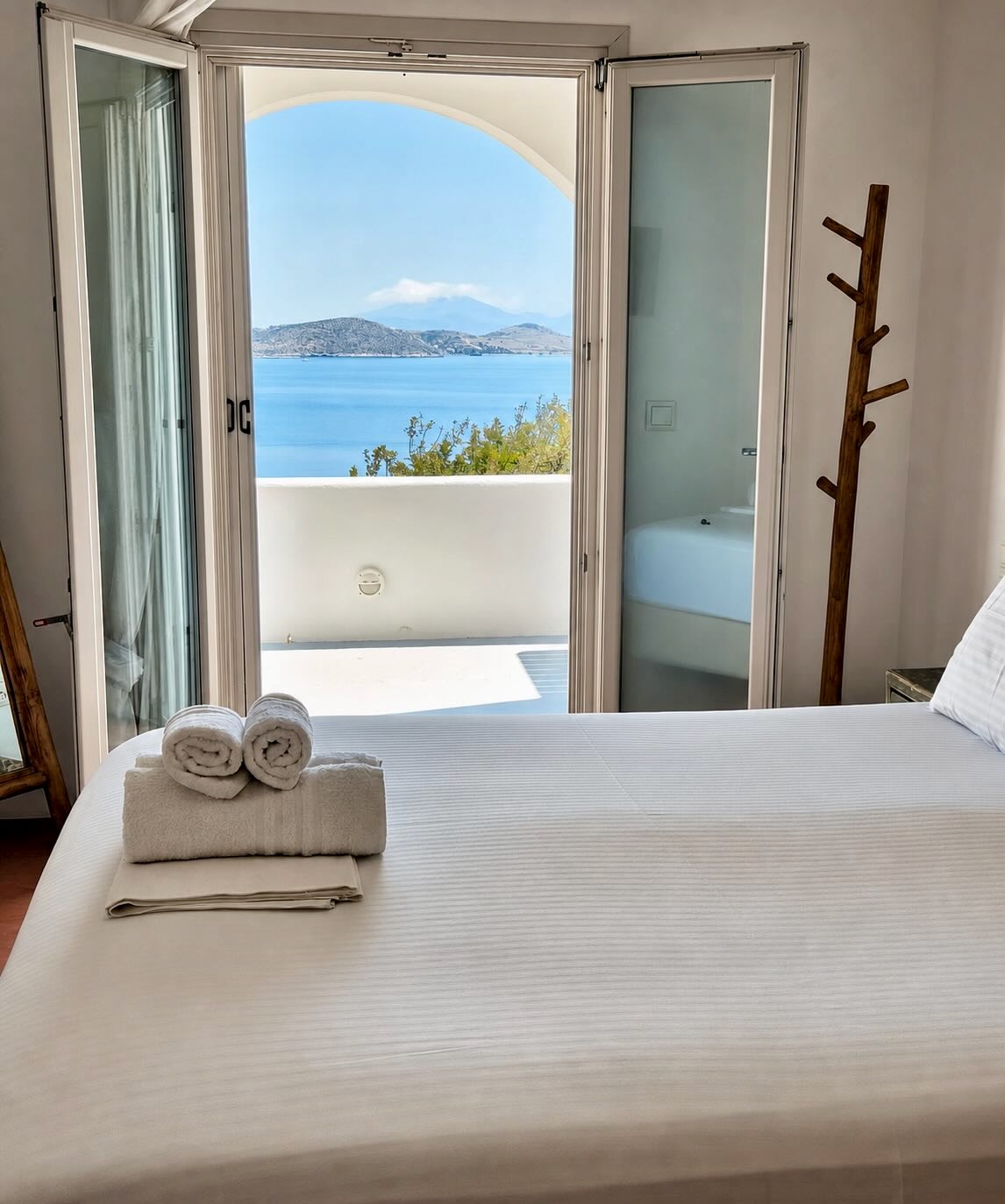
For something more traditional, Anna’s Place is a long-standing, family-run address with straightforward air-conditioned rooms and studios, most with a kitchenette and a balcony looking toward the port.
Iraklia will not fill your camera roll with infinity pools or your evenings with plans. What it offers instead is rarer: an island still moving at the speed of its ferry, and the increasingly radical luxury of being left alone.
Read more:
An Introduction to the Small Cyclades, One Ferry Stop at a Time