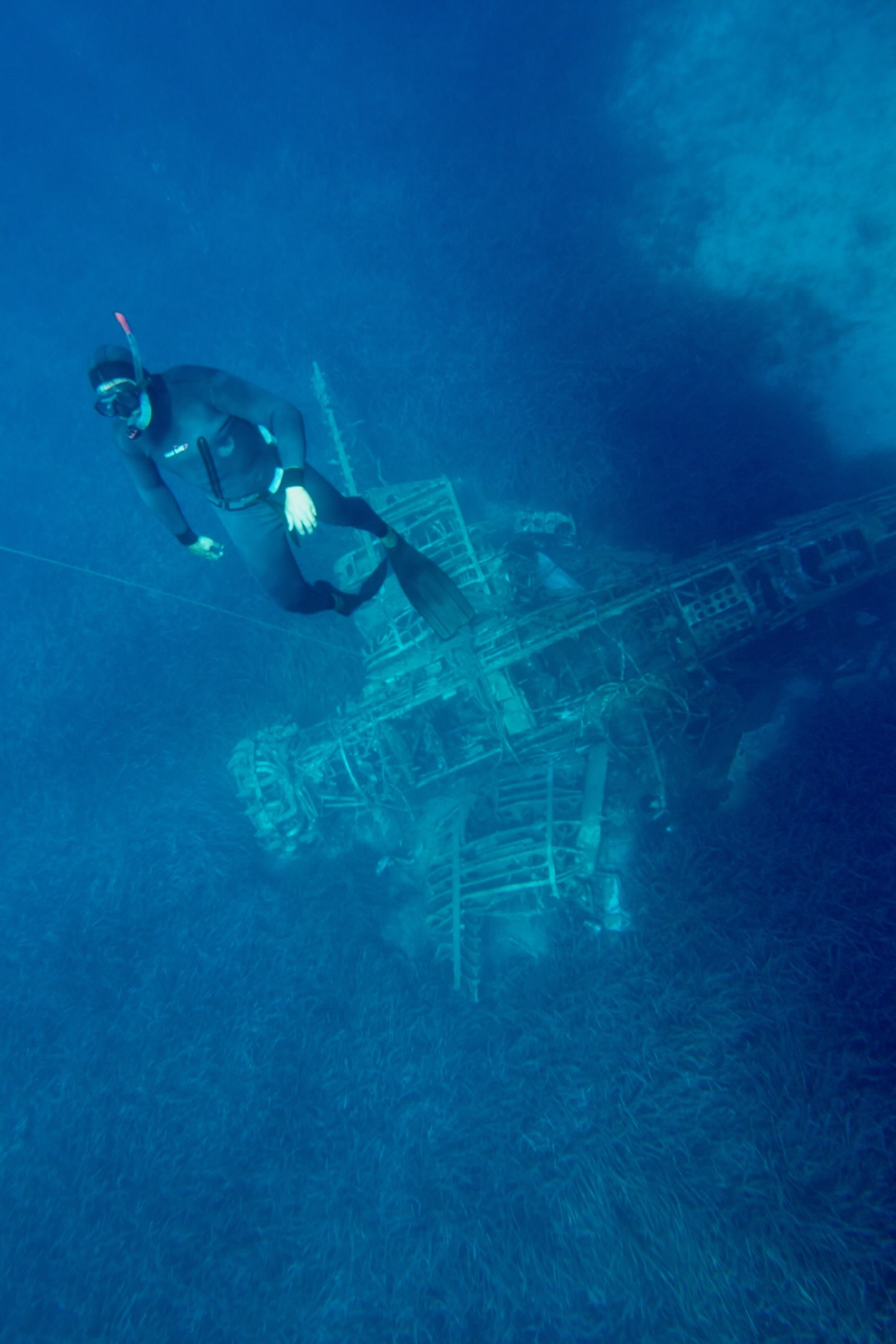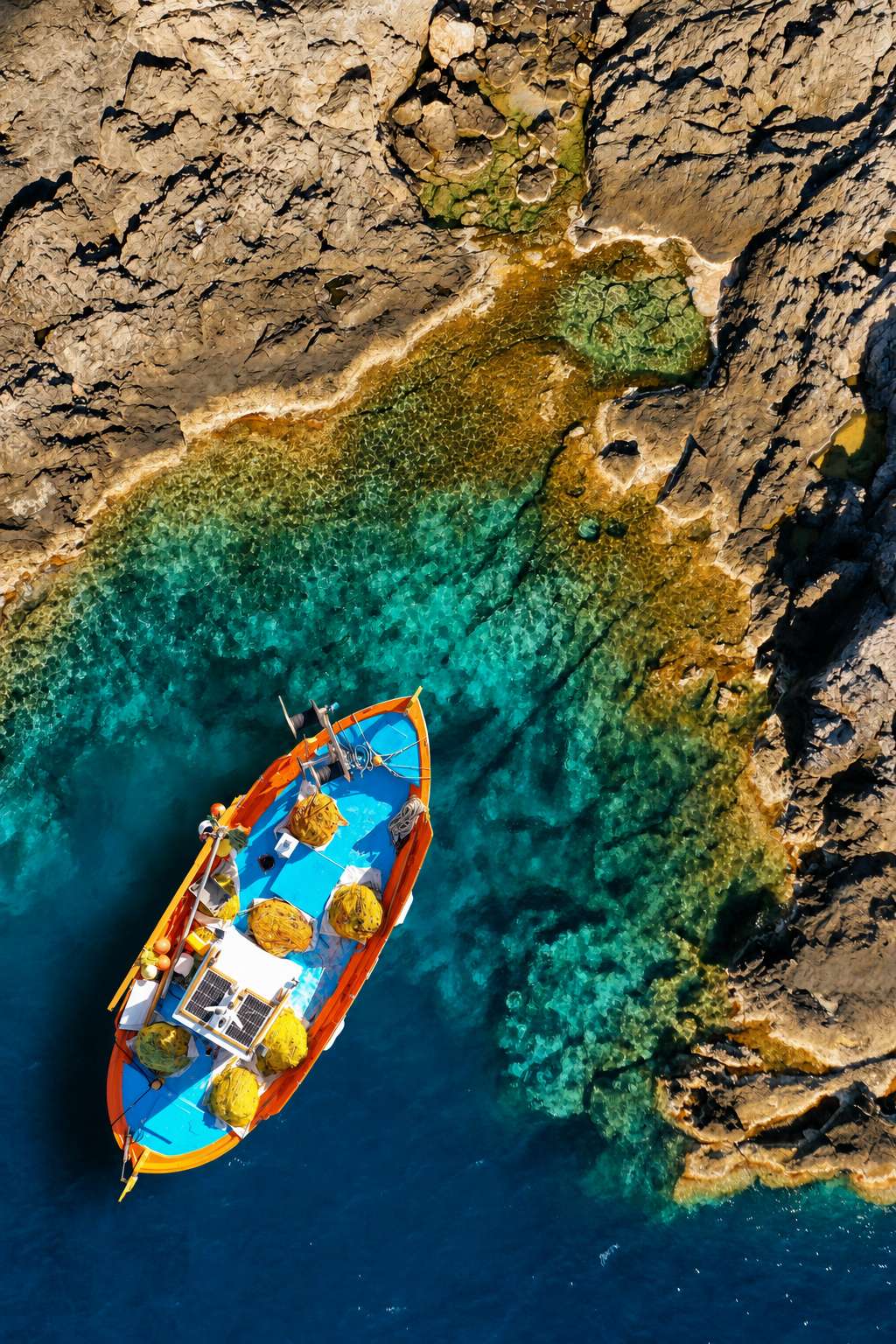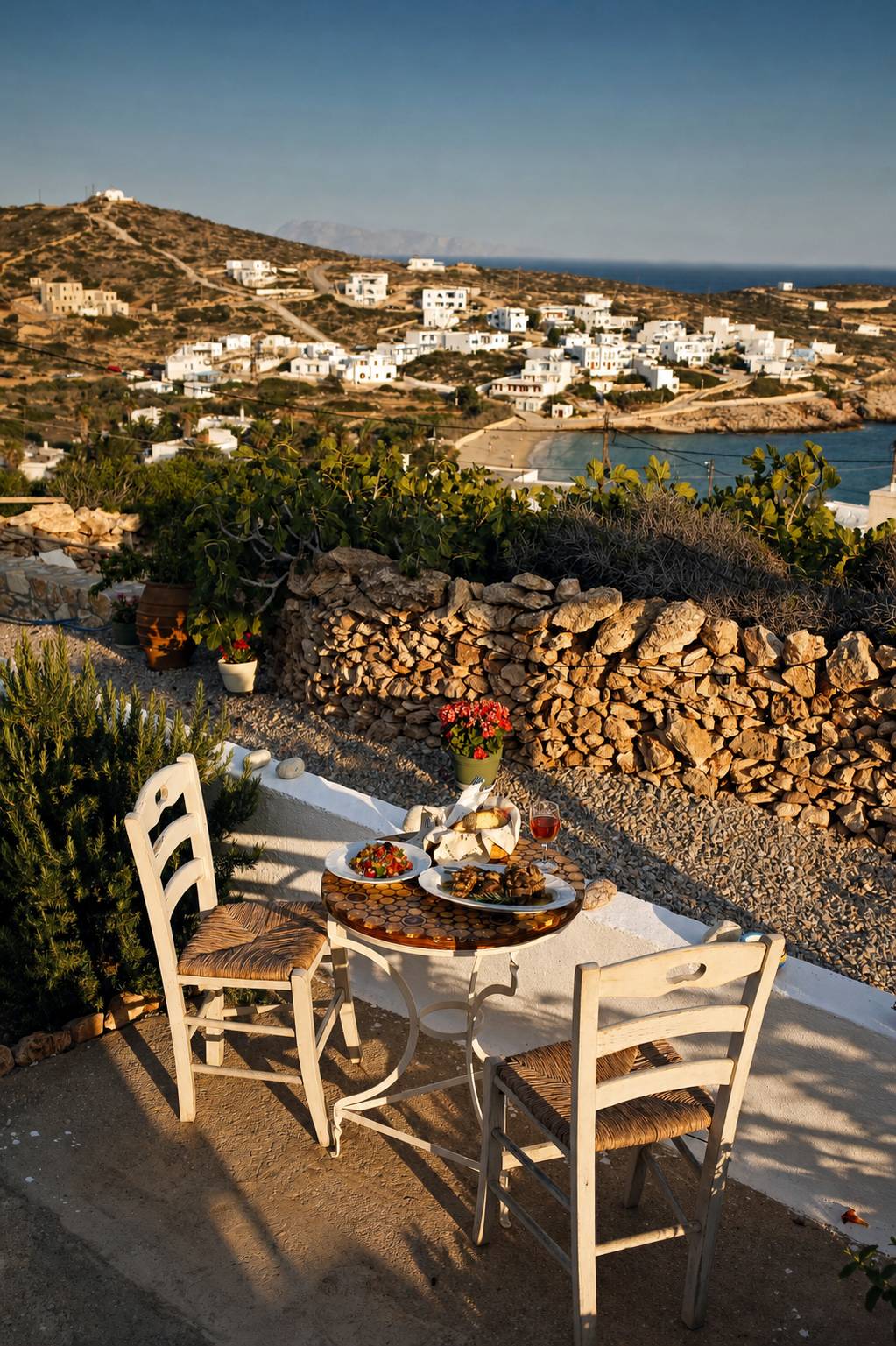



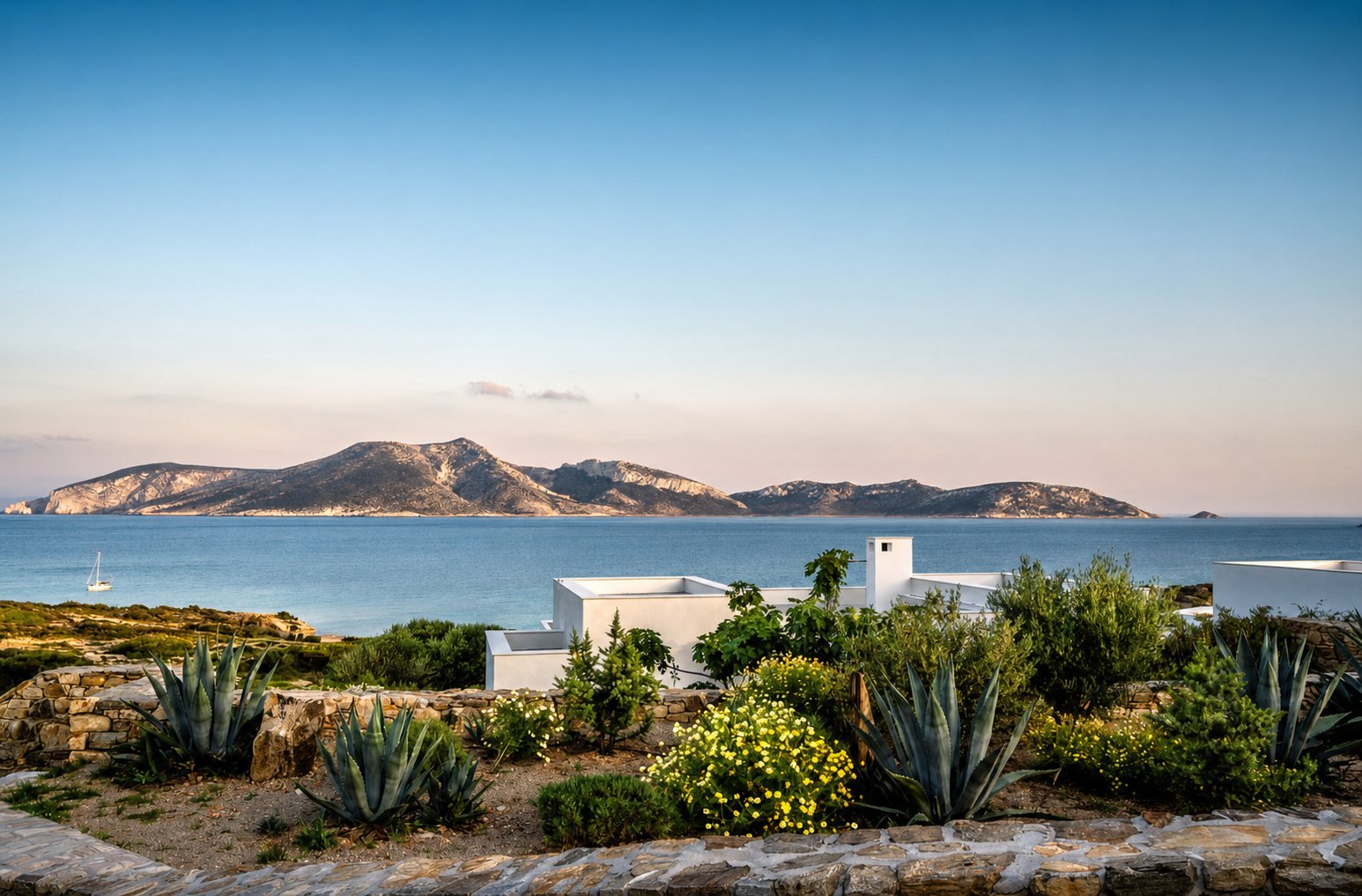
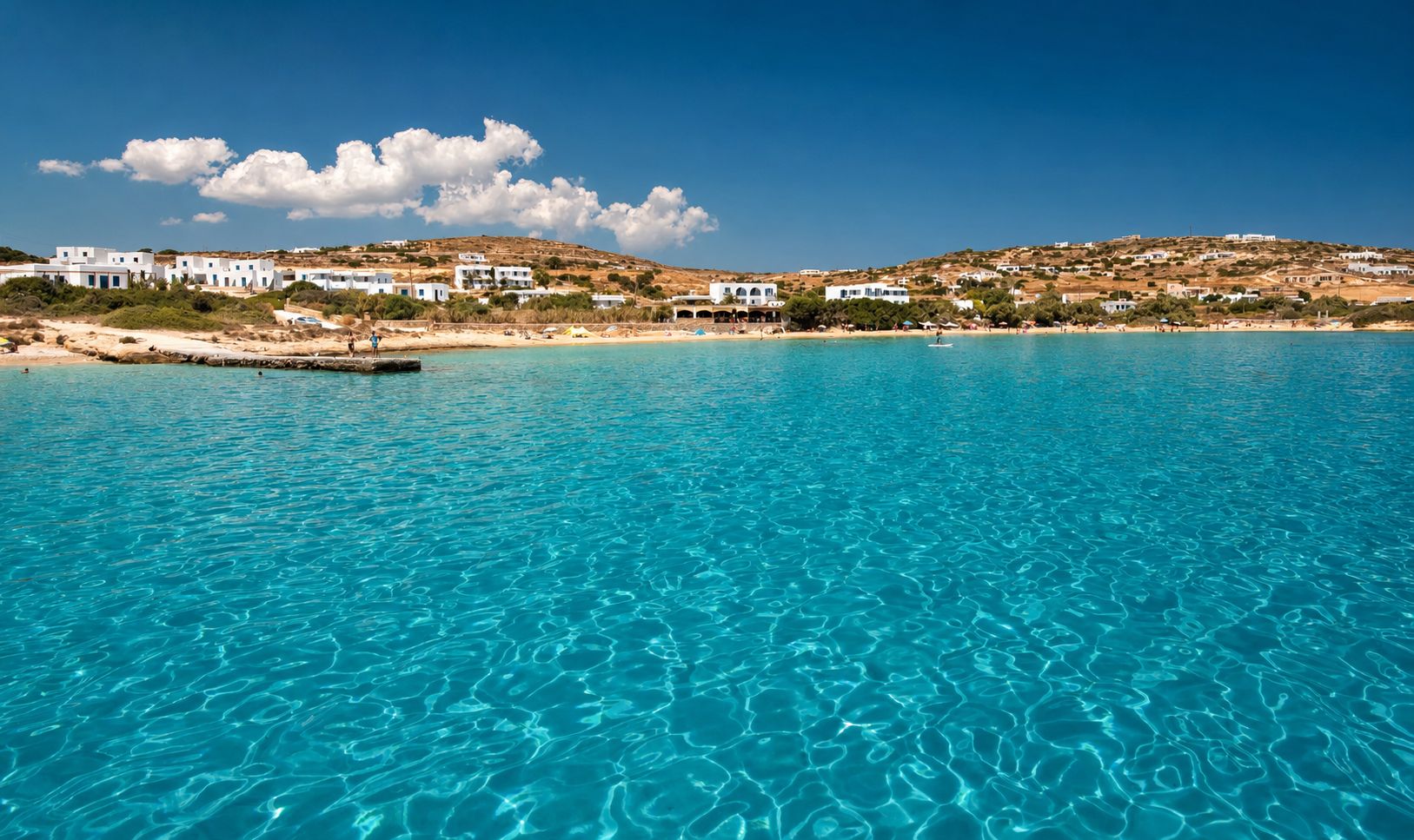
From the ferry, Koufonisia first appears as a study in scale and color: a low white village, a strip of pale sand and water in improbable shades of blue. The name refers to 2 islands between Naxos and Amorgos. Ano Koufonisi is the inhabited one, compact enough to cross on foot; Kato Koufonisi, a short kaiki ride away, has no permanent residents and is largely given over to beaches, scrub and summer wanderers.
About 400 people live on Ano Koufonisi, the largest settlement in the Small Cyclades. Its transformation has been swift. Mains electricity arrived only in the 1980s; today, its compact, walkable Chora and extraordinary coves have made it one of the archipelago’s most sought-after summer stops. Cars feel beside the point. Visitors move by bicycle, on foot or aboard the small boats that trace the coast.
After dark, Chora becomes more animated, with tables filling and a handful of bars carrying on into the early hours. The mood is lively, not loud. Across the strait, Kato Koufonisi is the counterpoint: rougher, quieter and more improvised, a place for day trips and repeat summer visitors who prefer the islands at their least arranged.
01
Where to Go & What to See
Koufonisia rewards visitors who treat sightseeing loosely, allowing Chora’s small museums and whitewashed lanes to lead toward the archaeological landscape of Keros, wind-carved coastal formations and a nearly continuous run of beaches.
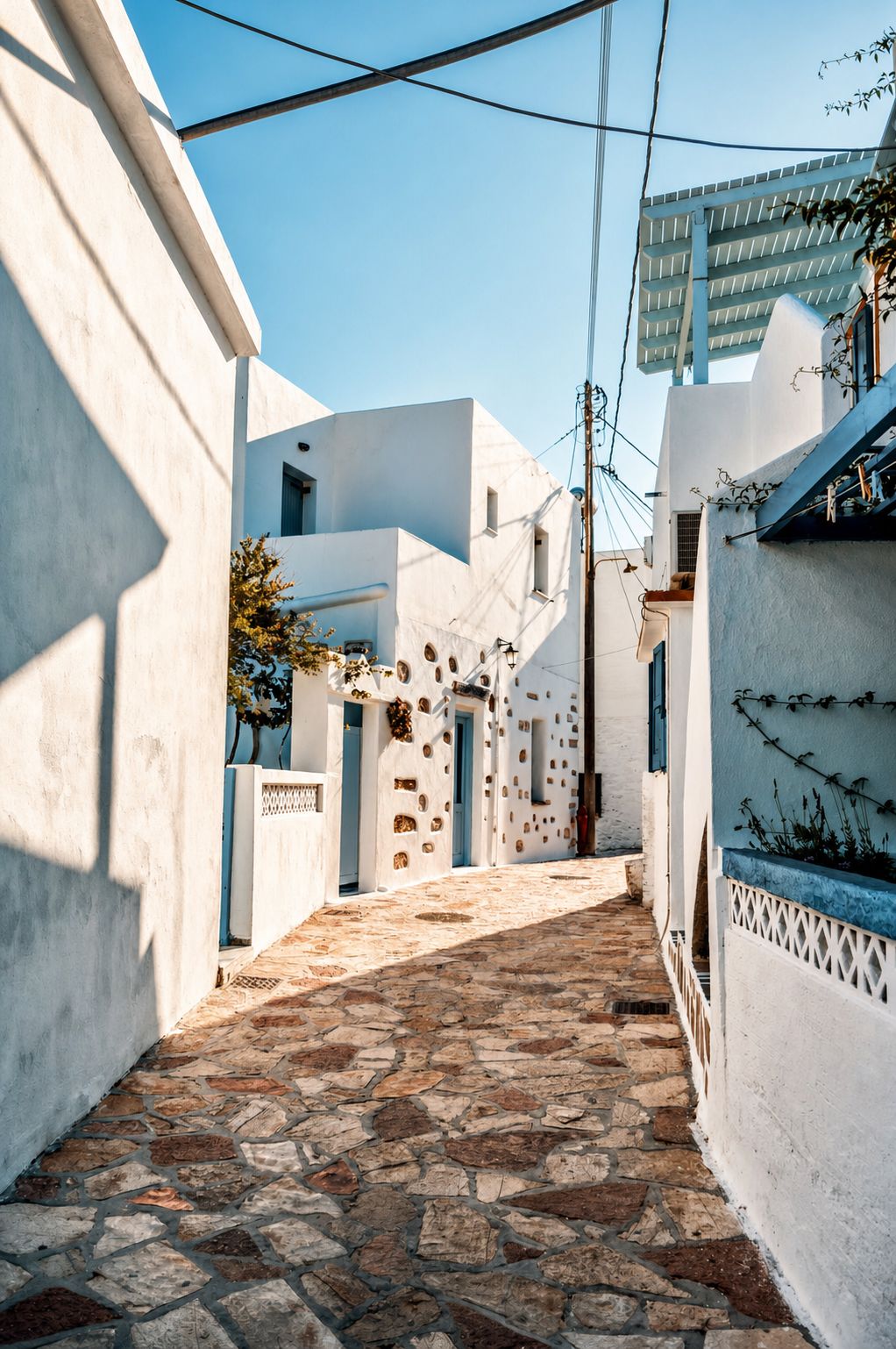
Chora’s Folklore Museum, at Sternes next to the Church of Saint George, is a one-room labor of love, founded by a local resident and opened in 2011 with donated heirlooms from island families. The Archaeological Collection of Koufonisi, housed in the island’s former elementary school, offers a more formal account of the islands’ ancient past. Across the water, protected Keros was a major ceremonial center of Early Cycladic civilization; marble figurines excavated there now anchor museum collections in Athens and beyond. Accessible only by private boat, it is best understood as an archaeological landscape rather than a conventional sightseeing stop.
North of Pori, the 2 caves at Xylobatis Cove can be reached only from the sea, and strong northerly winds can make access difficult. Closer to the coastal path, To Mati Tou Diavolou, or the Devil’s Eye, is easy to miss because its entrance is hidden from view. Chora itself, a tight grid of whitewashed, blue-shuttered houses around the port, is worth a slow walk after dark.
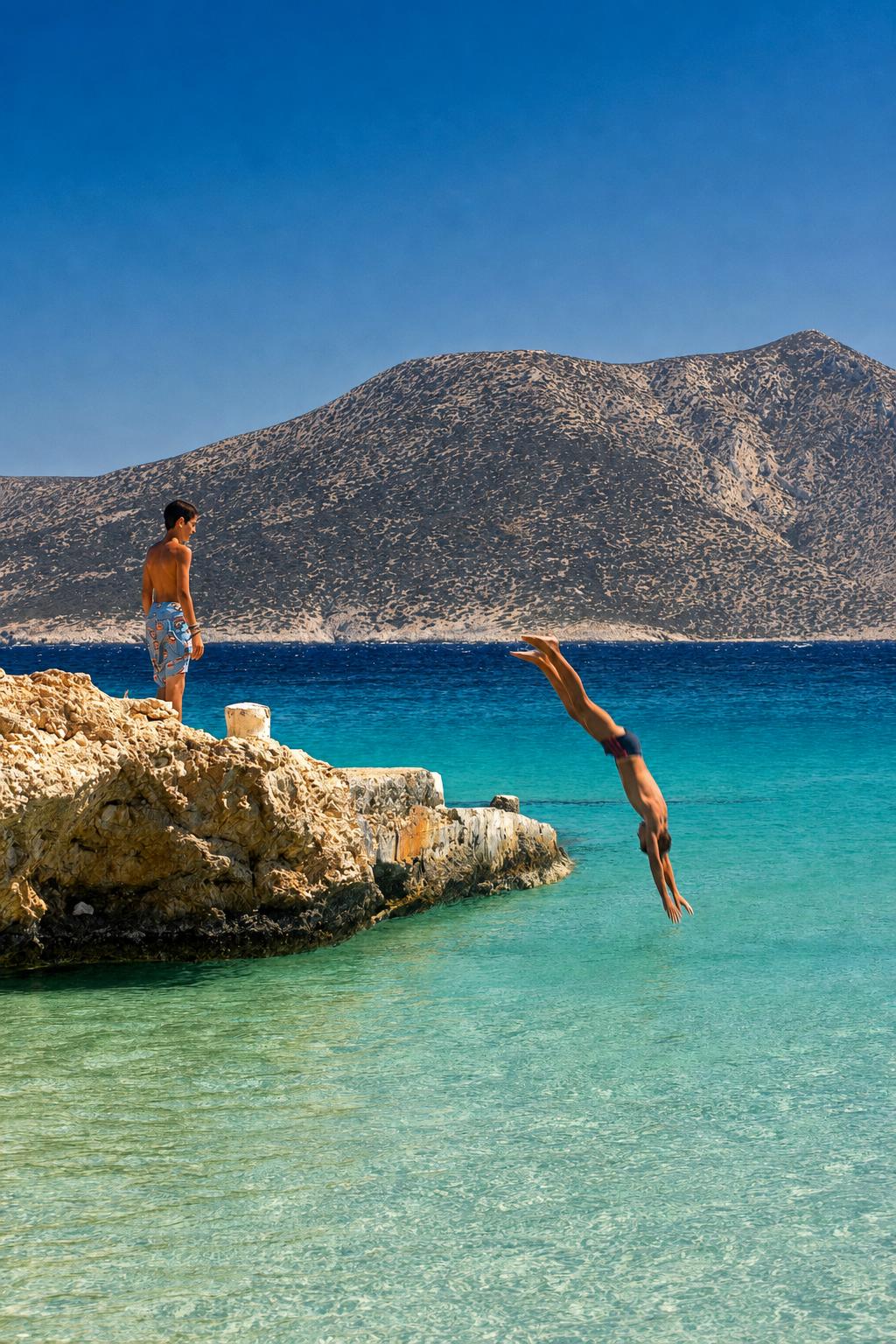
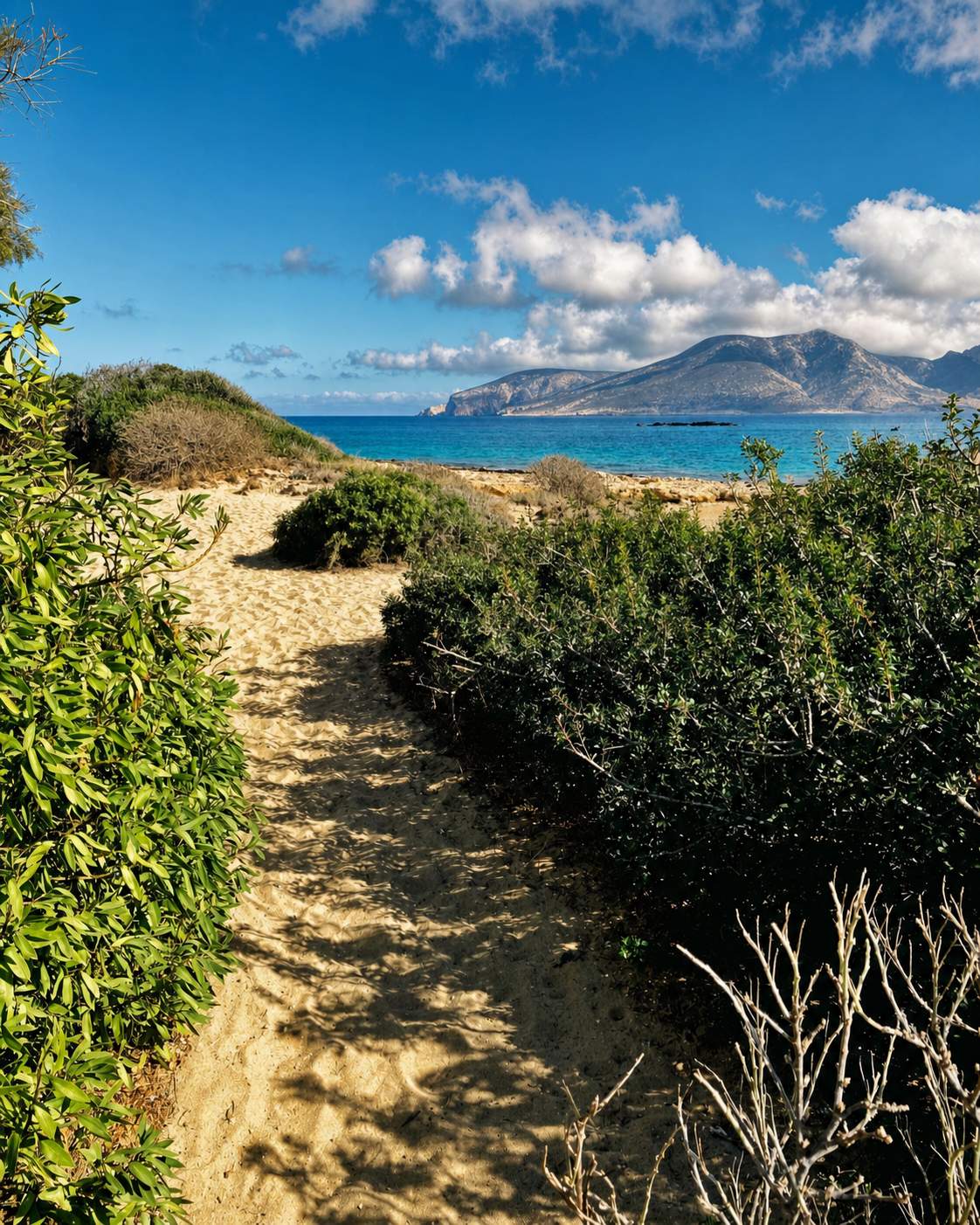
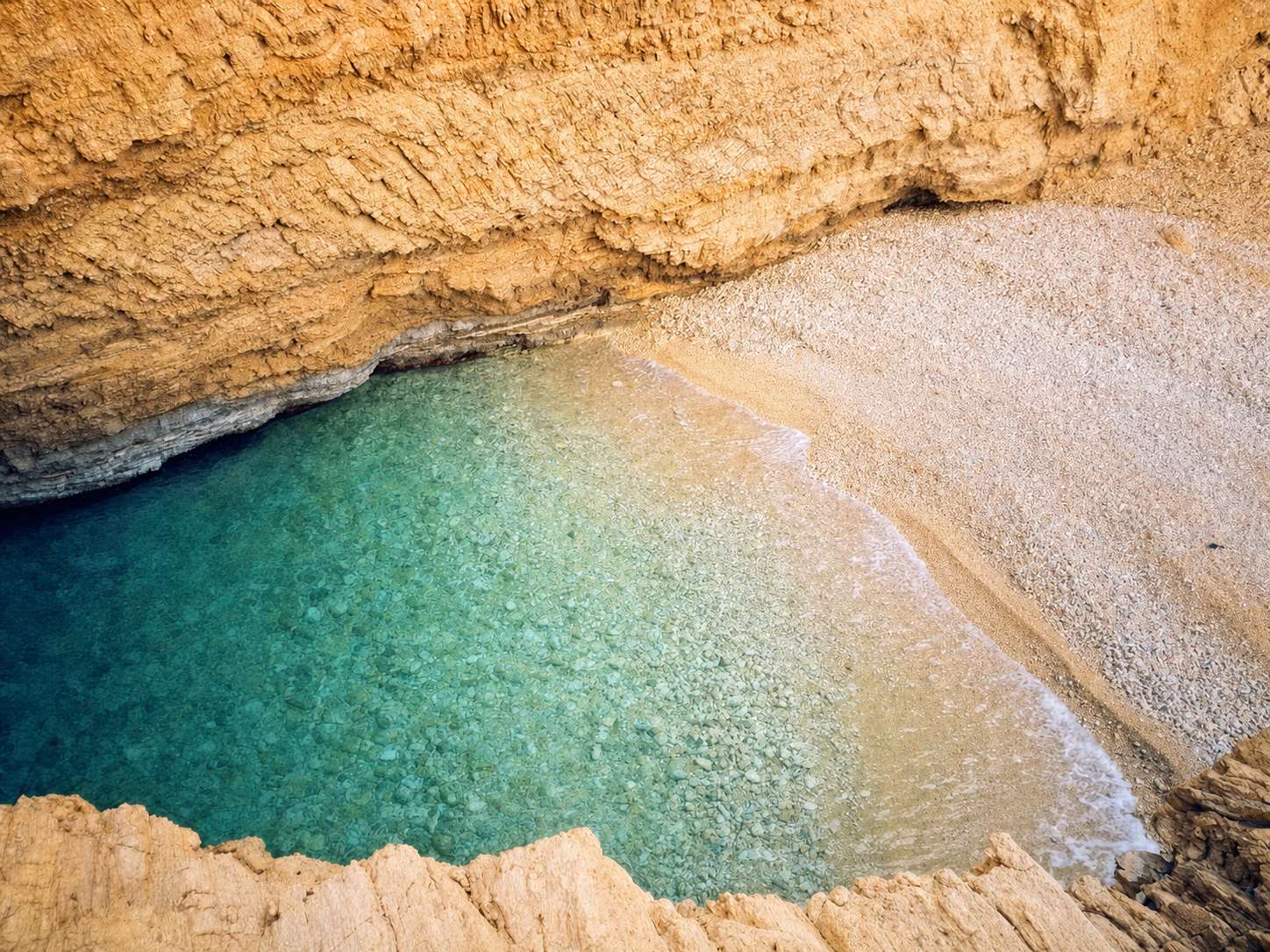
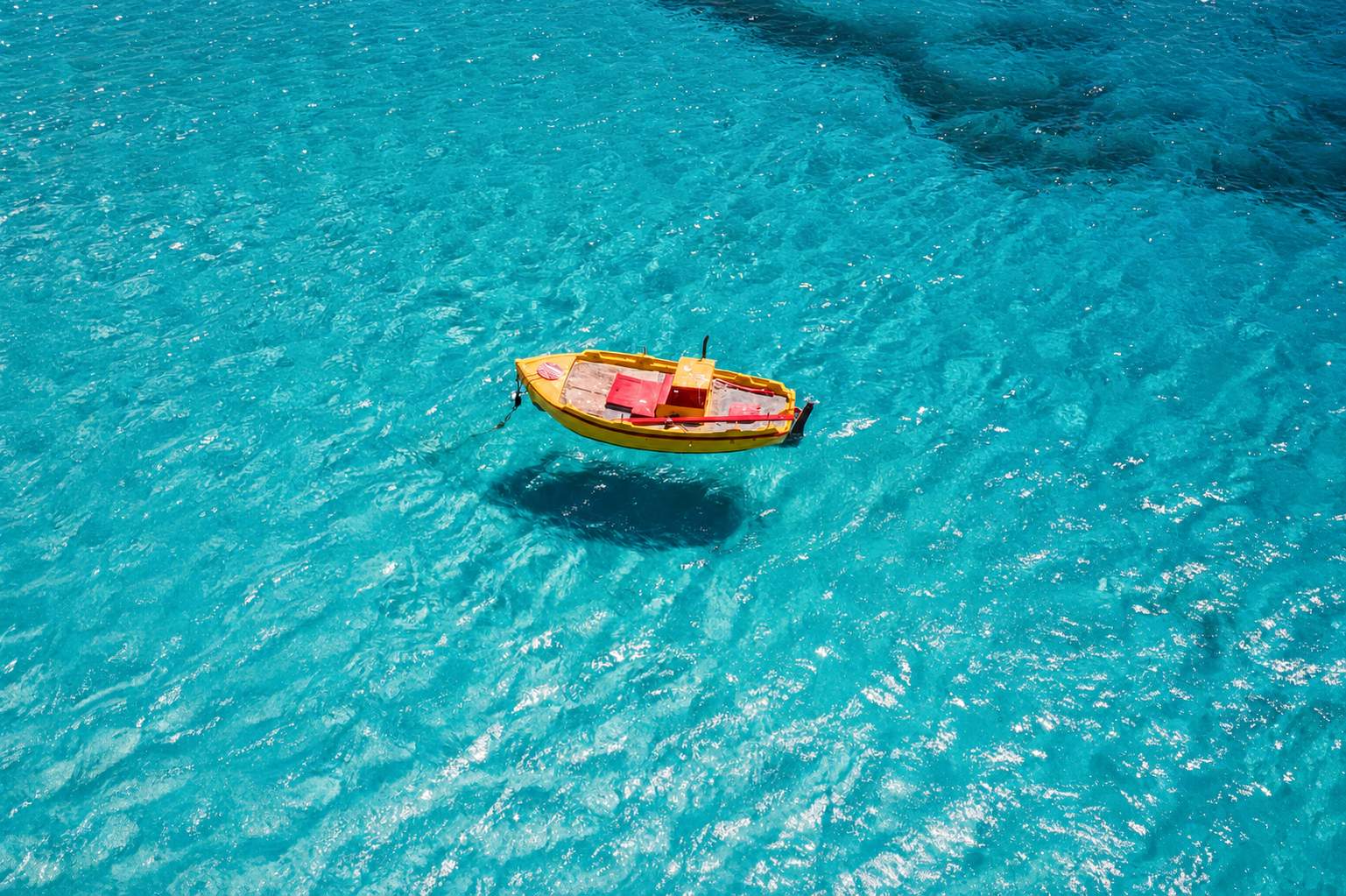
The main dish, of course, is the beaches. The first decision is not which one is best, but how much of the island you want to cover. On Ano Koufonisi, the simplest first-day plan is to follow the coastal path east from Chora, stopping to swim as the bays appear, then walk back or, in season, use the small beach boat or local bus after checking the day’s timetable. Ammos, directly below the village, requires no planning at all. It is sandy, generally protected from northerly winds and rarely more than a 5-minute walk from a room in Chora, with cafés, tavernas and the port close at hand. Come early for a quieter swim; return near sunset when convenience matters more than solitude.
Beyond Chora, the beaches fall into an easy sequence. Finikas, officially called Harokopou, is roughly 1 km from the village, with sand, aquamarine water, shelter from northerly winds and a café-restaurant. Fanos, about 300 m farther, has its own café-restaurant and is protected from both northerly and westerly winds, making it a practical place to pause for lunch. Another 400 m brings you to Platia Pounda, commonly called Italida, a broad sandy bay with no canteen or beach service. Bring water, food and your own shade; in July and August, this famously unserviced beach is still one of the island’s busiest.
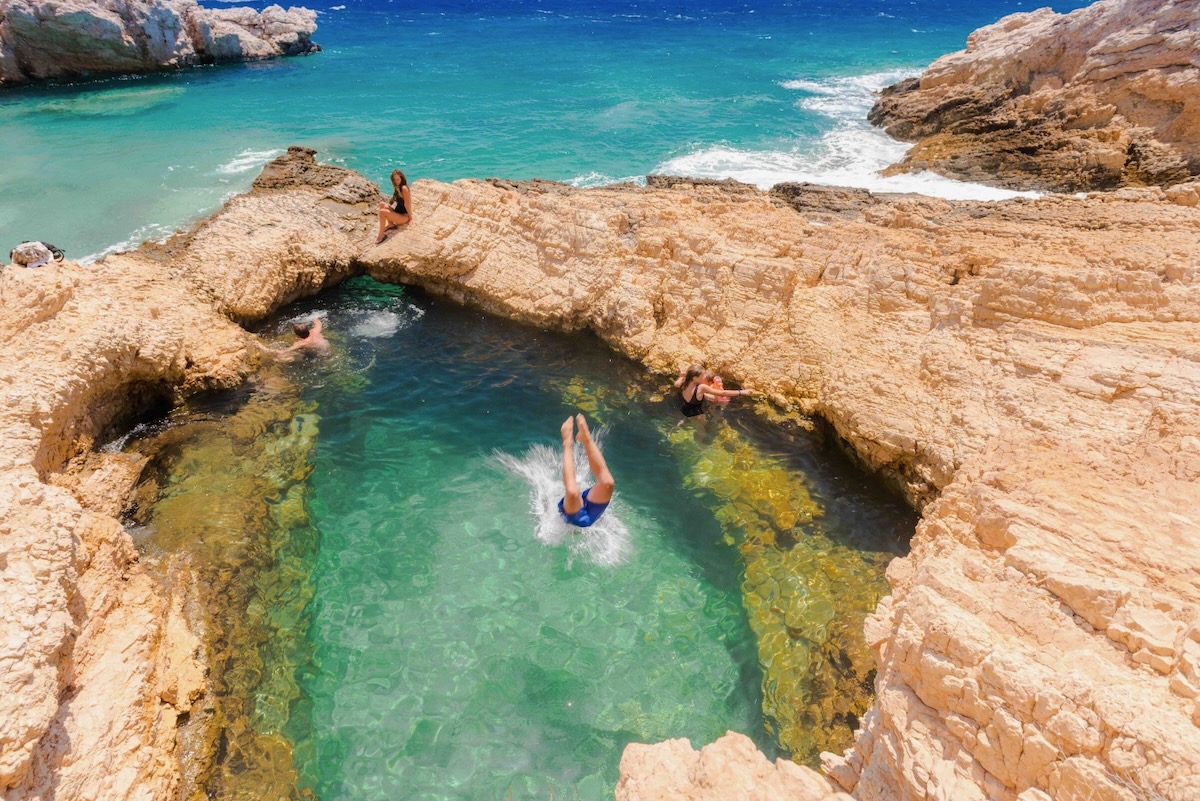
Continue east to Pori, 3.5 km from Chora by 2 scenic walking routes and roughly 40 minutes away at a steady pace. Its wide horseshoe of golden sand and turquoise water makes it the island’s essential beach, and 2 cafés mean you can stay for the day without carrying lunch. It is usually calm and well protected from southerly and westerly winds, but a strong north wind can turn the bay choppy, so check conditions before committing to the walk. From Pori’s eastern end, a short path leads to Tripiti, commonly called Gala, a pocket of sand hidden inside a large opening in the rock; swimming through its narrow sea passage is only sensible in calm water. Pisina, the natural rock pool on the cliff path between Italida and Pori, is another stop to save for a calm-sea day. On the quieter western side of Ano Koufonisi, Parianos and Spilia offer shorter swims closer to the harbor and are worth remembering if you have only an hour before the ferry or want a change from the busy eastern route.
Kato Koufonisi deserves a separate plan rather than being treated as an extension of the beach walk. Summer boats generally call first at Panagia, by the old settlement and chapel, and then at Nero; confirm the day’s timetable and last return before setting out. Near the old hamlet, Detis is a small sandy beach sheltered from the northerly winds. Nero is longer and broader, mixing sand and fine pebbles, and its boat stop makes it the easiest base for a settled swim. From there, a footpath continues to Pezoulia, a remote fine-pebble beach on the southern coast, while Hawaii is best left to walkers willing to explore farther beyond the main stops. Allow most of a day, wear proper shoes and carry water, sun protection and something to eat. Away from the taverna near Panagia, assume little infrastructure, and choose 1 or 2 beaches rather than trying to collect all 5.
02
Where to Eat
For islands of such modest scale, Koufonisia has a remarkably varied table, moving from family tavernas built around local fish, goat and handmade pies to polished beachside kitchens, wood-fired pizza and increasingly ambitious Mediterranean cooking.
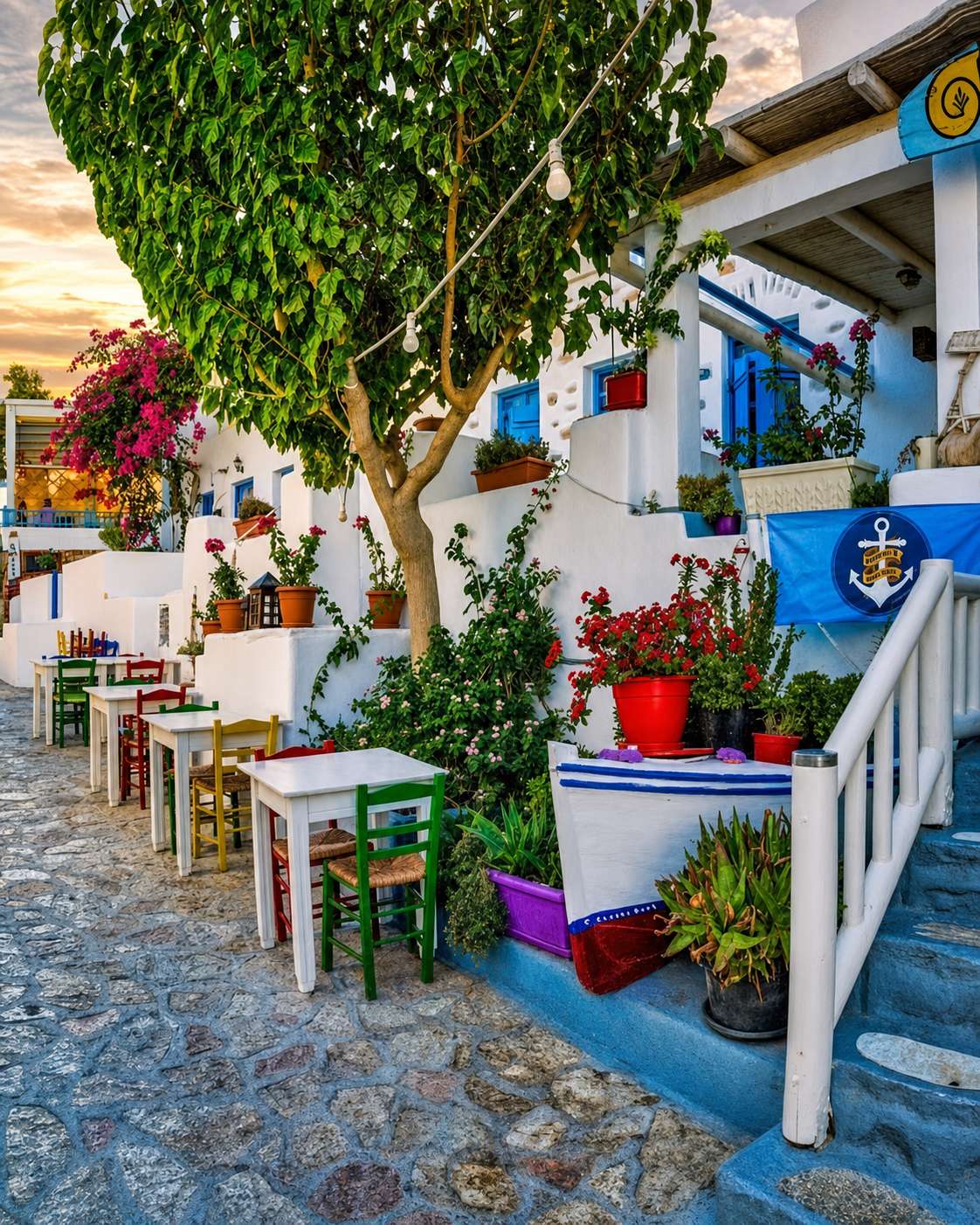
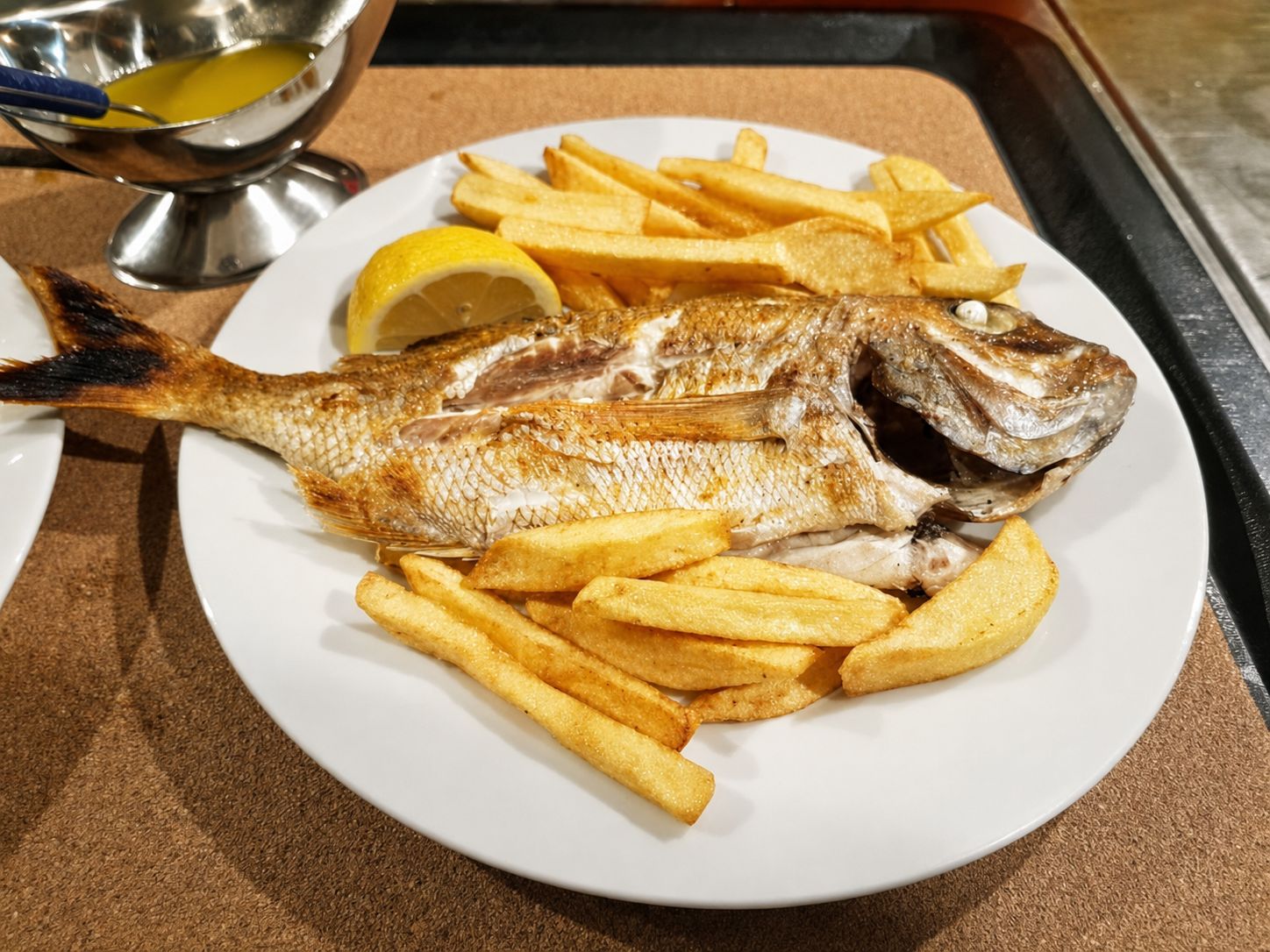
The most storied address is Melissa, near the Church of Saint George. What began in the 1970s as Antonis Mavros’s combined grocery, ice depot and unofficial telephone exchange, lit by acetylene lamps before the island had electricity, is now run by his son Stamatis, who still makes his mother’s cheese, spinach, potato and zucchini pies alongside slow-cooked kid goat.
Kalofego, out toward Pori, has the loose, sociable energy of an old beach bar reinvented for a new generation, an international, mostly young crowd in swimsuits, attentive service, and a short, confident menu of reworked Greek and Mediterranean dishes served in a whitewashed, thatched-roof space.
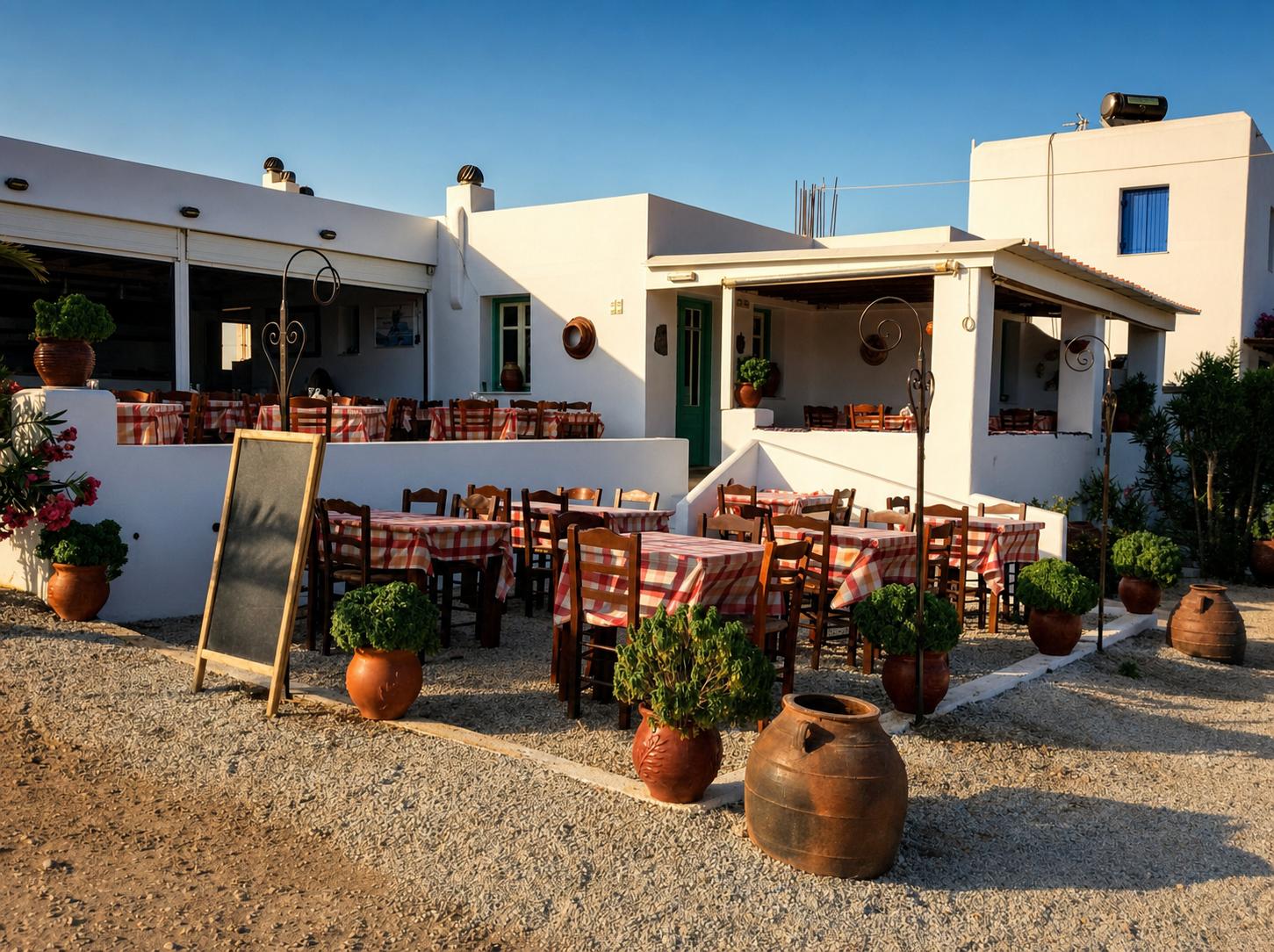
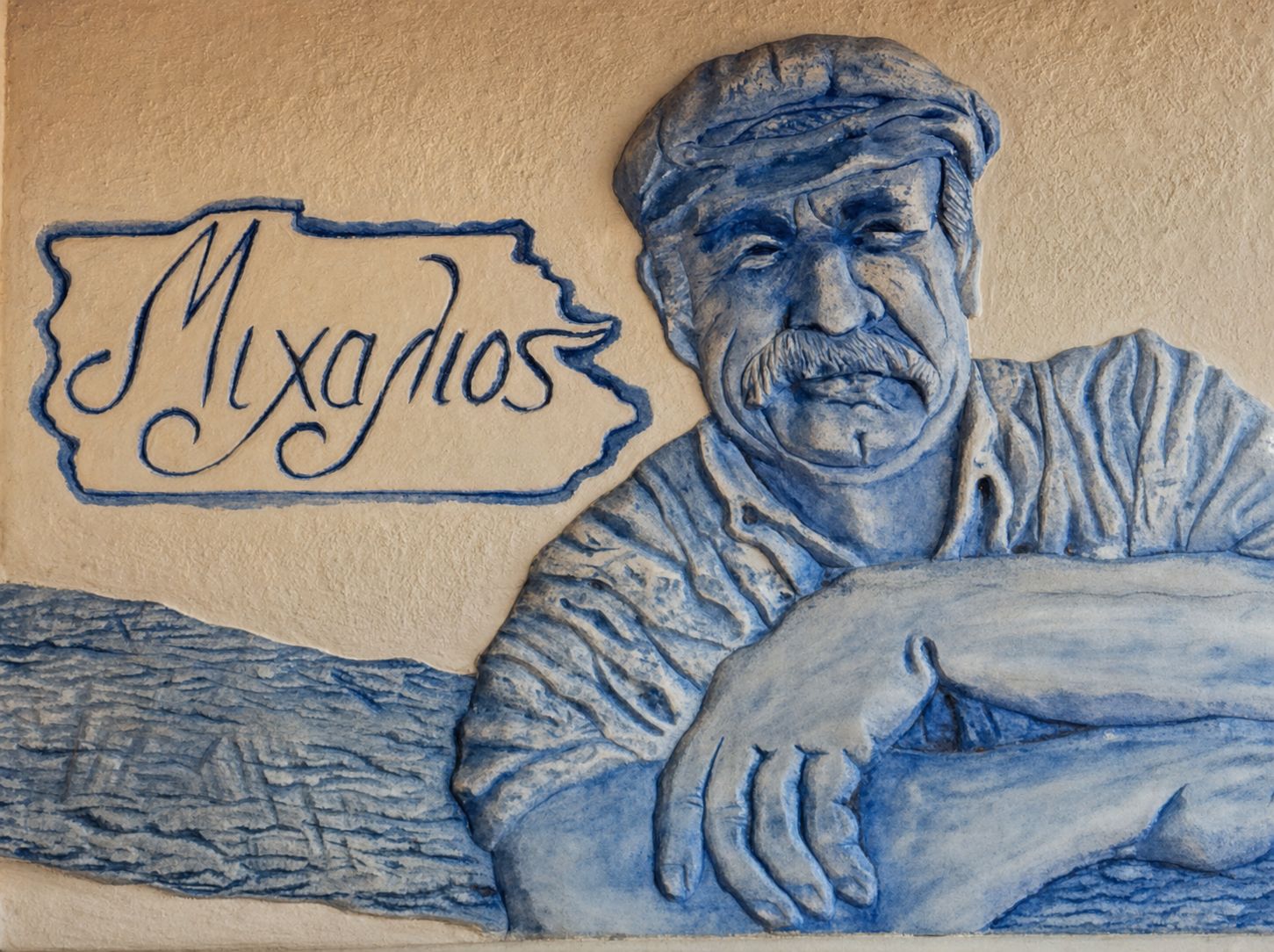
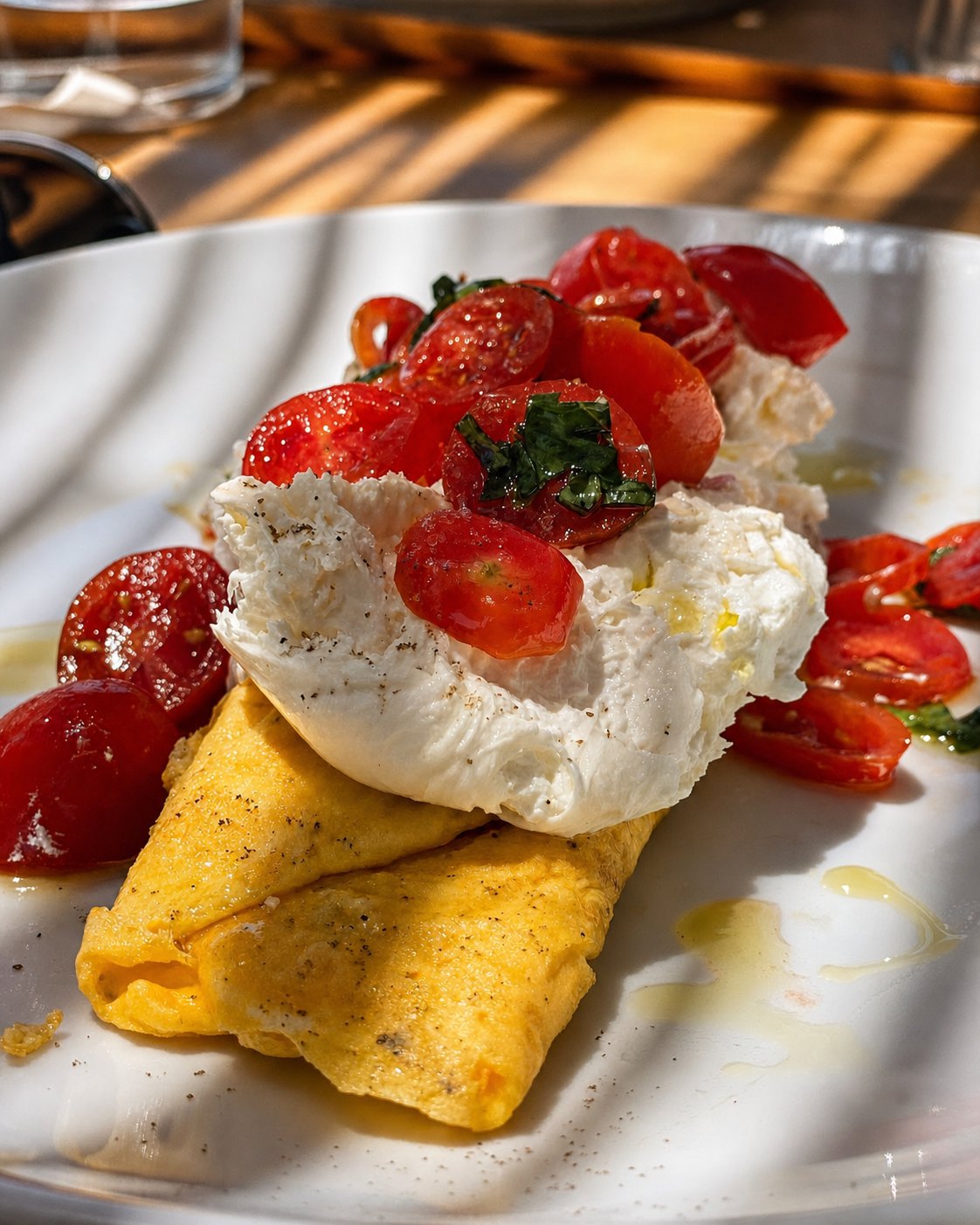
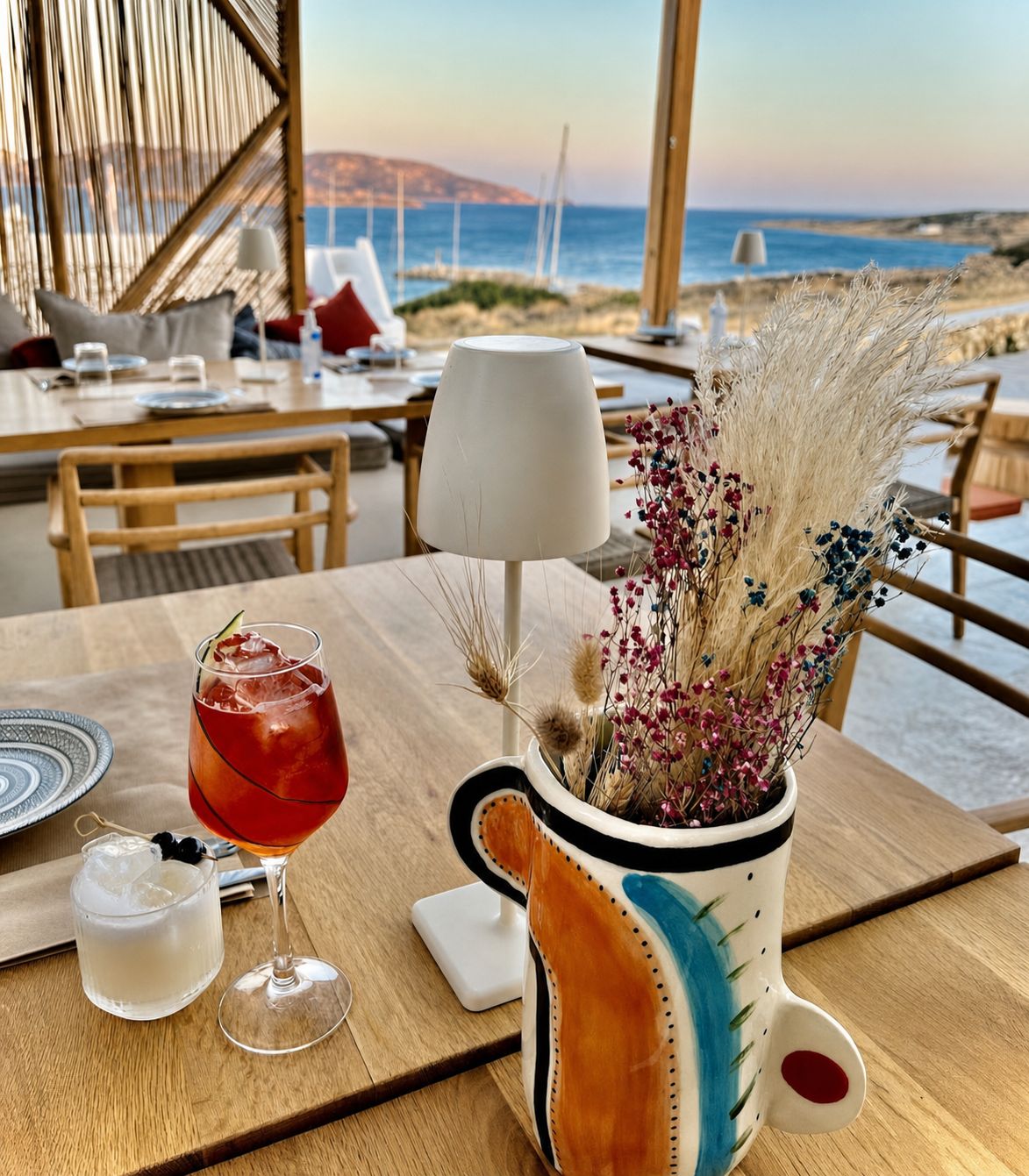
Michalios is the island’s one serious meat taverna, its owners raising their own livestock on Keros and Kato Koufonisi, so the goat and lamb on the grill have usually traveled no further than a short boat ride to reach the plate.
Tzet Koufonisi, a newer arrival whose menu was originally developed with the well-known Athens chef Athinagoras Kostakos, has built its name on wood-fired pizza, a short list of confident small plates and a serious wine list.
On Kato Koufonisi, the self-built, thoroughly improvised Venetsanos, patched together from old ruins, driftwood and reeds, is the island’s only taverna. It serves kid goat and whatever fish came in that morning to day-trippers and repeat summer visitors alike. Reservations matter more than they once did, particularly at Kalofego and Tzet, which fill well before their kitchens open in peak season.
03
Where to Stay
Rooms fill quickly here in July and August, a sign of how much Koufonisia’s reputation has grown, and the accommodation has diversified well beyond simple rooms to let.
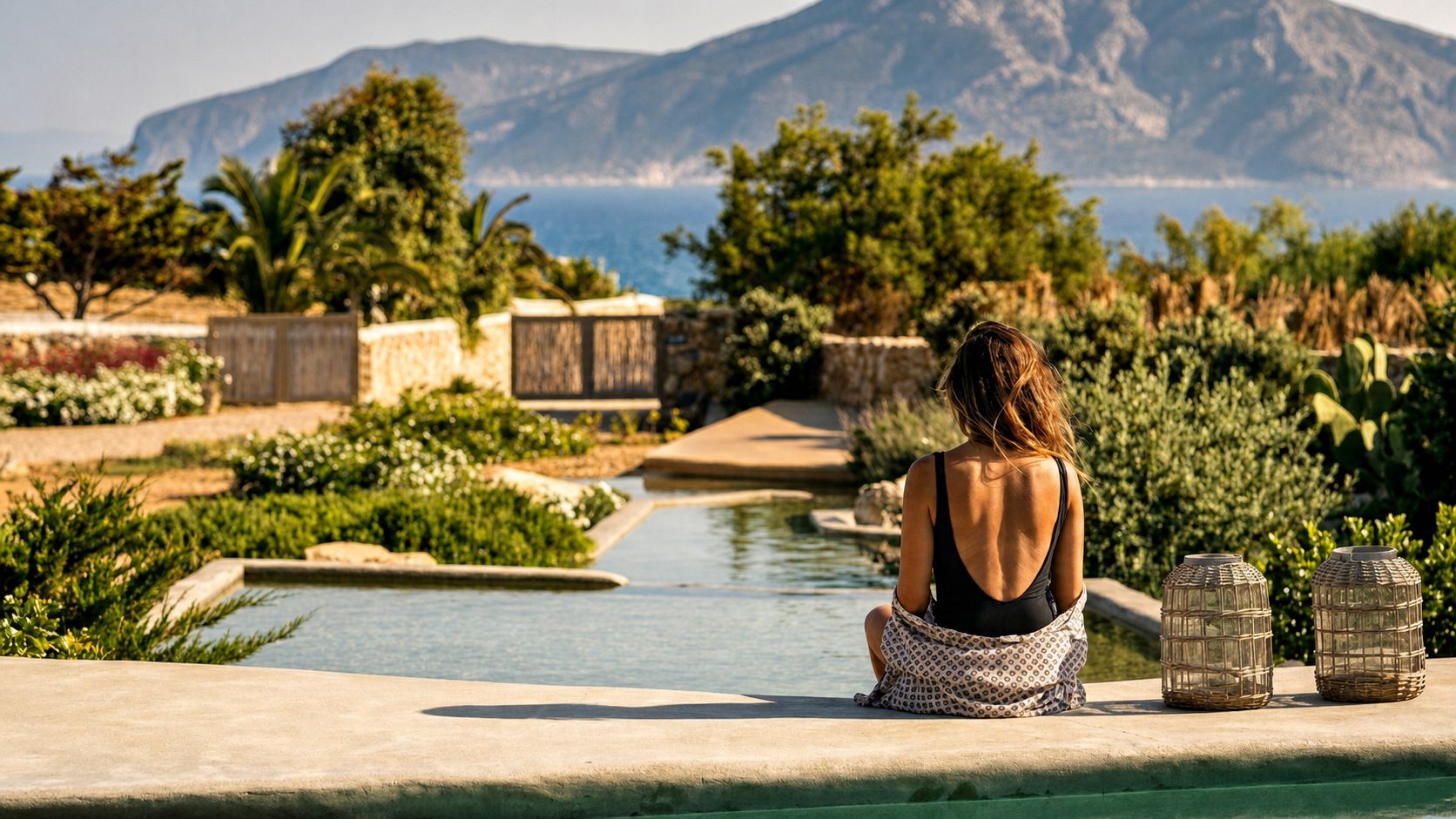
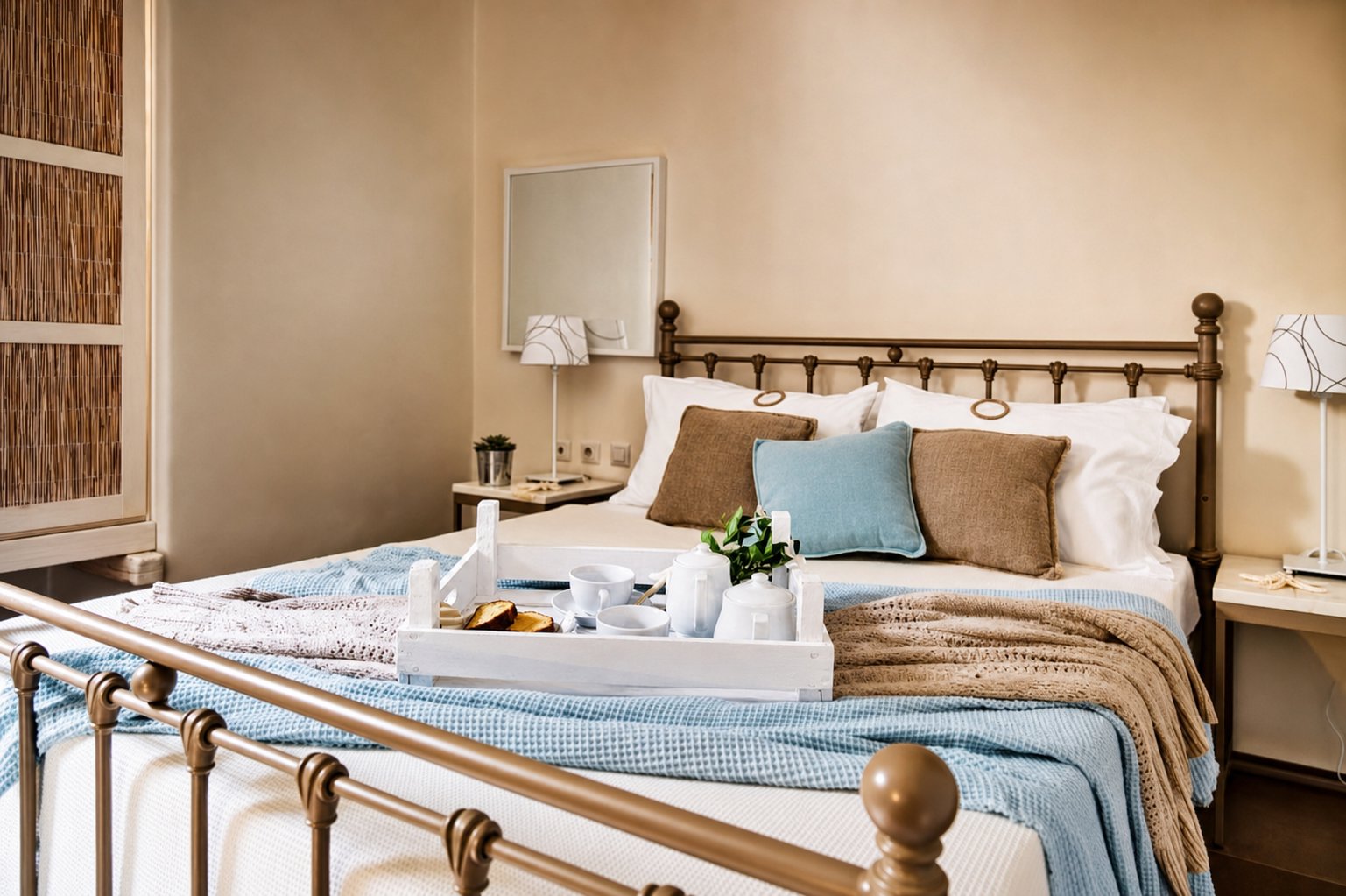
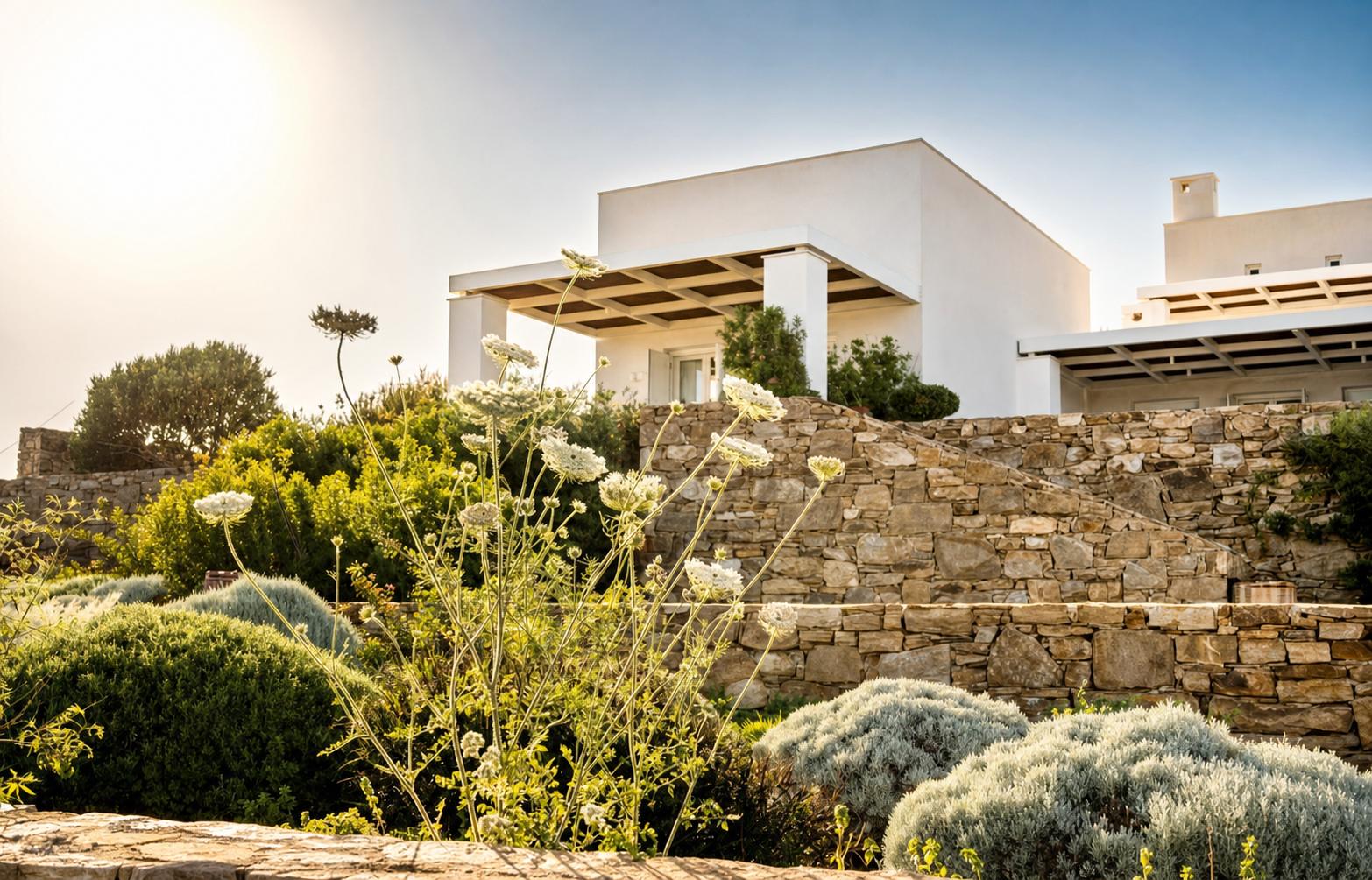
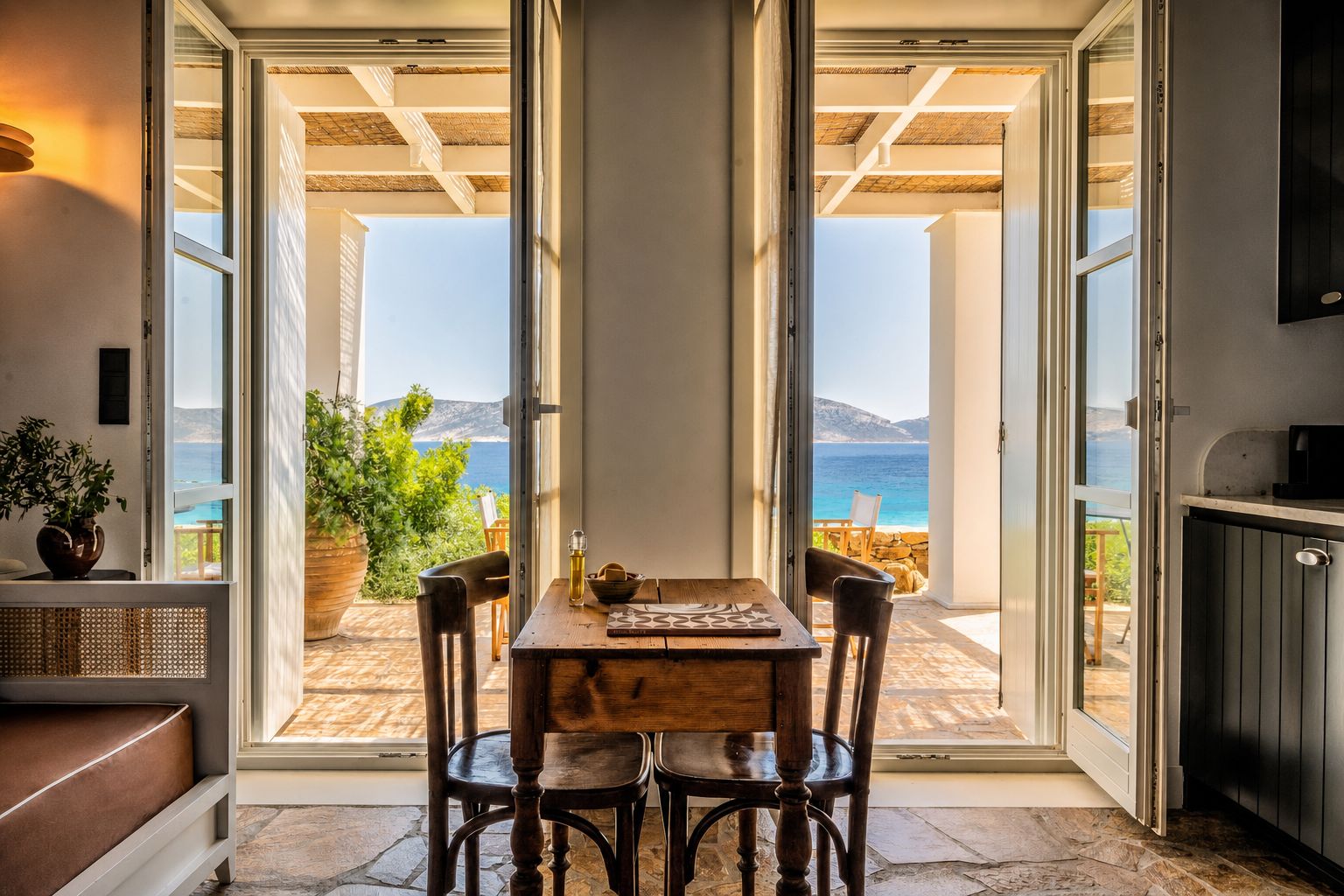
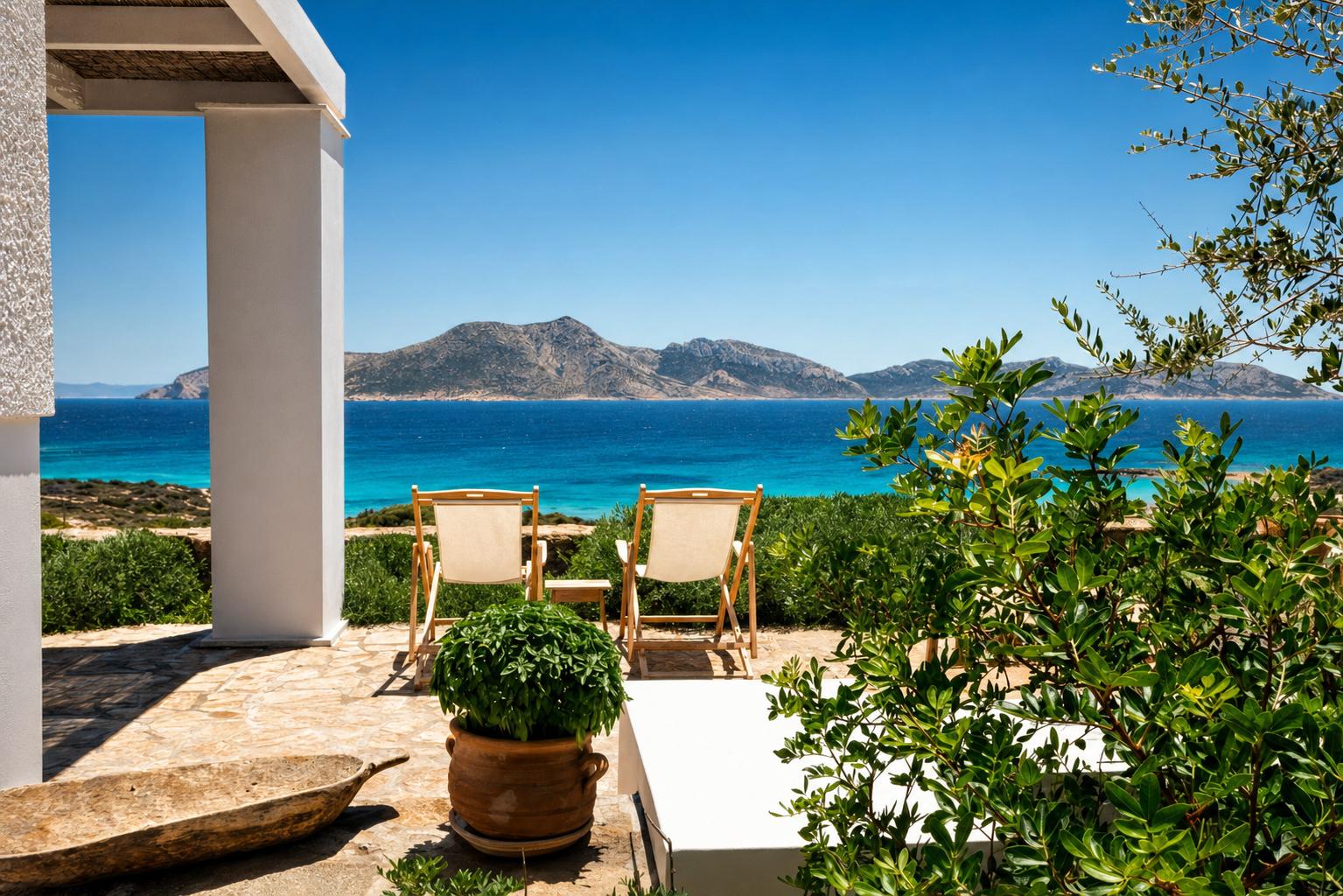
Portes Houses, a family-run collection of 10 whitewashed houses on the edge of Chora, remains the island’s best-known boutique address: all-white, minimally furnished interiors with rustic touches, a large pool, flower-filled gardens, and breakfast cooked to order and served on private verandas.
Eros Keros, 4 independent Cycladic-style houses gathered around a shared pool, is the island’s most design-conscious stay. Views stretch toward Keros and Amorgos, signature yellow windows nod to Greek church architecture, and breakfast is made with local ingredients.
Anna Villas, a longtime favorite, offers a private, low-key alternative for couples, families and small groups. Sorokos, central and simple, is a long-running family address within an easy walk of the port, Ammos beach and the village center. The equally established Sorokos Bar is nearby.
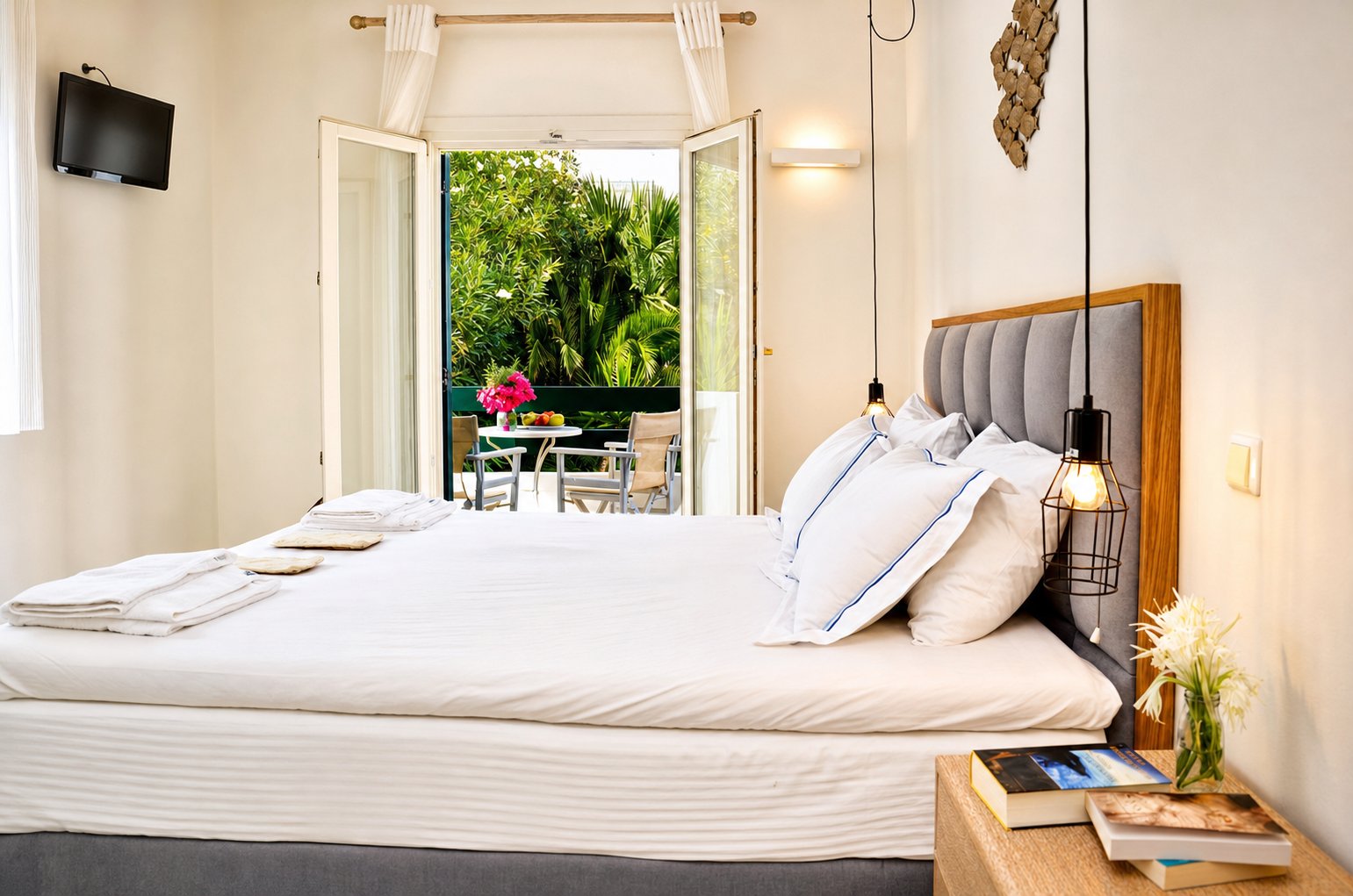
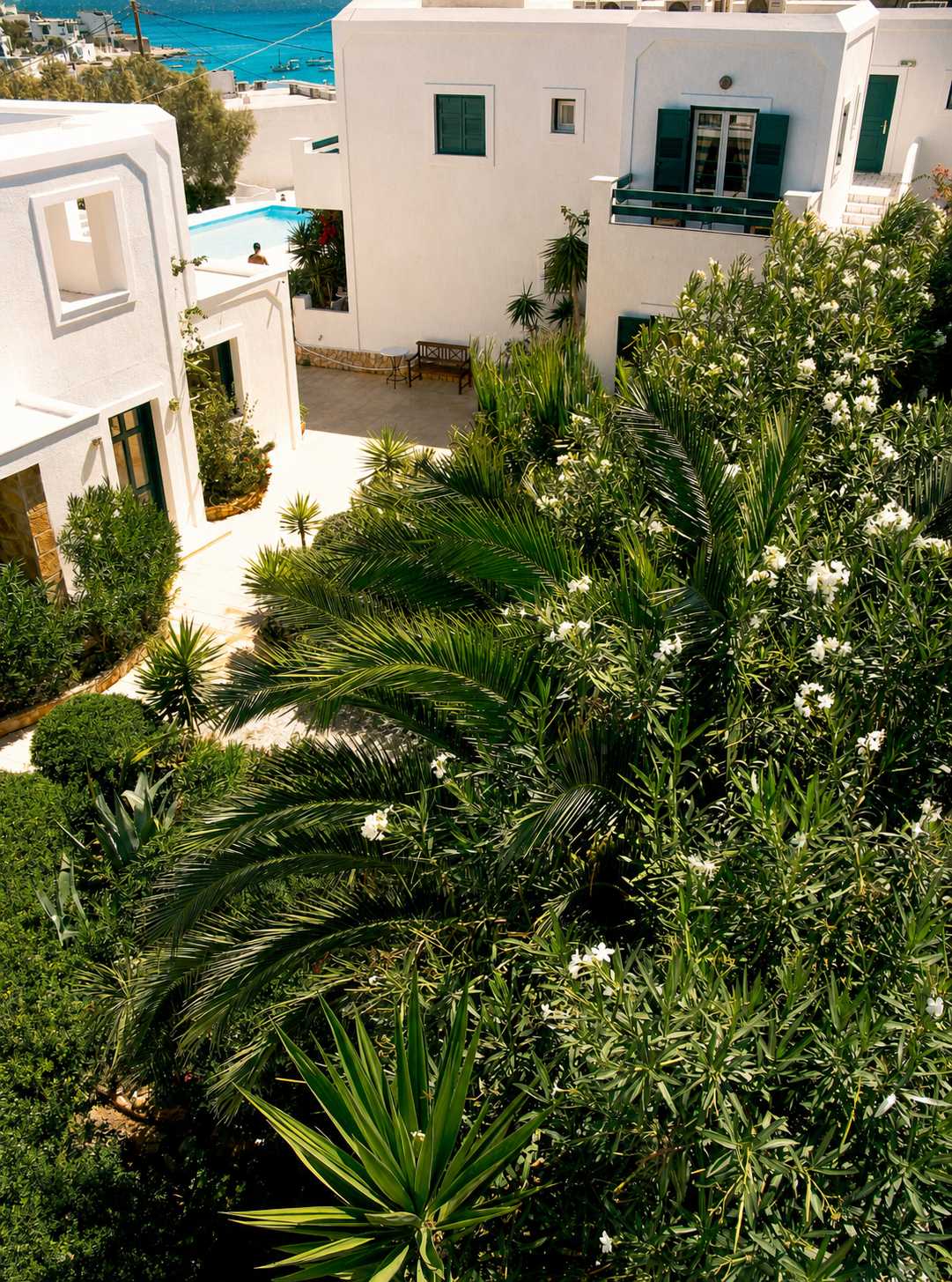
Keros Art Hotel, with a pool overlooking the sea, and Myrto Hotel, just above Ammos beach, cover the mid-range comfortably. Most properties are seasonal, with exact opening dates varying from one address to the next. In July and August, the newer boutique stays are worth booking months rather than weeks ahead.
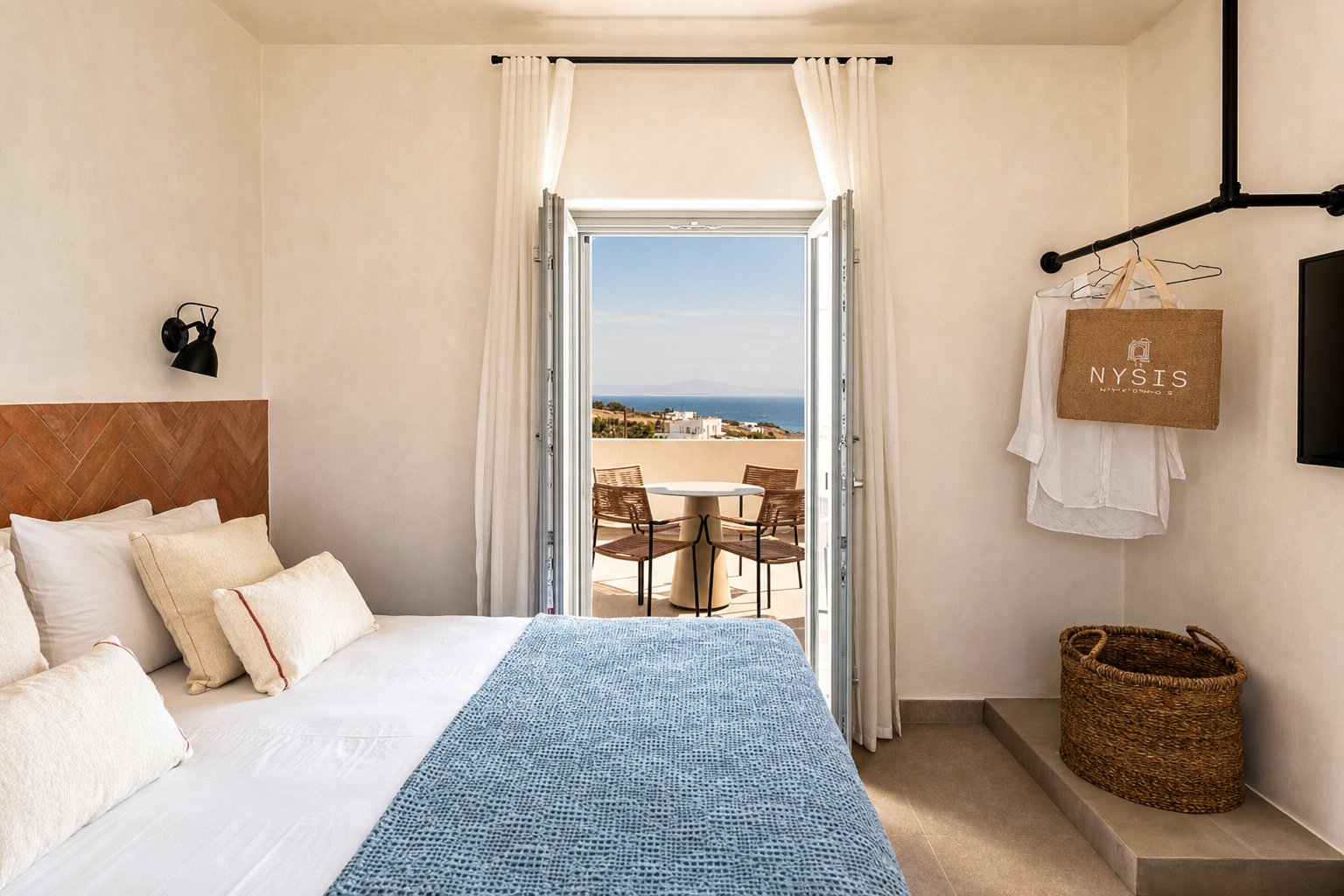
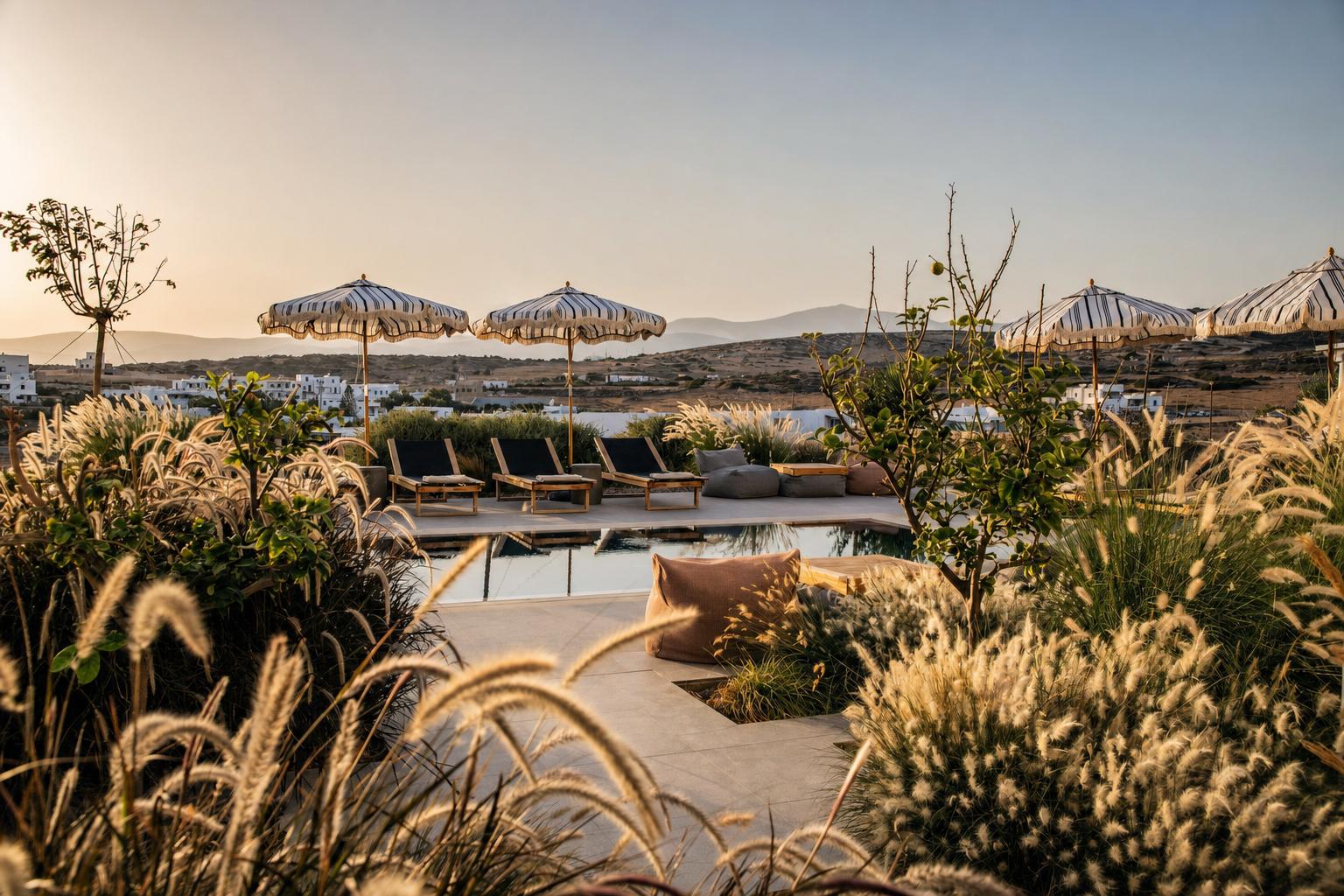
Nysis Koufonisia, in Ano Katiforida and a short walk from Chora, opened a few years ago with 12 minimalist suites that blend Cycladic style with bohemian and retro touches, arranged around 2 pool areas and gardens thick with cacti and bougainvillea. Run by owners Panayiotis and Maria, it has quickly built a reputation as one of the island’s best boutique stays, with a breakfast basket of local Greek products delivered to the room or terrace each morning.
Read More
The Small Cyclades, One Ferry Stop at a Time