


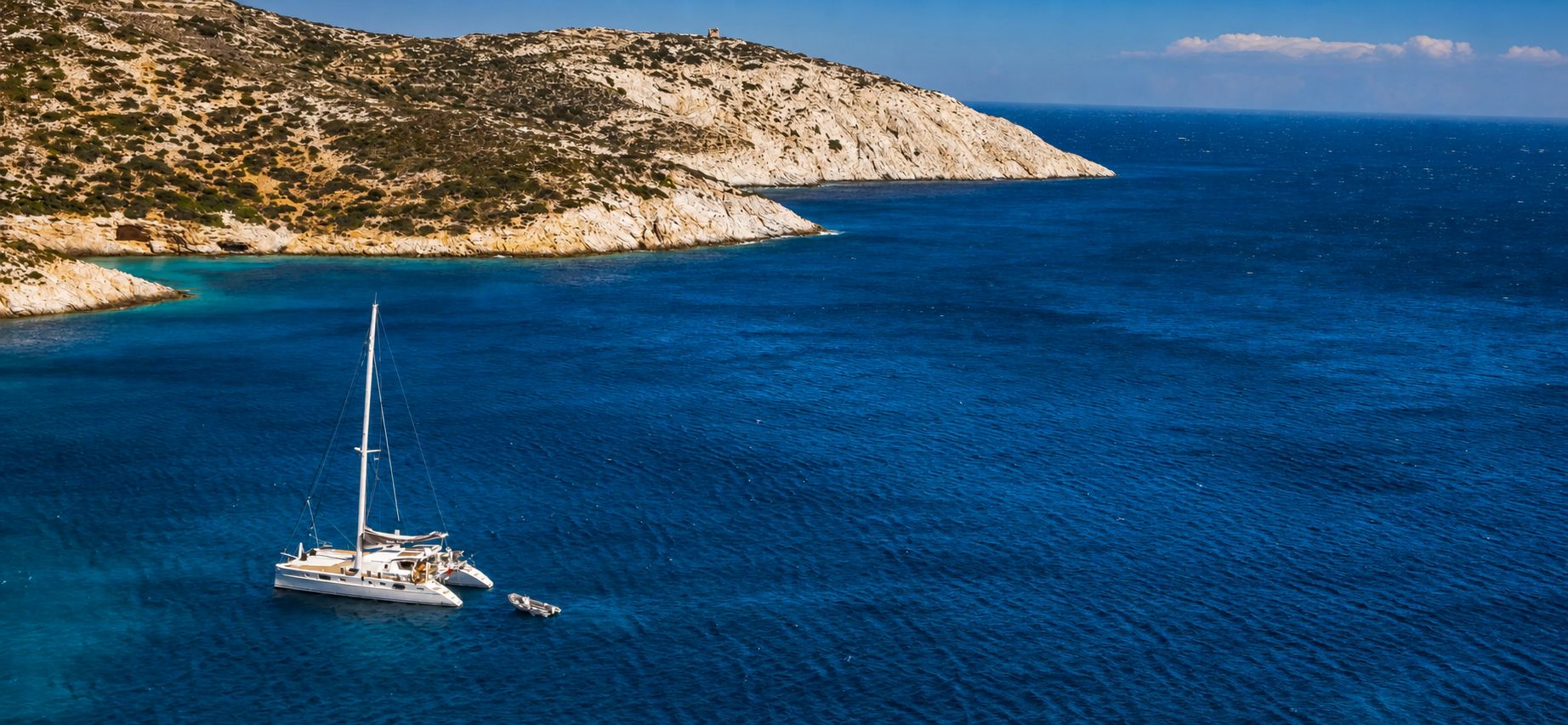
The last stop on the ferry route through the Small Cyclades, Donousa is the northernmost of the group and, for many travelers, the whole point of the journey. The island spans around 14 square kilometers, and its year-round population, numbering only in the low hundreds, swells just modestly even at the height of summer. The landscape splits in two moods: jagged and dramatic in the northeast, all cliffs and sea caves, then soft and sheltered in the south, where a string of sandy bays holds some of the clearest water in the Aegean.
Stavros, also known as Agios Stavros, is both the port and the main village, a tidy amphitheater of whitewashed houses facing the harbor, while a handful of smaller hamlets, among them Mersini, Kalotaritissa and Haravgi, sit further along the island’s single road. The island has been inhabited since prehistory, served as a place of exile under Rome, sheltered pirates in the Middle Ages, and briefly supported a small mining industry that worked until 1938. Its reputation today is simpler and more seductive: the bohemian outlier of the Small Cyclades, long beloved by free campers and still the island of choice for anyone who wants to vanish for a while, in the best possible way.
01
Where to Go & What to See
At Vathy Limenari, on a promontory near Miti tou Trahila, the remains of a fortified Geometric settlement stand over an earlier Bronze Age site. Excavations revealed houses, sections of the defensive wall and pottery that point to Donousa’s role on early Aegean sea routes.
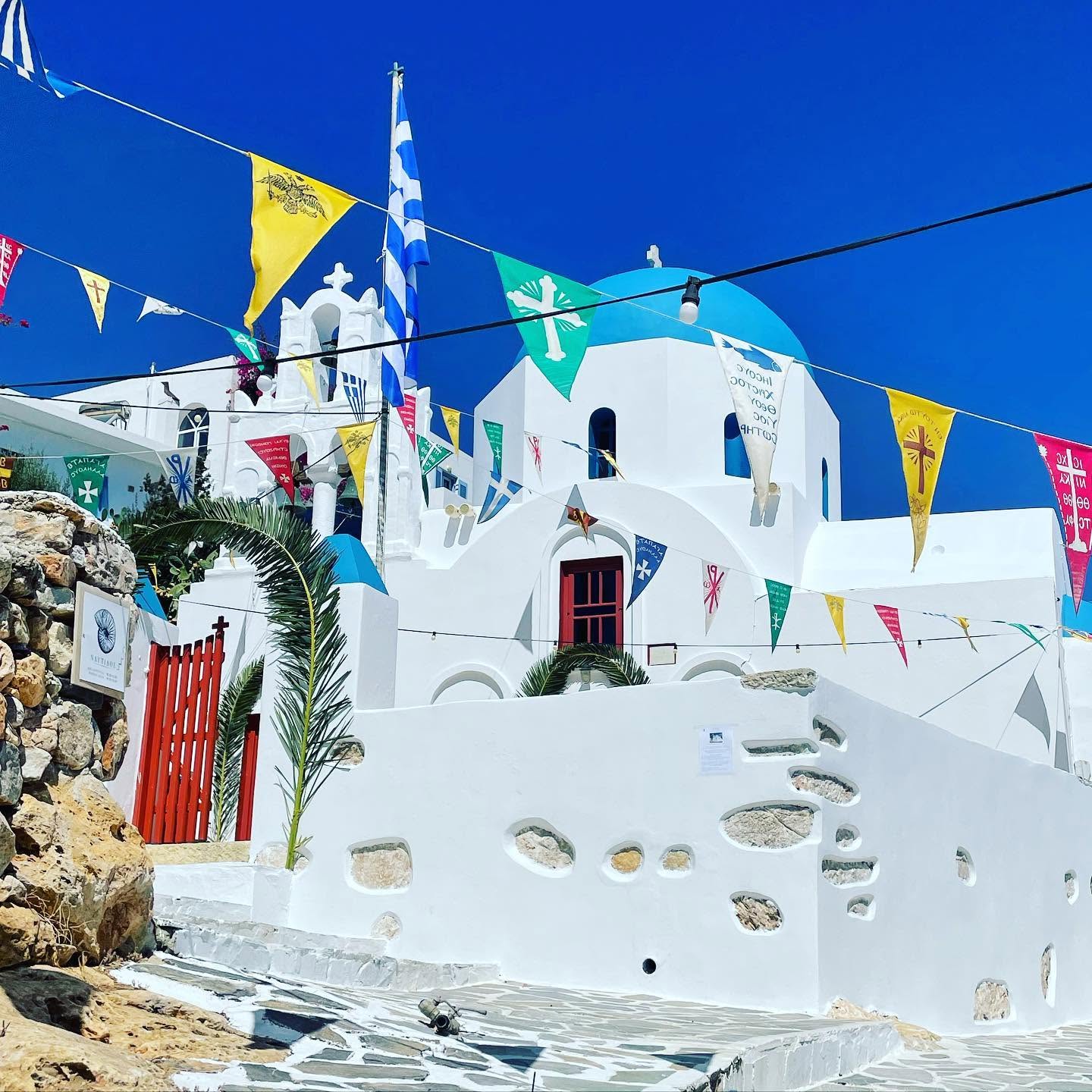
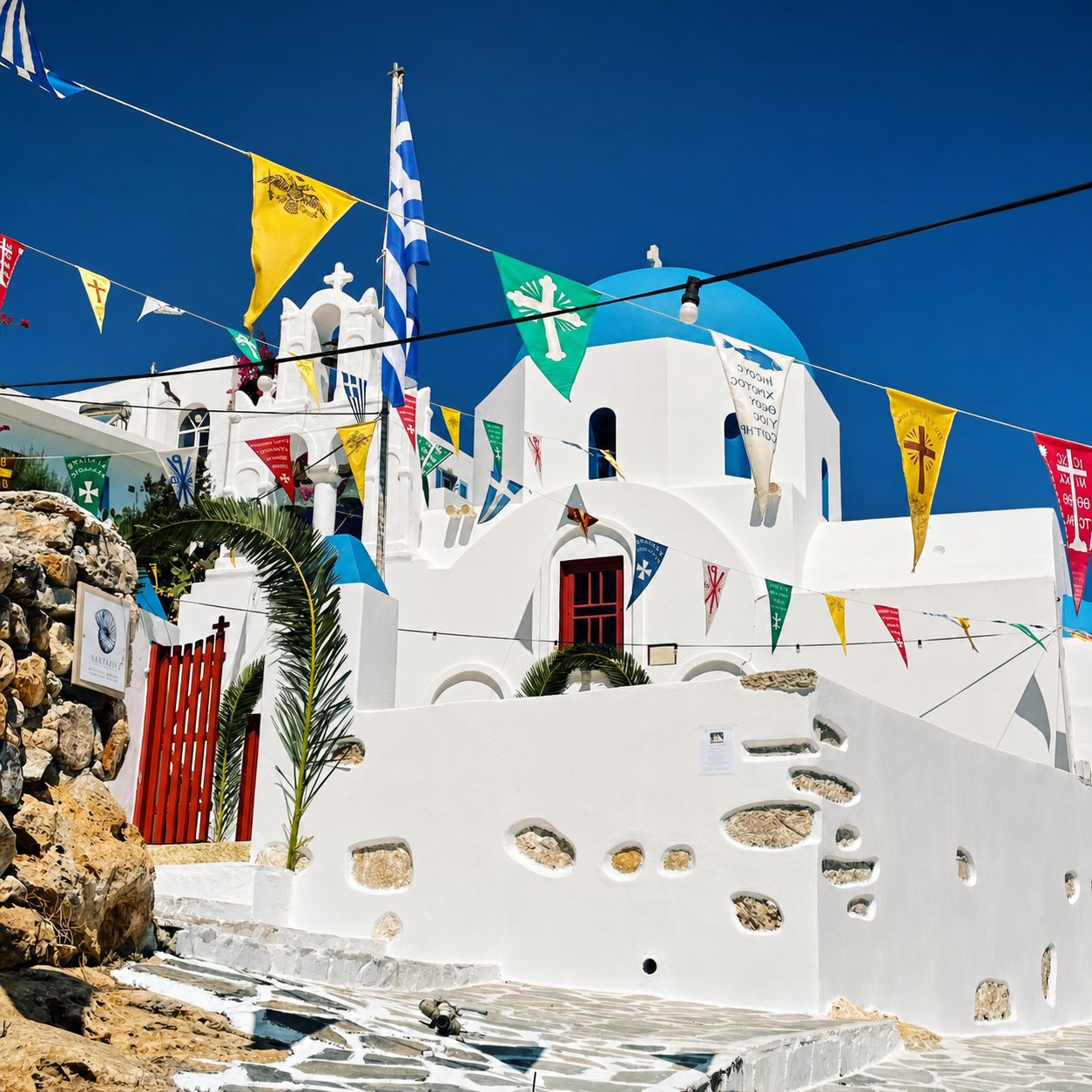
On the hillside above Stavros, the whitewashed churches of Panagia and Agios Ioannis look over the harbor. Panagia, also known as Panagitsa, is the island’s classic sunset spot, while the Church of Timios Stavros in the village is dedicated to its patron saint. Spilia tou Tichou, or the Cave of the Wall, cuts into the cliffs near Aspros Kavos and is hung with stalactites. Fokospilia, on the island’s northeastern coast, is associated with Mediterranean monk seals and should be approached as a sensitive wildlife refuge rather than a casual swimming stop.
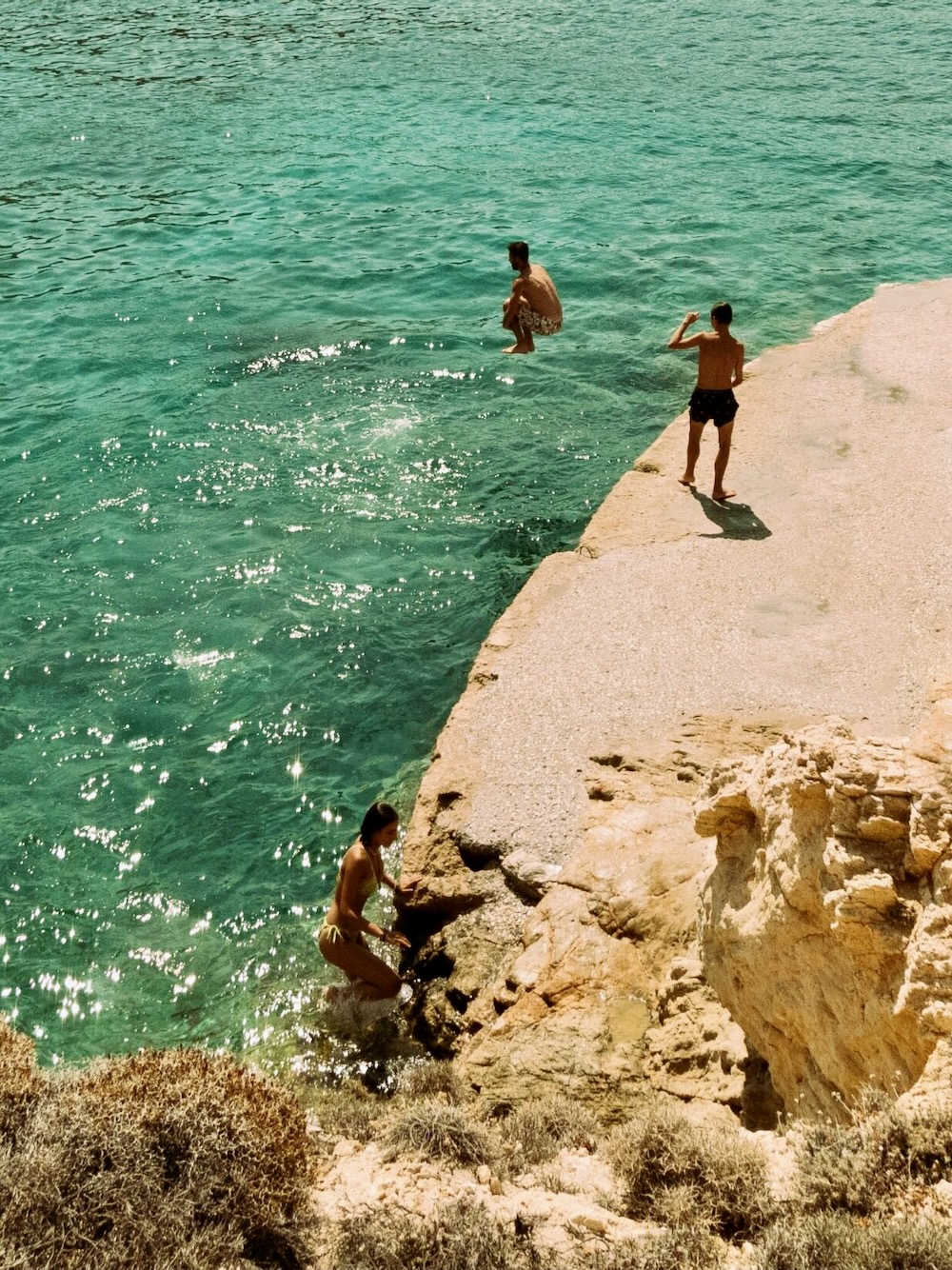
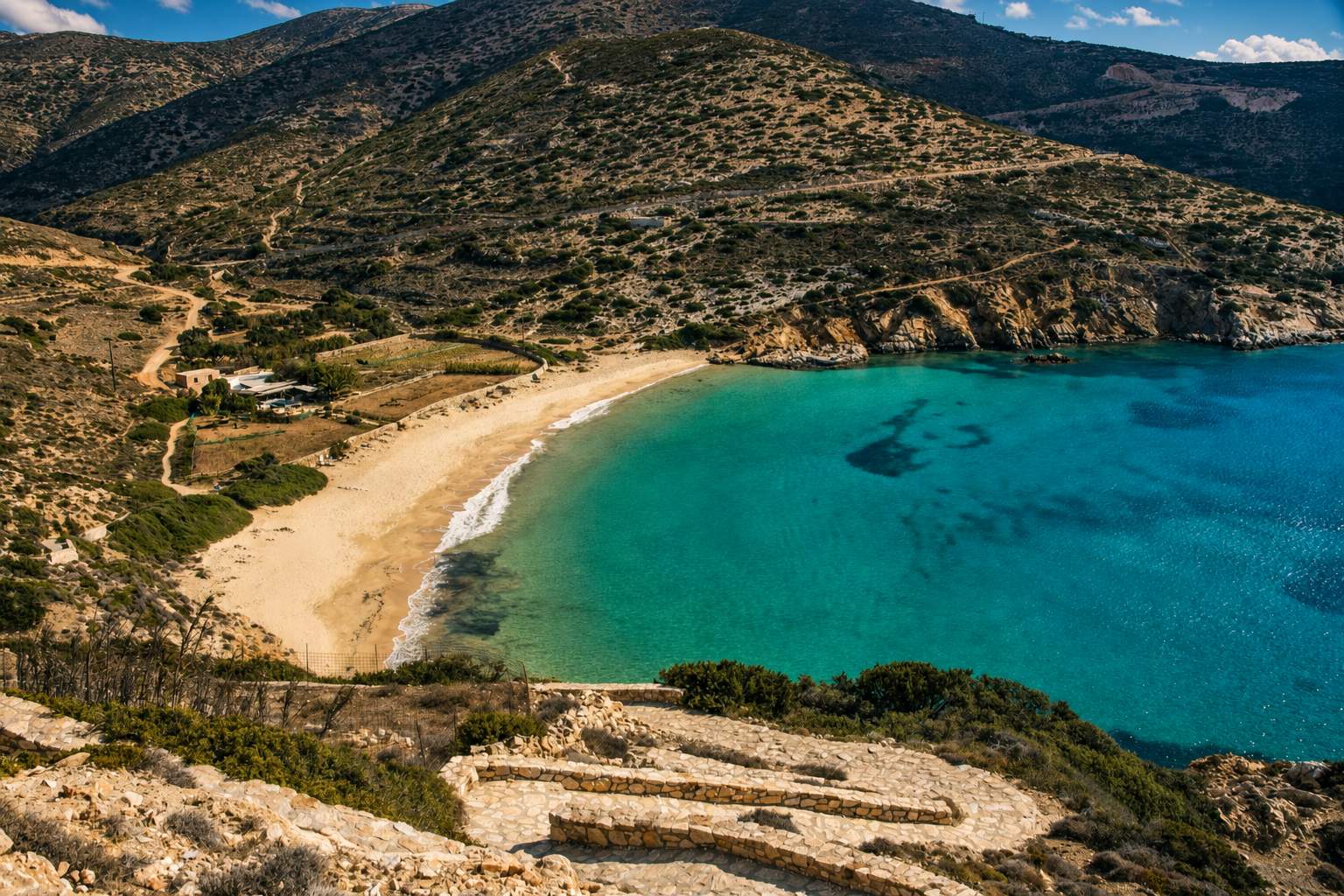
For beaches, Stavros beach and Panagia, a short walk beyond it, are the easy options. Kedros, a similar distance from the village on the other side, is the most visited of the rest, with a single café-bar; Livadi, reached by a longer walk or a short boat ride, is generally agreed to be the more beautiful, framed by tamarisk trees.
Further out, the bay of Kalotaritissa holds 3 linked beaches, each quieter than the last, while Fykio, tucked beneath rock cliffs near Livadi, rarely sees more than a handful of people at a time. Tripiti retains the laid-back atmosphere associated with Donousa’s free-camping tradition. Hiking is genuinely good here: 5 marked trails link the villages and beaches, the best known running from Stavros to Kalotaritissa in around 90 minutes.
02
Where to Eat
The first stop for most people off the boat is To Kyma, right on the little harbor and running since 1948, the island’s oldest and most popular kafeneio and, in practice, as much an information desk as a place to eat; it is still in the hands of the founding Markoulis family, and its pastitsio and keftedes are served in the famously generous portions that have long been the current owner Vangelio’s trademark.
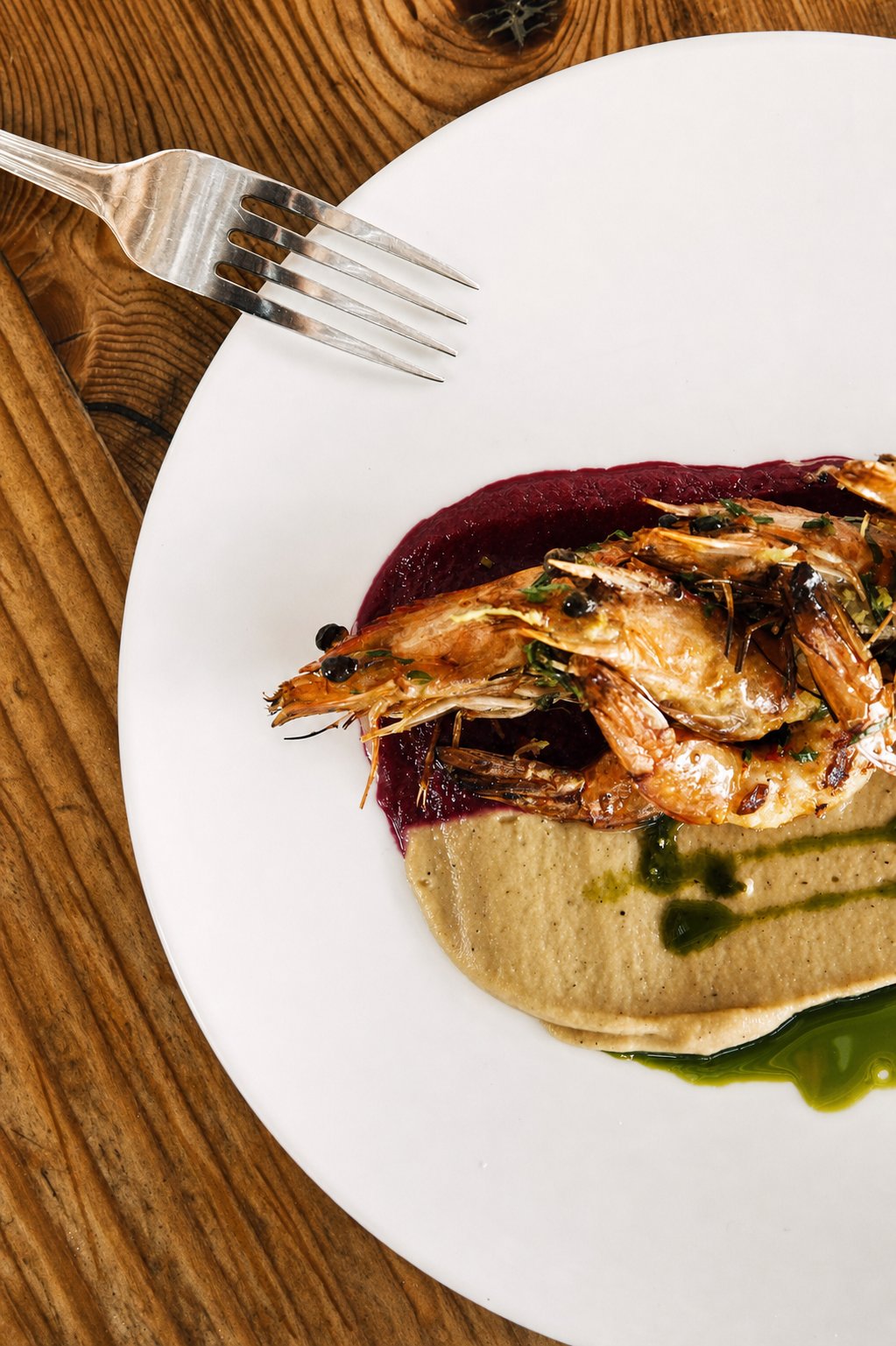
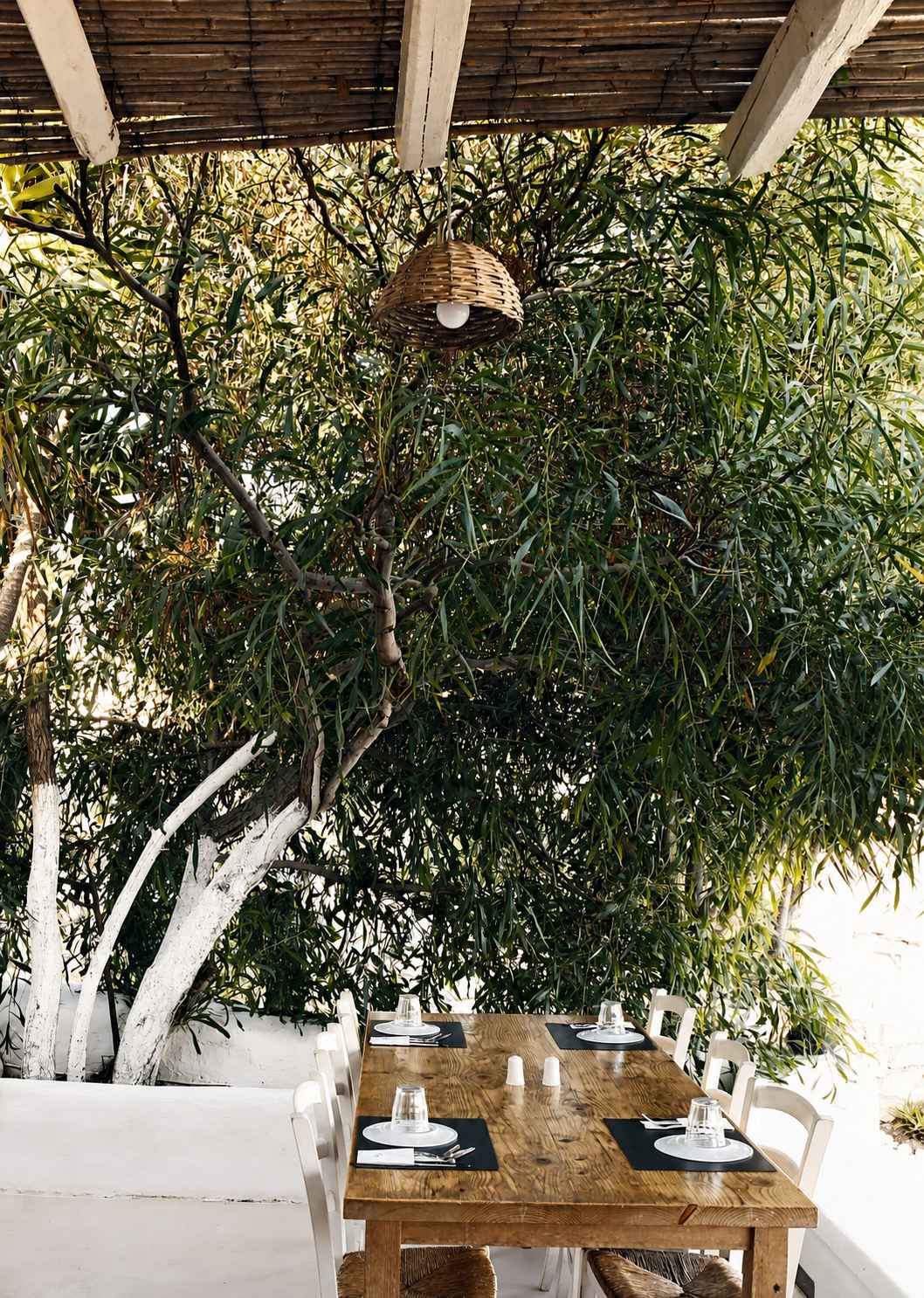
Back in Stavros, Iliovasilema (+302285051570), at the far end of the beach with an uninterrupted view of the sunset that gives it its name, has built a loyal following on its slow-roasted local goat, cooked for hours and served with lemon or tomato depending on the night, alongside a short, dependable list of grilled fish. Also in Stavros, Avli, perched at the highest point of the village in the brothers Dimos and Georgos Doumouras’s old family courtyard, has grown from a mezedes spot into the island’s most serious kitchen, its seafood-driven menu and an all-Greek wine list looking out over the harbor.
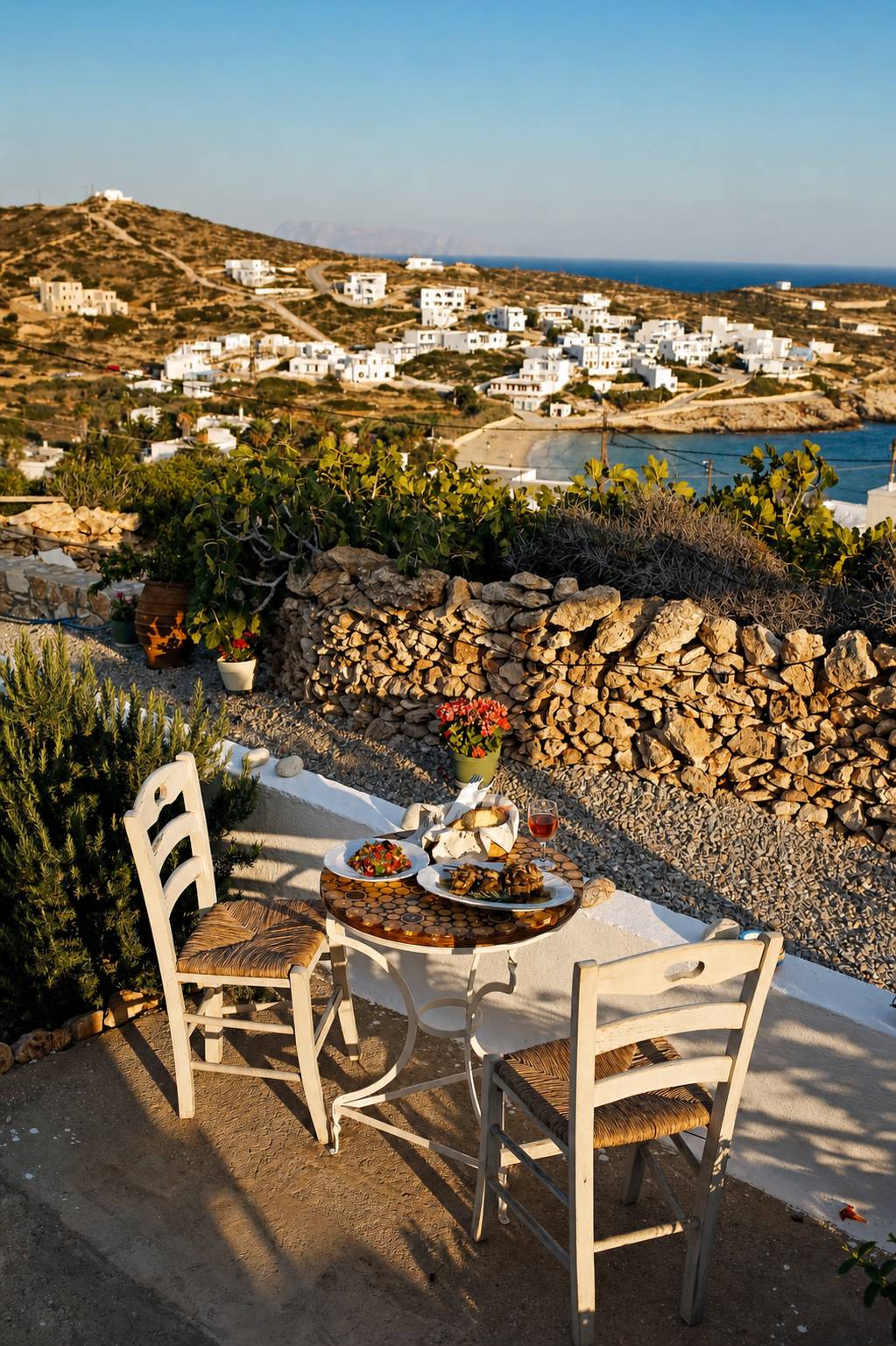
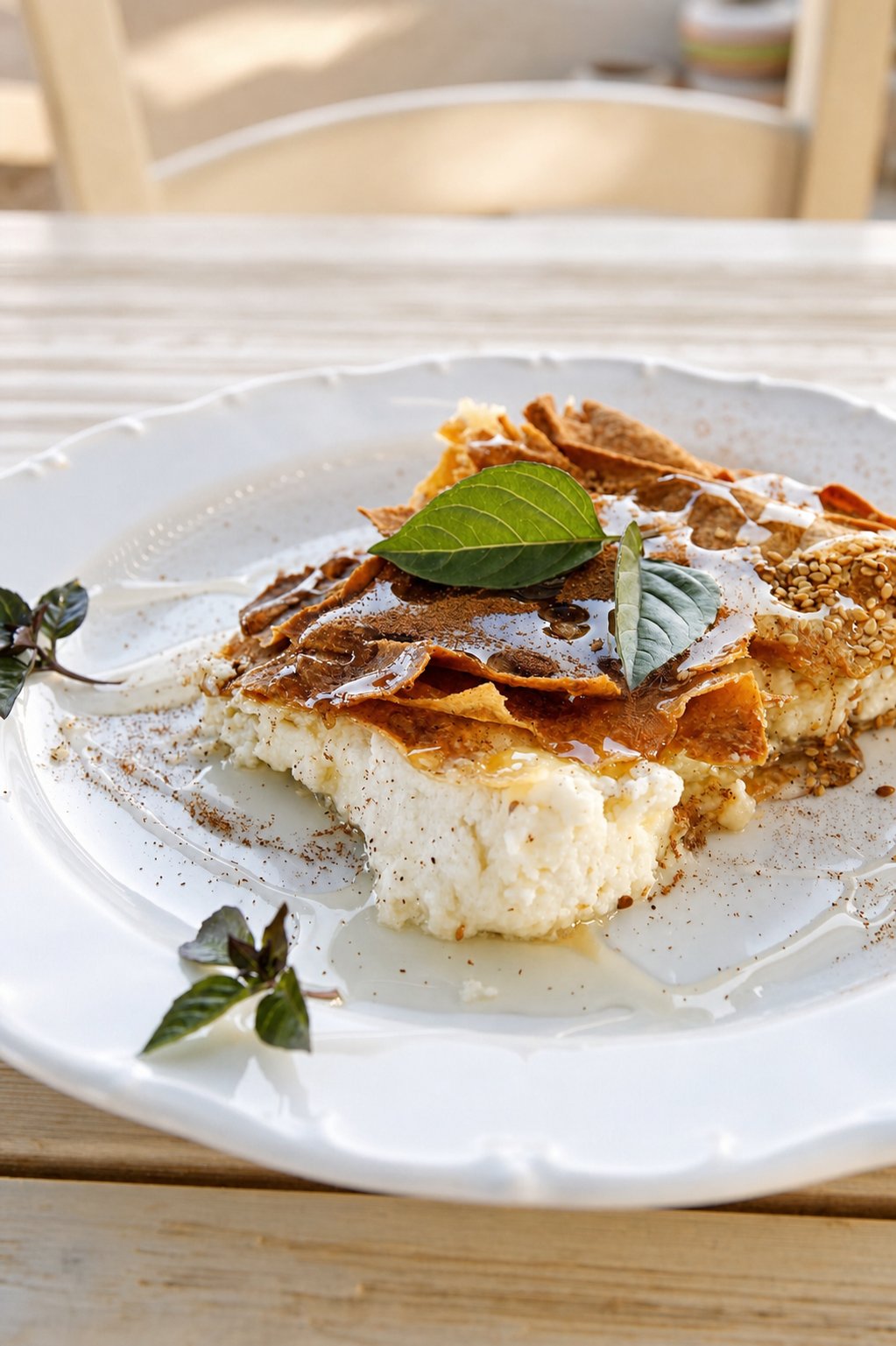
Simadoura, further up the same hill and nearly the last house at the top, is Chrysa Nikolopoulou’s one-woman operation, with 7 or 8 home-style dishes a day built from Cretan family recipes, generous portions, and a view that regulars rate as highly as the food.
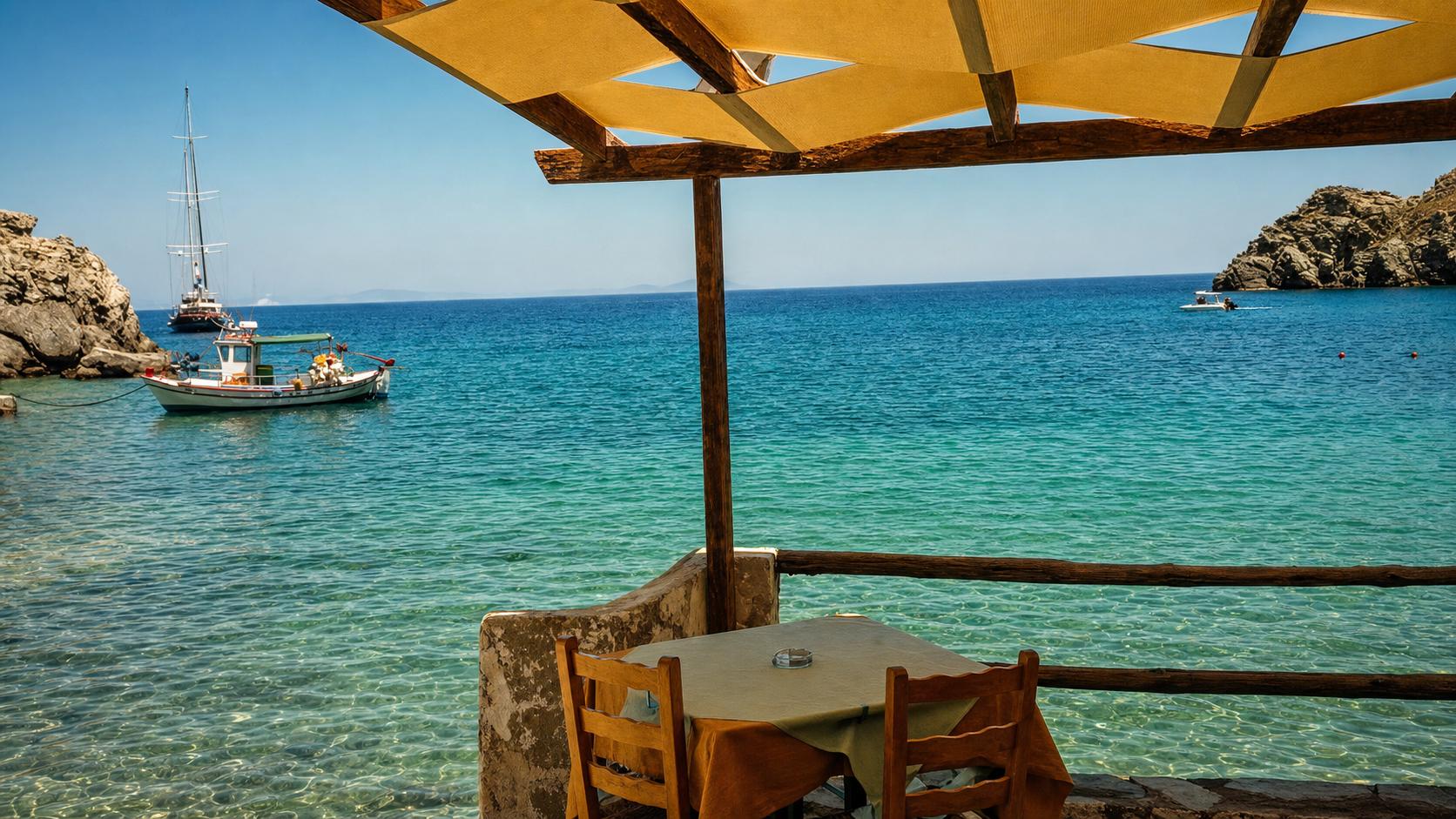
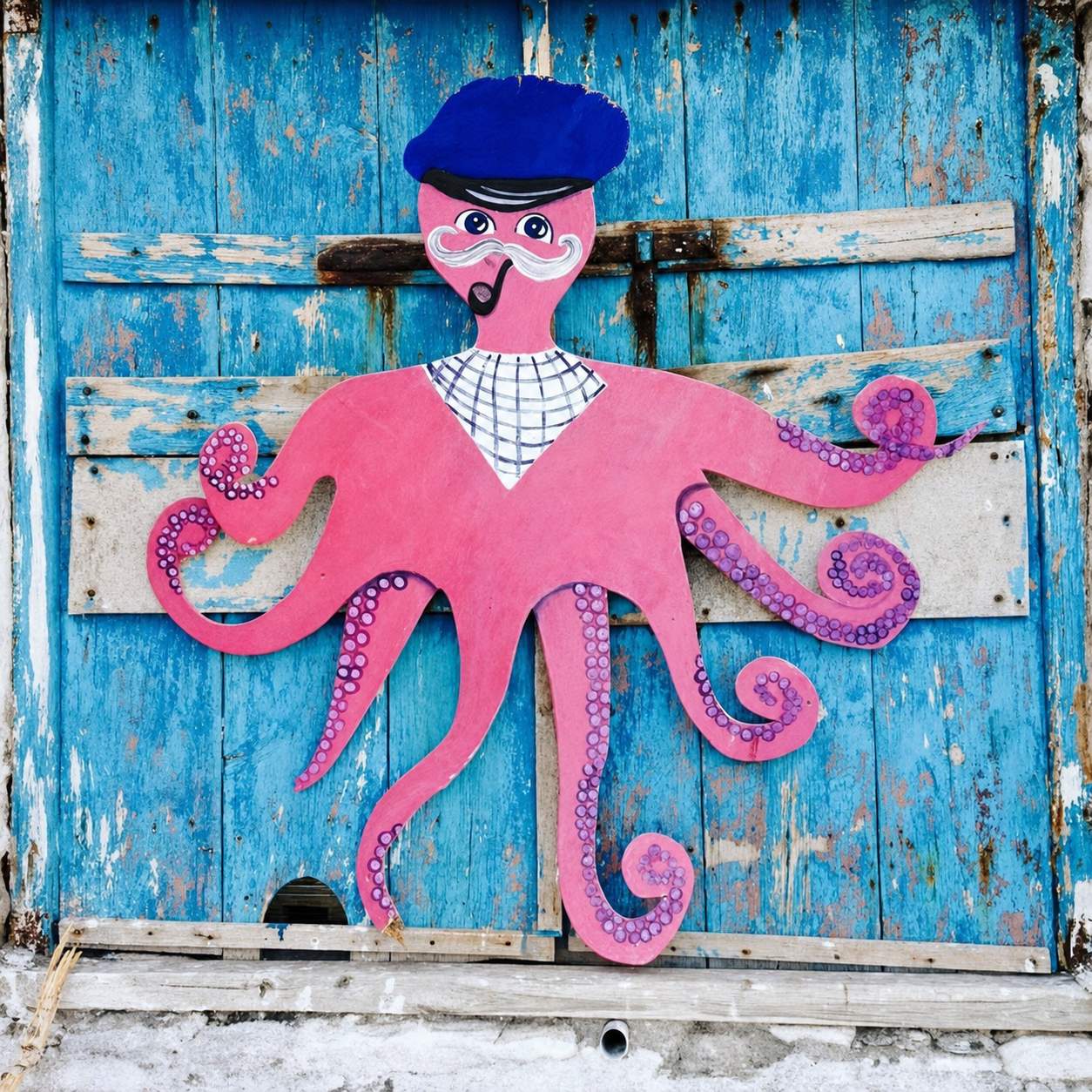
Capetan Giorgis, an ouzeri-taverna right over the water, keeps things simple: fresh fish and grilled octopus served a few steps from the sea.
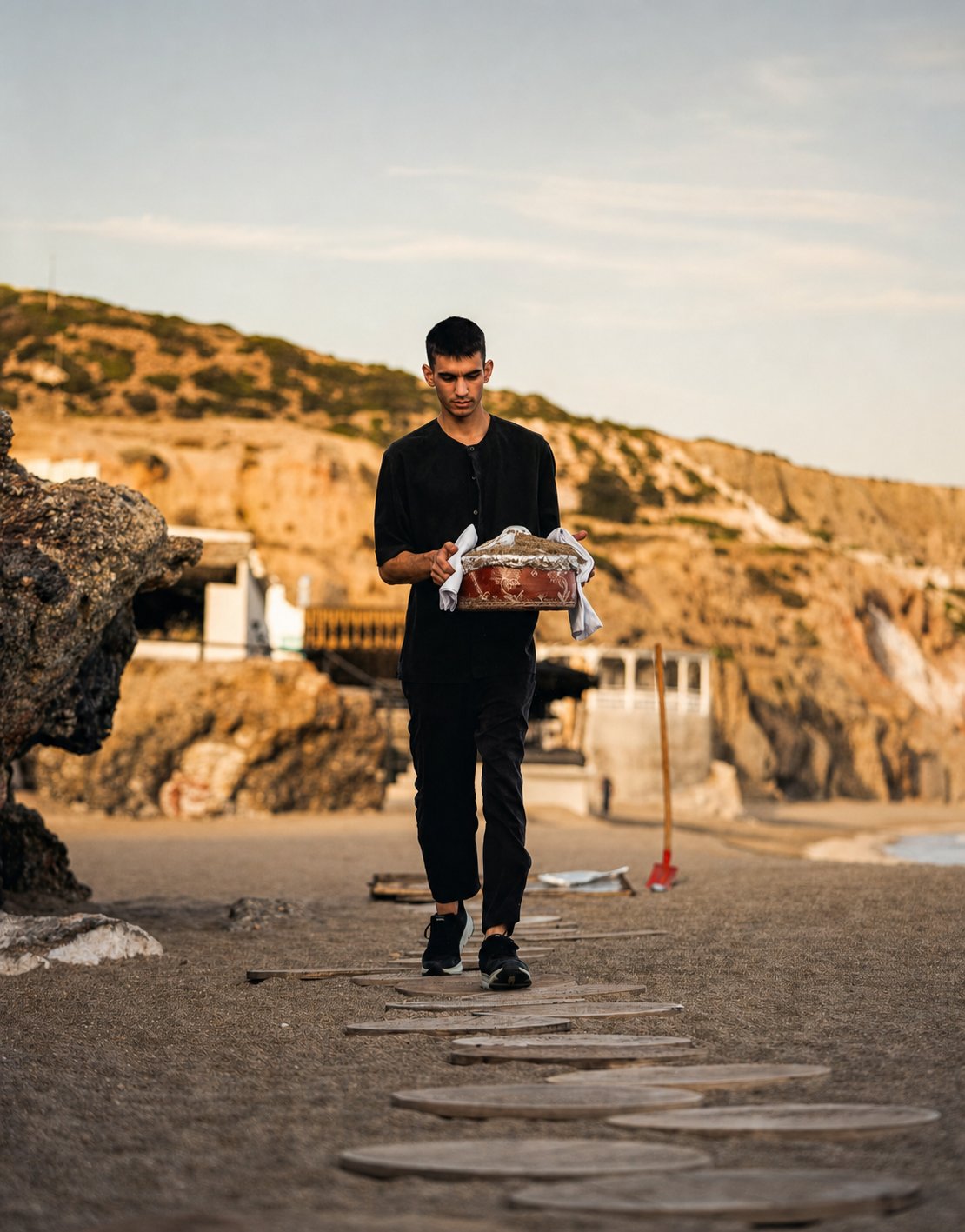
Kedros is less a beach bar than the description suggests: a green oasis of certified organic gardens around a modest, reed-shaded building just above the beach of the same name, run by the Prasinos brothers on family land since 2002. The kitchen, led by Stella Skopelitou, sources fish from its own local fisherman and salts and marinates it with sea salt still gathered from secret spots by one of the brothers’ aunts, alongside produce grown a few steps away.
03
Where to Stay
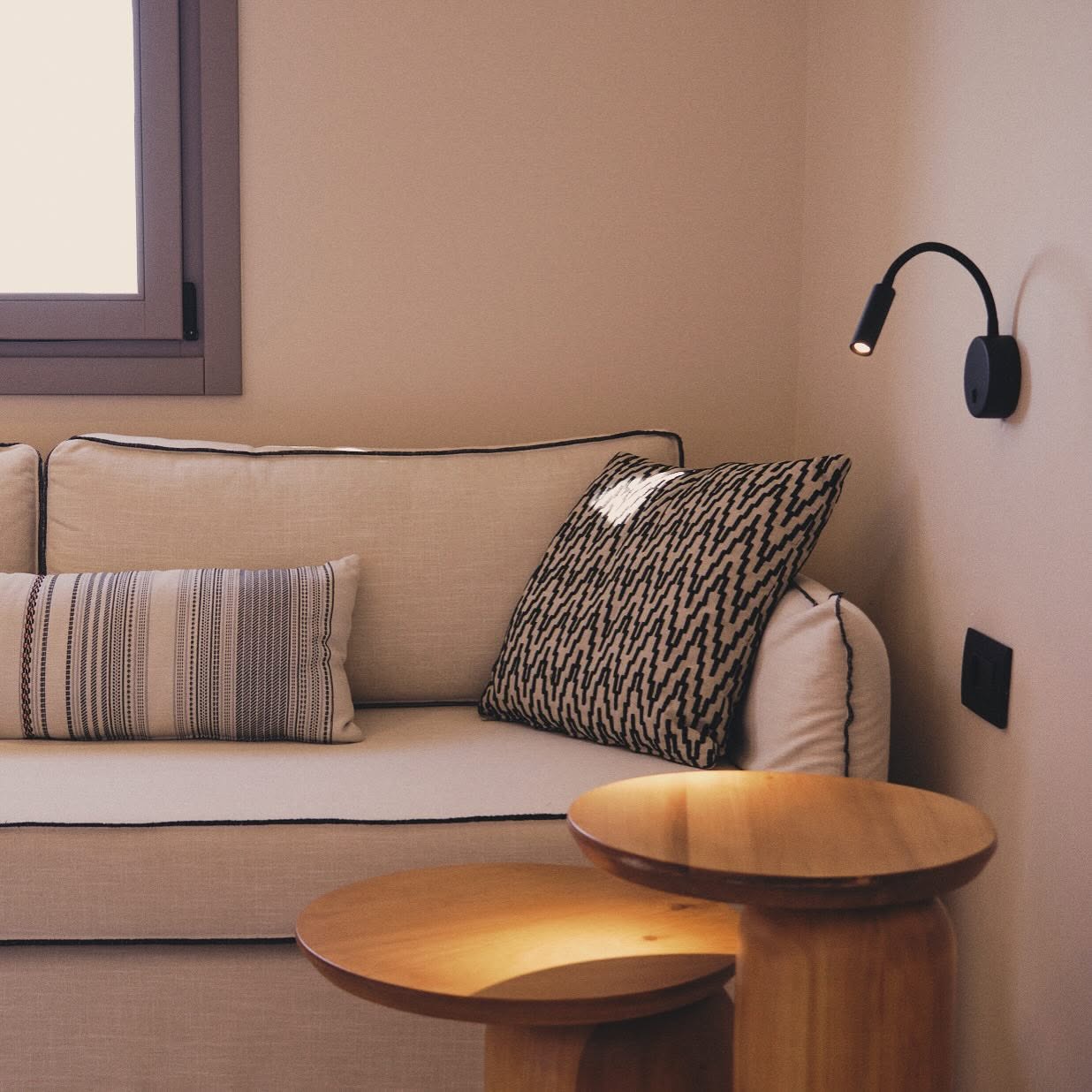
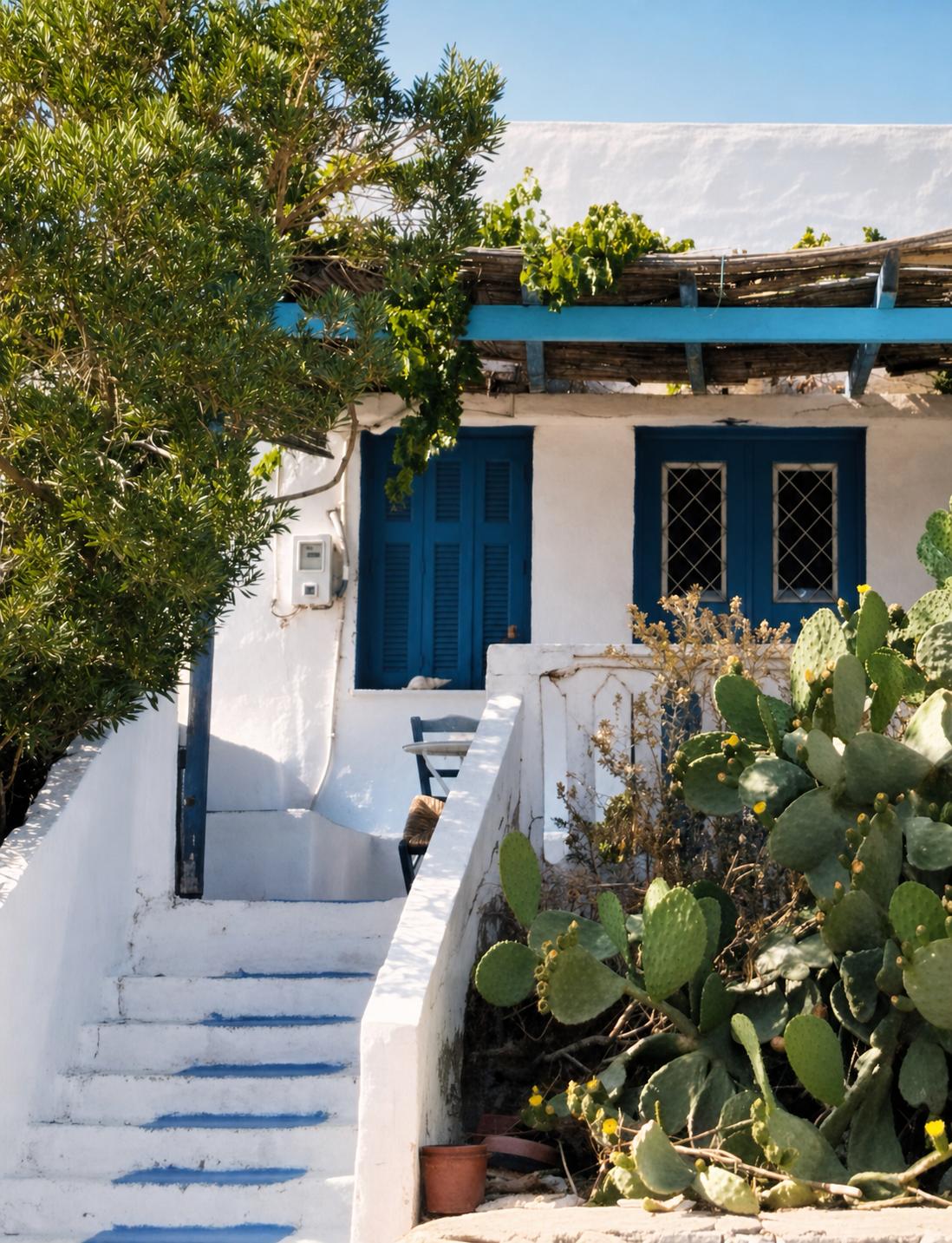
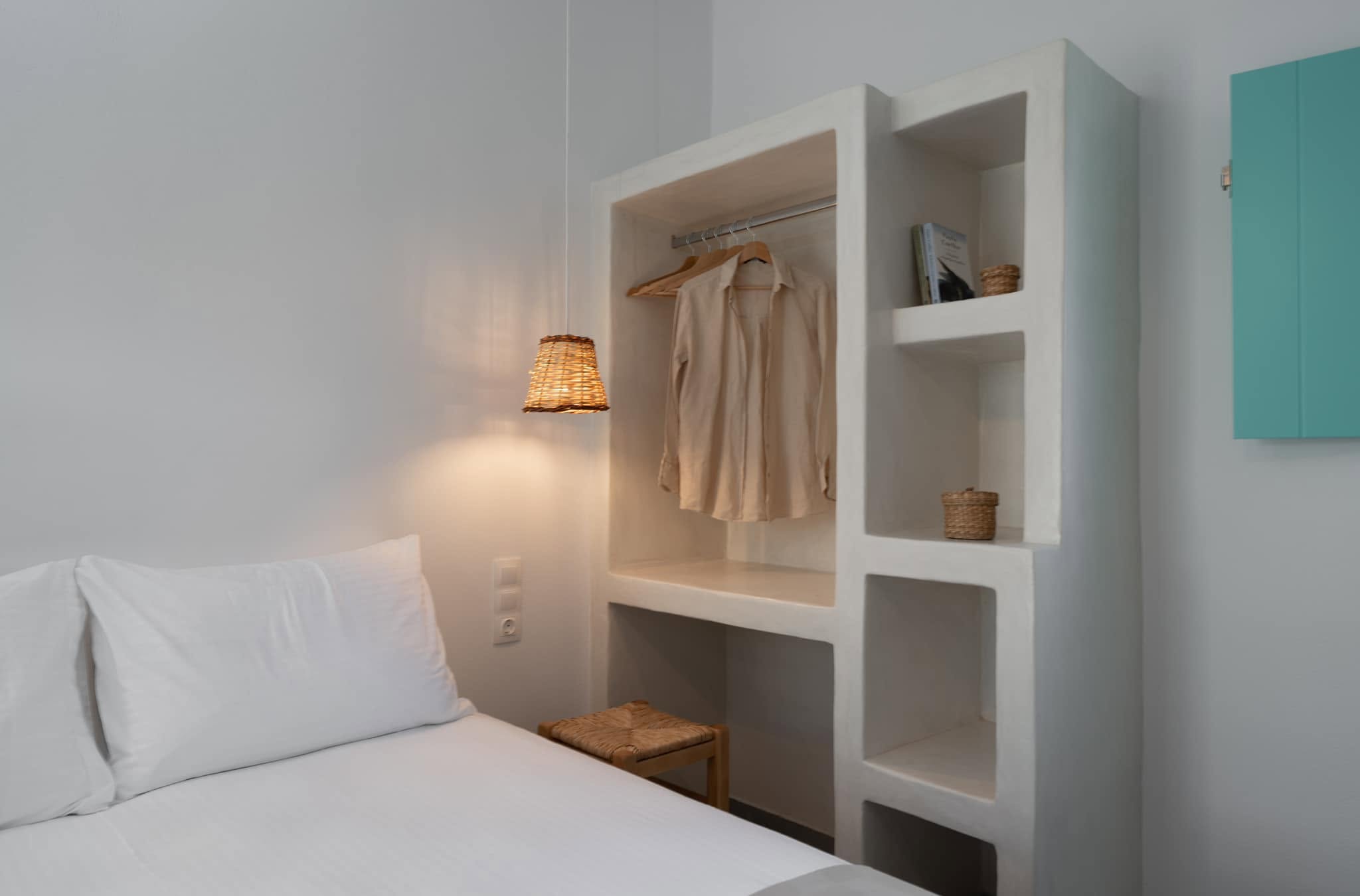
Accommodation on Donousa is limited and, in peak season, genuinely worth booking well ahead. Agave Donousa Suites, in Stavros, brings a polished contemporary feel to the island, with 9 suites opening to garden, village or sea views. Its 2 top-floor suites add private outdoor hot tubs, while the rest keep the focus on clean-lined design, balconies or terraces, and easy access to Stavros beach.
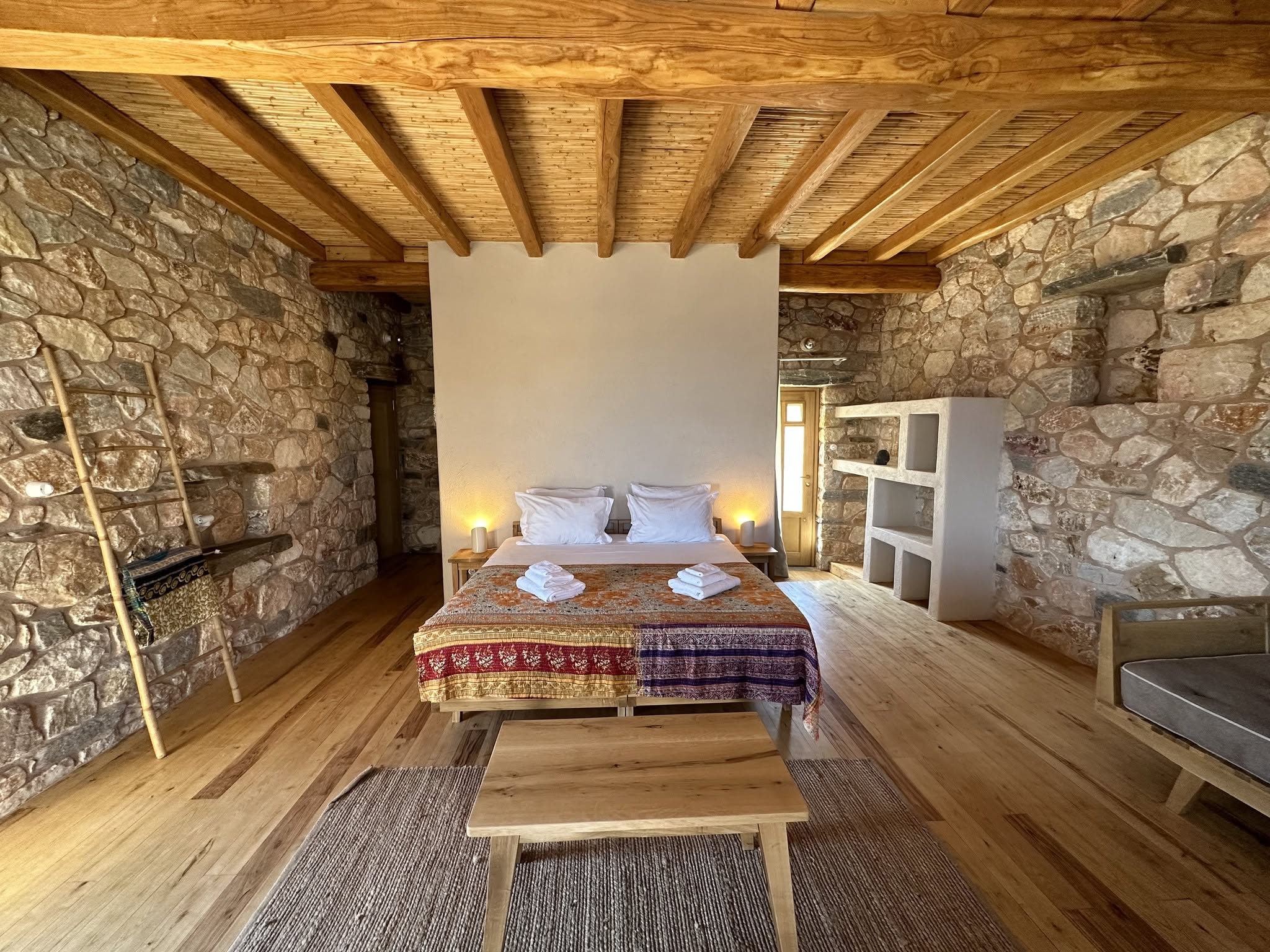
Phisis Nature Retreat is a 6-room sustainable retreat in Kalotaritissa, built with local stone, lime, soil and wood. It offers organic meals and a sea-facing space for yoga, dance, music and workshops, making it more of a retreat base than a conventional hotel.
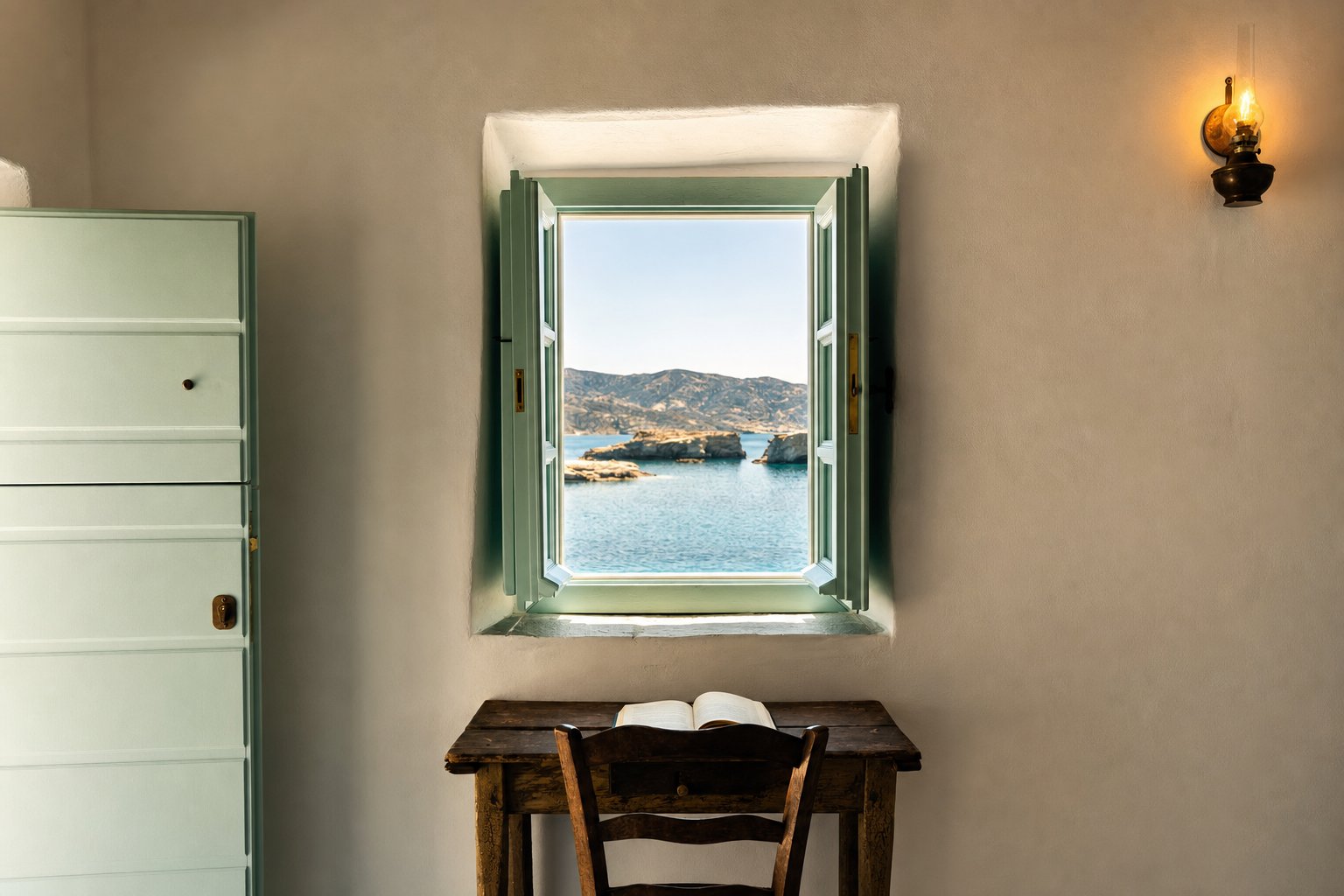
Makares sits 50 meters from the sea and around 150 meters from Stavros beach. Its 10 studios and 2 larger apartments pair traditional Cycladic architecture with modern interiors and broad sunset views toward Naxos, Amorgos, Koufonisia and the Makares islets.
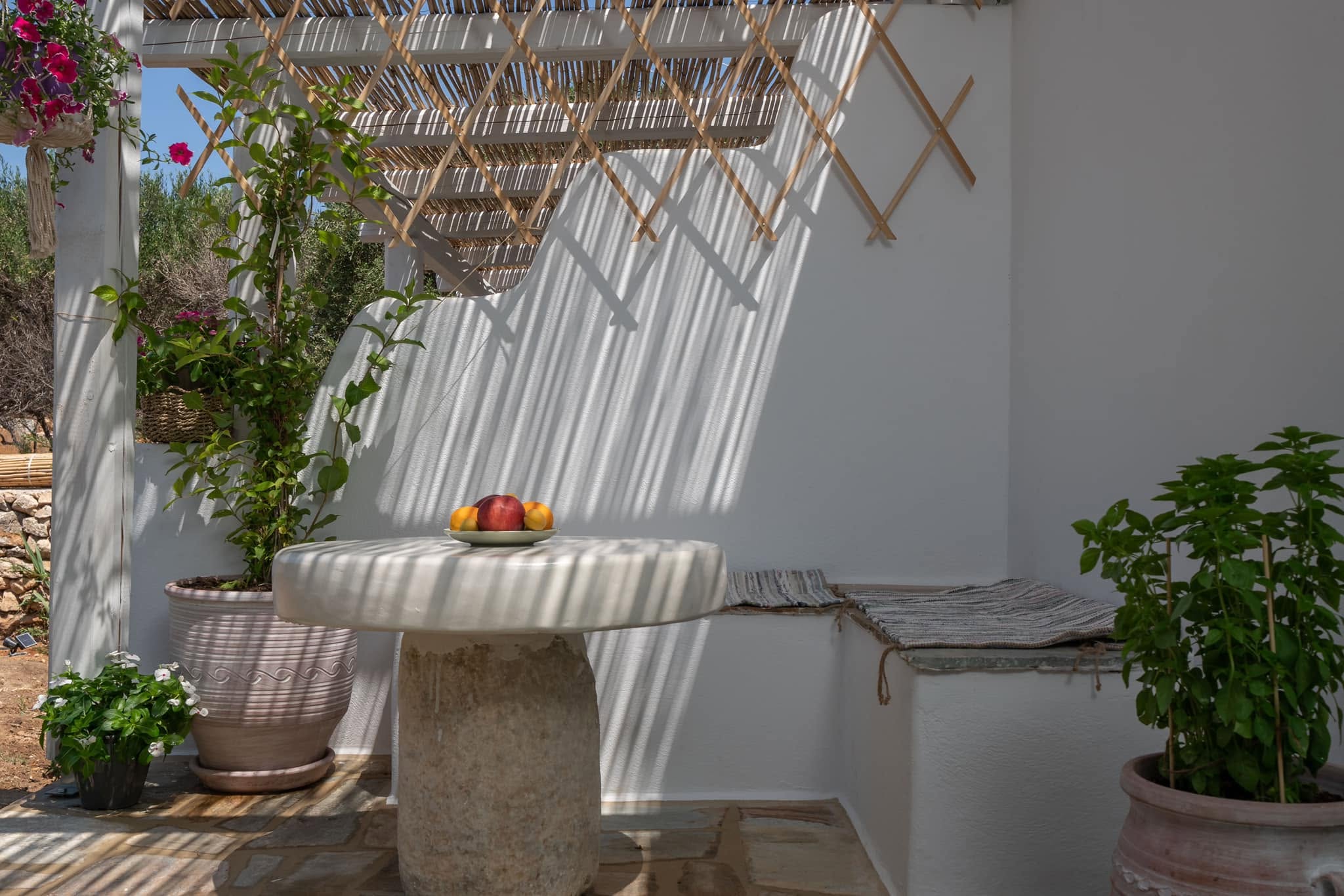
Xerolithia Guesthouse, a 3-room property in Stavros, sits around 200 meters from the main beach and center, with kitchenettes and garden-facing balconies. Stenosa, also in Stavros, overlooks the port from a traditional hillside setting. Together they round out a welcoming set of family-run stays. Book well ahead for July and August.

There is no souvenir shop worth mentioning on Donousa, and that feels deliberate. What you carry home instead is stranger and harder to explain: salt in your hair from Livadi, a taverna owner’s name you still remember in November, and the suspicion that the best islands are the ones that never tried to impress you.
Read more:
The Small Cyclades, One Ferry Stop at a Time
Compare Donousa with Iraklia, Schinoussa and Koufonisia, 4 neighboring islands with very different rhythms.
Iraklia: Cliffs, Wild Thyme and Almost Nobody Else
Continue west to the quietest island in the group, with 8 marked trails, a legendary cave and tiny family-run stays.
Sand, Not Sunbeds: 10 Wild Greek Beaches for 2026
A wider look at unserviced shores across Greece, including Alimia on Iraklia and Italida on Ano Koufonisi.