


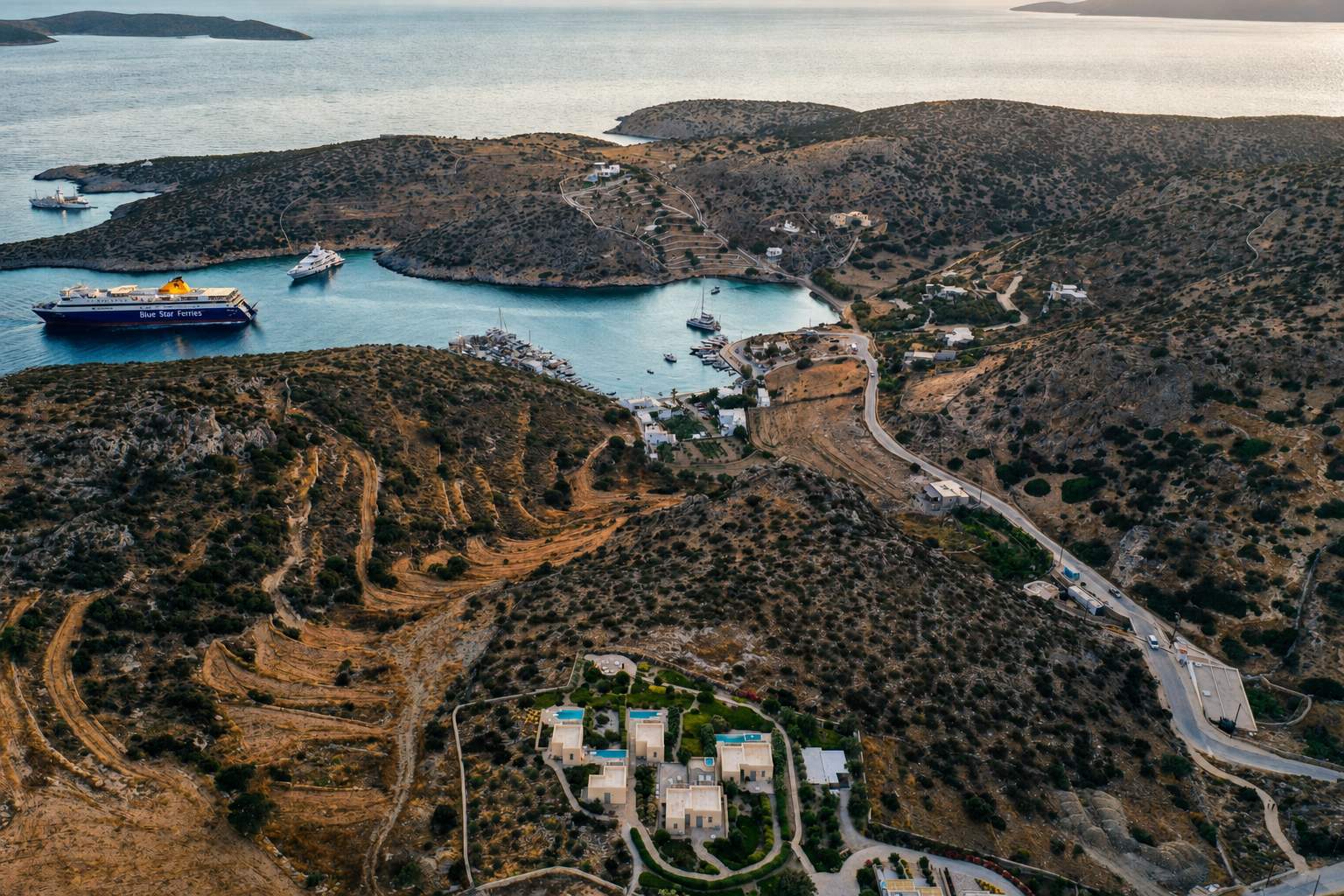
Reached by the small ferries that link Naxos to Amorgos, Schinoussa covers about 8.5 square kilometers and has roughly 225 permanent residents, yet feels different from the moment the boat ties up. Its low, green hills and cultivated hollows give it a softer, more pastoral look than the rest of the Small Cyclades, and the island has quietly become a favorite anchorage for private yachts, which sit off its beaches through the summer alongside the odd megayacht and, occasionally, a helicopter.
None of that has changed daily life much. Mersini, the port, is little more than a scoop of sand and a row of tamarisk trees; the real center of the island is Chora, a cluster of whitewashed houses about 1.2 kilometers inland, where the whole population still tends to convene in the square after dinner.
Schinoussa has been inhabited since antiquity and played a supporting role in the early Cycladic civilization centered on nearby Keros, and centuries of piracy and hardship shaped it before it was resettled largely by families from Amorgos in the mid-19th century; today it is protected under the EU’s Natura 2000 program for its birdlife and undeveloped coastline. Locals call it a resting place among the Cyclades, and it earns the description.
01
Where to Go & What to See
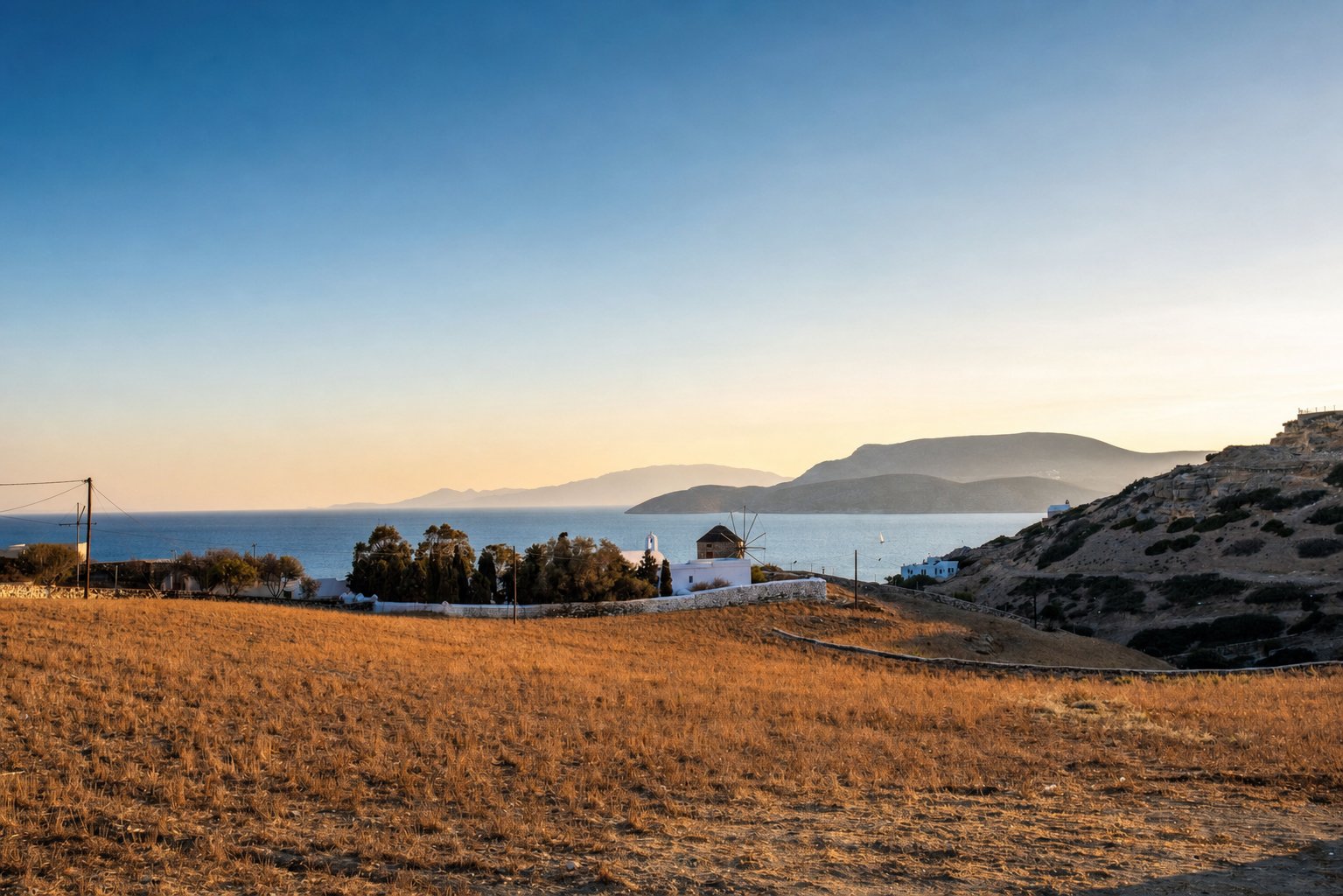
Schinoussa is easy walking country, and the classic route runs from Chora up to Vargies, the island’s highest point, for a view that takes in most of the Small Cyclades at once.
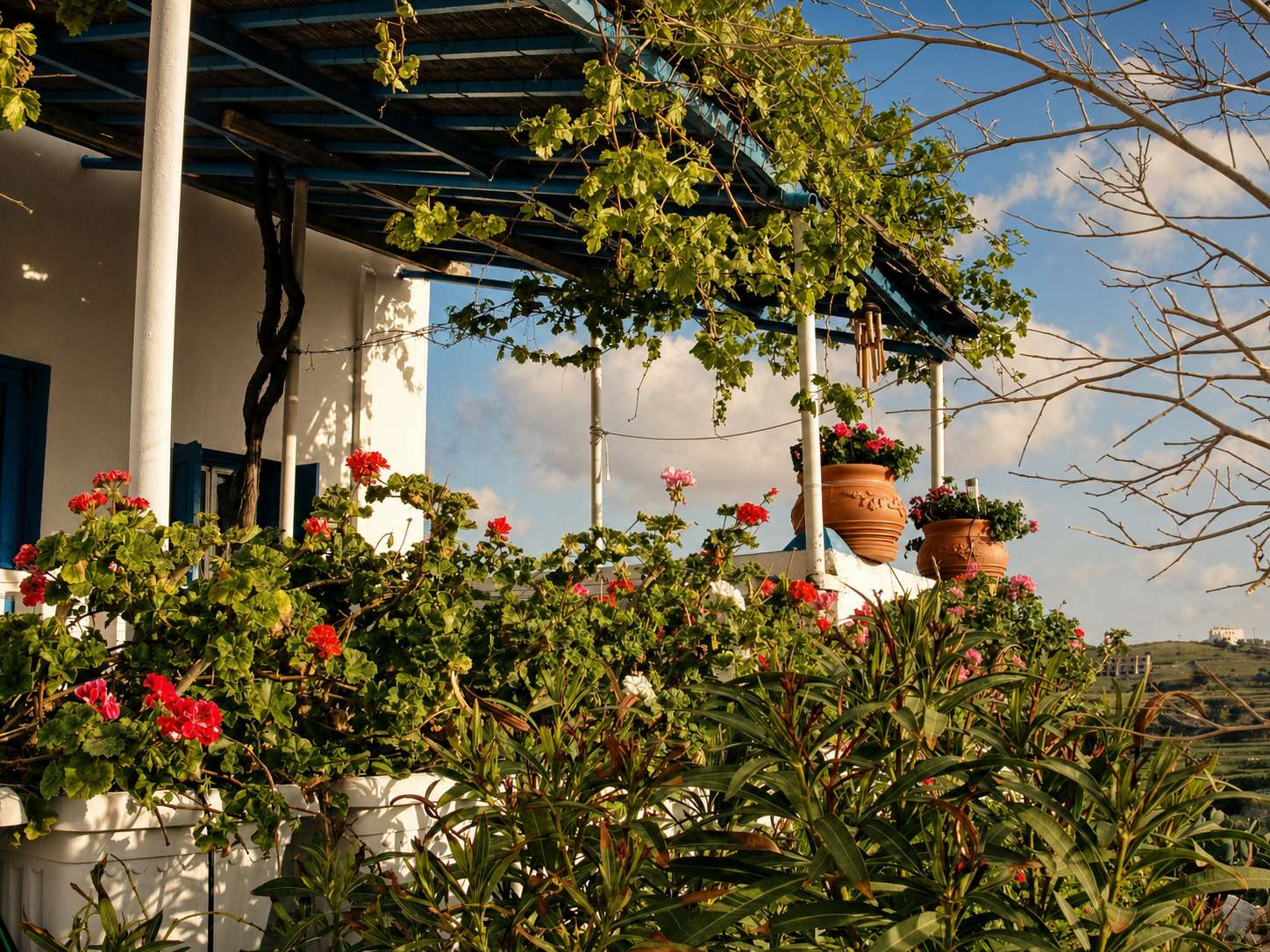
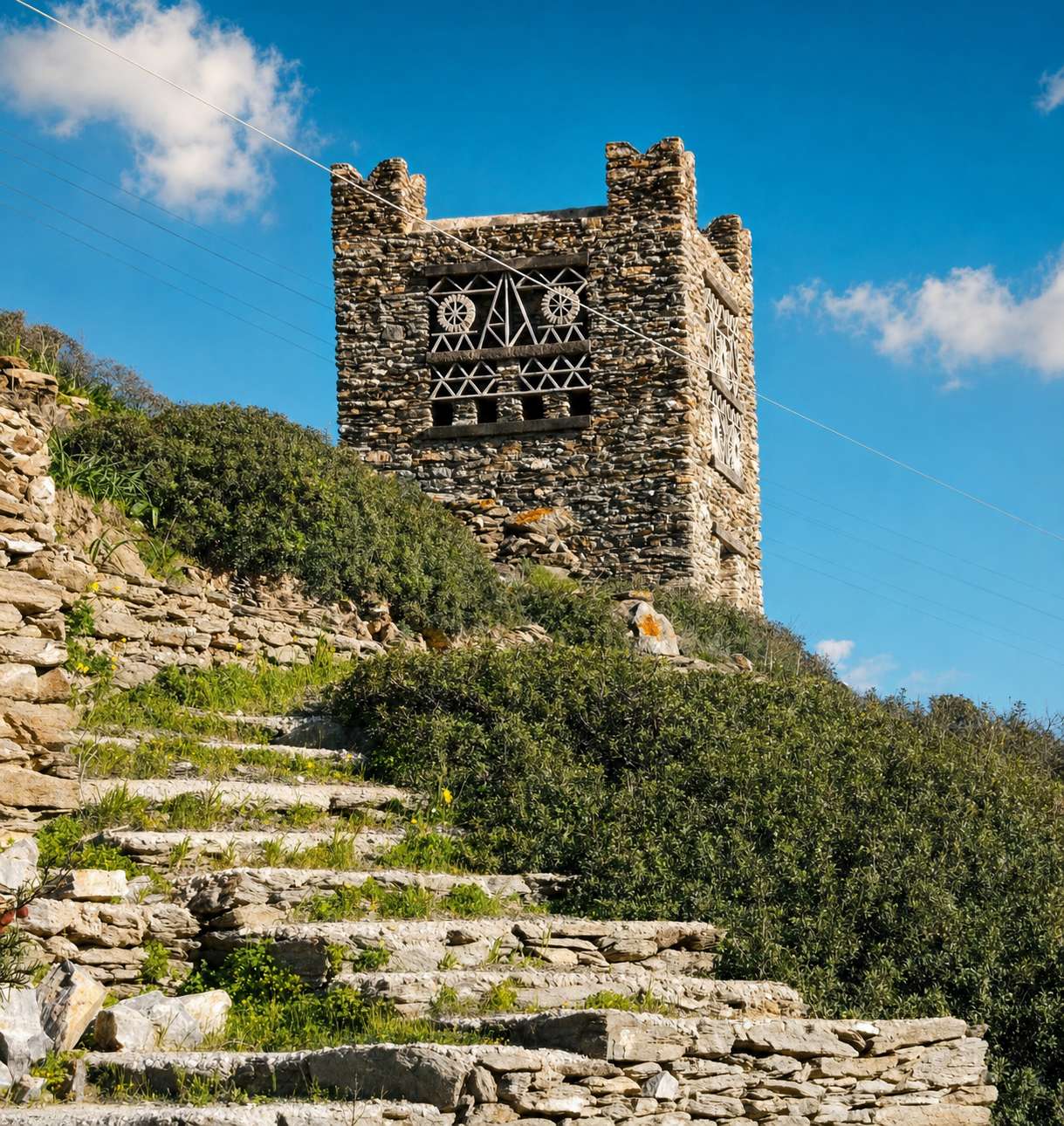
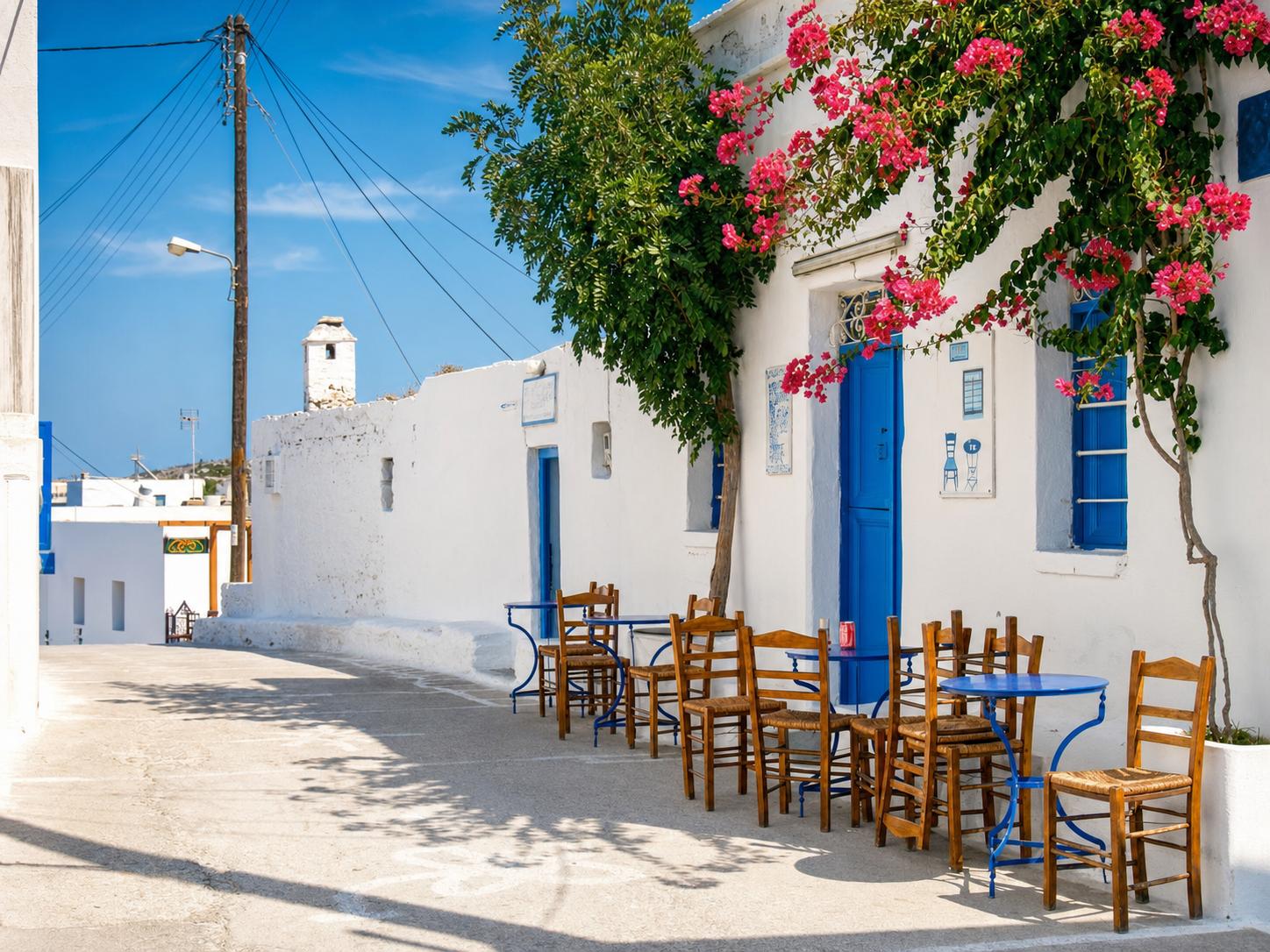
Charakas Gorge, on the southern side, draws a small but steady stream of rock climbers, and near the port two sea caves once used by pirates working this stretch of the Aegean, known locally as Maniatis and Psarades, can be visited by small boat. The full walking circuit of the island, cutting through vineyards and stone-walled terraces, takes around 90 minutes.
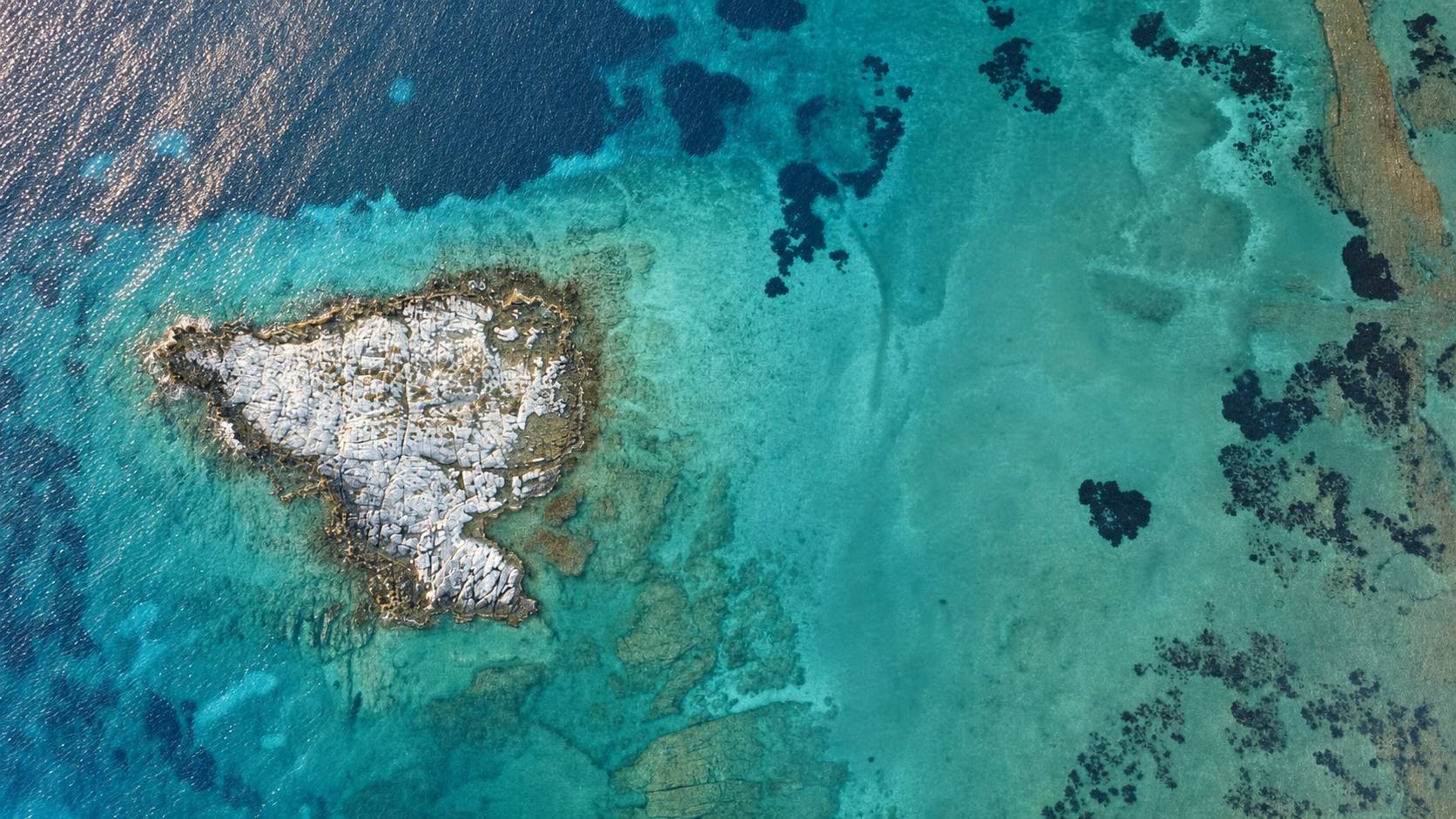
The beaches, by mood
Schinoussa’s beaches are close on a map, but choosing well makes a significant difference. Most lie within roughly 3 kilometers of Chora, although the summer heat, steep return climbs and final stretches of dirt road can make the distances feel longer. If you are exploring on foot, start early, carry water and wear proper shoes. When the meltemi is blowing from the north, begin with the more protected southern and southwestern bays. Psili Ammos and Almyros are more exposed and can be choppier.
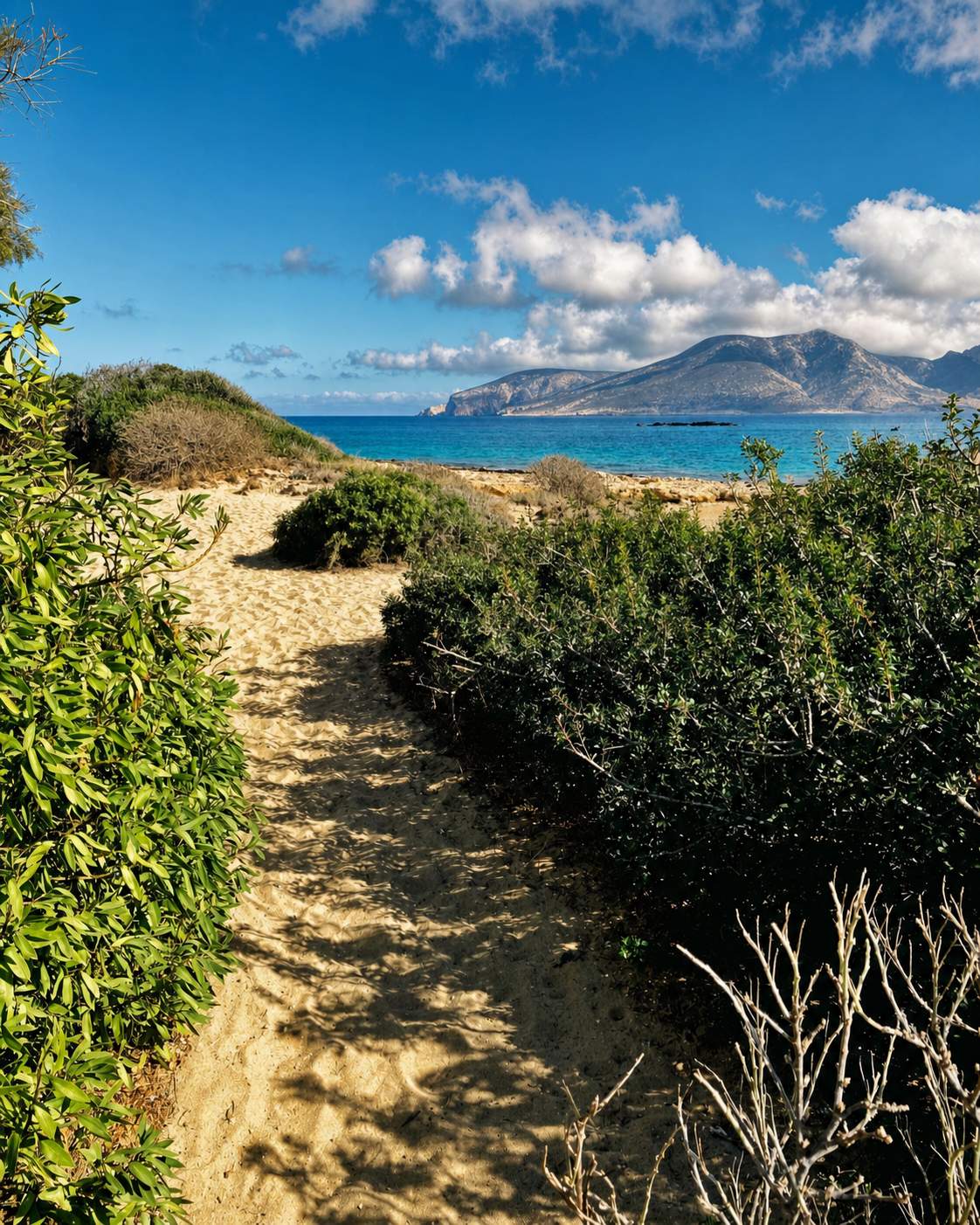
Tsigouri is the best all-round choice and the easiest first swim from Chora. The path drops steeply from the village to a broad sweep of golden sand in about 5 to 10 minutes. Tamarisk trees provide natural shade, while a beach bar, a taverna and nearby rooms make it the simplest place to spend several hours without planning ahead. The bay is generally protected from northerly winds and works particularly well for families. It is also the island’s most sociable beach, with views toward Iraklia, the uninhabited islets offshore and the Agios Vasilios peninsula. Parking is limited, and the uphill walk back to Chora feels considerably longer in the midday heat.
Livadi is the better option for a long, unhurried beach day. About 850 meters from Chora, it is reached by a dirt road or a roughly 10- to 15-minute walk. The beach is longer and quieter than Tsigouri, with deep-blue water, golden sand and dense tamarisks that offer valuable shade. Food and rooms are available nearby, and its southwestern position usually makes it a reliable choice during the meltemi. For more solitude, continue on foot to tiny Tholari or Ammoudaki tou Garbi, 2 small, exposed coves near the far end of Livadi. Neither has the shade or facilities of the main beach, so bring everything you need.
Lioliou is particularly good for families with small children. Its water is shallow and clear, the beach is wide enough to spread out, and tamarisk trees provide shade close to the sand. A taverna and nearby accommodation make it possible to settle in for lunch as well as a swim. Lioliou lies about 2.7 kilometers from Chora and is more practical by scooter or car, although keen walkers can reach it along the island’s tracks. Just beyond it, Bazeou is smaller and wilder, with sand, pebbles, lentisc bushes at the water’s edge and a small sea cave. It is a good short detour, but not a beach to choose for facilities.
Psili Ammos has the island’s most striking sand. Close to Messaria on the northeastern coast, it is a compact bay of fine golden sand and low dunes, with transparent water and views toward Amorgos. From Chora, allow approximately 30 to 40 minutes on foot. The beach is largely unorganized, so stock up in Chora or Messaria and bring water, food and sun protection. Psili Ammos is exposed to northerly winds, which means it can be magnificent on a calm morning and far less comfortable when the meltemi strengthens. Nearby Avlaki tou Papa and Fountana offer even more seclusion, but involve additional walking and have no dependable facilities.
Aligaria is for quiet water and cove-hopping. It is not a single beach but a sequence of 3 small southern coves, with Gagavi and Kampos continuing beyond the first bay. Expect fine sand, transparent blue-green water, rocks and small caves rather than an organized beach scene. The approaches involve dirt tracks and short paths, with the coves lying approximately 1.7 to 2.6 kilometers from Chora. Bring water, food and shade. The reward is a peaceful swim that often feels removed from the busier side of the island.
Almyros offers space, shallow water and a more open setting. The long sandy beach is divided by a rocky outcrop and has trees for shade, making it suitable for families when conditions are calm. Its northeastern exposure, however, means it catches the wind more readily than Tsigouri or Livadi and is also one of the island’s better windsurfing spots. Check the conditions before committing to the walk. If the sea is rough here, turn south instead.
Mersini, also known as Piso Ammos, is the useful port swim. The small sandy beach sits at the sheltered inner end of the harbor, with tamarisk shade and cafés and restaurants close by. It is ideal for a first dip after arriving, a final swim before the ferry or an easy afternoon when you do not want to cross the island. Boats and harbor activity mean it is not Schinoussa’s most secluded beach, but its convenience is difficult to beat.
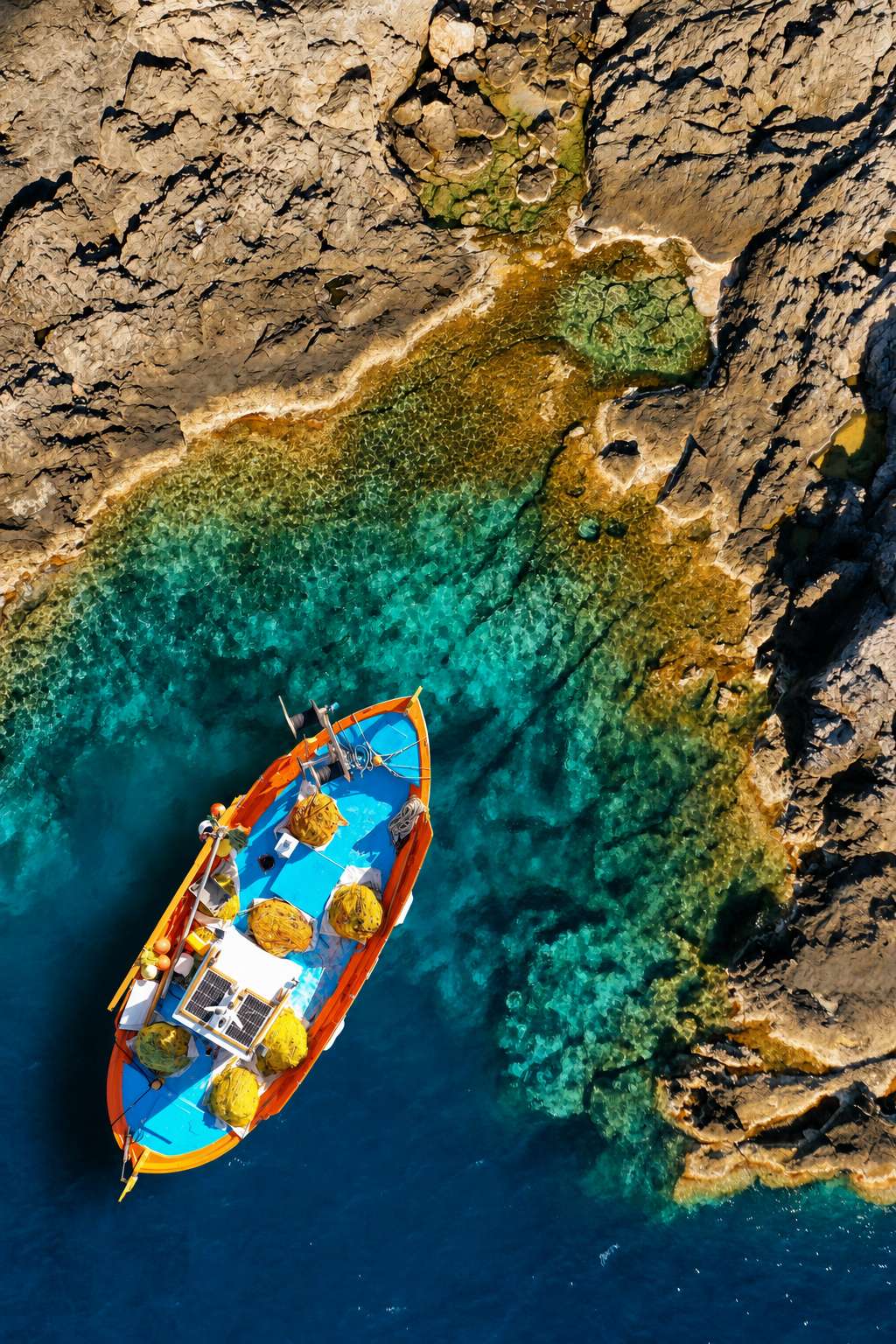
For a genuinely remote swim, Gerolimnionas has turquoise water and a rocky seabed suited to snorkeling, but the final approach follows a rough track and narrow path and there is little shade. Fykio is another tiny northeastern cove with clear water and a mixed rocky and sandy shore. Sifneiko, on the west coast, is better understood as a wild anchorage and hiking destination than a conventional sandy beach; the trail becomes progressively rougher near the end. Fidou, the small islet off Schinoussa, is reached only by sea. Ask at Mersini about a local kaiki or sea taxi and confirm the return time and wind conditions before setting out.
Facilities on Schinoussa are small-scale and often seasonal. Even when a beach has a taverna or bar, carry water and basic sun protection, and check locally each morning for wind conditions. The best beach on the island is often simply the one facing away from that day’s weather.
02
Where to Eat
Schinoussa has more than its size would suggest, from simple family tavernas to a few more polished, recently opened kitchens.
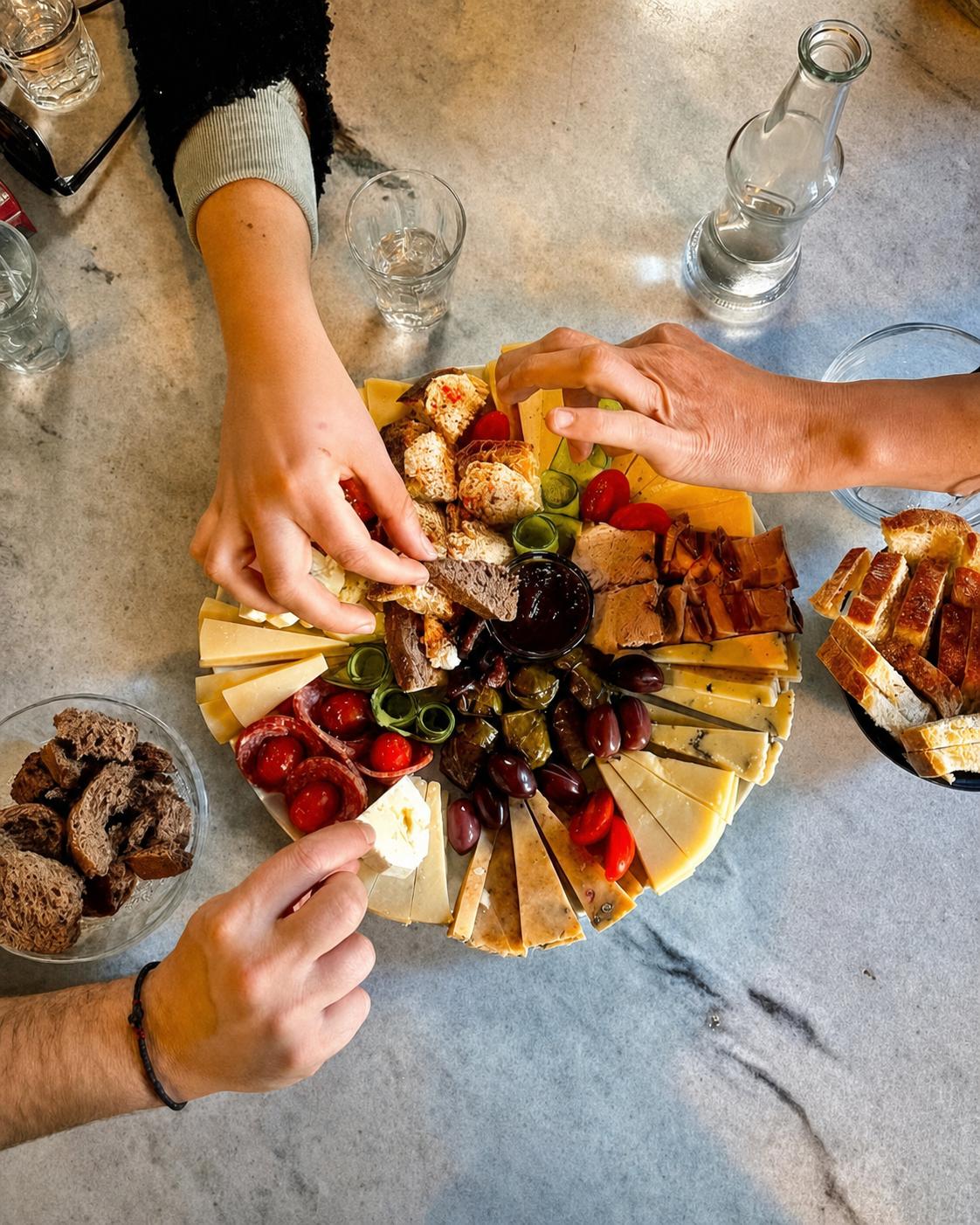
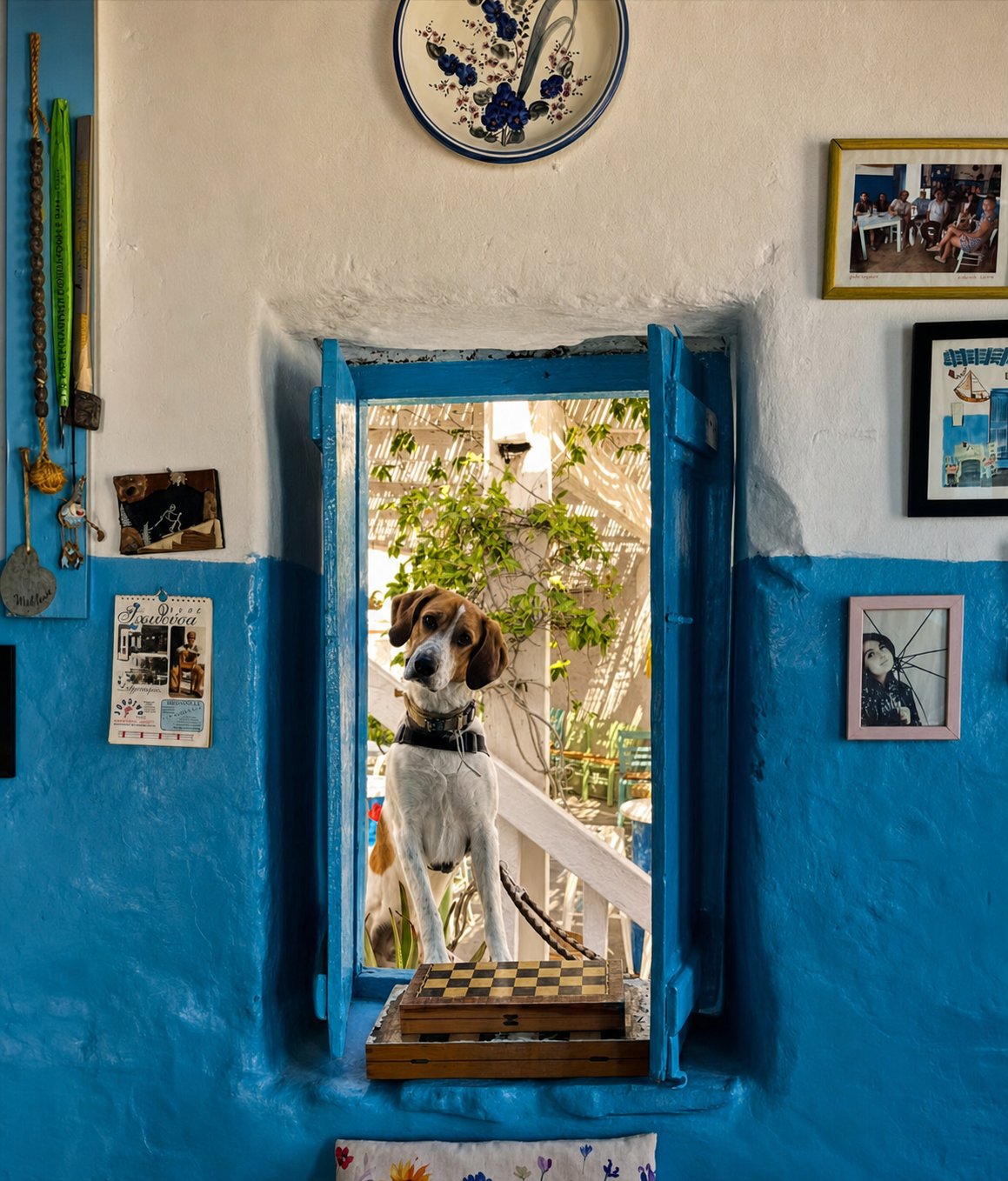
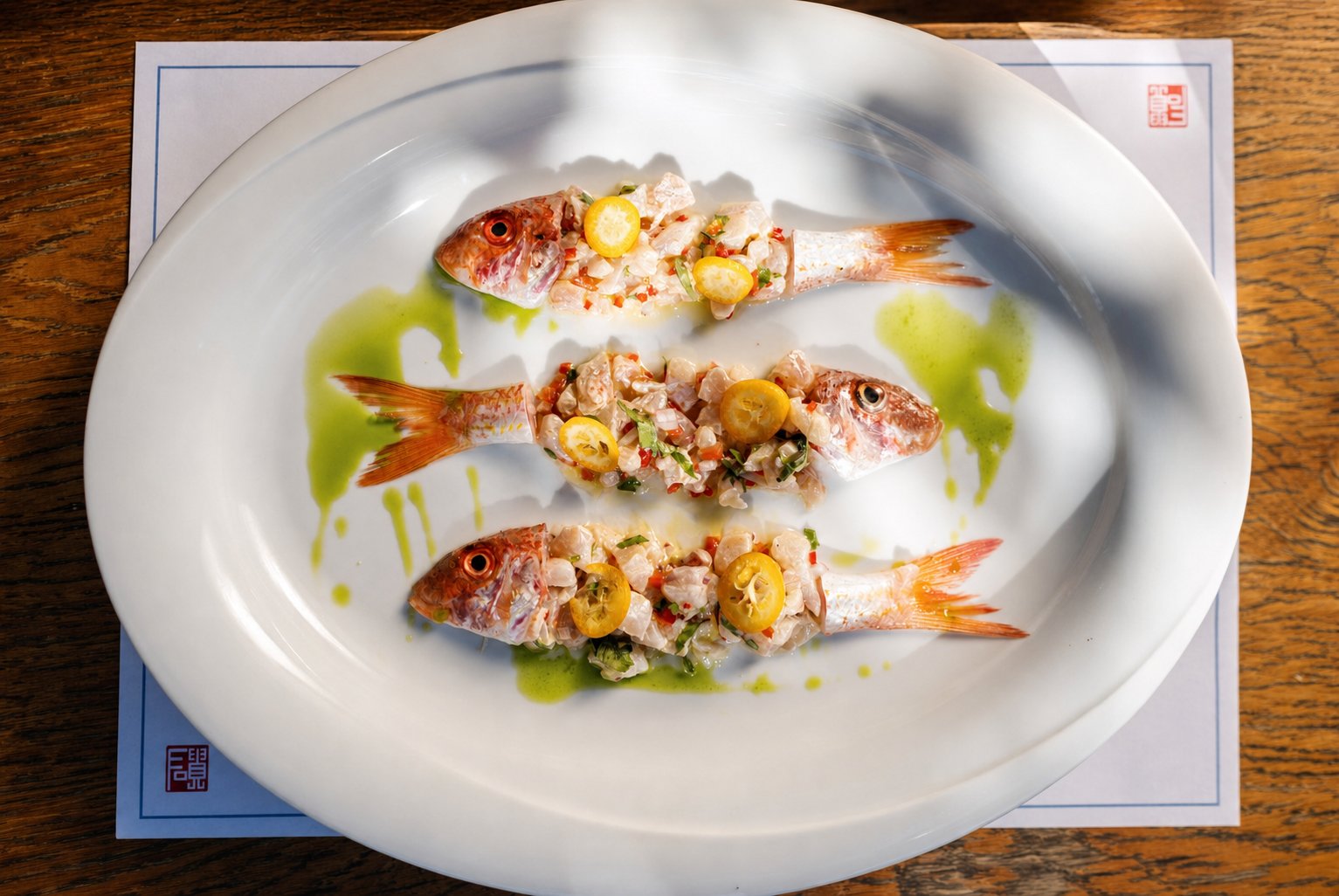
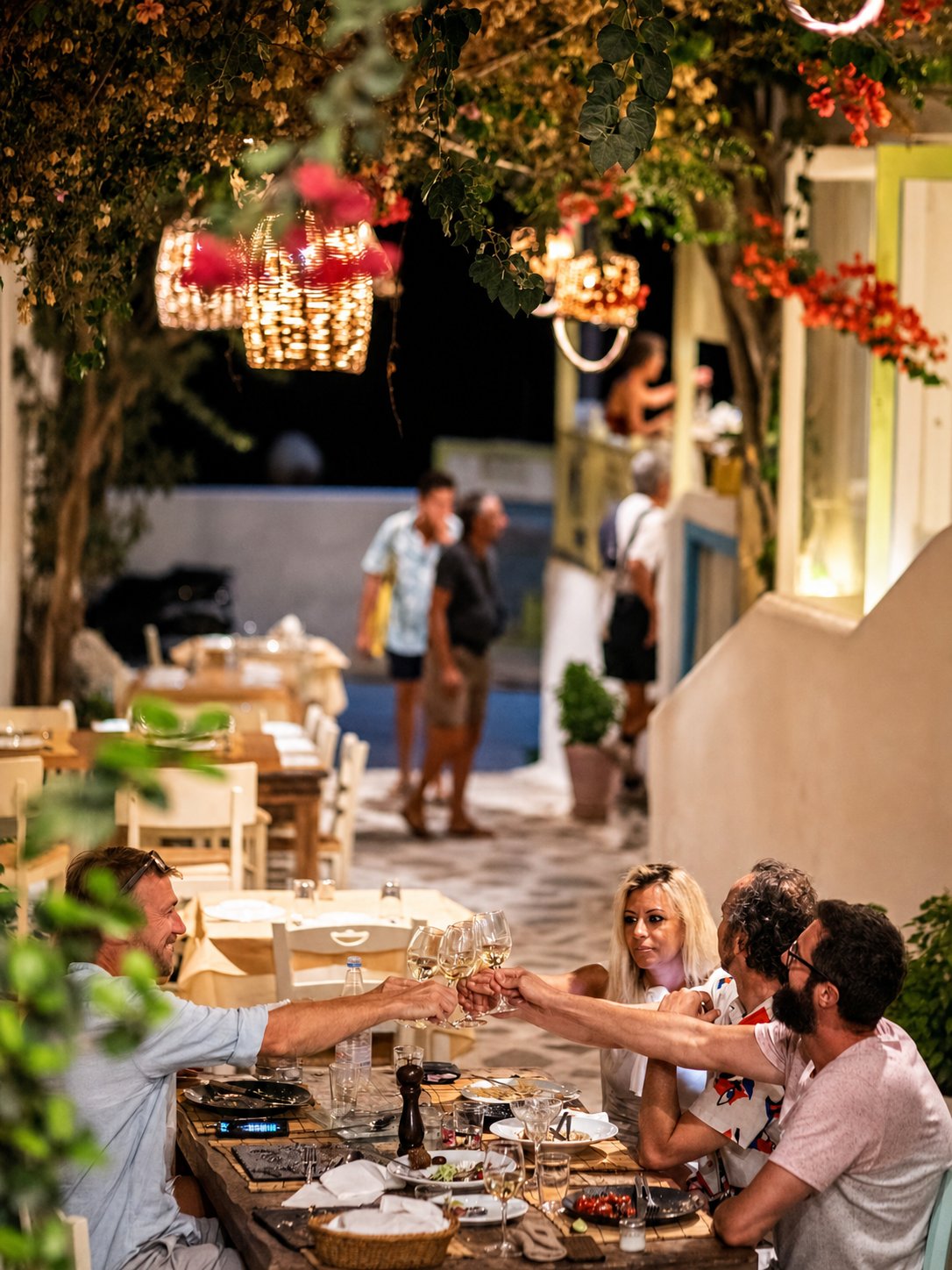
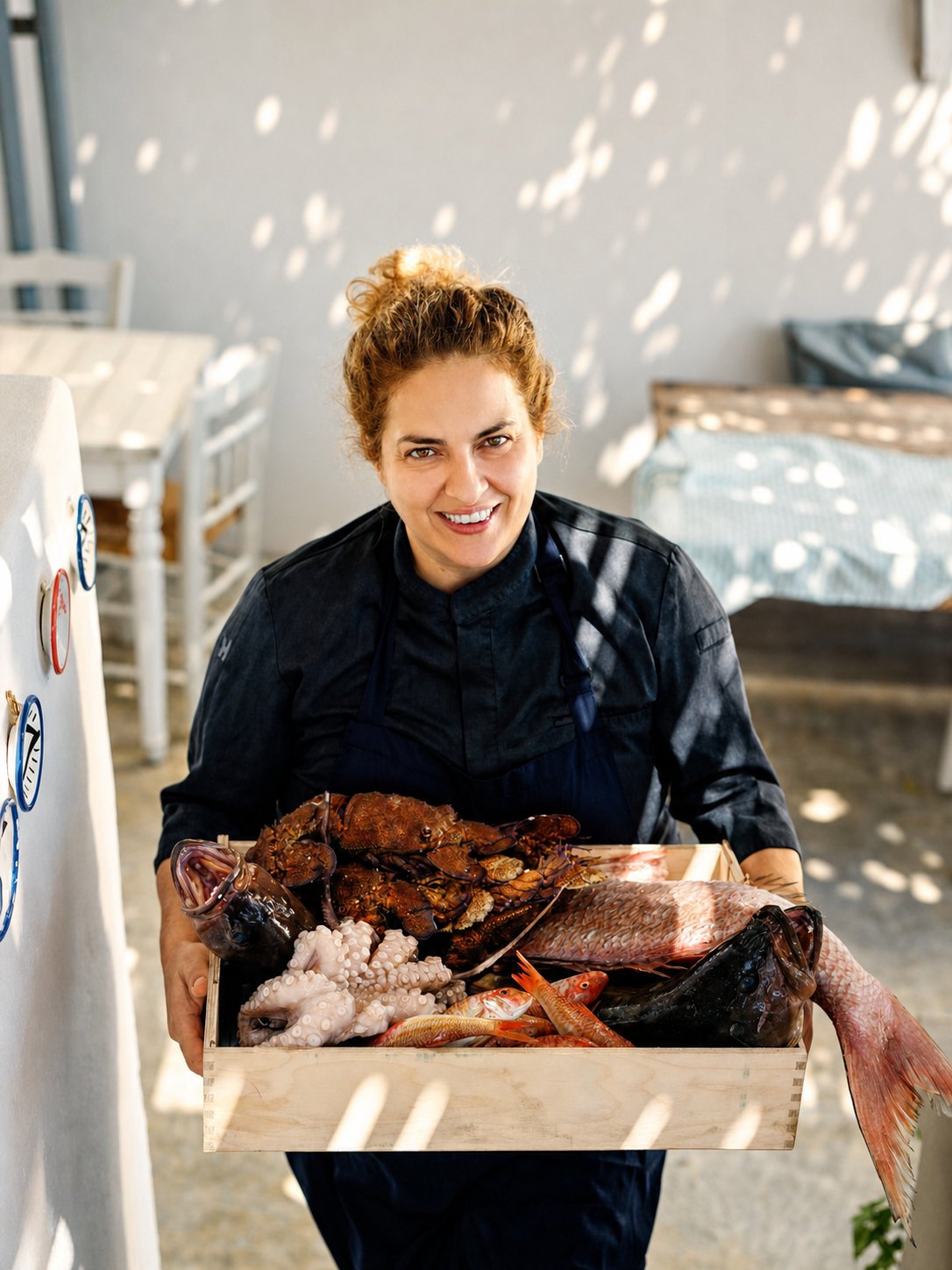
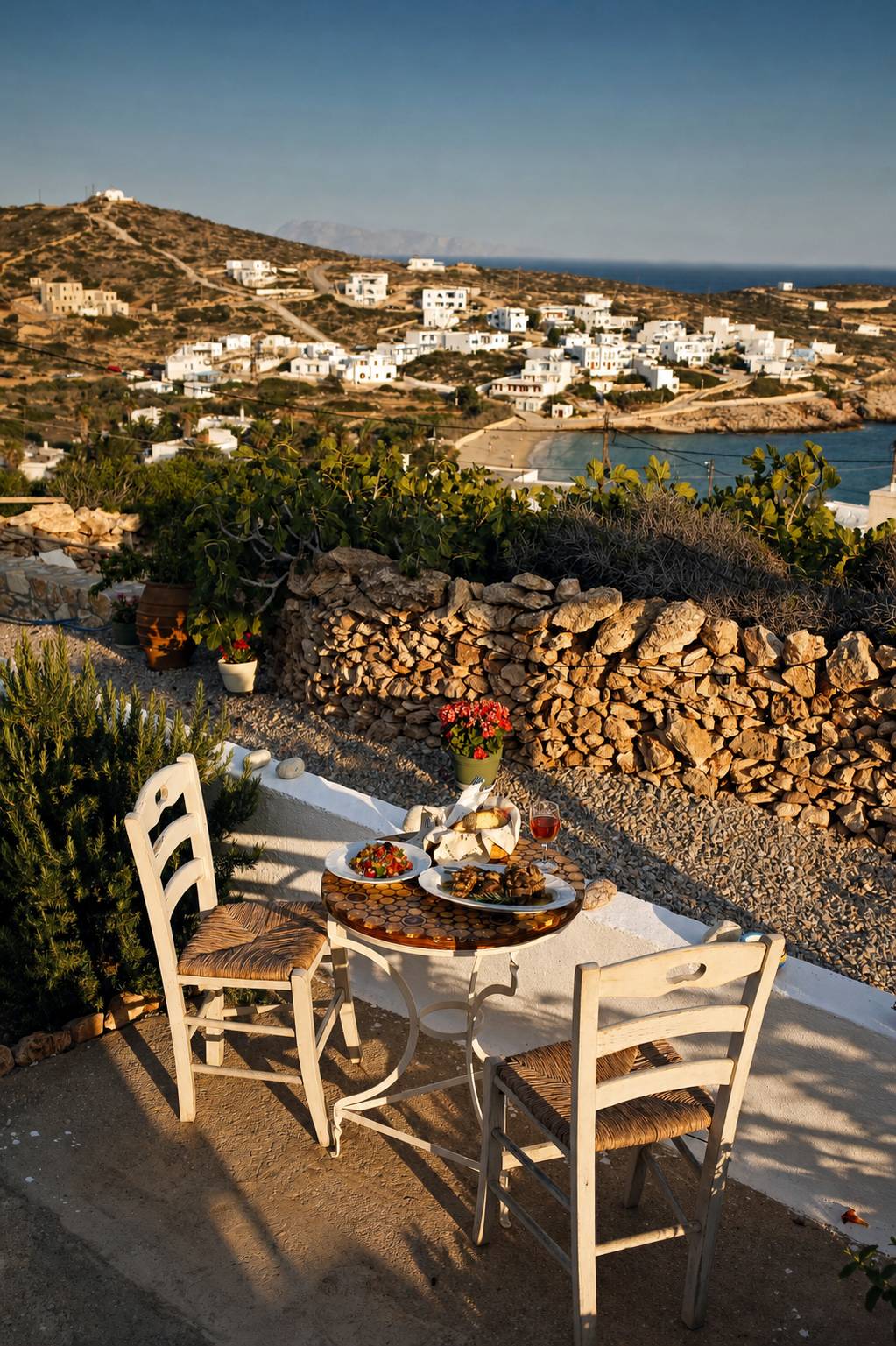
Start the day at Kafeneio tis Haras, in Chora, for coffee and cake, cheesecake included, in an easy, companionable atmosphere locals treat as a second living room.
Kira Pothiti, warm and unpretentious, has been serving Aegean seafood dishes since the early 1990s and remains one of the island’s most loved addresses.
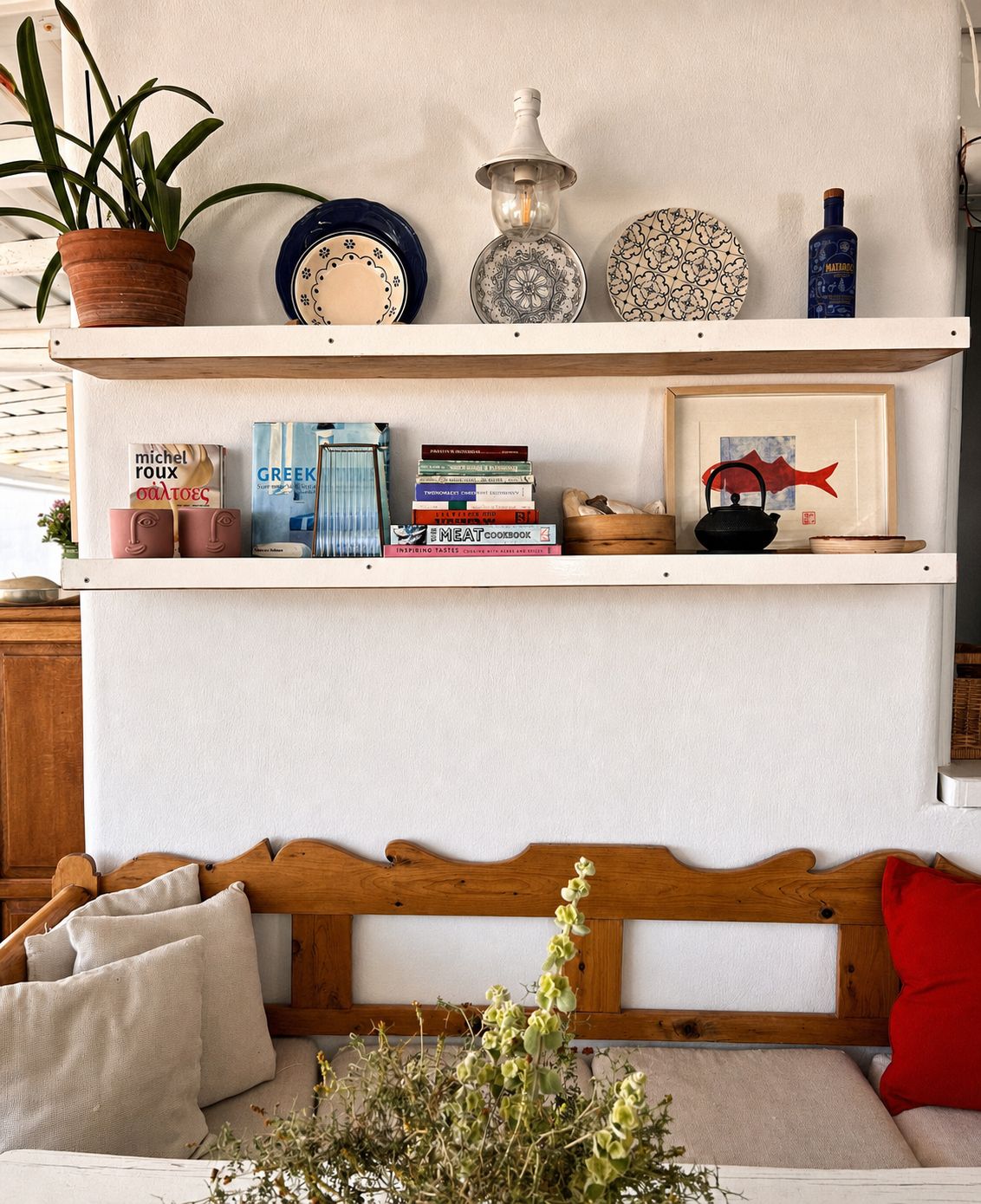
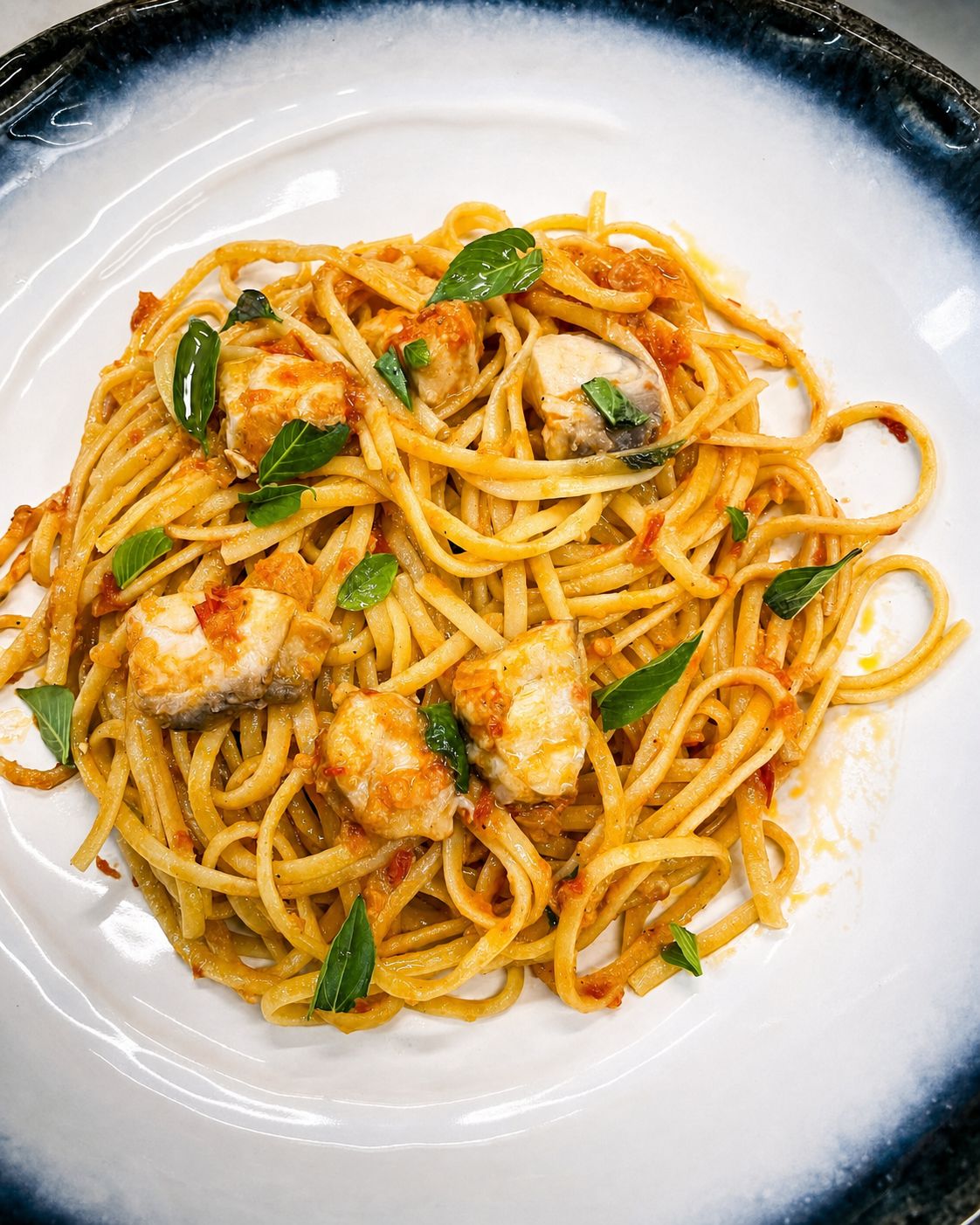
Nikolas of Schinoussa, at the port, specializes in fish, while Deli, on the square in Chora, serves confident Mediterranean cooking in a dining room with a sea-facing back balcony and doubles as a cocktail bar.
Captain Cook is the reliable choice for fresh fish and a wide view.
For something sweet, the café at Peri’s has built its reputation on its desserts, and for a drink, Vrachos Bar Restaurant, just outside Chora, is where evenings tend to end.
03
Where to Stay
Given its pull with the yachting crowd, Schinoussa’s accommodation skews a touch more polished than Iraklia’s, though nothing here could be mistaken for a resort, and rooms are split fairly evenly between the port and Chora, with a handful of properties closer to the beaches. Here, “luxury” is less about conventional resort polish than about the island’s natural beauty and simplicity.
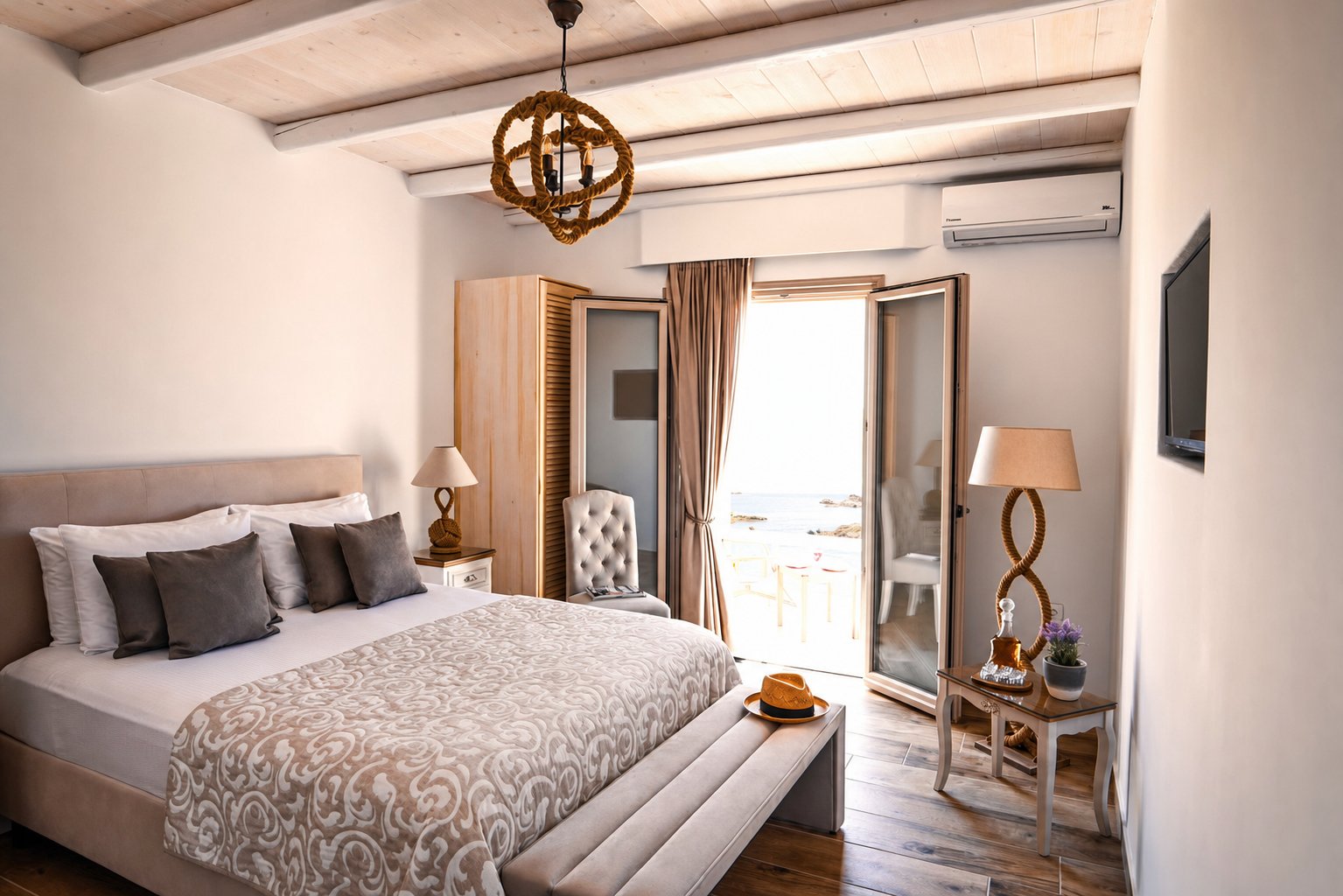
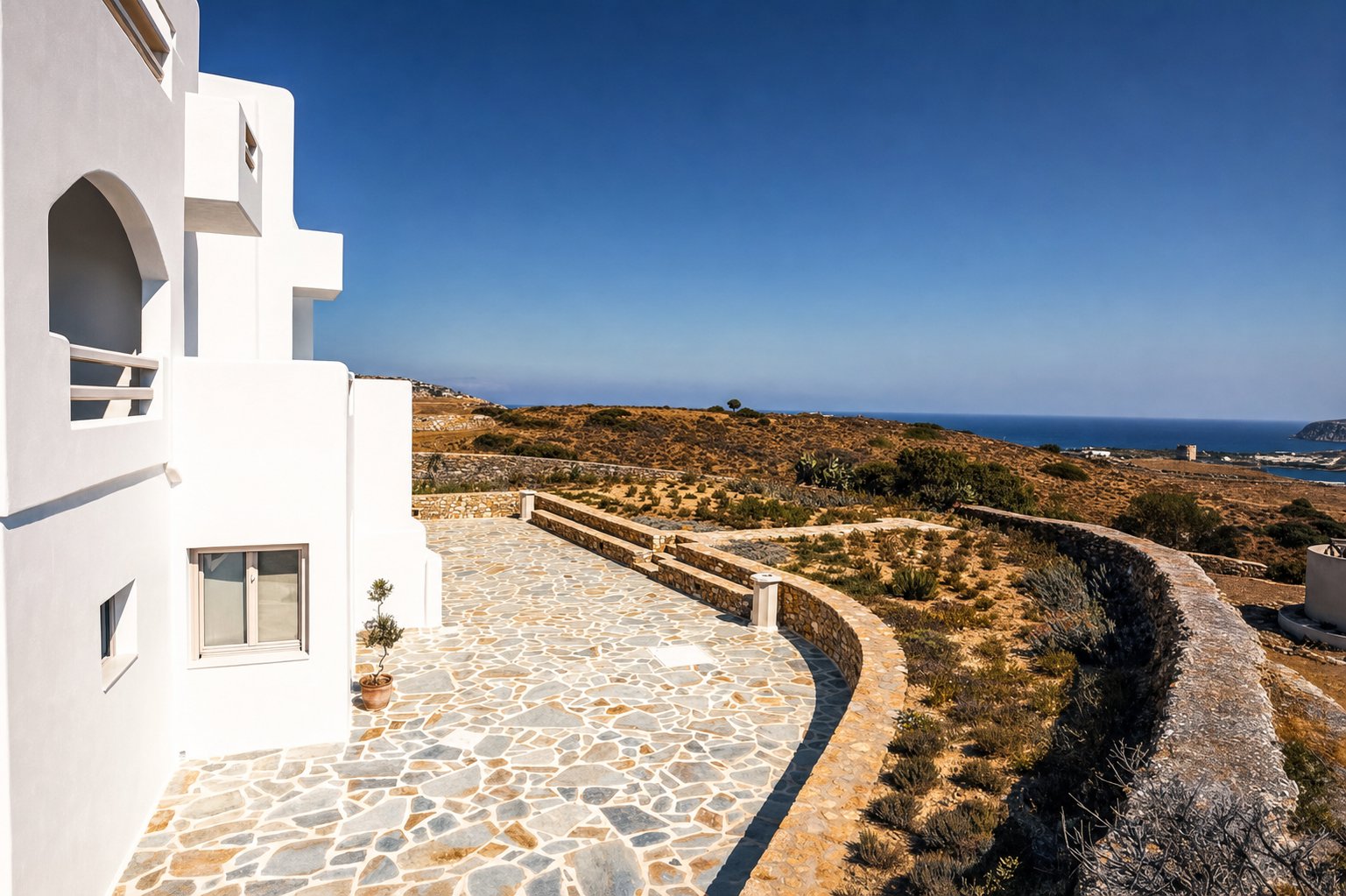
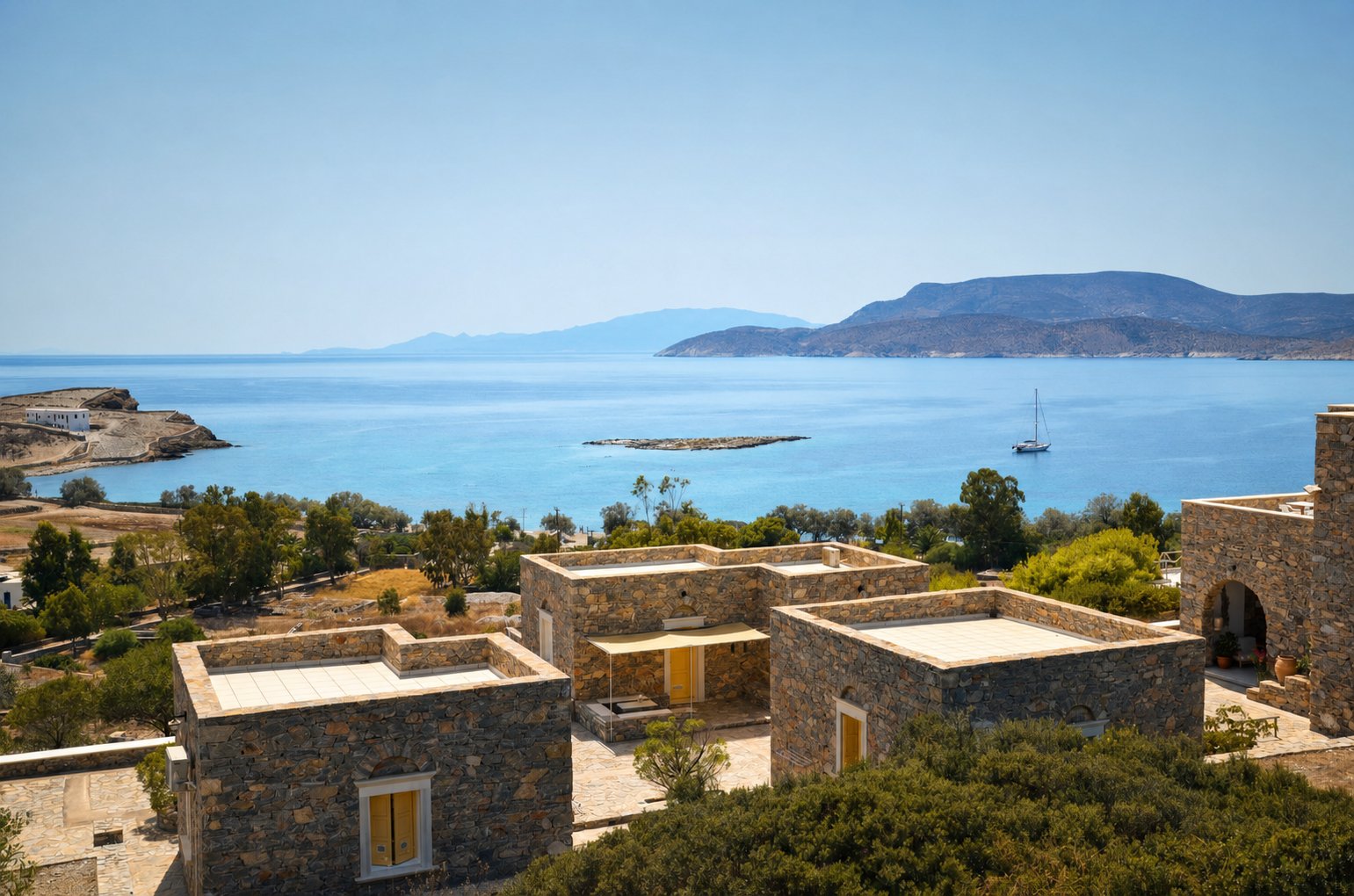
Lioliou Beach Hotel, on Lioliou Beach and run by the Akathi family, has 20 rooms with big balconies over the gulf, sits 30 meters from the sand, and shares its kitchen with the attached restaurant Stis Akathis.
Archipelagos, a set of rooms above Tsigouri beach, is among the more established names, close enough to the sand to make it Schinoussa’s most convenient stay.
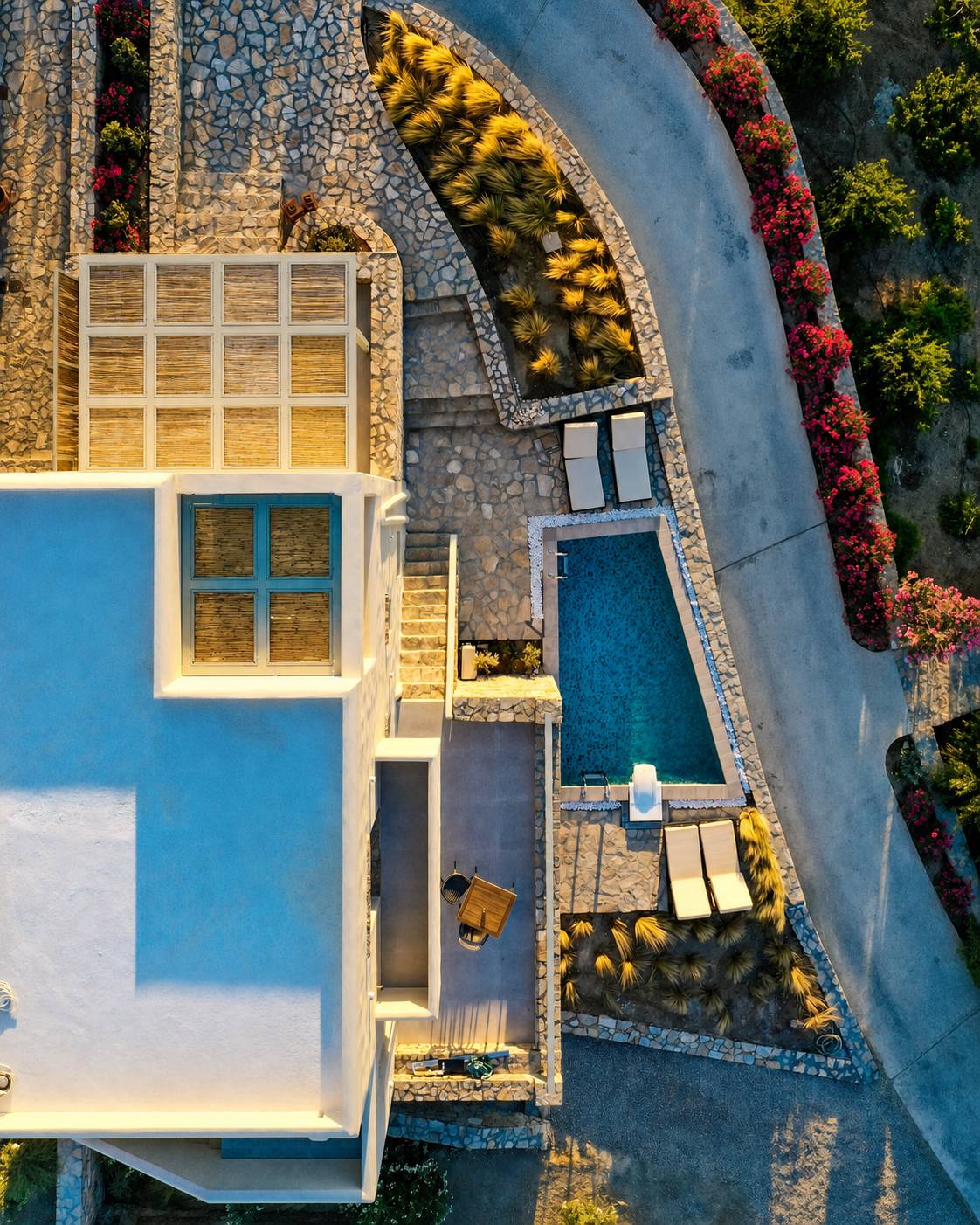
Schinoza Luxury Suites, on a hillside near Chora, is the island’s most design-led address: individually decorated suites, several with private plunge pools, and sea views from every veranda. Theasis Luxury Suites offers a newer, similarly upscale alternative.
Armonia and Filoxenia, both by Grispos Villas, are sister properties above Tsigouri Beach and among the island’s most popular stays. Armonia is the more polished and modern of the pair; Filoxenia is known for a restaurant terrace that guests single out for dinner with a view. Both are a short walk from the sand. Grispos Villas also rents the Stone House and the Rock House.
Iliovasilema, whose name means “sunset,” lives up to it by local consensus. The boutique hotel consistently delivers some of the best evening views on Schinoussa. Book any of these well ahead of July and August, when Schinoussa’s small supply of genuinely top-tier stays fills fast.
Read More
Koufonisia: Follow the Coastal Path into the Small Cyclades’ Boldest Blue
Iraklia: Cliffs, Wild Thyme and the Luxury of Being Left Alone
Donousa: Clear-Water Beaches on the Wildest Edge of the Small Cyclades